
RACE, an absolutely essential tool these days, helps to improvise business processes, boost engagement, and optimize marketing strategies. The full form of RACE is Reach, Act, Convert, and Engage. The RACE framework has been designed as an effective strategic model to enable a business to design a perfect customer journey, thereby enhancing the overall marketing performance of that business. In this blog, we talk about the basics of RACE and its constituent elements that provide a road to success in any modern organization.
- Reach: The first step included in the journey of the customer. It attracts potential customers.
- Act: It helps create an interaction with the brand, such as website visits and social media engagements.
- Convert: At this conversion stage, leads become paying customers.
- Engage Long-term relationships with the customer for higher loyalty and repeat purchases.
- RACE Strategy: Integrated Strategy in Optimizing the Leverage of Marketing Channels Efficiency and Returns on Investments.
What is RACE?
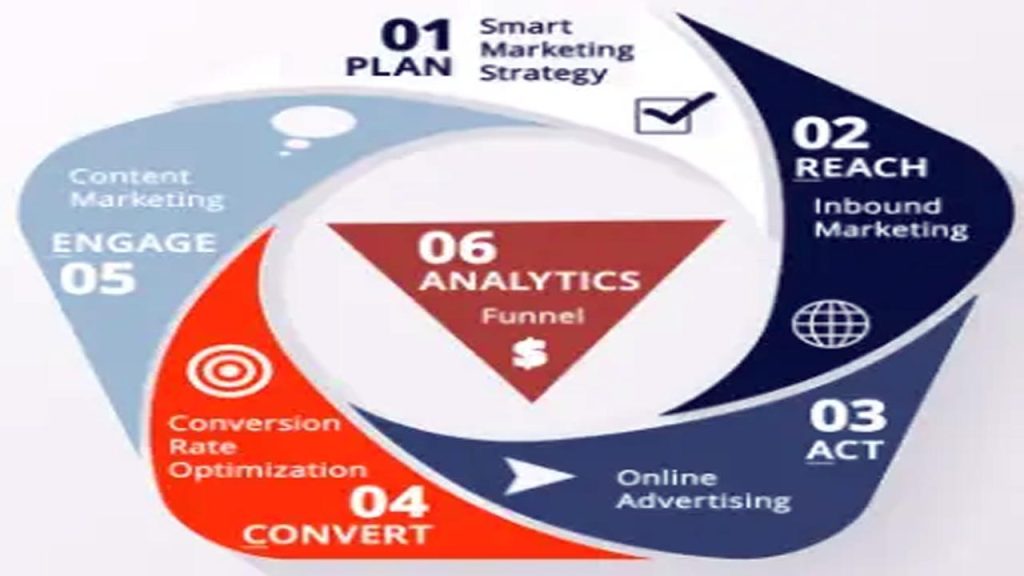
RACE is a strategic framework organizations use to leverage a structured process for digital engagement while enhancing marketing performance. By understanding the four levels: Reach, Act, Convert, and Engage, businesses can optimize the process for customers, improve conversion rates, and deepen brand loyalty. Every phase in the RACE cycle presents opportunities for improvement in an organization’s approach to marketing.
Important Elements of RACE:
- Reach: The process through digital channels like social media, SEO content marketing to attract potential customers.
- It is the most critical stage as this is when brand awareness and interest are created, and you get in front of the right audience.
- Act: It involves encouraging customers to interact with your brand, such as visiting your website or sharing a post on social media.
- Building trust at this level makes the user want to interact with your brand while building a connection with the right customers.
- Convert: It transforms an engaged user into a paying customer.
- This stage guides leads into the sales funnel, converting them into potential buyers via well-optimized processes.
- Engage: Creating long-term relations with customers after a sale.
- Keeping customers interested in a product after their purchase triggers repeat business and loyalty, leading to continuous business growth.
Advantages of RACE
The RACE framework provides various benefits to modern organizations as it covers a major part of the customer journey. Using this structured process, businesses can ensure that their marketing strategies are optimized in terms of both performance and customer satisfaction.
- Better Decisions: The insights achieved through each of the RACE process stages will allow businesses to make more informed decisions in consistency with their objectives.
- Analysis of engagement data leads firms to bestow upon their company new strategies according to what works and what does not with the target.
- Cost-Effectiveness: By focusing on those activities that provide maximum ROI, there is better resource allocation.
- The unnecessary expenses are curbed here so that ample attention is given to concentrate efforts toward giving maximum multiplier effect in marketing practices.
- Customers First Approach: The need is put across at the forefront of customer needs; hence, the firm attends to this factor and reacts accordingly based on the sentiments of the audience.
- Customer-centric inspires customers to be loyal and be involved in more brand work.
- Continuous Improvement: RACE emphasizes the continuous review of marketing activities to ensure continuous growth and optimization.
- Businesses can keep themselves at the competition bar by aligning their actions according to performance metrics.
- Collaboration and Communication: The RACE model encourages teamwork to ensure that every department aligns itself with the business objective.
- Well-defined goals and identified roles within this framework ensure transparency and effective communication.
Steps to Implement RACE
Businesses should execute business with an orchestrated approach that combines key strategies and performance metrics for proper operation of the RACE framework. This improves the optimization process in the customer journey and enhances business results.
- Examine Current Activities: Look at what is currently being marketed to identify the firm’s strengths, weaknesses, and areas for improvement.
- Gaps in customer journeys will determine where to create emphasis on the best-performing business strategy.
- Design Cost Drivers: What is driving cost at every stage of the RACE model.
- Efficiency would rise since resource allocation and distribution will be known.
- Develop Performance Measures: Track engagement and conversion at every stage of the framework to measure success.
- Data-driven insights will empower businesses to make appropriate adjustments.
- Employee Engagement: Engage all departments in the process of implementation. This brings a sense of ownership and responsibility to the employees.
- When active, staff play their role in executing the marketing plan in the right manner.
- Utilize Technology: Make use of CRM systems and marketing automation to facilitate smooth operation and monitor the progress.
- It enhances the efficiency of RACE and also enables businesses to scale their efforts correspondingly.
Real-Life Implementations of RACE
This framework proved to be effective in any industry to enhance the performance of any marketing undertaking as well as the relationship between the organization and the customers. The following is a number of success examples of applying the RACE model by businesses.
- Retail: A leading eCommerce retailer applied the RACE framework for the purpose of raising customer engagement, mainly on the stage of Convert. By optimizing the checkout process, the company saw an increase in conversion by 25%.
- Consumer Goods: The global consumer goods brand applied RACE to enhance its Reach Strategy; indeed, the outcome was a significant spike in the presence of the brand and customer acquisition through targeted campaigns.
- Software: A software firm implemented the Engage phase with a loyalty program, raising the rate of return by 40% while enhancing advocacy among the satisfied users.
- Healthcare: Hospitals introduced the use of RACE in the promotion of patient engagement, particularly through online outreach programs, which has helped make booking an appointment and after-care follow-ups easier and more efficient for the hospital.
- Hospitality: Hotels have utilized the Engage stage to create long-term customer relations through tailored offers and loyalty plans that have helped in consumer retention.
Final Thoughts
The RACE framework hence works as a very powerful tool for businesses to enhance their marketing efficiency, strengthen interactions with customers, and perfect their entire customer journey. Businesses can now, through these individual steps of the campaign-to-marketing funnel: Reach, Act, Convert, and Engage, gain scope for growth, increase customer satisfaction, and ultimately make profits.
- Employee Engagement: RACE implementation thus helps in constructing a sense of belonging and gives impetus to teams, thereby enhancing performance.
- Better Decision Making: Decisions made in real-time are data-based, so there is always a marketing approach that works.
- Increased ROI: Proper usage of all the stages increases the return on investments.
- Customer Loyalty: Engaging customers beyond the point of purchasing something more results in an enhanced, strong relationship that makes them brand advocates.
- Sustainable Growth: Continued assessment and optimization of marketing efforts will eventually lead to long-term success.
Now is the time to embrace the RACE framework and experience the transformative impact it can have on your organization. As already known, to be competitive enough in today’s market, businesses focus on improving customer interactions with them and maintaining sustainability, ensuring sustainable growth.
]]>Understanding the Foundations of Sports Marketing

Sports marketing is an important part of bringing fans closer to the teams, athletes, and events that are participating. The main objective is to create brand awareness among people who are interested in sports through various means, including digital platforms, sponsorships, and traditional advertising.
- Branding Importance: Building a brand that stands out from the crowd is vital. Organizations such as the New York Yankees and Manchester United partly show how a brand can be so powerful that it can even overpower the game and get the whole world to recognize the brand with which they associate themselves.
- Actual Stats: A 2022 Nielsen Sports report claims that 80% of sports fans who their beloved teams or athletes sponsor are more engaged in the brands, thus signifying the role of the right partnerships in a sports industry becoming a success.
- The theoretical foundation to make the best decision: The 4 P’s of marketing Product, Price, Place, and Promotion provide a powerful solution to developing successful marketing strategies for sports. Knowledge of these can help make the teams’ or events’ unique selling propositions easily understood.
Leveraging Digital Channels in Sports Marketing

Just like the technological revolution has affected the communication field, the same thing has happened with the sports marketing industry. Online channels such as social media, mobile apps, and content marketing have become important.
- Real-Life Scenarios: NBA teams use platforms like Instagram and TikTok to connect with fans through personal content, a successful way of connecting coach-players and fans. For example, the Golden State Warriors use storytelling to make people more attached to the team, thus maintaining a rigid wall with their fans.
- Challenges and Considerations: Although digital marketing offers a wide range of possibilities, it also faces the challenge of performing controversial tasks, such as managing online reputation and handling negative feedback. One way of taking control of such situations is to follow the crisis management model and thus minimize the risk of occurrence.
- Practical Strategies: Brands need to focus more on creating authentic and memorable content that their audience will read. Apart from other ways, telling good stories through videos, polls, and live interactions on social media will make one’s music and be the driving force protecting and promoting loyal fans.
Emerging Trends in Sports Marketing

Being dynamic while simultaneously keeping up with the currently ongoing sporting events in terms of marketing characterizes the marketing environment of sports. A good understanding of the trends that are due to arise is required for a company that wants to survive in the long run. The following areas are some of the ones that will be the most competitive:
- Sustainability Initiatives: To green a setting, several more businesses nowadays are turning to sustainability, as it improves the brand and customer experience. Moreover, the Seattle Seahawks realize the true potential of environmentally friendly activities; thus, they have designed a recycling program that has been appreciated by eco-friendly fans.
- Personalization and Data Analysis: The rise of big data has influenced the marketing world, as marketers have been capitalizing on the use of data to personalize consumers’ experiences. Developing personalized marketing that is both relevant and interesting to the target group can uplift the response rate and increase revenue.
- Implications for the Industry: Besides, as technology changes and fans’ expectations change, companies are supposed to adapt to innovation. Staying one step ahead of the new phenomena of music, like, for instance, those taking place in venues such as AR or improved mobile engagement, will be the best way to the end of the road, which is fan Tennessee.
The quintessence of effective sports marketing is to feel the base of the principles, use digital platforms well, and keep up with the latest trends. These strategies benefit organizations by enabling greater visibility and stronger connections with fans, ultimately resulting in growth and loyalty in the highly competitive sports industry.
Conclusion
The relevance of a good sports marketing strategy directly influences the growth and viability of sports organizations. At the same time, it offers practice for fan engagement and brand loyalty. In our Ultimate Sports Marketing Guide, we summarized the key parts of a solid marketing strategy that ensures a company is among those who can benefit from the enormous growth of the sector. By being familiar with sports marketing subtleties that include the use of social media and data analytics as well as developing community relationships and sponsorship partnerships, you can design campaigns that are tailored and that are the talk of the town that speak to the audience you want to serve and add the extra glam to your brand name.
Key Takeaways:
- Engagement is Crucial: Having good answers and relationships with the fans will boost loyalty and drive attendance.
- Data-Driven Strategies: Analytics can help align marketing efforts with audience tastes and trends.
- Social Media Presence: A lively and engaging social media strategy can significantly increase fans’ range and commitment.
- Sponsorship Opportunities: Strategic alliances can go a long way in boosting visibility and carrying extra revenues.
- Community Involvement: Interconnection with the local community produces goodwill, thus creating a better brand reputation.
By integrating these components into your sports marketing strategy, you can realize a holistic approach that will not only enable the business to meet its goals but also improve the sports culture to a whole new level.
]]>These firms, too, will probably be nonexistent due to their gravity if they continue to intentionally exclude the gurus from their business strategy. Technological improvements, on the other hand, are those of the biggest modern trends. This observation is supported by market data because tech businesses are those that get the greatest benefits through digitization among all other types of businesses.
Top reasons the companies should not bypass marketing experts:
- Use revolutionary strategies that ally diversity and even gender to prove greater engagement and project visibility.
- Acquire participation of expert opinion that helps in deciphering the intricate wearable technology user behaviors this quarter.
- Undergo freshly emerged tactics and techniques that are reliant on advancements in technology to systematically move through digital advancement.
- Hike ROI through fact-analytics marketing measures
- Build networks and hang out with leaders of the sector for great opportunities in the future.
In this blog, we will talk about the value of the most important marketing gurus, check out the methods they have practiced, and bring to light examples from real life of their impact on businesses. Shockingly, more than 80% of the successful companies declare that their growth was due to insights they got from marketing specialists. Be with us as we explain how these guys can inject new life into your business by getting their insights!
Top Marketing Gurus in the World
Marketing gets constantly redone which in turn makes the people behind some of the most triumphant campaigns be picked as gurus in that area. These guys have significantly changed the market, crafted brand-new approaches, and modified the whole communication between businesses and their customers.
In this article, we will introduce you to some of the famous marketing gurus in the world, their great contributions, and the features that make them outstanding in the field.
- Philip Kotler
Philip Kotler is often called the “Father of Modern Marketing.” His work in the field of marketing theory is truly immeasurable; thus nobody can imagine marketing without him.
- A Wholesome Marketing Framework: The work of Kotler, a pioneer in modern marketing, paved the way for the call for a holistic view that considers customer understanding, market research, and marketing strategies. His frameworks are adopted far and wide by people who work or study in the field of business management and marketing.ooolnu
Seth Godin is a successful author and speaker whose visionary ideas in the field of marketing earned him wide recognition.
- Permission Marketing: The most impressive of Godin’s concepts is “Permission Marketing,” which reminds marketers of the need to seek customer consent before they market to them. This strategy has proven to be effective within the digital marketing era, where consumers crave personalization.
- Books and Online Presence: Godin is the author of several books that gained popularity among the marketing community such as “Purple Cow” and “This Is Marketing.” His blog and podcasts always fascinate marketers and entrepreneurs, as they are based on unconventional, dare-to-take-risks strategies and are focused on storytelling.
- The Tribes Concept: Godin not only introduced the words ‘tribes’ and ‘community,’ but he also greatly emphasized that language and effective marketing have to do heavily with building communities or ‘tribes’ around a brand. This thinking has permitted even small companies to concentrate on creating a body of committed customers who then become inadvertent marketers for them.
2. Gary Vaynerchuk

A force in digital media, Gary Vaynerchuk is a recurrent entrepreneur and VaynerMedia’s CEO. His marketing method primarily speaks directly to the Gen Z and millennial target groups.
- The Importance of Authenticity: Gary takes great pains in branding his messages in an authentic way and communicating them with transparency. He insists that today’s consumers want real brand interactions, as a result of which marketing is now more about creating human-to-human connections as opposed to superficial transactions.
- Social Media Mastery: In addition, Vaynerchuk is popular for his excellence in employing social media to connect the customers not only with the products but with the brand as well, thus enabling the last one to become more sustainable and even grow further. His tips on the art of social media marketing will take you through content creation, through audience engagement, thus giving you all the knowledge you need to start the product in the digital area.
- Content Creation: His strategy in content marketing stands out in that he actively chooses to produce a set of various types of content, each of which engages different potential customers, while eventually they will be gratified through his direct writings. His quote of “document, don’t create” reminds brands that they should be truthful about their communication and avoid focusing too much on promotional materials.
3. Neil Patel
Neil Patel is an Internet marketer who has made a name for himself by becoming a force to be reckoned with in the world of marketing, thanks to his SEO and Content Marketing expertise.
- Digital Marketing Guru: Patel has been a player in startups like Crazy Egg and Hello Bar, offering businesses products that help in growing websites. Through his online marketing process, many companies have been able to enhance their searchability and widen their market reach.
- Educational Resources: He provides a wide range of learning materials in the form of his blog, podcasts, and YouTube channel, where he talks about SEO strategies, content marketing techniques, and digital growth hacks. His information is a well-spring from which several users have drawn no little profit, besides the education of the marketers themselves.
- Data-Driven Strategies: Patel believes that the use of models that are based on data and analytics in decision-making can allow firms to adopt strategies that are based on real evidence. His concentration on conversion rate optimization (CRQ) is responsible for data intelligence providing a clear picture of sales performance.
4. Brené Brown
Although first and foremost a researcher working in the field of vulnerability and leadership, Brené Brown’s use of her marketing ideas has a deep effect on the way brands connect with their customers at an emotional level.
- Connection through Vulnerability: One of the four elements that Brown insists should be present in every story is vulnerability. The campaign that makes consumers feel really from the heart results in the ones that will be more active in the loyalty program. This is because consumers will also want to remember which brands they truly are connected to in their hearts.
- Power of Storytelling: Through her storytelling emphasis, she has influenced the creation of many marketing campaigns wherein sales pitches moved from a rather boring form of information to highly intriguing narratives. Enterprises that tell the right story can hold the attention of their audience and attract them to continue their businesses.
- Research and Insights: Brown’s studies reveal key aspects of human connectivity; they are practical for a creative process. The cognitive part of the human is not physical and marketers must tell stories that reach deep inside the heart, making their relationship with customers more special.
5. Ann Handley
Ann Handley is an expert in digital marketing and a popular theorist of efficient content development.
- Content Marketing Expertise: Handley is a global content marketing pioneer and best-selling author who is looked upon as the driving force behind quality content. “Everybody Writes,” her book, is targeted at marketers who wish to be better writers, primarily with skills such as clarity and customer engagement.
- Developing Content Strategies: She suggests that instead of promoting brands, companies develop content strategies that are more client-centric. By means of this transition, they acquire the skill of winning over their patients through their trust-building attitude and thus continue to be their long-term partners.
- Speaking and Evangelism: MarketingProfs, founded by Handley, is a company where she successfully conducts workshops and seminars on content marketing and this topic. The phenomenon of this business channel’s empowerment is the emergence of unique and creative marketing ideas in any of the sectors.
6. Jay Baer

Jay Baer is a marketing consultant who is best known as the author of several books that deal with customer experience and social media marketing.
- Customer-Centric Approach: Baer is a proponent of practices that are client-focused in the efforts of the businesses. He claims that businesses should change gears and focus on creating great customer experiences, because they, in turn, will become their most loyal advocates.
- Content and Social Media Strategies: Baer is an expert who is engaged in sharing his insightful ideas and enabling businesses to maximize social media to bring customer engagement to a whole new level. He motivates companies to produce and deliver personalized content that fully fulfills the needs and expectations of customers.
- Emphasis on Listening: Baor hails the provision of listening as the guiding principle of good marketing as a paramount factor. By responding to customer comments and insights, companies can improve their strategies, thusly they create more predictive and engaging marketing loops.
7. Rand Fishkin

Rand Fishkin, a well-recognized digital marketer, and SEO pro is the founder of Moz and SparkToro. His involvement with the marketing segment has brought to the scene some out-of-the-box ideas for search engine optimization and audience intelligence.
- Innovations in SEO: Fishkin’s contributions to SEO have opened the avenue for marketers to operate through wiser, more strategic methods of online visibility. His perception of authentic search engine growth has been a command-in-chief for a multitude of trading companies to receive their rankings and reach through SEO practices that are more than effective.
- Transparency and Selling: Fishkin appreciates transparency in marketing and is a proponent of companies telling the truth about their tactics. His programs, like The Moz Blog, are the vehicles to enlighten and embolden marketers with truthful, insightful information.
- Community Building: To Fishkin, a community is more than a cluster of digital marketing ideas, it is the interaction that is the breeding ground for users’ affinity with the brand. He customizes campaigns for each business with the help of audience intelligence thereby making it easier for businesses to attract and retain customers.
8. Tiffany Dufu

Tiffany Dufu is a seasoned leadership expert and author whose books talk about women achieving their life goals while juggling the complexities of life.
- Empowerment in Marketing: Dufu mentions the necessity of the presence of diversity, along with the empowerment of women in marketing. In her textual strategies, she is pointing out authentic brand messaging that the female demographic, in a significant way now, can identify with, accounts for. It is a very significant point in the market today.
- The Role of Authenticity: She puts forward the idea that when it comes to brand recognition, companies can create a bond with the customers only by being authentic. The fact that women, in this case, are the most devoted because they feel the urge to connect only to those who express their moral values and steer to the experience only they have, is very important to brands.
- Mentoring and Community: In the marketing field, Dufu underlines the need for the concept of mentorship and community, which increases participation and the formation of support structures that can help the whole sector grow is a very crucial thing.
Conclusion
The marketing industry’s future is constantly changing, as it is affected by the creation of new technologies and the transformation of consumer behaviors. The contribution of the top marketers can be seen in shaping the strategies, which underpin successful campaigns today. Through the experience of their studies, these successful entrepreneurs keep inspiring marketers and firms all around the globe to visualize and initiate the use of the newest marketing techniques.
Key Takeaways:
- Diverse Expertise: The ingenuity of these marketing experts extends over a large array of specializations, from digital marketing to emotional branding.
- Focus on Authenticity: Authenticity and consumer genuineness are common themes and not only the big companies but also the small ones are willing to concentrate on this type of methodology.
- Teaching and Resources: Some of the gurus are the authors of the literature they suggest to the public, with the rest left to write down the very books, posts, and public speeches, making these materials an indirect means of a solid on-the-mark marketing job.
With the acumen of these guiding lights, organizations can tread the convoluted path of marketing with certainty, not only their strategies proving efficient, but also being powerful, and meaningful.
Final Thoughts on the Top Marketing Gurus in the World
Involved in a world full of changes, it is the contribution of thought leaders and industry founders that is of crucial importance to the thriving of marketing activities. The marketing gurus mentioned in the present post have changed the rules of current marketing not to mention the fact that they also became the ones to inspire the numerous professionals to be motivated and look for the newest caliber;
From experienced thinkers like Philip Kotler, who, through his basic principles, has provided a foundation leading to the increase of the marketing education technologies in the field, to Gary Vaynerchuk, a heroic figure in the digital world who, because of his knowledge of social media, has fortunately made an enormous change in the entrepreneurial business of the internet world, they brought us the coolest thing in history.
While we examined the unique strategies of these marketing elites, we realized that these guys all come with their methods, philosophies, and tactics. Therefore, their wealth of experience performs a dual role of showing that marketing is a mix of good old engineering and new technology and that it takes creativity, acumen, and an understanding of consumer behavior. The tour of their teachings is a bundle of lessons for those who, notwithstanding the decline in the attention economy, are ready to persevere.
Furthermore, the idea of non-stop learning and adjusting as a condition to be a successful marketing professional is a common thread that all these influencers talk about. In a situation where customers change preferences quickly, various technologies emerge and disappear, and staying with the game stands as a highly desired skill.
Each master in the ad mech fleet not only highlights the truth that everyone ought to keep pace with the fast-advancing marketing sphere but also stresses the importance of being a trendsetter by adopting cutting-edge technologies. To sum up, older or junior marketers can be improved by studying these marketing gurus who have some of the most brilliant strategies and careers to admire.
By enacting their teachings, marketers have the ability to make practices with the greatest impact would be the first step in their path toward the real audience. This requires us to approach the consumer as individuals and not as a group, that is to say, understand and address individual needs to be able to connect with them.
Moreover, technologies that allow for the proliferation of new economic models and the growth of the P2P economy will be emerging during the coming years. Let us, thus, be these trailblazers and keep the fire burning by grabbing the torch from the people who did step one and have laid the groundwork for us.
Outline
- The Evolution of Marketing Gurus: These section points are about the past, the unavoidable and sometimes misunderstood intermediate stage, and what has made people switch from observing new customs to reality and the influence of one’s thoughts. This stanza at once poses the questions and answers them pointing out the areas for the aforementioned paradigms’ shifts and proposing that such a displacement demands tactical acumen and strategic farsightedness.
- Key Contributions of Each Guru: This installment is a lengthy account of the articles, which begin with the identification of the classic hypotheses, introduce the original writings told about them, and devote books by the people. This occasion also informs the reader of the fact that the strength of their ideas passed down from one generation of marketers to another has become the basis of industry standards.
- Lessons for Modern Marketers: Tips that marketers can employ in their campaigns to connect with their targeted customers which they get from the teachings of those experts are also included in the chapter. For example, in a 2007 article on teaching, Calmer suggested that learners respond to more metaphorical language. The chapter’s main focus lies on creativity, technology integration, and lifelong learning as the important elements in creating a unique advertising experience and discovering the audience’s stance in the market.
What is 3D Advertising?

The concept of 3D advertising is a fresh hit in marketing. It uses three-dimensional visuals to establish a connection with potential customers and thus strengthen their engagement with the brand. This kind of advertising involves the impression of depth and perspective and sometimes incorporates interactive elements. Only such a setup can hold their feelings while ensuring creativity. With the numerous entities feeding the market, businesses must be keen to use 3D advertising to connect with the audience and invite their participation through memorability, among other factors.
The Power of Immersive Experiences

One of the most critical aspects of 3D advertising is its ability to be a fascinating and interactive product that engages the user. A recent study reveals that ads with 3D can have a higher engagement rate of up to 80%. Viewing such a product that is not two-dimensional but instead has depth and dimension causes people to be drawn to it and not just view the advertisement without interacting with it.
- Case Study: AR took off when IKEA employed it in their advertising campaign to customers, offering them the facilities for visualizing a 3D model of a particular piece of furniture in their homes, which led to an increase of 30% in the store’s conversion rates.
- Frameworks: The employment of the “Immersive Framework” in 3D advertising enumerates that the goal of the approach is to create user-centric contact that is highly personalized, emotionally striking, and interactive to the audiences. In doing so, a brand can excel in setting itself apart from its competitors by developing products and services that are not replaceable.
Challenges and Considerations in Implementation
Although the AR benefits of using 3D advertising are innumerable, some businesses are facing several implementation hurdles. The technical challenges are colossal, be it in 3D modelling or incorporating it in advertising, but innovation is reducing the obstacles for smaller companies to combat.
- Challenges: Production costs and the need for specialist-skilled personnel could sometimes lead to a fall-off. Further, the inclusion of technology trends should be equally emphasized.
- Practical Advice: Brand owners should consult agencies with expertise in 3D technology or explore new 3D software tools that make saving for tech self-taught programs. Along with SEO, it is important to include digital marketing elements in the DOM for the campaign to reach far and wide.
Emerging Trends in 3D Advertising

Moreover, advancements in 3D technologies encourage a variety of new AR applications. These trends strongly suggest a shift towards completely digital worlds and a rise in the usage of VR and AR to introduce more engaging, creative, and interactive advertising.
- Trends: Metaverse platforms’ popularity continues to grow, which means brands can now come up with 3D advertising solutions not only in reality but within virtual environments as well. Companies are experimenting with integrating brand experiences in these digital spaces, creating opportunities for customer interaction at another level.
- Implications: For marketers, keeping up with these changes is mandatory to cope with the new realities. As consumers get used to more complex advertising forms, 3D ad formats will likely be brands leading the market. Going along with such modifications entails investment in innovative technologies and a quest to learn more about captivating audiences in a 3D digital world. Consequently, 3D advertising is now more than just the latest fashion; it is a different way for brands to connect with their audience. By offering immersive experiences, finding solutions to technological issues, and predicting future trends, corporations can harness the full potential of 3D advertising to drive engagement and develop brand loyalty.
Conclusion:
The Significance of 3D Advertising
In the ever-dynamic data space, one-off shots of 3D ads are now spawning as the sole force leading the realm of ads captivating and sending messages to men and women. By turning classic advertising into a more visual and emotional experience, 3D advertising not only achieves a high level of perception but also touches the minds of potential customers at an emotional level. As technology advances, the importance of 3D elements in the marketing mix becomes manifest, and thus, brands have more freedom to create differentiation in otherwise competitive market scenarios.
Key Components of 3D Advertising:
- Enhanced Engagement: 3D visuals lead to interactive experiences that keep viewers engaged longer than traditional ads do.
- Realism and Detail: Using lifelike designs and motion, 3D ads offer a more detailed view of products through motion that enables the consumers to see them in their own lives.
- Brand Differentiation: Using 3D advertising technology, brands can set themselves apart from the competition and create a unique image in consumers’ minds.
- Cross-Platform Versatility: 3D content can be easily adapted to work well on various platforms such as social media, websites, and even virtual reality environments, thus reaching a broad audience.
- Improved Conversion Rates: The revolutionary nature of 3D advertising is usually the reason for the increase in conversion rates, as customers are more likely to engage with and recall visually appealing content.
Focusing on these elements, companies can use 3D advertising to empower their marketing strategies and increase their awareness and loyalty toward their target audience. Being open to this novel approach is the key to competitiveness in today’s rapidly changing advertising industry.
]]>The Main Theme: The Rise of Aston Band Advertising
- Aston Band Advertising is a marketing technique in which the ad is displayed as a small band at a particular location on the TV screen when it is shown during commercial breaks or live shots.
- Instead of traditional commercials running during the show, Aston Band Advertising gives brands a chance to shine among the audience without altering the viewing experience.
- Furthermore, the method is brilliant in today’s media world, where viewers are mostly multitaskers and seldom are stopped by ads. Hence, our investigation would zoom in on the inner workings of Aston Band Advertising, its benefits, and its increasing centrality in a world where the best user experience is the key.
What You’ll Gain from This Post
- As you go through this post, you will be able to clear up the whole problem of the television band Aston and tell the audience what it is, how it works, and why it is the main advertisement in the present era.
- Here, you will find an overview of key figures, examples of this approach’s success, and information on how brands can use this new method to drive more site traffic.
- Furthermore, we may discuss critical aspects such as the psychology of the viewer and ways of including the advertising they are doing in Aston Band Advertising in the promotion.
Key Concepts to Explore
- Definition and Mechanics: A detailed explanation of petty Aston Band Advertising that has branded this promotion on different TV channels.
- Viewer Engagement: This paper examines how Aston Band Advertising does not threaten overall viewer engagement when it is billboard-style.
- Comparative Effectiveness: Understanding how Aston Band Advertising compares to a standard advertisement in viewer retention and message recall.
- Implementation: The campaign signs campaign’s theme uses TheStrategies Thethe band, another strategy strategy themestrategiesthemestrategies’s.
Through the conclusion of this article, you will be fully armed with comprehensive knowledge about Aston Band Advertising and how it is a game-changer in the advertising industry today, thus giving you a competitive edge in your marketing decisions. Let us immerse ourselves in the Aston Band Advertising world and check out how it can take your brand to higher levels of television viewership.
What is Aston Band Advertising

- Aston band advertising is a type of television technique in which a company’s logos or messages are put on a specific banner, generally at the corner of the screen.
- This type of advertising provides companies with a new approach to promoting their products without disrupting the viewing experience. Consequently, it is becoming increasingly popular for brands that want to increase their visibility while keeping viewers engaged.
The Impact of Aston Band Advertising
- The efficiency of Aston Band advertising can be measured in various ways that show how viewers react and recall brands.
- Findings suggest that Aston bands, which are ads placed with lower intrusive, elicit higher audience duration than any typical ones, for example, a commercial for a car that may be the hero of intervention to designer interference.
- Bands such as these are purposefully less disturbing to the viewer, which makes people stick with and enjoy the content. When the brand is mentioned, the participant is asked to speculate, and the brand will provide a multiple-choice answer.
- The research even says that standard TV: The Power of the First Responder message breach induces a 65% decrease in new visitors.
- For example, promotions performed by middle-sized advertising analytics firms showed a 25% increase in the brand’s recall rate among viewers.
- Furthermore, some media companies use data analytics to ensure that marketing is targeted more for their target. The activity of brand message reinforcement during the shows in which the latter appears is not only done after brand and content creation parties cooperate, but viewers are also encouraged to continue enjoying the shows. It is a “win-w” n” situ” tion.
Advantages and Challenges of Aston Band Advertising
- Aston band advertisement, the trend of using a continuous and moving band of advertising logos (Aston) at sports events, offers several advantages, such as increased viewer engagement and more brand visibility, besides some of the hindrances that may come with it.
- One of the key issues is that the Aston band needs to be corrected as clutter or diverting the viewer’s attention if it is to be carefully thought out.
- Properly designed aston bands are essential; brands must ensure their logos or messages are still clear and readable even when made smaller. Moreover, the whole idea of aston band advertising can be biased by the kind of program sponsoring it.
- Ads placed during heated activities, such as sports tournaments, might get more attention than those incorporated into programs at a slower pace.
- The brands must include the planned placement of the advertising to maximise the effectiveness of their Aston band activities.
Aston Band Advertising

- New technologies have brought about new and exciting possibilities in aston band advertising. One trend is integrating interactive features, such as QR codes or texts within the aston band, enabling viewers to intermingle with brands easily.
- This interactivity drives engagement and allows brands to collect the interaction data shared with viewers.
- Moreover, consequent to the advent of streaming platforms and a change in the TV audience, Aston Band advertising will expand beyond the conventional linear TV mode. Now, brands can address the specific demographic through targeted aston band placements on various digital platforms.
- Thus, a multi-channel approach to the media will result in brand identification across multiple media. Companies that want to gain the maximum sales benefits from aston band advertising need to be knowledgeable about all these trends and change their plans to catch the attention of contemporary audiences.
- By adopting new models and reviewing audience tastes, companies can roll out effective campaigns that bolster these ties with clients and consequently bring these clients closer to the brand, thereby increasing loyalty and sales.
Conclusion
- Overall, a band advertising on TV stations is an intense and engaging marketing strategy that fruitfully attracts viewers.
- As TV viewers keep increasing the amount of stuff they watch, integrating commercials into the program provides a unique angle for the brands that wish to publicise their products effectively.
- Marketers must comprehend the importance of this approach and its main components, which in turn allows them to increase the efficiency of their advertising.
Key Takeaways:
- Enhanced Visibility: Aston band ads enhance notices to the highly occupied brands as they are part of the programming, so viewers get less engagement.
- Non-intrusive Format: These ads do not stand out and become like any other content, which lets the audience take the whole message without any break.
- Targeted Marketing: Companies can select the very show that their potential clients are enthusiastic about if they use this kind of marketing.
- Flexibility in the Messaging: This way, the content could be modified, or new ideas could be presented related to the different demographic segments.
- Performance Measurement: Advertisers can analyse viewership data and audience interaction to refine future campaigns. Having a deep knowledge of Aston Band advertising and utilising that knowledge to one’s onstage will produce TV marketing strategies more efficiently, introducing the brand to consumers and provoking their actions.
Understanding Electronic Advertising
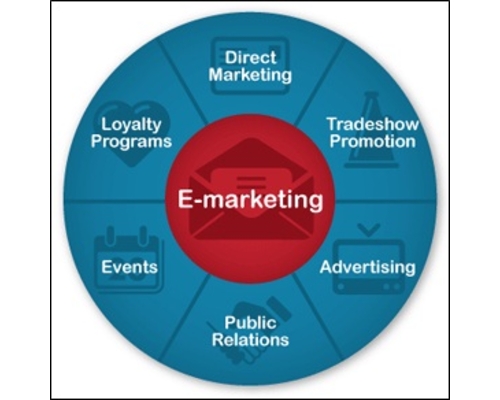
Electronic advertising, synonymous with digital advertising, refers to all marketing techniques that use electronic gadgets and digital channels. This marketing sector is the one that found new ways of operating the industry through new technology, which incidentally is the major focus of the current digital age. This sector is the one in which marketing practice itself has changed. Businesses now provide customers with such a way of buying products that they won’t even have to buy their homes. At present, the ease of purchasing a product can be felt not only by the customers but also by the businesses. Electronic advertising is a part of the marketing strategy that mainly aims to promote the selling of products or services. It is an important section because advertising companies make the consumers come to their business, while the customers make the companies come for their products. Their profit source comes from advertising companies.
- Important Information: Based on Statista’s information to the public, the global digital advertising expenditure is predicted to be around $500 billion in 2021, which means it is becoming increasingly crucial in marketing.
- Case Studies: Electronic advertising is an approach by brands (such as Nike and Coca-Cola) to the complex problem of creating campaigns that engage most audiences and increase brand awareness. Such advertising lets most companies successfully enter the minds of their consumers, thus evoking high brand recall and customer retention. As an illustration, Nike’s customized email campaigns can break the email list based on customers’ purchase behaviors, allowing them to have a high conversion rate.
- Frameworks and Theories: One of the most important things in electronic marketing is the AIDA model (Attention, Interest, Desire, Action), which directs electronic marketing and enables marketers to create content that develops a strong relationship with the audience.
Strategies for Effective Electronic Advertising

For digital advertising to be effective, the business must include a synchronized campaign or touchpoint strategy of various brands’ appropriate digital channels.
- Specific Examples: Google Ads allows technology marketers to promote their products by paying for them to be displayed in the top sections of Google’s search engine, which is search engine marketing. Also, Facebook ads are employed for social media targeting and picture sharing, which are Facebook’s unique offerings, and YouTube is used to create and upload video channels. Alongside this, each platform gives marketers features that target the precise audience’s memory. Hence, there is an increase in ad reach.
- Challenges and Benefits: The digital marketing capability to personalize marketing and its cost-effectiveness through precision targeting and measurement. Proving its trackability dilemma, is there (i.e., ad fatigue and ad block direct follow-up), or is it just a matter of customer annoyance? Marketers need to minimize this disturbing phenomenon by promoting a faster connection or something that attracts their eyes.
- Practical Advice: Businesses’ adoption of analytics is an essential prerequisite for generating successful ads, and positioning the A/B testing before ad creatives will give brands a means to shape their message according to the most persuasive ones. Sales teams also have the option to slice audience segments and analyze the real-time data, which will help a lot.
The Future of Electronic Advertising

The electronics advertising landscape changes as technology continues to evolve. Among the latest trends, artificial intelligence (AI), augmented reality (AR), and voice search will define the future of this industry.
- Emerging Trends: AI is used during ad bidding and purchasing to revolutionize how ad placements are managed, thanks to the dynamic response of companies in the market. Furthermore, AR is among the commodities making creating interactions that are extremely similar to reality possible; for example, users of the Oracle Retail cloud are trained through virtual simulations and can try on outfits without physically stepping into the store.
- Implications for the Industry: Electronic advertising takes the issue of privacy seriously because tight regulations are in place, and consumers are aware of their rights. The only important thing is ensuring the consumer knows everything you are doing and acquiring his consent.
- Insights for the Audience: In this space, companies’ use of these technologies, particularly those in marketing, will be a main factor in the digital conversion process. The companies will have to resort to technologies and legal regulations as solutions to these changes.
Electronic advertising is a changing and necessary instrument within everyday marketing strategies. As you transform your business, you will analyze the past, learn useful tools, and follow the most important trends.
Conclusion
Admittedly, electronic advertising is the most outstanding tool used in the digital environment today, and businesses have to make it a priority if they want to achieve their goals. Each component of electronic advertising, from search engine optimization to social media marketing, could equip the participants in the market with the techniques needed to compete in a competitive environment. Today, new advertising possibilities and methods have appeared with technological progress. By applying these pioneering techniques, businesses are, on the one hand, able to extend their scope and, hence, easily reach far and wide across the globe. On the other hand, they can build strong, long-lasting bonds with customers, bring more sales, and hence, have sustainable business development.
Key Takeaways:
- Broad Reach: Digital advertising assists companies in reaching out to people worldwide outside the traditional advertising channels.
- Targeted Campaigns: Sophisticated targeting possibilities offer marketers personalized strategies relatable to their chosen demographics.
- Cost-Effectiveness: Unlike traditional advertising, electronic methods are often cheaper and deliver reliable evidence of return on investment.
- Real-Time Feedback: By analyzing the results using the given tools, we can make snap decisions and reach out to our target audience with the most effective campaigns.
- Enhanced Engagement: The technology of augmented reality has taken off since the advent of Web 3.0, and it has increased the focus of the audience on getting immersed in the content, engaging with it, and spending more time on it.
To sum up, it is clear that digital advertising is not just a choice for contemporary enterprises; it is a vital prerequisite for those who aim to expand their business and stay relevant in today’s global market.
]]>Main Theme
This article will look at the critical aspects of commercial advertising, its purpose, and the various media that can be used to achieve this. There have always been changes in advertising. An example of such change is the transformation of advertising from traditional methods like TV and print to contemporary platforms that provide social media and search engines. Presently, marketers have to wade through a difficult labyrinth to get their audience’s attention successfully.
What to Expect
By the end of the post, you will have a thorough understanding of commercial advertising, including perceptions regarding its strategic necessity for businesses. You can look forward to The Objectives of Commercial Advertising, which will explore the reasons behind businesses investing in advertising—whether it is to create a brand, generate sales, or build customer loyalty.
Key Components
When discussing this topic, it is necessary to introduce viewers to how advertisements can be well combined with several different factors, such as advertisement messages, design, and audience groups. We should not forget to explain the technique of advertisement using every element.
- Advertising Frameworks: We will define the basic components advertisers utilize in making and evaluating strategic advertising because AIDA (Attention, Interest, Desire, Action) and the 4 Ps (Product, Price, Place, Promotion) are the most popular frameworks.
- Emerging Trends: The key trends defining marketers’ success in commercial advertising, personalization, influencer marketing, and the importance of sustainability in branding are the areas of attention. Understanding commercial advertising is about more than just understanding the basic concepts. It also includes critical thinking regarding its continuous evolution and important positions in a marketing strategy. Whether you are a business owner…, a marketing professional, or a curious consumer, this post will be the perfect tool to benefit from this closely-knit world of business advertising.
Understanding Commercial Advertising: Definition and Purpose

Commercial advertising is a strategic communication process in which information about a particular product or service is sent through different media platforms to the target audience. The main purpose is to convince the public to take a specific action and purchase the purchase em.
Subpoints:
- Commercial advertising comprises multiple formats, including print ads, television commercials, online ads, and social media promotions. Each type has its benefits and appeals to particular sections of the consumers. Therefore, choosing the most suitable one decides the success of any business promotion.
- Case studies are powerful tools like Nike’s “Just Do It” campaign, demonstrating that the right message can affect people’s behavior and form strong brand loyalty. This slogan, a big favorite with people from different backgrounds, tells them to do their best to reach their fitness goals.
- As reported by Statista, the advertising spending that companies worldwide made on digital media in 2021 amazed us with $465 billion, and it inevitably became obvious that today, marketing is a digital career that completely depends on digital platforms for its promotion. This change is happening through the new habits of the consumer market; younger people are using online media more and more.
- Many advertising models, such as the AIDA model (Attention, Interest, Desire, Action), underline customers’ stages in response to the brand communication process, thereby setting up a framework for effective marketing campaigns via advertising.
Key Strategies in Commercial Advertising
One creative way companies improve their advertising is by adopting strategies that, among other things, help boost their brand awareness and customer engagement.
Subpoints:
- On the other hand, creating advertisements that evoke emotions can be beneficial. Based on the example of the Coca-Cola company, which made such a charismatic personification of the marketing concept, it was well noticed that the brand had a strong connection with its consumers because of the individualized bottles ETGNA!
- Under the influence of so-called ad fatigue, customers can reach a state where the abundance of advertising irritates them and leads to lower effectiveness. Thus, given the changing consumer profile, brands are regularly challenged to develop innovative and fresh marketing strategies to keep the interest of consumers alive through storytelling and interactive content.
- Digital commercial advertisements are digital spaces that serve as a platform for real-time performance tracking and precise targeting options. For example, with Google Ads, marketers can get to know their existing and potential customers with the data collected, and then they can make adjustments accordingly.
- Companies that want to give concrete tips to their employees can use social media influencers to promote authentic advertising. Influencer marketing could be an effective way of branding if the influencer and the brand share similar values. Therefore, the brand can reach out and interact with the targeted audience articles disliked by Brandsoup & influencers, increasing the campaign’s reach.
The Future of Commercial Advertising
The change of commercial advertising is determined by technological improvements, which you, as a brand, must be aware of in order to remain relevant.
Subpoints:
- AI and machine learning are, without a doubt, the greatest advertising game-changers in modern technology. For instance, advertisers use forecasting and propensity models to devise the best strategies for campaign ads that will reach their target audience even before the campaign starts.
- The main trend is moving from sustainable growth to corporate social responsibility. Thus, the emergent one is the emphasis on corporate social responsibility (CSR). At the same time, sustainable brands can connect with people of similar beliefs because they align their green credentials with their marketing. That way, they can attract ethical buyers and nurture their sense of eco-responsibility.
- Among the new technologies, technology imaging of images called virtual reality and augmented reality are now in wide use, making the business interesting. Instead of merely providing information, companies have started experimenting with interactive ads that allow consumers to try a product before purchasing it. They have noted positive customer responses to these actions.
- Companies should clearly understand the implications: it’s the only way to be the best in marketing and invest in innovative technologies to make advertising campaigns work. By adopting these new methodologies, companies will not only improve their marketing results. Still, they will also create a loyal fan base that will take much work to woo in a highly competitive environment.
Conclusion: The Significance of Commercial Advertising
Commercial advertising is the backbone of the modern economy since it brings businesses together with potential consumers. It is not only the way of presenting products and services but also the way of forming a brand image and encouraging consumers to behave as the brand wants. Breaking down the marketing process into its constituent components, e.g., strategy, creativity, media selection, and analytics, is how the business can adjust its digital marketing tactics to become the best company in its industry.
While we navigate this ever-changing advertising sector, businesses have to be flexible and stay on top of the trends and technologies that can help them expand their target market. Commercial advertising’s place in the marketing mix remains significant because it drives sales and customer identification relationships, which lead to brands and economies surging.
Key Takeaways:
- Consumer Focus: Commercial advertising is a key driver in the brand-customer relationship.
- Brand Visibility: It plays a crucial role in brand building by creating strong connections with the audience and lifting the brand, thus making the customers’ experience pretty simple by enabling them to select a particular product or service.
- Market Growth: Good adverts planned well can help the business grow significantly, in addition to the previously mentioned market growth.
- Strategic Planning: A careful arrangement of marketing resources through constructing an advertising scheme with the highest distribution and real-time data flexibility could ensure companies achieve the most from their invested money.
- Adaptability: Master how digital marketing works and make it your priority to be informed in this area.
To ensure the development of Advertising Commercials and their elements, besides improving marketing, companies will attain long-term goals in their markets only if this new product is endorsed long enough and the intended users are made aware of it through marketing.
]]>- Diverse Media: It includes differentiated media from television and radio to the digital media, including social media.
- Consumer Interaction: Not just about selling a product; it’s about forming some meaningful relationships between the consumer and the brand.
- Data-Driven: Analytics, along with data, play an essential role in targeting and personalizing advertisements.
- Constant Strategy Changes: Advertising strategies may evolve on a daily basis because of fast changes in technology.
- Business: Advertising would play a significant role in increasing the visibility trust from consumers, and growth of your business.
Changing Channels of Advertising

The use of advertising channels has instead changed positively with digital technologies. Old channels such as print, television, and radio are effective, but digital alternative media can coexist with them. This calls for agility in firms’ advertising strategies by changing old and new channels to reach their market.
- Traditional vs. Digital: Though an important tool, print media has been replaced by digital in terms of reach and effectiveness. Digital ads are set during the execution process in real time.
- Influence of Social Media: Today, Facebook, Instagram, and TikTok are more of the new frontier for advertising. Example: Influencer marketing with Facebook, Instagram, and TikTok tends to increase engagementa.
- Targeting in Digital: This is a boon, and the advertiser would target all three consumers according to their demographic, behavioral, or interest-wise preference, which makes the ad more personal and effective.
- Presence on Multiple Channels: Presence on multiple channels is currently a basic tool firms use to increase brand awareness. This will thereby help ensure that all their advertisements reach them wherever they are.
- Video Dominance: Video messages, particularly on social media applications, which include YouTube and TikTok, are currently at the top in advertising for it provides an immersive way for brands to communicate with their audience.
The Role of Consumer Psychology in Advertising

Given the importance of advertising effectiveness, consumer psychology would play a key role. How consumers think and feel would contribute to a better creation of some campaign that the business would engage in communication with their audience. Consumers’ emotions and motivations are what most advertisers use to attract attention and enforce action. Often, an advertisement will offer emotional appeal through happiness, fear, or even nostalgia.
- Behavioral Targeting: The data analytics process provides the facility for forecasting consumer behavior. This helps the advertiser decide on the right medium for advertising campaigns that will bring maximum impact for them.
- Brand Loyalty: By establishing campaigns that repeat without failure, advertising builds the loyalty feel among one-time buyers to become repeat customers.
- Molding Perception: Through strategic messaging, advertising can mold the perception of consumers toward the brand and its value.
- Call to Action: Good ads show a clear strong call to action that will take customers to wanted behaviors such as buying or signing up to use a service.
Role of Metrics and Measurement in Advertising

Measuring advertising is like flying blind without instruments. Metrics show us exactly where we stand in terms of how effectively our campaign is working and whether we are well within or out of reach in meeting the intended goals. Right now, many types of analytics tools exist to measure the effectiveness of advertising—from any engagements’ range of metrics to return on investments.
- Return on Investment (ROI): ROI measurement is absolutely necessary in determining the financial effectiveness of an advertising campaign.
- Engagement Metrics: These would include likes, shares, comments, and clicks to establish how many people are paying attention to an ad.
- Conversion Rates: By taking note of how many customers become after seeing an ad, the advertisers will be able to know the ROI generated by their campaigns.
- A/B Testing: In A/B testing, one can use more than one version of the ads to better understand what kind of content best appeals to the targeted audience.
- Attribution Models: These help advertising identify which touchpoints matter most in influencing consumer decisions.
Regulatory and Ethical Considerations in Advertising

As advertising progresses, so do its regulations and ethical practices. An advertiser needs on several laws and industry standards ensure that the campaigns are set or implemented legally and responsibly, especially now that consumers have increasingly become worried about data privacy and ethics in practice.
- Privacy Laws: These are laws, such as GDPR in Europe and CCPA in California, that offer protection for consumer data; thus, advertisers must be transparent about information collection and use.
- Truth in Advertising: This means that advertisers will not make misleading claims or claims which may be misrepresented in their communications. They will have to ensure that their advertisements are truthful and factual.
- Environmental Sustainability: Most consumers today expect the brand to contribute to social responsibility through advertisement. Greenwashing will violate a brand’s reputation.
- Cultural Sensitivity: Advertisers should remain sensitive to the differences between cultures and ensure they do not use campaigns that may passively offend or alienate them.
- Ethics of Targeted Advertising: While targeted adverts succeed in conversion, brands cannot leverage sensitive consumer information or exploit vulnerable groups.
Final Thoughts: The Expanding Scope of Advertising
The field of advertisement is on an ever-evolving plane. As time goes by, new technologies evolve, consumer tastes and preferences shift, and so do notions of what is proper or improper in ethical issues; advertisers must be more agile and innovative to be up to date. When companies want to connect with their audience meaningfully, it’s high time they embrace every means available in advertisement.
- Flexibility: Brands must be generally flexible and change their strategies to be relevant in a fast-moving marketplace.
- Data-Based Decision: Data is essential in creating targeted personal ads and speaking to customers.
- Consumer Centricity: The consumer must always remain in the advertising campaign’s center—their perception of trust and loyalty towards a brand matters.
- Innovation in Creativity: Effective advertising is nothing but creative and innovative methods that can punch holes in the noise and give way to achieving the desired effect.
- Long-Term Gains: Advertising can never be a silver bullet; it plays a critical role in long-run brand growth and sustenance.
Pull Marketing is a broader consumer-centric approach that focuses on attracting potential buyers by offering them the relevant content they need. Put differently, the company gains natural interest rather than forcing an advertisement on them. The key target for this marketing style is the consumers in their decision journey, and it is done while environmental circumstances change from one to another. We will look at the fundamental pull marketing strategies that emphasize their benefits and the appropriate applications.
This post contains details of the Pull Marketing strategy, which explains the advantages and practical applications of the concept. Pull marketing is a marketing technique in which an organization creates interest in potential customers by generating valuable content and experiences that are the customer’s customer’s pain points and preferences. This contrasts with pull marketing, which merely sends the consumers ad messages, and push marketing, a passive approach that does not bring business prospects.
We will be talking about pull marketing strategies, the types of techniques used in content marketing, social media engagement, SEO strategies, and the role of storytelling in this part. Moreover, we will analyze the diagram that shows how pull marketing strategies can be applied to the entire marketing mix as a part of the business’s overall relationship-building strategy with its audience.
Enter the special journey of pull marketing strategy and get the knowledge and skills essential to your strategic implementation of the same to initiate audience activation and complete the transaction through all the long-lasting portions in a competitive environment.
Understanding Pull Marketing Strategy

The other term used in the pull-marketing approach is demand generation, and it aims to provide a value-oriented experience that suits the customers’ desires and needs for a given product. Besides, it is not the push-the-goods approach but pull marketing that helps to create the loyalty of the customers and, fortunately, moves them to the business due to their experiences with the goal and the needs they seek to fulfill.
The Basics of Pull Marketing

Pull marketing is, at its essence, about creating awareness and interest in a product or service through well-directed activities that match potential customers’ needs. These may include content marketing, social media engagement, SEO, and influencer partnerships.
Important Information:
- The core purpose is to guide prospects on their customer journey stage by stage and finally bring them to the point of decision.
- On the other hand, examples of pull marketing are informative blog posts, stories, and the development and distribution of free resources, such as eBooks or webinars.
Insights and Statistics:
- HubSpot claims that businesses actively participating in content marketing can expect to see 55% more website visitors and 67% more leads than those that do not.
- Research conducted by Demand Metric has revealed that content marketing produces three times more leads per dollar spent than traditional marketing.
Frameworks and Methodologies:
-One of those is when brands use the inbound marketing methodology. It is a broadly applied framework that attracts customers by making meaningful content that solves problems and appeals to their needs and interests.
Real-World Applications of Pull Marketing

Pull marketing is increasingly practiced by companies of different sizes from diverse industries. They use case scenarios to make their services and products known and, at the same time, win people’s hearts in the right way.
Specific Examples:
- A software company might produce various detail-oriented tutorial videos and articles that provide solutions to common issues. This can help the company become a trusted entity in the segment and thus increase its possible customer base.
- Along with fashion brands, influencers on social media regularly bring their products closer to consumers through the attraction of their products, which gets accomplished organically by the influencers through the combination of content that befits their personal brand.
Challenges and Considerations:
- One of the difficulties in pull marketing is that it takes a lot of time to develop an audience and then get a tangible return. Investing the effort to ensure that quality content comes out on time will maintain consistency in content production.
- Conversely, brands also have to pay attention to customers’ choices and try to adapt to them to remain competitive.
Practical Advice:
- Companies’ practice is parallel to the creation of a content calendar that will continue to direct the interests of the target audience, ensuring a consistent flow of engagement and submission.
- To ensure the effectiveness of pull marketing strategies, insights from the analytics tools must be used to choose the right ones and adapt the strategies.
Emerging Trends in Pull Marketing
The development of consumer behavior is going in turn with the evolution of the pull landscape marketing.
Insights on Emerging Trends:
- One of the important developments involves videos like TikTok and Instagram Reels. The marketing trend is a huge shift towards using short, entertaining videos to connect with the audience.
- The personalized approach is yet another valid point on the list. New technologies have made it possible for businesses to gather and process information so that they can more accurately communicate with customers about products and services that match their tastes. The latter will further increase conversion rates and customer satisfaction.
Implications for the Industry:
- Those corporations occupy the minds of customers, and their strategies will certainly see customer loyalty over a long period as customers become more loyal to the kind of brand that understands their needs.
- The web’s relative importance has grown to such an extent that it is now challenging for enterprises to attract and retain customers’ attention. Therefore, they need to be ALIVE in all their dealings and authentic to their markets, thus ensuring that they pull in their targets as they want.
In conclusion, pull marketing is more than just a fad; it is a permanent change that companies have applied to their customer engagement practices. Companies can attract consumers better when they focus on adding value instead of trying to sell them products, thus creating real and lasting partnerships that will lead to sales and customer loyalty.
Conclusion
Pull marketing is a crucial strategy that uses customer demand to drive product awareness and sales. By concentrating on attracting customers using valuable content and meaning-driven interactions, brands become the creators of and the main force driving their growth from then on. One of the most crucial components of pull marketing is understanding the intertwining concepts of content marketing, social media engagement, and search engine optimization; these can improve a company’s visibility and profitability.
Key Takeaways:
- Consumer’s Choice is Crucial: Pull marketing is a technique that concentrates on the desires and tastes of customers, and as such, it is a long-term-oriented approach.
- Better Brand Cognizance: Pull marketing is a technique that increases brand recall by consciously and intricately marketing a product or service.
- Low-Cost Marketing: Using organic traffic channels, the technique is far more economical than traditional push models.
- King Content: Quality content is the preoccupation of pull marketing, thereby staying ahead of the pack as a thought leader in the respective industry.
- Measurability: Equipped with the right tools, companies can measure participation, conversion rates, and the overall performance of adverts.
Adopting a pull marketing strategy is a fantastic way to increase sales and create a community around your brand, which is especially important in these competitive times.
]]>What is Covert Advertising?

Covert advertising, sometimes known as stealth marketing, is a method by which businesses communicate their offerings without distracting or interrupting the addressee. In Full contrast to standard marketing, which dispatches direct and thereby aggressive messages, stealth advertising is embedded into the content without causing it to stand out or seem bothersome to consumers.
Importance of Covert Advertising
Covert advertising is a way of advertising that can effectively replace “desensitized” traditional marketing tactics. Research by Nielsen discovered that 84 percent of people around the world think that online ads are intrusive, while covert advertising, selling things discreetly, socializes and promotes the products subtly through relatable content and, therefore, is the preferred way.
Case Studies and Examples
- Product Placement in Film and TV: Product placement in movies and TV series has been happening since the industry-entertainment business was recognized; for example, the Coke intro in every episode of The Friends Show series subtly spreads brand awareness. Let the audience see and make a decision.
- Influencer Endorsements: Influencers are known to incorporate product mentions into their daily posts and stories without them being the main topic. This is one way for them to engage their followers without implicitly promoting the products. The relatedness and trustworthiness of the influencer’s relationship to the product will make a difference.
Frameworks Guiding Covert Advertising
Your customers hold particular beliefs. Business people may get various psychological ideas understood, such as the Elaboration Likelihood Model (ELM), which tells how to make people agree by either the deep cognitive process or the superficial cues. Stealth advertising focuses mainly on the peripheral route, assuming previous knowledge and emotions precede logic.
Benefits and Challenges of Covert Advertising

Although the accomplishment of covert advertising lies in producing engagement and relatability, the task of being secret while doing this also brings some challenges.
Benefits:
- Enhanced Consumer Trust: Some people can think of it as less of an intrusion and more of a genuine consumer approach. Thus, they will develop stronger bonds with the brands.
- Increased Recall: When a brand is integrated into captivating stories, readers are more likely to remember it.
Examples:
- One of the well-known YouTube channels describing a specific skincare routine mostly incorporates into practice products endorsed by the creator without the hint that it is an advertisement. Such viral videos create sufficient interest and even convert some viewers to buyers.
Challenges:
- Transparency Issues: Transparency issues can occur in cases where truthfulness is not obtained because consumers do not even know what they are consuming.
- Regulatory Scrutiny: Brands that are not transparent about marketing may face public backlash as the public is more likely to act on the word of mouth of their trusted peers or family members who they have a good relationship with or even for what a stranger said who gained their trust -influencers and their followers in particular.
Practical Strategies:
- Balance Authenticity and Disclosure: Companies must carefully distinguish between openness and subtleness; customers must know when a post sponsor is involved.
- Leverage User-Generated Content: Having a loyal fan base to encourage your audience to exchange their stories is the main target of covert advertising while creating a community, yet another way to do this.
Emerging Trends and Implications for Covert Advertising

As consumers become smarter, the landscape of covert advertising is changing. For brands, knowledge of the latest is important for adapting their strategies effectively.
Current Trends:
- Social Media Integration: The new trend is that platforms like TikTok are popular with influencers who create exciting content for brands, combining the individual’s creativity with the topic’s virality to get consumer attention.
- Augmented Reality (AR) Experiences: The ongoing development of AR brands is trial and error. Companies are currently trying to develop virtual products that engage and inform their customers rather than just advertise.
Implications for the Industry:
With changes in gadgetry, so is the art of disguise commercials; advertisers must use the credibility of customers responsibly and respect their privacy in the marketing process. Brands that embrace consumer intelligence are bound to form a strong connection and, therefore, have an edge in a market with numerous competitors. To sum up, covert advertising opens up a new space for companies to connect with their customers more deeply. By understanding the strategies, considering the pros and cons, and looking at cutting-edge techniques, firms can make this landscape manageable and maintain a bond with their customers.
Conclusion
Today’s marketplace is driven by companies striving to establish authentic relations with their audiences through knowledge of covert advertising and the skills to modify such strategies if necessary. Covert advertising, which is the non-intrusive integration of promotional content into entertainment or media, is a great way for the brand to be known and involved in communication with consumers. Determine the probable consequences of the ethics and practical considerations of these actions and thus produce the kind of promotion that speaks to the demographic effectively.
Key Takeaways:
- Definition: Covert advertising subtly integrates promotional material into content to make it more agreeable for the consumer and less noticeable than traditional ads.
- Strategies: Successful covert advertising, which includes product placement, influencer partnerships, and narrative-driven advertising that is sales without being obvious to the target of the advertisement, is non-aggressively successful clandestine advertising.
- Implications: The effectiveness of the employed method might provoke ethical debates about transparency and trust in honesty, with the customer making a moral choice between these two.
- Examples: The best campaigns that use undercover marketing are known to be the ones by Coca-Cola in Hollywood, Nike with their endorsements of athletes, and media streaming companies that show brands in the scenes of the series without disturbing the flow of the stories.
The key to covert advertising involves companies that want to continue attracting new customers in a dynamic media ecosystem while building and sustaining healthy relationships with existing customers.
]]>Ready to talk with a marketing expert?

A Pragmatic and innovative way to enthrall your target group is just a click away!
Get in Touch
Rukmini Knowledge Park, Kattigenahalli, SH 104, Srinivasa Nagar, Bengaluru, Karnataka 560064
+91-990 247 8800
contact@gingermediagroup.com
Popular in Television Advertising
Udaya TV AdvertisingSun TV AdvertisingStar Plus AdvertisingTV 9 AdvertisingZee TV AdvertisingNDTV India AdvertisingColors TV AdvertisingPopular in Airport Advertising
Spice Jet AdvertisingMumbai Airport AdvertisingDelhi Airport AdvertisingEmirites AdvertisingIndiGo Airlines Domestic India AdvertisingPopular in Newspaper Advertising
Deccan Herald AdvertisingPrajavani AdvertisingThe Hindu AdvertisingEconomic Times AdvertisingDainik Jagran AdvertisingHindustan Times AdvertisingPopular in Magazine Advertising
Forbes AdvertisingCosmopolitan AdvertisingBusiness World AdvertisingVogue Magazine AdvertisingPopular in Sports Advertising
IPL AdvertisingPopular in Outdoor Advertising
Billboard AdvertisingBus Shelter AdvertisingMetro Pillar AdvertisingUnipole Advertising© Ginger Media Group 2025. All Rights Reserved.