The ability to create travel advertisements that genuinely fascinate and arouse wanderlust is a priceless talent. The objective is always the same, whether you’re marketing the breathtaking scenery of a mountainous area, the lively culture of a busy metropolis, or the tranquil beauty of a remote island: to incite, fascinate, and inspire visitors to go off on an incredible adventure.
It’s important to provide a compelling tale rather than just showcasing sights. It all comes down to sharing the essence of your place with visitors and allowing them to get fully immersed in the diverse history, cuisine, customs, and experiences that lie around every corner.
It takes a combination of imagination, perception, and knowledge of what inspires travelers to make an advertisement which promotes tourism. By combining eye-catching imagery, gripping storytelling, and a true representation of the spirit of your place, you can create an advertising that not only encourages but also begs visitors to experience the enchantment for themselves.
Elements of an Enticing Tour Ad

Creating a captivating travel advertising requires a delicate craft that brings together a variety of components to create an enticing picture of a place. An attractive tourist advertisement can have many different elements, such as intriguing narration that inspires wanderlust or visually stunning imagery that instantly transports viewers to gorgeous locations.
These advertisements, which embrace the attraction of one-of-a-kind encounters, genuineness, customization, and the impact of influencers, are meant to pique interest and encourage investigation.
1. Captivating Visuals
Captivating images are essential to drawing viewers in. Attention is quickly drawn to spectacular monuments, lively cultures, bucolic landscapes, and immersive experiences captured in high-quality photos and films. The advertisement must visually appealingly convey the destination’s beauty, inspiring curiosity and wanderlust via the use of quality photography and cinematography.
Images that arouse feelings and pique interest are essential to a successful tourist advertisement. Through the use of striking photography and films that highlight the gorgeous landscape, culturally rich activities, and dynamic local life, the commercial offers a visual feast that invites viewers to picture themselves in that alluring atmosphere.
2. Compelling Storyline
Telling a story that is compelling creates an emotional bond with the audience. An immersive and relevant voyage is created by telling tales of adventure, historical importance, personal experiences of travelers, or local customs.
The plot should strike a chord with the audience, making them want to participate in the narrative. Storytelling effectively in travel advertisements entails developing a compelling narrative arc that captivates viewers and piques their interest in the trip.
The marketing enhances depth and authenticity by using visitor transformation stories, historical legends, or personal anecdotes. This makes the campaign more relatable and captivating.
3. Experiences That Are Unique
Promoting unique or off-the-beaten-path experiences makes a place stand out. Travelers looking for something unique are drawn in by unique experiences, whether it’s a cooking lesson with a local chef, a cultural event, wildlife encounters, or adventure activities.
Presenting unique experiences that visitors won’t readily obtain elsewhere is the foundation of any compelling tourist advertising. The advertisement entices viewers with the promise of unique and unforgettable experiences by highlighting activities, events, or opportunities that are exceptional or special to the area.
4. Testimonials And Reviews

Sincere endorsements and gratifying comments from prior guests give the advertisement more authority and reliability. By sharing real-life experiences and comments, you establish credibility and help prospective visitors picture themselves having a great trip.
Including firsthand accounts and endorsements from visitors who have visited the location promotes authenticity and trust. These first-hand reports encourage others to think about taking a similar trip by providing insights into the destination’s appeal, attraction, and the transformational effect it had on visitors.
5. Cultural Immersion
Highlighting regional customs, artwork, music, food, and historical landmarks highlights the depth of a place’s culture. Emphasizing chances for visitors to fully engage with the culture of the place encourages a sense of exploration and community.
The main attraction for tourists looking for real experiences is cultural immersion. People who are curious in different cultures and want to learn more about them are drawn to the commercial because it highlights the customs, traditions, handcrafted crafts, food, and relationships with locals.
6. Customization & Personalization
Adapting events to specific interests and preferences enhances the advertisement’s worth. Promoting individualized experiences, customizable itineraries, and tailored services enables prospective tourists to picture a vacation that suits their unique needs.
Travelers may customize their trip with a variety of alternatives provided by an alluring tourist advertisement. Showing that a place can accommodate a wide range of likes and preferences, whether it be in terms of lodging, activities, or custom itineraries, makes the location more appealing.
7. Call To Action (CTA)
An engaging call to action elicits instant participation. A succinct and compelling CTA persuades users to take the next action in order to experience the place, whether that action is making travel arrangements, subscribing to a newsletter, or obtaining additional information.
Potential passengers must be directed toward the intended activity with the help of a well-written call to action. Whether it’s urging people to ‘Book Now,’ ‘Explore Further,’ ‘Subscribe for Updates,’ or ‘Plan Your Adventure,’ an effective call to action (CTA) inspires viewers to go beyond simple curiosity and take proactive measures toward actually experiencing the place.
8. Influencer Partnerships
Having a relationship with personalities or influencers that have a strong following within the target audience may greatly increase engagement. Influencers that have been to the location may increase their reach and credibility with their followers by providing genuine endorsements and interesting material.
The advertisement can reach a wider audience by working with influencers who are really connected to the target or destination. By utilizing their power, narrative skills, and captivating content production, they can draw in more visitors and foster a sense of trust among prospective tourists.
9. Interactive And Entertaining Content
Including immersive or interactive features in your content keeps people interested and involved. Engaging audiences with interactive maps, quizzes, virtual tours, and 360-degree movies increases their desire to visit the location.
Adding interactive components to the advertisement, like gamified experiences or virtual tours, improves viewer engagement. In addition to offering an immersive sneak peek at the location, these characteristics also make for an engaging and memorable experience, which raises the possibility of more research and eventual trip.
10. Light On Safety And Sustainability
Stressing eco-friendliness, safety precautions, and a dedication to sustainable tourism demonstrates good stewardship. Conscious tourists are drawn to destinations that support their efforts to protect the environment and ensure the safety of their visitors.
An alluring tourist advertisement should highlight the destination’s commitment to both safety and environmental effect, as these issues are becoming increasingly pressing. Emphasizing eco-friendly programs, sustainable practices, and safety procedures shows a dedication to responsible tourism and draws tourists who value these things while planning their trips.
How To Use Offline Advertising To Reach The Target Audience

In the tourist industry, offline advertising is still a powerful means of connecting with potential customers and creating a true, immersive experience. Here’s a detailed look at using offline advertising techniques:
1. Print Media
Newspapers, travel magazines, and brochures are examples of traditional print media that are still relevant in the travel and tourist sector. By strategically placing eye-catching ads in these magazines, marketers may target readers who are already keen travelers. Maximizing participation within these media involves tailoring the material to certain demographics and specialty interests.
2. Billboards and Signage
By placing billboards and signage strategically in high-traffic locations like bus terminals, airports, and well-known tourist destinations, you can guarantee exposure to both residents and tourists. These spectacular images leave a lasting impact and encourage prospective tourists to check out the promoted location.
3. Travel Trade Exhibitions and Events
Attending travel exhibitions, fairs, and events enables one to communicate directly with a specific audience. These platforms provide chances to highlight the attractions of the location, interact with travelers, and develop alliances with travel companies, creating a network that increases the advertisement’s reach.
4. Brochures and Visitor Centers
Giving out well-designed pamphlets and educational materials at tourist centers, lodging establishments, and travel agencies gives tourists looking for information concrete tools. These resources serve as guides, outlining the main attractions and activities of the place and enticing visitors to continue their exploration.
Summing Up
A skillful fusion of storytelling, visual appeal, authenticity, and interaction goes into creating a tourist commercial that is captivating enough to pique viewers’ interest and encourage travel. An advertising has the power to arouse feelings, pique curiosity, and kindle a desire to explore by displaying the destination’s singular experiences, cultural diversity, and scenic beauty through arresting imagery and engaging tales.
Ads that incorporate aspects such as customization, social proof, and a compelling call to action are more likely to strike a chord with viewers and inspire them to take the next step toward visiting the featured location.
In the end, a great tourism campaign isn’t just about promoting a destination; it’s also about inspiring tourists to go off on their own life-changing adventure by painting a picture of their ideal trip and promising them wonderful moments and experiences.
]]>Customers today require a consistent brand experience across all media. You can give your customers a seamless experience and earn their trust by combining your offline and online marketing activities.
The best part? By combining the benefits of traditional and online marketing activities, you can develop a more comprehensive marketing strategy that addresses the specific demands and preferences of your target audience. You may combine offline and online advertising in several ways to develop a truly effective marketing strategy. So, are you ready to take your marketing strategy to the next level? Let’s dive into how you can successfully integrate offline and online advertising for a multi-channel approach!
What are Offline Marketing and Online Marketing?
With the development of digital technology and the expansion of the internet, digital marketing has experienced a significant transformation over the past several decades. It is today primarily divided into two categories: offline marketing and online marketing.
The term “offline marketing,” which is also referred to as “traditional advertising,” refers to strategies like billboard and sign advertising, direct mail marketing, print advertisements in newspapers and magazines, and television and radio advertisements. These are marketing strategies that don’t rely on the internet or other modern technology. These approaches may seem outdated, but they nonetheless have a wide influence.
Online marketing, on the other hand, refers to a variety of strategies created especially for digital mediums. They include techniques including pay-per-click (PPC) advertising, social media marketing, email marketing, and search engine optimization (SEO). According to eMarketer, global spending on digital marketing is anticipated to reach $389 billion by 2021, which reflects the increasing popularity of online advertising.
What is the Difference Between Offline Marketing and Online Marketing?
While these two strategies have many things in common, there are also some significant differences that marketers need to be aware of. The following list contains 10 differences between offline and online marketing:
- Target audience: While online marketing can reach a worldwide audience, offline marketing typically targets a local demographic.
- Interaction: Unlike physical marketing, which frequently is one-way, online marketing allows for a two-way connection between firms and customers.
- Timing: Online marketing may be executed instantly, however, offline marketing can take longer to prepare and distribute.
- Flexibility: Online marketing can be quickly modified and updated, while offline marketing can be more challenging to change once it has been distributed.
- Personalization: Online marketing enables personalised communication with customers, while offline marketing is more on the generic side.
- Tracking: While offline marketing relies on more conventional monitoring techniques, online marketing enables real-time tracking of consumer behaviour and engagement.
All this being said, it is crucial to keep in mind that before curating a marketing strategy, organisations must clearly define their target market, budget limit, and objectives to make the most of their campaigns.
Why integrate Offline and Online Advertising For A Multi-Channel Approach
Both offline and online marketing have benefits and drawbacks, and the most successful marketing plans usually combine both. Building an effective marketing strategy that reaches your target audience and promotes business growth requires an understanding of the advantages and disadvantages of each strategy. Here we have mentioned some key reasons why companies today need to focus more on the multi-channel marketing approach:
- Creating a more impactful campaign: Businesses may develop a more impactful, comprehensive, and effective marketing plan that aids in the achievement of their corporate objectives by combining both traditional and digital marketing platforms.
- Reaching the audience of all age groups: Marketing campaigns that leverage both online media channels and offline tools reach a wider audience because they target both tech-savvy youngsters and the older generation who might not use the internet much.
- To maximize the return on investment (ROI): Purchase decisions are not solely influenced by marketing messaging or commercials. As a result, no single marketing channel can satisfy all needs. To maximise return on investment, a multi-channel strategy is required.
- To stand out from the competition: By offering a more holistic brand experience and taking into account the particular demands and preferences of their target audience, integrating both marketing tactics can help firms stand out from the competition.
- To conduct efficient monitoring and evaluation: Companies can acquire and analyse data from different sources to assess the efficacy of their marketing campaigns and make informed decisions regarding future plans.
How to Integrate Offline and Online Advertising For A Multi-Channel Approach?
Here are some effective strategies that can be used to effectively combine online and offline marketing activities:
Consistency is the key


Targeting customers through both offline and online marketing channels requires consistency. Regardless of the medium, consistent branding across all marketing initiatives helps people recognise your brand.
To make your brand instantly recognisable across both platforms, use the same typography and colour scheme. Make sure your website accurately reflects your physical presence and keep your branding and language uniform across both platforms. Consistent branding develops confidence among your target audience and encourages customers to purchase through both channels.
Run cross-channel campaigns


Cross-promotional strategies can undoubtedly improve results for your brand. Social media can be used, for instance, to increase the reach of a planned TV advertisement through countdowns, previews, or banner advertising.
Similar to online channels, offline ones like print advertisements might entice users to go to a particular landing page to collect contact information. Results can be maximised by offering value in the form of free digital resources.
Unify both marketing campaigns with the help of custom tracking URLs

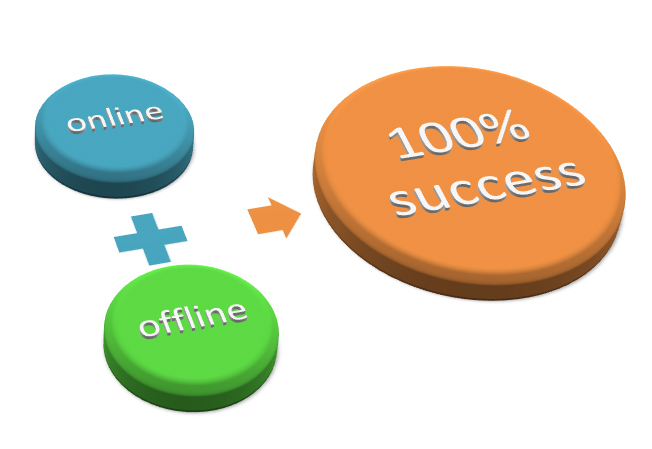
Combining offline advertising with online marketing has several benefits since it makes it possible to create a campaign that flows naturally between the two. Combining your offline and online marketing is effective when done using specific tracking URLs.
With the help of custom tracking URLs, marketers can easily link the two campaigns and track and examine user behaviour. Employ different URLs for different ad kinds, such as print, outdoor, and TV commercials, to make it simple to identify the approach that drives the most traffic and conversions.
Motivate your offline following to try online

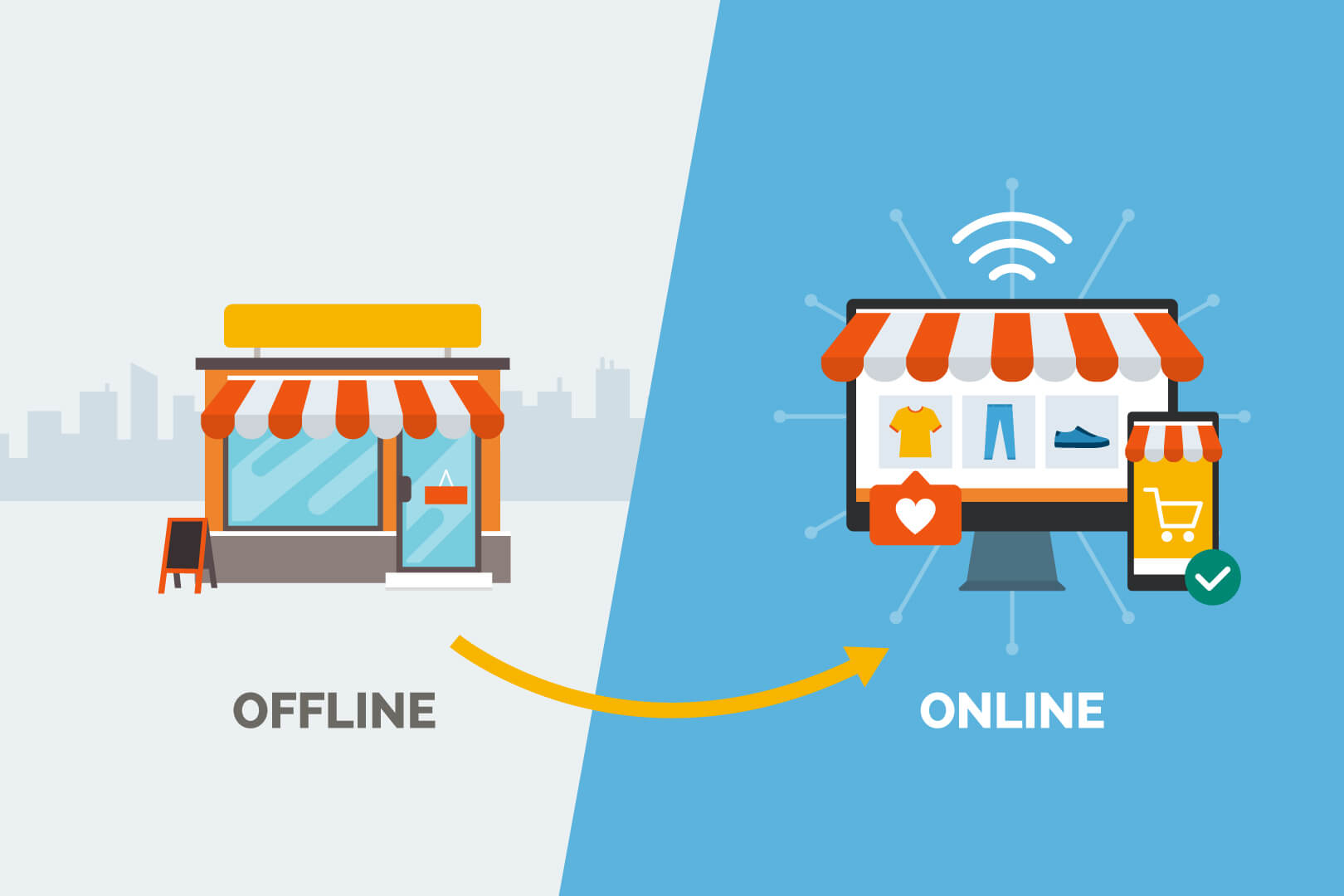
Ensure that your offline marketing integrates with your online strategy by providing information that directs people to your online channels. To improve engagement, add QR codes and links to your social media profiles on your printed ads. You can manage “real-life” leads more effectively by digitising them using internet solutions.
Add social network names and website URLs to receipts, and banners, and provide in-store discounts to those who interact with your business online to entice customers to interact with it online. This fosters connections and encourages continued participation.
Encourage your online customer base to take part in your next offline promotion


Use social media to interact with your audience to determine the ideal artwork for your print campaigns, events, or competitions. Make them feel like they are a part of your brand by collecting their opinions through online polls. To easily track the campaign’s progress, you can also build a direct mail campaign that implores your audience to post selfies on social media using certain hashtags.
For instance, when students posted selfies with their acceptance letters at Indiana University, the hashtag #IUsaidYes quickly became popular. Use this strategy for event visuals, posters, and other print materials.
Merge the data collected from both online and offline resources


To create a thorough customer profile and obtain insights into their journey, it’s essential to integrate your offline CRM data with your online analytics data. You may use this integrated data to guide your marketing strategy and develop targeted campaigns.
Separate departments that handle online and offline sales operations might create data barriers, which can result in cluttered communications and less effective marketing. These bottlenecks are eliminated by centrally storing all client data, which also makes it possible to identify actions that generate income and provide a uniform customer experience.
You may combine your offline and online advertising efforts using these clever tactics to develop a multi-channel strategy that reaches a larger audience and produces results for your company.
Some Successful Campaigns By Brands That Leveraged The Multi-Channel Approach
- Vivo V23 campaign:


The Vivo V23 series campaign was able to successfully combine offline and online marketing efforts by enlisting the help of social media influencers and users to post selfies and stories utilising real-time location-based Instagram on Tagtalk at renowned bars and cafés. It became a viral campaign when the most popular brand hashtag posts were aired live on Street DOOH in strategic areas. Vivo also gave out discount coupons to the participants.
- Myntra EORS campaign:


To reach a larger audience, Myntra EORS (End of Reason Sale) uses a multi-channel marketing strategy. To create excitement before the sale, they make use of social media sites like Instagram. They advertise deals and offers during the sale using a variety of platforms, such as print ads and TV advertising. After the sale, they keep clients interested and encourage repeat business by using email and SMS marketing. This holistic approach assures maximum reach and engagement.
- JioSaavn “We are India” campaign:


The “We Are India” marketing campaign from JioSaavn celebrated India’s rich musical heritage through a multi-channel marketing strategy. The campaign featured billboards in major cities, social media advertisements, a music video with well-known Indian musicians, and even an augmented reality experience in shopping centres. This initiative helped JioSaavn establish itself as a dominant player in the Indian music streaming business.
- Cadbbury “Kuch Meetha Ho Jaye” campaign:


Cadbury’s multi-channel marketing campaign in India, “Kuch Achha Ho Jaaye, Kuch Meetha Ho Jaaye” aimed to present Cadbury as a brand that celebrates good times and happiness. The campaign was launched across various media channels, including TV, digital, print, and outdoor. In order to communicate with its audience and motivate them to share their happy moments, Cadbury also collaborated with well-known social media influencers and launched interactive contests.
The Bottom Line
An efficient marketing plan may be developed by combining offline and internet advertising to assist companies to connect with their intended consumers. At the same time, they can provide useful data insights to enhance campaigns and spur company growth. Hence, whether you run a little business or a major organisation, combining offline and internet advertising can help you advance your marketing plan and accomplish your company goals.
]]>In comparison to TV, radio, and print, outdoor advertising generates 4 times more online engagement per dollar invested, claims a report by the Outdoor Advertising Association of America. This is due to the fact that offline branding activities, such as billboards and posters, can target a variety of populations in a certain area.
But it’s not simply about getting in front of as many people as you can. Reaching the right audience is important. By doing so, you can make the most of your marketing budget and achieve better results. In this article, we’ll explore the importance of location and demographic targeting in offline advertising and how it can benefit your business.
What is Offline Advertising?


Have you ever seen a billboard while driving down the highway or received a flyer in your mailbox? If so, you’ve been exposed to the realm of offline branding. Any marketing effort executed offline, such as billboards, posters, print ads, and even television commercials, is referred to as offline advertising.
Businesses can reach a larger audience, including individuals who might not spend a lot of time online. Also, it can be challenging to establish familiarity and trust through online advertising alone, but seeing a physical advertisement in the real world can help. The ability of offline advertising to forge a more intimate bond between the customer and the business is one of its main advantages.
Offline advertising comes in a variety of formats, each with special advantages. In high-traffic locations, billboards and posters can be useful for reaching a large audience. Newspaper and magazine print ads may be aimed at a specific audience, such as an age range or area of interest. TV ads have the potential to stick in people’s minds and increase brand recognition. Hence, when developing your marketing strategy, don’t undervalue the effectiveness of location targeting in offline advertising!
How to Target Audience Based on Location and Demographic Basis

Your offline marketing strategies may be more successful if you target your audience according to their region and demographics. Using this technique you might design more effective advertising campaigns and improve your chances of reaching your ideal clients.
Here are some pointers on how to go about it:
- Carry out comprehensive market research: To identify service gaps that your product can solve, look at the market research for your sector. Focus more on your product’s distinct value after looking at trends for comparable items to determine where others are putting their efforts.
- Get feedback from your clients: Making wise choices regarding where and how to advertise can be aided by having a thorough understanding of your target audience and their activity patterns. This can be efficiently carried out with the help of customer feedback surveys and forms.
- Examine the target audience of your competitors: Checking at competitors to find out who they frequently sell to and how they approach it may teach advertisers a lot about their target audience.
- Create different customer segments: A customer profile gives a brief description of your ideal customer, including their demographics, interests, key concerns, and purchasing patterns. Using this data will enable you to generate psychographic information, which will reveal the products and brands that your clients value the most.
The Importance of Location and Demographic Targeting in Offline Advertising
For companies trying to get the most out of their offline advertising campaigns, location and demographic targeting in offline advertising can be a game-changer. These are 6 reasons why location and demographic targeting are essential for effective offline advertising.
Boosting the conversion rates

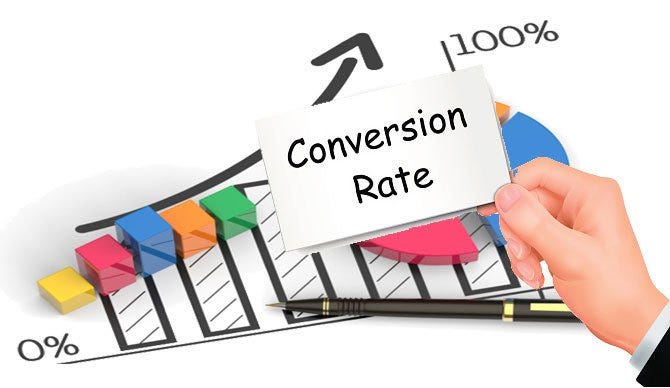
Targeting based on location and demographics can dramatically increase offline advertising’s conversion rates. The possibility of conversion can rise as a result of increased engagement and attention from prospective customers. Businesses can maximise their advertising effectiveness and return on investment (ROI) and raise profits and business success by choosing the appropriate locations and audiences.
The fast food restaurant giant McDonald’s is a fantastic example of this, as it employs location-based billboards to advertise its goods and provide localised promotions to customers in particular locations. McDonald’s reported higher sales and foot traffic in the locations where the billboards were put, demonstrating the great success of this strategy.
Saving bucks on marketing expenses


Businesses can reduce their marketing expenditures by using location and demographic targeting in offline advertising. Businesses can save money on advertising by focusing on specific areas and demographic groups that are likely to be interested in their goods and services. As a result, advertising budgets may be used more effectively, and ROI will increase.
Targeted advertising also enables companies to develop more individualised and meaningful advertising messages that are more likely to catch the attention of their target audience and increase the number of conversions and engagement. Businesses may optimise their advertising spend and obtain better results by generally opting for high-traffic areas for their offline advertising campaigns.
Improving customer experience


By offering clients relevant and individualised experiences based on their unique requirements and preferences, location and demographic targeting can dramatically enhance the customer experience. Businesses can provide location-based promotions, localised information, and personalised recommendations that are catered to the customer’s particular needs by targeting clients in particular regions.
Additionally, demographic targeting in offline advertising enables companies to comprehend spending patterns and consumer behaviours, which enables them to create more specialised marketing campaigns that speak to their particular requirements and interests. By giving customers a seamless and pleasurable experience that caters to their specific needs, this strategy enables organisations to increase customer engagement and forge positive connections with them.
Increasing foot traffic and sales


By deploying targeted offline marketing like billboards, fliers, and limited-time offers to consumers in their area, location-based marketing can assist businesses in increasing foot traffic and sales. This is especially helpful for establishments that depend on foot traffic, such as eateries, shops, and entertainment venues.
For instance, a restaurant may advertise a complimentary snack to guests using printed flyers and distribute them to people who are within a specific distance of their location. Customers may be persuaded to go to the restaurant as a result, which may result in a sale.
Gathering valuable insights and feedback

Targeting clients based on their location and demographics is an effective way to gain insightful feedback from them. Consumer preference for individualised shopping experiences is high—73%, according to a Deloitte study—and firms may meet this demand with the use of demographic targeting. Additionally, location targeting can yield important information because, according to a Verve analysis, 80% of consumers are more inclined to make a purchase from a company that runs location-based campaigns.
Businesses may make data-driven decisions that boost customer loyalty, customer satisfaction, and revenue growth by acquiring insights and feedback from certain consumer base segments. Also, it can be successfully applied in the creation of marketing plans and the curation of client interaction programmes.
Creating a competitive advantage

Through offline advertising, firms can get a competitive edge by using location and demographic targeting. Businesses can beat their rivals and capture a larger portion of the market by sending more potent advertising messages to specified demographics and places. A Posterscope analysis claims that location-based out-of-home advertising can raise brand awareness by up to 45% and ad recall by up to 58%.
Nike’s “You Can’t Stop Us” advertising campaign is a wonderful illustration of this; it targeted urban athletes and fitness enthusiasts by placing billboards in highly frequented locations like gyms and sports training facilities. Nike was able to enhance sales and brand recognition among its target market thanks to this method.
Key Takeaways
In today’s noisy digital world, don’t undervalue the effectiveness of offline advertising. Even if online advertising has grown in popularity recently, offline advertising still has a lot of value. Successful offline marketing campaigns must focus on location and demographic targeting. You may enhance the success of your marketing efforts by knowing your target audience and contacting them where they are. So, go ahead and take advantage of location-based advertising and see how it can help your business grow and revenues skyrocket!
]]>Important Issues to Discuss
- What is electronic advertising?
- Definition, scope, and meaning of electronic advertising.
- Knowledge of offline advertising.
- Differential reach and targeting.
- Cost comparison of both kinds of advertisement.
- Both strategies have a behavioral impact on consumers.
- Compelling comparison study of both techniques.
What is Electronic Advertising?
Electronic Advertising is the promotion of products or services through digital media channels. All the online channels, social media, newsletters, and advertisements displayed are part of electronic advertising. With international coverage, even small businesses can connect with diverse audiences diversified through different demographics. Some of the defining characteristics are:
- Global Reach: The electronic medium has made it possible to create an international platform that transcends geographical boundaries. Businesses can now reach markets in previously inaccessible regions through the internet and connectivity stretching worldwide.
- Targeted Marketing: Data Analytics Power enables precise targeting based on demographics, interests, and behavior of the user. This segmentation toward specific audience targeting allows advertising to reach maximum engagement and boast high conversion rates.
- Economic Solutions: From the cost perspective, electronic marketing is cheaper than traditional marketing. With many electronic marketing channels now creating adaptive pricing models, a business can budget while using performance metrics to filter out their spending.
- Measurable Outcomes: Electronic advertisements are trackable in real-time and can be analyzed immediately. This implies that advertisers can easily monitor engagement levels, click-through rates, conversions, and all the other data that informs the decision.
- Adaptability: One of the best characteristics of electronic advertising is that it can change according to market flow or audience preference in a matter of time. The ads can change instantly, and marketers try out different formats or messages to determine which works best.
Advantages of Electronic Advertising
- The Internet Reaches a Larger Number of People: The Internet reaches billions of people, making it easier for companies to reach more potential customers.
- Low Cost: In the case of digital campaigns, investments are significantly more minute compared to those of conventional campaigns.
- Targeting: Advertisers can target in ways that increase how relevant and convertible their ads are likely to be.
- Flexibility: Campaigns can be tailored through real-time data and feedback, allowing rapid adjustment.
- Interactive Content: Social media and other digital channels allow users to engage with audiences immediately, fostering communities around brands.
What is Offline Advertising?

Offline advertising refers to traditional, non-digital marketing strategies. It involves the broadest possible range of media—from billboards to print ads in newspapers or magazines, direct mail, and TV and radio commercials. Here’s a closer look at the defining aspects of offline advertising:
- Physical Presence: Offline advertisements take a physical form, which may fascinate a customer. A board hoarding right across the street or handbills stuck on the walls of a tiny, local coffee shop might appeal to the audience.
- Wider Reach: While electronic marketing may easily target niches, offline advertisements can target audiences without access to the Internet or who are older and far removed, for example.
- Credibility: Traditional advertisements are generally more credible. The consumer can be more prone to believe a print ad or a TV commercial running on a renowned media channel.
- Creativity and Interaction: Offline ads, like stand-out designs or interactive display, can be much more creative and even interactive. For instance, experiential marketing events have a lasting impact on people attending.
- Long-Term Effect: Offline media such as pamphlets or leaflets denote a long-term influence on consumer behavior as they stay with the customer for a long time, providing maximum visibility to the brand.
Benefits of Offline Marketing
- Tactile Communication: Physical advertisements help create a tactile impression, which improves the chances of recalling the brand.
- Extensive Demographic Reach: Offline techniques can reach customers who are not online, so they tend to provide extensive coverage.
- Prestige, Trust, and Reliability: Traditional advertisements carry a long history, thus creating prestige, trust, and reliability among the clients.
- Creative Scope: Offline media can create varied creative works that appeal to audiences through the physical experiences they create.
- Long-Lasting Impression: Print materials remain with the customer; hence, they can create long-lasting impressions of the brand for the client for extended periods.
Electronic vs. Offline Advertising

Electronic and offline forms of advertising are two different kinds of media that, when used appropriately, can complement each other. Essential differences are as follows:
Reaching and Targeting the Audience
- Electronic Advertising allows targeting based on demographics, interests, and behavior. Marketers can follow the online behavior of a target audience to communicate effectively with potential customers.
- Offline Advertising is mass communication, spreading out to reach more people, including those not using the internet, but it does not achieve the accuracy that electronic targeting does.
Budgeting & Cost
- Electronic Marketing is a much cheaper option by which any company can perform various activities within a flexible budget. The ROI on a real-time basis helps optimize the campaign spending.
- Offline Advertising: Print and broadcast media-based advertisements are often more costly but help develop a more credible brand image because they are established mediums.
Tangibility and Brand Perception
- Offline Advertising is highly tactile and allows the customer to better understand and perceive the brand being represented. It gives a pictorial depiction and is more likely to leave imprints in a consumer’s memory. Examples include printed hoardings, newspaper ads, or other print advertisements.
- Electronic Advertising does not touch but comes alive with interactive content. Consumers will perceive the brand in a very different way if the interactions take place only in the digital space.
Flexibility and Adaptability
- Electronic Advertising: Campaigns can change overnight based on market shifts or consumers’ needs. Fluidity dictates that brands may be able to stay relevant.
- Offline Advertising requires longer lead times for design and dissemination. Although not agile, offline advertising does support long-term branding activities.
Analytics and Metrics
- Electronic Advertising has deep analytics through which a marketer tracks user behavior, engagement, and conversion in real time.
- Offline Advertising: Effectiveness is hard to measure with traditional metrics. Generally, a campaign’s success depends on indirect indicators like sales or customer feedback.
Summary of Major Differences
- Reach Accuracy: Electronic advertising is more accurate as it is focused on the target and reaches a larger audience than offline advertising.
- Cost: Electronic methods seem to be cheaper, in contrast to the investment required for in-store and out-store advertising.
- Brand Image: Offline advertisements are more tangible, whereas electronic ads are more interactive.
- Flexibility: Updating electronic campaigns seems easy. However, making changes to in-store and out-of-store advertising takes some time.
- Analytics: Offline advertisement is only trackable a little.
Impact of Offline and Electronic Advertising

Offline and electronic advertisements differ in their effects on consumer behaviour and perception of the brand name. The awareness of this impact enables businesses to design their respective strategies more resourcefully.
Impact of Offline Advertising
- Creating Long-Lasting Imprints: Print media or billboard ads linger long in consumers’ minds, increasing brand recall.
- Building Trust and Credibility: Offline marketing builds trust, as traditional media is often perceived as more reliable than digital marketing. According to Nielsen, print ads have a trust factor of 56% among consumers.
- Reach to Local Audiences: Offline advertising reaches local markets, helping brands connect with communities and develop loyalty through localized efforts.
- Multisensory Connection: Offline ads touch multiple senses, which helps to create stronger emotional bonds with the brand.
- Supporting Brand Awareness: Offline strategies support long-run brand awareness and back up online efforts.
Impact of Digital Advertising
- Instant Gratification: Digital advertising grabs customers’ attention instantly, as it includes videos, polls, or other interactive tools that create instantaneous awareness.
- Feedback: This type of digital advertising helps give organizations instant feedback, which enables them to make proper changes according to customers’ feelings in their campaign strategies.
- Measurable Outputs: Organizations can measure the campaign’s output with real-time analytics; based on the output data, they can alter the strategy of future campaigns accordingly.
- Increased Global Reach: Electronic adverts allow a brand to access audiences worldwide across geographical and cultural lines.
- Cultivation of Brand Loyalty: Content relevant to the viewer’s life, such as targeted ads, helps create brand loyalty and goodwill in the long run.
Electronic vs. Offline Advertising: Which Way Does One Turn?

Electronic advertisement is often compared to offline advertisement, which raises questions about how businesses need to position themselves in light of both methods. There are several questions to be asked in which companies look into how each format would improve their bottom line.
Key points businesses must consider while deciding their advertising mix include:
- Consumer Base: Brands focusing on younger, tech-savvy audiences will want to invest more in digital channels. Businesses with older or local clientele should also look to traditional outlets.
- Campaign Goals: Brands must clarify whether they want quick engagement and immediate results (electronic) or longer-lasting brand recognition (offline).
- Resources: Budgets, staffing, and tools available will impact the effectiveness of one channel over the other.
- Integration Potential: Both channels could work in an integrated campaign, such as blending social media with TV and billboard ads.
- Industry Standards: Market trends will dictate which direction to take more heavily, depending on what’s successful for competitors and the industry overall.
Conclusion
Electronic and offline advertisements are major platforms various industries use to communicate with potential customers. Companies should weigh the benefits of each channel based on their target audience, budget, and business goals. Consider utilizing both approaches in tandem for a holistic strategy, tapping into the strengths of each. Offline advertising helps reinforce brand trust, while electronic advertising maximizes reach and interaction through cost-effective, interactive, and measurable means. Whether a company leans towards traditional or digital campaigns, or a mix of both, depends mainly on how well it understands its audience and objectives. Balancing both methods ensures that brands achieve widespread visibility and meaningful engagement.
]]>However, with the pandemic creating an environment of social distancing, businesses are being forced to re-evaluate their offline marketing and branding strategies and look for alternative ways of reaching their audiences. This article explores the impact of the pandemic on traditional advertising methods, such as offline marketing, traditional branding, and offline advertising, and how businesses can stay competitive in this new environment.
What is offline advertising?

Traditional advertising is the use of established forms of media such as television, radio, newspaper, magazines, and billboards to promote products, services, and ideas. It is the oldest and most common form of marketing.
Traditional advertising relies on mass media exposure to reach a broad audience and requires high costs for long-term campaigns. Traditional advertising can create brand awareness, educate viewers about a company or product, and build credibility for a business. It can also be used to drive sales and increase customer loyalty.
In traditional advertising, advertisers must craft compelling messages that stand out in the crowded marketplace. They also must ensure that the right people see their ads at the right time. Ads must be placed in the right publications and broadcast outlets to reach the desired demographic. Traditional advertising is also affected by viewer habits which can change quickly.
What are the methods of offline advertising

Offline marketing, also known as traditional advertising methods, is a powerful way to reach a large audience. Traditional advertising methods, such as television and radio ads, print media, and direct mail, are still popular and influential today. Offline brandings, such as billboards, posters, and flyers, also substantially impact brand awareness.
Traditional branding is a critical component of successful offline marketing. Companies often use logos, taglines, and slogans to create a recognisable identity in consumers’ minds.
The impact of the pandemic on traditional advertising methods has been significant. Many companies have had to reduce their marketing budgets and shift their focus to digital solutions. Businesses must find creative ways to engage with their customers and promote their products without relying solely on traditional advertising methods.
The impact of the pandemic on offline advertising methods
The outbreak of COVID-19 has dramatically impacted the advertising industry as a whole. Let us see how:
1. Increased Focus on Local Advertising

The pandemic has had an impact on traditional advertising methods. Still, it has also opened up opportunities for local businesses to focus on offline advertising. It has led to an increased focus on local advertising as many businesses cannot engage in international advertising due to restrictions on travel and overseas business operations.
This benefited local businesses as they could target their local audience more effectively, increase their customer base, and make an impact in their local markets. Offline branding has become even more critical as businesses look to engage with their local customers and make their mark in their local community.
2. Increased Investment in Offline Advertising Media

There had been an increased investment in traditional media as businesses are looking for ways to reach their target audiences, despite the restrictions posed by the pandemic. This means businesses can continue to reach their target audiences through television, radio, newspapers and magazines. Increased Investment in Traditional Media after the pandemic helped businesses benefit from offline advertising and traditional marketing activities.
The impact of the pandemic on traditional advertising methods is undeniable. However, offline branding is still essential for businesses. They provided an effective platform for businesses to invest in, as it can help to reach a broad audience.
3. Increased Focus on Cost-Effective Strategies

The pandemic has led to an increased focus on cost-effective strategies as businesses are looking for ways to reduce their marketing spend. This has led to businesses focusing more on traditional advertising methods, such as billboard advertising, radio advertising and newspaper advertising, as these are generally more cost-effective than other methods.
Traditional brand-building activities like offline marketing and offline branding have become more critical. These traditional marketing activities positively impacted a company’s success, especially during the pandemic.
4. Increased Focus on Long-Term Strategies with Offline Advertising

The pandemic has led to an increased focus on long-term strategies as businesses are looking to ensure that their traditional advertising campaigns are effective in the long run. This means that businesses are now more likely to focus on creating more sustainable campaigns that can be used in the future.
Traditional advertising methods that take place in the real world are more likely to have an impact than their counterparts since they are not as readily forgotten or missed. Posters, flyers, and brochures are examples of offline marketing materials that need to be effective in the real world. Unlike most forms of advertising, which are often only seen once and then forgotten, these materials can be preserved and even reused, giving them a longer life.
5. Reduced Budgets

With brands having to cut costs due to the economic downturn, traditional advertising methods such as print and television have seen reduced budgets. The pandemic has significantly impacted traditional advertising methods, as many companies have had to reduce their budgets to remain financially viable. This has caused many companies to cut back on their advertising and marketing efforts, as they need to invest the same amount of money they used to in traditional advertising.
However, offline marketing has been able to help them reach their target audience, even with limited resources. Effective strategies allow businesses to reach potential customers without spending a lot of money on traditional advertising methods. Offline marketing has also allowed businesses to focus on building customer relationships. Companies can connect with people personally and focus on building trust, loyalty, and a lasting relationship with their customers.
6. Increased Competition

The pandemic has also led to an increase in competition as more companies are now relying on traditional advertising to stay afloat. Companies must be more creative and strategic when creating ads for traditional media. With Increased competition makes it harder for businesses to reach their target audience.
But by utilising offline marketing and branding strategies, businesses can overcome the increased competition issue after the pandemic and create a strong presence in their target markets. These strategies are cost-effective, accessible, and can help create long-term customer relationships. As a result, businesses can ensure that their presence and products remain visible, even amid a global pandemic.
7. Impact on Ad Spending

The sudden onset of the COVID-19 pandemic brought with it numerous challenges to the advertising industry, one of which was the decrease in ad spending. This was mainly because many businesses had to cut back their advertising budgets as the pandemic impacted their income and revenues. However, the decrease in ad spending has not been a complete disaster for the industry, as many businesses have utilised traditional advertising methods to overcome this issue.
Offline advertising has been particularly effective in helping businesses reach their target customers. Offline marketing activities such as direct mail, point-of-sale displays, trade shows, and promotional events have been utilised to reach potential and existing customers. These activities have been particularly effective for businesses in the retail and hospitality industries, as they have been able to maintain visibility and keep their brands top of mind with their customers.
8. Impact on Customer Engagement

The pandemic has also had an impact on customer engagement with traditional advertising methods. With people spending more time at home and less time in public, there has been a decrease in the effectiveness of traditional advertising methods such as print, TV and radio ads.
However, offline advertising is still an essential part of any marketing strategy, and the impact of the pandemic has allowed brands to rethink their traditional branding and marketing activities. Brands leveraged offline marketing to build awareness and drive foot traffic to their physical locations. Offering promotional discounts, curbside pickup, and other incentives can encourage customers to visit stores and increase engagement.
Conclusion
The pandemic has positively impacted offline marketing methods, as more people have been exposed to the benefits of traditional marketing. It has led to an increase in the use of physical advertising methods and the use of promotional activities such as events and trade shows. This has enabled businesses to reach a wider audience and to better engage with their target market.
]]>- Different Strategies: Offline marketing uses existing media but will use the digital platform to create online marketing.
- Different Audiences: The groups reached for offline and online marketing are different, affecting the type of engagement businesses have with their target audience.
- Differential Costs: The cost of offline marketing will differ from that of online marketing.
- Engagement Levels: The engagement levels between the two marketing methods differ to a great extent.
- Shelf Life: Offline marketing material carries a longer shelf life than digital content.
Both online and offline marketing are required to create a marketing strategy that appeals to a large number of people.
What is Offline Marketing?

Offline marketing is also known as traditional marketing, which is an ancient method that utilizes non-digital channels or mediums for marketing products and services. These channels include:
- Print Advertising: Newspapers, magazines, brochures, flyers.
- Broadcast Media: Television and radio commercials.
- Direct Mail: Postcards, catalogs, and promotional letters delivered to the potential customer.
- Outdoor Advertising: Billboards, transit ads, and signs in high-traffic areas.
Although there’s increased attention to online marketing, offline marketing still works well in reaching the masses. Traditional marketing increases the sales volume and number of movements in the chain of production and reaches consumers using physical tools.
Essential Features of Offline Marketing

- Physical Contact: Customers are interacting with physical advertising.
- Mass Reach: It can always reach unconnected audiences through digital media.
- Community Bound: It mainly focuses on local markets and builds community bonds.
- Brand Recall: Makes long-term impressions because of optical cues in the offline world.
- Communication: Enables direct and one-on-one communication with the target audience.
Offline marketing plays an essential role, especially for companies planning to reach broad audiences in a compelling marketing mix.
The Demand for Offline Marketing
Much remains to be said about offline marketing, even in the age of digital shift. These are just some reasons why the promotion of brands offline is essential:
- Broader Scope: It can reach those whose access to the internet is limited, including rural communities.
- Direct Interaction: More direct and personal engagements bring businesses closer to customers.
- Emotional Attachment: Organized fairs, for example, and local events help evoke emotional attachment, which leads to client loyalty.
- Direct Action: In this respect, offline marketing is good for rapid action and can, therefore, give a quick measure of effectiveness.
- Online Enhancement Strategy: It complements online efforts by developing an effective marketing strategy.
Advantages of Offline Marketing
- Broad Audience: The technique helps reach out to people who insist on their conventional or broadcast media.
- Trust Building: Credibility is established through personal contacts and community contact.
- Long-term Reminders: Paper brochures or similar materials may be kept and reviewed later.
- Local Market: Offline marketing is very effective for local market penetration.
- Lower Competition: Allows small businesses an opportunity to shine in less crowded markets.
Offline marketing offers an excellent avenue for connecting businesses with their audience.
Offline Marketing Techniques
Businesses can apply various techniques, depending on their goals and targets, to properly leverage offline marketing. Here are some of the common methods.
Print Advertising
Print advertisements, such as newspapers, magazines, flyers, brochures, and catalogues, are the most viable tools for offline marketing.
- Specific Publications: Choose local newspapers and magazines that target your demographics.
- Graphic Designs: Hire a professional graphic designer to enhance the graphics of print material so it looks pretty.
- Distribution Strategy: Strategically position your advertisement to reach your target audience’s eyes.
Case Study: A local restaurant used a targeted magazine ad campaign in a regional food magazine to attract the attention of food enthusiasts. The campaign generated heavy foot traffic over weekends.
Direct Mail Campaigns
Direct mail delivers promotional material to potential customers through the postal system.
- Personalization: Tailor the messages according to the recipient’s interest or purchase history.
- Suitable materials: Use high-quality paper and print quality that will pull people in.
- Call to Action: Use your calls to action excitingly to make the receiver visit your store or website.
- Tip: Create demographics for mailing lists to target the right audience.
Event Marketing
Participating in or even hosting events can help immensely with branding and engagement in the community.
- Trade Shows: Showcase your products or services at industry-related trade shows to connect with potential customers and industry peers.
- Local Events: Host local events, festivals, or community activities to improve brand awareness and goodwill.
- Workshops and Seminars: Design educational workshops that give value to your audience while creating an opportunity to push your brand.
Case study: A tech company organized a free workshop at night to teach digital marketing techniques to local business owners. The members in attendance asked for their services.
Outdoor Advertising
Outdoor advertising directs your brand to be more visible with billboards, transit ads, and signs in public spaces that attract passersby.
- Location Selection: Choose locations where the most significant percentage of your target passes on their way to work or performs other routine activities.
- Creative Messaging: Implement strong graphics effects and a small copy of the message so it will grab anyone’s attention in a blink.
- Digital Billboards: Use digital billboards to implement more movement and animation in your outdoor ad that you can refresh relatively regularly.
- Measure outdoor campaigns by tracking website traffic or customer requests following the campaign runs.
Sponsorships and Partnerships
Partner with other businesses or organizations to increase the reach of your brand.
- Local Partnerships: Partner with local businesses for cross-promotions or joint events.
- Sponsorships: Sponsor local sports teams or charity events to build up community goodwill and visibility of the brand.
- Networking: Attend local business networking events to make connections that can eventually lead to promotional opportunities.
Case Study: A fitness center partnered with a local health food store to offer discounts to each other’s customers, thereby increasing memberships and sales.
Offline Marketing vs. Online Marketing
Offline Marketing: This is the type of marketing in which you promote your product or service on traditional print and broadcast media, public relations, direct mail, telemarketing… basically all the offline channels. The top 8 differences between offline and online marketing are as follows:
Customer Interaction

- Personal touch: Traditional marketing allows for a more personal touch, as it includes direct interactions with customers face-to-face.
- One-on-one connections: This can be done through one-on-ones and events for people to network and gather contact information.
- Physical materials: Offline advertising will produce impressive materials like brochures and eye-catching flyers that customers can leave with them.
- The impersonal nature of online marketing: Online or digital marketing, which uses digital communications like emails and social media posts, is perceived as far more impersonal.
Product Representation

- Tangibility: Offline branding will give your product tangibility in the eyes of potential customers.
- Personalized message: Statements like “We know you are busy” can target specific audiences, such as CEOs who may not have time to read online ads.
- Bond creation: Traditional methods such as print, radio, or television enable you to create a bond with customers, which can eventually convert into a long-term commitment.
- Persistent visibility: Offline marketing is persistent — ads can be seen repeatedly, like business cards, flyers, or mail.
- Referrable moments: Offline advertising can turn parts of your marketing campaign into referable moments, as customers can discuss them more through word-of-mouth than digital campaigns.
Affordable

- Lower costs: One reason offline marketing is often less costly than online marketing is that it does not require the same level of investment in digital platforms.
- Less competition: Offline marketing could be more competitive, enabling small businesses to reach regional family business targets without engaging in fierce national competition.
- Cost-effective materials: Offline branding materials such as posters are more cost-effective than online marketing activities that require web hosting and other services.
- Longevity: Offline marketing does not require constant activity. Once something is created, it is tangible in printed form and can be distributed once and reused over a long period (e.g., a year).
Convenience

- Local advertising: Since offline marketing campaigns focus on regional areas, they attract local customers more effectively than digital marketing.
- Targeting non-tech customers: Offline marketing allows business owners to target individuals who may need an online presence, such as people residing in rural areas or those less technologically inclined.
- Special promotions: Traditional marketing allows businesses to leverage local events and special promotions.
- Building trust: Businesses can build customer loyalty by sponsoring local events or offering discounts to locals.
- Difficult to localize online marketing: Online marketing can be more challenging to localize and is often perceived as more distant and impersonal, making it harder to connect with local clientele.
Freedom

- Creative freedom: Offline marketing allows for more creative freedom than online marketing, and this creativity can be compelling.
- Visual impact: Offline advertising is an excellent way to promote visual creatives like billboards, flyers, and public promotional materials.
- Significant messages: This freedom allows marketers to make a more substantial visual impact with memorable messages.
- Fewer limitations: Offline branding has fewer limitations than online marketing, allowing marketers to design more individualized campaigns.
- Tailored campaigns: Offline campaigns can be tailored to key prospects, making them more effective than online marketing campaigns.
Shelf-Life

- Offline branding campaign shelf-life: This is the period during which a marketing campaign’s effects gradually diminish or fade.
- Longer-lasting: Offline campaigns have a longer life than online campaigns because they are more easily remembered and can be seen as a function of time.
- Physical materials: Traditional offline campaigns use simple physical materials like billboards and brochures that the audience sees in the real world.
- Reusability: Materials like flyers, posters, and brochures can be kept and reused, making them last longer than online marketing campaigns, which are often only seen for a moment before getting forgotten.
Engagement

- Personal connection: Traditional marketing is a powerful tool for connecting with customers personally. It empowers businesses to connect with customers anywhere, anytime, with the right message.
- Physical contact: Unlike digital internet marketing, offline marketing allows companies to engage with customers using physical tactics.
- Lasting impact: Compared to online marketing, offline advertising can leave a more unforgettable and lifelong effect.
- Conversational elements: Businesses can also incorporate conversational elements and in-person events to enhance customer experience.
- Best platform for communication: These benefits make conventional advertising one of the best platforms to communicate with shoppers and end-users.
Final Thoughts
While many businesses invest a great deal into online marketing, paying attention to the value that offline marketing can bring to your brand is critical. Here are the key points to remember:
- Integration: The best marketing strategy incorporates offline and online tactics for maximum reach.
- Diverse Channels: Use a mix of channels to connect with your audience effectively.
- Measurement: Track and measure the effectiveness of your offline strategies to optimize them.
- Stay Relevant: Keep your offline marketing materials current and relevant to your target audience.
- Community Connection: Engage with your local community through offline events and sponsorships for deeper brand loyalty.
Ultimately, a balanced marketing approach that includes offline and online methods will enable businesses to thrive in today’s competitive marketplace.
]]>By leveraging the power of augmented reality, businesses can create interactive experiences that are both fun and informative for their customers. Standing out from the competition and building long-term relationships with their customers are the benefits of using augmented reality in offline marketing activities.
Marketers increase the recall and engagement of their communications for their target consumers by incorporating augmented reality into their offline marketing activities. Additionally, compared to, it enables businesses to more precisely measure the efficacy of their efforts.
What is Augmented Reality?

Augmented reality marketing entails incorporating AR technology into the traditional marketing content. Combining it with potent offline marketing activities enables firms to provide the much-needed human touch to client interactions.
Augmented reality is a strong tool that helps organizations build brand value and engagement in the most relevant way possible by utilizing mobile devices. Brands get a competitive edge due to experiential marketing, which appeals to all the senses and fosters stronger emotional connections than offline advertising activities.
This kind of marketing successfully creates enduring memories that promote brand knowledge, loyalty, and value by enabling customers to connect with goods and services in a more personalized way. Therefore, the benefits of using augmented reality in offline advertising activities are infinite, especially for innovative firms that utilize it to draw in and engage their target markets.
Relation between Augmented Reality and Offline Advertising

The use of augmented reality (AR) has the potential to completely transform offline and traditional marketing. Customers may connect with businesses more interestingly by participating in immersive experiences that are created for them using this technology.
Companies may develop strong campaigns that are memorable and efficient by fusing the potential benefits of using augmented reality with offline advertising activities. For instance, they may employ AR to develop interactive digital billboards that advertise their goods or services. Moreover, they may utilize it to build online storefronts or even 3D product displays in actual stores.
AR can transform the way businesses sell their products and services in the offline world. Businesses may use augmented reality technology to develop compelling experiences that will set them apart from the competition and boost sales.
The Benefits of Using Augmented Reality in Offline Advertising
Augmented reality is becoming an essential part of offline marketing activities as it helps companies reach out to their target audience more efficiently and effectively.
Here are some potential benefits of using augmented reality in offline advertising activities:
Increasing Product Desirability

The combination of product information and augmented reality technology makes shopping enjoyable for customers. The benefits of using augmented reality in offline advertising activities help customers by providing a more thorough explanation or by making it simpler to compare items and product search.
Pop-up cards, try-before-you-buy, and product displays demonstrate the potential of augmented reality (AR) in catalogues. Customer happiness is greatly impacted by the use of AR technology in offline stores since they make shopping simpler and more pleasurable for consumers.
Accessibility

Web-based AR technology is more widely used than ever before. This is mostly because more people are familiar with QR codes like the rise of digital menus. Businesses of all sizes may now add AR extensions to their existing advertisements more affordably and easily to improve brand awareness and enthusiasm.
The benefits of using augmented reality in offline advertising activities include enhancing brand reach. Digital signage is taking the place of outdated billboards and enabling advertisers to fully utilize AR technology. Each location in a city may turn into a billboard with the use of spatial computing technology and an AR advertising opportunity.
Boost Sales

AR enables organizations to demonstrate how their products or services stand out rather than merely bombarding consumers with marketing content, creating a greater connection and interaction that leads to conversions and sales. For instance, Amazon’s makeup try feature helps customers to test the makeup first promoting sales.
The goal of marketing and advertising campaigns is often to increase awareness of the brand and its goods and services. This makes augmented reality a potent tool for boosting sales and raising income since it makes these advertisements more imaginative, engaging, and successful.
Personalized Experiences through Augmented Reality

With the aid of personalized applications and other offered materials, augmented reality marketing enables users to add a personal touch to delivered content. For example, going shopping in a supermarket.
Customers may check out potential discounts, available coupons, and logical combinations of purchases using augmented reality (AR) software on their smartphones. Also, by developing specialized, individualized content that meets the particular demands of each customer, AR marketing may assist marketers in generating value.
Increase Brand Awareness

Today’s augmented reality in traditional marketing techniques boosts brand identity and awareness. The benefits of augmented reality in offline advertising stimulate solutions that can be used to quickly demonstrate how to utilize a particular product or service to customers without the need to spend many hours reading comprehensive instruction manuals.
A well-designed AR experience may generate visibility that produces long-lasting effects since consumers like companies that keep them happy and amused. Companies may use AR to build well-thought-out, enjoyable experiences to generate much-needed buzz in this competitive market.
Linking the Digital and Real World

The ability to creatively connect the digital marketing approach to the customers’ physical experience is perhaps the largest advantage AR offers. AR advertising can reach a broader audience because of its simple application and great attractiveness.
The benefits of using augmented reality in offline advertising and integrating offline marketing activities with digital marketing channels make it possible to transform a static physical brochure into an interactive digital 3D experience that is directly related to a marketing campaign.
Enhances Customer Engagement through Augmented Reality

As customers have more information at their disposal and can make better decisions and complete transactions more quickly, using AR in marketing efforts may enhance the customer experience.
Brands that leverage new technologies to surprise and impress customers are usually their first choice. Marketers may gauge engagement using immersive, interactive AR. Businesses may utilize augmented reality (AR) applications to make shopping more engaging for customers and increase sales.
Competitive Advantage

Businesses may grow their customer base and increase customer retention by utilizing cutting-edge technology like augmented reality (AR) in sales. Augmented reality (AR) technology may provide businesses with a competitive edge over their rivals.
It develops original digital experiences that combine the greatest aspects of the physical and digital worlds. With the use of AR-enabled marketing campaigns, they can better promote their products while also differentiating them from competing goods on the market.
Enhances Effectiveness and Efficiency

The application and benefits of using augmented reality in offline advertising can lower the costs of design, production, and maintenance.
Customers may view goods and services from various perspectives and examine their qualities in more depth by using 3D visuals created in real-time using augmented reality (AR). As a result, there may be a rise in customer involvement and sales.
Try-and-Buy Experience

Businesses may utilize this feature to provide customers with the opportunity to try before they purchase because the technology integrates virtual things with the actual environment. For instance, Lenskart AR app.
With the use of augmented reality technology, remote support is possible, allowing for “see-what-I-see” cooperation and access to knowledge at any time and place. By fusing video and audio communication and overlaying digital information over real-world objects, augmented reality (AR) links specialists with field workers in real time.
Conclusion
In general, augmented reality is turning into a crucial component of offline advertising as it enables businesses to more effectively and efficiently contact their target audience.
The benefits of using augmented reality in offline advertising activities also give businesses the chance to monitor customer engagement and their interactions with the advertised product or service in real-time. The consumer experience may then be enhanced by using this data to better marketing efforts.
]]>The role of event sponsorships in offline advertising activities is a significantly less invasive approach to connecting with customers. It assists in fostering a natural conversation with targeted audiences in a bid to enhance connections and foster loyalty.
With sponsorship, new connections are frequently made based on shared interests, which makes it simpler to establish trust between a company and its customers. As a start-up or small firm, businesses may consider including sponsorship in their overall public relations plan due to its quick positioning potential.
What is Event Marketing?

Event marketing is offline marketing activities that use real-time engagement to promote a brand, product, or service. Companies can take part in events both online and offline as hosts, co-hosts, participants, or sponsors.
Event marketing in traditional marketing activities is the best method of engaging your audience, showcasing your brand, and generating results. Conferences, expos, seminars, workshops, networking events, and cocktail parties are examples of offline events. These may be as basic as hosting a group of clients, prospective customers, or business partners.
One of the most important reasons for organizations to engage in or hold a marketing event is to create and build their brand. Being able to define a brand is essential due to the increasingly severe competition in practically every industry.
Meaning of Sponsoring an Event

Event sponsorship is a part of offline advertising activities and public relations techniques in which a firm offers financial or in-kind assistance to an event or organization. The goals frequently involve increasing public knowledge and awareness of the firm or influencing public opinion.
When a business agrees to support an event financially, it also benefits by enhancing its brand. The sponsored group consents to provide a certain number of offline advertising activities with prominent brand placement to the sponsor.
The role of event sponsorships in offline advertising activities differs from advertising as event sponsorship is a long-term partnership between the sponsoring business and the event organizers. Although they are both beneficial, sponsorship connects the company to an event and an emotion more closely than advertising does.
For instance, the first premium automation channel from Maruti Suzuki, NEXA, announced its partnership with the 20th IIFA Awards 2020. Maruti Suzuki intended to integrate glamour, beauty, and celebrity “Indian Cinema” with the premium-ness and inspirational designs provided by NEXA through this union. The suspenseful awards show has established itself as a blend of B-town celebs, music, fashion trends, and a first-rate event.
The Role of Event Sponsorships in Offline Advertising
For traditional marketing brands, the role of event sponsorships in offline advertising activities is a great way to reach out to their target audience in a more direct manner. Explore the role of event sponsorships in offline advertising in more detail below;
Brand Visibility

In traditional marketing, event sponsorships get the brand in front of large audiences. The larger the event, the more press and social media mention a company receives before, during, and after the event. Many sponsorships provide businesses with prominent advertisements, signage, or radio spots that increase brand recognition.
Event sponsorships provide you with the opportunity to build relationships with potential customers and boost brand awareness. It also helps you create an emotional connection with the audience by associating the brand with positive experiences and memories.
Lead Generation

The role of event sponsorships in offline advertising activities helps brands to put themselves out there. With the help of these offline marketing activities, firms may expose themselves to potential consumers and show off their human side by sponsoring events.
Building brand loyalty begins with making an emotional connection in traditional marketing. Through sponsoring events, firms may learn about their consumers, advertise their products, and establish a mailing list. Event organizers frequently share information in advance regarding guests or attendance rates.
Media Exposure

The role of event sponsorships in offline advertising becomes vast as it provides media exposure to the company. For many small businesses, media coverage is incredibly expensive. But, brands can benefit from that event’s media coverage if they can sponsor a regional event or trade exhibition for its sector.
The names of sponsors are frequently mentioned in media coverage, particularly if the logo is connected to the event’s name or branding in traditional marketing. Positive publicity raises the awareness of your products and services, particularly if brands have a media strategy in place to capitalize on the exposure.
Power Over Rivals

Businesses may differentiate themselves from the competition by sponsoring events as a part of offline marketing activities. Supporting causes, events, or initiatives may have a beneficial effect on how consumers see a brand and cause them to associate it favourably.
Sponsoring an event, particularly an exclusive sponsorship, distinguishes businesses from their competitors by attempting to instil something positive in the minds of consumers. If the rival has a larger advertising budget, this strategy is quite beneficial.
Positive Publicity And Word-Of-Mouth

People frequently think that a firm is credible and reliable when it sponsors events or groups. Customers are therefore more likely to buy the services or goods linked to the firms sponsoring high-profile events.
Sponsorships provide companies with the opportunity to be seen as helping and advancing the community, which generates a lot of goodwill. Strategic sponsorship supports traditional marketing. If customers like using the product, they will willingly promote it to others. The word will spread throughout communities, expanding brand reach.
Brand Promotion

Events offer a fantastic backdrop for introducing new features or items. By publicizing launches and other incentives, such as giveaways, on social media before the event, brands may improve their visitors.
Consumer events enable brands to generate leads as well as immediate revenues. A simple strategy to attract new clients is to set up a branded booth to serve hungry concertgoers. Many corporations make the majority of their purchases during trade exhibitions, and they may rapidly gain their respect as a sponsor.
Builds Relationships

Sponsors will frequently get access to unique networking settings, VIP receptions, and activities with prominent figures in the business. These occasions may be used to establish commercial ties and meet important customers.
You may strengthen the relationship between your business and its target market by having in-person encounters. Engaging potential consumers by offering product demonstrations or branded products is an important role of event sponsorships in offline advertising.
Brand Awareness And Recognition

Many event sponsorships come as a package that may include branding-related gifts, experiential events, press coverage, and social media mentions. The package provides the brand with several possibilities to interact with the audience through various media, which by repetition fosters familiarity and good sentiments.
Customers now hear a brand’s message more than once, yet they never see it as being overused as a result of the change in media in offline marketing activities. They receive new delivery options, and the variety of delivery options ensures increased connection rates.
Conclusion
Event sponsorships are becoming a crucial component of offline advertising. This type of traditional marketing is employed by businesses to broaden brand recognition, cultivate customer connections, and increase revenue.
The role of event sponsorships in offline advertising offers businesses a platform to communicate their message in a fun and participatory way. Businesses may reach a wider audience with this kind of advertising than they might be able to with more conventional marketing strategies like radio, television, or print ads.
]]>Ready to talk with a marketing expert?

A Pragmatic and innovative way to enthrall your target group is just a click away!
Get in Touch
Rukmini Knowledge Park, Kattigenahalli, SH 104, Srinivasa Nagar, Bengaluru, Karnataka 560064
+91-990 247 8800
contact@gingermediagroup.com
Popular in Television Advertising
Udaya TV AdvertisingSun TV AdvertisingStar Plus AdvertisingTV 9 AdvertisingZee TV AdvertisingNDTV India AdvertisingColors TV AdvertisingPopular in Airport Advertising
Spice Jet AdvertisingMumbai Airport AdvertisingDelhi Airport AdvertisingEmirites AdvertisingIndiGo Airlines Domestic India AdvertisingPopular in Newspaper Advertising
Deccan Herald AdvertisingPrajavani AdvertisingThe Hindu AdvertisingEconomic Times AdvertisingDainik Jagran AdvertisingHindustan Times AdvertisingPopular in Magazine Advertising
Forbes AdvertisingCosmopolitan AdvertisingBusiness World AdvertisingVogue Magazine AdvertisingPopular in Sports Advertising
IPL AdvertisingPopular in Outdoor Advertising
Billboard AdvertisingBus Shelter AdvertisingMetro Pillar AdvertisingUnipole Advertising© Ginger Media Group 2025. All Rights Reserved.