Why businesses cannot afford to ignore digital ad agencies: –
- Expertise in devising bespoke marketing strategies.
- Acquaintance with the latest in technology and analytics tools.
- Broadened and enhanced brand presence across media outlets.
- Performance measurement and quick adaptation capabilities.
- Low-cost marketing solutions with measurable return on investment.
- Nest to leverage in the rapidly changing world of digital.
In this blog, we shall explore the top 10 digital advertising agencies in Jaipur, highlighting individual agency strengths, services offered, and unique selling propositions. We will also discuss the importance of choosing the right agency to further maximize your advertising efforts. Do you know that businesses benefitting from digital advertising have a return on investment up to ten times higher than those using more traditional methods? Join us as we discover how these agencies can change your digital game and bring success to your door.
Top 10 Digital Advertising Agencies in Jaipur
As the digital landscape continues to boom, businesses will need a guide to look through the unclear internet marketing horizon. Digital advertising agencies are rising to a position of power in Jaipur city which is marked by a rich culture and a thriving economy. The article presents the list of the top 10 digital advertising agencies in Jaipur, along with their unique offerings and strengths.
Why Choose a Digital Advertising Agency?
There are so many benefits when partnering with a digital advertising agency:
- Expertise: Agencies hire professionals who have experience with various digital marketing strategies.
- Time-saving: Outsourcing your advertising needs frees you up to concentrate on the core business.
- Access to Tools: Agencies have more complex tools that they use to track campaign performance and make data-driven decisions.
Digital Advertising Defined
Before listing the top agencies, let’s first discuss what digital advertising is:
- Social Media Marketing: Using channels like Facebook, Instagram, and Twitter to market products and services.
- Search Engine Optimization (SEO): The process of improving a website’s visibility on search engines using both free and paid efforts.
- Content Marketing: Developing content to attract and retain target audiences.
Now, let’s get to the best 10 digital advertising agencies in Jaipur!
1. Ginger Media Group

Website: Ginger Media Group
Ginger Media Group is a popular digital advertising agency in Jaipur, offering the most diverse set of services. This agency has expertise in:
- Content Creation: They develop engaging content that resonates with audiences and engages them.
- Social Media Management: They ensure brands can use social media in the best possible way to maximize reach.
- Search Engine Marketing: Through PPC campaigns, they ensure maximum targeted traffic with improved ROI.
Their client-centric approach, mixed with innovative strategies, makes them truly unique in the digital marketing horizon.
2. TechnoGaze
TechnoGaze stands out as a versatile agency that thrives on creativity and innovation. They work on:
- Brand Development: They develop unique brand identities or make them stand out in the competitive marketplace.
- Performance Marketing: Data-driven campaigns with an emphasis on measurable results and increasing conversion.
- Website Development: User-friendly and aesthetically appealing websites customized to client needs.
With a solid focus on strategy and creativity, TechnoGaze assists businesses in achieving their digital marketing goals.
3. WebNerds

WebNerds is known for combining technology and marketing to create high-performance campaigns. Their services include:
- Digital Strategy: In-depth strategies created to suit each client’s specific requirements and objectives.
- Email Marketing: Engaging email campaigns to ensure customer retention and brand loyalty.
- Analytics and Reporting: Detailed analysis of campaign performance to improve performance over time.
WebNerds is an innovator and one of the best in the Jaipur digital advertising space.
4. DigiExe
DigiExe is a fast-paced agency that specializes in result-oriented digital marketing solutions. Their services are as follows:
- Social Media Advertising: Creating targeted campaigns that reach the relevant audience efficiently.
- Content Marketing: Developing engaging, original content to tell a brand’s story.
- SEO Services: Formulating strategies that enhance organic traffic and improve search engine rankings.
DigiExe’s creative yet results-oriented approach helps clients achieve remarkable outcomes.
5. The Creative Studio
The Creative Studio is synonymous with creativity and innovation in advertising. They excel in:
- Graphic Design: Crafting visual content that enhances brand visibility and engagement.
- Videography: Producing captivating video content that resonates with consumers.
- Social Media Strategy: Designing effective strategies that leverage current trends and user behavior.
Their unique approach to creativity ensures that brands leave a lasting impression.
6. Indebted Solutions
Indebted Solutions is committed to helping clients succeed through powerful digital marketing strategies. They specialize in:
- Pay-Per-Click Advertising: Streamlined campaigns that maximize return on investment.
- Web Development: Combining functionality with aesthetics for a seamless user experience.
- Email Campaigns: Targeted campaigns designed to engage and convert leads effectively.
Their integrated approach guarantees that businesses have all their bases covered in digital marketing.
7. iZDigi
iZDigi is focused on innovative technology solutions for marketing. Their services include:
- App Development: Developing mobile applications to suit specific business needs.
- Influencer Marketing: Leveraging key opinion leaders to increase brand credibility and reach.
- Search Engine Optimization: Complete SEO practices to increase visibility and generate leads.
With a focus on technology-driven solutions, iZDigi enables brands to thrive in the digital space.
8. Techqode
Techqode is a creative and strategic agency. They offer core digital marketing services such as:
- Social Media Strategy: Developing actionable strategies to grow a brand’s online presence.
- Content Development: Engaging content for the target audience to drive conversions.
- Web Analytics: Monitoring and improving web performance to optimize marketing spend.
Strategic insights into helping brands stay one step ahead in a fast-changing marketplace.
9. BrandRider
Website: [http://brandrider.in]
BrandRider boasts itself to be a one-stop shop for all digital marketing needs. Its services include:
- Multi-Channel Marketing: They take advantage of multiple platforms so they can maximize reach and engagement.
- Creative Video Production: They can create effective videos on brand stories and values.
- Targeted Email Marketing: Their campaigns aim to bring in more engaged and retained customers.
BrandRider provides a comprehensive, holistic approach that takes care of different client needs and requirements for a complete marketing campaign.
10. Advertise Nation
Last but certainly not least is Advertise Nation. They offer quite effective and creative campaigns. Services include:
- Brand Strategy: Creating a compelling brand strategy for clients that separates them in the marketplace.
- Content Marketing: Creating quality content that will draw and educate your target audience.
- Performance Tracking: The use of advanced analytics tools to monitor and adjust campaigns effectively.
Advertise Nation’s focus on creativity and strategy ensures impactful advertising campaigns for their clients.
Conclusion
Jaipur’s digital advertising landscape is bustling with creativity, innovative strategies, and skilled professionals. Each of these top 10 digital advertising agencies offers unique strengths to help businesses thrive in the digital space. Whether you’re looking for comprehensive marketing solutions or specialized services, these agencies have what it takes to elevate your brand and achieve measurable results.
Choosing the Right Agency for Your Business
When choosing a digital advertising agency, consider the following:
- Services Offered: Ensure the agency provides the specific services that your business needs.
- Experience and Expertise: Look for agencies with proven success in your industry.
- Communication and Collaboration: A strong rapport with your agency can significantly enhance campaign success.
Partner with the best agency to unlock digital marketing for the success of your business in the competitive landscape of Jaipur.
Get Started Today!
Ready to take your digital marketing to the next level? Explore these top digital advertising agencies in Jaipur and find the partner that fits your business needs. Embrace the digital revolution and watch your brand soar!
With the increasing trend of digital marketing, investing in the right advertising agency has become critical. The above listings are a cross-section of what Jaipur offers and make sure that there is an agency suitable for your unique needs.
Outline
- Overview of Digital Advertising in Jaipur
A little about the landscape of digital marketing in Jaipur, talking about its growth and innovations in the area. - Selection Criteria
Details on why these agencies are ranked based on important factors like customer testimonials, the quality of a portfolio, the industry’s experience, and its services. - Top 10 Digital Ad Agencies
A prescriptive list demonstrating the best attributes, areas of specialty, and notable clients of each agency for businesses considering partnering in digital marketing. - Trends in Digital Marketing
Draws attention to recent trends that include the utilization of AI, the need for personalization, and the increased importance placed on social media and content marketing. - Conclusion
A reflective summary calling businesses to invest in digital marketing with the right agency to tap into growth and visibility.
Key Points
- Understanding Local Market Dynamics: The agencies discussed do not only bring expertise but also a deep understanding of local market nuances. They tailor their strategies to resonate with Jaipur’s diverse consumer base, enabling businesses to connect with potential customers more effectively.
- Comprehensive Service Offerings: It provides comprehensive offerings through services ranging from search engine optimization to pay-per-click advertising. That means each agency can provide businesses with overall comprehensive solutions for all their digital marketing needs under one roof and thereby ensure cohesive, integrated campaigns.
- Future-Proofing Your Investment: Through these top agencies, you stay ahead of the curve with digital marketing trends. Using their expertise, you will be better equipped to change consumer behavior and technology quickly, thereby ensuring that your investment pays off in the long run.
Why Choose Ginger Media Group for Advertising
- Digital Marketing Expertise: With seasoned professionals, Ginger Media Group brings along a lot of experience and knowledge to the table to ensure that you get targeted and effective advertising.
- Tailored Solutions: We understand that every business is unique. Our team crafts custom advertising campaigns that align with your specific goals, audience, and market needs.
- Advancements in Technology: We leverage the best and most advanced tools and technologies used in digital advertising to measure, track, and optimize your campaigns for maximum impact, playing at a lead over the pack.
- Value of a Full-Service Agency: Ginger Media Group offers everything from social media marketing to SEO and PPC or even content strategies under one umbrella.
- Proven Track Record: Our portfolio showcases successful campaigns across various industries. Client testimonials reflect our commitment to excellence and results-driven strategies.
- Transparent Reporting: We believe in keeping our clients informed. Our detailed reporting helps you understand the performance of your campaigns and allows data-driven decisions.
With Ginger Media Group, you would be choosing to partner with a dedicated team of focused professionals on the ground, pushing to deliver tangible results and helping your business thrive in the digital landscape. Let’s elevate your brand’s presence and achieve your advertising goals effectively.
]]>Key Aspects of PPC
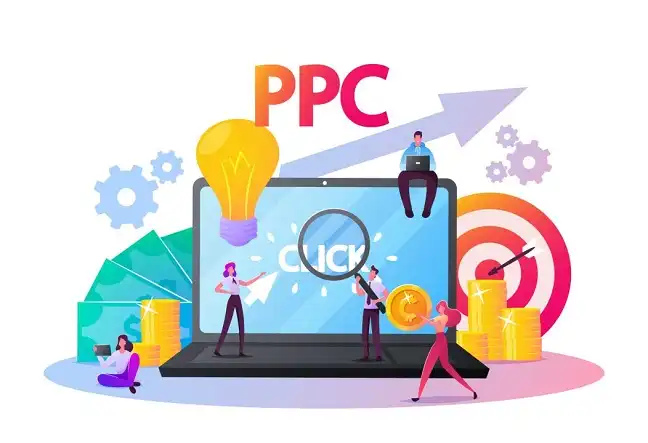
- Enhanced Decisions: PPC campaigns provide critical insights and data analytics, allowing businesses to make well-informed decisions about their marketing strategy and budget allocation.
- Cost Efficiency: PPC organisations can identify potential saving areas and spend smartly by fine-tuning bids and focusing on a high-value keyword.
- Improved Customer Focus: PPC ensures that marketing activities are aligned with customer value, prioritising ads that resonate with target audiences and drive conversions.
- Continuous Improvement: This model encourages ongoing review and adjustment of strategies so businesses can perfect their campaigns by assessing performance metrics against the flux in market dynamics.
- Strategic Planning: PPC maintains better prediction and long-range planning through real-time information related to the customer’s behaviour and market trends.
Uncover principles of PPC and their significance in modern business practice. Look for ways organisations can take full potential from leveraging an improved online presence and growth. Discover valuable information and practical steps to include PPC in your business strategy.
What is PPC?
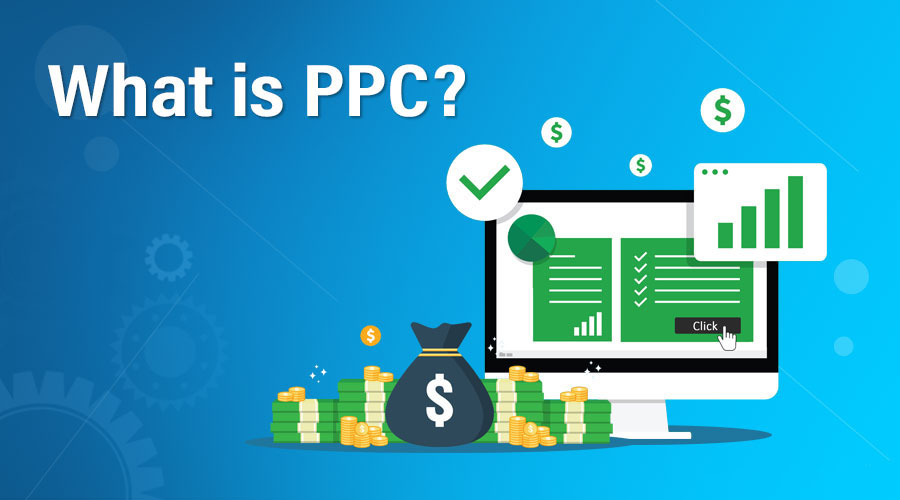
PPC, or Pay-Per-Click, is a web marketing strategy in which the advertiser pays a sum for every click of their ads. The central concept of the method revolves around buying visits to a website instead of earning through SEO. Organisations can immediately reach their target audience by identifying relevant keywords, driving traffic to their site, and eventually increasing conversions.
Critical Elements of PPC:
- Keywords:
Keywords are the backbone of any PPC campaign. They determine which searches trigger an ad to appear. Choosing the right keywords requires extreme care because they influence a campaign’s visibility and cost efficiency. - Ad Copy:
AAd copy consists of the message and creative elements shown in the ad. Good copywriting of attractive, relevant ad copy is essential to grab users’ attention and increase click-through rates. - Landing Pages:
It is to the landing page that the user goes through after clicking on the advert. A well-optimized landing page that aligns with the ad’s message and does not disrupt the user experience can maximize conversions.
Benefits of PPC:
- Better Decision-Making:
PPC campaigns provide instant insight into user behaviour and campaign performance. Such advertisers make relevant decisions based on metrics like click-through rates, conversion rates, or even return on ad spend. For example, if a keyword is not converting, changes can be made quickly to optimise the campaign. - Cost Effectiveness:
As an advertising strategy, PPC pays only when the intended user engages with the ad, making it relatively cost-effective. It allows for proper strategic budget distribution toward high-performance keywords and ads to ensure improved usage of marketing resources. - Improved Communication and Coordination:
PPC campaigns very often improve internal communication among marketing teams. Shared platforms and campaign dashboards that monitor performance result in information sharing and transparency, making the campaign cohesive.
Core Principles of PPC
- Focus on Activities:
Understanding specific activities that drive user engagement, such as keyword selection and ad placement, is vital for a successful PPC campaign. - Associating Activities with Costs:
The cost made by each activity is critical in PPC. It is determined by the cost per click that such organisations incur using various keywords, hence spending their resources effectively. - Continuous Improvement:
In PPC, ongoing assessment and optimisation are necessary. Regularly reviewing campaign performance and making data-driven adjustments can significantly improve results.
Steps to Implement PPC
- Discuss Current Activities:
Analyse existing digital marketing practices and indicate how PPC can complement these activities. - Create Cost Drivers:
Determine which factors contribute to click costs, including competition over specific keywords and ad quality scores. - Implement Performance Metrics:
All performance metrics like click-through rate, conversion rate, and cost per acquisition should be tracked in detail. - Engage Employees:
Involve the relevant team members in planning and implementing the campaign; that way, all aspects will be considered, and strategies will align. - Leverage Technology:
Utilise tools and platforms such as Google Ads and analytics software to optimise ad performance and targeting.
Real Examples of PPC
- Amazon:
It is doing the same today as Amazon. It also utilises PPC to its benefit, running targeted advertisements based on user searches to achieve higher visibility in the market and boost sales. - Zocdoc:
Zocdoc is an online medical appointment booking platform. It used PPC to attract users who wanted to find healthcare providers. Targeted keyword campaigns greatly increased its user base and appointment bookings. - Airbnb:
AirBnB was using PPC advertising to capture traveller leads searching for rental accommodations. With targeted campaigns, the travel company saw more bookings, thus showing that its strategic PPC efforts were practical.
By adopting these principles and strategies, organisations can maximise the value of their PPC campaigns, drive traffic, and achieve business goals efficiently.
Finding the Meaning of PPC Full Form and Importance
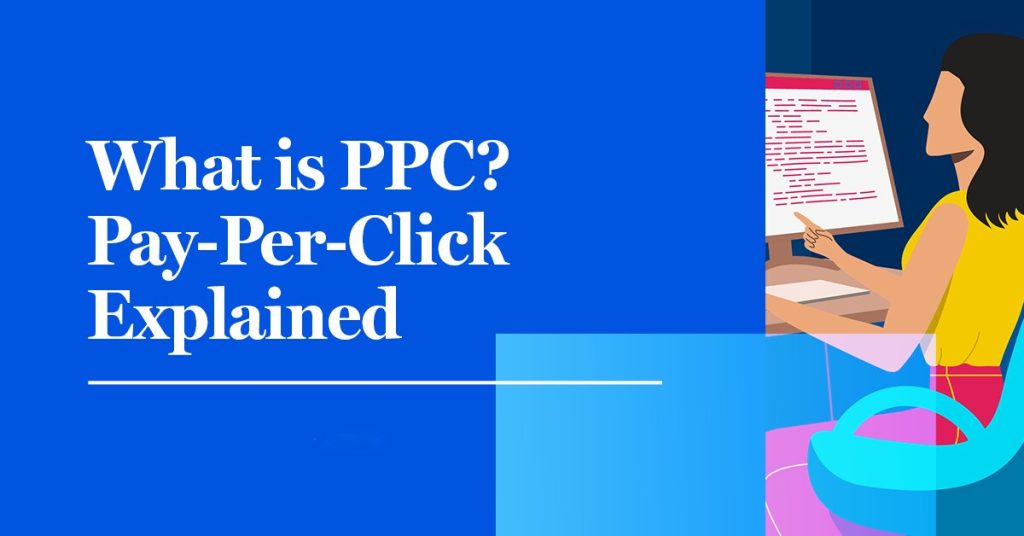
The general form of PPC and its importance for businesses working to enhance their marketing are pretty vital. PPC stands for Pay-Per-Click. This term embodies the nature of the cost structure of the ad model-it is only paid for when a person clicks on an ad. This strategy enables a direct measure of marketing effectiveness and allows people to manage their budgets.
The Why of PPC in Digital Marketing
- Cost Control:
One of the leading advantages of PPC is that advertising costs can be controlled. Businesses can set a daily budget, decide how much to bid on, and even set a spending allowance for whatever performance metrics they choose. Such flexibility means that marketing spending is optimised and better planned financially. - Immediate Results:
PPC campaigns can deliver results quickly, whereas natural search strategies take at least months to fully integrate. This would allow business owners to analyse and run their marketing fast. - Increased Brand Visibility:
This enables businesses to have more visibility on search engines and various social media platforms for their ad and targets them towards the end-user, thereby increasing brand awareness through recognition in the marketplace.
How PPC Works
- Auction System:
PPC operates on an auction system where advertisers bid on keywords relevant to their business; e bid am unt, and quality scores are determined by search engine results pages (SERPs). - Target Options:
PPC provides various targeting options, such as demographic, geographic, and behavioural. This ensures that advertisers can target specific audience groups and reach the right people with their messages. - Performance Monitoring:
PPC allows for good tracking capabilities so advertisers can track KPIs, such as CTR, conversion rates, and CPC. These numbers enable them to optimise their campaigns and improve their marketing strategy.
Common PPC Platforms
- Google Adwords:
However, the largest and most popular PPC network is Google Ads, which enables advertisers to post their ads on Google results pages and across its massive display network. - Bing Ads:
Bing Ads is almost identical to Google Ads but delivers its products to the Bing search engine. This offers an excellent opportunity to reach a different audience and perhaps at a lower cost. - Facebook Ads:
With Facebook Ads, businesses can create targeted advertising campaigns on one of the most popular social media platforms, targeting users based on their interests, behaviours, and demographics.
PPC Campaign Best Practices
- Keyword Research:
Simply spend a reasonable amount of time researching the keywords to uncover high-value keywords relevant to your business goals. - Ads Testing:
You should regularly test different ad copies, headlines, and formats to determine what appeals to your audience and improves performance. - Landing Page Optimization:
Your landing pages must be conversion-optimized, closely corresponding to your ad messages and offering a smooth user experience.
Understanding the complete form of PPC and its importance in digital marketing helps companies use this powerful tool to drive targeted traffic, develop brand visibility, and finally meet their marketing objectives.
Unlocking PPC Full Form for Your Marketing Strategy
PPC is not just a buzzword in digital marketing; it’s a fundamental strategy that can unlock new avenues of growth and engagement. In this age of centrality for online visibility, knowledge of when and how to implement PPC will make the difference between a business and its competitors.
Building a Successful PPC Strategy
- Define Goals:
Before launching a PPC campaign, clearly defining your goals is crucial. Whether you’re increasing website traffic, generating leads, or boosting sales, having specific objectives will guide your campaign strategy and measurement. - Target Audience Analysis:
Understanding the target audience is vital to a successful PPC campaign. Research demographics, interests, and online behaviours to create a message to achieve maximum outreach through ads. - Budget Distribution:
Effective budget allocation is essential for PPC success. Determine how much you’re willing to spend daily or monthly and allocate your budget based on campaign performance and return on investment (ROI). - Monitor and Calibrate Your Campaigns:
- Performance Analysis:
Use analytics tools to monitor your PPC campaign performance regularly. Track metrics like CTR, conversion rates, and CPC to understand what’s working and what’s not. - A/B Testing:
Use A/B testing to test variations in ad copies, formats, and targeting options. This is useful in identifying winning elements that help optimise overall campaign performance. a - Bid Management:
Adjust bids based on keyword performance and competition. Increase bids for high-performing keywords to maximise visibility and reduce bids for underperforming ones to control costs.
- Performance Analysis:
PPC Management Issues and Solutions
- High Competition:
Thus, due to the competitiveness of many industries, competitive bidding for keywords may raise a company’s cost, and long-tail keywords may fill in the gap. End. - Ad Fatigue:
Eventually, viewers become accustomed to advertisements, which reduces the potential interaction. To avoid ad fatigue, constantly replace your ad copy, image, and targeting strategies. - Complexity Tracking:
Tracking conversions and ROI takes a lot of work. Conversion tracking codes and tools will make it easier to obtain more detailed campaign performance information.
The Future of PPC
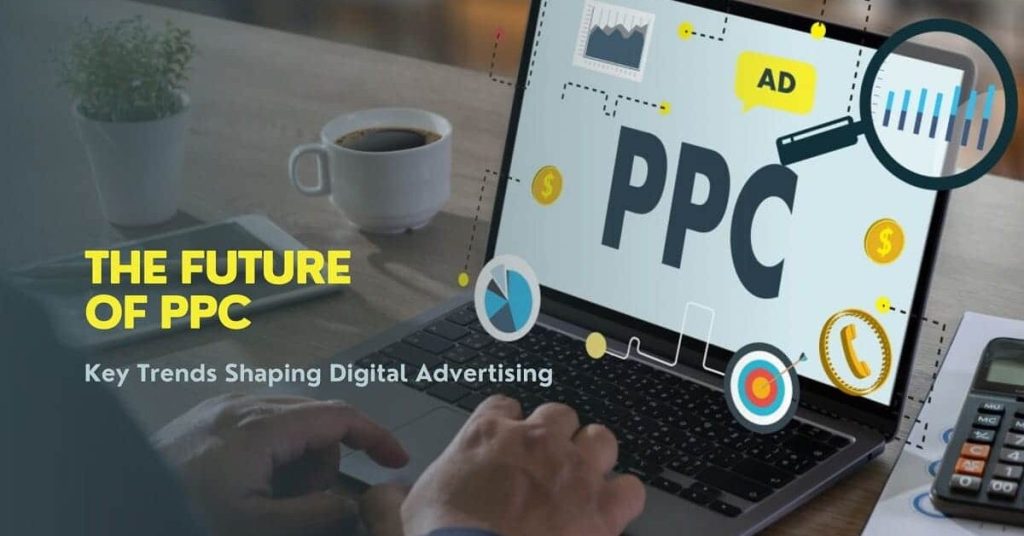
The digital landscape constantly evolves, and PPC strategies must keep pace. New technologies like AI and machine learning are changing how advertisers approach PPC, allowing for better-focused targeting and automated bid management. Moreover, with the constant changes in consumer behaviours, there will be a need to stay updated on trends to ensure that PPC campaigns are effective.
PPC has the potential to open up marketing strategies so that businesses can drive targeted traffic that is also measurable.
PPC is an Inalienable Approach for Organizations Which Are Keen on Improving Their Online Presence and Increasing Revenues
Acquiring an integral understanding of digital advertising strategies, proper marketing resource allocation, and continuous improvement may open tremendous potential within operational processes and decision-making strategies. Increasing market pressure and competition will probably become the nucleus of well-managed practices.
Final Thoughts
The incorporation of PPC principles in your organisation engenders many benefits:
- Increased Website Traffic:
PPC campaigns generate traffic to your website with incredible velocity, which increases your view among customers. - Target Audience Reach:
With the options you get through precise targeting, you can reach a possible audience while advertising. - Measurable ROI:
PPC can effectively track your marketing performance, allowing you to measure your return on investment for ad spending and adjust accordingly.
It’s the perfect time to take up PPC advertising and discover the holistic changes it can bring to your organisation. Optimise your digital strategy by taking the first step today!
]]>Largest Contentful Paint (LCP) plays a pivotal role in measuring the success of online advertising. It affects the user experience, engagement, and conversion rates, making it essential for advertisers to optimise. LCP is critical because:
- It impacts the user experience by measuring how fast the most significant content on a webpage loads.
- A slow LCP can significantly reduce user engagement and lead to higher bounce rates, potentially causing a loss in potential conversions. This underscores the urgency for advertisers to address LCP optimization.
- Optimizing for faster LCP not only improves advertising success but also boosts SEO rankings, making it a crucial factor for online advertisers to consider.
- LCP directly influences user retention and conversion rates, making it a key factor in determining the success of an advertising campaign.
- LCP optimisation boosts campaign performance.
What is the Largest Contentful Paint (LCP)?
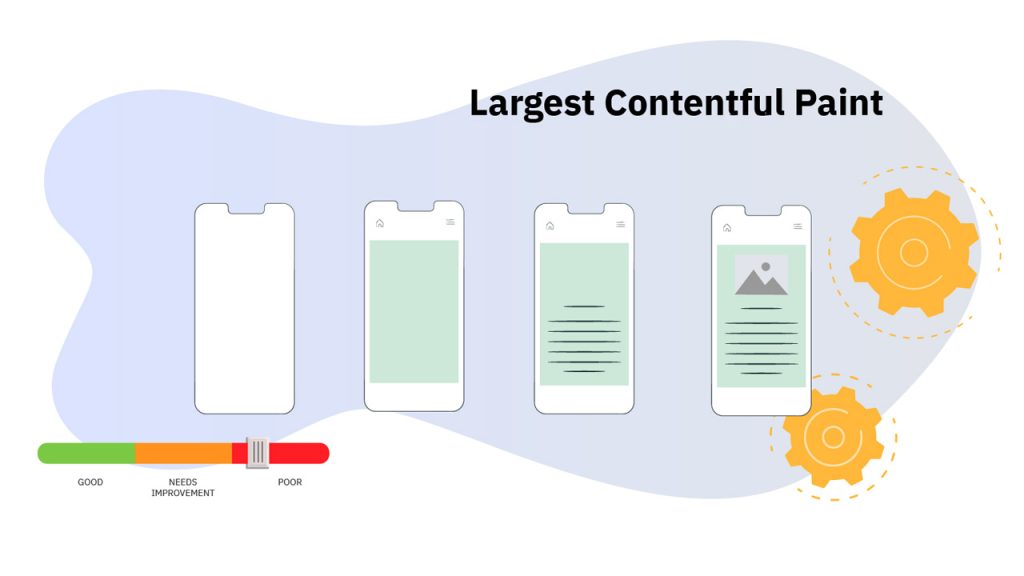
Largest Contentful Paint (LCP) refers to the time it takes for the most significant element in a browser’s viewport, such as an image, video, or block of text, to fully load. It is one of the three key metrics in Google’s Core Web Vitals and measures how quickly the main content becomes visible to the user.
- LCP Full Form: Largest Contentful Paint.
- LCP Google: It is a core web vital that affects search engine ranking.
- LCP SEO: Directly influences your website’s visibility in search results.
- LCP Content: Includes images, videos, and large blocks of text.
- LCP Performance: Determines how fast the most important content on your page loads.
When LCP takes more than 2.5 seconds, the user experience deteriorates. For advertisers, ensuring LCP remains under this threshold is vital to keep users engaged and avoid high bounce rates.
LCP’s Role in Advertising
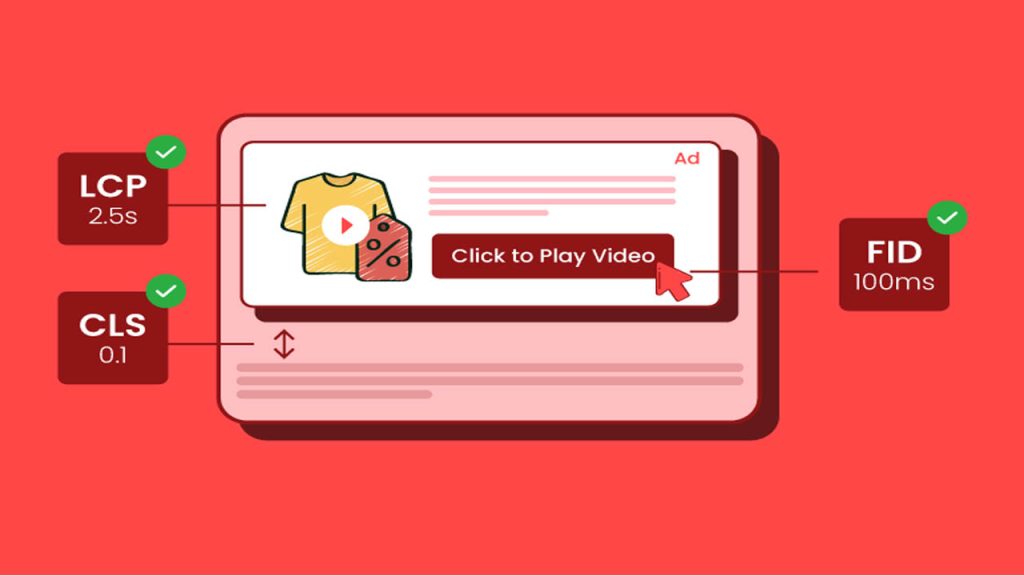
In advertising, LCP is crucial because it directly impacts user experience and the performance of a marketing campaign. If a page takes less time to load, users may abandon the site before interacting with the content, affecting engagement and conversions. Key points include:
- LCP Full Form: Largest Contentful Paint is critical for advertisers to understand.
- LCP SEO Impact: A faster LCP increases your site’s search rankings.
- User Retention: The higher the LCP, the more difficult it is to engage users.
- Conversion Rates: A slow LCP results in lower conversion rates.
- Ad Spend Efficiency: A poor LCP can save advertising budgets, leading to high bounce rates.
Optimising LCP ensures a faster page load time, which is essential for increasing engagement, improving SEO performance, and boosting advertising ROI.
Methods to Optimize LCP for Advertising Success
Improving Largest Contentful Paint (LCP) involves several optimisation strategies. These include optimising images, server response time, and render-blocking resources. Below are five essential methods to improve LCP:
1. Image and Video Optimization
Optimising images and videos is one of the most impactful techniques to enhance LCP. Large files can slow down the entire loading process. To improve LCP, you can:
- Compress images without losing quality.
- Use next-gen formats like WebP.
- Optimise video size and enable lazy loading for videos.
- Avoid large background images that slow down loading.
- Use appropriately sized images for all devices.
Optimising media files ensures faster loading times, improving the user experience and reducing bounce rates.
2. Minimize Server Response Time
Reducing server response time directly affects LCP. By cutting down on delays, advertisers can significantly enhance performance. Key strategies include:
- Use a Content Delivery Network (CDN).
- Optimise your web server settings.
- Enable browser caching.
- Serve content from a server closer to the user to reduce latency.
- Use HTTP/2 for faster content delivery.
A faster server response time improves the overall user experience and ensures the most significant content loads quickly.
3. Use Lazy Loading
Lazy loading delays the loading of non-critical elements until they are needed. This optimisation ensures the main content loads first, improving LCP. To implement lazy loading:
- Defer loading non-essential aspects like images and iframes.
- Prioritise loading content above the fold.
- Use lazy loading with HTML5 or JavaScript libraries.
- Ensure the primary content loads before secondary elements.
- Implement lazy loading across the site to optimise performance.
Lazy loading allows access to crucial content faster, improving user satisfaction and engagement.
4. Minimize Render-Blocking Resources
Render-blocking resources, such as CSS and JavaScript, can delay the loading of the page’s primary content, negatively impacting LCP. To minimise these delays:
- Optimise CSS and JavaScript files.
- Defer or async non-critical scripts.
- Minimise external stylesheets.
- Inline small CSS snippets for quicker rendering.
- Remove unused CSS and JavaScript.
By optimising render-blocking resources, you can significantly reduce LCP and improve page load speed.
5. Optimize Web Hosting
The quality of web hosting plays a significant role in determining LCP. Low-quality hosting can neutralise other optimisations, leading to poor performance. To improve hosting:
- Choose a fast and reliable hosting provider.
- Use managed hosting services for better performance.
- Regularly monitor uptime and response times.
- Upgrade to dedicated or VPS hosting.
- Conduct regular audits on hosting performance.
A reliable hosting provider ensures your website performs optimally, reducing load times and improving user experience.
LCP and SEO
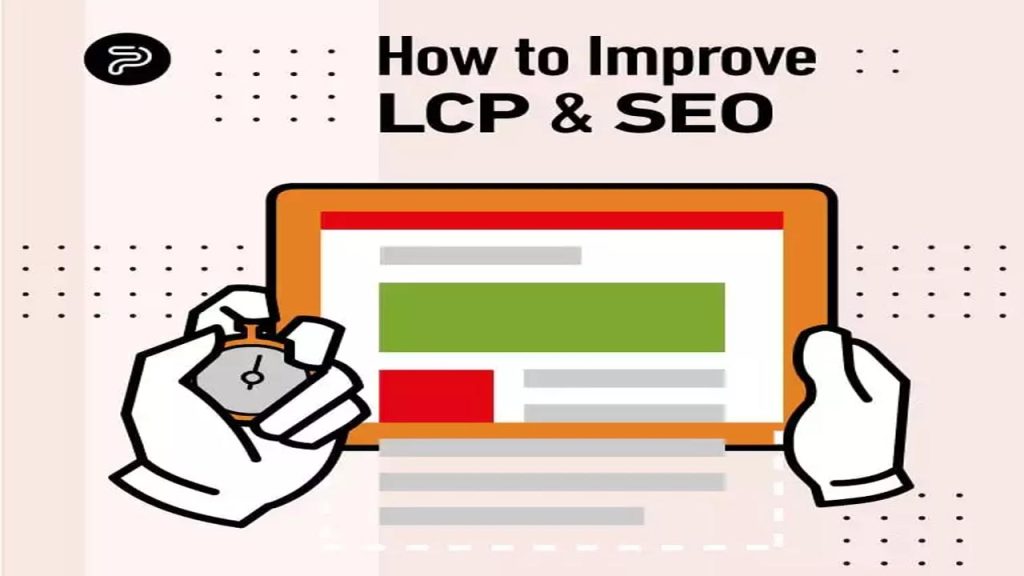
LCP is one of the core components of SEO because it directly affects Google rankings. Websites with poor LCP scores are penalised, leading to reduced visibility and traffic. The impact of LCP on SEO includes:
- LCP Full Form: A core metric in Google’s SEO ranking factors.
- LCP Google: It serves as a page experience ranking signal.
- Bounce Rate: A slow LCP leads to a high bounce rate, negatively affecting SEO.
- Conversion Impact: Faster-loading sites convert better and rank higher organically.
- LCP SEO Best Practice: Improving LCP directly enhances SEO performance.
By optimising LCP, advertisers can improve user experience and enhance their SEO strategy, leading to better search engine rankings and more organic traffic.
LCP Performance Monitoring and Testing
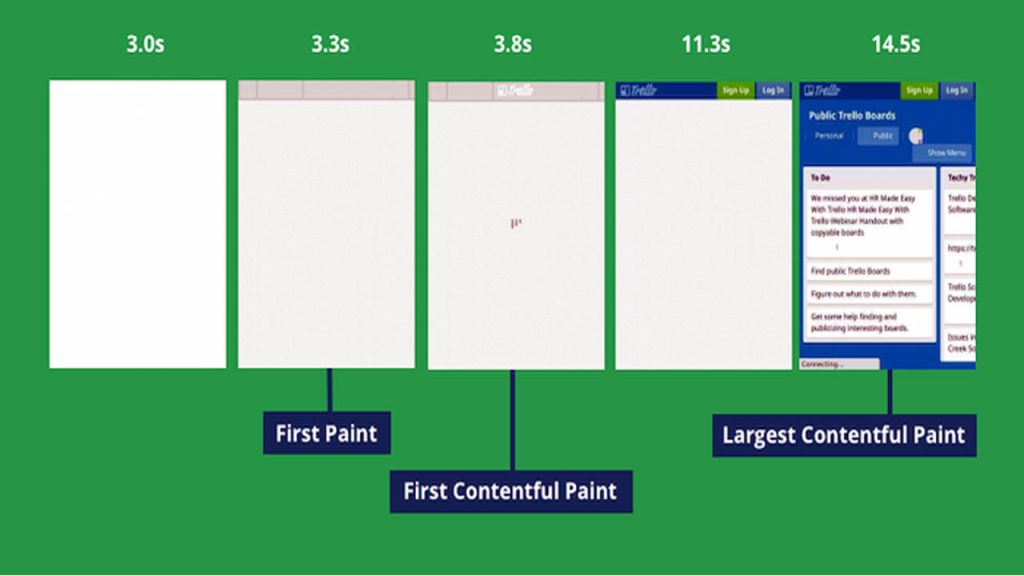
To maintain a healthy LCP score, advertisers must consistently monitor and test their website’s performance. Several tools are available to check LCP and identify areas for improvement:
- Use Google PageSpeed Insights for detailed LCP analysis.
- Periodically test performance with Lighthouse.
- Identify slow-loading elements with Chrome DevTools.
- Set performance budgets to guide LCP improvements.
- Utilise real-user monitoring tools for accurate data.
Continuous testing and monitoring are crucial for maintaining optimal LCP performance and ensuring successful marketing campaigns.
Final Thoughts
The largest Contentful Paint (LCP) is a critical element in the success of online advertising and SEO performance. It directly affects user experience, conversion rates, and search rankings, making it essential for advertisers to optimise. Key takeaways include:
- LCP Google: A core web vital that affects SEO ranking.
- User Satisfaction: Faster LCP improves user experience and engagement.
- Improved Conversion: Optimizing LCP leads to better conversion rates.
- LCP SEO Directly impacts your website’s rank and visibility.
- Long-Term Success: Consistent monitoring and testing help ensure continuous improvement.
By improving your website’s LCP, you can enhance meaningful engagement with your audience, increase brand loyalty, and drive business growth.
]]>Understanding Electronic Advertising
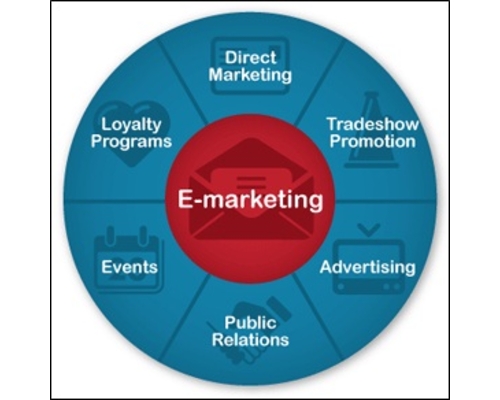
Electronic advertising, synonymous with digital advertising, refers to all marketing techniques that use electronic gadgets and digital channels. This marketing sector is the one that found new ways of operating the industry through new technology, which incidentally is the major focus of the current digital age. This sector is the one in which marketing practice itself has changed. Businesses now provide customers with such a way of buying products that they won’t even have to buy their homes. At present, the ease of purchasing a product can be felt not only by the customers but also by the businesses. Electronic advertising is a part of the marketing strategy that mainly aims to promote the selling of products or services. It is an important section because advertising companies make the consumers come to their business, while the customers make the companies come for their products. Their profit source comes from advertising companies.
- Important Information: Based on Statista’s information to the public, the global digital advertising expenditure is predicted to be around $500 billion in 2021, which means it is becoming increasingly crucial in marketing.
- Case Studies: Electronic advertising is an approach by brands (such as Nike and Coca-Cola) to the complex problem of creating campaigns that engage most audiences and increase brand awareness. Such advertising lets most companies successfully enter the minds of their consumers, thus evoking high brand recall and customer retention. As an illustration, Nike’s customized email campaigns can break the email list based on customers’ purchase behaviors, allowing them to have a high conversion rate.
- Frameworks and Theories: One of the most important things in electronic marketing is the AIDA model (Attention, Interest, Desire, Action), which directs electronic marketing and enables marketers to create content that develops a strong relationship with the audience.
Strategies for Effective Electronic Advertising
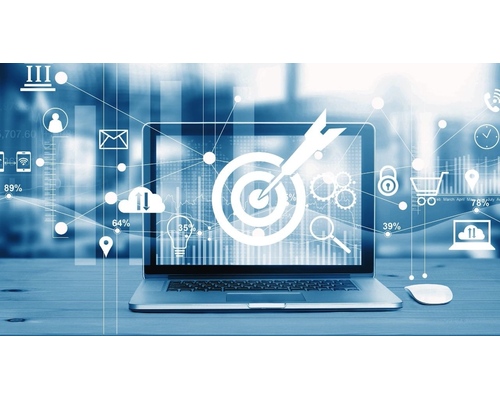
For digital advertising to be effective, the business must include a synchronized campaign or touchpoint strategy of various brands’ appropriate digital channels.
- Specific Examples: Google Ads allows technology marketers to promote their products by paying for them to be displayed in the top sections of Google’s search engine, which is search engine marketing. Also, Facebook ads are employed for social media targeting and picture sharing, which are Facebook’s unique offerings, and YouTube is used to create and upload video channels. Alongside this, each platform gives marketers features that target the precise audience’s memory. Hence, there is an increase in ad reach.
- Challenges and Benefits: The digital marketing capability to personalize marketing and its cost-effectiveness through precision targeting and measurement. Proving its trackability dilemma, is there (i.e., ad fatigue and ad block direct follow-up), or is it just a matter of customer annoyance? Marketers need to minimize this disturbing phenomenon by promoting a faster connection or something that attracts their eyes.
- Practical Advice: Businesses’ adoption of analytics is an essential prerequisite for generating successful ads, and positioning the A/B testing before ad creatives will give brands a means to shape their message according to the most persuasive ones. Sales teams also have the option to slice audience segments and analyze the real-time data, which will help a lot.
The Future of Electronic Advertising
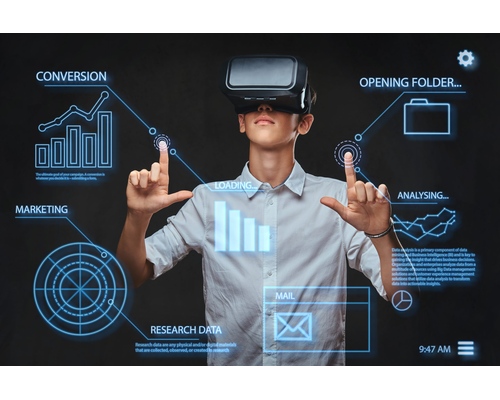
The electronics advertising landscape changes as technology continues to evolve. Among the latest trends, artificial intelligence (AI), augmented reality (AR), and voice search will define the future of this industry.
- Emerging Trends: AI is used during ad bidding and purchasing to revolutionize how ad placements are managed, thanks to the dynamic response of companies in the market. Furthermore, AR is among the commodities making creating interactions that are extremely similar to reality possible; for example, users of the Oracle Retail cloud are trained through virtual simulations and can try on outfits without physically stepping into the store.
- Implications for the Industry: Electronic advertising takes the issue of privacy seriously because tight regulations are in place, and consumers are aware of their rights. The only important thing is ensuring the consumer knows everything you are doing and acquiring his consent.
- Insights for the Audience: In this space, companies’ use of these technologies, particularly those in marketing, will be a main factor in the digital conversion process. The companies will have to resort to technologies and legal regulations as solutions to these changes.
Electronic advertising is a changing and necessary instrument within everyday marketing strategies. As you transform your business, you will analyze the past, learn useful tools, and follow the most important trends.
Conclusion
Admittedly, electronic advertising is the most outstanding tool used in the digital environment today, and businesses have to make it a priority if they want to achieve their goals. Each component of electronic advertising, from search engine optimization to social media marketing, could equip the participants in the market with the techniques needed to compete in a competitive environment. Today, new advertising possibilities and methods have appeared with technological progress. By applying these pioneering techniques, businesses are, on the one hand, able to extend their scope and, hence, easily reach far and wide across the globe. On the other hand, they can build strong, long-lasting bonds with customers, bring more sales, and hence, have sustainable business development.
Key Takeaways:
- Broad Reach: Digital advertising assists companies in reaching out to people worldwide outside the traditional advertising channels.
- Targeted Campaigns: Sophisticated targeting possibilities offer marketers personalized strategies relatable to their chosen demographics.
- Cost-Effectiveness: Unlike traditional advertising, electronic methods are often cheaper and deliver reliable evidence of return on investment.
- Real-Time Feedback: By analyzing the results using the given tools, we can make snap decisions and reach out to our target audience with the most effective campaigns.
- Enhanced Engagement: The technology of augmented reality has taken off since the advent of Web 3.0, and it has increased the focus of the audience on getting immersed in the content, engaging with it, and spending more time on it.
To sum up, it is clear that digital advertising is not just a choice for contemporary enterprises; it is a vital prerequisite for those who aim to expand their business and stay relevant in today’s global market.
]]>Main Theme
This article will look at the critical aspects of commercial advertising, its purpose, and the various media that can be used to achieve this. There have always been changes in advertising. An example of such change is the transformation of advertising from traditional methods like TV and print to contemporary platforms that provide social media and search engines. Presently, marketers have to wade through a difficult labyrinth to get their audience’s attention successfully.
What to Expect
By the end of the post, you will have a thorough understanding of commercial advertising, including perceptions regarding its strategic necessity for businesses. You can look forward to The Objectives of Commercial Advertising, which will explore the reasons behind businesses investing in advertising—whether it is to create a brand, generate sales, or build customer loyalty.
Key Components
When discussing this topic, it is necessary to introduce viewers to how advertisements can be well combined with several different factors, such as advertisement messages, design, and audience groups. We should not forget to explain the technique of advertisement using every element.
- Advertising Frameworks: We will define the basic components advertisers utilize in making and evaluating strategic advertising because AIDA (Attention, Interest, Desire, Action) and the 4 Ps (Product, Price, Place, Promotion) are the most popular frameworks.
- Emerging Trends: The key trends defining marketers’ success in commercial advertising, personalization, influencer marketing, and the importance of sustainability in branding are the areas of attention. Understanding commercial advertising is about more than just understanding the basic concepts. It also includes critical thinking regarding its continuous evolution and important positions in a marketing strategy. Whether you are a business owner…, a marketing professional, or a curious consumer, this post will be the perfect tool to benefit from this closely-knit world of business advertising.
Understanding Commercial Advertising: Definition and Purpose
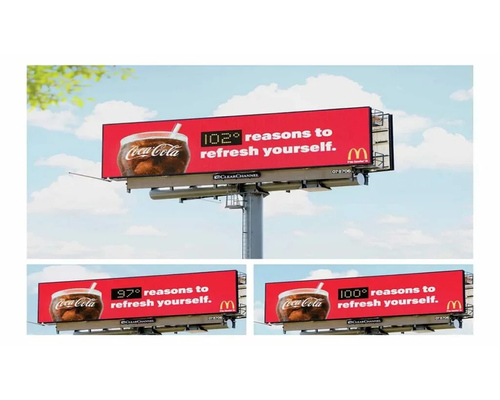
Commercial advertising is a strategic communication process in which information about a particular product or service is sent through different media platforms to the target audience. The main purpose is to convince the public to take a specific action and purchase the purchase em.
Subpoints:
- Commercial advertising comprises multiple formats, including print ads, television commercials, online ads, and social media promotions. Each type has its benefits and appeals to particular sections of the consumers. Therefore, choosing the most suitable one decides the success of any business promotion.
- Case studies are powerful tools like Nike’s “Just Do It” campaign, demonstrating that the right message can affect people’s behavior and form strong brand loyalty. This slogan, a big favorite with people from different backgrounds, tells them to do their best to reach their fitness goals.
- As reported by Statista, the advertising spending that companies worldwide made on digital media in 2021 amazed us with $465 billion, and it inevitably became obvious that today, marketing is a digital career that completely depends on digital platforms for its promotion. This change is happening through the new habits of the consumer market; younger people are using online media more and more.
- Many advertising models, such as the AIDA model (Attention, Interest, Desire, Action), underline customers’ stages in response to the brand communication process, thereby setting up a framework for effective marketing campaigns via advertising.
Key Strategies in Commercial Advertising
One creative way companies improve their advertising is by adopting strategies that, among other things, help boost their brand awareness and customer engagement.
Subpoints:
- On the other hand, creating advertisements that evoke emotions can be beneficial. Based on the example of the Coca-Cola company, which made such a charismatic personification of the marketing concept, it was well noticed that the brand had a strong connection with its consumers because of the individualized bottles ETGNA!
- Under the influence of so-called ad fatigue, customers can reach a state where the abundance of advertising irritates them and leads to lower effectiveness. Thus, given the changing consumer profile, brands are regularly challenged to develop innovative and fresh marketing strategies to keep the interest of consumers alive through storytelling and interactive content.
- Digital commercial advertisements are digital spaces that serve as a platform for real-time performance tracking and precise targeting options. For example, with Google Ads, marketers can get to know their existing and potential customers with the data collected, and then they can make adjustments accordingly.
- Companies that want to give concrete tips to their employees can use social media influencers to promote authentic advertising. Influencer marketing could be an effective way of branding if the influencer and the brand share similar values. Therefore, the brand can reach out and interact with the targeted audience articles disliked by Brandsoup & influencers, increasing the campaign’s reach.
The Future of Commercial Advertising
The change of commercial advertising is determined by technological improvements, which you, as a brand, must be aware of in order to remain relevant.
Subpoints:
- AI and machine learning are, without a doubt, the greatest advertising game-changers in modern technology. For instance, advertisers use forecasting and propensity models to devise the best strategies for campaign ads that will reach their target audience even before the campaign starts.
- The main trend is moving from sustainable growth to corporate social responsibility. Thus, the emergent one is the emphasis on corporate social responsibility (CSR). At the same time, sustainable brands can connect with people of similar beliefs because they align their green credentials with their marketing. That way, they can attract ethical buyers and nurture their sense of eco-responsibility.
- Among the new technologies, technology imaging of images called virtual reality and augmented reality are now in wide use, making the business interesting. Instead of merely providing information, companies have started experimenting with interactive ads that allow consumers to try a product before purchasing it. They have noted positive customer responses to these actions.
- Companies should clearly understand the implications: it’s the only way to be the best in marketing and invest in innovative technologies to make advertising campaigns work. By adopting these new methodologies, companies will not only improve their marketing results. Still, they will also create a loyal fan base that will take much work to woo in a highly competitive environment.
Conclusion: The Significance of Commercial Advertising
Commercial advertising is the backbone of the modern economy since it brings businesses together with potential consumers. It is not only the way of presenting products and services but also the way of forming a brand image and encouraging consumers to behave as the brand wants. Breaking down the marketing process into its constituent components, e.g., strategy, creativity, media selection, and analytics, is how the business can adjust its digital marketing tactics to become the best company in its industry.
While we navigate this ever-changing advertising sector, businesses have to be flexible and stay on top of the trends and technologies that can help them expand their target market. Commercial advertising’s place in the marketing mix remains significant because it drives sales and customer identification relationships, which lead to brands and economies surging.
Key Takeaways:
- Consumer Focus: Commercial advertising is a key driver in the brand-customer relationship.
- Brand Visibility: It plays a crucial role in brand building by creating strong connections with the audience and lifting the brand, thus making the customers’ experience pretty simple by enabling them to select a particular product or service.
- Market Growth: Good adverts planned well can help the business grow significantly, in addition to the previously mentioned market growth.
- Strategic Planning: A careful arrangement of marketing resources through constructing an advertising scheme with the highest distribution and real-time data flexibility could ensure companies achieve the most from their invested money.
- Adaptability: Master how digital marketing works and make it your priority to be informed in this area.
To ensure the development of Advertising Commercials and their elements, besides improving marketing, companies will attain long-term goals in their markets only if this new product is endorsed long enough and the intended users are made aware of it through marketing.
]]>Customers today require a consistent brand experience across all media. You can give your customers a seamless experience and earn their trust by combining your offline and online marketing activities.
The best part? By combining the benefits of traditional and online marketing activities, you can develop a more comprehensive marketing strategy that addresses the specific demands and preferences of your target audience. You may combine offline and online advertising in several ways to develop a truly effective marketing strategy. So, are you ready to take your marketing strategy to the next level? Let’s dive into how you can successfully integrate offline and online advertising for a multi-channel approach!
What are Offline Marketing and Online Marketing?
With the development of digital technology and the expansion of the internet, digital marketing has experienced a significant transformation over the past several decades. It is today primarily divided into two categories: offline marketing and online marketing.
The term “offline marketing,” which is also referred to as “traditional advertising,” refers to strategies like billboard and sign advertising, direct mail marketing, print advertisements in newspapers and magazines, and television and radio advertisements. These are marketing strategies that don’t rely on the internet or other modern technology. These approaches may seem outdated, but they nonetheless have a wide influence.
Online marketing, on the other hand, refers to a variety of strategies created especially for digital mediums. They include techniques including pay-per-click (PPC) advertising, social media marketing, email marketing, and search engine optimization (SEO). According to eMarketer, global spending on digital marketing is anticipated to reach $389 billion by 2021, which reflects the increasing popularity of online advertising.
What is the Difference Between Offline Marketing and Online Marketing?
While these two strategies have many things in common, there are also some significant differences that marketers need to be aware of. The following list contains 10 differences between offline and online marketing:
- Target audience: While online marketing can reach a worldwide audience, offline marketing typically targets a local demographic.
- Interaction: Unlike physical marketing, which frequently is one-way, online marketing allows for a two-way connection between firms and customers.
- Timing: Online marketing may be executed instantly, however, offline marketing can take longer to prepare and distribute.
- Flexibility: Online marketing can be quickly modified and updated, while offline marketing can be more challenging to change once it has been distributed.
- Personalization: Online marketing enables personalised communication with customers, while offline marketing is more on the generic side.
- Tracking: While offline marketing relies on more conventional monitoring techniques, online marketing enables real-time tracking of consumer behaviour and engagement.
All this being said, it is crucial to keep in mind that before curating a marketing strategy, organisations must clearly define their target market, budget limit, and objectives to make the most of their campaigns.
Why integrate Offline and Online Advertising For A Multi-Channel Approach
Both offline and online marketing have benefits and drawbacks, and the most successful marketing plans usually combine both. Building an effective marketing strategy that reaches your target audience and promotes business growth requires an understanding of the advantages and disadvantages of each strategy. Here we have mentioned some key reasons why companies today need to focus more on the multi-channel marketing approach:
- Creating a more impactful campaign: Businesses may develop a more impactful, comprehensive, and effective marketing plan that aids in the achievement of their corporate objectives by combining both traditional and digital marketing platforms.
- Reaching the audience of all age groups: Marketing campaigns that leverage both online media channels and offline tools reach a wider audience because they target both tech-savvy youngsters and the older generation who might not use the internet much.
- To maximize the return on investment (ROI): Purchase decisions are not solely influenced by marketing messaging or commercials. As a result, no single marketing channel can satisfy all needs. To maximise return on investment, a multi-channel strategy is required.
- To stand out from the competition: By offering a more holistic brand experience and taking into account the particular demands and preferences of their target audience, integrating both marketing tactics can help firms stand out from the competition.
- To conduct efficient monitoring and evaluation: Companies can acquire and analyse data from different sources to assess the efficacy of their marketing campaigns and make informed decisions regarding future plans.
How to Integrate Offline and Online Advertising For A Multi-Channel Approach?
Here are some effective strategies that can be used to effectively combine online and offline marketing activities:
Consistency is the key


Targeting customers through both offline and online marketing channels requires consistency. Regardless of the medium, consistent branding across all marketing initiatives helps people recognise your brand.
To make your brand instantly recognisable across both platforms, use the same typography and colour scheme. Make sure your website accurately reflects your physical presence and keep your branding and language uniform across both platforms. Consistent branding develops confidence among your target audience and encourages customers to purchase through both channels.
Run cross-channel campaigns


Cross-promotional strategies can undoubtedly improve results for your brand. Social media can be used, for instance, to increase the reach of a planned TV advertisement through countdowns, previews, or banner advertising.
Similar to online channels, offline ones like print advertisements might entice users to go to a particular landing page to collect contact information. Results can be maximised by offering value in the form of free digital resources.
Unify both marketing campaigns with the help of custom tracking URLs

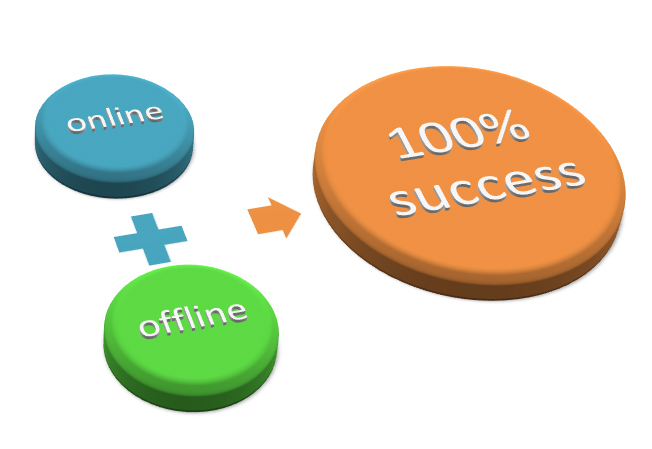
Combining offline advertising with online marketing has several benefits since it makes it possible to create a campaign that flows naturally between the two. Combining your offline and online marketing is effective when done using specific tracking URLs.
With the help of custom tracking URLs, marketers can easily link the two campaigns and track and examine user behaviour. Employ different URLs for different ad kinds, such as print, outdoor, and TV commercials, to make it simple to identify the approach that drives the most traffic and conversions.
Motivate your offline following to try online

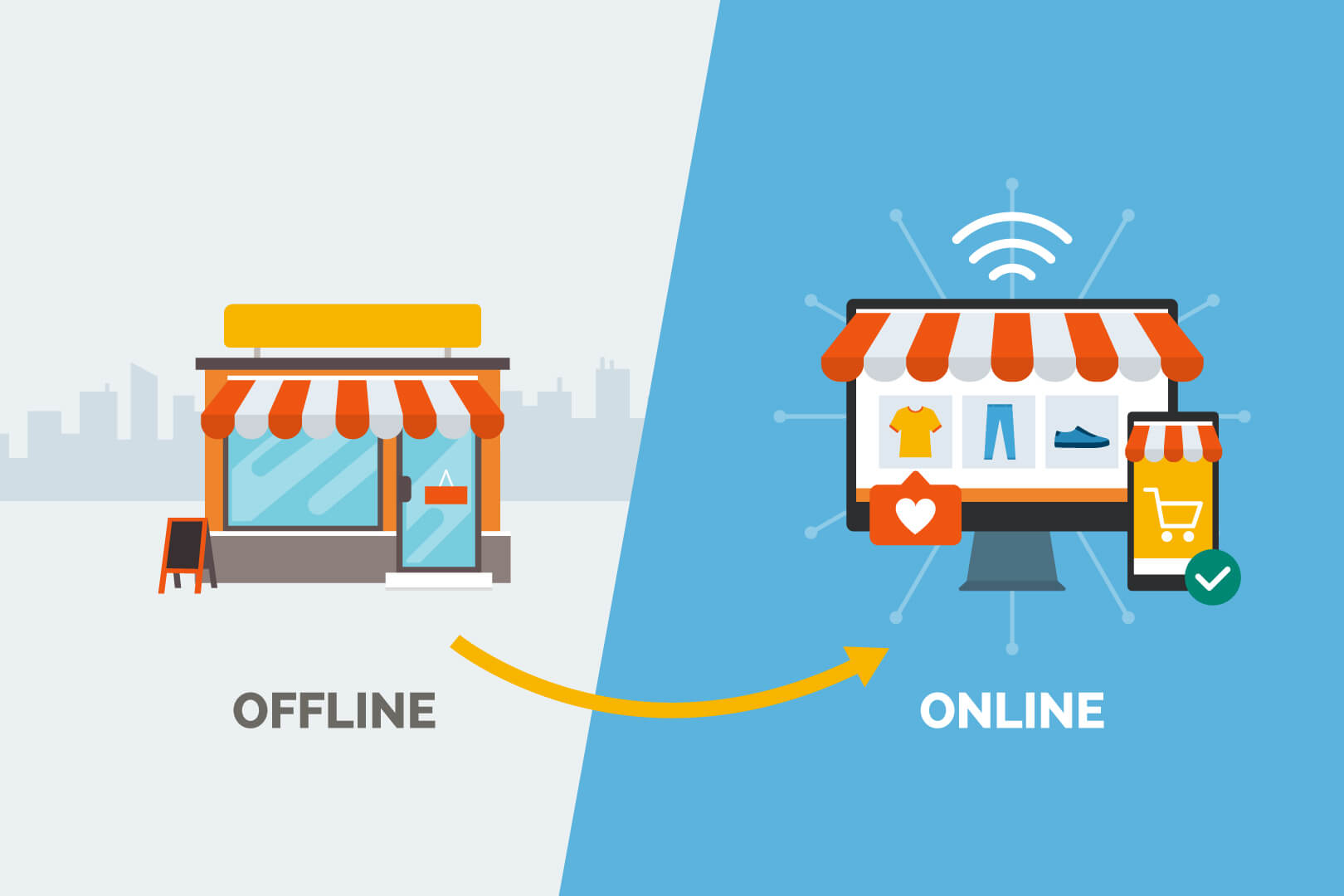
Ensure that your offline marketing integrates with your online strategy by providing information that directs people to your online channels. To improve engagement, add QR codes and links to your social media profiles on your printed ads. You can manage “real-life” leads more effectively by digitising them using internet solutions.
Add social network names and website URLs to receipts, and banners, and provide in-store discounts to those who interact with your business online to entice customers to interact with it online. This fosters connections and encourages continued participation.
Encourage your online customer base to take part in your next offline promotion


Use social media to interact with your audience to determine the ideal artwork for your print campaigns, events, or competitions. Make them feel like they are a part of your brand by collecting their opinions through online polls. To easily track the campaign’s progress, you can also build a direct mail campaign that implores your audience to post selfies on social media using certain hashtags.
For instance, when students posted selfies with their acceptance letters at Indiana University, the hashtag #IUsaidYes quickly became popular. Use this strategy for event visuals, posters, and other print materials.
Merge the data collected from both online and offline resources

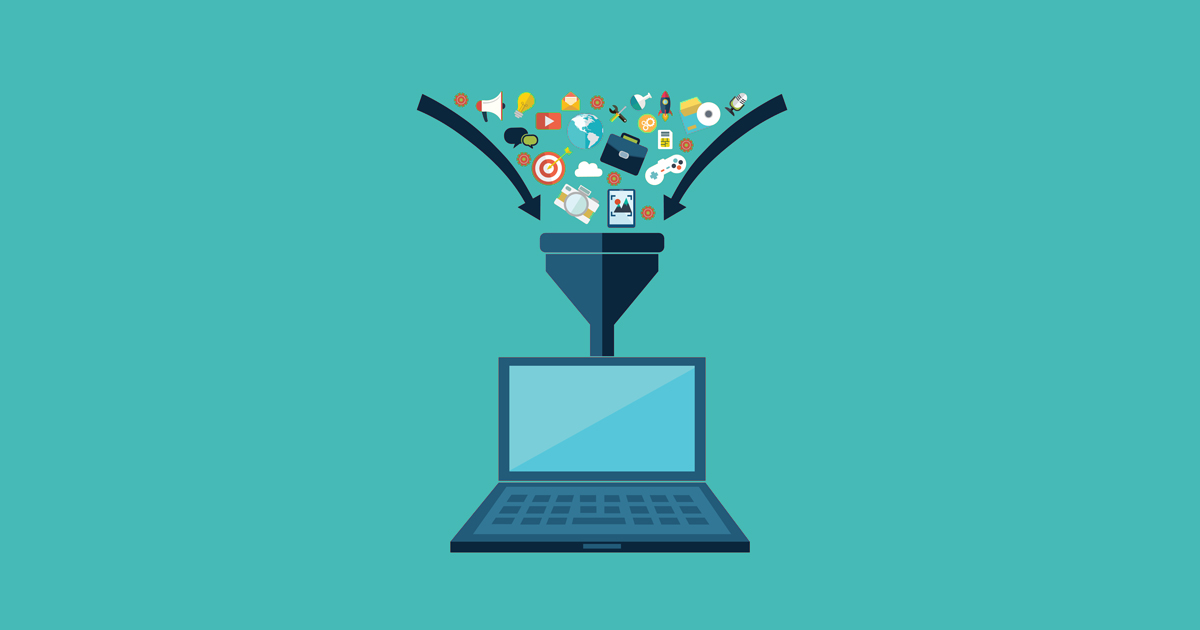
To create a thorough customer profile and obtain insights into their journey, it’s essential to integrate your offline CRM data with your online analytics data. You may use this integrated data to guide your marketing strategy and develop targeted campaigns.
Separate departments that handle online and offline sales operations might create data barriers, which can result in cluttered communications and less effective marketing. These bottlenecks are eliminated by centrally storing all client data, which also makes it possible to identify actions that generate income and provide a uniform customer experience.
You may combine your offline and online advertising efforts using these clever tactics to develop a multi-channel strategy that reaches a larger audience and produces results for your company.
Some Successful Campaigns By Brands That Leveraged The Multi-Channel Approach
- Vivo V23 campaign:


The Vivo V23 series campaign was able to successfully combine offline and online marketing efforts by enlisting the help of social media influencers and users to post selfies and stories utilising real-time location-based Instagram on Tagtalk at renowned bars and cafés. It became a viral campaign when the most popular brand hashtag posts were aired live on Street DOOH in strategic areas. Vivo also gave out discount coupons to the participants.
- Myntra EORS campaign:


To reach a larger audience, Myntra EORS (End of Reason Sale) uses a multi-channel marketing strategy. To create excitement before the sale, they make use of social media sites like Instagram. They advertise deals and offers during the sale using a variety of platforms, such as print ads and TV advertising. After the sale, they keep clients interested and encourage repeat business by using email and SMS marketing. This holistic approach assures maximum reach and engagement.
- JioSaavn “We are India” campaign:


The “We Are India” marketing campaign from JioSaavn celebrated India’s rich musical heritage through a multi-channel marketing strategy. The campaign featured billboards in major cities, social media advertisements, a music video with well-known Indian musicians, and even an augmented reality experience in shopping centres. This initiative helped JioSaavn establish itself as a dominant player in the Indian music streaming business.
- Cadbbury “Kuch Meetha Ho Jaye” campaign:


Cadbury’s multi-channel marketing campaign in India, “Kuch Achha Ho Jaaye, Kuch Meetha Ho Jaaye” aimed to present Cadbury as a brand that celebrates good times and happiness. The campaign was launched across various media channels, including TV, digital, print, and outdoor. In order to communicate with its audience and motivate them to share their happy moments, Cadbury also collaborated with well-known social media influencers and launched interactive contests.
The Bottom Line
An efficient marketing plan may be developed by combining offline and internet advertising to assist companies to connect with their intended consumers. At the same time, they can provide useful data insights to enhance campaigns and spur company growth. Hence, whether you run a little business or a major organisation, combining offline and internet advertising can help you advance your marketing plan and accomplish your company goals.
]]>Important Issues to Discuss
- What is electronic advertising?
- Definition, scope, and meaning of electronic advertising.
- Knowledge of offline advertising.
- Differential reach and targeting.
- Cost comparison of both kinds of advertisement.
- Both strategies have a behavioral impact on consumers.
- Compelling comparison study of both techniques.
What is Electronic Advertising?
Electronic Advertising is the promotion of products or services through digital media channels. All the online channels, social media, newsletters, and advertisements displayed are part of electronic advertising. With international coverage, even small businesses can connect with diverse audiences diversified through different demographics. Some of the defining characteristics are:
- Global Reach: The electronic medium has made it possible to create an international platform that transcends geographical boundaries. Businesses can now reach markets in previously inaccessible regions through the internet and connectivity stretching worldwide.
- Targeted Marketing: Data Analytics Power enables precise targeting based on demographics, interests, and behavior of the user. This segmentation toward specific audience targeting allows advertising to reach maximum engagement and boast high conversion rates.
- Economic Solutions: From the cost perspective, electronic marketing is cheaper than traditional marketing. With many electronic marketing channels now creating adaptive pricing models, a business can budget while using performance metrics to filter out their spending.
- Measurable Outcomes: Electronic advertisements are trackable in real-time and can be analyzed immediately. This implies that advertisers can easily monitor engagement levels, click-through rates, conversions, and all the other data that informs the decision.
- Adaptability: One of the best characteristics of electronic advertising is that it can change according to market flow or audience preference in a matter of time. The ads can change instantly, and marketers try out different formats or messages to determine which works best.
Advantages of Electronic Advertising
- The Internet Reaches a Larger Number of People: The Internet reaches billions of people, making it easier for companies to reach more potential customers.
- Low Cost: In the case of digital campaigns, investments are significantly more minute compared to those of conventional campaigns.
- Targeting: Advertisers can target in ways that increase how relevant and convertible their ads are likely to be.
- Flexibility: Campaigns can be tailored through real-time data and feedback, allowing rapid adjustment.
- Interactive Content: Social media and other digital channels allow users to engage with audiences immediately, fostering communities around brands.
What is Offline Advertising?

Offline advertising refers to traditional, non-digital marketing strategies. It involves the broadest possible range of media—from billboards to print ads in newspapers or magazines, direct mail, and TV and radio commercials. Here’s a closer look at the defining aspects of offline advertising:
- Physical Presence: Offline advertisements take a physical form, which may fascinate a customer. A board hoarding right across the street or handbills stuck on the walls of a tiny, local coffee shop might appeal to the audience.
- Wider Reach: While electronic marketing may easily target niches, offline advertisements can target audiences without access to the Internet or who are older and far removed, for example.
- Credibility: Traditional advertisements are generally more credible. The consumer can be more prone to believe a print ad or a TV commercial running on a renowned media channel.
- Creativity and Interaction: Offline ads, like stand-out designs or interactive display, can be much more creative and even interactive. For instance, experiential marketing events have a lasting impact on people attending.
- Long-Term Effect: Offline media such as pamphlets or leaflets denote a long-term influence on consumer behavior as they stay with the customer for a long time, providing maximum visibility to the brand.
Benefits of Offline Marketing
- Tactile Communication: Physical advertisements help create a tactile impression, which improves the chances of recalling the brand.
- Extensive Demographic Reach: Offline techniques can reach customers who are not online, so they tend to provide extensive coverage.
- Prestige, Trust, and Reliability: Traditional advertisements carry a long history, thus creating prestige, trust, and reliability among the clients.
- Creative Scope: Offline media can create varied creative works that appeal to audiences through the physical experiences they create.
- Long-Lasting Impression: Print materials remain with the customer; hence, they can create long-lasting impressions of the brand for the client for extended periods.
Electronic vs. Offline Advertising

Electronic and offline forms of advertising are two different kinds of media that, when used appropriately, can complement each other. Essential differences are as follows:
Reaching and Targeting the Audience
- Electronic Advertising allows targeting based on demographics, interests, and behavior. Marketers can follow the online behavior of a target audience to communicate effectively with potential customers.
- Offline Advertising is mass communication, spreading out to reach more people, including those not using the internet, but it does not achieve the accuracy that electronic targeting does.
Budgeting & Cost
- Electronic Marketing is a much cheaper option by which any company can perform various activities within a flexible budget. The ROI on a real-time basis helps optimize the campaign spending.
- Offline Advertising: Print and broadcast media-based advertisements are often more costly but help develop a more credible brand image because they are established mediums.
Tangibility and Brand Perception
- Offline Advertising is highly tactile and allows the customer to better understand and perceive the brand being represented. It gives a pictorial depiction and is more likely to leave imprints in a consumer’s memory. Examples include printed hoardings, newspaper ads, or other print advertisements.
- Electronic Advertising does not touch but comes alive with interactive content. Consumers will perceive the brand in a very different way if the interactions take place only in the digital space.
Flexibility and Adaptability
- Electronic Advertising: Campaigns can change overnight based on market shifts or consumers’ needs. Fluidity dictates that brands may be able to stay relevant.
- Offline Advertising requires longer lead times for design and dissemination. Although not agile, offline advertising does support long-term branding activities.
Analytics and Metrics
- Electronic Advertising has deep analytics through which a marketer tracks user behavior, engagement, and conversion in real time.
- Offline Advertising: Effectiveness is hard to measure with traditional metrics. Generally, a campaign’s success depends on indirect indicators like sales or customer feedback.
Summary of Major Differences
- Reach Accuracy: Electronic advertising is more accurate as it is focused on the target and reaches a larger audience than offline advertising.
- Cost: Electronic methods seem to be cheaper, in contrast to the investment required for in-store and out-store advertising.
- Brand Image: Offline advertisements are more tangible, whereas electronic ads are more interactive.
- Flexibility: Updating electronic campaigns seems easy. However, making changes to in-store and out-of-store advertising takes some time.
- Analytics: Offline advertisement is only trackable a little.
Impact of Offline and Electronic Advertising

Offline and electronic advertisements differ in their effects on consumer behaviour and perception of the brand name. The awareness of this impact enables businesses to design their respective strategies more resourcefully.
Impact of Offline Advertising
- Creating Long-Lasting Imprints: Print media or billboard ads linger long in consumers’ minds, increasing brand recall.
- Building Trust and Credibility: Offline marketing builds trust, as traditional media is often perceived as more reliable than digital marketing. According to Nielsen, print ads have a trust factor of 56% among consumers.
- Reach to Local Audiences: Offline advertising reaches local markets, helping brands connect with communities and develop loyalty through localized efforts.
- Multisensory Connection: Offline ads touch multiple senses, which helps to create stronger emotional bonds with the brand.
- Supporting Brand Awareness: Offline strategies support long-run brand awareness and back up online efforts.
Impact of Digital Advertising
- Instant Gratification: Digital advertising grabs customers’ attention instantly, as it includes videos, polls, or other interactive tools that create instantaneous awareness.
- Feedback: This type of digital advertising helps give organizations instant feedback, which enables them to make proper changes according to customers’ feelings in their campaign strategies.
- Measurable Outputs: Organizations can measure the campaign’s output with real-time analytics; based on the output data, they can alter the strategy of future campaigns accordingly.
- Increased Global Reach: Electronic adverts allow a brand to access audiences worldwide across geographical and cultural lines.
- Cultivation of Brand Loyalty: Content relevant to the viewer’s life, such as targeted ads, helps create brand loyalty and goodwill in the long run.
Electronic vs. Offline Advertising: Which Way Does One Turn?

Electronic advertisement is often compared to offline advertisement, which raises questions about how businesses need to position themselves in light of both methods. There are several questions to be asked in which companies look into how each format would improve their bottom line.
Key points businesses must consider while deciding their advertising mix include:
- Consumer Base: Brands focusing on younger, tech-savvy audiences will want to invest more in digital channels. Businesses with older or local clientele should also look to traditional outlets.
- Campaign Goals: Brands must clarify whether they want quick engagement and immediate results (electronic) or longer-lasting brand recognition (offline).
- Resources: Budgets, staffing, and tools available will impact the effectiveness of one channel over the other.
- Integration Potential: Both channels could work in an integrated campaign, such as blending social media with TV and billboard ads.
- Industry Standards: Market trends will dictate which direction to take more heavily, depending on what’s successful for competitors and the industry overall.
Conclusion
Electronic and offline advertisements are major platforms various industries use to communicate with potential customers. Companies should weigh the benefits of each channel based on their target audience, budget, and business goals. Consider utilizing both approaches in tandem for a holistic strategy, tapping into the strengths of each. Offline advertising helps reinforce brand trust, while electronic advertising maximizes reach and interaction through cost-effective, interactive, and measurable means. Whether a company leans towards traditional or digital campaigns, or a mix of both, depends mainly on how well it understands its audience and objectives. Balancing both methods ensures that brands achieve widespread visibility and meaningful engagement.
]]>Ready to talk with a marketing expert?

A Pragmatic and innovative way to enthrall your target group is just a click away!
Get in Touch
Rukmini Knowledge Park, Kattigenahalli, SH 104, Srinivasa Nagar, Bengaluru, Karnataka 560064
+91-990 247 8800
contact@gingermediagroup.com
Popular in Television Advertising
Udaya TV AdvertisingSun TV AdvertisingStar Plus AdvertisingTV 9 AdvertisingZee TV AdvertisingNDTV India AdvertisingColors TV AdvertisingPopular in Airport Advertising
Spice Jet AdvertisingMumbai Airport AdvertisingDelhi Airport AdvertisingEmirites AdvertisingIndiGo Airlines Domestic India AdvertisingPopular in Newspaper Advertising
Deccan Herald AdvertisingPrajavani AdvertisingThe Hindu AdvertisingEconomic Times AdvertisingDainik Jagran AdvertisingHindustan Times AdvertisingPopular in Magazine Advertising
Forbes AdvertisingCosmopolitan AdvertisingBusiness World AdvertisingVogue Magazine AdvertisingPopular in Sports Advertising
IPL AdvertisingPopular in Outdoor Advertising
Billboard AdvertisingBus Shelter AdvertisingMetro Pillar AdvertisingUnipole Advertising© Ginger Media Group 2025. All Rights Reserved.