- In-depth Tracking of Data: Google Analytics gives very in-depth tracking of visitors’ behaviour, engagement, and conversion metrics.
- Insight into User Behavior: Realize precisely how your visitors are navigating and interacting with your website.
- Performance Metrics: Track key metrics such as bounce rate, session duration, and page views to assess your website properly.
- Reports Created Based on Business Goals: Create reports tailored around the metrics best suited to business goals.
- Integration Capabilities: Combine Google Analytics with other tools, such as Google Ads, Search Console, and CRM software, for deeper analysis.
At this point, it’s clear that Google Analytics is a critical tool for businesses looking to maximize their digital strategies and grow their digital accounts continuously.
1. What is Google Analytics?

Google Analytics is a free service from Google that enables you to monitor and track any visitor who drops by your website and report on the traffic. Through it, you will find valuable insights into how users interact with your website, enabling you to make data-driven decisions to enhance user experience better and finally bring about your business objectives.
Core Features of Google Analytics
- Real-time Reporting:
Track actual user activity on your site, including the pages they currently view and their location. Real-time data will give you a quick sense of how marketing campaigns and alterations to the website are performing. - Audience Demographics:
Understand visitor demographics, such as age and gender, along with what they like and dislike. Knowing your audience is vital in adapting the content and marketing to maximise effectiveness in reaching their needs and wants. - Acquisition Channels:
Determine if visitors are coming to your website through organic search, pay-per-click ads, social media, or direct visits. This can help you understand which marketing channels to prioritise resource allocation in. - Behavior Flow:
Think of all the possible paths people take through your website. Viewing behaviour flow will give you an idea of where the bottleneck occurs, which might improve user experience and engagement with your company. - Conversion Tracking:
Set up and monitor specific goals, such as form submissions, sales, signups, etc. Conversion tracking allows you to monitor the effectiveness of your marketing campaigns and thus improve performance.
To get the most out of Google Analytics, you must be aware of these features that contribute significantly to your business’s success.
2. Google Analytics Setup
The proper configuration of Google Analytics ensures that data is collected accurately and that insights are meaningful. This process involves creating an account, adding a tracking code to the website, and configuring essential settings for smooth operation.
Setup Steps in Google Analytics
- Creating a Google Analytics Account:
Sign up for a free account on Google Analytics and follow the instructions to set up your property. Fill in details of your website, including URL and website category in the industry. - Install Tracking Code:
Once you have created your account, you will receive a unique tracking ID and a JavaScript tracking code. You should then include this code in the <head> section of each page on your site so that data can be collected. - Goals:
Select specific goals that are suited to your business objectives: maybe you want to make an actual sale, subscribe to a newsletter, or download a resource. Goals allow you to set up your conversions and measurements successfully. - Enable E-commerce Tracking:
If you are operating an e-commerce website, enable e-commerce tracking. This allows you to track sales, revenue, and product performance. It provides excellent insight into your sales funnel and helps you optimize your product line. - Link to Other Google Services:
Link Google Analytics to other Google services, including Google Ads, Search Console, and Data Studio. Linking these services enables you to analyse data across different platforms and create comprehensive reports.
Following these steps ensures you have Google Analytics set up correctly, providing a solid base for accurately tracking and analysing data.
3. Analyzing Audience Insights

Knowing your audience is critical to creating an effective marketing campaign. Google Analytics provides extensive information about visitors to your website so you can better tailor your content and your campaigns to their needs.
Key Audience Insights
- Demographic Information:
Access data about the age, gender, and interests of your website visitors. This will help you understand your audience and allow you to focus on creating suitable content for different segments. - Geo-Data:
Identify where your visitors are coming from down to the city level. Geographic insights can inform your marketing strategies, such as localised campaigns or region-specific promotions, to better engage your audience. - Device Usage:
Analyse the types of devices your visitors use to access your website, such as desktop computers, mobile, and tablets. Knowing device preferences helps you optimize your website for different platforms, ensuring a seamless user experience. - New vs. Returning Visitors:
Quantify the number of new visitors compared with the number of returning visitors. This metric helps you measure the success of retention strategies you’re currently using or identify areas that require increasing repeat visits. - User Interests:
Based on their online actions, look into your audience’s interests and affinities. Aligning your content with user interests can enhance engagement and drive higher levels of interaction on your website.
Using these audience insights, you can modify marketing plans, create more contextual content, and generally engage users better, pushing for more beneficial business results.
4. Website Performance Monitoring
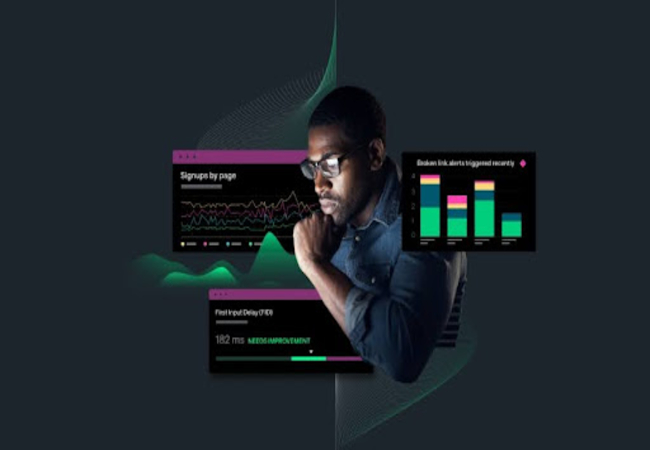
You should monitor your website’s performance to improve its effectiveness and achieve business objectives. Google Analytics provides detailed performance metrics that help you identify areas for improvement and track the effectiveness of your optimisation efforts.
Key Performance Metrics
- Page Views:
Track the total number of pages viewed on your website. High page views indicate strong user engagement, while low numbers suggest the need for more compelling content or better navigation. - Bounce Rate:
Measure the percentage of visitors who leave your website after viewing just one page. A high bounce rate can indicate issues with page relevance, load times, or user experience that need to be addressed. - Average Session Duration:
Analyse the average amount of time visitors spend on your website. Longer session durations typically signify that users find your content valuable and engaging. - Pages per Visit:
Monitor the number of pages users view during a single session. More pages per session suggest effective internal linking and engaging content that encourages users to explore further. - Load Time:
Assess the average time it takes for your web pages to load. Faster load times enhance user experience and can positively impact your search engine rankings and conversion rates.
Monitoring these performance metrics allows you to continuously optimize your website, improve user experience, and more effectively achieve your business objectives.
5. Optimization of Content Strategy
A well-defined content strategy attracts and retains website visitors. Google Analytics provides insights that help you understand which content performs best and how to optimize your content strategy for maximum impact.
Key Content Optimization Strategies
- Identify Best-Performing Content:
Use the Behavior > Site Content > All Pages report to identify which pages receive the most traffic. Understanding which content resonates with your audience allows you to create more of what they find valuable. - Analyse Content Engagement:
Evaluate metrics such as average time on page and bounce rate to assess how engaging your content is. High engagement indicates that your content meets user needs, while low engagement suggests the need for improvements. - Optimise for SEO:
Leverage the Acquisition > Search Console > Queries report to identify which search queries drive traffic to your site. Optimise your content with relevant keywords to improve search rankings and attract more organic traffic. - Content Gap Analysis:
Identify topics and keywords for which your competitors are ranking, but you are not. Creating content around these gaps can help you capture additional traffic and expand your audience’s reach. - User Flow Analysis:
Examine the paths users take through your website using the Behavior > Behavior Flow report. Understanding user journeys helps you structure your content to effectively guide visitors toward conversion goals.
Implementing these content optimisation strategies can enhance the relevance and effectiveness of your content, leading to increased engagement, higher search rankings, and improved business performance.
6. Measuring Conversions and Goals

Tracking conversions and setting up goals are among the most critical aspects of monitoring the success of your marketing efforts and understanding how users interact with your site. Google Analytics allows you to define and monitor specific goals that align with your business objectives.
Critical Strategies for Conversion Tracking
- Define Clear Goals:
Establish specific, measurable goals such as form submissions, product purchases, newsletter sign-ups, or account creations. Clear goals provide direction for your marketing strategies and help you measure success accurately. - Set Up Goal Funnels:
Create goal funnels to visualise the steps users take to complete a goal. Understanding where users drop off in the funnel allows you to identify and address obstacles that hinder conversions. - Track E-commerce Transactions:
If you operate an online store, enable e-commerce tracking to monitor sales, revenue, and product performance. Detailed e-commerce data helps you optimize your product offerings and sales strategies. - Use Event Tracking:
Implement event tracking to monitor specific user interactions, such as button clicks, video plays, or downloads. Event tracking provides insights into how users engage with different elements of your website. - Analyse Conversion Paths:
Using the Multi-Channel Funnels report, examine the sequences of interactions that lead to conversions. Understanding conversion paths helps you identify the most effective marketing channels and touchpoints.
By effectively tracking conversions and setting up goals, you can measure the impact of your marketing efforts, optimise your strategies for better performance, and achieve your business objectives more efficiently.
7. Employ Custom Dashboards and Reports
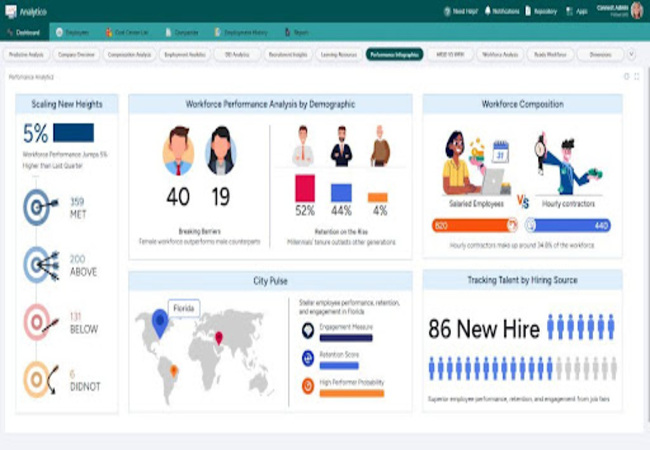
Custom dashboards and reports in Google Analytics enable you to focus on the metrics that matter most to your business. Tailoring your analytics interface to display relevant data can enhance your ability to make informed decisions quickly.
Critical Strategies for Custom Dashboards
- Create Customized Dashboards:
Design custom dashboards that highlight the key metrics relevant to your business goals. For example, a marketing dashboard might focus on traffic sources, conversion rates, and campaign performance, while an e-commerce dashboard could emphasise sales, revenue, and product performance. - Use Widgets Effectively:
Utilise widgets to display different types of data, such as tables, charts, and graphs, within your dashboards. Widgets allow you to visualise data in a way that is easy to interpret and actionable. - Automate Report Generation:
Schedule regular reports to be generated and emailed to stakeholders automatically. Automated reporting ensures that crucial team members stay informed about website performance without manual effort. - Share Dashboards with Team Members:
Collaborate with your team by sharing custom dashboards and reports. Shared dashboards facilitate communication and ensure that everyone is aligned with the latest insights and performance metrics. - Integrate with Other Tools:
Combine Google Analytics data with other tools like Google Data Studio for more advanced reporting and visualisation. Integration with other platforms can provide a more comprehensive view of your digital performance.
Leveraging custom dashboards and reports allows you to streamline your data analysis process, focus on the metrics that drive your business, and make more informed decisions.
8. Optimizing for SEO using Google Analytics
Search Engine Optimization (SEO) is critical for improving your website’s visibility in search engine results. Google Analytics provides essential data that can help you enhance your SEO strategies and achieve better search rankings.
Critical Strategies for SEO Enhancement
- Monitor Organic Traffic:
Track the volume of organic traffic your website receives and identify trends over time. Understanding fluctuations in organic traffic helps you assess the effectiveness of your SEO efforts and make necessary adjustments. - Analyse Landing Pages:
Identify which landing pages attract the most organic traffic and evaluate their performance. High-performing landing pages can serve as models for creating content that drives traffic and effectively engages users. - Evaluate Keyword Performance:
Use the Acquisition > Search Console > Queries report to analyse which keywords are driving traffic to your site. Identifying high-performing keywords allows you to optimize existing content and target new keywords for improved search visibility. - Optimise Content Based on User Behavior:
Examine metrics like bounce rate and average session duration for page ranking for specific keywords. Optimising content based on user behaviour ensures that visitors find the information they need, leading to higher engagement and better SEO performance. - Identify and Fix Technical SEO Issues:
Leverage insights from Google Search Console integrated with Google Analytics to identify and address technical SEO issues such as broken links, slow page load times, and mobile usability problems. Fixing these issues enhances your website’s overall SEO health and improves search rankings.
Implementing these SEO enhancement strategies can improve your website’s visibility in search engine results, attract more organic traffic, and achieve higher conversion rates.
9. Segmentation to Get More Insights

Segmentation in Google Analytics allows you to divide your data into meaningful subsets, enabling a more detailed analysis of user behaviour and website performance. By understanding different segments of your audience, you can tailor your marketing strategies to meet their needs better.
Critical Strategies for Effective Segmentation
- Demographic Segmentation:
Divide your target audience into segments based on demographic data like age, gender, and interests. Demographic segmentation helps you understand the preferences of different audience groups and customize your content and marketing efforts accordingly. - Geographic Segmentation:
Segment your audience based on geographic locations, such as country, region, or city. Geographic segmentation allows you to target specific regions with localised marketing campaigns and address the unique needs of different areas. - Behavioural Segmentation:
Divide your audience based on their behaviour on your website, such as pages visited, time spent, and actions taken. Behavioral segmentation helps you identify patterns and trends in user interactions, enabling you to optimize your website for better engagement and conversions. - Traffic Source Segmentation:
Analyse segments based on how users arrive at your website, whether through organic search, paid ads, social media, or referrals. Understanding traffic sources helps you evaluate the effectiveness of different marketing channels and allocate resources accordingly. - Device Segmentation:
Segment your audience based on the devices they use to access your website, such as desktop, mobile, or tablet. Device segmentation allows you to optimize your website’s performance and user experience for different platforms, ensuring a seamless experience for all users.
By utilizing segmentation, you gain deeper insights into your audience’s diverse aspects, allowing you to create more targeted and effective marketing strategies that drive better business outcomes.
10. Integrating Google Analytics with Other Tools
Integrating Google Analytics with other tools and platforms can enhance your data analysis capabilities and provide a more comprehensive view of your digital performance. Seamless integration allows you to combine data from multiple sources, enabling more informed decision-making.
Key Integration Strategies
- Google Ads Integration:
Link Google Analytics with Google Ads to track the performance of your advertising campaigns. This integration provides insights into how ad clicks translate into website interactions and conversions, helping you optimize your ad spend and improve campaign effectiveness. - Google Search Console Integration:
Connect Google Analytics with Google Search Console to gain a holistic view of your website’s search performance. This integration allows you to analyse how search queries drive traffic to your site and identify opportunities for SEO optimisation. - CRM Integration:
Integrate Google Analytics with Customer Relationship Management (CRM) systems like Salesforce to track customer interactions and measure the impact of your marketing efforts on sales and customer retention. This integration provides a unified view of customer data, enhancing your ability to personalise marketing strategies. - Email Marketing Integration:
Link Google Analytics with email marketing platforms like Mailchimp to track the performance of your email campaigns. Monitor metrics such as open rates, click-through rates, and conversions, enabling you to refine your email marketing strategies for better results. - E-commerce Platform Integration:
Integrate Google Analytics with e-commerce platforms like Shopify or WooCommerce to track sales performance, product popularity, and customer behaviour. This integration provides valuable insights into your online store’s performance, helping you optimise product offerings and marketing strategies.
By integrating Google Analytics with other tools, you can create a more comprehensive data ecosystem that enhances your ability to analyse and act on insights, ultimately driving better business performance.
Final Thoughts
Making the best use of Google Analytics is an ongoing strategy of planning, implementation, and continuous optimisation. Implementing the critical elements discussed here will not only enhance your website’s performance but also ensure that you harness the full potential of Google Analytics. Here are five final takeaways:
- Thorough Strategy Formulation:
Begin with a comprehensive analytics strategy that encompasses data tracking, audience analysis, performance measurement, and goal setting. - Investment in Quality Data Collection:
Utilise proper codes and settings when placing tracking codes to ensure accurate and comprehensive data collection. This is crucial for obtaining high-quality insights. - Data-Informed Decisions:
Rely on data and analytics to drive your marketing and optimisation decisions, ensuring that your efforts are practical and aligned with your business goals. - Adaptability and Flexibility:
Be flexible enough to change your strategy based on data insights and market conditions, ensuring competitiveness and responsiveness to evolving user needs. - Continuous Learning and Improvement:
Review your analytics data regularly, stay updated with new features, and continually refine your strategies based on insights to drive long-term growth and success.
By embracing these principles, your Google Analytics efforts will not only improve your website’s visibility and performance but also enable you to make informed, data-driven decisions that drive business growth and success. Implementing a strategic and comprehensive analytics approach ensures that your digital presence remains competitive and effective in the dynamic world of online marketing.
]]>Key Takeaways to Be Mentioned in the Introduction
- Deeper Insight in Making Decisions: RTB gives advertisers vital information regarding audience behavior and market dynamics, thus affording them a choice of where and when to invest their budget.
- Efficiency in Costs: RTB manages to identify areas of possible savings by allowing advertisers to place bids on ad spaces based on real-time data and keeps optimizing the human resources spent on dollar expenditures, thus leading to dollars being spent at their best impact.
- Better Customer Value: RTB aligns advertising activities with customer value by targeting relevant ads to the right people at the right time, improving the overall customer experience.
- Continuous Improvement: Since RTB happens in real time, regular analysis and alteration of the directions of the advertisements with some performance metrics will be done to promote continued optimization and improvement.
- Strategic Planning: RTB offers highly data-driven insights, which help corporations forecast better and make long-term decisions for directing their next moves in advertising campaigns.
In this blog, we will discuss the principles of Real-Time Bidding, why it is important today, and how an organization can take advantage of this process to improve advertising efficiency. Let’s share insights and practical ways to add RTB to your digital advertising campaign.
What is RTB Full Form?
RTB, or Real-Time Bidding, is a digital advertising concept based on an auction process for online ad space in real time. By utilizing user identification and behaviour patterns, organisations can target their ads more effectively to the right groups of people and with the right interests. This, therefore, results in more efficient usage of marketing budgets along with higher engagement from the target audiences.
Key Elements of RTB

- Demand-Side Platform (DSP):
A DSP platform enables users to manage multiple ad and data exchange accounts using a single interface. Its importance lies in the fact that it makes automated purchases, and users place advertisements on ad spaces in real-time by using user information to maximise relevance. - Supply-Side Platform:
SSPs help publishers optimise their ad space inventory to maximise revenue generation. Through them, the multiple ad exchanges allow publishers to reach the correct demand for their ad placements and, therefore, the potential for revenue maximisation. - Ad Exchanges:
An ad exchange is an entity where buyers and sellers interact on the price of ad space. Publishers are sellers, and advertisers are buyers, negotiating on price. Such exchanges also support the execution of RTB because the real-time auction process allows buyers and sellers to achieve optimal outcomes in terms of ad placements and prices.
Benefits of RTB
- Improved Decision Making:
RTB further aids decision-making by providing real-time user engagement and bid results statistics. For example, an e-commerce seller of attire can analyse which ads work best for demographics and rapidly switch campaigns to maximise returns on investment through RTB. - Cost Effectiveness:
RTB improves cost efficiency by automating the buying process and enabling advertisers to pay only for impressions that meet their targeted criteria. Organisations set budgets that optimise their spending and pay only for ads most likely to increase conversions. - Increased Communication and Coordination:
RTB enhances collaboration and openness between marketing and sales teams. Sharing real-time information and results helps these teams align strategies better to ensure cohesive campaigns that drive engagement and sales.
Core Principles of RTB
- Activity-based Approach:
Understanding user-specific activities is central to understanding RTB. If ads are targeted against users’ actions and interests, the campaigns tend to be more effective as advertising becomes more focused and successful. - Association of Activities with Costs:
Cost-related user activities associated with the advertiser allow the person to know the cost of running each advertisement. This is crucial in deciding on budget and campaign optimisation. - Constant Improvement:
The main feature of RTB is the assessment of performance metrics on continuous evaluation and feedback. This method adjusts campaigns according to performance metrics to make the advertising strategy work throughout the campaign period.
How to Put RTB Into Action
- Review current activities:
Observe traditional buying processes to identify where RTB can create more value. Analyse past campaign performances and user engagement behaviours. - Define Cost Drivers:
Determine your cost drivers, such as audience segments, the time of day bidders are likely to drive prices, and ad formats so there is an optimal bidding strategy and resource usage. - Leverage Performance Metrics:
Set up and monitor performance metrics to gauge the effectiveness of each ad campaign. Click-through rate and conversion rate are just two of the metrics that define effectiveness. - Engage Employees:
Get employees to collaborate with the RTB process to foster collaboration and innovation. The team should be encouraged to develop suggestions to improve strategies based on first-hand experiences and data insight. - Leverage Technology:
Utilise technology tools and platforms that facilitate the RTB process: machine learning algorithms and data analytics advance targeting and bidding.
Real-World Examples of RTB
- Case Study of an E-commerce Giant:
One e-commerce giant used RTB to promote specific products during the prime shopping seasons, resulting in a conversion rate that was 40% higher than that of similar traditional campaigns. - Automotive Industry Success:
For instance, one of the world’s biggest automobile manufacturers used RTB to target potential car buyers effectively effectively effectively. It supplemented the ads according to user behaviour’s search patterns, thus leading to a massive hike in leads and sales calls. - Travel Agency Application:
A travel agency used RTB to give dynamically priced travel deals to online users based on their behaviour. It yielded a 35% increase in bookings over a quarter.
Final Thoughts
RTB is an invaluable approach for organisations seeking to upgrade their digital advertising efficiency and reach. A good understanding of core concepts like audience targeting, bid management, and data analysis will allow businesses to run their activities resource-friendly while always being oriented towards improvement, thus unlocking much potential in operational processes and decision-making strategies.
Application of the principles of RTB in your business can lead to:
- Better Ad Targeting: You could hit the perfect target market by correctly identifying viewers to ensure that your advertising dollar is utilised to full effect.
- Better ROI: Maximize returns on your advertisements with real-time insights and data-driven strategies.
- Better Competitive Advantage: Automated bidding processes would allow you to stay ahead of market changes.
It is time for you to take advantage of RTB and its transformational impact on your business: start optimising your digital advertising approach now.
]]>
RACE, an absolutely essential tool these days, helps to improvise business processes, boost engagement, and optimize marketing strategies. The full form of RACE is Reach, Act, Convert, and Engage. The RACE framework has been designed as an effective strategic model to enable a business to design a perfect customer journey, thereby enhancing the overall marketing performance of that business. In this blog, we talk about the basics of RACE and its constituent elements that provide a road to success in any modern organization.
- Reach: The first step included in the journey of the customer. It attracts potential customers.
- Act: It helps create an interaction with the brand, such as website visits and social media engagements.
- Convert: At this conversion stage, leads become paying customers.
- Engage Long-term relationships with the customer for higher loyalty and repeat purchases.
- RACE Strategy: Integrated Strategy in Optimizing the Leverage of Marketing Channels Efficiency and Returns on Investments.
What is RACE?
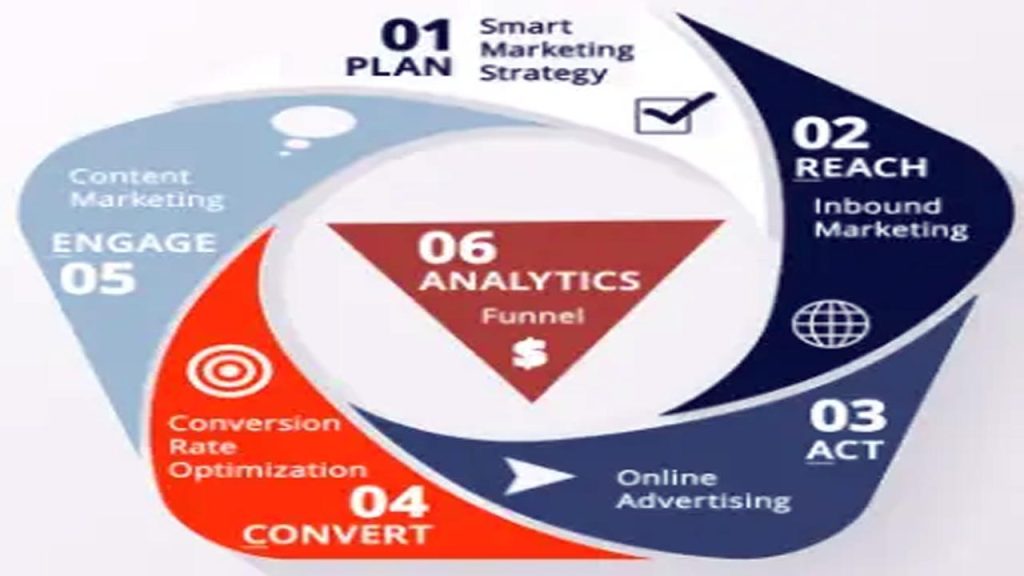
RACE is a strategic framework organizations use to leverage a structured process for digital engagement while enhancing marketing performance. By understanding the four levels: Reach, Act, Convert, and Engage, businesses can optimize the process for customers, improve conversion rates, and deepen brand loyalty. Every phase in the RACE cycle presents opportunities for improvement in an organization’s approach to marketing.
Important Elements of RACE:
- Reach: The process through digital channels like social media, SEO content marketing to attract potential customers.
- It is the most critical stage as this is when brand awareness and interest are created, and you get in front of the right audience.
- Act: It involves encouraging customers to interact with your brand, such as visiting your website or sharing a post on social media.
- Building trust at this level makes the user want to interact with your brand while building a connection with the right customers.
- Convert: It transforms an engaged user into a paying customer.
- This stage guides leads into the sales funnel, converting them into potential buyers via well-optimized processes.
- Engage: Creating long-term relations with customers after a sale.
- Keeping customers interested in a product after their purchase triggers repeat business and loyalty, leading to continuous business growth.
Advantages of RACE
The RACE framework provides various benefits to modern organizations as it covers a major part of the customer journey. Using this structured process, businesses can ensure that their marketing strategies are optimized in terms of both performance and customer satisfaction.
- Better Decisions: The insights achieved through each of the RACE process stages will allow businesses to make more informed decisions in consistency with their objectives.
- Analysis of engagement data leads firms to bestow upon their company new strategies according to what works and what does not with the target.
- Cost-Effectiveness: By focusing on those activities that provide maximum ROI, there is better resource allocation.
- The unnecessary expenses are curbed here so that ample attention is given to concentrate efforts toward giving maximum multiplier effect in marketing practices.
- Customers First Approach: The need is put across at the forefront of customer needs; hence, the firm attends to this factor and reacts accordingly based on the sentiments of the audience.
- Customer-centric inspires customers to be loyal and be involved in more brand work.
- Continuous Improvement: RACE emphasizes the continuous review of marketing activities to ensure continuous growth and optimization.
- Businesses can keep themselves at the competition bar by aligning their actions according to performance metrics.
- Collaboration and Communication: The RACE model encourages teamwork to ensure that every department aligns itself with the business objective.
- Well-defined goals and identified roles within this framework ensure transparency and effective communication.
Steps to Implement RACE
Businesses should execute business with an orchestrated approach that combines key strategies and performance metrics for proper operation of the RACE framework. This improves the optimization process in the customer journey and enhances business results.
- Examine Current Activities: Look at what is currently being marketed to identify the firm’s strengths, weaknesses, and areas for improvement.
- Gaps in customer journeys will determine where to create emphasis on the best-performing business strategy.
- Design Cost Drivers: What is driving cost at every stage of the RACE model.
- Efficiency would rise since resource allocation and distribution will be known.
- Develop Performance Measures: Track engagement and conversion at every stage of the framework to measure success.
- Data-driven insights will empower businesses to make appropriate adjustments.
- Employee Engagement: Engage all departments in the process of implementation. This brings a sense of ownership and responsibility to the employees.
- When active, staff play their role in executing the marketing plan in the right manner.
- Utilize Technology: Make use of CRM systems and marketing automation to facilitate smooth operation and monitor the progress.
- It enhances the efficiency of RACE and also enables businesses to scale their efforts correspondingly.
Real-Life Implementations of RACE
This framework proved to be effective in any industry to enhance the performance of any marketing undertaking as well as the relationship between the organization and the customers. The following is a number of success examples of applying the RACE model by businesses.
- Retail: A leading eCommerce retailer applied the RACE framework for the purpose of raising customer engagement, mainly on the stage of Convert. By optimizing the checkout process, the company saw an increase in conversion by 25%.
- Consumer Goods: The global consumer goods brand applied RACE to enhance its Reach Strategy; indeed, the outcome was a significant spike in the presence of the brand and customer acquisition through targeted campaigns.
- Software: A software firm implemented the Engage phase with a loyalty program, raising the rate of return by 40% while enhancing advocacy among the satisfied users.
- Healthcare: Hospitals introduced the use of RACE in the promotion of patient engagement, particularly through online outreach programs, which has helped make booking an appointment and after-care follow-ups easier and more efficient for the hospital.
- Hospitality: Hotels have utilized the Engage stage to create long-term customer relations through tailored offers and loyalty plans that have helped in consumer retention.
Final Thoughts
The RACE framework hence works as a very powerful tool for businesses to enhance their marketing efficiency, strengthen interactions with customers, and perfect their entire customer journey. Businesses can now, through these individual steps of the campaign-to-marketing funnel: Reach, Act, Convert, and Engage, gain scope for growth, increase customer satisfaction, and ultimately make profits.
- Employee Engagement: RACE implementation thus helps in constructing a sense of belonging and gives impetus to teams, thereby enhancing performance.
- Better Decision Making: Decisions made in real-time are data-based, so there is always a marketing approach that works.
- Increased ROI: Proper usage of all the stages increases the return on investments.
- Customer Loyalty: Engaging customers beyond the point of purchasing something more results in an enhanced, strong relationship that makes them brand advocates.
- Sustainable Growth: Continued assessment and optimization of marketing efforts will eventually lead to long-term success.
Now is the time to embrace the RACE framework and experience the transformative impact it can have on your organization. As already known, to be competitive enough in today’s market, businesses focus on improving customer interactions with them and maintaining sustainability, ensuring sustainable growth.
]]>Key Aspects of UTM:
- Enhanced Decision-Making: Countless UTM parameters contribute to the identification of the best ads and channels, which in turn can be utilized for planning more effective marketing strategies.
- Cost Efficiency: Through clear performance goals and effective analytics, corporations can discontinue ineffective marketing tactics and redirect resources to more productive activities.
- Improved Customer Focus: UTM tracking ensures that promotional operations are marvelously targeting the right people whose preferences and behavior are close to the chosen marketing approach.
- Continuous Improvement: As brands analyze and take in UTM data consistently, they can lessen or wholly cut off particular marketing campaigns that the customers have little or no interest in and then promote products they are after.
- Strategic Planning: Companies can better predict how their campaigns will pan out and sketch out their long-term plans effectively since UTM data provides records of campaign performance over time. In this blog, we will shed light on the concepts of UTM, highlight the value of this contemporary marketing tool, and illustrate how companies can release their potential for enhanced marketing performance. Please take advantage of our blog, where we will reveal the most essential information and the easiest way to embed UTM into your marketing strategy. Join us as we uncover valuable insights and practical steps to integrate UTM into your marketing strategy!
What Is UTM?

UTM, the so-called Urchin Tracking Module, is a powerful tool for digital marketing implemented based on URL tracking parameters that are added to the links. Notably, the capabilities for traffic analysis are spoken of here. Marketers can benefit from detailed information, such as the exact traffic sources, the most successful campaigns, and user reactions to the content. Thus, their marketing strategy will be refined, and their performance will improve.
Key Components of UTM
1. Source
The source section states the webpage the user clicked the link from, such as one of the search engines, social media platforms, or direct referrals. Correctly understanding the source factor is essential because this element allows marketers to analyze the channels that bring substantial traffic and leads.
2. Medium
This component identifies the means of communication, such as email, social media, or cost-per-click (CPC). This helps the organization expand its reach by pointing out the specific platforms that produce the best outcomes.
3. Campaign
This piece enables the marketer to give his campaigns individual names, adding context to the traffic sources. It is fundamental to see which marketing drives are the most successful in garnering attention. Moreover, these results can help make strategic improvements.
Benefits of UTM
- Improved Decision-Making: UTM parameters and the knowledge acquired from the various return couriers explain specifically where the traffic originates and how it is used on a website. For example, if a business suddenly sees how a specific email campaign is driving so much traffic and conversions, it may want to give an extra push to such communications.
- Cost Efficiency: By interpreting UTM data, corporations can determine which marketing plans give the maximum return on their investment. For instance, a business can discover that Facebook ads are a better option than Google Ads, so it can use that as a strategic way to spend lower-cost resources on other methods.
- Enhanced Communication and Collaboration: Building UTM provides appropriate teams with the opportunity to clearly communicate the execution of the work and the responsibilities shared among all team members. The graphics of the data related to the campaign performance can be seen by all team members, who can thus coordinate their efforts in the name of transparency and common goals.
Core Principles of UTM
Focus on Activities: The first approach to tracking specific marketing activities, putting them into light, allows you to gain insight into lead and sales generation through various engagement methods.
Link Activities to Costs: Correlation between activities and expenses is a key budget and forecast process element. By combining the two, organizations will benefit from the maximum utilization of their marketing funds.
Continuous Improvement: UTM is an outcome that comes into being through continuous assessment and feedback. Time and again, teams improve their strategies and choose the best approaches as they focus on analyzing the performance of the marketing campaigns.
Steps to Implement UTM
Analyze Current Activities: In order to successfully implement UTM, companies should first focus on assessing their existing marketing activities and tracking methods. This will help disclose gaps and opportunities.
Establish Cost Drivers: Define the reasons for the different costs arising in various marketing channels. Gaining insight into these motivators will help defer resource allocation.
Implement Performance Metrics: Form a system of tags for tracking URL performance with UTM. Tools like Google Analytics are essential to cover all the metrics regarding the system.
Engage Employees: Involving the staff members in the implementation process is a key element for fostering a culture of data-based decisions. Furthermore, we can have training sessions as part of the formation of a knowledge base to enlighten the employees on UTM usage.
Leverage Technology: The employment of an app that has the authority to track software and marketing analytics enhances the UTM process. Technology integration guarantees the correct capture of data and the actualization of real-time monitoring.
Real-World Examples of UTM
1. HubSpot
HubSpot smartly utilized UTM parameters to track the success of its ebook marketing campaign. The composite analysis of lead sources showed that social media was the most fruitful marketing platform, as it delivered the best results among the people who were found there, while email campaigns were the second best choice. This made them go for social media marketing.
2. REI
REI tagged UTM for the holiday campaign they ran, and through this campaign, UTM became a real insight for them, as email newsletters brought 40% of the copied ads that the display ads copy got. Then, they reinforced material for email marketing.
3. Airbnb
Airbnb analyzed the UTM parameterized data to examine the effectiveness of the promotional channels. They figured out that the referral program was the most beneficial, and they kept their marketing in that direction of their marketing strategically.
Conclusion
UTM is necessary for organizations that want to track marketing metrics through data analysis and monitoring. Adroit use of UTM is the byword of tracking and improving geospatial accuracy and analysis. They will be very adaptive towards implementing UTM in spatial concept learning.UTM (Universal Transverse Mercator) is an invaluable approach for organizations that provides accuracy and analysis. Put the following steps to the accomplishments of a business through the employment of UTM:
1. Exactness in spatial data representation.
2. Integrating geospatial analysis into business strategy for evaluating spatial accuracy, precision, and modeling.
3. Making the GIS process standardized and effective.
Now is the time to adopt UTM and see the radical changes it can bring to your company. Start applying geospatial organizing today to initiate the process of optimization!
]]>Key Points About Google Tag Manager:
- Simplified Tag Management: GTM makes it easier since marketers can get access to managing and deploying tracking codes without necessarily having a significant amount of coding knowledge.
- One Central Place for Implementation and Management of Tracking Codes: End-users get a single point to apply and manage the various tracking codes—they might include Google Analytics and Google Ads Tag.
- Agility Speed: Marketing campaigns will live faster on the market since the tag’s automated deployment eliminates the developer’s participation in it.
- Improved Visibility: GTM provides advanced tracking capabilities, which help us closely understand user actions or behaviour and associated site performance.
- Friendly Solution in Cost: Moreover, being absolutely free, GTM is a budget-friendly option for businesses in a struggle to maintain the smooth operation of the digital marketing process.
Using GTM allows businesses to streamline their marketing processes, deploy tags efficiently, and gain deeper insights into their site’s performance. In this blog post, we will explore the full form of GTM, its functionalities, and its role in simplifying data management for businesses.
The key agenda of Google Tag Manager is to make tag management easy and efficient. Users will be able to run and, in fact, have control over their tracking codes, such as Google Analytics, Facebook Pixel, or other custom scripts within one place. This eliminates the hassle of making alterations individually on every page. The chances of errors are kept at bay, and the tag is implemented faster. With businesses indulging in data-driven marketing, a tool like GTM ensures their adaptability level and agility remain high.
Moreover, GTM’s automated deployment of tags allows businesses to set their marketing campaigns faster and measure with higher accuracy. This platform offers an easy interface that provides marketers with power to work on creating and editing tags without forcing them to involve the developer every single time for the change. This blog will look at the basics of Google Tag Manager, the benefits of Google Tag Manager in digital marketing, and why businesses today need to utilise this tool to maximise their online presence.
What is Google Tag Manager?
Google Tag Manager is a tag management system that helps manage and deploy marketing and analytics tags in websites or mobile apps without involving the underlying code. It acts as a central hub to add, edit, and manage tags, making it easier for marketers and developers to track user interactions on the site.
Main Features of Google Tag Manager:
- User Interface: This guarantees that the users can easily create and manage tags without needing technical skills.
- Tag, Trigger, and Variable Structure: This structure allows for customising tracking by first defining tags as little code snippets, triggers or activation rules, and variables or dynamic placeholders.
- Third-Party Tags Integration: GTM allows the integration with a wide range of third-party tools, especially Google Ads Tag and Facebook Analytics, which helps in further handling more extensive tracking across various platforms.
- Version Control: With GTM, users can create multiple versions of their tags. Thus, changes can be tracked easily, and previous configurations can be reverted to when necessary.
With these extended flexibility features, users can utilise customised HTML tags for more complex tracking solutions. GTM’s versatility and ease of use have been a major reason why businesses tend toward a better model that could help streamline their digital marketing operations. One of the strong features that defines GTM is its structure, which is called Tag, Trigger, and Variable.
- Tag: This means some code that will track the actions of the user being done on your website, such as page views, clicks, or form submission.
- Trigger: This means when and where the tag is activated. For example, the tag is activated the moment a user clicks the button.
- Variables: These are placeholders in terms of dynamic values to be used as part of tags or triggers.
This structure allows for so much flexibility that users are allowed to customize their tags even further in order to track any interactions of their choice and, in-depth, determine the behaviour of users. It also enables people to enable a great number of third-party tags, such as Google Ads, Facebook Analytics, and LinkedIn Insights. This means that GTM is yet another all-in-one solution through which different tools can be integrated to make life easier when managing all those tags and ensuring consistent data collection from all platforms. Using GTM is the best way that businesses can avoid confusion caused by manual coding by focusing on analysing the data to make meaningful marketing decisions.
Why Google Tag Manager Crucial for Digital Marketing?
Google Tag Manager is needed for digital marketing because it simplifies tracking user interactions and campaign measurement. The biggest benefit of GTM is that it reduces dependency on developers.
Why Does Google Tag Manager Help Marketers?
One of the most significant reasons GTM must find a place in the digital marketing toolkit is that it helps marketers reduce their dependency on Developers.
Reduced Dependency on Developers:
Tag management lets marketers create and manage their tags themselves, which really simplifies tracking processes and accelerates campaign launches.
Other Benefits:
- Improved Site Performance: GTM manages the firing of a number of tags on a website, thereby outgrowing the susceptibility to redundant or conflicting tags, which can hinder the speed of the webpage load times.
- Improved Tracking Capabilities: GTM permits the tracking of user involvement, such as video engagement and scroll depth. These will allow sophisticated insights into optimisation.
- Better User Experience: GTM ensures asynchronous tag firing, thereby improving page load times, which, in effect, improves the general user experience.
Another known cause is campaign measurement. Marketers could fine-tune their efforts by acquiring real-time data because the tool is highly accurate.
In traditional tag management, introducing or modifying tracking codes usually requires changes to the website’s source code; hence, it takes some time and is susceptible to errors. GTM has an interface that is easy to use, and marketers may come up with or deploy a tag without necessarily asking someone to do it for them, hence reducing time and reducing the likelihood of error.
Site performance is yet another benefit brought along with GTM. As it is easy to manage tags on the site that act, the chances of going to redundant or overlapping tags in areas where they are needed the least will slow down the page loading time. The tags in GTM fire asynchronously. So, the tags do not necessarily cause delays in site performance and ensure a responsive experience for users. This is even done through performance optimisation, which is essential since site speed is a prime ranking factor in both SEO and user satisfaction.
GTM also allows businesses to track even more complex interactions with customers, like video engagement, scroll depth, and e-commerce transactions. Companies may have a far more granular view of the way users interact with them if available data from these insights can be used appropriately. With more advanced features of GTM, businesses can create customized tracking solutions that resonate with their particular goals and better measure the success of their campaigns.
Key Features of Google Tag Manager
Google Tag Manager comes with indispensable features that could add tremendous strength to the hands of digital marketers and web developers.
Some of the Notable Features of GTM are as Below:
- Preview and Debug Mode: It has preview and debug modes for tags’ performance, where users can test their tags in real-time, even before deployment. He, regarding performance, says they get instant feedback.
- Built-In Tag Templates: GTM offers pre-configured templates for the most common tags. The simplicity of the implementation process saves marketers a lot of time.
- Version Control: Several versions of the user’s container are maintained so that changes can be tracked, and if something is wrong, other setups can be reverted to that version.
- Tracking Custom Events: GTM enables businesses to establish custom event tracking for particular user activities. This will provide a deeper view of engagement metrics.
- Cross-Domain Tracking: GTM tracks different domains necessary for the respective businesses using multiple web properties or sites.
Preview and Debug Mode are among the many features. Here, one can test their tags before deploying them live. This mode provides real-time feedback about how tags, triggers, and variables perform, ensuring that everything works just right before going live. The ability to preview and debug tags in a controlled environment lowers the risks of errors being committed and ensures that data is accurately acquired.
Another critical feature of GTM is Built-In Tag Templates. Building on Built-In Tag Templates allows the user to set up most common tags easily, such as Google Analytics, AdWords Conversion Tracking, and Facebook Pixel, among others Us.ing pre-..configured templates enables a marketer to avoid the need to write custom code in order to quickly set up tags, which is very convenient for marketers who are not programming experts but still implement complex tracking solutions.
Another use of GTM Version Control is to generate and maintain different versions of a container for its users. Whenever there is a change to the tags, triggers, or variables, GTM generates a new version that can be reviewed, tested, and rolled back if needed. Thus, a version control system of this kind also secures possible changes and reverts if required for added protection and flexibility. It also allows teams to test various tracking configurations without altering the existing configuration.
Getting Started with Google Tag Manager
Getting started with Google Tag Manager is effortless, especially for non-tech-savvy ones.
Steps for Setting Up GTM:
- Set Up a GTM Account: Navigate to the Google Tag Manager homepage, sign in using a Google account, and create a new account for your business.
- Create a New Container: After creating an account, create a container for your website or mobile app.
- Install the GTM Code on Your Website: After the container is created, GTM will provide you with a piece of code that needs to be added to your website.
- Configure Your Tags, Triggers, and Variables: Create the required tags, define the triggers for them, and set up variables as needed.
- Test and Publish: Use the preview and debug mode to test your tags and ensure they work correctly before publishing your container.
The first step to setting up Google Tag Manager is to sign up for an account with Google Tag Manager. The sign-up process is easy; one needs to sign in with their Google Account and create a new GTM account that they can later name after their business or website. The next step will be to create a new container in which users can house tags that will track user interactions on their website or app. GTM provides you with a unique code snippet that will need to be added to the website to begin tracking.
Once the GTM code is installed, it is a matter of creating tags and establishing triggers. In a nutshell, GTM provides users with easy and swift access to tag management, enabling them to streamline their marketing processes and gain insightful analytics.
Final Thoughts
Google Tag Manager is an indispensable tool that allows marketers to manage and deploy tracking codes efficiently without extensive coding knowledge. Its capabilities to streamline tag management, improve site performance, and enhance tracking accuracy make it essential for digital marketing efforts. Businesses should leverage GTM to optimize their marketing campaigns, gain deeper insights into user behaviour, and ultimately improve their online presence. By reducing dependency on developers and providing a user-friendly interface, GTM empowers marketers to take charge of their tracking needs and focus on making data-driven decisions.
]]>Importance and Relevance:
Global digital advertising spending tiptops the mark of trillions of dollars, so marketers should focus on how the landscape works before embarking on digital advertising strategies. Being a small business or working with one of the big firms, internet advertising is central to ensuring that your message emerges from the cacophony of the market space. In a period when customers were already used to shopping digitally, if you can engage your audience in a targeted way, your brand can be made or broken.
What You Can Expect to Learn
In this paper, we will deploy many points about internet advertising that will walk you through its concept, significance, types, and best ways of implementation. The review will consider the role of digital marketing techniques/tools in brand success. Finally, through this analysis, you will acquire a comprehensive knowledge of internet advertising, the methods used to make an advertisement effective, and the key performance indicators marketers use.
Key Concepts and Frameworks
Throughout the post, we will introduce “directing concepts” that are usually the footnotes of internet ad promotion, such as:
- Focus on targeting and segmentation: Tracking buyers’ movements and defining the types of purchases.
- Make-Turn-On-Point Pay-Per-Click (PPC) Advertising: The explanation of the bidding and the matched phrases and their relation to clicks and sales.
- Search Engine Optimization (SEO): The synergism of SEO and business to achieve exposure through advertising.
- Return on Investment (ROI): A comparison of different procedures to give air a green light to your promotion activities.
Involving yourself in these thought sets and models will help you gain knowledge that can be quickly used in your advertising campaigns, which will help in brand familiarity, customer interactions, and user moves. Help us volcano the stompy but at the same exciting realm of internet advertising.
Understanding the Fundamentals of Internet Advertising

Net advertisement, also called online or digital ads, includes various registered methods for promotion. One can access products and services at any time via the Internet. Among the primary objectives of online promotions is to find potential clientele using the instruments provided by the specific network.
Important Aspects:
- Types of Internet Advertising: There are various Internet advertising formats, including display ads, social media ads, search engine marketing (SEM), native advertising, and email marketing. Each type serves different purposes and is aimed at a particular audience.
- Statistics: According to a recent Statista report, $500 billion will be spent on internet advertising globally by 2023, and modern marketing strategies are critical.
- Frameworks: The AIDA model, also known as Attention, Interest, Desire, and Action, is one of the basics that are commonly used in internet advertising strategies to monitor people’s interests and lead them effectively.
The Role of Targeting in Internet Advertising

A significant asset of the Internet advertising industry is the ability to single out individual audiences according to different criteria, making the customers find the advertisements more relevant.
Key Considerations
- Targeting Techniques: Marketers can benefit from demographic targeting, behavioral targeting, contextual targeting, and geolocation targeting, by which they can narrow down their choices and distinguish clientele at high precision.
- Benefits: The accurate focus makes it easier to reach conversion targets; thus, the amount of advertising probably spent is smoothly set by merely choosing the most profitable ones.
- Challenges: In fact, too-advanced targeting technology and behavior analysis are what develop in people’s nightmares. Companies must consider both the privacy settings and the precision of the targeting to ensure that all parties are satisfied.
Emerging Trends in Internet Advertising

In line with the development of technology, online advertising is constantly revised and remodeled, introducing fresh techniques and strategies to interact with users.
Current Developments:
- Programmatic Advertising: Programmatic ad buying is an automated process that allows advertisers to acquire commercial time directly from the media outlet without contacting a human seller.
- Influencer Marketing: Partnering with social media influencers has become more popular as brands try to attract niche viewers.
- Sustainability and Ethical Advertising: Consumers are growing more aware of the different sustainable methods. Brands that encourage social responsibility in advertising are the most likely to make a bridge to their customers and thus give them a competitive edge while doing it.
- Implications for Businesses: The trend of businesses breaking away from traditional advertising is crucial since these companies would not be able to maximize advertising impact or strengthen brand loyalty. This means doing things differently will not only attract more customers but also position the firm as a strong force in the digital beast.
Conclusion
In the current era of digital media, internet advertising is the key factor in the effectiveness of marketing tactics. Its importance cannot be emphasized enough because increasing visibility and reaching new levels fosters engagement and leads to conversions. On the part of businesses, through the comprehension and application of the ever-advancing sides of internet advertising, they can quickly and comprehensively be in charge and strongly associated with the target audience, build the brand, and get empirical evidence of the results. The main components of Internet advertising are such as:
- Targeted Advertising: Presenting ads to specific groups and areas to increase their fascination and engagement.
- Cost-Effectiveness: Providing more budget plan options and bringing companies of all sizes in creates a win-win situation for all players.
- Diverse Formats: Bringing out various ad looks like display advertising, social media posts, video advertising, and many others, thus contributing to brand creative message conveyance.
- Real-Time Analytics: Making these analysis reports gives us insights into the performances of these metrics. Hence, marketers can tweak strategies and maximize the ROI.
- Mobile Optimization: Ads are available on mobile devices and take the most advantage of users accessing the Internet through mobile devices. Internet advertising is a must for a company competing online and wants to be successful. By employing its elements properly, brands can accomplish their marketing objectives and ensure sustainable development.
The company’s brand value and image have been intact solely because of its strategic implementation of marketing campaigns. The key element of ZARA branding is the committed advertisement to providing highly qualitative fabric-made clothes at reasonable prices.
These are the reasons that make ZARA stand apart from the business crowd. Being the fastest trendsetter, it has made use of several marketing campaigns to thrive in the industry. Let’s take a look at the marketing campaigns of ZARA.
What is Zara?
ZARA is a Spanish multinational retail chain that sells and manufactures clothing, accessories, footwear, perfumes, and beauty products. Spanning over 96 countries, the brand was founded by Amancio Ortega and Rosalia Mera in 1975. Presently, ZARA has over 2000 stores worldwide under Marta Ortega.

The company has made it to the top of the clothing industry in a very short span of time. The versatility of its fashion products advertising, and women’s wear advertising. The example can be seen in the notion that the company stores keep up with clothing items for all ages, ethnicities, and body sizes.
ZARA is an enthusiast when it comes to empowering women, which can be seen in its marketing campaigns as well as its collections. All the ZARA advertising takes a strong yet simple initiative in how they chose their models and locations, which leaves a powerful impact on the minds of the viewers.
Why does Zara do marketing?
The reason why ZARA needs marketing is its major target, which is the millennials and the GenZs. Both these generations are highly fashion-conscious and innovative. While they are easy to lure, they are also hard to convince. And that’s when ZARA’s marketing campaigns come into the picture so that the company can understand their needs and express them accordingly to the people

Especially, with ZARA being the largest clothing retailer in the world, it remains in a targeted position as all the other brands make moves to surpass it. Seeing the cutthroat competition in the market and hundreds of choices for people to choose from, marketing campaigns are important for ZARA branding in order to make the large population stick to the brand and not diverge.
Also, ZARA has been witnessed to involve in a number of cause marketing strategies to show its responsibility toward society and the environment. Nowadays, more and more people have become conscious of societal norms, including body shaming, racism, inequality, etc. With a view to standing against these practices, ZARA branding needs the help of marketing campaigns.
Top Marketing Campaigns of Zara
Here is a list of the marketing strategies of ZARA, that has made all its achievements possible and ranked the brand at the top of the industry.
Join Life!
This marketing campaign was launched to promote sustainability and show the brand’s corporate actions taken in account of the environment. The brand has shifted its goal from providing fast fashion products that change twice every week to going slower and creating responsible clothing.

ZARA’s marketing campaign features 100% renewable electrical energy in its operators, using reused and recycled fabrics, eliminating the use of plastic, and conscious packaging. Although the brand has been able to use 100% cellulosic fibres and cotton until now, it, however, has set goals to expand it to 100% linen and recycled polyester by 2025.
Love Your Curves
As the name suggests, this ZARA advertising idea and campaign was solely based on promoting body positivity. This campaign is introduced with a line designed for women of various body shapes and sizes. The key element of this campaign was the development of its largest size- XXL.
A picture poster was released featuring the backs of two women showing their curves. However, the ad was criticized all over the world for not including real fat women in the poster, but people still appreciated the one-step ahead initiative. Along with that, this ZARA advertising spread a message of breaking the stereotype of having a perfect body according to society.

Good American X ZARA
This campaign was introduced with a denim collection in collaboration with the “Good American” brand. Owned by Emma Grede and Khloe Kardashian, Good American is popularly known for full inclusivity in its denim collection. This collaboration was one of the first collections that feature all-size-inclusive denim jeans.

This marketing campaign of ZARA received a lot of positive responses from the public for showing true body positivity and size-inclusiveness since the models featured in the ad were diversified in their body images. Moreover, all the clothing items in this collection were made of recycled and sustainable fibres, as a part of the “Join Life” green campaign.
ZARA Beauty
This ZARA marketing campaign was carried out with the motive of introducing its beauty and makeup brand “ZARA Beauty”. The collection includes makeup products for eyes, lips, face, nails, and related accessories. This beauty and makeup collection was directed under Eva Lopez and developed by the British makeup artist, Diane Kendal.

The most important element of this ZARA advertising was its focus on inclusivity. It was made sure that the launched collection can be used by a diverse population, regardless of race, age, skin type, style, or gender.
ZARA “Origins”
ZARA “Originals” is a collection introduced by ZARA in the form of an ad campaign. The collection is one of its kind as it projects the brand’s efforts into creating a contemporary wardrobe. The collection is built with the highest quality fabrics, finest materials, artistic craftsmanship, and standard manufacturing.
One key element of the line was that it was designed with a combination of progressive and modern concepts with traditional and classic values. Also, the collection shows its versatility in a way that the style of the line changes with every upcoming season. It was considered a classy and premium line of clothing by the experts as well as the customers.

Into The Night
This marketing campaign of ZARA was launched to express the evolving image of the brand and show it as a brand that is more than just affordable fast fashion. The ad campaign featured the high-profile personality, Kate Moss. It was a strategic move to represent the company’s sophisticated, class-oriented, and premium collections.

This ZARA advertising was focused to grab the attention of famous personalities and high-class audiences, and directing their shopping choices toward ZARA. The star of the campaign, Kate Moss was styled by the French fashion editor Emmanuelle Alt to make it look retro and glamorous.
A Moment In Time
This campaign was strategized to introduce the brand’s Studio Fall Winter 2022 collection. A photo-video advertisement, photographed by Steven Meisel was released on YouTube in relation to the campaign. The fashion products advertising was directed by Fabien Baron, featuring women wearing clothes from the collection and appealing and powerful background music.

The entire collection was based on the idea of exploring the harmony that’s between the Progressive and the Classic, the Feminine and Masculine, and Surface and Depth while keeping the dualities intact. The people and the customers were impressed by this new line, considering it progressive and inclusive.
At Home

This was the most creative campaign idea by the ZARA advertising team. Since the world was facing a long lockdown due to COVID-19 and no one was supposed to step outside, the fashion house ZARA came up with the idea of asking the models to photograph themselves at their homes featuring clothing items from the SS20 collection.
This was a very smart and efficient marketing strategy released by ZARA. The natural essence of the pictures is what really attracted the audience as no professional camera, makeup, hair, or any kind of styling was involved. The models pictured themselves with common smartphones and cameras, posing without any makeup, and with messy hair.
Conclusion
In final words, it can be deduced that the ZARA marketing campaigns have always been based on advertising basic fast fashion at medium range, yet evolving itself into a more sophisticated and premium brand. There is an essence of creativity and efficiency in how this fashion house does its women-wear advertising. And like other brands, ZARA’s branding strategies are also adapting cause marketing and green campaigning in order to show its concern and responsibility towards society and the environment.
]]>- Diverse Market Landscape: Brands have grown so large that each brand needs to be developed differently to attract the public’s eye.
- COVID-19: The pandemic taught how important flexible marketing strategies are for survival.
- Every Company’s Specific Needs: A business company will have different services that require different marketing strategies and varying resources that need to be acted upon.
- Unique Competitive Advantage: Marketing strategies help make brands stand out in the sea of competition in the market.
- Business Aims Alignment: A well-structured marketing plan should align with the company’s business objectives.
Marketing Strategies

A marketing strategy is a grand plan provided by a firm with the intention of market promotion of either products or services. It tries to boost the recognition of the brand and reach out to potential customers in order to achieve maximum profits. Each marketing strategy has several elements in an organisation. They comprise:
- Definition of Target Audience: Who are the customers, and what do they expect?
- Value Proposition Development: Articulation of why the brand is different and appealing.
- Marketing Mix: The appropriate combination of product, price, place, and promotion would meet the audience effectively.
- Customer Engagement: Building relationships that actually transform prospects into customers through proper communication and service.
- Data-Driven Decisions: Customer data will be used to modify marketing efforts and further enhance targeting.
The marketing strategy thus serves as a blueprint for businesses to navigate through the complicatedness of consumer preferences and market trends. From demographics to purchasing habits and preferences, businesses can tailor approaches to meet the needs specific to their audience, thereby ensuring an optimal customer service experience.
Why do Brands Need Marketing Strategies?
More companies are trying to attract potential customers in this increasingly business-competitive atmosphere. The problem is for the consumer who has many products and services on his list, and he decides which brand is right for him. Here are several reasons why marketing strategies are important:
- Differentiation: Effective marketing strategies make brands stand out and memorable in a saturated market.
- Clarity of Target Audience: Marketing strategies would clarify whom to target, thus ensuring focused messaging and campaign direction.
- Optimisation of Resources: By adopting a well-planned marketing strategy, a business can conveniently allot its available resources to gain the desired results.
- Reactive Response to Market Changes: A well-designed marketing strategy helps brands quickly respond to changes in the market as well as in the behaviours and preferences of consumers.
- Customer Loyalty: Personalized marketing efforts help brands reach their target audience, and that creates loyalty and repeat business.

Theoretically, an effective marketing strategy gives businesses the most effective and efficient access to the desired target market and the ability to create meaningful contact with that target market for sustained growth. It makes a cost center like a mcentre-likestrategic asset that will drive profitability while satisfying more customers.
Types of Marketing Strategies
Every company requires a unique marketing strategy matched with its purposes, potential resources, and target audience. There are numerous types of marketing strategies defined by their features and usage cases, and some of them are described below:
Online Marketing
Digitalisation speed during the coronavirus has become so fast in series. Hence, online marketing is one of the most preferred options by businesses; it implies a set of methods by which the business comes into contact with customers in cyberspace, including:

- Content Marketing: Developing and distributing valuable, relevant, and consistent content to attract and retain a clearly defined audience, with the aim of driving profitable customer action.
- E-mail Marketing: Sending messages and promotions based on lead nurturing and customer retention strategies.
- SEO Marketing: Optimizing and updating website contents to maximise organic visitors and pages, hence increasing ranking through search engines.
- Pay-Per-Click Advertising: Running search engine ads and social media ads that are designed to attract targeted traffic through search-based services.
- Social Media Marketing: Use of Facebook, Instagram, Twitter, etc., to connect with customers and promote products.
Online marketing is the only way a business would, at the moment, be able to reach its customers in the digital world. Brands will effectively position themselves by identifying where their target audience spends time online to remain as potentially visible and engaging as possible.
Cause Marketing
Cause marketing is the process of associating a brand with social causes in order to show its ethos of bringing about benefits. Such a policy helps the organisation associate with the consumer on an emotional level by supporting issues that he or she cares about. The major elements involved are:

- Value Alignment of Brands: Companies communicate their underlying values by associating themselves with relevant social causes.
- Building Awareness: Awareness-cause marketing is associated with raising awareness about specific issues in addition to promoting the brand.
- Customer Engagement: If the brands of a company are associated with meaningful causes, then customers are more likely to support the brands.
- Inclusion to Building Reputation: It builds a better reputation and leads to trust in consumers’ minds about the brand, as people get a positive association of the brand with social causes.
- Improves Sales: Cause marketing increases sales as consumers prefer brands that are associated with social causes.
For example, the sanitary pad brand Stayfree advocates menstrual hygiene and separates the fraternity from social stereotypes. With this cause mileage, they have been able to connect with their target group and win customer loyalty.
Event Marketing
Event marketing is a way of promoting a brand through live events such as seminars, workshops, or conferences. Such is an excellent means by which organisations are able to connect with their client base by being in close association with them and developing a personal level of communication with them. Benefits event marketing has included:

- Face-to-Face Interaction: There is an opportunity for face-to-face interaction with potential customers. Direct interaction leads to rapport and trust.
- Leads Capture: There are opportunities to capture leads by registering and attending the events. Brands get exposure through hosting or participating in the events. Networking opportunities happen while one participates or hosts an event because there are opportunities for connectivity with future partners, influencers, or even customers. It also enables any business to collect feedback instantly from people attending the event.
- Memorable Experiences: Organizing events becomes an excellent way for companies to have memorable experiences with their audience, thereby directing connection and loyalty.
Emotional Marketing
One gives a campaign that targets the consumers’ emotions. The brand gets a direct connection to the audience through the campaigns. Elements include:

- Targeted Emotion: Brands use specific emotions to connect with the consumer—happiness, nostalgia, and patriotism.
- Storytelling: Strong narratives resonate with the psyche and emotions of the audience and make them emotionally connected.
- Brand Identity: Emotional marketing helps develop differentiated brand identity that speaks to customers’ feelings and values.
- Customer Loyalty: Emotionally attached consumers are locked in for long-term relationships with customers.
- Memorable Campaigns: The campaigns emotionally attached would be the most memorable and shareable, making them more visible.
Everest, a food company, can be named as an example of emotional marketing: it connects with the emotions of the customer by raising nostalgia and motherly feelings. Its tagline, “Taste mein Best, Mummy aur Everest,” is a word in any consumer’s mouth, wherein ultimately, this influences consumer purchasing behavior.
Reward Marketing
Reward marketing enables consumers to engage and interact with a firm through rewards like points, discount offers, or cashback. It creates repeat purchases and even loyalty. Some of its notable features are as follows:

- Customer Incentives: This will give your customers a reason to buy from you and not the competition.
- Loyalty Programs: Rewards ensure repeat business, as loyalty programs take care of rewarding the loyal customer.
- Increased Engagement: Consumers are likely to engage with brands that offer them real benefits.
- Data Collection: Companies gather valuable data on customers for future marketing use.
- Cashless Transactions: Reward marketing is sure to find its way with digital payment platforms, which essentially promote cashless transactions.
Reward marketing can be used as a way to sustain customers while allowing companies to increase sales through the activity of the customers.
Word of Mouth Marketing
Word-of-mouth marketing uses satisfied customers to advocate for a brand through organic word-of-mouth. That’s essentially the strategy on which social proof exploits persons’ trust and trust in other people’s advice. The most prominent features are:

- Customer Satisfaction: Customers need to have a good experience in order to refer the business through word of mouth.
- Organic Growth: Happy customers would spread the word with their family members and friends; hence, the customer base increases.
- Low Cost: Word-of-mouth marketing doesn’t involve a lot of investment as compared to traditional methods of advertisement.
- Credibility: Since recommendations by family and friends matter more as compared to traditional advertising, brand credibility improves as well.
- Community Building: Through social media, a customer base can also be engaged in order to build momentum in word-of-mouth marketing activities.
This method involves having excellent products and services, something which will enable customers to keep discussing the product with others.
Personal Marketing
Personal marketing gathers every detail about your customers and makes a personal experience for clients. This method ensures that brands’ relationship experiences are better deepened concerning the target markets. The essentials feature:

- Data Capture: The business collects information personal information, including preferences and purchasing habits, in detail to help tailor how one approaches.
- Personalized Communication: The information collected can be used to create communication with customers on a personal level that resonates with them specifically.
- User Experience: It allows brands to enhance the overall user experience through personalised recommendations.
- Automation: The processes of personalized marketing have been automated with the rise of CRM tools.
- Reputation Management: Brands can gather feedback from customers, creating a positive reputation among consumers.
An example is Netflix, which collects data on what shows customers watch and then recommends similar shows accordingly. They are able to personalize user experience based on habits.
Final Thoughts
In this dynamic environment of a highly competitive marketplace, each brand can no longer afford to rely on one marketing strategy. Instead, companies must build and implement effective marketing strategies to reach their specific target audience.
- Tailored Strategies: Not all marketing strategies work for every business; different strategies must be tailored to fit each organization.
- Customer-Centric Approach: Understanding customer preferences and tailoring strategies to meet those needs is crucial for success.
- Adaptability: Businesses must remain adaptable and responsive to changing market dynamics and consumer behaviors.
- Resource Optimization: A well-defined marketing strategy helps optimise resource allocation for maximum returns.
- Long-term Success: Successful marketing strategies drive long-term brand loyalty and business growth.
By comprehensively understanding and applying these diverse marketing strategies, brands can significantly enhance their visibility and customer engagement, ultimately leading to sustainable business success.
]]>- Different Strategies: Offline marketing uses existing media but will use the digital platform to create online marketing.
- Different Audiences: The groups reached for offline and online marketing are different, affecting the type of engagement businesses have with their target audience.
- Differential Costs: The cost of offline marketing will differ from that of online marketing.
- Engagement Levels: The engagement levels between the two marketing methods differ to a great extent.
- Shelf Life: Offline marketing material carries a longer shelf life than digital content.
Both online and offline marketing are required to create a marketing strategy that appeals to a large number of people.
What is Offline Marketing?

Offline marketing is also known as traditional marketing, which is an ancient method that utilizes non-digital channels or mediums for marketing products and services. These channels include:
- Print Advertising: Newspapers, magazines, brochures, flyers.
- Broadcast Media: Television and radio commercials.
- Direct Mail: Postcards, catalogs, and promotional letters delivered to the potential customer.
- Outdoor Advertising: Billboards, transit ads, and signs in high-traffic areas.
Although there’s increased attention to online marketing, offline marketing still works well in reaching the masses. Traditional marketing increases the sales volume and number of movements in the chain of production and reaches consumers using physical tools.
Essential Features of Offline Marketing

- Physical Contact: Customers are interacting with physical advertising.
- Mass Reach: It can always reach unconnected audiences through digital media.
- Community Bound: It mainly focuses on local markets and builds community bonds.
- Brand Recall: Makes long-term impressions because of optical cues in the offline world.
- Communication: Enables direct and one-on-one communication with the target audience.
Offline marketing plays an essential role, especially for companies planning to reach broad audiences in a compelling marketing mix.
The Demand for Offline Marketing
Much remains to be said about offline marketing, even in the age of digital shift. These are just some reasons why the promotion of brands offline is essential:
- Broader Scope: It can reach those whose access to the internet is limited, including rural communities.
- Direct Interaction: More direct and personal engagements bring businesses closer to customers.
- Emotional Attachment: Organized fairs, for example, and local events help evoke emotional attachment, which leads to client loyalty.
- Direct Action: In this respect, offline marketing is good for rapid action and can, therefore, give a quick measure of effectiveness.
- Online Enhancement Strategy: It complements online efforts by developing an effective marketing strategy.
Advantages of Offline Marketing
- Broad Audience: The technique helps reach out to people who insist on their conventional or broadcast media.
- Trust Building: Credibility is established through personal contacts and community contact.
- Long-term Reminders: Paper brochures or similar materials may be kept and reviewed later.
- Local Market: Offline marketing is very effective for local market penetration.
- Lower Competition: Allows small businesses an opportunity to shine in less crowded markets.
Offline marketing offers an excellent avenue for connecting businesses with their audience.
Offline Marketing Techniques
Businesses can apply various techniques, depending on their goals and targets, to properly leverage offline marketing. Here are some of the common methods.
Print Advertising
Print advertisements, such as newspapers, magazines, flyers, brochures, and catalogues, are the most viable tools for offline marketing.
- Specific Publications: Choose local newspapers and magazines that target your demographics.
- Graphic Designs: Hire a professional graphic designer to enhance the graphics of print material so it looks pretty.
- Distribution Strategy: Strategically position your advertisement to reach your target audience’s eyes.
Case Study: A local restaurant used a targeted magazine ad campaign in a regional food magazine to attract the attention of food enthusiasts. The campaign generated heavy foot traffic over weekends.
Direct Mail Campaigns
Direct mail delivers promotional material to potential customers through the postal system.
- Personalization: Tailor the messages according to the recipient’s interest or purchase history.
- Suitable materials: Use high-quality paper and print quality that will pull people in.
- Call to Action: Use your calls to action excitingly to make the receiver visit your store or website.
- Tip: Create demographics for mailing lists to target the right audience.
Event Marketing
Participating in or even hosting events can help immensely with branding and engagement in the community.
- Trade Shows: Showcase your products or services at industry-related trade shows to connect with potential customers and industry peers.
- Local Events: Host local events, festivals, or community activities to improve brand awareness and goodwill.
- Workshops and Seminars: Design educational workshops that give value to your audience while creating an opportunity to push your brand.
Case study: A tech company organized a free workshop at night to teach digital marketing techniques to local business owners. The members in attendance asked for their services.
Outdoor Advertising
Outdoor advertising directs your brand to be more visible with billboards, transit ads, and signs in public spaces that attract passersby.
- Location Selection: Choose locations where the most significant percentage of your target passes on their way to work or performs other routine activities.
- Creative Messaging: Implement strong graphics effects and a small copy of the message so it will grab anyone’s attention in a blink.
- Digital Billboards: Use digital billboards to implement more movement and animation in your outdoor ad that you can refresh relatively regularly.
- Measure outdoor campaigns by tracking website traffic or customer requests following the campaign runs.
Sponsorships and Partnerships
Partner with other businesses or organizations to increase the reach of your brand.
- Local Partnerships: Partner with local businesses for cross-promotions or joint events.
- Sponsorships: Sponsor local sports teams or charity events to build up community goodwill and visibility of the brand.
- Networking: Attend local business networking events to make connections that can eventually lead to promotional opportunities.
Case Study: A fitness center partnered with a local health food store to offer discounts to each other’s customers, thereby increasing memberships and sales.
Offline Marketing vs. Online Marketing
Offline Marketing: This is the type of marketing in which you promote your product or service on traditional print and broadcast media, public relations, direct mail, telemarketing… basically all the offline channels. The top 8 differences between offline and online marketing are as follows:
Customer Interaction

- Personal touch: Traditional marketing allows for a more personal touch, as it includes direct interactions with customers face-to-face.
- One-on-one connections: This can be done through one-on-ones and events for people to network and gather contact information.
- Physical materials: Offline advertising will produce impressive materials like brochures and eye-catching flyers that customers can leave with them.
- The impersonal nature of online marketing: Online or digital marketing, which uses digital communications like emails and social media posts, is perceived as far more impersonal.
Product Representation

- Tangibility: Offline branding will give your product tangibility in the eyes of potential customers.
- Personalized message: Statements like “We know you are busy” can target specific audiences, such as CEOs who may not have time to read online ads.
- Bond creation: Traditional methods such as print, radio, or television enable you to create a bond with customers, which can eventually convert into a long-term commitment.
- Persistent visibility: Offline marketing is persistent — ads can be seen repeatedly, like business cards, flyers, or mail.
- Referrable moments: Offline advertising can turn parts of your marketing campaign into referable moments, as customers can discuss them more through word-of-mouth than digital campaigns.
Affordable

- Lower costs: One reason offline marketing is often less costly than online marketing is that it does not require the same level of investment in digital platforms.
- Less competition: Offline marketing could be more competitive, enabling small businesses to reach regional family business targets without engaging in fierce national competition.
- Cost-effective materials: Offline branding materials such as posters are more cost-effective than online marketing activities that require web hosting and other services.
- Longevity: Offline marketing does not require constant activity. Once something is created, it is tangible in printed form and can be distributed once and reused over a long period (e.g., a year).
Convenience

- Local advertising: Since offline marketing campaigns focus on regional areas, they attract local customers more effectively than digital marketing.
- Targeting non-tech customers: Offline marketing allows business owners to target individuals who may need an online presence, such as people residing in rural areas or those less technologically inclined.
- Special promotions: Traditional marketing allows businesses to leverage local events and special promotions.
- Building trust: Businesses can build customer loyalty by sponsoring local events or offering discounts to locals.
- Difficult to localize online marketing: Online marketing can be more challenging to localize and is often perceived as more distant and impersonal, making it harder to connect with local clientele.
Freedom

- Creative freedom: Offline marketing allows for more creative freedom than online marketing, and this creativity can be compelling.
- Visual impact: Offline advertising is an excellent way to promote visual creatives like billboards, flyers, and public promotional materials.
- Significant messages: This freedom allows marketers to make a more substantial visual impact with memorable messages.
- Fewer limitations: Offline branding has fewer limitations than online marketing, allowing marketers to design more individualized campaigns.
- Tailored campaigns: Offline campaigns can be tailored to key prospects, making them more effective than online marketing campaigns.
Shelf-Life

- Offline branding campaign shelf-life: This is the period during which a marketing campaign’s effects gradually diminish or fade.
- Longer-lasting: Offline campaigns have a longer life than online campaigns because they are more easily remembered and can be seen as a function of time.
- Physical materials: Traditional offline campaigns use simple physical materials like billboards and brochures that the audience sees in the real world.
- Reusability: Materials like flyers, posters, and brochures can be kept and reused, making them last longer than online marketing campaigns, which are often only seen for a moment before getting forgotten.
Engagement

- Personal connection: Traditional marketing is a powerful tool for connecting with customers personally. It empowers businesses to connect with customers anywhere, anytime, with the right message.
- Physical contact: Unlike digital internet marketing, offline marketing allows companies to engage with customers using physical tactics.
- Lasting impact: Compared to online marketing, offline advertising can leave a more unforgettable and lifelong effect.
- Conversational elements: Businesses can also incorporate conversational elements and in-person events to enhance customer experience.
- Best platform for communication: These benefits make conventional advertising one of the best platforms to communicate with shoppers and end-users.
Final Thoughts
While many businesses invest a great deal into online marketing, paying attention to the value that offline marketing can bring to your brand is critical. Here are the key points to remember:
- Integration: The best marketing strategy incorporates offline and online tactics for maximum reach.
- Diverse Channels: Use a mix of channels to connect with your audience effectively.
- Measurement: Track and measure the effectiveness of your offline strategies to optimize them.
- Stay Relevant: Keep your offline marketing materials current and relevant to your target audience.
- Community Connection: Engage with your local community through offline events and sponsorships for deeper brand loyalty.
Ultimately, a balanced marketing approach that includes offline and online methods will enable businesses to thrive in today’s competitive marketplace.
]]>Having a good website that is easy to navigate and attracts a lot of customers is a must these days. But, it is of utmost importance that those clicks do get converted to potential sales and your hard work bears fruits.
Not all clicks do convert to sales and that is pretty natural. But, we shall try our best to ensure that they do and for that, we bring to you this article on how to boost your eCommerce conversion rates.
Use Proper SEO Guidelines
Usage of proper SEO guidelines will certainly help you make your website better and get good footfall. With more clicks, the customer acquisition rates fall and it boosts your revenue.
They will also help your website be among the top search results so that almost all customers looking for that specific product do land on your website.
Better usage of SEO guidelines also includes the usage of certain keywords while putting your products or blogs out. They will help your product land on the top and make it easier for you to compete with your competitors. This will definitely improve footfall on your website and boost your eCommerce conversion rates.

Make your website easy to Navigate
An easy to navigate website gets more clicks and the customers tend to order more products due to the same. Easy navigation fosters better conversion rates. If a customer can save time while ordering a product he/she is ought to be bacon your website whenever they are in need. In today’s fast-paced world, time is money.
If you can order a product within 2 clicks you ought to buy more products from that particular website in comparison to the website that takes a long time to navigate.
Smash Magazine has some great, actionable ecommerce website optimization tips – Read them here

Boast about your Customer Satisfaction Rates
It is very important to feature your customer satisfaction rates as better CSR gets more clicks. People tend to trust websites with better satisfaction rates more. Featuring reviews on your websites will also help as it will help potential customers know the ease that existing customers get. It also helps build customer trust and gets you more clicks while doing so. It is an excellent example of intelligent marketing.
Also, word of mouth definitely plays an immensely important word and costs nothing to the marketeer. It is very important to keep up with the existing customers and treat them well because they tend to spread the word about our product and help get more audience while doing so. It also keeps our patient acquisition costs low, thus saving money while generating revenue.
Customer reviews not only helps in SEO but also builds trust and credibility which both are an essential factor that leads to sales. Several tools such as Reevoo, Bazaarvoice can be used to showcase reviews on your ecommerce website. Also, since the consumer attention span is already low, try to make your review process more quicker. The ratings system works the best in this case.
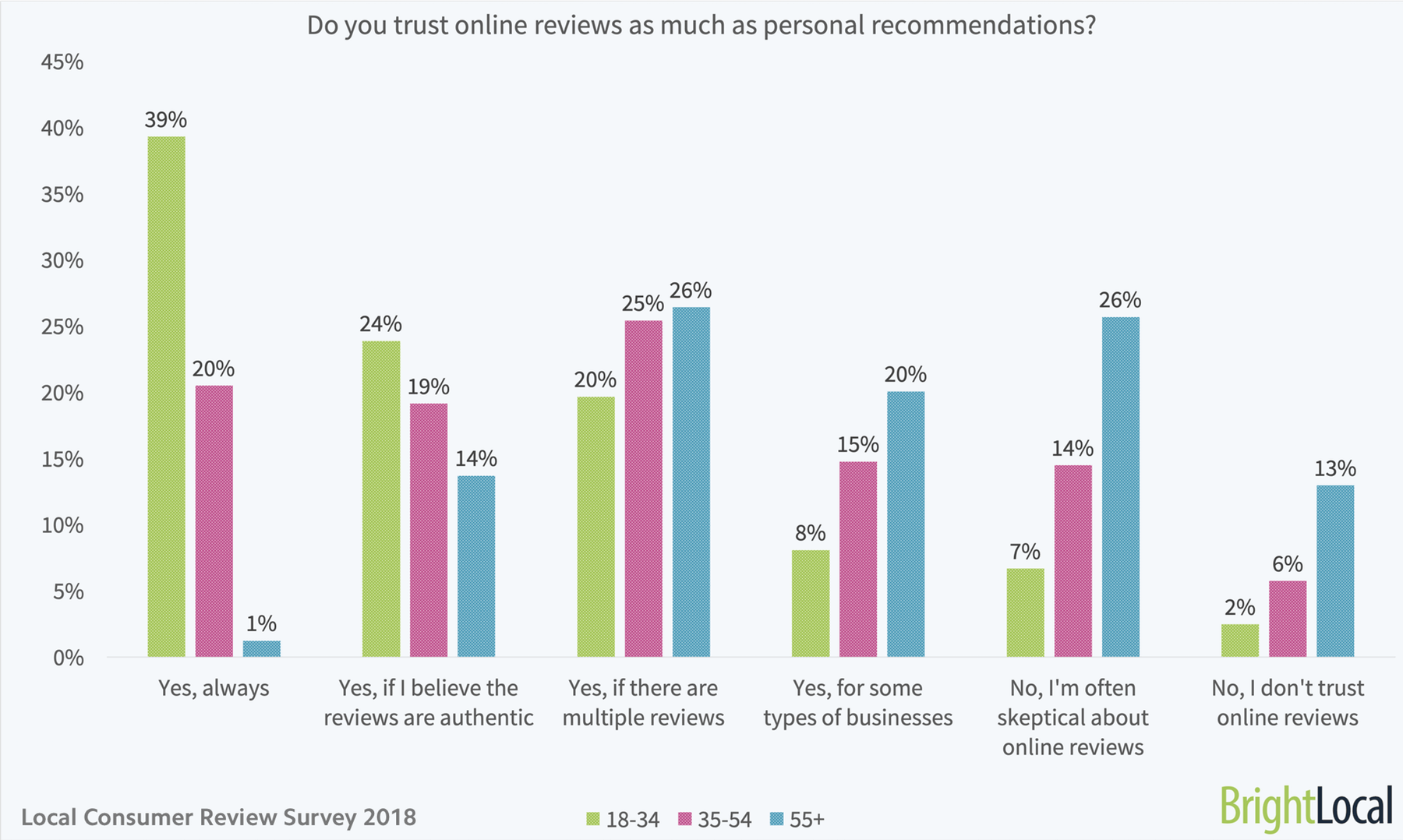
Reducing Shipping Times
In today’s fast-paced world, it is important to ensure that your products are delivered the fastest. Lesser delivery times tend to make it easier for people to order your products. Since many people make last-minute purchases, smaller delivery times will help people order your products more thus boosting your eCommerce conversion rates.
Shipping products faster makes the customer feel safer as well while ordering your product. This also helps spread goodwill about your brand by the word of mouth and will definitely boost your sales.
Also, featuring good pictures of your products on your website, making sure only top-notch stuff gets featured will also help your website get more clicks and hence boost your eCommerce conversion rate.
To reduce your shipping time in an ecommerce business, you can incorporate some ways to manage your retail inventory. Using intelligent analytics to forecast demand, having close tie-ups with wholesalers, suppliers and manufacturers and carriers, offering strong customer support, creating a refund policy are some of the ways you can reduce the shipping time for your ecommerce business and eventually grow your ecommerce sales.
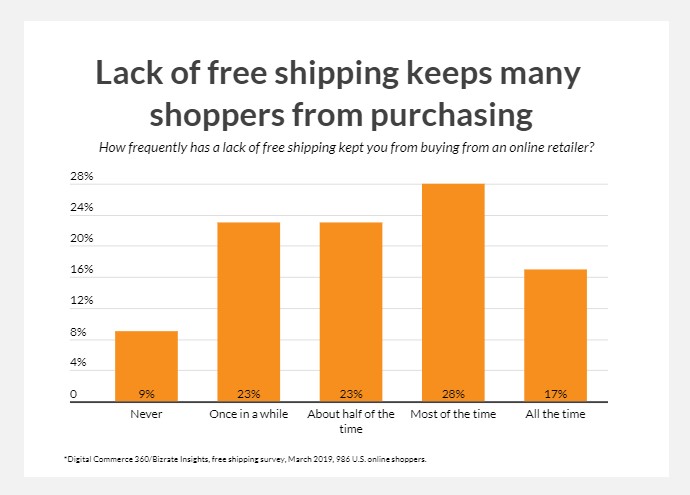
Provision of Multiple Payment Options
Providing your customers with multiple payment options can help them place their orders with ease which will boost your conversion rates.
In today’s world, there are a variety of payment options available. Not everyone uses all of them, everyone might be comfortable with a different means of payment. Providing your customers with the ease of choice and navigation on that front will help you boost your eCommerce conversion rates and boost sales.

Conclusion
Keeping all the above points in mind will help you bring more people to the end of the eCommerce conversion funnel and make them potential customers of your brand. Most of the above-mentioned methods are also marketeer friendly and won’t raise the costs of marketing much. If they are kept in mind while meticulously designing your website or running your brand, they will definitely help you boost your eCommerce conversion rates.
It is very important to keep in mind that your eCommerce conversion rates surely depend most on your customer service experience and views about the same. So, definitely keep the same in mind while designing or running your eCommerce brand.
Intelligent marketing can help you boost your sales and provide you with more economical ways of boosting your eCommerce conversion rates. However, we at Ginger Media Group do understand that not everyone can be good at marketing and hence are here to aid you in the same!
Please feel free to drop us a comment to suggest what would you like to see more of. 
If you are a medium or a large-sized business in India, looking to do sustainable, profitable, effective offline marketing, OOH advertising, BTL activation, auto branding, bus branding, RWA or anything that has to do with traditional media and offline marketing, branding, give us a call at +91-8884442846 or drop us an email at contact@gingermediagroup.com.
We would be happy to assist you.
]]>Ready to talk with a marketing expert?

A Pragmatic and innovative way to enthrall your target group is just a click away!
Get in Touch
Rukmini Knowledge Park, Kattigenahalli, SH 104, Srinivasa Nagar, Bengaluru, Karnataka 560064
+91-990 247 8800
contact@gingermediagroup.com
Popular in Television Advertising
Udaya TV AdvertisingSun TV AdvertisingStar Plus AdvertisingTV 9 AdvertisingZee TV AdvertisingNDTV India AdvertisingColors TV AdvertisingPopular in Airport Advertising
Spice Jet AdvertisingMumbai Airport AdvertisingDelhi Airport AdvertisingEmirites AdvertisingIndiGo Airlines Domestic India AdvertisingPopular in Newspaper Advertising
Deccan Herald AdvertisingPrajavani AdvertisingThe Hindu AdvertisingEconomic Times AdvertisingDainik Jagran AdvertisingHindustan Times AdvertisingPopular in Magazine Advertising
Forbes AdvertisingCosmopolitan AdvertisingBusiness World AdvertisingVogue Magazine AdvertisingPopular in Sports Advertising
IPL AdvertisingPopular in Outdoor Advertising
Billboard AdvertisingBus Shelter AdvertisingMetro Pillar AdvertisingUnipole Advertising© Ginger Media Group 2025. All Rights Reserved.