Businesses today have an imperative need to connect with the audience effectively. In such a fast-paced marketing world, the palette of techniques evolved significantly. Among these strategies, one that stands out and helps establish direct and personal communication with the consumer is Below the Line advertising. Unlike ATL, which is broad in approach and uses mass media like television, radio, and print to reach large audiences, BTL advertising is a form of direct communication that carries selected messages to the chosen audience. This leads to meaningful interaction with the brand as well as loyalty development.
- Definition: Below the Line (BTL) marketing efforts are directed by direct and personalized communication with a targeted group of audiences.
- Key Objective: BTL strategies strive to communicate an active relationship and trigger immediate consumer action.
- Comparison with ATL: The ATL processes use mass communication media as a channel. Unlike this, BTL includes more focused and trackable media, such as direct mailers, in-store promotion, and online marketing.
- Example: Digital campaigns, experiential marketing, direct mailers, and product sampling are some BTL advertisements.
BTL advertising in today’s value-oriented, consumer-driven market is of immense worth. Such a market enables companies to utilize these strategies best because they help understand audiences and tailor messages accordingly with a higher return on investment.
Critical Components of BTL Advertising
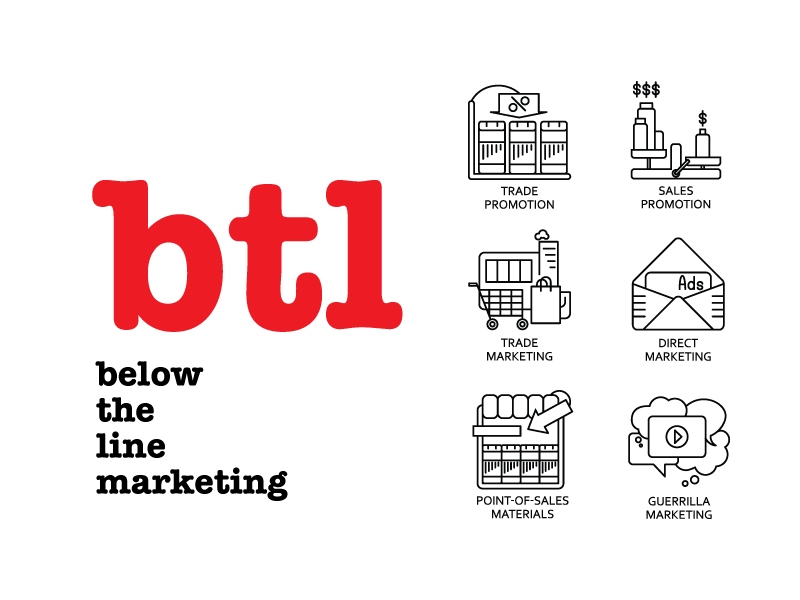
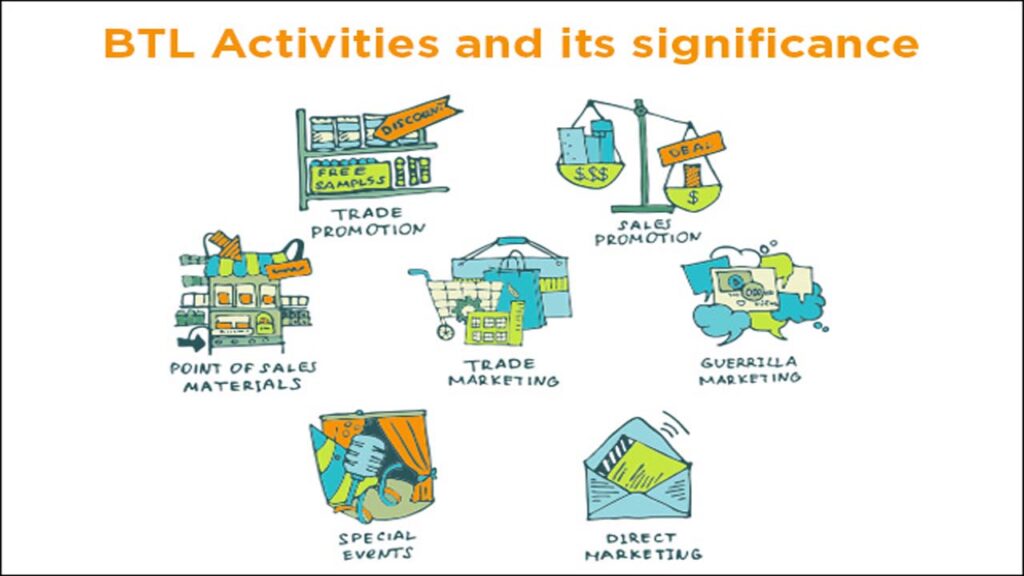
BTL advertising encompasses a variety of techniques, each tailored to interact directly with the audience. Here are some critical components of BTL strategies that help create a more personal and practical marketing approach:
- Direct Marketing
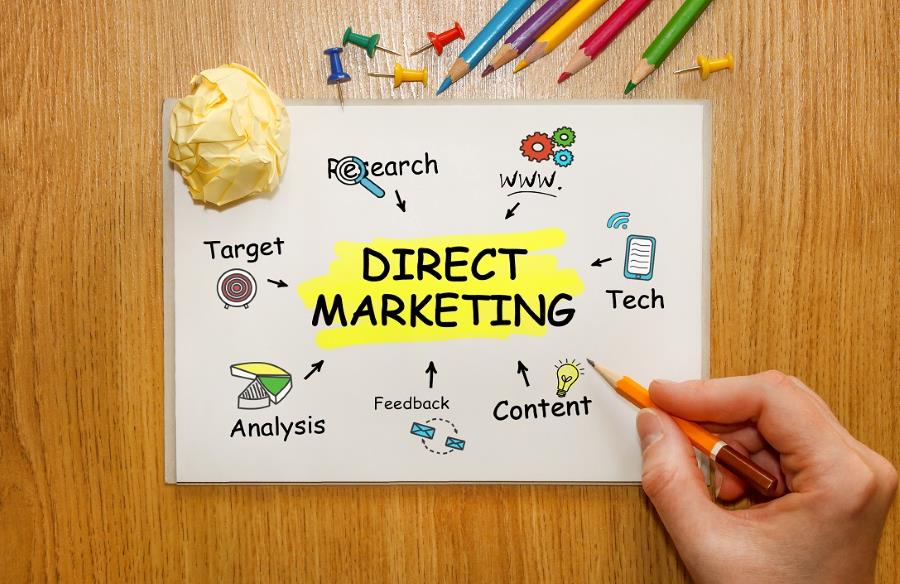
- Definition: Involves personalized communication through mail, telemarketing, or email.
- Targeted Messaging: Uses consumer data to create custom offers.
- Higher Conversion: Personalized coupons and offers boost engagement.
- Customer Loyalty: Tailored messages make consumers feel valued.
- Digital Integration: Combines physical and digital channels for a holistic strategy.
- Explanation: Direct marketing is a popular BTL method because it can reach specific customers with tailored messages. This results in higher engagement and conversion rates, making it an effective tool for generating sales and enhancing brand loyalty.
- Sponsorships and Events

- Brand Association: Aligns the brand with events, values, or specific audiences.
- Personal Interaction: Enables face-to-face engagement.
- Experience Creation: Events offer memorable, immersive experiences.
- Brand Visibility: Sponsorships increase brand recognition.
- Community Engagement: Builds stronger bonds through shared values.
- Explanation: Sponsorships and events allow brands to engage directly with their audience, creating positive associations and memorable experiences. Businesses can strengthen their brand presence by participating in community events or sponsoring relevant activities.
- Digital BTL Activities
- Social Media: Platforms like Instagram and Facebook enable targeted advertising.
- Influencer Marketing: Collaborations add authenticity and reach.
- Email Campaigns: Allows personalized, one-on-one communication.
- Real-Time Data: Provides metrics to measure campaign success.
- Interactive Content: Polls, quizzes, and videos engage audiences deeply.
- Explanation: Digital BTL strategies leverage modern platforms to reach consumers directly where they spend their time. Companies can tailor messages to consumer preferences and get instant feedback using tools like social media and email.
- Experiential Marketing

- Immersive Experiences: Interactive events encourage direct consumer participation.
- Emotional Connections: Create memorable moments that build loyalty.
- Word-of-Mouth Promotion: Satisfied participants spread positive experiences.
- Product Demonstrations: Consumers experience the product first-hand.
- Brand Differentiation: Unique experiences help brands stand out.
- Explanation: Experiential marketing engages consumers emotionally and creates a lasting impact by immersing them in unique brand experiences. This leads to stronger brand loyalty and increased consumer advocacy.
- Product Sampling and Trials

- Free Product Trials: Allows consumers to experience the product before purchase.
- In-Store Demonstrations: Showcases product features and benefits.
- Building Trust: Reduces consumer hesitation through hands-on experience.
- Immediate Feedback: Collects consumer opinions for improvement.
- Boosts Sales: Increases the likelihood of purchase through personal experience.
- Explanation: Product sampling and trials give potential customers a tangible experience of the product, increasing their confidence in making a purchase. This hands-on approach builds trust and enhances the likelihood of conversion.
Barriers to BTL Advertising

Despite the advantages BTL advertising can bring with it, it also poses several problems:
- Data Privacy Issues: Personalization has an intimate constituent as it is based on consolidating consumer data. Data privacy and transparency are the most significant.
- Budget Control: Small businesses will need a budget and, more importantly, the capability to use resources effectively when implementing a BTL campaign.
- Over-Saturation vs. Personalization: Too much messaging, too often, or too invasively can cause overexposure to a brand and lead to consumer fatigue.
Final Thoughts
- Meaningful Engagement: Personalized, direct messaging empowers enterprises to achieve meaningful engagements with their audience through BTL advertising.
- Data-Driven Approach: This approach keeps the BTL strategies aligned with the business objectives and is updated to meet changing customer needs.
- Future Relevance: Keep on doing BTL advertising as consumers’ preferences change, some sort of brand experience can be created, and continuing loyalty drives help.
Finally, BTL marketing goes beyond tactics, focusing on realistic relations with target consumers. By including BTL strategies in its marketing mix, an organization reinforces its brand presence and builds meaningful and lasting connections that deliver long-term success.
]]>This blog post’s purpose is to reveal the selling point of product advertising—what it is, why it matters, and how it has changed in the prevailing digital era. We will disclose the underlying principles of successful product promotion strategies and investigate the details that make the difference to only partially successful campaigns.
They will learn from the article the strategies advertising can include, such as publications in traditional media and television, as well as new methods, such as social media advertising and partnering with influencers. Additionally, we will take a closer look at valuable concepts like the AIDA (Attention, Interest, Desire, Action) model—a principle that guides the creation of persuasive messages that your audience can relate to.
Through the article, you will hold a full-fledged review of product advertising along with its strategic role in the campaigns of the present time. You will be knowledgeable about practical ideas that will enable you to make the right decisions, whether you are a marketing person, a business owner, or just a curious person who wants to discover how products are delivered to customers. Let’s go more profound as we look at this essential aspect of the marketing world!
Understanding Product Advertising: Definition and Significance
Product advertising merely discusses promotional communications that seek to sell specific items to specific audiences. One of the main objectives is to inform and persuade consumers to buy one product by providing information about the product’s pros, the product’s-product’s distinctive features, and unique selling points that others do not have. This process, therefore, intensifies the consumers’ level of interest and promotes their purchase behaviors.
The Importance of Product Advertising

One primary function of product advertising is to develop brand awareness and change consumers’ perceptions.
- Customer Awareness: Product advertising guides buyers in identifying brand and product images in a labyrinthine marketplace. For instance, even the most watched brand giants like Apple and Coca-Cola spend fortunes on advertising to ensure their domination of the consumers’ psyches.
- Case Studies: Brands like Nike have effectively engaged in marketing campaigns that push their brand products and create strong emotional connections with customers, thus rendering customer loyalty and more sales from repeat business.
- Statistics: The American Association of Advertising Agencies reports that the average business that invests in ads sees a $2 return for each dollar spent on advertising, explaining why it is so successful.
A well-organized product advertising plan often consists of various models, such as the most competent AIDA model (Attention, Interest, Desire, Action), that marketers use to develop catchy lines to lead consumers through the purchasing process.
Crafting Effective Product Advertising Campaigns

Designing an advantageous product advertising campaign needs a good understanding of the target audience and the competitive landscape.
- Segmentation and Targeting: Companies mostly use market segmentation to identify certain consumer groups as characteristics of an advertising tactic. For example, the luxury brand Gucci targets high-income individuals by making them feel special in its advertising approach.
- Real-World Applications: Reflect on the advertising methods that companies are using at the time, such as the Christmas ones by giants such as Walmart, which promote family-oriented product launch deals.
- Challenges and Benefits: Although advertising is the main reason businesses are doing well, we must also discuss the obstacles associated with ad fatigue or ad-blocking software. Brands must communicate the proper message in a way that is not only creative but also clear to get the consumer to engage at the maximum level.
- Practical Strategies: One primary way brands can do this is by using social media platforms to push ads to targeted users. This results in higher ad efficiency, as the ad is seen by the desired customer.
Emerging Trends in Product Advertising

That is how digital marketing and the fast-changing digital sphere develop, and advertising approaches must adapt to new trends and strategies.
- Personalization: The audience expects to be featured in personalized experiences by the brands being talked about with ads about what they are looking for or their interactions with the brand. Amazon, for instance, refers to this fact as its plethora of algorithms that show three items similarly worth buying from one’s past purchase experience.
- Influencer Marketing: The use of social media influencers in product advertising is now seen as a highly effective tool. Companies can access a larger free pool of potential customers, as influencers usually have a number of fans who listen to their recommendations.
- Trends: Recent research proved that sustainable advertisement also reflects changing consumer behaviors. These days, retailers are deploying eco-friendly technologies in their products and services to make an emotional connection with their environmentally concerned customers.
- Industry Outcome: This calls for companies to be adaptable and dynamic by continuously tuning their promo style based on these new consumer demands and market factors.
Overall, successful product advertising is an intermediary between the customers and the product. The practice of product advertising, from the formulation of a strategic plan to its execution, therefore, plays a considerable role in the apprehension of the concept by brand elements and the building of customer communities.
Conclusion
The role of product advertising in the current sales-driven industry is undeniable as it helps market products visually, through the customers, and, finally, to achieve sales. The guidelines of product advertising are down to earth as to the empathic or affective domains of consumer behavior in the context of norms, communication, and advertising. To write differently, the definition of an effective product involves a product that is different from other products, but the funny part is that connections on an emotional level so the brand can hold its market
Key Takeaways:
- Definition and Purpose: It aims to stimulate sales by promoting (a/) a single product. The concept generates awareness of the product, stimulating the buyer’s interest and even the muscle to buy it.
- Target Audience: Marketing intelligently with the exact match for the kind of people we want to reach is a must.
- Advertising Channels: Different platforms, such as TV, radio, social media, and print media, offer diverse opportunities for advertising to be effective and efficient.
- Creative Messaging: Messaging that is attention-grabbing and easy to relate to the audience gives the consumer a helping hand in decision-making by making them more likely both to patronize the advertisement and persuade them to buy the product.
- Measurement of Success: Advertisers achieve the objective of measuring ad effectiveness against metrics such as reach, engagement, and conversions, leading to the maintenance of improvement and optimization.
To sum up, mastering the art of product advertising is crucial for companies planning to do well in an environment that changes frequently, as it influences their ability to attract and maintain clients.
]]>What Is Consumer Advertisement?
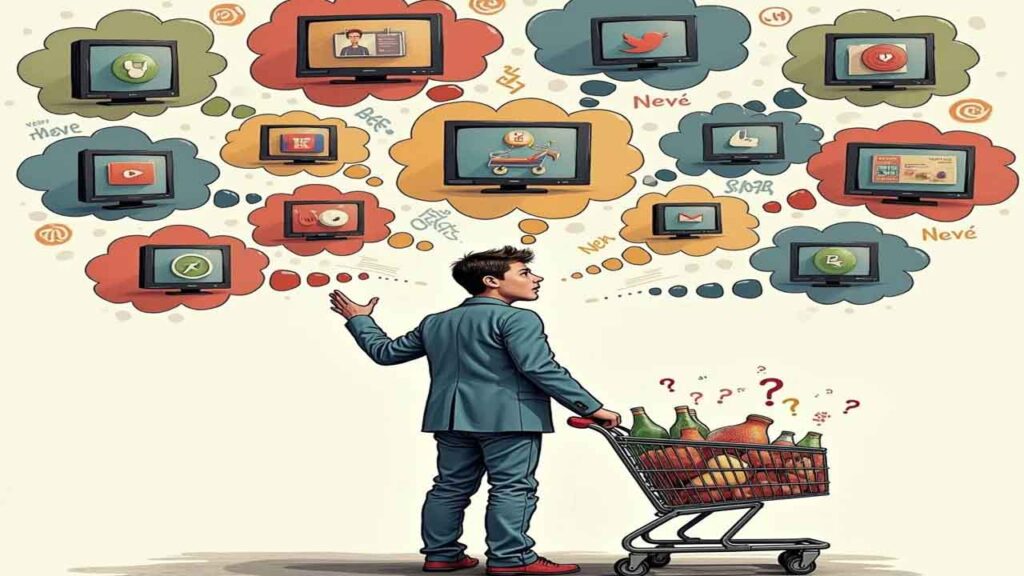
Consumer advertising is a type of marketing in which the message is delivered directly to the consumer. It targets a change in consumer behavior and, at large, determines purchase decisions.
Key Characteristics of Consumer Advertising
- Targeted messaging:
The message created satisfies the specific requirements and wants of the target audience. - Emotional appeal:
In most successful consumer advertising, an appeal to the consumers’ emotions is made, and any communication is relatable and, therefore, memorable. - Multi-Channel Approach:
Brands use a variety of channels—TV, social media, print, and digital—to increase coverage and involvement.
Importance of Consumer Advertising
It would be easier to strategise a better approach to marketing techniques once businesses get an idea of why consumer advertising is important. Here are a few key points that help illustrate why consumer advertising is important:
Brand Recognition and Recall

- Sound consumer advertising ensures that there is excellent brand recognition with recall.
- Advertisements kept seeing an increased brand awareness furthered by buying decisions.
- According to research, branding impressions repeat and enhance the customer’s recall by more than 80%. So, the visibility of brands is very important to any brand.
Why Is It Important
Brand recognition develops trust and dependability toward them. This will help the customer select the brand instead of the competitors.
Boosting Sales and Growth

- Consumer advertising is a great sales driver because it boosts up the products and services toward the purchase to the customers.
- This is particularly true of campaigns that are product launches, especially if these are well-designed.
- It also enables the business to reach more audiences, thus facilitating growth in terms of market share and revenue.
Why It Matters
Such an increase in sales is beneficial not just to the bottom line, but it also expands the scope of operations of a business and their capacity to penetrate new markets.
Engagement with Consumers

- Advertisements can have a good impact on consumers as well by communicating a business’s needs and also preferences of its customers.
- Engaging ads build loyalty and repeat purchases, where the big success story is long-term.
- Brands often achieve brand advocates if they communicate with their audience through stories that are relatable to people’s lives.
Why It Matters
When consumer relationships are strong, the acquisition cost is reduced, and brand reputation is enhanced, contributing to continued growth.
Consumer Advertising Strategies
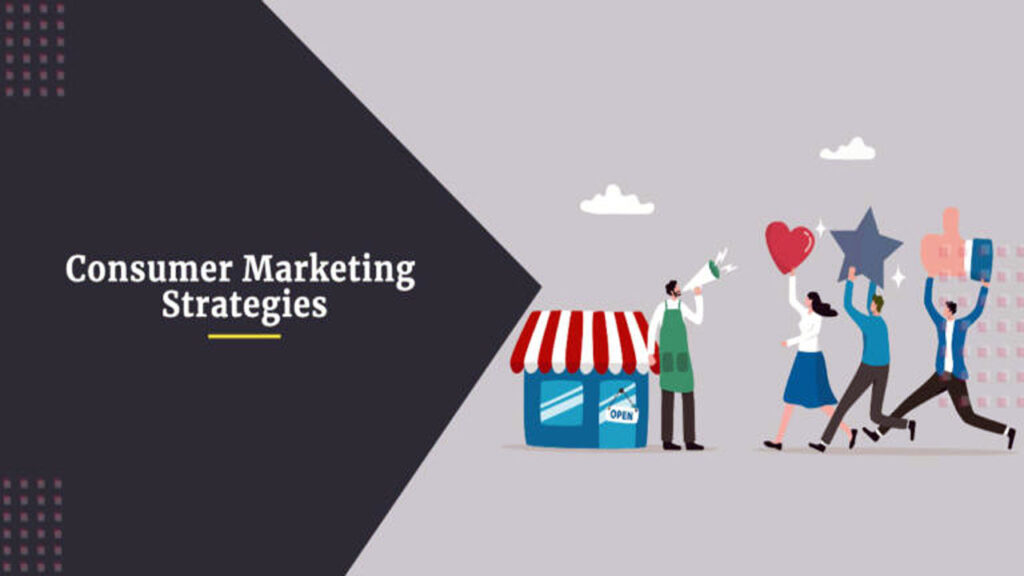
1. Emotional Appeal

- Engaging consumer emotions is a very strong play in advertising.
The more dynamic the ad, the more likely you are to remember it.
Why It Works
Buying decisions are frequently more of an emotional decision than a rational one.
- Storytelling:
Ads that share emotive or personal anecdotes or give the viewer a feeling of nostalgia are more likely to be emotive and build greater loyalty to the brand. - Examples:
Most of the world’s biggest brands, in some form, communicate stories to the consumer regarding love, family, and belonging.
2. Social Proof

- Social proof uses the actions and beliefs of other people to influence consumers to take action with a brand.
- User-Generated Content:
The use of customer reviews, testimonials, and social media activity has been proven to give credibility. - Influencer Marketing:
Working with those who are trusted can inspire huge consumer reach and build trust with the brand. - Popularity:
This is shown through high sales numbers or subscriber counts. This makes a brand popular.
3. Personalized Marketing

- The delivery of advertising messages to an individual’s preference and behaviour becomes more important.
- Data Use:
Companies use customer data to deliver their relevant ads that attract interest based on preferences. - Targeted Promotions:
Discounts for follow-on buys can stimulate response and loyalty. - Content Vibrancy:
Mail customisation, website engagement, and advertisement highly enrich the user experience and also connectedness.
Consumer Advertising Trends

A marketer can develop a campaign that is effective if one keeps up with the latest trends in consumer advertising. Some of the major trends include:
Digital Advertising Emerges as Top Preference
- Growth of Social Media Ads:
Social media platforms are rapidly becoming a direct channel for consumer advertisements. - Interactive Ads:
Polls, quizzes, and shoppable posts are increasingly being checked, which is boosting user interaction. - AI-Powered Advertising:
Artificial intelligence to read consumer data is changing the face of ad targeting.
Integration of Sustainability
- Eco-Friendly Messaging:
Those brands practising sustainability in messaging are winning over conscious consumers. - Transparency:
Clear communication regarding sustainability efforts builds trust in consumers’ minds. - Value Alignment:
With social and environmental concerns, consumers tend to prefer brands that mirror their values.
Video Content Growth
- Video Engagement:
Videos on social media are a growing way for users to interact; native video ads can be extremely effective. - Short Form Storytelling:
Brands are being compelled to become a part of short-form storytelling on channels like TikTok and Instagram Reels. - Interactive Videos:
Allowing consumers to control the flow of video content will have them engage at higher levels.
Final Reflections: The Future of Consumer Advertisements
The future of consumer advertisements is constantly evolving, mainly due to more developed technology and changing consumer demands.
Key Takeaway
- Audience Understanding is the Keen: Brands need to spend time and resources understanding the target consumers. This means knowing the demographics, psychographics, and behavioral insights that shape advertising strategies that resonate with the audience.
- Emotional engagement leads to loyalty: As the memory creation of advertising emotionally tends to be influential, there should be a personal attachment to the story brands tell. Such engagement becomes a source of loyalty along with repeat business to further build on the image of the brand.
- Authenticity in the Digital Age: Consumers are increasingly sceptical. Today, the brand must deliver much greater authenticity than ever before for authentic connections that will translate to long-term success for the pairing of consumer and advertiser.
A way that moves toward trust and longer-term relationships can be achieved through transparency in messaging and belief in true values.
Understanding consumer advertising can significantly impact brands’ success in today’s competitive marketplace. Brands find ways to outshine others as they constantly adapt to change and make acknowledgment of the importance of effective engagement, and trigger consumer loyalty.
Ready to talk with a marketing expert?

A Pragmatic and innovative way to enthrall your target group is just a click away!
Get in Touch
Rukmini Knowledge Park, Kattigenahalli, SH 104, Srinivasa Nagar, Bengaluru, Karnataka 560064
+91-990 247 8800
contact@gingermediagroup.com
Popular in Television Advertising
Udaya TV AdvertisingSun TV AdvertisingStar Plus AdvertisingTV 9 AdvertisingZee TV AdvertisingNDTV India AdvertisingColors TV AdvertisingPopular in Airport Advertising
Spice Jet AdvertisingMumbai Airport AdvertisingDelhi Airport AdvertisingEmirites AdvertisingIndiGo Airlines Domestic India AdvertisingPopular in Newspaper Advertising
Deccan Herald AdvertisingPrajavani AdvertisingThe Hindu AdvertisingEconomic Times AdvertisingDainik Jagran AdvertisingHindustan Times AdvertisingPopular in Magazine Advertising
Forbes AdvertisingCosmopolitan AdvertisingBusiness World AdvertisingVogue Magazine AdvertisingPopular in Sports Advertising
IPL AdvertisingPopular in Outdoor Advertising
Billboard AdvertisingBus Shelter AdvertisingMetro Pillar AdvertisingUnipole Advertising© Ginger Media Group 2025. All Rights Reserved.