
In today’s digital landscape, where online marketing often takes center stage, print advertising remains a powerful tool for businesses. Despite the rise of social media and digital campaigns, print ads can create a tangible connection with the audience, reinforcing brand identity and increasing recall. Kolkata, the city of heritage and business, houses several print advertising agencies, which are at their best while narrating stories with print media. Businesses should not underestimate the importance of print advertising; it completes the digital activity, increases local visibility, and develops trust in the minds of consumers.
Key reasons to consider print advertising:
- Builds physical brand presence in consumers’ hands and fosters a stronger connection.
- The tangible format catches attention and creates a lasting impression.
- Targeted campaigns can target specific demographics effectively.
- High engagement rates often even surpass digital ads in some markets.
- Cost-effective options for small and large businesses alike.
- Enhances credibility and professionalism in brand communication.
This blog will discuss the top 10 print advertising agencies in Kolkata, looking at their specialties, notable projects, and what sets them apart. Readers can expect to find valuable insights into how these agencies can elevate their marketing strategies and the array of services they offer. Did you know that print ads often outperform digital ads in terms of consumer trust? Join us as we explore the vibrant print scene in Kolkata!
Best 10 Print Ad Agencies in Kolkata
Kolkata is also known as the cultural capital of India. But there’s much more to Kolkata than just rich heritage and artistic legacy. The city houses some of the most innovative and effective print advertising agencies. Be it a small business looking for creative designs or a large corporation launching a new campaign, the right advertising agency will play a pivotal role in determining your success. Here’s a rundown of the Top 10 Print Advertising Agencies in Kolkata.
Why Print Advertising Still Makes Sense
Though digital advertising has taken its share of market space, print media still has a great role to play in marketing strategies. Here’s the reason why print advertising makes all sense:
- Physical Touch: Print materials do offer something in the physical form.
- Access to Targeted Demographics: Newspapers and magazines are read by a loyal readership that gives targeted access to specific demographics.
- Credibility: Print media has some credibility that most digital media do not have.
1. Ginger Media Group
Ginger Media Group is the best print advertisement agency in Kolkata, with creative and strategic planning. Their services include:
- Thorough Print Solutions: Brochures, flyers, business cards, posters- all designed to attract attention and drive sales.
- Consultation at Every Stage: They consult at every stage, from conceptualization to final design, to ensure that every client’s vision is realized.
- Client-Centric Approach: Understands the needs of the clients to tailor solutions that resonate with the target audiences.
2. Ad2Click

Ad2Click is another prominent name in Kolkata’s print advertising landscape. Known for their innovative approach, they deliver:
- Print and Digital Integration: Seamlessly blending print materials with digital marketing strategies for maximized reach.
- Customized campaigns: Maintaining campaigns that cater to diverse needs, ranging from small businesses to large enterprises.
- Creative design services: Their creative team is at its best in producing visually appealing campaigns that win hearts.
3. Brandsoar
Brandsoar is committed to becoming a catalyst for brand growth through strategic print advertising. They are proud of the following services:
- Holistic marketing strategies: They combine print with other marketing channels to provide an all-around approach.
- Creative Designers: A skilled team dedicated to delivering high-quality creative designs.
- Customized Packages: Offers flexible pricing packages that can fit various budgets.
4. Maya Advertising

Maya Advertising brings creativity and technology together, making it one of the best for print marketing. Here’s what they bring to the table:
- Creative Campaigns: They specialize in unique advertising campaigns that will stand out from the crowded marketplace.
- Research-Based Design: They design their advertisements using market research so that the ads would strike a chord with the desired target audience.
- Diverse Print Materials: They provide wide print solutions from billboards to product packaging.
5. The Creative Co.

The Creative Co. has gained a solid footing in Kolkata with its custom print solutions. It offers:
- Customized Strategy: They devise unique strategies based on the goals of the clients and the audience’s understanding.
- Attention to Detail: Their team focuses on minute attention to detail in every project.
- Rapid Turnaround Times: Dedicated to delivering projects within the shortest turnaround time possible without compromising quality.
6. Leap Advertising
Leap Advertising is one of the most influential players in Kolkata’s advertising industry, known for their:
- Strategic Planning: Developing campaigns with well-thought-out strategies that ensure maximum impact.
- Exceptional Customer Service: Building long-term relationships with clients through exemplary service and support.
- Diverse Media Exposure: Expertise in multiple forms of print media, enhancing visibility across various platforms.
7. Sharp Advertisers

Sharp Advertisers takes a unique approach to print advertising, focusing on creative storytelling. Their services include:
- Narrative-Driven Marketing: Developing print campaigns that tell compelling stories, captivating audiences and enhancing brand loyalty.
- Brand Development: Assistance in building and refining the overall brand image through focused print initiatives.
- Interactive Print Solutions: Creative concepts that feature QR codes and augmented reality, connecting print with digital.
8. Pinnacle Communication
Pinnacle Communication is the epitome of result-driven print advertising solutions. Their services are as follows:
- Targeted Advertising Techniques: Applying research and analytics to reach the right audience effectively.
- High-Quality Production: All printed materials will be of the highest quality.
- Eco-Friendly Printing: Engaging in environmentally responsible practices in their printing operations.
9. Impact Advertising

Impact Advertising leaves a mark in the minds of customers with its print marketing solutions. They specialize in:
- Catchy Designs: Designing attractive advertisements that grab the attention of the customers.
- Complete Solutions: Starting from conceptualization to final production, Impact Advertising has solutions for every step of print advertising.
- Market Positioning Strategies: Helps brands find the right position in a competitive market.
10. Axis Advertising
Completing our list is Axis Advertising, an ideal partner for most businesses in Kolkata. Here, they offer the following:
- Innovative Print Media Solutions: Properly designed flyers, brochures, and posters that highlight the uniqueness of the brand.
- Competitive Pricing: Reasonable rates without quality compromise, therefore affordable for even the smallest of businesses.
- Fast Service: A track record of quick turnaround times, so campaigns do not have to wait.
Conclusion
Kolkata’s print advertising agencies are crucial for your business growth and marketing success. With such a wide variety of options, from creative storytelling at Sharp Advertisers to customizable solutions at Brandsoar, each company offers unique advantages tailored to different business needs.
Choosing the Right Agency
When selecting a print advertising agency, the following will help in achieving the best outcome:
- Portfolio Review: Understand their style and effectiveness through previous work.
- Budget and Pricing: Their pricing model should align with your budget.
- Client Testimonials: Seek feedback from past clients to understand reliability and quality of service.
Choosing the best print advertising agency will significantly influence your brand’s market presence and recognition. Take your time to browse through these top agencies and find the one that aligns with your vision and goals.
Conclusion
In the lively city of Kolkata, print advertising remains an important aspect of marketing strategies for businesses looking to establish their presence and connect with their audiences. Throughout this blog post, we have covered the top 10 print advertising agencies in Kolkata, each uniquely equipped to offer tailored solutions that meet diverse client needs. From helping start-ups craft their brand identity to collaborating with established firms to rejuvenate their market appeal, these agencies employ skilled creatives and cutting-edge technology to craft visually captivating and effective print materials. We also looked into the different types of services they offer, which include brochure designs, poster creations, and newspaper advertisements, each reflecting the latest trends in print advertising. In addition, client testimonials and case studies tell how these agencies have driven massive results for their clients, establishing them as the leaders in their industry.
But with the current digital evolution in advertising, we cannot ignore the impact that print leaves behind.
These agencies prove that, with a strategic approach, print advertising can create an impression and bring meaningful relationships to the surface. Businesses wanting to make a dent in a highly competitive market would highly benefit if they chose any of these top agencies for collaboration, thus making sure their print materials hit home with the right audience and further amplify the brand message. As you go through your print advertising journey, you will find that the right agency can not only elevate your brand but also provide insights that drive growth and innovation.
Blog Post Outline: Top 10 Print Advertising Agencies in Kolkata
- Introduction to the importance of print advertising in Kolkata
- Overview of the evolving landscape of print marketing
- Profiles of the top 10 print advertising agencies, including their services and unique strengths them
- Case studies or testimonies from some of the successful campaigns orchestrated by such agencies
- Considering the right selection of a print advertising agency for your business
- Conclusion Summarizing the highlights of print advertising in Kolkata
Key Takeaways
- Print Advertising: Print advertising, though less in use than digital marketing, still holds a significant place in the creation of lasting impressions and connecting businesses with their audiences. The tactile experience that print ads offer can greatly enhance recall and brand loyalty.
- Choosing the Right Agency: A print advertising agency has to be carefully selected by examining their portfolio, their area of expertise, and knowledge about your specific business goals. The most successful advertising campaigns rely on a team that understands your creative vision and marketing objectives.
- Future of Print Advertising: Among them is the future of print advertising. Due to this, the integration of print with digital marketing strategies is the future to accomplish this. Agencies embracing innovation while maintaining their print roots will likely lead the way in providing what should be the biggest advertising solutions to businesses today.
Why Ginger Media Group for Advertising
- Print Advertising Expertise: With experience spanning years, Ginger Media Group is well-versed in the subtleties of print advertising. This helps create highly targeted campaigns that connect well with local audiences in Kolkata.
- Tailor-made Strategies: We believe in customized advertising solutions. Our team works closely with clients to develop bespoke strategies that meet specific business goals and target demographics.
- From Concept to Execution: We offer end-to-end services from conceptualization to execution. Whether it is designing the most attractive advertisements or selecting the right publications, we take care of everything that is required in your print advertising needs.
- Local Presence: Based out of Kolkata, we have a good understanding of the local market. This local knowledge enables us to choose the right channels that help bring maximum visibility to your brand.
- Track record: Our campaign portfolio features completed work for diverse industries, illustrating our capacity for delivering successful, results-driven advertisement solutions.
- Creative Team: Excellent designers and writers create beautiful prints that attract potential customers and also make the intended message more persuasively argumentative.
- Communication: We encourage clear and effective communication, hence ensuring that at all times a client is not left in the dark regarding campaign progress and its performance.
Ginger Media Group is dedicated to elevating your brand through innovative and impactful print advertising strategies, which ensures that you are partnering with a committed team.
]]>The new marketing landscape includes many means to ensure that the targeted audience is reached. Among these methods is magazine advertising, which has been utilised as a powerful means by brands to achieve targeted audiences. However, magazines use diverse types of ads. Thus, marketers need to understand the various ad types, their purposes, functions, and real-world applications. This guide will explore each ad type, enabling businesses to employ whatever knowledge they obtain to improve their advertising strategies.
Overview of Different Forms of Magazine Advertisements
Magazine marketing is a tremendous method through which companies can convey their messages. The form of advertisement will determine all the differences in visibility and interaction between the brands and the target market. In that respect, there are a few things to look out for:
- Multi-Formats: From full-page spreads to classified lists, magazine ads provide each business’s unique marketing needs.
- Reaching the Target Possibility Audience: Different ad types can target different demographics, so marketers have to know their possibilities.
- Resource Budget: Knowing which ad type will benefit them in what way allows decision-makers to budget their resources wisely.
Why the Knowledge of Various Kinds of Magazine Ads Is Important

Knowing various kinds of magazine ads empowers marketers and business leaders to create efficient advertisement strategies. The following is why knowledge in this regard is essential:
- Sophisticated Strategy: There are full-page and partial ad types for branding and lead generation, among other marketing goals. Depending on their preferences and consumption behaviour, ads can interest their consumers.
- A knowledgeable selection of an appropriate ad can deploy resources more efficiently and increase the return on investment.
Types of Magazine Ads: Purpose, Role, and Application
1. Full-Page Advertisements
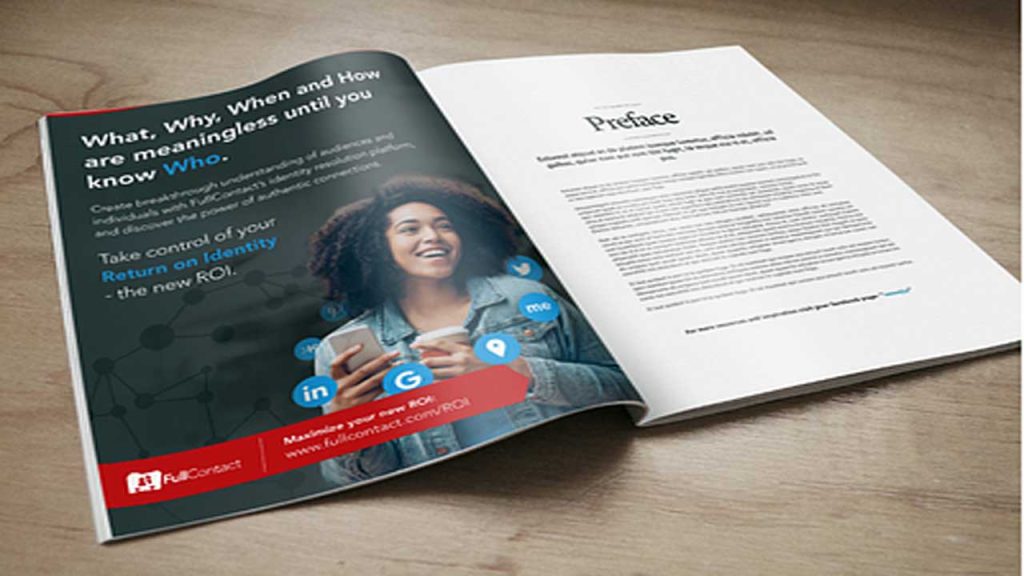
- Definition and Objective:
Full-page ads take the whole page of a magazine, meaning maximum visualisation. Since they are done strategically, one gets caught immediately to attract the reader’s attention through bold imagery, great headlines, and tremendous content. Due to their size, they help brands convey detailed information to convey a powerful message. - The most effective way these ads can successfully deliver comprehensive messages or brand stories to target audiences. These can be used to unveil a new product, announce an event of great importance, or launch a marketing campaign. The expansive space allowed for creative freedom, enabling brands to articulate their narratives using vivid visuals and engaging texts.
- Real-World Application:
A luxury car manufacturer with its latest model can run an open-page advertisement in a glossy lifestyle magazine. The two-pager, by way of analogy, would be equivalent to using glamorous pictures of the car in scenic locales, paired with compelling copy centred on excellent technology and performance, to reach affluent consumers with the message to help them become brand lovers.
2. Half Page Ads
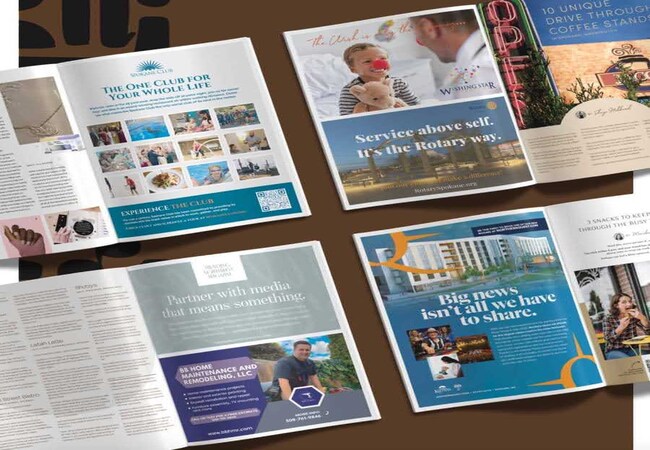
- What is a half-page ad? What is its purpose?
Half-page advertisements take up half the magazine’s page; therefore, there is a balance between visibility and costs. This is the right size for an ad to say whatever needs to be told without putting too much strain on the reader’s eye or budget. - Purpose:
Advertisements are meant to convey particular messages fairly succinctly. These may include promotions, special events, or product launches. Because of goals, this means that this advertisement can offer flexibility. - Practical Application:
A fashion retailer may use half-page advertising within a lifestyle magazine to feature its seasonal collection. The advertisement may be highly graphic, exhibiting the prevailing trends and a special discount valid only for a certain period of time. Such a form is markedly effective for catching the attention of the audience and putting them immediately into consumer action, such as visiting a store or shopping.
3. Quarter-Page Ads
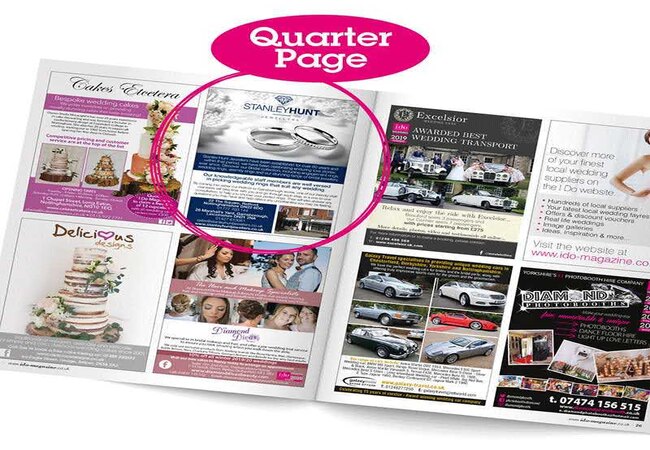
- Definition and Purpose:
Quarter-page ads take up only a small section of the magazine page, making them cheaper yet effective in communicating your message. They are also short, but they catch the reader’s attention. - Application:
Local businesses can use quarter-page ads to promote something or an event. They serve with the delivery of the message in due time, thus ideal for time-to-time offers or announcements about events happening in the community. - Realistic Usage:
A tiny coffee shop would place a quarter-page ad for its latest seasonal latte in the community magazine. The ad can appeal to the aesthetics of the drink by publishing some very attractive images and might have a great tagline; if the shop offers a discount, that should also go up. That is how a business engages its community through advertising while driving foot traffic into the shop.
4. Advertorials

- Definition and Purpose:
Advertorials are specially created ads written in the style of an editorial to blend informative content with merely promotional content. This format enables brands to reach readers more meaningfully by incorporating value while subtly marketing their products or services. - Usage:
Advertorials are primarily used to inform and engage readers through a blend of informative content and promotion. Therefore, in their narrative form, a brand can build trust and credibility about what it’s offering. - Real-Life Use Case:
A skincare company would publish an advertorial in a health and wellness magazine discussing the benefits of using organic skincare products. The article would cover topics like organic natural skin care regimes but without overtly focusing on them and using the names of the company’s products within the text. Thus, it would educate the readers and gently push them towards considering the brand for their skin care needs.
5. Sponsored Content

What Is It?
It is sometimes called paid or branded content and must be labelled.
Sponsored content is a valuable information source or storytelling subtly intertwined with a brand message. Unlike traditional ads, this format focuses on the relevance and engagement value of the material presented to the reader.
- Function:
Sponsored content aligns readers’ interests with relevant topics while advancing the product or service being pushed. It gives brands the chance to be thought leaders and to create an aura of truthfulness. - Real-World Application:
For example, a financial services company can establish content under the category “Smart Investing Tips for Millennials,” which gives the reader a practical finance tip while subtly tucking the services inside the article. This way, the brand is more effective in connecting to a much younger crowd, building credibility, and urging the readers to follow through on their offerings.
6. Classified Ads
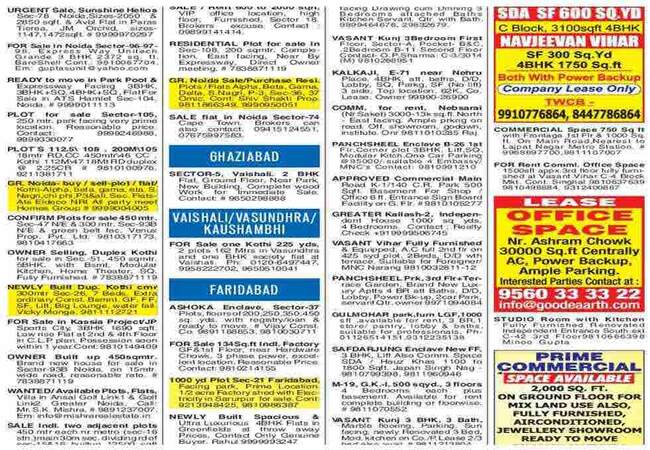
- Definition and Purpose:
Classified ads are text-based small adverts grouped into categories such as jobs, real estate, or personal services. Compared to other means of advertising, classified ads are relatively cheap and provide businesses and individuals with an easy way to reach targeted customers. - Purpose:
The basic function of classified ads is to connect buyers with sellers through brief information. Most of the adverts contain grouped contact data as well as short descriptions that enable the interested party to reach the adverts. - A small business can advertise a classified ad in a community magazine to list job openings and even briefly describe the position. The company can also list its contact information. This simple method makes it easier for businesses to reach their community and attract potential applicants.
7. Back Page Ads
- Definition and Purpose:
Back-page ads are placed on the rear page of the magazine, marked with high visibility and prominence. They are mostly used for high-budget campaigns and premium brands to ensure maximum visibility of the ad. - Purpose:
They are meant to catch the eye of the reader, as they are placed at the highest place. They are often used in brand launching campaigns, especially in special promotions or the release of significant announcements with which to leave a long-term impact. - Real World Example:
A blockbuster movie release can be advertised on the back page of an entertainment magazine, creating suspense among its spectators for when it will hit the theatres. The ad can include very dramatic scenes from the movie, a short, enticing slogan, and an invitation to readers to go watch it. This kind of ad receives maximum exposure and is sure to be remembered by potential viewers.
History of Magazines Used in Advertising

This is an aspect that business people also need to focus on.
- Engagement by Ad Type
- There are different types of ads which are suited to different demos and interests.
- Knowledge about various types of ads helps brands to ensure that their communication is targeted correctly.
- Branding Position
- Ads in magazines help develop images for brands.
- Differing levels of engagement across the various ad types influence consumer perception.
- Cost Effective
- Knowledge about ad types will help develop an efficient budget.
- Proper choice of ad type leads to better returns on investment.
- Creative Ideas
- Every ad type provides different opportunities to be creative.
- Engaging visuals helps to create brand recall and persuasion.
- Ability to Track and Measure
- There are various kinds of advertisements with numerous tracking options.
- Measuring engagement aids in guiding future advertising directions.
- Long-Term Success in Consumer Relationships
- Advertising in magazines holds more credibility than internet ads.
- Success in the type of ad used leads to long-term relationships with consumers.
Final Thoughts
Understanding types of magazine ads and their configuration translates to the appropriate usage of the configurations to aid in business growth. Summary of main points covered:
- Reach and Engagement: The choice of ad type can better relate to the target population, thereby boosting engagement.
- Brand Positioning: All forms of advertising work toward building a brand image in the consumer’s mind.
- Cost Efficiency: Different types of ads have cost implications. The budget can only be optimal. Making appropriate choices can only optimize the budget. Unique kinds of ads allow the value proposition to be communicated uniquely.
- Tracking/Measurement: Understood ad types can be used to aid in determining strategies’ effectiveness.
- Long-Term Consumer Relationships: Magazine ads that work build credibility and induce customer loyalty over the long term.
Conclusion
Understanding the distinct forms of magazine adverts is necessary for a business to maximise the potential of unutilised print media. Once the appropriate advert type has been selected, the marketing objectives will be achieved, the business’s advantage will stand out in a highly competitive marketplace, and growth will ensue.
This section shall:
- Understand the dimensions of newspaper advertisements.
- Explain how advertising sizes relate to the potential for optimum reach and ROI.
- Share case studies on effective advertising strategies using newspaper ads.
- Illustrate how ad sizes relate to effective budgeting and audience targeting.
- Guide how to integrate newspaper advertisements into your overall marketing plan.
Let’s enter the world of newspaper advertising and learn how to make the best use of display advertising.
1. Importance of Newspaper Display Ad Size
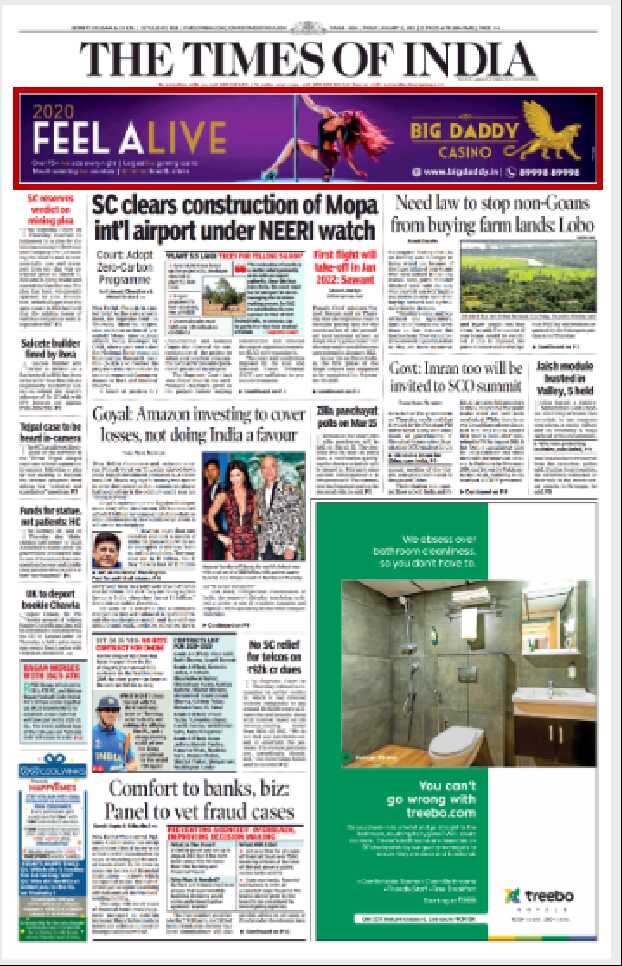
Knowing the various sizes of newspaper display ads is crucial for a successful advertisement campaign. From classifieds to full-page displays, advertisers can choose the best size that effectively contains their content.
Problem with Sizing That Should Be Considered:
- Standardization: Newspaper adverts are standardized to facilitate the selection of space that would fit their content. Some of the sizes are full-page, half-page, quarter-page, and small spots.
- Visual Impact: The more visible ads are, the more attractive they look and grab attention; thus, they can suit eye-catching promotions.
- Cost Implications: Pricing structures typically depend on size, and more prominent ads usually attract more costs; knowing this helps firms budget appropriately.
- Ad Size and Reach: Full-page ads in major sections will likely be read, while smaller ads would suit niche markets.
- Creative Latitude: A full-page or larger ad allows for more creativity and details, whereas more minor ads suit only short messages but can still create an impact.
A business can get the correct dimensions for a display ad size so that the advertisement in a newspaper matches its budget, target audience, and campaign goals.
2. Maximizing Exposure and Interaction
The most important reason for choosing newspaper advertisements is to create mass exposure. Bigger ad sizes usually have a more eye-grabbing effect for campaigns focused on brand awareness or higher promotional impact.
Why Visibility and Engagement Matter:
- Larger Ad Sizes: Full-page ads hold the most visual real estate and can be used for launching new products, promoting events, or delivering brand messaging that must stand out.
- Headline Placement: Ads in high-traffic sections, like the front page, will attract more eyeballs and significantly increase engagement rates.
- Visually Appealing Graphics: Innovative and aesthetic ads will likely be remembered by readers, primarily when published in big formats.
- Repetition and Frequency: Repeating the same large-format ad in the same newspaper enhances the opportunity for your message to be seen multiple times by your audience.
- Niche Targeting: Ads of smaller sizes may prove helpful when utilized in relevant areas (classifieds or industry-specific supplements) to target readers more specifically.
From this perspective, advertisers can determine the ad size that better influences readers to take action and improve their chances of creating a successful newspaper advertising campaign.
3. Working Examples of Successful Newspaper Ad Campaigns
Many companies have used newspaper display ads in very successful advertising campaigns, employing different sizes and placements to maximize their return on investment. Below are a few examples demonstrating why the right size for your newspaper display ad is essential.
Ad Successful Campaigns:
- Regional Pizza Chain: A regional pizza chain ran a full-page ad to advertise a game-day special during Super Bowl season. It increased sales by 25% that month, catching the eye of football enthusiasts with its extra-large ad.
- Auto Dealership: An automobile dealer ran half-page ads for a year-end clearance sale, boosting foot traffic by 30% and test drives.
- Fitness Studio: A fitness studio printed quarter-page ads inviting people for a free trial, attracting 40% of visitors as paying members.
- Home Improvement Store: A season-specific campaign by a home improvement store to promote spring deals through large, colorful ads attracted 50% more foot traffic.
- Charity Fundraiser: A local charity ran a full-page ad for its annual charity gala, which resulted in a 35% increase in donations and attendance.
These examples demonstrate the versatility of newspaper ad sizes and how businesses can use this advertising medium in different ways to achieve desired marketing results.
4. Cost-Effectiveness, Audience Focus
Choosing the right size for your display ad impacts its visibility and significantly affects budget efficiency. Though more expensive, more prominent ads often return a higher investment if strategically placed and targeted.
Advantages of Budget Efficiency and Targeting:
- Cost per Impressions: Larger ads cost more but generate more impressions, making them a good investment for reaching large audiences.
- Niche Market Targeting: Medium and smaller ads in targeted sections or supplements (sports, business, real estate) can effectively reach specific audiences at a lower cost.
- Frequency Over Size: Sometimes, running smaller ads more frequently can outperform a single large ad due to continuous exposure to the target audience.
- Seasonal Discount: Newspapers often offer seasonal deals on ad sizes, especially when combined with digital advertising options, stretching marketing budgets further.
- Geo-Targeting: Regional editions of newspapers allow businesses to geographically target their placements for maximum reach in front of the right local audience.
By combining budget efficiency and audience targeting, businesses can maximize their newspaper advertising investment while minimizing costs.
5. Executing Newspaper Ads as a Part of an Overarching Marketing Plan
While newspaper ads remain effective for attracting customers, they should be part of a holistic marketing campaign that includes digital and offline channels. This ensures the brand message is harmonized across platforms, maximizing the overall effectiveness of marketing efforts.
How to Streamline Newspaper Ads:
- Align Digital Advertising: Print ads can drive traffic to a website, social media page, or online offer. QR codes or short URLs in newspaper ads help bridge print and digital.
- Brand Consistency: The design, language, and message of the newspaper ad should align with your digital ads, social media, and other marketing materials. Consistency across channels builds brand recognition.
- Measurable Results: Use promo codes or dedicated phone numbers in newspaper ads to evaluate ROI.
- Cross-Promotions: Run sales promotions or events using both print and online platforms. The more touchpoints you provide your target audience, the greater their engagement.
- Targeting Off-Line Audiences: Newspaper advertising works well for older populations or geographic areas where mobile devices are less prevalent.
By ensuring newspaper advertising aligns with your overall campaign, businesses can balance their approach, providing every opportunity for engagement is noticed across different channels.
Final Thoughts
Newspaper advertising remains integral to the modern marketing mix, providing a unique platform to reach desired audiences and generate engagement. Understanding the various sizes of display ads and their use can help maximize advertising efforts while maintaining cost efficiency and effectiveness.
Key Takeaways:
- Know Your Ad Sizes: Full-page spreads and small classified ads serve different purposes. Knowledge of each type, function, and cost is vital for an effective campaign.
- Maximize Visibility: Bigger ads attract more attention, but smaller ads can be placed more effectively when strategically placed.
- Optimize Your Budget: Align ad sizes with campaign goals and budget to achieve the best results without overshooting the mark.
- Integrate with Digital: Newspaper ads should support and complement other digital strategies.
- Track the Outcome: Use promo codes, QR codes, and dedicated contact points to measure ROI from newspaper ads.
These strategies will support your newspaper advertising campaign, promising impactful audience engagement and lead generation that can translate into business growth.
]]>This section shall:
- Understand the dimensions of newspaper advertisements.
- How advertising sizes relate to the potential for optimum reach and ROI.
- Case studies on effective advertising strategies with usage of newspaper ads.
- How ad sizes relate to effective budgeting and targeting of audiences.
- How to integrate newspaper advertisements into your overall marketing plan.
Let’s enter the world of newspaper advertising and learn how to make the best use of display advertising.
Importance of Newspaper Display Ad Size
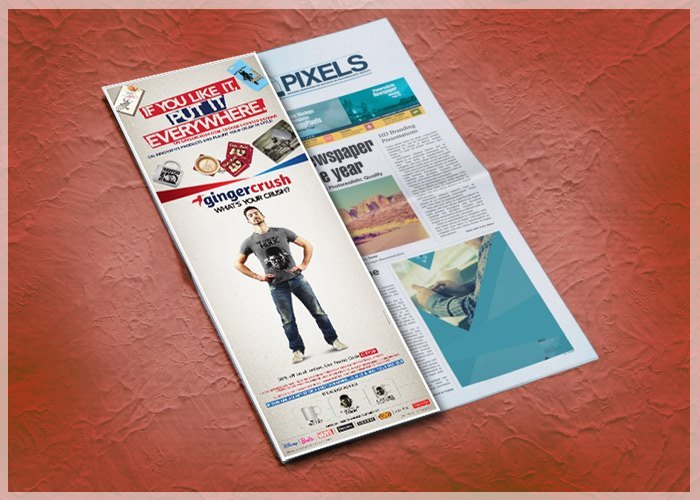
Knowing the various sizes of newspaper display adverts will be crucial for a successful advertisement campaign. Beginning from classifieds to full-page displays, advertisers are optioned to opt for the best size that can effectively contain their content.
Problem with Sizing That Should Be Considered:
- Standardization: Newspaper adverts are standardized to make easy selection of what amount of space would fit their content. Some of the sizes are full-page size, half-page size, quarter-page size, and the small spots.
- Visual Impact: The more visible ads are, the more attractive they look and grab attention; thus, they can suit eye-catching promotions.
- Cost Implications: Pricing structures usually depend on size, and larger ads typically attract more cost; knowing this helps firms budget appropriately.
- Reach of the Message: Full-page ads in major sections are very likely to be read, while smaller ads would suit niche markets.
- Creative Latitude: A full-page or larger size of an ad would allow the market to absorb the richness of creativity and details more than using a smaller ad, which suits only short messages that can result in impact.
A business can get the right dimensions for display ad size so that the advertisement in a newspaper can be matched with its budget, target audience, and campaign goals.
Maximizing Exposure and Interaction
The most important reason for choosing newspaper advertisements is creating exposure among the masses. Bigger ad size usually has more eye-grabbing effect for campaigns focused on brand awareness or higher promotional impact.
Why Visibility and Engagement Matter:
- Larger Ad Sizes: Full-page ads hold the most visual real estate and can be used for launching new products, promoting events, or delivering brand messaging which must stand out.
- Headline Placement: Ads in high-traffic sections, such as the front page, will attract more eyeballs and can significantly inflate engagement rates.
- Visually Appealing Graphics: Innovative and aesthetic ads are likely to be remembered by readers highly, the more so when published in big formats.
- Repetition and Frequency: Repetition of the same large-format ad in the same newspaper enhances the opportunity for your message to be witnessed through your media several times by your audience.
- Niche Targeting: Ads of smaller sizes may also prove helpful if utilized in relevant areas (classifieds or industry-specific supplements) so that the readers can be targeted in a more specific manner.
From this perspective, advertisers can know the size of the ad better influence the readers to take action and improve their work to create a desirable newspaper advertising campaign.
Working Examples of Successful Newspaper Ad Campaigns

Many companies have used newspaper display ads in very successful advertising campaigns, but many used different sizes and placements to maximise their return on investment. Below are a few examples that demonstrate why the right size for your newspaper display ad is so important.
Ad Successful Campaigns:
- Regional Pizza Chain: A regional pizza chain ran a full page of copy to advertise a game-day special in the Super Bowl season. It increased sales by 25%. In that month, the extra-large ad caught the eye of football enthusiasts.
- Auto Dealership: For a year-end clearance sale, an automobile dealer ran half pages and boosted foot traffic by 30% and test drives.
- Fitness Studio: A fitness studio that recently inaugurated printed quarter-page ads inviting people for a free trial and attracted 40% of the people visiting the store for a free trial as paying members.
- Home Improvement Store: A season-specific campaign done by the home improvement store to promote deals on springs through large, colourful advertisements attracted 50% more foot traffic in the store.
- Charity Fundraiser: A local charity ran a full page for their annual charity gala, and donations to as well as attendance at this event increased by 35%.
Examples such as these reveal the versatility that newspaper ad sizes offer and how businesses can apply this advertising medium in different ways to achieve the desired marketing results.
Cost-Effectiveness, Audience Focus
Choosing the right size for your display ad will not only impact how visible your ad will be, but it will also play a major role in efficiency for your budget. Larger ads, although costlier, are likely to return an investment if placed and targeted correctly.
Advantages of Budget Efficiency and Targeting:
- Cost per Impressions: Larger ads cost more, but they tend to produce the most impressions as well, so it can be a good investment for reaching lots of people.
- Niche Market Targeting: Medium and smaller ads placed in targeted sections or supplements (such as sports, business, or real estate) can be very effective in reaching specific audiences at a much lower cost.
- Frequency Over Size: Sometimes, running smaller ads more frequently will outperform one large ad due to the continued exposure of your target audience.
- Seasonal Discount: Some newspapers usually have seasonal special deals on the ad sizes during certain times of the year and combine with their digital advertising options to stretch marketing dollars.
- Geo-Targeting: Regional editions of newspapers help businesses geographically target their placements for maximum reach and to ensure their advertisements appear in front of the right local audience.
By targeting the right mix of budget efficiency and targeted advertising, businesses can get the most out of their newspaper advertising dollars while keeping costs as low as possible.
Executing Newspaper Ads as a Part of an Overarching Marketing Plan

Although newspaper ads are still a very effective tool for bringing in customers, it is true that it is always essential to run them as part of a holistic marketing campaign, which also encompasses digital and offline channels. This harmonizes the message to the entire brand, thus allowing you to maximize the effectiveness of your marketing efforts.
How to Streamline Newspaper Ads:
- Align Digital Advertising: Print ads could work as a direct traffic builder to a website, social media site, or online offer. Adding QR codes or short URLs in ads in the newspaper will help find a bridge between print and digital.
- Brand Consistency: The design, language, and message of the newspaper ad should be similar to your digital ads, social media, and other marketing materials. Maintaining the branding message consistent across the channels helps build brand recognition.
- Measurable Results: A new promo code or a free-number can be added in the printed newspaper ad for evaluating return-on-investment in newspaper advertising.
- Cross-Promotions: Conduct events or sales promotions using both print and online/on-store-site. The greater touch this campaign will provide to the target audience, the higher will be the engagement of that target audience.
- Targeting Off-Line Audiences: If you’re trying to reach more senior populations or focused geographic areas, newspaper advertising works well for audiences that aren’t necessarily carrying cell phones around.
By just ensuring that your newspaper advertising is consistent with your overall campaign, businesses can have a balanced approach to making sure one channel’s opportunity for reach and engagement is not missed with another channel.
Final Thoughts
Newspaper advertising remains an integral part of the modern marketing mix today; it indeed provides a unique platform to reach the desired audiences and generate engagement. Here’s how understanding the various sizes of the display ads and their use can actually maximize advertising efforts while maintaining cost efficiency and effectiveness.
Takeaways:
- Know Your Ad Sizes: Whole-page spreads and small classified ads all fall on the board of ad sizes. It’s impressive how much knowledge will be required about every one of these types and their functions and costs to run an effective campaign.
- Maximise Visibility: Although bigger ads tend to draw more attention, smaller ads can be incredibly effective when placed in the right locations.
- Optimize Your Budget: Aligned to the campaign goals and budget, businesses will achieve the best results without overshooting the marks.
- Integrate with Digital: Your newspaper ad should then work by supporting and complementing other forms of digital strategies you’re utilising.
- Track the Outcome: The use of promo codes, QR codes, and dedicated contact points will help measure the return on investment for your newspaper ads.
These are some strategies that will support your campaign further in newspaper advertising, promising to make impactful strides with the audience and generate leads that are expected to convert businesses.
]]>What is Classified Advertising?
Classified advertising is a form of ad advertising in which advertisers buy space in a known section of a paper, newspaper, or online source, which will be used to sell the specified product/service (service sales, job notices, etc.). These are usually short and laconic texts that present various products, services, sales, or job opportunities to the public. The main function of classified advertising is to facilitate a transaction between the buyer and the seller in the simplest way possible. They are, therefore, typically categorized as reviewing jobs, real estate, services, and goods for sale.
Types of Classified Advertising
- Recruitment Ads
- Companies go for the recruitment classified ads to get the right employees they are looking for. Such ads usually contain a job title, a brief description of the company’s roles, requirements, and contact details.
- For example, a local business can post an ad in a newspaper’s “Jobs” section with the following content: “We need a part-time barista. Please apply by sending your qualifications and experience to this email,” along with the qualifications.
- According to a common survey of the main portion of employers, 54% still argue that traditional print ads are the most convenient tool for recruiting, especially for local jobs. Experience is still at the top of the demand list.
- Real Estate Listings
- Real estate ads are designed to inform readers about properties for sale and mainly deal with renting properties. They often include the property’s price, location, features, and photos.
- For example, a real estate classified ad in a newspaper might say that there is a two-bedroom apartment for rent in a good community that has nice features like a big garage and a short distance to schools where the students can go.
- According to the National Association of Realtors, 67% of home buyers search for their homes online, implying g that the digitally classified market is an important part of real estate marketing.
- Services Offered
- Classified ads can also display various services, from plumbing to tutoring. Ads related to services outline the offerings, the prices, and how to contact the provider.
- A local plumbing service that is local could advertise its discount for the funding for a new system such as geothermal cooling or heating.
- Among other types, this kind of marketing often faces the obstacles of tight competition and the requirement that companies be present both in print and online formats, thus causing the companies to resort to adopting digital marketing strategies.
Benefits of Classified Advertising
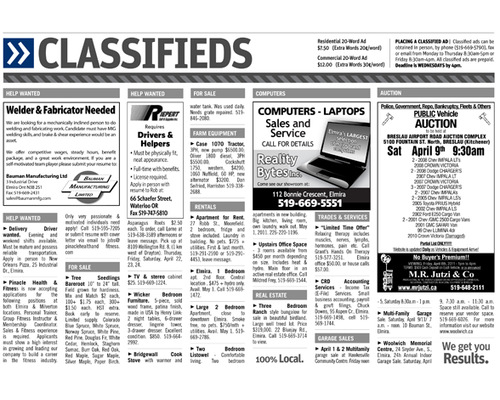
Classified ads can provide advantages not only for businesses but also for individual advertisers.
- Cost-Effectiveness: Compared to other methods like billboards and television commercials, classified ads are typically cheaper. This is particularly essential for small businesses or individuals who want to reach a local audience without spending much money.
- Targeted Audience: Classified ads are often divided into categories, making it possible for advertisers to reach the exact audience they are targeting. A strategically placed advertisement in the community section of a local paper will attract customers who are likely to be just searching for the product that is on offer.
- Convenience and Accessibility: Online technology has simplified the advertising process for promoters. They can post classifieds and update or modify them in real-time. This incredible feature assists businesses in keeping their information timely, like prices for products or service availability.
Emerging Trends in Classified Advertising
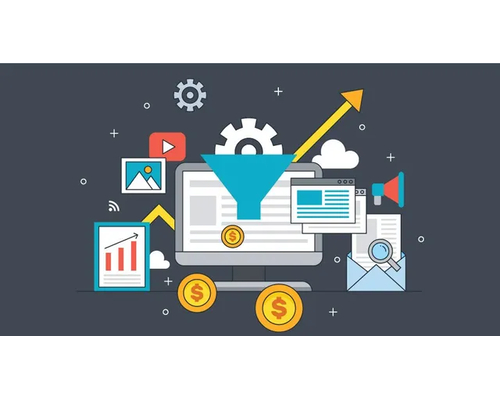
As the technological era flourishes, the classified advertising space also advances, giving rise to many upcoming trends like digitalization. Following are some of the upcoming trends:
- Digital Platforms: Digital markets, such as Craigslist, Facebook Marketplace, and specific job boards, are now the dominant form of classified advertising. Online advertisements are more effective and involve more people than traditional print ads.
- Multimedia Content: Advertisers can now take advantage of multimedia materials such as videos and images, which makes classified ads more engaging. Lloyd (2018) reports that such user-generated material with rich photos and graphics facilitates higher engagement rates, mostly because visual communication is perceived as more effective in conveying messages. There is a direct need to understand this and work on creating rich media from within the local environment.
- Mobile Optimization: Apart from but not including mobile screen ad consumption, marketers need to respond to the rising number of users. Mobile devices have taken a significant share in people’s viewing, making it essential to have mobile-friendly ads. The conventionally accepted trends for successful classified advertising now include a responsive design and a mobile application integration.
Conclusion
Classified advertising is an indispensable tool for businesses and individuals to approach their target audiences. Only through traditional print materials or advanced digital platforms can the types, benefits, and market trends of classified advertising use be understood, along with creating advertising campaigns that would take advantage of the medium. By identifying and adopting the current trends, you will be able to use new technologies to minimize the impact of the threats and, at the same time, to improve the strength of the advertising sector in a dynamic environment. It goes on to say that classified advertising continues to occupy a place of particular importance within the marketing and communications landscape. For example, in the classical Juarez model, you can be a small business owner who wants to sell your regular item. This individual wishes to dispose of a personal item, or a professional wants to build contacts to increase your job prospects. Classified ads areient and incredibly effective since they can reach people based on their demographics. Using different kinds of classified ads and their applications will guide you in accomplishing your advertisement and conferring your triumph.
Key Points:
- Definition and Purpose: Classified advertising uses different promotional mediums to convey information about products or services by an individual or an entire company in a particular category. It gives you a precise, specific audience, and you can focus on that audience effectively. The ad managers can achieve this by providing potential clients with full contact information, including that they are selling real estate; they can also create marketing flyers.
- Types of Classified Ads: They could be jobs, real estate, services, for sale, and personal ads, all of which are meant for different purposes or to satisfy the needs of various audiences. The news of having a good job is an attractive offer since it is intended for all people from different professions. These ads are used for entertainment, selling products, getting to know social issues, finding partners, etc.
- Accessibility: Classified newspaper advertising cannot be ignored when discussing popular local newspapers with consumers, businesses, classified advertisers, and advertising agencies. Being a small-scale establishment or an individual with a somewhat tight marketing budget, you can rest assured that minimal cash will be paid to access this advertisement.
- Targeted Reach: These ads are fashionable to be local; hence, you will only reach local customers or those interested in specific services that are nearby.
- Examples in Action: By defining online platforms like Craigslist or Facebook Marketplace and print media, the examples should be provided so that the advertisement can be displayed in various other formats to allow you to advertise as you wish. In general, fully understanding the details of classified advertising and utilizing its parts can increase awareness, increase sales opportunities, and build a stronger bond with your targeted audience. Take advantage of the opportunities that classified advertisements bring; use them to strengthen your marketing strategy!
It’s easier to imagine success by identifying all the types of advertising media in this fast-paced marketing world. All the advertising campaigns aim to speak to the target audiences to whom it is addressed and then achieve the results; they choose appropriate combinations of the most suitable media channels to:
- Heighten visibility
- Boost engagement
- Kick the product conversions into high gear
While the dominance of digital media is undeniable, traditional and offline advertising channels such as:
- Outdoor advertising (e.g., billboards, transit ads)
- Print media (e.g., newspapers, magazines)
- Other offline methods (e.g., flyers, direct mail)
These methods remain highly effective, especially for local markets and specific audience segments. Balancing conventional means with digital media for effective reach is crucial and may be the most critical factor in:
- Impacting audiences in the most receptive manner
- Ensuring a holistic advertising approach
Why You Need to Understand Advertising Media Types
Understanding the different types of advertising media is not simply a matter of media placement, but rather understanding strengths and weaknesses, against which are aligned business goals, and then choosing those that best fit the message for the brand and target audience.
- Targeted Reach: Different media types help in reaching specific audience demographics. For instance, traditional media like television may have a broad reach, outdoor advertising targets audiences in particular locations, and social media offers tailored engagement options for niche audiences.
- Cost Management: Awareness of media costs allows businesses to allocate budgets wisely, focusing on channels that offer the best ROI. For example, while digital ads can be cost-effective for startups, large billboards might be more beneficial for local businesses.
- Message Customization: Understanding each media type enables marketers to adapt their message style—short and catchy for billboards, detailed and informative for blogs, or visual and engaging for social media.
- Campaign Measurement: Each medium provides unique metrics, making measuring performance and refining strategies based on real-time data easier. For example, while digital channels offer detailed analytics, outdoor campaigns can be tracked through foot traffic or coupon redemptions.
Traditional Advertising Media
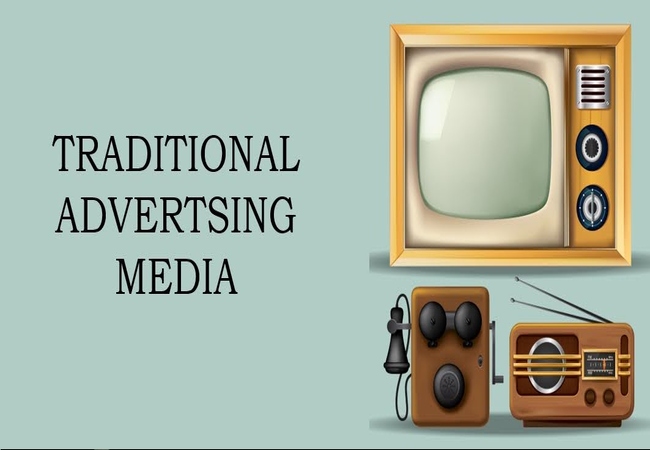
Traditional media include print, broadcasting, and out-of-home media. Even though digital channels are mushrooming around the corner, traditional media still contributes significantly to market reach, especially for newly established brands and local markets.
- Print Advertising includes newspapers, magazines, brochures, and flyers. It effectively targets specific age groups, such as older audiences who still prefer reading newspapers. It is helpful for industries where detailed information is crucial, such as real estate or automotive. It is best for building credibility and reinforcing brand image through high-quality visuals and long-form content.
- Broadcast Advertising encompasses television and radio ads. Television ads are ideal for reaching a mass audience quickly and are often used for product launches or branding campaigns. Radio ads are more localized and effective for small businesses targeting local audiences. They are ideal for creating memorable visual or auditory experiences that leave a lasting impact.
- Out-of-home advertising (OOH) includes billboards, transit ads, and posters. It captures attention in high-traffic areas like highways, city centers, and public transportation. Effective for brand awareness and reinforcing campaign messages through repeated exposure, OOH works well for promoting local businesses or time-sensitive offers.
Outdoor Advertising: Offline Visibility Creates Noise
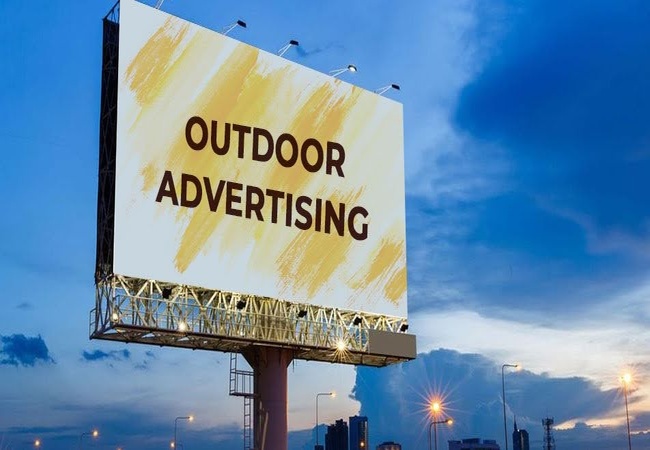
Outdoor marketing grabs people’s attention by placing them in areas where they can be seen in public. It is excellent for building brand awareness, event promotion, and driving foot traffic into individual businesses. There are several different types of outdoor advertisements, each with strengths that make a particular campaign stand out.
- Billboards: One of the most recognizable forms of outdoor advertising.
- Best suited for high-impact visual messages, ideal for brand recognition.
- Works well for both national brands and local businesses due to its high visibility.
- Effective when placed in high-traffic areas, such as highways or busy city intersections.
- Transit Advertising: Found on buses, trains, taxis, and subways.
- It is ideal for reaching commuters and urban audiences who spend significant time in transit.
- Offers a mobile way of reaching audiences, ensuring the message is seen in multiple locations.
- Effective for time-bound campaigns, such as sales promotions or event announcements.
- Street Furniture: Includes bus shelters, kiosks, benches, and telephone booths.
- Allows advertisers to engage with pedestrians and vehicular traffic in urban environments.
- Useful for hyper-local targeting and reinforcing brand messages in specific neighborhoods.
- Ideal for interactive ads, such as digital screens or QR codes, that encourage user engagement.
- Event and Venue Advertising: Includes signage at sports stadiums, concert halls, and conventions.
- It best captures audiences’ attention in a more relaxed and receptive environment.
- It is ideal for highly engagingly targeting niche markets, such as sports enthusiasts or music lovers.
- Works well for building a brand association with popular events or cultural gatherings.
Other Offline Methods of Advertising: As a means aside from Traditional and Digital

While broadcast forms such as print and outdoor advertising billboards are well-known, many other offline advertising media are lesser known and offer entirely different ways of reaching audiences. Strategic use of these can complement more extensive campaigns and leave a memorable brand experience.
- Direct Mail Advertising: This involves sending promotional materials such as brochures, catalogs, postcards, or letters to the target audience.
- Highly personalized and effective for targeting specific geographic or demographic groups.
- Works well for detailed product information, seasonal promotions, and exclusive discounts.
- Best for nurturing customer relationships and generating leads in a tangible format.
- Experiential Marketing: Involves creating immersive brand experiences that engage consumers directly.
- It is ideal for launching new products, building brand loyalty, and generating social media buzz.
- Effective for creating emotional connections with the audience through live events, pop-up stores, or interactive installations.
- Best for encouraging word-of-mouth marketing and enhancing brand recall.
- Point-of-sale (POS) and In-Store Advertising include promotional displays, banners, and digital screens in retail environments.
- Effective for influencing purchase decisions at the point of sale.
- Best for highlighting new arrivals, special offers, or product demonstrations.
- Works well for encouraging impulse buys and reinforcing brand messages in-store.
Digital Advertising Media Types
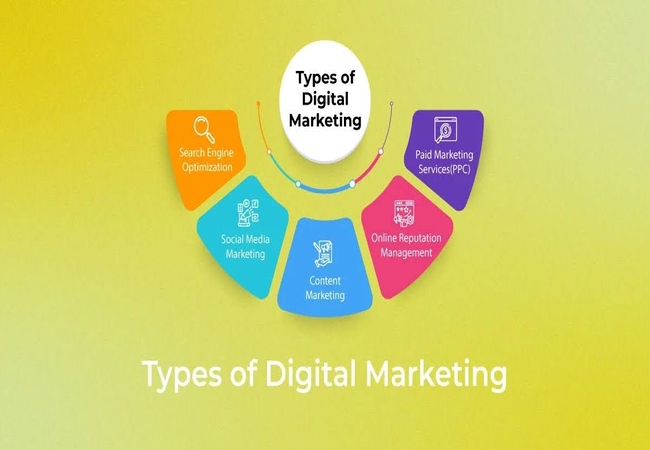
Digital advertising media have become essential marketing tools due to the internet and technology. Interactive and highly targeted avenues of engagement with audiences can ensure easier tracking and measurement of campaign success.
- Social Media Advertising: Platforms include Facebook, Instagram, LinkedIn, Twitter, and TikTok.
- Highly targeted, allowing businesses to reach specific demographics based on location, interests, and behavior.
- It is ideal for building communities, engaging in two-way communication, and promoting user-generated content.
- Best for running both organic and paid campaigns that can go viral and reach millions.
- Search Engine Marketing (SEM): Includes Google Ads, Bing Ads, and other PPC campaigns.
- Target users search for related products or services, making it highly conversion-focused.
- It allows for precise budget control, as advertisers only pay when users click their ads.
- Best for driving website traffic, generating leads, and increasing sales.
Final Thoughts
To create impactful and memorable campaigns, it’s essential to understand and strategically combine various advertising media types. Each type—whether traditional, digital, outdoor, or other offline channels—brings unique advantages that can help brands achieve diverse marketing objectives. By carefully analyzing the strengths of each medium, marketers can craft campaigns that resonate deeply with their target audiences, ensuring high engagement and optimal results.
- Utilize a Balanced Approach:
- Combine traditional and digital media to maximize reach and engagement.
- Use outdoor and offline ads to boost local visibility and brand recognition.
- Leverage experiential marketing for memorable brand interactions and in-store displays to influence purchasing decisions.
- Understand the Strengths of Each Media Type:
- Traditional Media: Best for building credibility and reaching broader audiences.
- Digital Media: Ideal for precise targeting, real-time engagement, and performance tracking.
- Outdoor Advertising: Perfect for high-impact visuals and reinforcing brand messages in strategic locations.
- Other Offline Methods: Excellent for personalization and creating immersive brand experiences.
- Create a Cohesive Multi-Channel Strategy:
- Develop unified messages that can be adapted for different media.
- Use cross-promotional strategies, such as integrating social media with experiential marketing events.
- Monitor performance across all media channels to refine and optimize campaigns based on data insights.
Frequently Asked Questions About Media Advertising
How do you select advertising media?
Selecting advertising media involves determining the target audience’s preferences and, depending on the campaign’s overall objectives, the channels to use. Other factors considered when making choices are reach, engagement potential, and budget.
What are forms of advertising media?
Advertising media refers to different forms, such as television, radio, print (newspapers and magazines), outdoor (billboards), and digital platforms like social media, websites, and email marketing. Each one has its strengths and is recommended to be used toward specific types of marketing objectives.
Why is advertising media important?
Advertising media is essential to a business because it will enable them to reach their audiences, increase the brand’s presence, and encourage and effectively drive sales. An effective advertising media strategy will undoubtedly support a brand’s growth and success more profoundly in markets.
Ad media tracks its ads’ effectiveness through key performance indicators, including reach, engagement, conversion rates, and return on investment. The businesses can then monitor their advertising activities through analytics tools and metrics.
What are some of the current advertising media trends?
Other contemporary trends involving advertising media include influencer marketing, personalization of content, using artificial intelligence in targeting, and social media becoming an increasingly critical platform. Therefore, keeping abreast of these trends would help a business understand which content to personalize, use its targeting facilities, and change market strategies to achieve better performance.
]]>- Offline marketing is a need for online visibility.
- It reaches out to possible customers that are not yet connected to the internet.
- A blend of ancient techniques and modern strategy.
- Local participation is possible.
- Different approaches enhance the efficiency of marketing.
If you are looking for how to make your web brand or store visible, in this article, we will look at the 8 top offline marketing ideas that you can use to help make your brand more visible and successful.
What Do You Mean by Offline Marketing?

Offline marketing corresponds to old-fashioned, non-digital ads. A few examples include direct mail, television or radio ads, print ads, trade shows, and billboards, among others. Offline branding benefits firms that would like to target products for customers in a particular local area and for firms that have a specific targeted audience.
Offline marketing for an online store is viral and generates brand awareness, increases sales, and catches leads. Before going offline marketing, one needs to first know the necessity and the target audience for it. Also, the kind of channel through which to reach the target and measure the return on the campaign can prove to be crucial in undertaking more effective campaigning.
- The older methods of advertising still have value.
- Increases brand awareness among local markets.
- It helps to target specific audiences in an effective manner.
- It supports lead generation, and sales continue to increase.
- It requires understanding audience needs and channels.
Why Online Brands Choose Offline Marketing?

Now that we know what offline marketing is, let us see why online brands should choose offline marketing ideas. Brands online should choose offline marketing ideas so that they can reach the audience more and promote their products. Offline marketing activities offered to an online store include print advertisements, television commercials, radio spots, billboards, and direct mail campaigns, which are some of the most effective tools for reaching customers.
For instance, offline marketing activities can create recognition, credibility, and even trust regarding a brand. Moreover, these activities attract more traffic to an online store and generate more sales. A brand can really make a very robust and well-integrated marketing strategy by integrating old-school offline marketing activities with an online presence.
- It combines online and offline strategies to target a bigger population.
- It increases the number of people who recognize and know about a brand.
- More traffic to online stores.
- Helps to establish customer confidence and loyalty.
- Various media for audience engagements.
Top 6 Offline Marketing Ideas for Online Brands
Online stores are very popular among brands to get their customers to connect with them easily. For offline marketing, however, there is more than one way to do it, just like other businesses. Here are the top 6 offline advertisement ideas for an online store you might want to try:
1. Offline Marketing Event

Hosting a promotional event to promote your e-store is, without a doubt, the best way to make potential customers know more about your e-store. It can be a product launch, a demonstration of products, or even a seminar related to your industry. An event helps build relationships with the customer and provides an opportunity for people to discuss your store.
Plan and prepare a marketing strategy to maximize your event. Find the venue, target audience, type of events, and promotional activities needed.
- Create interesting events to attract potential customers.
- Focus on product demonstrations and seminars.
- Build relationships through personal contacts.
- Formulate an all-inclusive marketing plan.
- Make use of feedback from the attendees for future improvements.
2. Sponsor Local Events and Charities
Sponsor local events and charities to create exposure for your online store, like sponsoring sports tournaments, concerts, festivals, and many more. In doing so, you can further use this platform to strengthen your relations with other businesses and create a better impression of your online store in the world.
You can sponsor charities and give back to the community through good imagery for your store. This may finally be an effective way of showing your customers that you care about the community and want to work to make it a better place.
- Increase local sponsorship brand visibility.
- Develop relationships with community organizations.
- Charity associations promote your brand positively.
- Meaningfully interact with your target market.
- Donate to establish goodwill and loyalty within the community.
3. Flyers, Posters, and Brochures
You can promote your online store in the local environment with the help of flyers, posters, and brochures. This will let people know about your store, and subsequently, visitors may come to your site. Your advertisement should focus on what you have to offer—your goods, services, or promotions.
In the flyers, posters, and brochures, come up with catchy and informative messages. You should add a call to action as well as a link to your website for easy access by people to get more information regarding the store. The materials can also be used in promotional activities, giveaways, or contests.
- Create eye-catching and informative promotional materials.
- You should use direct mail effectively to reach local customers.
- Make it easy to visit websites through calls for action.
- Include designs that will make it quite attention-grabbing.
- Create interest using giveaways or contests.
4. Giveaways and Contests
One of the many ways you can use free products or services to drive in more people into your online store is by giving out free things. It could attract a new customer and be an appreciation tool for those already making purchases. This has always been a sure way of establishing customer relations and inviting them back into your store.
Plan a marketing strategy on how you are going to execute giveaways and contests in an efficient manner. Decide on which giveaway or contest you will use, the customer to target, and what will encourage people to participate. Use social media to improve word-of-mouth for your giveaway or contest and increase interest further.
- Attract customers with innovative giveaways and contests.
- Show gratitude and appreciation to your existing customers.
- Social media for more engagement and visibility.
- Set the rules and regulations for participating in it.
- Analytics should be calculated to determine how well a promotion is performing.
5. Print Advertising
Print advertising of an online business still goes a long way in promoting your brand. Take print ads in newspapers, magazines, or any other form of publication for greater exposure to your brand. This will be a sure-shot way of getting larger audiences and bringing leads into the result.
Print Ads: Make them small and concise. Limit the message to a single headline, then make it obvious. Photographs can capture peoples’ imagination. And don’t forget the website address in the ad, either.
- Print ads are visible and straightforward in statements.
- Use a one-point message that says something.
- Use multiple publications to reach your prime target.
- Capture attention with relevant photographs.
- Always include contact information and website links.
6. Advertising on Television and Radio
Advertising your online store on television and radio is another way you can make your shop very visible. This strategy can reach the largest population and advertise your brand. As you are writing compositions for these media, aim at a slogan and the use of attractive photographs that will draw the attention of the viewer.
Advertising on television and radio is very costly. Hence, you need to have a plan for your campaign within a specific budget. Consider the target people, type of advertisement, and locations you will run your advertisements. You can use analytics and other metrics to track campaign performance and determine the effectiveness of your campaign.
- Advertise on television and the radio to reach a higher number of audiences.
- Develop catchy slogans and visual content so viewers will have the tendency to remember it.
- Make a budget to contain the many costs associated with an advertisement.
- Campaign analysis for improvement.
- Maximization of audience targeting to enhance engagement.
Final Thoughts
You can perfectly get offline marketing to provide you with the benefits that it offers if it is done correctly. Because when you get attention through offline ideas in advertising for your internet business, those near customers and subjects of market research get closer to you, and people increasingly become aware of your business.
Key Points:
- Offline marketing helps consumers develop a strong affinity with each other.
- On the contrary side, it raises the bar of brand awareness among the local citizens.
- It will eventually bring in more sales for a product after effective promotion.
- Combine offline strategies with an online presence to really maximize the opportunity.
- Success is growing simply due to continuous assessment and adaptation.
Offline marketing strategies can easily be drawn upon by online brands to really tap into what might be known as the competitive opportunity to increase visibility, trust, and connections in a target audience.
]]>Offline advertising can take many forms, from traditional advertising in print or TV to guerrilla campaigns and experiential marketing. It allows startups to build relationships with their customers more personally and can effectively differentiate themselves from the competition.
What is offline marketing?

Conventional advertising methods, such as offline marketing, predate the widespread use of computers and other digital media for promotional purposes. Media such as newspapers, magazines, radio, television, billboards, and other forms of outdoor advertising are all part of this broader category.
Many organizations still rely on offline marketing ideas since they can reach a larger demographic this way. TV and radio, for instance, provide a fast and easy way for businesses to communicate with wide audiences. In the same way, print ads can be tailored to a specific age range or geographic region. Companies can monitor the efficacy of their offline marketing activities by keeping tabs on client feedback and responses.
Why are offline marketing ideas important for startups?

Now you know what offline modes are of marketing, let us discuss why offline marketing is important for startups. The success of a new business relies heavily on offline advertising. Startups may reach more people and establish themselves in the community with the help of offline marketing. The offline marketing of a startup can reach a broader and more varied audience than the online marketing of the same startup. People who are not as tech-savvy or who do not have access to digital media may be reached through offline marketing.
That means new businesses have a better chance of connecting with like-minded individuals and spreading the word about what they’re doing. Startups may improve their visibility in the community, attract new consumers, and solidify existing connections with the appropriate marketing approach.
Top 8 offline marketing ideas for startups in 2023
If you’re a startup in 2023, you’re likely looking for ways to get your business off the ground and make a profit. While online marketing tactics are important for any business, offline branding strategies are still essential for success in 2023. Here are the top 8 offline marketing ideas for startups in 2023:
1. Develop a strong brand identity

Establishing a unique brand identity is crucial for any startup in 2023, as it will be the basis for all future advertising campaigns. Start by creating a logo and slogan summarizing your organization’s ethos and goals.
You may then use those elements to develop a consistent brand voice and visual identity throughout your traditional marketing collateral, including business cards, brochures, posters, and more. In addition, you should develop a brand style guide that details the visual components of your brand, such as the colors, typefaces, and other graphic components.
2. Utilize print advertising for offline marketing

As a more cost-effective alternative to other types of marketing communication, print ads can effectively reach a large audience. You can reach your ideal clientele by placing ads in periodicals read by that audience. Another option is to produce flyers and posters to place around town and hand out at events.

So that consumers can quickly recognize your company, it is important to incorporate your logo and other identifying features in all printed advertisements. One last piece of advice is to monitor your ads’ success rates to determine which ones are worth continuing and which ones aren’t. Using this information, you may better plan your future actions.
3. Focus on word-of-mouth marketing

Word-of-mouth marketing encourages existing customers to share their positive experiences with your business with friends and family. This can be done through existing customers sending referrals to your business or through a referral program. You can also encourage word-of-mouth marketing by creating content encouraging customers to share it.

For example, you can create a blog post or video that shares a customer’s experience with your product or service. Or, you can create a case study that highlights the success of one of your clients. This content can be shared on social media or emailed to existing customers.
4. Participate in events

Inviting potential clients to an event is a wonderful way to network and establish rapport with them. Conventions, festivals, and trade exhibits are all examples of possible events. Events allow you to meet potential clients face-to-face and exhibit your goods and services.

One more way to raise your company’s profile and get the word out is to be a sponsor at community events. You can use these occasions to hold promotional activities, like giveaways and contests, and to advertise sales and other specials. Local event sponsorship can help you connect with the community and gain credibility in the eyes of potential clients.
5. Leverage direct mail

Marketing with direct mail is mailing real mailers or postcards to prospective buyers in the immediate area. You can advertise your company’s services, prices, and discounts by sending mailers. You may further inspire them to act by offering special offers and vouchers.
Additionally, include a call-to-action that encourages visitors to take the next step, such as visiting your website or calling for additional information. Last but not least, remember to keep tabs on the responses to your direct mailers to determine which ones were successful and which were not.
6. Brand Ambassadors

Startups can benefit from brand ambassadors since they increase awareness of the company and its offerings. Influencers or well-known public figures can serve as brand ambassadors to help get the word out about a product or service.
Hire them to network with possible clients, attend conferences, and produce content. As a result, new businesses can connect with more people. Relationship building with customers is crucial for the success of any new business, and brand ambassadors can help.
7. Networking

Networking is a fantastic strategy for new businesses to spread their brand and get new clients. Meeting potential clients and business associates at networking events is invaluable for young companies. Startups can learn by networking with established businesses and perspectives on improving their operations.
A startup must be present at industry events and conferences if it wants to connect with other businesses and get its name out there. In addition, firms can find new clients and business associates through online networking sites like LinkedIn.
8. Street teams

In 2023, startup companies can benefit greatly from street teams as an offline branding technique. The strategy entails employing a group of people to promote your goods and services interestingly. Teams working the streets can engage potential customers in conversation while distributing promotional items such as fliers, product samples, coupons, etc.
They can also organize events that generate interest in your business and spread positive word of mouth about your brand. Having a team of community members talking positively about your product or service can do wonders for your brand’s visibility and popularity.
Conclusion
Offline marketing is essential to any startup’s marketing strategy in 2023. It is a cost-effective way to create a presence in the local area, increase brand awareness, build relationships with potential customers, and generate sales.
By creating a comprehensive offline branding strategy, startups can ensure they reach their target audience and increase their profits.
]]>When you think of print marketing, one of the questions you may get is, does print advertising still work?
With digital marketing and technological advancements, traditional marketing like print may appear ineffective.
However, is it so?
As indicated by research by All business, 56% of buyers believe that print advertising is more reliable than some other sort of marketing. Nearly 65% of B2B and B2C organizations and brands actually use print advertising as their essential marketing channel.
Print marketing can be an effective way to drive more sales. Here are some steps to take when you decide to go ahead with print marketing.
1. Study your audience to craft effective print ads
The common slip-up of any print advertising effort is the absence of understanding of the audience. Prior to executing your campaign, it is fundamental to analyze your target audience’s needs, desires, pain points and demographics.
Questions you should have the answer to:
- Who is buying from my company? Age, language, city, social status & other demographics
- What do they want to see?
- Do I want to target a specific group of people?
- What is the problem of my audience that I am solving?
- What are my target market’s pain points?
“Without data, you’re just another person with an opinion” – Edwards Deming
]]>Ready to talk with a marketing expert?

A Pragmatic and innovative way to enthrall your target group is just a click away!
Get in Touch
Rukmini Knowledge Park, Kattigenahalli, SH 104, Srinivasa Nagar, Bengaluru, Karnataka 560064
+91-990 247 8800
contact@gingermediagroup.com
Popular in Television Advertising
Udaya TV AdvertisingSun TV AdvertisingStar Plus AdvertisingTV 9 AdvertisingZee TV AdvertisingNDTV India AdvertisingColors TV AdvertisingPopular in Airport Advertising
Spice Jet AdvertisingMumbai Airport AdvertisingDelhi Airport AdvertisingEmirites AdvertisingIndiGo Airlines Domestic India AdvertisingPopular in Newspaper Advertising
Deccan Herald AdvertisingPrajavani AdvertisingThe Hindu AdvertisingEconomic Times AdvertisingDainik Jagran AdvertisingHindustan Times AdvertisingPopular in Magazine Advertising
Forbes AdvertisingCosmopolitan AdvertisingBusiness World AdvertisingVogue Magazine AdvertisingPopular in Sports Advertising
IPL AdvertisingPopular in Outdoor Advertising
Billboard AdvertisingBus Shelter AdvertisingMetro Pillar AdvertisingUnipole Advertising© Ginger Media Group 2025. All Rights Reserved.