The post Covert Advertising: Strategies, Implications, and Examples first appeared on Ginger Media Group.
]]>What is Covert Advertising?

Covert advertising, sometimes known as stealth marketing, is a method by which businesses communicate their offerings without distracting or interrupting the addressee. In Full contrast to standard marketing, which dispatches direct and thereby aggressive messages, stealth advertising is embedded into the content without causing it to stand out or seem bothersome to consumers.
Importance of Covert Advertising
Covert advertising is a way of advertising that can effectively replace “desensitized” traditional marketing tactics. Research by Nielsen discovered that 84 percent of people around the world think that online ads are intrusive, while covert advertising, selling things discreetly, socializes and promotes the products subtly through relatable content and, therefore, is the preferred way.
Case Studies and Examples
- Product Placement in Film and TV: Product placement in movies and TV series has been happening since the industry-entertainment business was recognized; for example, the Coke intro in every episode of The Friends Show series subtly spreads brand awareness. Let the audience see and make a decision.
- Influencer Endorsements: Influencers are known to incorporate product mentions into their daily posts and stories without them being the main topic. This is one way for them to engage their followers without implicitly promoting the products. The relatedness and trustworthiness of the influencer’s relationship to the product will make a difference.
Frameworks Guiding Covert Advertising
Your customers hold particular beliefs. Business people may get various psychological ideas understood, such as the Elaboration Likelihood Model (ELM), which tells how to make people agree by either the deep cognitive process or the superficial cues. Stealth advertising focuses mainly on the peripheral route, assuming previous knowledge and emotions precede logic.
Benefits and Challenges of Covert Advertising

Although the accomplishment of covert advertising lies in producing engagement and relatability, the task of being secret while doing this also brings some challenges.
Benefits:
- Enhanced Consumer Trust: Some people can think of it as less of an intrusion and more of a genuine consumer approach. Thus, they will develop stronger bonds with the brands.
- Increased Recall: When a brand is integrated into captivating stories, readers are more likely to remember it.
Examples:
- One of the well-known YouTube channels describing a specific skincare routine mostly incorporates into practice products endorsed by the creator without the hint that it is an advertisement. Such viral videos create sufficient interest and even convert some viewers to buyers.
Challenges:
- Transparency Issues: Transparency issues can occur in cases where truthfulness is not obtained because consumers do not even know what they are consuming.
- Regulatory Scrutiny: Brands that are not transparent about marketing may face public backlash as the public is more likely to act on the word of mouth of their trusted peers or family members who they have a good relationship with or even for what a stranger said who gained their trust -influencers and their followers in particular.
Practical Strategies:
- Balance Authenticity and Disclosure: Companies must carefully distinguish between openness and subtleness; customers must know when a post sponsor is involved.
- Leverage User-Generated Content: Having a loyal fan base to encourage your audience to exchange their stories is the main target of covert advertising while creating a community, yet another way to do this.
Emerging Trends and Implications for Covert Advertising
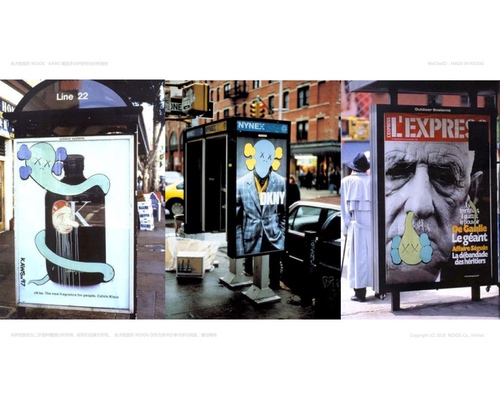
As consumers become smarter, the landscape of covert advertising is changing. For brands, knowledge of the latest is important for adapting their strategies effectively.
Current Trends:
- Social Media Integration: The new trend is that platforms like TikTok are popular with influencers who create exciting content for brands, combining the individual’s creativity with the topic’s virality to get consumer attention.
- Augmented Reality (AR) Experiences: The ongoing development of AR brands is trial and error. Companies are currently trying to develop virtual products that engage and inform their customers rather than just advertise.
Implications for the Industry:
With changes in gadgetry, so is the art of disguise commercials; advertisers must use the credibility of customers responsibly and respect their privacy in the marketing process. Brands that embrace consumer intelligence are bound to form a strong connection and, therefore, have an edge in a market with numerous competitors. To sum up, covert advertising opens up a new space for companies to connect with their customers more deeply. By understanding the strategies, considering the pros and cons, and looking at cutting-edge techniques, firms can make this landscape manageable and maintain a bond with their customers.
Conclusion
Today’s marketplace is driven by companies striving to establish authentic relations with their audiences through knowledge of covert advertising and the skills to modify such strategies if necessary. Covert advertising, which is the non-intrusive integration of promotional content into entertainment or media, is a great way for the brand to be known and involved in communication with consumers. Determine the probable consequences of the ethics and practical considerations of these actions and thus produce the kind of promotion that speaks to the demographic effectively.
Key Takeaways:
- Definition: Covert advertising subtly integrates promotional material into content to make it more agreeable for the consumer and less noticeable than traditional ads.
- Strategies: Successful covert advertising, which includes product placement, influencer partnerships, and narrative-driven advertising that is sales without being obvious to the target of the advertisement, is non-aggressively successful clandestine advertising.
- Implications: The effectiveness of the employed method might provoke ethical debates about transparency and trust in honesty, with the customer making a moral choice between these two.
- Examples: The best campaigns that use undercover marketing are known to be the ones by Coca-Cola in Hollywood, Nike with their endorsements of athletes, and media streaming companies that show brands in the scenes of the series without disturbing the flow of the stories.
The key to covert advertising involves companies that want to continue attracting new customers in a dynamic media ecosystem while building and sustaining healthy relationships with existing customers.
The post Covert Advertising: Strategies, Implications, and Examples first appeared on Ginger Media Group.
]]>The post Cracking the Code of TV Advertising: Unraveling its Business Benefits first appeared on Ginger Media Group.
]]>This article will explore what television advertising is, the several types of television advertisements, and examples of how it has been used significantly in real-life cases. Let’s discuss television advertising examples, advantages, types, and new trends in television advertising.
What is Television Advertising?

Television advertisement, popular as TV advertisement, is one of the most prominent marketing mediums coined to create and broadcast advertisements on television channels for promoting products, services, and brands. It uses the appeal of television images and sounds to communicate emotionally appealing messages to consumers from various segments.
Key elements involved in television advertisement are:
- Pictorial Exposure: Television advertisement uses visual elements to catch the attention of the potential audiences and effectively communicate the brand’s message.
- Audio Support: Short audio effects and pulsating jingles go well with the picture and ensure that the brand stays in one’s mind.
- Narrative Capability: The advertisement can evoke emotions toward the brand; thus, making it more relatable or memorable.
- Mass Market Exposure: Since most people spend nearly four hours on television daily, there is an excellent chance to reach a significant percentage of the masses.
- Call to Action: TV ads have a well-defined call to action that prompts action from the viewers during the ad time.
Television advertisements may be from 15-second short commercials to extended stories requiring more than a minute to be completed. Such diversity enables marketers to produce messages that suit their audience and maximize consumer response.
Benefits of Television Advertising

Television advertising has many positive features that make it so popular for brands. Some of them include:
- Extensive reach and involvement with adverts among the audience: There is no better way to match the audience reach that TV advertisements create in one region than in another. A brand can use the efficacy of TV advertising with age groups, socio-economic backgrounds, and market interests in products and services to reach a broad demographic.
- Emotional Impact: Television commercials can generate emotional involvement through compelling narrations, visuals, and sound. Such emotional involvement makes the consumers remain loyal to such brands.
- Credibility and Trust: When a brand advertises through some well-established television channel, its credibility is enhanced. People tend to perceive such brands as trustworthy due to their association with authoritative media.
- Happening Opportunities for Effective Storytelling: TV adverts encourage storytelling, enabling the subjects in the stories told to be more personal to the audiences’ desires.
- Good Stories by Brands to Which Audiences Can Relate: Stories by brands can assist in creating memorable experiences that linger for a long time.
- Visual Demonstration of Products: Televisions present an opportunity to demonstrate various products and services since they offer a platform where demonstrations of features and benefits can best be made. That appeal makes it easier for the customer to understand the value proposition.
These benefits explain why television advertising is still essential to a holistic marketing approach.
Types of Television Advertising

Television advertising comes in many flavors to match the aims of different marketing campaigns. Here are some common forms of TV advertisement:
- Television Commercials (TVCs): Typical television commercials usually range between 15 and 60 seconds. Such ads usually are aired when a program is on a break; they send out a short but memorable message to the viewers.
- Product Placement: This involves placing products or services in a movie setting or even within a television show such that they market it subtly within the plot. Product placement enhances brand awareness and conveys to a viewer that it is not an advertisement.
- Brand Integration: This is developed from product placement, an aspect that puts the product into the heart of a movie or television show storyline. This boosts interaction between the audience and the brand.
- Infomercials: Extended-length commercials of information about a product or service, in-depth information that would be on the air at odd hours and would allow for full explanations, demonstrations, and calls to action.
- Overlay Ads: These are very short commercials—there’s a ten-second version. They work as small windows that come over the live programming. It’s almost an overlay, and they’re typically used for future events or products without interrupting the viewer’s experience.
All of these different formats of television commercials provide opportunities for brands to focus their strategy toward particular marketing goals while effectively reaching the target audience.
Television Commercial Examples
Effective TV advertisements demonstrate the creativity and the results that different advertising formats can achieve. The following are a few examples that epitomize the impact of TV advertising:
Old Spice: The Man Your Man Could Smell Like
Due to its funny approach, it became more of a classic and also gave an interesting narrative; it had a very charming hero, a brand message well communicated, and the product made to be an emotional product for the audience.
Nike: Just Do It

The “Just Do It” Nike campaign has motivational advertisements that make the cut for viewers. One such memorable advertisement is where an 80-year-old man speaks about his achievements, focusing on the brand’s message, which is about crossing limits and striving to succeed.
McDonald’s: Rick and Morty

The animated television series “Rick and Morty” managed to incorporate product placements for McDonald’s in a creative fashion, resulting in some memorable scenes that brought them to the minds of viewers. This is one example of influence in pop culture as it increases the feeling of connection with mass audiences.
Chevrolet: Transformers

Cars in the movie franchise “Transformers” are featured dominantly by Chevrolet. By making such utility vehicles part of a most action-packed movie plot, the brand furthered its excitement and adventure core.
Apple: Get a Mac
Apple utilized the “Get a Mac” campaign to entertain and portray realistic scenarios that differentiate between Macs and PCs. As engaging as ever, storytelling and lovable characters won over the ground for the Apple brand identity.
These are just a few examples illustrating the varied ways brands utilize television advertisements to converse with their target audience and win over people.
New Trends in Television Advertising

The scientific trends and shifting patterns of viewer behavior continue to evolve the landscape of television advertising. Here are a few emerging trends that will mold the future of TV advertising:
- Mobile and Multiscreen Engagement: 94% of TV viewers use mobile devices during their viewing time, meaning there is an opportunity for marketers to create cross-screen experiences that would amplify the campaigns. This synergy between TV and mobile would enhance audiences’ engagement and personalization.
- Advanced Television on the Rise: Advanced TV, such as OTT and streaming, provides a platform for targeted exposure and interaction. While viewers are increasingly going to these platforms, brands can target specific audience segments with customized messages.
- Programmatic TV Advertising: This uses automation in the ad-buying process to streamline the decision on whether ads should be displayed and when. It is designed to increase the efficiency at which marketers make decisions about campaign choices so marketers can see more real-time data on overall performance improvements.
- Interactive Advertising: Interactive ads allow brands to engage with the target audience actively. The company such as Hulu and Amazon can present a platform allowing the user to select an ad or tap a website which it eventually boosts engagement and traffic.
- Sustainability and Social Responsibility: Brands begin designing sustainability practices while engaging in advertising strategies with increased awareness of social causes. Social responsibility is used as a basis for communication since it appeals to and strengthens loyalty to their brand in audiences.
With the adoption of these trends, brands can re-imagine television advertising strategies to enhance engagement and effectiveness.
Tactics for Powerful Television Advertising

To create powerful television advertising campaigns, the brands need to employ strategic tactics. Here are four effective strategies to maximize effectiveness:
- Set a Clearly Defined Budget: Budgeting is an essential guide in the planning process. Other costs that are relevant include production costs, airtime fees, and other costs from the campaign. A budget builds on how to spend and manage resources effectively.
- Powerful Key Messages: Developing the right message that is inspiring to the target audience is key. The knowledge of demographics and other preferences will assist the advertisers in developing messages that appeal to viewers and result in action.
- Channel and Programming Selection: It is through selecting relevant channels and programming appealing to the viewers’ interests that winning the advertisements can happen. The pattern of viewership can guide a brand as to where it should place its advertisements.
- Emphasis on Emotional Storytelling and Creativity: Engaging stories are what create interest for viewers and bring loyalty among viewers towards the brand. With respect to characters, humor, or inspiring visuals, brands can cut through the clutter and develop an experience, memorable in the minds of consumers.
Final Thoughts
Today, television advertising is still among the most effective and elastic marketing tools in changing times. Hence, by using innovative approaches, different formats, and powerful storytelling, the brand can connect audiences at a deeper level through television.
In short:
- TV advertising continues to evolve according to new technologies as well as viewer preferences.
- Emotional appeal and storytelling potential enhance brand loyalty.
- There are various forms of TV commercials, which allow reaching diverse target audiences.
- Programmatic television and interactive advertising introduce new trends, enabling a completely different approach toward contacting viewers.
- Through strategic planning and creativity, one can come up with strategies for successful advertisement of television.
Applying the new wave of innovation in advertising that television presents provides unique solutions for brands to captivate and retain their consumers.
The post Cracking the Code of TV Advertising: Unraveling its Business Benefits first appeared on Ginger Media Group.
]]>The post Product Placement Marketing Strategy | Paper Cup Branding first appeared on Ginger Media Group.
]]>At some point or the other, everybody would have come across the term ‘product placement’. This term is often used in context with movies and television.
In this modern environment, product placement is quickly becoming a way for brands to reach their target audience in a ‘subtle’ way.
Today, product placement is being done in movies and television shows beyond measure. For example, slipping in a laptop of a well-known brand into conversation between two characters where the logo can be spotted or the main protagonist shown wearing sneakers of a high-end brand. However, viewers are slowly becoming more and more aversive towards such placements. It is being done to such an extent that it is saturated.
According to Investopedia, Product Placement is ‘a form of advertising in which branded products and services are noticeable within a drama production with large audiences’.
It’s about time we change the ‘noticeable within a drama production’ part of the definition to a more personal experience. It’s high time the product is not just in a reel anymore, and is within the actual intended customer’s reach, and sometimes maybe even in the customer’s hand.
Brand Strategy
Whether it’s FedEx in Cast Away or Coke in the musical romantic drama, Taal, the product placement was pretty much a surrogate experience. The relevance was preserved while the communication only just gushed through the scenes. The target audience were hardly able to relate with the product through the associated actor and story line. The brand’s message too was a bit underplayed.
Similar tactics like these soon started to be overused. Relevance and integration of the product placement were given a backseat while mindless visibility continued the trend. Now, product placements are conveniently ignored by the audience.
To give a more personal experience, paper cup marketing came up. This trend preserves the relevance of the product and integrates it with a real-life situation instead of a story line. It takes the product closer to reality. If brands like FedEx and Coke use paper cup marketing as product placements, they will be able to interact with their target audience, up-close. Also, it increases the awareness and credibility of the brand. The audience too is able to relate to the product communication in an empowered way.
Branded paper cups places the products closer to the target audience, or literally in the audience’s hands. Seamless integration which is an essential component of product placement is preserved in this type of advertising. Recently, on an Indigo flight, passengers were served water in a cup with an ad by innovative water purifier company, Kent RO. The company planned the setup where everyone has a lot of time to notice, watch and analyse. In a way, the brand hit a sweet spot.

Thus, today, this type of paper cup marketing is replacing actual product placement as a marketing strategy. It’s moved to the very hands of the target audience where the story line is not just real, but is also personal and targeted to each one.
The post Product Placement Marketing Strategy | Paper Cup Branding first appeared on Ginger Media Group.
]]>Ready to talk with a marketing expert?

A Pragmatic and innovative way to enthrall your target group is just a click away!
Get in Touch
Rukmini Knowledge Park, Kattigenahalli, SH 104, Srinivasa Nagar, Bengaluru, Karnataka 560064
+91-990 247 8800
contact@gingermediagroup.com
Popular in Television Advertising
Udaya TV AdvertisingSun TV AdvertisingStar Plus AdvertisingTV 9 AdvertisingZee TV AdvertisingNDTV India AdvertisingColors TV AdvertisingPopular in Airport Advertising
Spice Jet AdvertisingMumbai Airport AdvertisingDelhi Airport AdvertisingEmirites AdvertisingIndiGo Airlines Domestic India AdvertisingPopular in Newspaper Advertising
Deccan Herald AdvertisingPrajavani AdvertisingThe Hindu AdvertisingEconomic Times AdvertisingDainik Jagran AdvertisingHindustan Times AdvertisingPopular in Magazine Advertising
Forbes AdvertisingCosmopolitan AdvertisingBusiness World AdvertisingVogue Magazine AdvertisingPopular in Sports Advertising
IPL AdvertisingPopular in Outdoor Advertising
Billboard AdvertisingBus Shelter AdvertisingMetro Pillar AdvertisingUnipole Advertising© Ginger Media Group 2025. All Rights Reserved.