
Public Relations (PR) has had an influential role in modern business, given the fast-paced, ever-changing business today. Press releases are not only about sending your press releases or getting media coverage but strategic communication that builds up and maintains as well as promotes a positive reputation. Whether you are a startup or a large corporation, use PR effectively to communicate with your stakeholders, improve your credibility, and prepare for crises.
Key Benefits of PR:
- Enhanced Trust: PR builds up trust as, every time, the right message reaches your audience.
- Low Cost: Compared to paid advertisements, PR is cost-effective for small businesses in order to grow their presence.
- Crisis Management: It gives ways to take care of public perception during difficult situations.
- Brand Awareness: PR helps increase brand visibility in ways that will resonate with the audience.
- Tailored Communication: It gets you messages that specifically address particular demographics hence outreach becomes more personal.
In this blog, we shall be discussing the full form of PR, why PR is very important in modern business practices, and how organizations can make proper use of its power for reputation and trust.
What is PR?
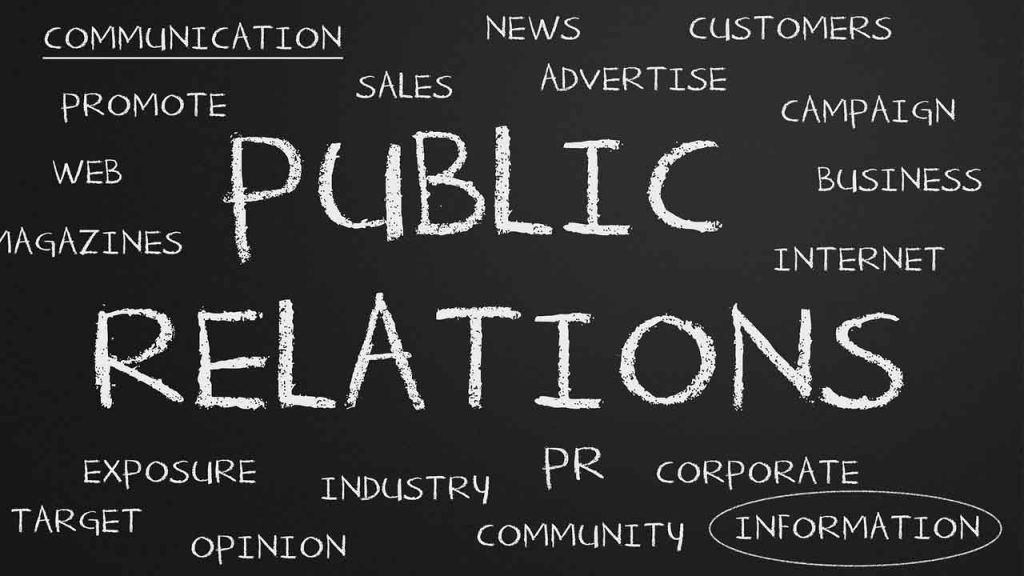
Public Relations (PR) is the art of strategic communication between an organisation and its audience. While direct advertising is targeted to appeal directly to consumers, PR works on earning media coverage along with creating goodwill through openness, storytelling, and engagement with stakeholders. Businesses use PR to create trust, manage crises, and shape public perception in their favour.
Key Elements of PR:
- Media Relations: Developing and nurturing a healthy relationship with journalists and the news ensures positive coverage.
- Crisis Communication: This is how potential PR disasters are managed, hence saving a brand’s reputation during bad times.
- Content Creation: Quality content, such as press releases, blog articles, and social media posts, conveys an organisation’s key messages.
- Community Engagement: Social initiatives are taken by PR to connect with the local community, build goodwill, and win their trust.
- Event Planning: Hosting or sponsoring events is an excellent PR tactic, where a company can exemplify its values and mission.
Benefits of PR:
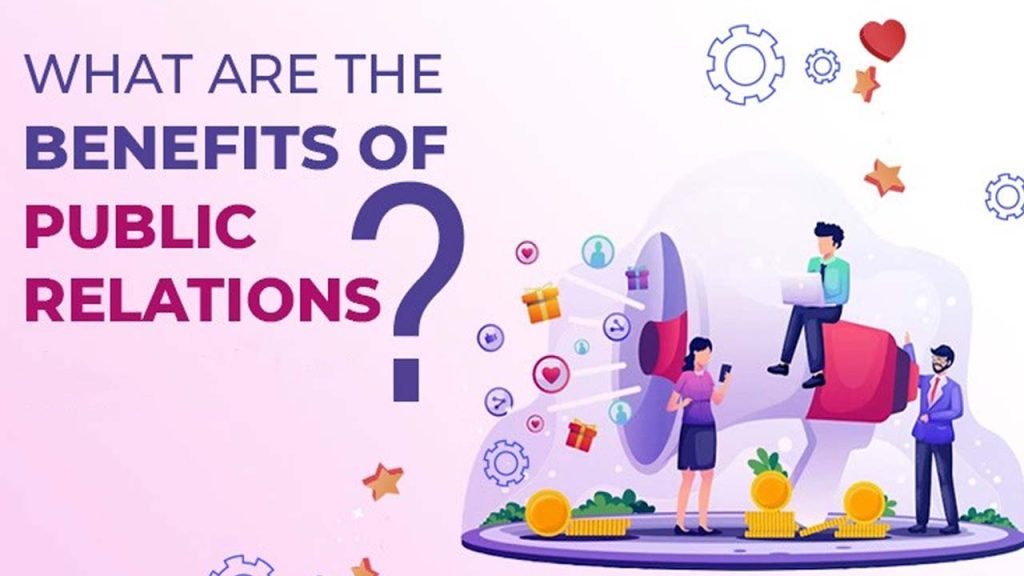
- Better Media Relationship: Proper media relation gives coverage in reputed newspapers and magazines, which maintains the credibility of the brand.
- Brand Trust Building: In the long term, open communication with stakeholders by different media will develop trust of the brand.
- Crisis Communication: While following a proper PR plan, at the time of reputational challenge, a company can provide the minimum damage if it has a crisis communication plan.
- It is a cost-effective tool: Being time-consuming in nature, campaigns through PR often result in successful and long-term outcomes at a substantially lower cost than paid advertisement.
- Long-term Relationship Building: Unlike short-term paid ads, the focus for PR is on sustainable relationship building with customers, partners, and the public.
How PR Improves Decisions

Whereas one of the biggest benefits of PR to a business is that it allows them to gather public opinion which then would give them an informed view regarding their decisions. As such, when a company understands the sentiment of the audience, this gives room to adjust the messaging, fine-tune the strategies, and be aligned with customer needs.
The Effect of PR on Decision Making:
- Sentiment Analysis: PR helps gauge the public sentiment of a brand, thus ensuring that further campaigns yield the best possible results.
- Feedback Loop: Through public opinion, PR ensures that decision-makers get essential information to craft responses.
- Data-Driven Messaging: PR enables data gathering from the media and audiences to enhance the communication and response processes.
- Strategic Planning: Insights from PR efforts prove to be a roadmap for making effective communication strategies that are well-targeted.
- Crises Prevention: Using PR analysis, issues can be identified proactively and thus prevented before they might turn into a full-blown crisis.
Benefits of PR in Decisions:
- Improving Focus on Customers: Using the sentiments of changing and adapting to customer preferences, business can stay properly aligned.
- Economies of Cost: Properly optimizing the resource use by focusing on PR channels that will give the best return on investment.
- Continuous Improvements: PR campaigns help in continuous improvement and the messaging strategy.
- Better Messaging: Organizations can create better messaging with the help of data from PR campaigns.
- A Proactive Response: Companies can create a proactive response through PR. Such things happen when damage to the reputation can be avoided when there’s a crisis.
Integration of PR in Business Strategy

To integrate PR into your business strategy, you must understand its entire scope. From planning your campaigns to handling reputational risks, there are several components of PR that help them blend together to increase brand visibility.
Steps for Integration of PR:
- Audit Current Activities: Review of current communication activities to identify areas for improvement and strengths.
- Establish Performance Metrics: Media reach, sentiment analysis, and engagement rates being the Key Performance Indicators.
- Engage Stakeholders: Involving employees, customers, or other relevant stakeholders to create a sense of community and collaborative effort.
- Leverage Technology: Using social media analytics and PR software.
- Monitor and Adjust: Continuously monitor and adjust PR strategies according to customer feedback, market trends, and media coverage.
Advantages of Having a Strategic PR Approach:
- Improved Internal Cooperation: Proper PR promotes interdepartmental collaboration between the different departments of a company so that they are well-coordinated regarding communication.
- Better Stakeholder Relationship: The strategic PR approach helps a better relationship with all stakes, including customers and the media.
- Brand Visibility: PR facilitates an image that a brand can own, which is solid, consistent, and positive through media coverage.
- Management of Crisis: Proactive PR equips businesses with a strategy for potential reputation risks to manage.
- Scalability: PR strategies adapted as scale ensure consistent messaging and outreach.
Real-World Examples of PR Success
This, in turn, can be useful in justifying the relevance of PR in real-life scenarios. Here are a couple of examples of how PR has been the sole contributor to increasing brand trust and visibility.
Example 1: Global Food Company’s Sustainability Campaign
A global food group used PR to promote its cause-based sourcing message. Digital engagement with influencers and media outreach contributed to building affinity for the brand, hence to customer engagement. This is how companies should go about using PR to raise social awareness.
Example 2: Crisis Communication Strategy of the Technology Firm
A technology company victimized by a cyber attack made positive use of its PR function by taking the control of the messaging of this incident and, in regular time, updates to the stakeholders about the incident. Consequently, they regained trust from customers sooner and consequently avoided damage to their reputation in the long run.
Example 3: Awareness Campaign by Non-profit Organization
A not-for-profit organization conducted a successful campaign of PR related to mental health awareness. They published press releases and were in collaboration with local media, which led them to wide coverage in the media, and this further increased the donations and volunteers involved.
Example 4: Planning for Tech Start-up Organization Product Launch Event
A start-up organization planned and was able to conduct a product launch and had invited key media for coverage. The event generated positive media coverage to their reputation and further increased customer interest.
Example 5: Green Initiative of the Fashion Brand
A fashion brand has undertaken green production. It communicated its green initiatives through the PR and received a good share of coverage in the media besides retaining customers. This example thus effectively presents a value-based PR campaign.
Final Thoughts
Public relations is a tremendous tool any organization would want to enhance reputation, build customer loyalty, and maintain stakeholder communication. This way of public relations, either in media relations, crisis management, content creation, or other activities, allows building trust and credibility.
Key Takeaways:
- Build Brand Reputation: Proper PR creates a trusted and reputable image of the brand.
- Manage Crisis: A strong plan in PR ensures better preparedness during crisis events that protect the brand from reputational damage.
- Savings: PR is relatively cost-effective compared to traditional advertisement in building brand awareness.
- Healthy Stakeholder Relationships: PR will help in healthy relationships with customers, partners, and the media.
- Long-Term Success: A strategic approach towards PR can ensure long-term success with proper communication and engagement.
Finally, the right time has come for you to invest in PR to grow and sustain your business.
]]>Understanding Corporate Advertising
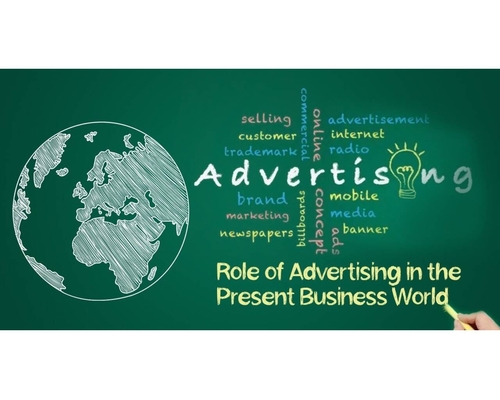
Corporate advertising is a strategic marketing tool that strongly targets a company in place of its specific products and services. Traditional advertising is quite different from corporate advertising as it is usually related to single items. Corporate advertising is about the overall image and reputation of the business, which is why it strengthens the connection with the audience and internal and external stakeholders.
Key Objectives of Corporate Advertising
The number one purpose of corporate advertising is to create a unique brand and perception of the marketplace. This goal can be segmented as follows:
- Reputation Management: Besides sending the message,’ We are business leaders dedicated to sustainable prosperity,’ a company can control its image and reputation by displaying its values, vision, and news of its victories. On the other hand, in the case of emergency incidents, companies can raise a flag to differentiate themselves. They can print advertisements to inform the public, explain their position, and offer transparency. Also, if they get that trust back from them, that is a positive outcome.
- Corporate Social Responsibility (CSR): Many companies are into CSR, and thus, they can use advertising platforms to get their CSR message heard by the public. For instance, suppliers like Patagonia and Ben & Jerry’s, with the powerful effect of communications, are concerned about the environment, so they use corporate advertising to talk about their sustainability, which is relevant to environmentally friendly citizens.
- Market Positioning: Corporate advertising can help companies set themselves apart in a competitive market. Studies indicate that brands perceived as socially responsible can have up to 50% higher customer loyalty.
Strategies and Tools for Effective Corporate Advertising
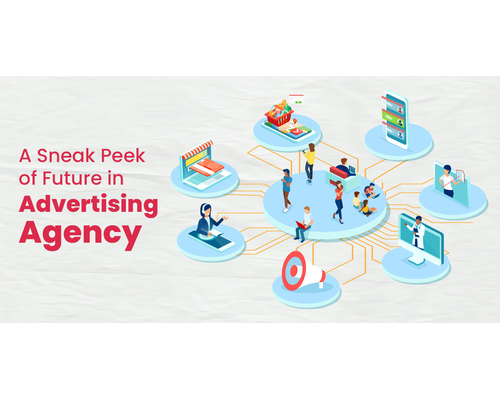
Many companies have to choose any one of the under-listed marketing options in this situation:
- Content Marketing: Blogging, tweeting, posting videos, and other forms of digital media can be very effective ways to inform and attract audiences to your brand. For example, one of Nike’s ad campaigns shares the tales of the athletes triumphant over the difficulties, thus eliciting strong emotional responses, connecting with the audience on a more personal level, and promoting their brand values.
- Sponsorships and Events: Corporations usually support products, services, or projects that align with their brand, such as activities or cultural events. This way, they let the public discover the brand positively and can reach a wider audience.
- Public Relations (PR): A communication strategy that complements advertisements should also be considered. The company can engage in other public relations activities, such as disseminating information related to social issues or supporting community initiatives. These opportunistic moments can be leveraged to proactively portray the company positively, increasing its public appeal.
Challenges and Considerations in Corporate Advertising
It is so true that corporate advertising has the potential to bring a lot of positive change to a company. But here are the hurdles associated with it:
- Authenticity: The audience is now extremely skeptical of your intentions. Being sincere and not telling one thing while doing another is very important. Anytime our goals are not perfectly in line, we risk allegations of “greenwashing” or “purpose-washing,” which can result in losing credibility.
- Target Audience: Corporations can find it challenging to identify the right audience segments because their messaging must be relatable to referent groups, such as customers, employees, investors, and the community.
- Evolving Landscape: Digital platforms and social media that have sprung up recently form the new world of corporate advertising. Of course, this is what keeps companies always on their toes, receptive, and molding their strategies into trends of the future. Content now must be interactive, inviting, and user-friendly to catch a large crowd’s eyes.
The Future of Corporate Advertising
The possible changes in corporate advertising in the future can be the result of the fast pace of technological advancements and the new tastes of customers:
- Personalization: The adoption of data analytics as a new model enabled companies to customize their ads according to specific customer interests and, hence, amaze them with high engagement.
- Sustainability Focus: People’s desire for sustainable products and services is growing. Therefore, a business will stand out the most if it utilizes mutually beneficial eco-friendly practices and communicates these to stakeholders transparently.
- Virtual Reality and Augmented Reality are advanced systems that easily lead customers to a world of wonder. Brands can now introduce storytelling that can be consumed only in full immersion, which not only deepens the customer’s relationship with the brand but also makes them even wiser.
Companies must monitor their corporate environment to keep pace with the changing stakeholder demands and preferences that the market is creating. Using transparency, openness, and involvement in corporate advertising will not only empower a company’s overall impression but also act as the main indicator of a company’s resilience in the market, cementing the bond between customers and stakeholders.
Conclusion
In the spirited and convoluted business world, corporate advertising remains a significant strategy for companies wanting to increase their brand image, build customer relationships, and maintain a competitive advantage. With this multi-pronged strategy, the focus is not only on marketing but also on reflecting the company’s vision, core values, and mission. Through different channels and methods, corporate advertising helps a company express what it sells, who it is, and what it stands for.
Significance of Corporate Advertising:
- Brand Recognition: It becomes a robust brand identity that lets the consumer instantly identify and relate to the company.
- Trust Building: A good corporate advertising campaign earns trust and credibility among customers, the wider community, and other stakeholders.
- Market Differentiation: It allows companies to distinguish themselves from their rivals by showing their values and offerings.
- Stakeholder Engagement: Engaging campaigns can build trust and strengthen relations with investors, partners, and employees.
- Social Responsibility: Advertising is an excellent option to demonstrate the company’s commitment to social responsibility, supporting its ethical standards and community initiatives.
These mediums can create a lasting impact on potential customers and can be used to target specific groups effectively. In 2023, offline marketing mediums will remain essential to any effective marketing strategy; let us explore how!
What do you mean by offline marketing?

Offline advertising is a type of marketing that occurs in physical spaces outside the digital realm. This type of marketing is used to create awareness of a product or service, build customer relationships, and increase sales. It can include print advertising, radio and television commercials, trade shows and exhibitions, and public relations.
Offline advertising is a great way to reach a larger audience. It allows businesses to target consumers who may not be online or to reach a different demographic. Offline advertising also allows businesses to engage with customers in a more personal way and create a connection with them. This is a cost-effective way to reach potential customers and build relationships with existing customers.
Why choose offline marketing?

There are several reasons offline marketing is preferable to internet marketing, including the potential to reach a larger audience, have more say in how your message is delivered, and have a greater response rate.
Online marketing may reach a broad demographic, while offline marketing can zero down on a particular demographic. Traditional media such as television, radio, and print allow corporations to target a large audience. Businesses have more say over the content of their offline marketing initiatives since they may tailor them to reach a specific demographic.
Traditional advertising lasts longer since it’s more difficult to modify than digital ads. Companies may expand their customer base while decreasing costs by recycling previously run offline advertising efforts. Advertisements and marketing campaigns in traditional media may save firms money by reaching more people for less money than their digital counterparts.
Top 8 offline marketing mediums in 2023
Here are the top 8 offline marketing mediums in 2023, as given below:
1. Word of Mouth Marketing

Offline word-of-mouth marketing relies heavily on personal referrals from individuals you know and trust. Word of mouth is a powerful strategy, and it may even be more convincing than traditional forms of advertising because it is based on social proof and trust.
It’s beneficial for companies when consumers leave reviews, discuss their experiences, and suggest them on social media. Companies can increase word-of-mouth advertising by providing outstanding services or products to their consumers. Companies may also host promotional events and activities to raise awareness of their offerings.
2. Events and Experiences

Companies are moving away from more traditional forms of advertising in favor of experiential marketing, which involves the production of events and experiences designed to increase consumer engagement with a brand. Everything from a temporary storefront to a product demonstration to a concert is fair game. These activities can help businesses boost brand recognition, attract new consumers, and foster positive word of mouth.
Scavenger hunts, game shows, and cooking workshops are just a few examples of additional experiential marketing projects that may be used to get customers involved and have fun with your brand. Businesses can further improve customer involvement and motivation by providing incentives like discounts, awards, and prizes.
3. Brochures

Brochures give a cheap yet effective means of informing consumers about a product’s features. Expos and retail displays are just a few venues where brochures find an audience. It’s a visually appealing way to provide information about a product’s specs, advantages, and costs.
As a portable piece of literature, brochures are more likely to be kept and referred to than other forms of offline advertising. A company’s message may be conveyed clearly, and the attention of its target audience captured with the help of a well-designed brochure.
4. Outdoor Advertising

Outdoor advertising has been around for a long time and is still very powerful. One of the most common types of outdoor advertising, billboards can reach many people in many ways. In a short time, billboards can reach a big audience and spread a company’s message. Advertisements at bus stops are another effective method of reaching potential buyers.
Promoting a deal or service or getting the word out about a new product are great uses for bus stop advertising. Outdoor advertising methods like fliers and posters are still an option for businesses. Posters and flyers can publicize sales, introduce customers to new items, and attract foot traffic.
5. Advertisements in Printed Publications

Print media like newspapers, periodicals, and brochures will continue to have widespread use in offline marketing in 2023. These magazines are a great way for businesses to reach a wide audience with their advertising messages. These periodicals provide a useful medium for businesses to communicate with readers nationwide.
Businesses can narrow the audience for their advertisements in these periodicals by selecting a certain demographic profile. Companies can produce ads pertinent to the consumers of these publications by tailoring the ads to the content of the publications.
6. Public Relations

Relationship building between a business and its most important audiences is what public relations are all about. A company’s public relations efforts can result in more people knowing about its goods and services, making purchases, and making more money. To build trust with their target demographic in 2023, businesses should use storytelling, customization, and openness in their public relations efforts.
Companies should also consider employing press releases, media relations, influencer marketing, and events to convey their messaging. In addition, businesses should use social media’s widespread reach and interactive nature to make the most of their efforts. Finally, organizations should use data and analytics to track the efficacy of their public relations strategies and optimize their efforts.
7. Branded Merchandise

Branded merchandise allows companies to make unique products like t-shirts, hats, and mugs that display their logo and brand. Products like these can be distributed as prizes at events or sold to the general public. Branded stuff is a great way for companies to get their names out there and stay in their customers’ minds.
Businesses can also benefit from the rise of e-commerce by making their products available online. This paves the way for companies to expand their horizons beyond their immediate vicinity and into untapped areas. In 2023, when e-commerce is expected to have reached new heights, offline marketing strategies like investing in branded items could be rather successful.
8. Offline Marketing on the Radio

Studies have shown that radio is one of the most effective offline marketing mediums, as it reaches a large percentage of the population and is seen as a reliable source of information. Radio ads are cost-effective, as they are relatively inexpensive compared to other forms of advertising. They can also be targeted to specific demographic groups.
Radio ads can create brand awareness, introduce new products, and promote special events. Additionally, radio ads can be used for direct response mediums, such as collecting customer feedback. Radio advertising can target local and national audiences, making it an effective tool for businesses of all sizes.
Conclusion
Offline branding mediums are an effective way to reach customers in 2023. They allow marketers to create personal connections with their target customers and generate a sense of urgency around their products or services.
Marketers can design successful offline advertising and boost their reach, engagement, and sales by applying the methods discussed above and using them.
]]>In this blog, we will discuss further offline marketing ideas that help fashion brands reach the intended audience. Those strategies not only make the brand more visible but also bring the brand closer to the target market. So, let’s dig deeper into why offline marketing is important for fashion brands and what opportunities it provides them.
What is offline marketing?

Offline marketing, on the other hand, refers to any promotion activity conducted without the Internet. Traditional advertising includes print media, television, radio, direct mail, and others. Using these, offline marketing allows fashion brands to reach out to a wider audience, interact with clients in memorable ways, and slowly establish brand loyalty.
Some of the important parts of offline marketing include:
- Print Media: Advertisements of brands on the pages of magazines, newspapers, and other print media help create awareness among targeted audiences.
- Television and Radio Ads: Mass media like television and radio are effective in reaching the masses and targeting potential customers’ emotions.
- Promotional Items: One medium through which fashion brands ensure their output stays long in customers’ minds is items such as a T-shirt, cap, or tote bag with the brand’s logo.
- Banners and Hoardings: Hoardings in public places like bus stops, malls, etc., can be a massive awareness-building activity in a region.
- In-store promotion: Organising an event or providing discount deals may allow customers to visit their stores.
Why Is Offline Marketing Useful for Fashion Brands?
Offline marketing is a very effective tool for fashion brands to grow their customer portfolio and boost their sales. Even though digital marketing is popular, offline marketing strategies enable a fashion brand to reach its target audience one-on-one, bringing the brand closer to them.

Why offline marketing is essential for fashion brands:
- Awareness: Offline marketing makes the existence of a fashion brand grow within the local communities, and it draws the attention of potential customers.
- Proximity to Customers: Unlike digital sources, offline marketing creates ample contact between brands and customers, thus developing trust.
- New Trends can be Promoted: Offline marketing can be used by fashion brands to introduce new collections to customers and create an element of time sensitivity for limited-period offers.
- Specific Audience through Offline Plans: Brands can also focus their efforts in specific geographic areas through these offline plans.
- Boosts Brand Image: Offline marketing will boost a fashion brand’s image by highlighting its values, creativity, and uniqueness.
Top 8 offline marketing ideas for fashion brands
Offline marketing encompasses a list of strategies that a fashion brand can use to access its target market. Still, for clarity purposes, below are eight applicable offline marketing ideas that may work wonders for fashion companies in increasing their visibility and subsequently selling out their products.
1. Print Advertisements

One of the most powerful media through which fashion brands can reach their desired audience is print advertising. Print ads in magazines and newspapers are the ideal way for brands to showcase their products to the public in an interesting manner with the aid of a brochure.
- Audience Reach: In the case of fashion magazines, print ads will help brands directly reach fashion enthusiasts.
- Brand Exposure: In local publications, ads will help brands gain more prominence in particular regions or communities.
- Life: Print ads stay in circulation for weeks, even months, and are potentially continually presenting the message.
- Creativity: The print ad can combine good images and words with quality copy displayed on hoardings or billboards, which are very effective ads that will impress the reader.
- Brand Collaboration: Partnering with the top fashion journals is likely to gain the brand more credibility and attract the attention of more customers.
2. Television Advertisements

A well-crafted television advertisement can make memories, leaving the viewer talking about a particular brand for months and years ahead.
- Wide Reach: Mass marketing through television is achieved by way of millions of potential viewers within reach, which, after all, is the best available coverage in mass marketing.
- Visual Impact: Television’s wide appeal allows for easy depiction of action with fashion products, thus bringing out their unique features and appeal.
- Targeted Positioning: Ads of fashion shows on television help to target viewers who are already fashion-interested.
- Brand Storytelling: Television Commercials allow brands to share their stories and connect with customers on an emotional level.
- More Brand Recall: Customers experience strong brand recall when exposed repeatedly to a television commercial, which yields better loyalty.
It makes the use of radio adverts in clothing brands affordable, allowing them to reach the widest audience easily and connect with their listeners.
3. Radio Advertisements

Radio adverts are cheaper than television ads, which is why small fashion brands can easily use them to reach a wider audience.
- Target Audiences: Brands can choose a radio station that caters to its target audience, hence ensuring they reach the correct people.
- Speed: The radio advertisement can be made and then aired within a relatively short period, thereby allowing brands to react in time to trends or promotions.
- Mass Audience: Radio stations have a large following, which allows the brand to reach a large number of people.
- Local Market: The ads can be broadcast by local radio stations, especially targeting potential customers in specific localities.
4. Pop-up Shops

Pop-up shops are similar to temporary retail areas where fashion brands can directly reach customers. Only a few pop-up shops cause excitement among customers.
- Direct Contact: Customers of pop-up shops get to touch and feel the products before buying.
- Promotion Deals: Different fashion brands offer special promotion deals at pop-up shops, allowing customers to take advantage of those bargains while they are still available.
- Testing New Products: Pop-up shops are one marvellous channel through which a brand can test new collections or products before full-scale deployment.
- Building Awareness: A busy pop-up shop will allow a brand to gain exposure to a new audience.
- Engagement of Customer: Pop-up shops encourage face-to-face interactions, making it possible for brands to build personal connections with their customers.
5. Live Events

Live events provide a platform for fashion brands to promote their products in a lively and exhilarating manner. In essence, it could be about holding a fashion show or facilitating a styling session, but live events finally create a stir for the fashion brand through excitement and heightened brand awareness.
- Create Buzz: An organised live event creates buzz and can be publicised in the media, contributing to further promotion of the brand.
- Networking Opportunities: Through live events, a fashion brand is in contact with professionals in the same industry who have the potential to become influencers or customers.
- Customer Engagement: The brands can directly communicate with customers and answer questions, offering tailor-made recommendations while interacting with live events.
- Product Launching: This is an opportunity for a live demonstration of their products in front of people, showcasing the quality and style of the product.
- Promotional Program: Fashion brands can distribute discount coupons or offers exclusively during the live event for future purchases.
6. Word-of-Mouth

Word of mouth is the most potent marketing tool. The long queues in front of Gucci stores were cut down when the lady-in-waiting recommended it to her family and friends. Thus, happy customers can tremendously promote a brand and its credibility.
- Trust and Credibility: Word of mouth from friends or family members is considered more valuable than an advertisement.
- Free Promotion: Word of mouth is free marketing because satisfied customers advertise a happy experience.
- Brand Loyalty: The more a customer speaks for a brand, the more probable it is that the same customer will repeat and buy from that brand in the future.
- Wider Audience: Word of mouth enables brands to reach audiences that they would not have reached with traditional marketing.
- Influencer Marketing: Brands can use word-of-mouth marketing by agreeing with influencers who share their experiences with a wider audience.
7. In-Store Events

In-store events afford a fashion brand the chance to interact with customers at a close and personal level. Such activities include, but are not limited to, product launches and fashion shows. It is during these events that a memorable experience is given to such persons.
- Customers Engagement: In-store events allow brands to talk with customers more intimately, which could lead to a closer relationship between them.
- Promotion of New Collections: Fashion brands can use in-store events to launch their new collections and create buzz among customers.
- Establish Community: Event management is always beneficial since it aids brands in creating a community and sense of belonging among customers.
- Increase Footfalls Inside Stores: Organizing special events inside the store can attract more customers, thereby increasing sales.
- Exclusive Offers: Brands can offer exclusive offers or discounts to avail people arriving during the event, which they plan to motivate them to shop on the spot.
8. Public Relations

In this regard, media coverage and influencers define Public relations as an area that can build a solid reputation for a fashion brand.
- Community Relations: Building strong relationships with the community gives the brand a voice and recognition in that community.
- Brand Awareness: A strong PR strategy can help enhance brand awareness, allowing more people to know about the brand and its initiatives.
- Crisis Management: A well-managed public relations strategy can help a brand recover from potentially damaging situations.
- Influencer Marketing: PR agencies can help brands promote their products by connecting with influencers who have an established following.
- Media Coverage: Fashion brands can utilise PR to gain coverage in fashion publications, helping them reach a wider audience.
Final Thoughts
Overall, offline marketing allows fashion brands to create memorable experiences and interactions with potential customers. These experiences have the potential to convert customers and build brand loyalty in the long run. Fashion brands can gain valuable insights about their customers by employing offline marketing strategies, which will not only boost visibility but also strengthen brand reputation. The offline marketing ideas discussed above are a few essential strategies that fashion brands can implement to help them achieve their marketing goals.
- Importance of Creativity: Creativity in offline marketing can give fashion brands a competitive edge.
- Importance of Community: Building relationships with local communities can enhance brand image and customer loyalty.
- Emphasise Direct Interaction: Direct interaction through events and promotions fosters strong relationships with customers.
- Combination of Strategies: Integrating both offline and online marketing strategies can yield maximum results.
- Value Customer Feedback: Feedback from customers gathered through offline marketing strategies can shape future campaigns and products.
Whether you’re looking to increase sales, get more brand awareness or emerge as a thought leader in your industry, these strategies can help you accomplish your business goals in 2022 or beyond.
Let’s quickly find out what these strategies are.
Giving Your Brand a New Look and Feel (Rebranding)
A small amount of progress can make an enormous difference. Indeed, even something as basic as changing the appearance of your business will keep you looking new, noteworthy, and pertinent. Constantly perfecting your image will allow a more grounded organization voice and eventually speak for the believability of your business.
You could focus on developing branding that could showcase your mission and vision for the future, or while launching new and fresh products and services too.
Let’s take the latest example of this. Facebook rebranding itself to Meta. The newly branded name of Meta is said to portray more of Mr. Mark Zuckerberg’s vision with his technology company, Facebook.
The exposure and media coverage the brand got for it is phenomenal.

If you think your brand has progressed quite a lot from where it started and now, you have a new vision for it, you can consider rebranding your brand.
Using Coupons & Discounts to Boost Your Sales
There could be no greater method for cultivating brand faithfulness out there than by tossing a no-brainer deal with a coupon code. These are fundamental to all businesses, especially for B2C brands.
By offering coupons, shopping points, special discounts, and more you’re causing customers to feel favored while bolstering leads and deals. Publicize the incentives and you’ll even stand out enough to be noticed by potential customers who have never known about you.
You can also consider offering free trials for testing to demonstrate to your clients exactly how unique your item or service is to persuade them to further work with you.
You could also offer coupons for key demographics – like students, young moms, newlyweds, senior citizens, and more.
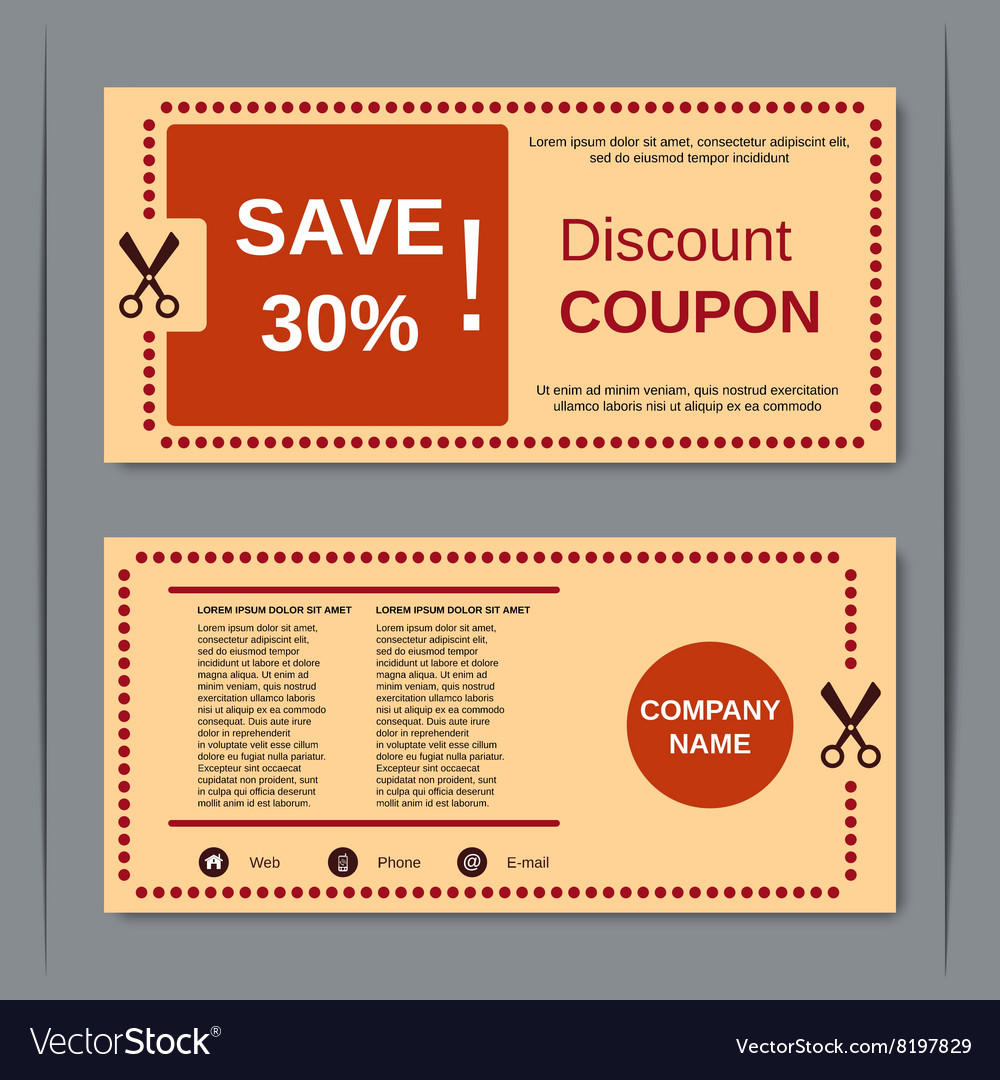
An innovative way you can reach your target audience, and offer them discounts and coupon codes is by doing paper cup branding. Whether you’re a small business, a medium-sized one, or a large corporate brand, paper cup branding is effective to use as a brand promotion strategy.

Running a Cross Promotional Campaign
This works best if you find a gap in services that could be fulfilled via a collaboration. Consider working with different brands you identify with who represent comparative qualities and plan of action of your company. You can cooperate to co-develop items or co-sponsor occasions. It’s a great marketing strategy to increase sales for your brand and acquire new customers, potentially tap into new markets.
If you look closely around you, you will find plenty of such examples in your vicinity.
For example, a local cafe where I live offers a 15% discount if we get a movie ticket from a particular theater.
Engaging Your Brand in the Local Community
An incredible method for getting your name out there (and being a responsible business by and large) is to engage locally in the community. Now, the first idea that may have popped in your head can be about donating an amount to an NGO. However, you can likewise promote volunteer work in your organization.
Track down ways of participating in and assisting with supporting your local area through gifts, charitable efforts, and joining institutions that support community individuals and organizations.
Being occupied with your local area will aid with spreading information on your business as well as (and most importantly) get you and your employees doing good and accomplishing something useful for your community
Creating Your Own Brand Events
When branching out into the local area, cross-promoting with various organizations, or making your own event inside the local area (or online streaming) can be an incredible method for advertising your business. One significant advantage of arranging events is that it can fill in as both an outreach and networking drive.
You’ll get to draw in with the two, clients and expected partners while likewise supporting your local area by hosting neighborhood occasions.
If I had to give you some examples, JP Morgan organizes a marathon every year.
The Adidas ‘Run for the Oceans’ marathon was a huge success! This marathon had a purpose – to save our oceans. According to Runtastic, there were 3 million runners around the world who raised $2.5 million for the cause!
Sending Out Press Releases and Building Public Relations (PR)
If your brand is growing and especially if you’re a medium to large-sized business, it’s important for you to construct an in-house PR group for your organization; you simply need to make associations with important media persons to get good coverage from the nearby columnists in your space.
Make a special effort to get to know them and show them what’s going on with your brand.
Prepare your brand story and ensure that it’s newsworthy. Genuine PR, similar to great marketing, is tied to creating good relations with columnists and other people who can help spread (hopefully good news) about your brand.
Inviting the press for an official meet and greet, or a private tour of your company is a great way to start.
Offering Free Workshops to Get More Brand Awareness
As a specialist in your chosen field, there are various options where you can help individuals and simultaneously promote your business.
Have a go at turning into a visitor at a nearby local radio show or morning TV show and offer your potential customers advice that is identified with your image and brand. Check whether you can get a regular section in your local magazine or paper or other significant distribution. Be authentic and offer some important and valuable information.
If you use your platform to deliver a hard sales pitch, you’ll waste an opportunity to build real relationships and connections with peers and potential customers.
You could hold a “free consultation day” or share some valuable tips.
Before you dive right in and implement these strategies, make sure they align with your brand, business plan, and your vision at large to make sure that you get your return on investment.
Local involvement, and being a confident advocate of what you and your brand believe in along with other marketing tactics will give your business the push that it needs.
Let’s talk about how Ginger Media Group can help you grow your business? Contact us at +91 990 247 8800 or email us at contact@gingermediagroup.com
]]>Ready to talk with a marketing expert?

A Pragmatic and innovative way to enthrall your target group is just a click away!
Get in Touch
Rukmini Knowledge Park, Kattigenahalli, SH 104, Srinivasa Nagar, Bengaluru, Karnataka 560064
+91-990 247 8800
contact@gingermediagroup.com
Popular in Television Advertising
Udaya TV AdvertisingSun TV AdvertisingStar Plus AdvertisingTV 9 AdvertisingZee TV AdvertisingNDTV India AdvertisingColors TV AdvertisingPopular in Airport Advertising
Spice Jet AdvertisingMumbai Airport AdvertisingDelhi Airport AdvertisingEmirites AdvertisingIndiGo Airlines Domestic India AdvertisingPopular in Newspaper Advertising
Deccan Herald AdvertisingPrajavani AdvertisingThe Hindu AdvertisingEconomic Times AdvertisingDainik Jagran AdvertisingHindustan Times AdvertisingPopular in Magazine Advertising
Forbes AdvertisingCosmopolitan AdvertisingBusiness World AdvertisingVogue Magazine AdvertisingPopular in Sports Advertising
IPL AdvertisingPopular in Outdoor Advertising
Billboard AdvertisingBus Shelter AdvertisingMetro Pillar AdvertisingUnipole Advertising© Ginger Media Group 2025. All Rights Reserved.