Key Points
- Colonial Beginnings: Advertising emerged during British rule, targeting the English-speaking population through print media.
- Hickey’s Bengal Gazette: In 1780, the first newspaper in India, Hickey’s Bengal Gazette, began printing advertisements in the country.
- Change after Independence: From 1947 onwards, the Indian consumer became the advertisers’ focus, and local languages were used with themes relevant to the culture.
- Arrival of Television: The entry of Doordarshan in the late 1970s converted the mode of advertising into that of visual narration.
- Digital Revolution: It is an era when social media and other online platforms began dominating advertisement.
Advertising in India: From Colonial Era to Independence
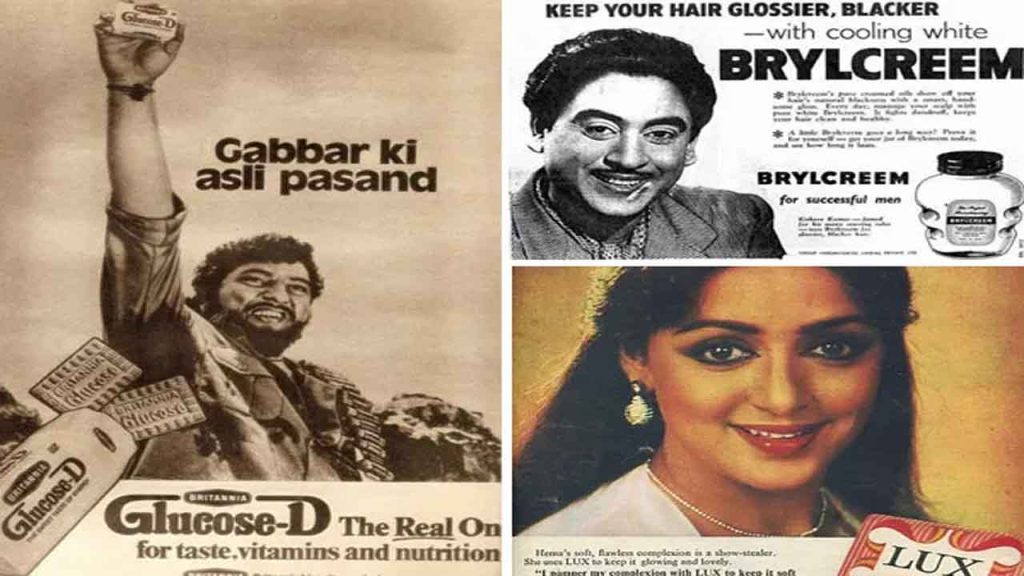
The history of advertising in India began to take shape during the British colonial period when newspapers like Hickey’s Bengal Gazette started printing advertisements in India for the first time in 1780. The early period mainly saw print advertising directed towards the English-speaking population. Announcements and classified ads were mostly centred around these themes.
As the print media expanded, newspapers like The Times of India and The Statesman started advertising more complex activities that catered to high-end commodities meant for the colonial elite. The advertising business and industry slowly expanded over the initial years of the 20th century, when it witnessed the establishment of some of its earliest advertising agencies, which would spearhead most of the campaigns in the nascent years of marketing.
Key Points:
- Hickey’s Bengal Gazette: Published in 1780, it was the first paper to advertise in India.
- Expansion of Print Advertising: The newspapers started printing more elaborate advertisements for luxury goods for consumption by the colonial elites.
- Coming of Advertising Agencies: The early 20th century saw the establishment of the first advertising agencies in India, marking the formal establishment of the industry.
- Limited Reach: The early advertisements targeted the English-speaking population and had minimal reach.
- Impact on Society: The pioneer advertisements led to later ones, thereby making a trend for brands to communicate with their targeted consumers.
The post-independence advertisement scenario was miles apart from that of the pre-independence era since it had introduced the newly developed freedom echoes of a newly created nation. This gradually changed over time for Indian consumers, who adopted the local tongues and culturally relevant themes of advertisements.
Radio and Television Advertising
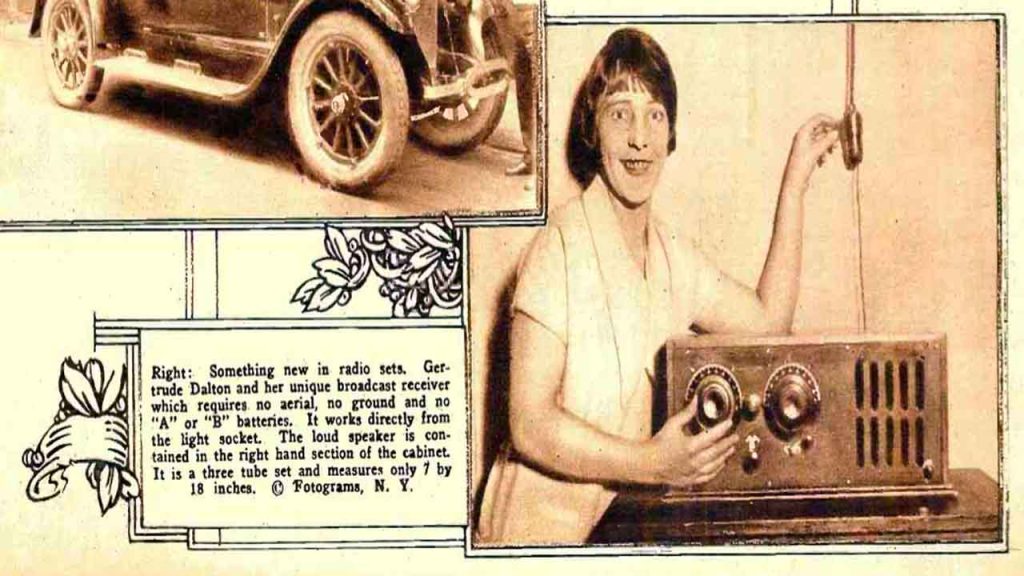
Radio came into India in the 1920s, and a new dimension crept into this realm of advertising. With stations like All India Radio (AIR) catching on, the spectrum of reach became greater as it brought more diverse audiences to the table. Jingles began to function powerfully as tools for creating memorable impressions through catchy tunes and related messaging.
Radio advertisements were quite common by the 1950s and 1960s when companies such as Binaca, Colgate, and Hindustan Lever were using advertisements effectively. Radio advertisements were effective in village areas due to minimal levels of literacy, whereas audio advertisements had a more substantial impact than one would have from reading.
Key Points
- Radio: An Emerging Phase: The advertisement activity started to gain mileage with the advent of radio in the 1920s.
- AIR Impact: It was highly influential in radio ads popularity and reached more people.
- ROI in Rural Areas: In low literacy rates of rural regions, radio ads enabled brands to connect with consumers through audio messaging.
- Legendary Radio Ads: Bianca and Hindustan Lever used catchy jingles for their radios, which strengthened brand recall.
- Transition to Television: The tremendous popularity of radio remained an impetus for introducing television advertisements in India towards the late 1970s.
Doordarshan—the first national TV channel—found its entrance into the Indian advertising world towards the late 1970s. Of course, one can easily recall that Gwalior Suitings was India’s first-ever television commercial in the late 1970s. It introduced the viewer to a visual word bank in advertising.
It’s only been in the recent 1980s and 1990s that television advertising became the golden age for advertising. Advertisements, such as that of the Liril girl under the waterfall or the “Jalebi” advertisement for Dhara cooking oil, became a topic of discussion in the town. Television revolutionised the advertising scenario, presenting a visual communication channel that conveyed expression and narration better than print and radio.
Economic Liberalisation and Boom in Television Advertising
This time, more favorability of the environment accelerated the growth of television advertisement with the liberalisation of the Indian economy in the early 1990s. However, after the entry of private televisions, which now came as Zee TV and Star Plus, there was increasing middle-class purchasing power and an advertising boom.
Brands began investing seriously in high-quality commercials that would convey aspirational values to a modern, upwardly mobile audience. Once more, advertising agencies like Ogilvy & Mather and J. Walter Thompson (JWT) entered the Indian market with international expertise and imagination, raising the bar for Indian ads.
Key Points
- Economic Liberalization: The mid-1990s was an era that turned to be a turning point for India, where foreign brands and advertisers eventually started entering the Indian market.
- Rise of Private TV Channels: Brands such as Zee TV and Star Plus have amplified the advertisements with more platforms to brand themselves.
- Heavy Investments in Quality Commercials: As brands began the effort to reach out to the modern audiences, they started investing so much in quality commercials.
- Rise of International Ad Agencies: Ogilvy & Mather and JWT brought the world’s very own common advertising standards to the door.
- Cultural Relevance: Concepts that went down well with the rising middle class became a part of advertisements as well, which made it even more appealing for the brands.
And television was in vain for the cause, now that brands have joined the process of reaching out to people in masses and all over the country.
Digital Era and the Future of Advertising

Starting from the beginning of the 21st century, the digital revolution came thundering upon the shores of Indian advertising. Internet adoption followed, then a high rise of social media, and eventually a galaxy of smartphones; there arose this powerful medium known as digital advertising. Today, Google and Facebook stand among those with a major say in advertising. They now offer solutions that are targeted such that brands can reach specific demographics with precision.
By 2024, the digital mode of advertising had emerged as a key component of the Indian media mix in terms of in-depth share of total ad spending. This can be attributed to the ever-rising platforms of e-commerce, online video content, and influencer marketing through which the way of consumer-brand interaction was redefined and digital domains became an integral element of advertising campaigns.
Key Points:
- Digital Revolution: Internet and mobile phones changed the world of advertising through targeted marketing and direct consumer engagement.
- Importance of Social Media: Facebook and Instagram have become indispensable for reaching the target audience effectively and interactively.
- Rise of Influencer Marketing: Influencer marketing helped brands reach new segments of consumers through relatable ways.
- Boom in E-commerce: There are vast new ways for brands to directly offer their products to consumers through the boom of online shopping.
- Focus on Content Creations: Brands have begun to focus their attention on the creation of interesting and shareable content to reach into the minds of online audiences.
Advertisement in India will become more dynamic and tech-savvy within the not-too-distant future. Introduction of artificial intelligence, big data, and machine learning is believed to transform personal content through the way it is developed and brought before the people.
Final Thoughts
In a nutshell, India’s advertising history can be termed as the reflection of the present economic and social improvements in the country. From print and radio to television and electronic media, every phase of its growth has brought forward something new to face up against while keeping forth challenges.
All Important Facts:
- Continuously Evolving: The advertising industry has been merging with the ever-changing trends in society and technology.
- Diverse Media: Each media has its weakness and strength, hence impacting the bond between a brand and a consumer.
- Cultural Relevance: Strong advertisements are a reflection of the cultures and values of the target audience.
- Technological Integration: The emergent technologies will eventually define advertisements in future. New scope for effective engagement by the brands will appear.
- Consumer-centric Focus: The understanding of the preferences and patterns of consumers will remain the keyword for successful advertisement strategies.
Today, this Indian advertising industry stands at the brink of a new era: technology and creativity blended in a powerful, data-driven campaign that speaks to the heart and mind of the modern consumer. It has created a multifaceted landscape in which resilience in print, emotive appeal in television, and precision in digital advertisements have to be navigated through.
The journey of advertising in India is far from over. With new technologies and platforms popping up every day, there will be unprecedented innovation in reaching consumers and persuading them through incredible digital experiences, like virtual reality ads or AI-powered chatbots. The effective foundation never changes: connecting with consumers and telling stories that can last for a lifetime.
]]>Ready to talk with a marketing expert?

A Pragmatic and innovative way to enthrall your target group is just a click away!
Get in Touch
Rukmini Knowledge Park, Kattigenahalli, SH 104, Srinivasa Nagar, Bengaluru, Karnataka 560064
+91-990 247 8800
contact@gingermediagroup.com
Popular in Television Advertising
Udaya TV AdvertisingSun TV AdvertisingStar Plus AdvertisingTV 9 AdvertisingZee TV AdvertisingNDTV India AdvertisingColors TV AdvertisingPopular in Airport Advertising
Spice Jet AdvertisingMumbai Airport AdvertisingDelhi Airport AdvertisingEmirites AdvertisingIndiGo Airlines Domestic India AdvertisingPopular in Newspaper Advertising
Deccan Herald AdvertisingPrajavani AdvertisingThe Hindu AdvertisingEconomic Times AdvertisingDainik Jagran AdvertisingHindustan Times AdvertisingPopular in Magazine Advertising
Forbes AdvertisingCosmopolitan AdvertisingBusiness World AdvertisingVogue Magazine AdvertisingPopular in Sports Advertising
IPL AdvertisingPopular in Outdoor Advertising
Billboard AdvertisingBus Shelter AdvertisingMetro Pillar AdvertisingUnipole Advertising© Ginger Media Group 2025. All Rights Reserved.