What to Expect
We will cover every aspect of the retail industry throughout the comprehensive journey of this blog post. You will be able to learn several retail advertising methods, including traditional media, like advertising in print and outdoor advertising, and social media and online advertising, such as pay-per-click marketing and web display ad banners. Every one of these methods will be analyzed and disclosed in the paper, explaining how they can be used to connect with the audience.
There is also a chapter that deals with the profitability of retail advertising on factors such as brand identification, interactions with clients, and sales conversions. Furthermore, as of the present, we will, in addition to the pros, also look at the valid reasons why processes like well-thought advertising work better in competitive markets.
Moreover, the paper features illustrations of actual in-store advertising events that affirm the value of various tactics. Some key advertising principles and constructs that ensure the ad’s success include the AIDA model (Attention, Interest, Desire, Action) and the 4 Ps of marketing (Product, Price, Place, Promotion).
Whether you are an experienced marketer or a business owner just starting in the retail industry, this post will provide you with valuable ideas, practical strategies, and a more profound knowledge of how retail advertising can be used to fulfill your business plans. Join us as we unlock the key aspects that result in successful retail advertising in today’s context.
Understanding Retail Advertising: Types, Benefits, and Examples
The Essence of Retail Advertising
Retail advertising is a strategic communication process that retailers use to interact with end-users through product and service promotions. This advertising is designed to increase sales, assert brand name, and communicate about promotional activities.
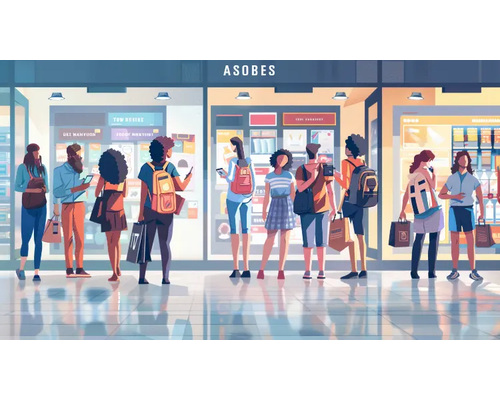
- Types of Retail Advertising: The primary forms are print ads, digital marketing, social media promotions, TV commercials, and in-store displays. A shop window set up to attract foot traffic, and Facebook ads based locally can lead to satisfied customers in different places.
- Import customers of Product Positioning: Consumer attraction is often a pivotal point in retail advertising, where the first stage is to realize product placement in the market. Showcasing the development of “everyday low prices,” such as the Walmart case study, praises the successful placement of the brand and, consequently, the connection with budget-minded buyers.
- Statistical Insights: Retail advertising expenditures are expected to grow to $22 billion in the US solely with the US National Retail Federation.), as per the National Retail Federation, relating to the significance of this process in business.
The Impact of Retail Advertising on Consumer Behavior
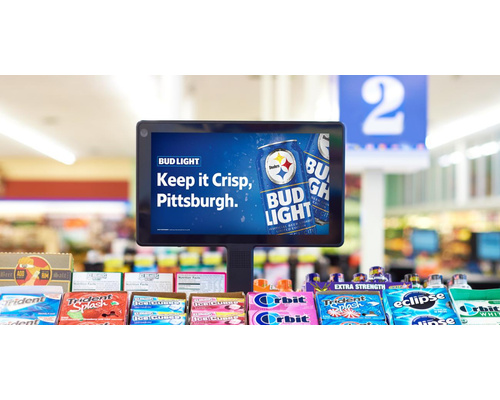
The reflection of retail marketing efficiency considered promotional factors and the significant influence on the consumer’s behavior and buying decisions.
- Real-World Applications: The experiment has shown that customers greeting with specific e-messages are more than 50% apt to buy more products from that seller. Therefore, promoting individualized marketing through e-surveys enables the retailer to get closer to customer delivery.
- Challenges and Benefits: Sales can hit and rise through ads. However, troubles are ahead, such as ad bombs and blockers of unfamiliar ads in digital markets. On the one hand, advertisements that are easy to understand and attract people usually lead to brand recall and customer loyalty; on the other hand, unclear and unattractive campaigns are some of the significant advertising challenges.
- Practical Strategies: Over the years, the best user has been seen in the A/B testing method to determine the most appealing ad format and the most potent formula to get the users involved. Applying visual design principles and sincere expressive acts could be the cues of the ad’s success.
Emerging Trends in Retail Advertising
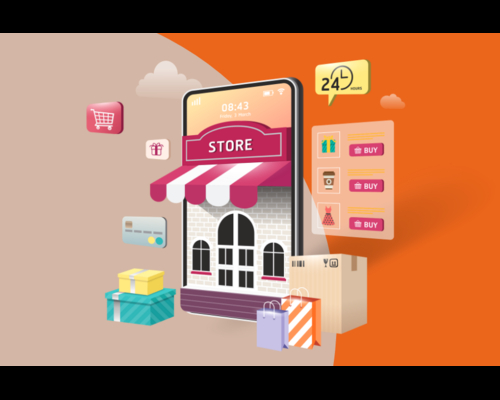
Retail industry advertising is in the age of change, always being influenced by technological advancements and consumer preference changes.
- Insights and Developments: When the channels are not properly connected, the customer experience suffers, and retailers can’t convert. Retailers should reveal one branding idea simultaneously on social media, web pages, and physical stores.
- Emerging Trends: As influencer marketing is becoming a rapidly growing method to meet niche consumers, companies are now borrowing influencers’ stands and using social media platforms such as Instagram, hence expanding their market. Fashion retailers have further incorporated AR to create new layers of consumer entertainment for absolutely fantastic brand experiences.
- Industry Implications: To remain competitive in the changing retail landscape, brands should adjust their advertising strategies according to the market’s needs. An organization that employs data analytics will be able to better comprehend consumer behavior and then adjust the targeting aspect of marketing according to the consumer’s changing needs.
On the whole, retail advertising involves a lot of strategies and formats that significantly affect the purchasing behavior of consumers. As trends shift, the retailers want to be flexible and innovative. Such entails making ads that the clients want and aligning them with market trends. Using the experience of the internet, technologies, and the different possibilities businesses have, marketers will improve the effectiveness of their advertising and sustain growth.
Conclusion
To sum up, retail advertising is vital in customer-business corporate relations, acquiring income, and building a brand. Being conversant with the various types of retail advertising and their plusses is paramount to firms wishing to enhance their marketing strategies effectively. By using the right mix of advertising techniques, merchants can simultaneously get the target audience’s attention while designing messages that can touch people’s hearts and attract the crowd.
The key elements of retail advertising are:
- Types of Retail Advertising: From traditional methods such as newspapers and radio to modern ways of marketing like social media and email campaigns, each type provides unique benefits to different customers(general, etc).
- Benefits: Being successful in retail advertisement does the following: it magnifies the brand, wins higher customer engagement, and also raises the number of end goods customers. This, in turn, borrows a lot of ideas.
- Examples: Retail advertising has a rich and colorful history; for instance, marketers and brands have utilized seasonal times to push forward innovative and all-new promotional materials. Unique experiential marketing strategies can even be suggested to stimulate customers’ interest in otherwise overlooked or standard products in the market.
One of the essential skills for any retailer in the current dynamic scenario is the ability to stay truly connected with retail advertising trends and adaptable strategies and techniques that other competitors are using besides keeping up-to-date with all of the latest information.
]]>- Flexibility: The industry of advertisement changes according to technological movements and satisfies various business needs.
- Consumer Behavior: Advertising greatly influences consumer behavior, building choices about purchases.
- Economic Activity Driver: Advertising boosts the economy by increasing sales and expanding business ventures.
- Versatility: The industry encompasses a wide range of sectors from medical and health to recreation and entertainment.
- Creative Storytelling: Advertising reaches audiences through engaging stories and emotional relationships.
Nature of Advertising
Advertising is the planning process of communicating about products, services, or ideas to a specific target audience. It acts as a mediator between a business and customers, generating awareness and loyalty towards a brand.
- Creativity: Advertisement is not just an announcement but the strength of creativity in narration.
- Psychological Influence: Advertisers tap into feelings and desires, influencing consumer choices.
- Diverse Mediums: Print, television, radio, digital outlets, and social media are all utilized for reaching consumers.
- Engagement: Advertising builds an emotional bond between consumers and brands, fostering long-term loyalty.
- Global Reach: Advertisement has surpassed boundaries, allowing businesses to reach a global audience.

Scope of Advertisement
There is a broad scope of advertisement, ranging from industries to products, services, and social causes. With advancing technology, advertisers have become more skillful in targeting audiences precisely.
Scope Includes:
- Product Launching: Advertising helps businesses launch new products into the market.
- Brand Upliftment: It upholds existing brands and keeps them relevant.
- Cross-Border Campaigns: Digital advertising enables companies to undertake campaigns across regions.
- Analytics: Advertisers can effectively reach the right target market using data and analytics.
- Newer Tools: Programmatic advertising automates ad placements, increasing efficiency.
Functions of the Advertising Industry
The advertising industry plays key roles that help bring goods, services, and ideas before the public. These roles keep businesses competitive and aligned with market needs.
Main Functions:
- Transmitting Information: Advertisement informs consumers about new product and service releases.
- Persuasion: It appeals to emotions, winning consumers toward specific products.
- Consumer Education: Advertising educates consumers, helping them make informed decisions.
- Brand Loyalty: It reinforces brand recall and fosters loyalty in consumers.
- Market Competition: Advertising spurs competition among businesses, driving innovation.

Benefits of Advertising
Advertising provides financial benefits to businesses and consumers. It drives sales, fosters economic growth, and creates employment.
Benefits Include:
- Economic Growth: Advertising creates demand, leading to increased production and economic activity.
- Brand Development: It helps establish and strengthen brands, building customer loyalty.
- Competitive Advantage: Advertising gives businesses a competitive edge by highlighting unique product features.
- Consumer Awareness: It provides valuable information, helping consumers make informed choices.
- Cultural Influence: Advertising can shape social values and promote important causes.
Classification of the Advertising Industry
The advertising industry can be categorized into two broad types: consumer advertising and business-to-business (B2B) advertising. Each serves distinct purposes and targets different market segments.
Types of Advertising:
- Consumer Advertising: Targets individual consumers and impacts their purchasing decisions.
- B2B Advertising: Focuses on selling products or services to other businesses.
- Product vs. Service: Advertisements can be for tangible commodities or service-based offerings.
- Persuasion Ads: Aim to influence buyer decisions and prompt action.
- Reminder Ads: Help ensure brand recall and keep products top-of-mind for consumers.

Common Sectors in the Advertising Industry
The advertising industry caters to various business sectors, including retail, healthcare, entertainment, and more.
Key Sectors:
- Retail Advertising: Promotes products sold through physical stores or online platforms.
- Political Advertising: Enhances political campaigns by conveying agendas to voters.
- Healthcare Advertising: Raises awareness about health services and treatments.
- Entertainment Advertising: Promotes movies, TV shows, music, and live performances.
- Social Advertising: Increases awareness to encourage positive societal or environmental changes.
Impact of Digital Advertising
Digital advertising has revolutionized the way businesses promote products and services, offering precise targeting, cost-effectiveness, and real-time analytics.
Precise Targeting
- Digital advertising allows companies to reach specific audiences based on demographics, interests, and online behavior.
- This means you see ads that are more relevant to your interests, making your online experience more tailored and enjoyable.
Affordable for Businesses
- Small businesses can now compete with larger ones because digital ads are often more cost-effective than traditional forms of advertising like TV or billboards.
- This levels the playing field and encourages entrepreneurship.
Real-time Analytics
- Advertisers can instantly see how well their ads are performing—how many people see them, click on them, and even make purchases.
- This helps businesses adjust their strategies quickly for better results.
Convenient Shopping
- Digital ads make it easy for you to discover products and services.
- You can click on an ad and buy something right away or learn more about it without leaving your home.
Informed Decisions
- With digital ads, you can read reviews, compare prices, and learn about products before you buy.
- This helps you make better choices and get the most value for your money.

New Career Opportunities
- Digital advertising has created jobs in areas like social media management, content creation, data analysis, and more.
- This expands career options and offers opportunities for creative expression.
Global Reach
- Companies can now reach people all around the world, breaking down geographical barriers.
- You might discover products or services from other countries that you wouldn’t have known about otherwise.
Environmental Impact
- Digital advertising reduces the need for printed materials, which can help save trees and reduce waste, contributing to a more sustainable future.
Risk of Privacy
- Digital advertising collects data to show you relevant ads, but this can raise concerns about how your personal information is used.
- It’s important for companies to handle data responsibly.
Final Thoughts
Advertising plays a crucial role in influencing consumer behavior, boosting economic activity, and developing loyalty for brands. As technology continues to evolve, advertising has become more effective, targeted, and powerful.
Key Takeaways:
- Ubiquitous Solution Tool: Advertising is a flexible tool that caters to the needs of any industry, sector, or individual.
- Economic Activator: It boosts the economy by popularizing goods, services, and ideas.
- Creative Expression: Advertising is a creative medium with the power to shape attitudes and influence cultural life.
- Strategic Manipulation: Businesses can leverage advertising to improve sales and enhance brand visibility.
- Future Outlook: As digital formats continue to gain ground, so will the influence of the advertising industry.
Ready to talk with a marketing expert?

A Pragmatic and innovative way to enthrall your target group is just a click away!
Get in Touch
Rukmini Knowledge Park, Kattigenahalli, SH 104, Srinivasa Nagar, Bengaluru, Karnataka 560064
+91-990 247 8800
contact@gingermediagroup.com
Popular in Television Advertising
Udaya TV AdvertisingSun TV AdvertisingStar Plus AdvertisingTV 9 AdvertisingZee TV AdvertisingNDTV India AdvertisingColors TV AdvertisingPopular in Airport Advertising
Spice Jet AdvertisingMumbai Airport AdvertisingDelhi Airport AdvertisingEmirites AdvertisingIndiGo Airlines Domestic India AdvertisingPopular in Newspaper Advertising
Deccan Herald AdvertisingPrajavani AdvertisingThe Hindu AdvertisingEconomic Times AdvertisingDainik Jagran AdvertisingHindustan Times AdvertisingPopular in Magazine Advertising
Forbes AdvertisingCosmopolitan AdvertisingBusiness World AdvertisingVogue Magazine AdvertisingPopular in Sports Advertising
IPL AdvertisingPopular in Outdoor Advertising
Billboard AdvertisingBus Shelter AdvertisingMetro Pillar AdvertisingUnipole Advertising© Ginger Media Group 2025. All Rights Reserved.