- Definition: Media vehicles are specific channels through which advertising messages are delivered.
- Diversity: Different media vehicles, such as television, radio, print, and social media, cater to varied demographics.
- Targeting: Choosing the right media vehicle ensures the intended audience receives the message.
- Cost-Effectiveness: Selecting appropriate media can optimize advertising budgets and enhance return on investment.
- Performance Measurement: Understanding media vehicles helps assess marketing strategies’ effectiveness.
Overview of Media Vehicle
A media vehicle refers to a specific channel or platform from which the advertising message is delivered to the audience. Examples of media vehicles include:
- Television shows
- Radio stations
- Newspapers
- Magazines
- Websites
- Social media platforms
The audience demographics and reach for each of these media vehicles differ, so selecting the right car is essential for advertisers to convey their intended message effectively.
Importance of Knowing Media Vehicles
Understanding media vehicles is essential for marketers and strategic decision-makers. Key areas of importance include:
- Target Audience Reach: Different media vehicles reach different audiences. Knowing which vehicles resonate with specific demographics enables brands to tailor their advertising efforts more effectively.
- Cost-Effectiveness: Choosing a suitable medium helps optimize budget spending. A well-chosen media vehicle can maximize reach with less expenditure, improving ROI.
- Message Compatibility: Each media vehicle has unique characteristics that affect how people perceive a message. Ensuring message compatibility with the chosen vehicle maximizes its effectiveness.
- Performance Measurement: Evaluating media-vehicle performance allows marketers to measure engagement rates, conversions, and other metrics, directly influencing future strategies.
- Strategic Decision Making: Staying informed about changes in media vehicles helps businesses make more innovative, adaptive decisions in the dynamic media space.
Understanding the Term
Media Vehicle Definition
A media vehicle is the medium or channel through which a message reaches its intended audience. Examples of media vehicles include:
- Television
- Radio
- Print (newspapers, magazines)
- Outdoor advertising
- Digital media (social media, websites, email)
Each of these media vehicles has unique characteristics, audience demographics, and levels of engagement, making it crucial for marketers to choose the right one for their objectives.
Purpose and Function
The primary purpose of a media vehicle is to act as a channel for delivering advertising messages to a target audience as effectively as possible. Key functions include:
- Audience Targeting: Different media vehicles target different population segments. For example, social media platforms like TikTok are ideal for reaching younger audiences, while older demographics may be more receptive to traditional TV or newspaper ads.
- Message Delivery: Media vehicles serve as the medium for delivering marketing messages. Advertising text, video, or audio, are adapted to fit the vehicle’s presentation.
- Brand Awareness: Repeated exposure through effective media vehicles enhances brand recognition and recall, reinforcing messages across multiple channels.
- Interactivity and Involvement: Many media vehicles, especially digital ones, allow for interaction. Brands can engage with their audience through comments, shares, or direct messages, building stronger relationships and gaining valuable feedback.
- Measurement and Analytics: Digital media vehicles offer advanced analytics, allowing businesses to track impressions, clicks, and conversions. This data helps shape future marketing strategies and define budget allocations.
Real-Life Examples of Media Vehicles

Media vehicles are applied across various industries and marketing campaigns:
- Product Launches: A new beverage brand may use TV commercials to create awareness while running social media ads targeting specific demographics. Outdoor advertising in high-traffic areas can further attract attention.
- Election Campaigns: Politicians often use a mix of television spots for broad reach, radio for local engagement, and social media to target specific voter groups.
- Event Promotion: For a music festival, organizers might use radio stations for ticket giveaways, social media for interactive promotions, and local entertainment magazines for detailed event coverage.
- Content Marketing: Brands use blogs as digital media to share valuable information. They then amplify this content through social media, email newsletters, and influencer partnerships to drive traffic to their website.
- E-commerce Promotions: Online retailers leverage media vehicles like email newsletters, social media ads, and influencer collaborations to drive website traffic and boost sales.
Importance of Understanding Media Vehicles: The Key to Success for Businesses

In today’s digitally driven marketplace, understanding media vehicles is vital for successful audience engagement. Key reasons include:
- Engagement with Target Audience: Selecting the right media vehicle ensures the message reaches the intended audience. Different demographics interact with media vehicles in unique ways. For example, younger consumers may prefer social media, while older demographics connect more with traditional media like TV or newspapers.
- Cost-Effectiveness: Knowing the most influential media vehicles helps businesses allocate their advertising budgets wisely, ensuring the highest ROI. Local businesses might find local radio ads more cost-effective, while national brands may benefit from digital strategies.
- Brand Awareness and Visibility: Strategically utilizing multiple media vehicles ensures a consistent message reaches the consumer across various touchpoints. A multi-channel approach increases brand visibility and recall.
- Market Trend Alignment: As the media landscape evolves, businesses must stay informed about emerging vehicles and their effectiveness. This adaptability allows businesses to remain competitive and take advantage of new opportunities.
- Measuring Effectiveness: Media vehicles allow businesses to measure campaign impact through metrics such as reach, engagement, and conversion rates. Analyzing this data helps refine marketing strategies for future campaigns, driving better overall performance.
Final Thoughts
Understanding media vehicles is a fundamental aspect of any successful marketing strategy. Selecting the right media vehicle ensures that messages reach the appropriate audience, maximize budget efficiency, and boost brand recognition. As the media landscape continues to evolve, businesses must stay informed and adaptable to leverage the full potential of media vehicles and ensure long-term success. By focusing on the strengths of each media channel, companies can enhance their marketing efforts and connect with their customers more effectively.
]]>Advertising is constantly changing; as new concepts and strategies keep emerging to optimize marketing efforts, so does the level of engagement with the target audience. One concept that has taken centre stage in recent years is FCP. Advertising FCPs can have a variety of meanings, such as Full-Cycle Performance, Full Composition Picture, or Full Cost Pricing, and each yields a different view and style toward enhancing advertising performance. Regardless of which one it is, FCP, at the bottom line, ensures that better results are realised, resources are best allocated, and the overall marketing performance is enhanced.
Why FCP Matters:

- Holistic Strategy: FCP focuses on the advertising process, from planning to implementation and measurement, ensuring no piece is left hanging.
- ROI Enhanced: Businesses use the FCP philosophy to identify where changes need to be made, optimise resources, and maximise returns on investment.
- Data-Driven Decision Making: FCP adopts data-driven decisions using performance monitoring and analysis, enabling businesses to steer their strategy for constant improvement.
This blog will discuss the three critical understandings of FCP and how they have influenced today’s advertising strategies. We will break down the concept into three parts: how it is essential, what constitutes it, and the advantages of the main points.
1. Full-Cycle Performance in Advertisement

Full-cycle performance (FCP) is a holistic approach that considers every stage of the advertisement campaign—from its planning phase to its execution and analysis—to make strategic adjustments. It helps advertisers improve every step in the campaign’s lifecycle, maximising efficiency and effectiveness.
Core Components of Full-Cycle Performance:
- Enhanced Decision Making: Full-cycle performance enables advertisers to gather insights from data analysis to make informed decisions about campaign targeting, budgeting, and creative changes.
- Knowing which strategies yield the best results allows advertisers to focus on high-impact areas.
- Cost Efficiency: Analyzing the different stages of the campaign identifies areas of potential savings and better allocation, ensuring that every dollar spent is effective.
- It avoids wasteful spending and ensures investments are focused where people are engaged.
- Customer Alignment: FCP aligns advertising with customer choices, enhancing the ability to reach target audiences and potentially boosting brand loyalty.
- Brands can adapt their messaging to better connect with customers, fostering stronger relationships and long-lasting engagement.
- Continuous Improvement: Organizations can keep up with shifting market conditions and customer behaviour through regular strategy assessment and improvement.
- Campaigns are continuously optimised to meet the latest trends and audience expectations.
How to Implement Full-Cycle Performance:
- Plan Strategically: Set clear objectives and KPIs for the campaign.
- Track Progress: Measure performance metrics at every step of the campaign lifecycle.
- Data-Driven Adjustments: Make strategy tweaks based on insights gained from performance analysis.
2. Full Composition Picture in Advertising

Another interpretation of FCP is Full Composition Picture, a concept that focuses on delivering a cohesive and comprehensive message through various media formats. It ensures that every element of the advertisement—visual, textual, or auditory—harmonises into a unified message.
Critical Components of Full Composition Picture:
- Visual Elements: Visuals are crucial in capturing the audience’s attention. FCP emphasises the importance of explicit images, graphics, and videos that appeal to and reflect the brand’s personality.
- Maintaining visual coherence across platforms helps establish the brand’s identity and message.
- Narrative Structure: The storytelling style helps connect customers to the brand’s message. A good FCP tells a cohesive, compelling story that guides viewers on a journey aligned with the brand’s core values.
- A strong narrative ensures customers leave with a lasting memory of the advertisement.
- Brand Consistency: Message consistency and a unified tone and style across all channels are critical to establishing brand loyalty and recognition.
- FCP ensures that every advertisement’s visual, text and sound elements complement each other, reinforcing the brand’s identity.
Benefits of Full Composition Picture:
- Improved Audience Reaction: The advertisement’s cohesive storyline and strong visuals enhance it, encouraging the desired response from audiences.
- Simplified Production: FCP ensures creative aspects align with strategic goals, simplifying the management of multiple types of advertisements across various media platforms.
- Consistent messaging and visual cues help make the brand easier for the audience to remember.
3. Full Cost Pricing in Advertising
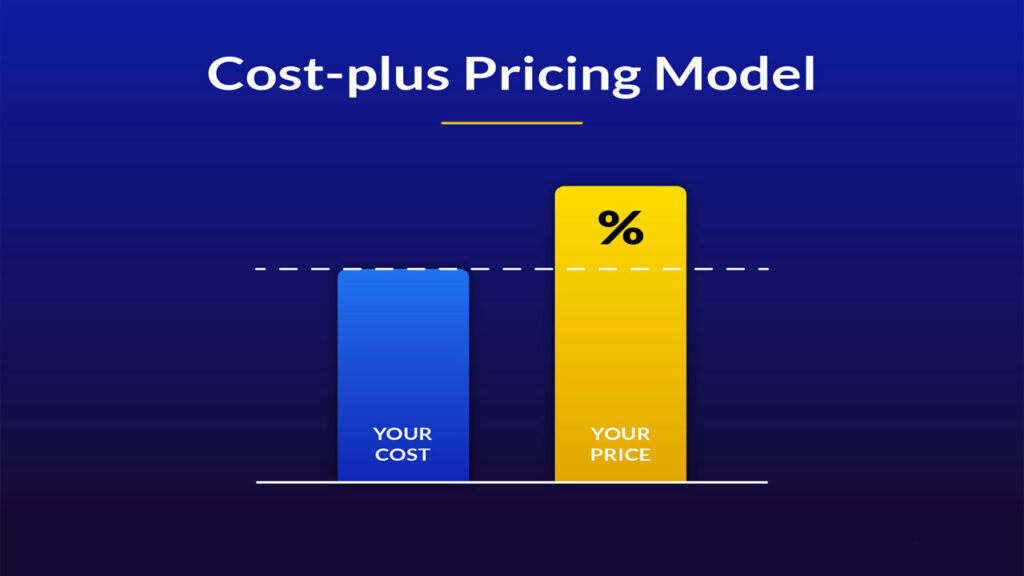
The third definition of FCP is Full Cost Pricing, which involves understanding all the costs incurred in advertising. This practice enables businesses to charge enough to cover total costs and generate profits for sustainable growth.
Critical Principles of Full Cost Pricing:
- Emphasis on Total Costs: Full Cost Pricing accounts for direct costs (e.g., media placements) and indirect costs (e.g., creative development, project management).
- Understanding the complete cost structure ensures campaigns are priced with profit margins in mind.
- Cost-Activity Relationship: Identifying the cost relationship between different advertising activities helps optimise resources and budgeting.
- Allows businesses to pinpoint cost-intensive areas that can be optimised for cost-efficiency.
- Profit-Based Pricing Strategies: With a clear understanding of costs, businesses can develop pricing strategies that maximise profitability without sacrificing campaign quality.
- Ensures long-term financial sustainability and better marketing practices.
Advantages of Full Cost Pricing:
- Adequate Budgeting: Helps organisations use resources more effectively, optimising budgets for a higher ROI.
- Higher Profit Margins: With full-cost knowledge, businesses can price their offerings to cover expenses and generate profits.
- Data-Driven Decision Making: Full cost pricing facilitates strategic budgeting, aligning financial goals with marketing decisions.
Final Thoughts
In conclusion, FCP offers three unique interpretations—full—cycle Performance, Full Composition Picture, and Full Cost Pricing—each providing valuable insights for optimizing advertising strategies. Applying these principles can lead to improved performance, increased customer satisfaction, and sustainable business growth.
- Full-cycle performance helps businesses analyse and improve each phase of the advertising cycle.
- Complete Composition Picture ensures coherent storytelling and visual consistency across all platforms.
- Full Cost Pricing provides a deeper understanding of campaign costs, enabling better budgeting and profitability.
Now that you understand the impact of FCP, you can begin transforming your advertising campaigns into more effective and impactful endeavours. Take the first step today and unlock your business’s full potential with FCP!
]]>- Diverse Media: It includes differentiated media from television and radio to the digital media, including social media.
- Consumer Interaction: Not just about selling a product; it’s about forming some meaningful relationships between the consumer and the brand.
- Data-Driven: Analytics, along with data, play an essential role in targeting and personalizing advertisements.
- Constant Strategy Changes: Advertising strategies may evolve on a daily basis because of fast changes in technology.
- Business: Advertising would play a significant role in increasing the visibility trust from consumers, and growth of your business.
Changing Channels of Advertising

The use of advertising channels has instead changed positively with digital technologies. Old channels such as print, television, and radio are effective, but digital alternative media can coexist with them. This calls for agility in firms’ advertising strategies by changing old and new channels to reach their market.
- Traditional vs. Digital: Though an important tool, print media has been replaced by digital in terms of reach and effectiveness. Digital ads are set during the execution process in real time.
- Influence of Social Media: Today, Facebook, Instagram, and TikTok are more of the new frontier for advertising. Example: Influencer marketing with Facebook, Instagram, and TikTok tends to increase engagementa.
- Targeting in Digital: This is a boon, and the advertiser would target all three consumers according to their demographic, behavioral, or interest-wise preference, which makes the ad more personal and effective.
- Presence on Multiple Channels: Presence on multiple channels is currently a basic tool firms use to increase brand awareness. This will thereby help ensure that all their advertisements reach them wherever they are.
- Video Dominance: Video messages, particularly on social media applications, which include YouTube and TikTok, are currently at the top in advertising for it provides an immersive way for brands to communicate with their audience.
The Role of Consumer Psychology in Advertising

Given the importance of advertising effectiveness, consumer psychology would play a key role. How consumers think and feel would contribute to a better creation of some campaign that the business would engage in communication with their audience. Consumers’ emotions and motivations are what most advertisers use to attract attention and enforce action. Often, an advertisement will offer emotional appeal through happiness, fear, or even nostalgia.
- Behavioral Targeting: The data analytics process provides the facility for forecasting consumer behavior. This helps the advertiser decide on the right medium for advertising campaigns that will bring maximum impact for them.
- Brand Loyalty: By establishing campaigns that repeat without failure, advertising builds the loyalty feel among one-time buyers to become repeat customers.
- Molding Perception: Through strategic messaging, advertising can mold the perception of consumers toward the brand and its value.
- Call to Action: Good ads show a clear strong call to action that will take customers to wanted behaviors such as buying or signing up to use a service.
Role of Metrics and Measurement in Advertising

Measuring advertising is like flying blind without instruments. Metrics show us exactly where we stand in terms of how effectively our campaign is working and whether we are well within or out of reach in meeting the intended goals. Right now, many types of analytics tools exist to measure the effectiveness of advertising—from any engagements’ range of metrics to return on investments.
- Return on Investment (ROI): ROI measurement is absolutely necessary in determining the financial effectiveness of an advertising campaign.
- Engagement Metrics: These would include likes, shares, comments, and clicks to establish how many people are paying attention to an ad.
- Conversion Rates: By taking note of how many customers become after seeing an ad, the advertisers will be able to know the ROI generated by their campaigns.
- A/B Testing: In A/B testing, one can use more than one version of the ads to better understand what kind of content best appeals to the targeted audience.
- Attribution Models: These help advertising identify which touchpoints matter most in influencing consumer decisions.
Regulatory and Ethical Considerations in Advertising

As advertising progresses, so do its regulations and ethical practices. An advertiser needs on several laws and industry standards ensure that the campaigns are set or implemented legally and responsibly, especially now that consumers have increasingly become worried about data privacy and ethics in practice.
- Privacy Laws: These are laws, such as GDPR in Europe and CCPA in California, that offer protection for consumer data; thus, advertisers must be transparent about information collection and use.
- Truth in Advertising: This means that advertisers will not make misleading claims or claims which may be misrepresented in their communications. They will have to ensure that their advertisements are truthful and factual.
- Environmental Sustainability: Most consumers today expect the brand to contribute to social responsibility through advertisement. Greenwashing will violate a brand’s reputation.
- Cultural Sensitivity: Advertisers should remain sensitive to the differences between cultures and ensure they do not use campaigns that may passively offend or alienate them.
- Ethics of Targeted Advertising: While targeted adverts succeed in conversion, brands cannot leverage sensitive consumer information or exploit vulnerable groups.
Final Thoughts: The Expanding Scope of Advertising
The field of advertisement is on an ever-evolving plane. As time goes by, new technologies evolve, consumer tastes and preferences shift, and so do notions of what is proper or improper in ethical issues; advertisers must be more agile and innovative to be up to date. When companies want to connect with their audience meaningfully, it’s high time they embrace every means available in advertisement.
- Flexibility: Brands must be generally flexible and change their strategies to be relevant in a fast-moving marketplace.
- Data-Based Decision: Data is essential in creating targeted personal ads and speaking to customers.
- Consumer Centricity: The consumer must always remain in the advertising campaign’s center—their perception of trust and loyalty towards a brand matters.
- Innovation in Creativity: Effective advertising is nothing but creative and innovative methods that can punch holes in the noise and give way to achieving the desired effect.
- Long-Term Gains: Advertising can never be a silver bullet; it plays a critical role in long-run brand growth and sustenance.
Ready to talk with a marketing expert?

A Pragmatic and innovative way to enthrall your target group is just a click away!
Get in Touch
Rukmini Knowledge Park, Kattigenahalli, SH 104, Srinivasa Nagar, Bengaluru, Karnataka 560064
+91-990 247 8800
contact@gingermediagroup.com
Popular in Television Advertising
Udaya TV AdvertisingSun TV AdvertisingStar Plus AdvertisingTV 9 AdvertisingZee TV AdvertisingNDTV India AdvertisingColors TV AdvertisingPopular in Airport Advertising
Spice Jet AdvertisingMumbai Airport AdvertisingDelhi Airport AdvertisingEmirites AdvertisingIndiGo Airlines Domestic India AdvertisingPopular in Newspaper Advertising
Deccan Herald AdvertisingPrajavani AdvertisingThe Hindu AdvertisingEconomic Times AdvertisingDainik Jagran AdvertisingHindustan Times AdvertisingPopular in Magazine Advertising
Forbes AdvertisingCosmopolitan AdvertisingBusiness World AdvertisingVogue Magazine AdvertisingPopular in Sports Advertising
IPL AdvertisingPopular in Outdoor Advertising
Billboard AdvertisingBus Shelter AdvertisingMetro Pillar AdvertisingUnipole Advertising© Ginger Media Group 2025. All Rights Reserved.