Understanding Sports Advertising: An Overview
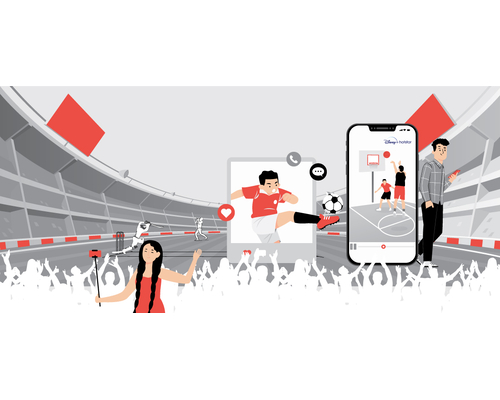
Sports advertising is a vital aspect of marketing. It uses the thrill of sports to enthuse people about products and services. It includes many promotional events, like sponsorship promises, advertising during broadcast events, social media campaigns, and event activations. Sports advertisement comprehension can display brand potential while offering the chance for the brand to be seen by, attract, and engage with new audiences.
The Impact of Sports Advertising on Brands
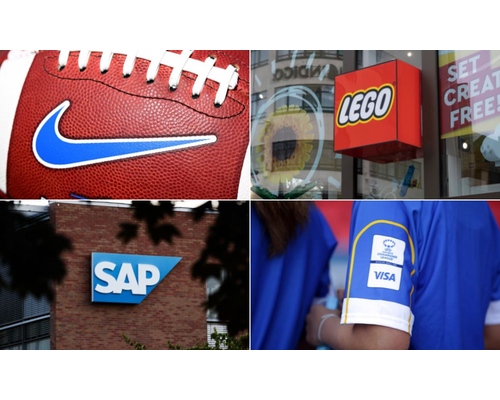
One significant benefit of sports advertising is its ability to create brand loyalty and recall through powerful emotional messages.
- Consumer Engagement: A Nielsen survey has shown that 70% of fans are more willing to purchase a product from a brand that sponsors their favourite team or athlete. The emotional attachment results in higher engagement, leading to a higher sales turnover.
- Case Studies: Nike and Adidas have effectively achieved this by creating fun and engaging content through athlete endorsements like Serena Williams and Lionel Messi. This has resulted in impactful advertising campaigns that appeal to consumers and merge sports culture with brand identity.
- Frameworks in Sports Marketing: The AIDA model, which consists of Attention, Interest, Desire, and Action, is generally required to define the type of sports that the brands desire to advertise. It hence serves as the introduction of the sports narratives that need to be used to capture the audience and have the audience follow through with the decision of the acquisition process.
Challenges and Benefits of Sports Advertising
Sports advertising is an industry long known for its many benefits. Still, it highlights some tricky situations that should be well navigated for sustainable results.
- High Competition: Many other brands are also involved in sports advertisements; thus, the entire market is whole. To make an impact, brands must be creative and think beyond the ordinary, using the “human touch” to connect with viewers and transfer the desired message.
- Balancing Sponsorship with Brand Identity: In sports advertising, the major challenge faced by companies is ensuring that their sponsorships align with their mission and message. Companies must carefully choose partners who match their goals and the type of partners their audience seeks.
- Strategies for Success: Corporations can increase their sports advertising efficiency through data analytics that provide insights into fan demographics, preferences, etc. Customised advertisements, such as those aligned with unique events or sports teams, have proved more beneficial as companies can be sure of such campaigns’ increased participation and relevance.
Emerging Trends in Sports Advertising
As the changes happening in the sports advertising arena never stop, new trends are being born that signal opportunities and considerations for brands.
- Digital and Social Media Integration: In addition to the growing number of sports fans who are now using digital platforms, companies are adjusting and have been able to communicate with brands through social media. Campaigns that allow users to create content and interactive features successfully engage people.
- Diversity and Inclusion: Brands are the most focused on presenting diversity in their advertisements, thus shouldering social responsibility. This contribution becomes a societal and individual pull for talents and fans, building a near-perfect setting for sports and associated products and services.
- Impact of Technology: Both augmented reality (AR) and virtual reality (VR) have become popular, with creators of the ads involved. They have the same purpose, i.e., advertising brands are recognised through interactive customer experiences.
Thus, sports advertising will remain a dynamic and powerful tool for brands to get their name out to consumers through widespread sports. Companies could drive their sales, whereas customer base loyalty would increase with the help of the passion and loyalty that sports cause.
Conclusion
In the marketing world, sports advertising is prominent as it is the primary tool of brand communication with the audiences. By using the emotional connection and loyalty that sports give, businesses can express the effectiveness of the sales chart in the long run.
Key Takeaways:
- Engagement with Audiences: Including sports advertising in their marketing strategies encourages brands to build emotional links between themselves and vehement fan communities. Thus, it is a key aspect of creating loyalty to the brand among consumers.
- Diverse Platforms: Nowadays, marketers can use various platforms, from social media to video-on-demand services, to engage sports fans. According to international panellists of the WIN 4 FINAL CONFERENCE of the <>KUFORRA<>, the platforms are quickly transforming the media landscape.
- Emotional Storytelling: Thus, the main idea behind sports advertising is not to persuade the viewer but to present them with an interesting story that causes them to connect with the brand pictorially.
- Sponsorship Opportunities: The mentioned entities’ involvement in sports only increases brand visibility and strengthens the brand identity.
- Targeted Marketing: Sports as a segment are open to sending powerful messages that fit the audiences’ expectations(WO stands for the world) and arrive fast at the best moment. Targeting is a tool that enables an image/product provider to provide a time-period and segment-specific message.
As marketing, brands can capture the interest of consumers when they offer the chance to be entertained and informed. For many companies, sports advertising has become very important. Dependencies and interdependencies among the inner sections of the marketing world have changed, and events are increasing in the digital world.
]]>It’s easier to imagine success by identifying all the types of advertising media in this fast-paced marketing world. All the advertising campaigns aim to speak to the target audiences to whom it is addressed and then achieve the results; they choose appropriate combinations of the most suitable media channels to:
- Heighten visibility
- Boost engagement
- Kick the product conversions into high gear
While the dominance of digital media is undeniable, traditional and offline advertising channels such as:
- Outdoor advertising (e.g., billboards, transit ads)
- Print media (e.g., newspapers, magazines)
- Other offline methods (e.g., flyers, direct mail)
These methods remain highly effective, especially for local markets and specific audience segments. Balancing conventional means with digital media for effective reach is crucial and may be the most critical factor in:
- Impacting audiences in the most receptive manner
- Ensuring a holistic advertising approach
Why You Need to Understand Advertising Media Types
Understanding the different types of advertising media is not simply a matter of media placement, but rather understanding strengths and weaknesses, against which are aligned business goals, and then choosing those that best fit the message for the brand and target audience.
- Targeted Reach: Different media types help in reaching specific audience demographics. For instance, traditional media like television may have a broad reach, outdoor advertising targets audiences in particular locations, and social media offers tailored engagement options for niche audiences.
- Cost Management: Awareness of media costs allows businesses to allocate budgets wisely, focusing on channels that offer the best ROI. For example, while digital ads can be cost-effective for startups, large billboards might be more beneficial for local businesses.
- Message Customization: Understanding each media type enables marketers to adapt their message style—short and catchy for billboards, detailed and informative for blogs, or visual and engaging for social media.
- Campaign Measurement: Each medium provides unique metrics, making measuring performance and refining strategies based on real-time data easier. For example, while digital channels offer detailed analytics, outdoor campaigns can be tracked through foot traffic or coupon redemptions.
Traditional Advertising Media
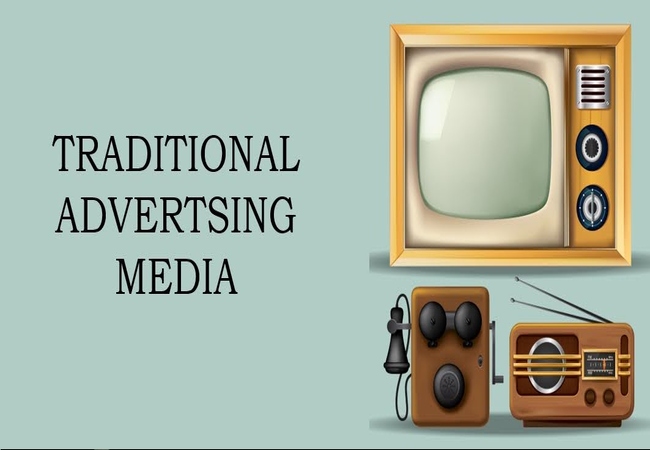
Traditional media include print, broadcasting, and out-of-home media. Even though digital channels are mushrooming around the corner, traditional media still contributes significantly to market reach, especially for newly established brands and local markets.
- Print Advertising includes newspapers, magazines, brochures, and flyers. It effectively targets specific age groups, such as older audiences who still prefer reading newspapers. It is helpful for industries where detailed information is crucial, such as real estate or automotive. It is best for building credibility and reinforcing brand image through high-quality visuals and long-form content.
- Broadcast Advertising encompasses television and radio ads. Television ads are ideal for reaching a mass audience quickly and are often used for product launches or branding campaigns. Radio ads are more localized and effective for small businesses targeting local audiences. They are ideal for creating memorable visual or auditory experiences that leave a lasting impact.
- Out-of-home advertising (OOH) includes billboards, transit ads, and posters. It captures attention in high-traffic areas like highways, city centers, and public transportation. Effective for brand awareness and reinforcing campaign messages through repeated exposure, OOH works well for promoting local businesses or time-sensitive offers.
Outdoor Advertising: Offline Visibility Creates Noise
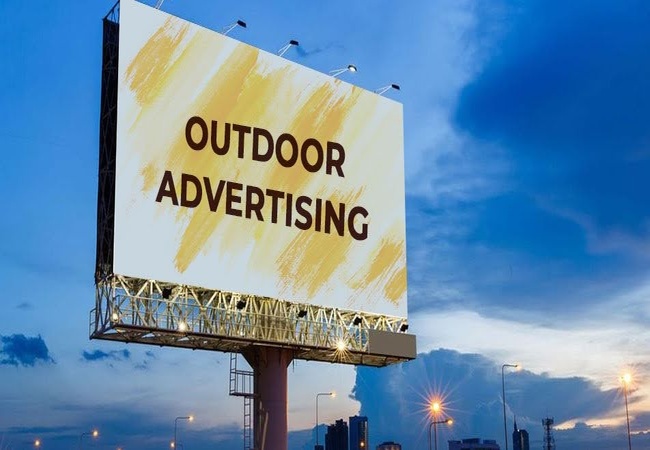
Outdoor marketing grabs people’s attention by placing them in areas where they can be seen in public. It is excellent for building brand awareness, event promotion, and driving foot traffic into individual businesses. There are several different types of outdoor advertisements, each with strengths that make a particular campaign stand out.
- Billboards: One of the most recognizable forms of outdoor advertising.
- Best suited for high-impact visual messages, ideal for brand recognition.
- Works well for both national brands and local businesses due to its high visibility.
- Effective when placed in high-traffic areas, such as highways or busy city intersections.
- Transit Advertising: Found on buses, trains, taxis, and subways.
- It is ideal for reaching commuters and urban audiences who spend significant time in transit.
- Offers a mobile way of reaching audiences, ensuring the message is seen in multiple locations.
- Effective for time-bound campaigns, such as sales promotions or event announcements.
- Street Furniture: Includes bus shelters, kiosks, benches, and telephone booths.
- Allows advertisers to engage with pedestrians and vehicular traffic in urban environments.
- Useful for hyper-local targeting and reinforcing brand messages in specific neighborhoods.
- Ideal for interactive ads, such as digital screens or QR codes, that encourage user engagement.
- Event and Venue Advertising: Includes signage at sports stadiums, concert halls, and conventions.
- It best captures audiences’ attention in a more relaxed and receptive environment.
- It is ideal for highly engagingly targeting niche markets, such as sports enthusiasts or music lovers.
- Works well for building a brand association with popular events or cultural gatherings.
Other Offline Methods of Advertising: As a means aside from Traditional and Digital

While broadcast forms such as print and outdoor advertising billboards are well-known, many other offline advertising media are lesser known and offer entirely different ways of reaching audiences. Strategic use of these can complement more extensive campaigns and leave a memorable brand experience.
- Direct Mail Advertising: This involves sending promotional materials such as brochures, catalogs, postcards, or letters to the target audience.
- Highly personalized and effective for targeting specific geographic or demographic groups.
- Works well for detailed product information, seasonal promotions, and exclusive discounts.
- Best for nurturing customer relationships and generating leads in a tangible format.
- Experiential Marketing: Involves creating immersive brand experiences that engage consumers directly.
- It is ideal for launching new products, building brand loyalty, and generating social media buzz.
- Effective for creating emotional connections with the audience through live events, pop-up stores, or interactive installations.
- Best for encouraging word-of-mouth marketing and enhancing brand recall.
- Point-of-sale (POS) and In-Store Advertising include promotional displays, banners, and digital screens in retail environments.
- Effective for influencing purchase decisions at the point of sale.
- Best for highlighting new arrivals, special offers, or product demonstrations.
- Works well for encouraging impulse buys and reinforcing brand messages in-store.
Digital Advertising Media Types
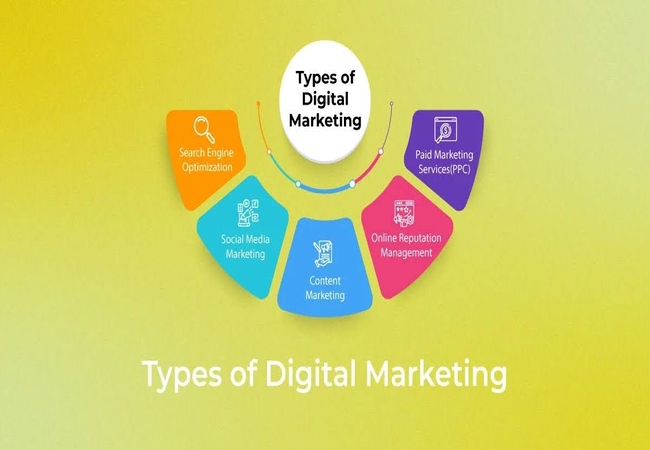
Digital advertising media have become essential marketing tools due to the internet and technology. Interactive and highly targeted avenues of engagement with audiences can ensure easier tracking and measurement of campaign success.
- Social Media Advertising: Platforms include Facebook, Instagram, LinkedIn, Twitter, and TikTok.
- Highly targeted, allowing businesses to reach specific demographics based on location, interests, and behavior.
- It is ideal for building communities, engaging in two-way communication, and promoting user-generated content.
- Best for running both organic and paid campaigns that can go viral and reach millions.
- Search Engine Marketing (SEM): Includes Google Ads, Bing Ads, and other PPC campaigns.
- Target users search for related products or services, making it highly conversion-focused.
- It allows for precise budget control, as advertisers only pay when users click their ads.
- Best for driving website traffic, generating leads, and increasing sales.
Final Thoughts
To create impactful and memorable campaigns, it’s essential to understand and strategically combine various advertising media types. Each type—whether traditional, digital, outdoor, or other offline channels—brings unique advantages that can help brands achieve diverse marketing objectives. By carefully analyzing the strengths of each medium, marketers can craft campaigns that resonate deeply with their target audiences, ensuring high engagement and optimal results.
- Utilize a Balanced Approach:
- Combine traditional and digital media to maximize reach and engagement.
- Use outdoor and offline ads to boost local visibility and brand recognition.
- Leverage experiential marketing for memorable brand interactions and in-store displays to influence purchasing decisions.
- Understand the Strengths of Each Media Type:
- Traditional Media: Best for building credibility and reaching broader audiences.
- Digital Media: Ideal for precise targeting, real-time engagement, and performance tracking.
- Outdoor Advertising: Perfect for high-impact visuals and reinforcing brand messages in strategic locations.
- Other Offline Methods: Excellent for personalization and creating immersive brand experiences.
- Create a Cohesive Multi-Channel Strategy:
- Develop unified messages that can be adapted for different media.
- Use cross-promotional strategies, such as integrating social media with experiential marketing events.
- Monitor performance across all media channels to refine and optimize campaigns based on data insights.
Frequently Asked Questions About Media Advertising
How do you select advertising media?
Selecting advertising media involves determining the target audience’s preferences and, depending on the campaign’s overall objectives, the channels to use. Other factors considered when making choices are reach, engagement potential, and budget.
What are forms of advertising media?
Advertising media refers to different forms, such as television, radio, print (newspapers and magazines), outdoor (billboards), and digital platforms like social media, websites, and email marketing. Each one has its strengths and is recommended to be used toward specific types of marketing objectives.
Why is advertising media important?
Advertising media is essential to a business because it will enable them to reach their audiences, increase the brand’s presence, and encourage and effectively drive sales. An effective advertising media strategy will undoubtedly support a brand’s growth and success more profoundly in markets.
Ad media tracks its ads’ effectiveness through key performance indicators, including reach, engagement, conversion rates, and return on investment. The businesses can then monitor their advertising activities through analytics tools and metrics.
What are some of the current advertising media trends?
Other contemporary trends involving advertising media include influencer marketing, personalization of content, using artificial intelligence in targeting, and social media becoming an increasingly critical platform. Therefore, keeping abreast of these trends would help a business understand which content to personalize, use its targeting facilities, and change market strategies to achieve better performance.
]]>Ready to talk with a marketing expert?

A Pragmatic and innovative way to enthrall your target group is just a click away!
Get in Touch
Rukmini Knowledge Park, Kattigenahalli, SH 104, Srinivasa Nagar, Bengaluru, Karnataka 560064
+91-990 247 8800
contact@gingermediagroup.com
Popular in Television Advertising
Udaya TV AdvertisingSun TV AdvertisingStar Plus AdvertisingTV 9 AdvertisingZee TV AdvertisingNDTV India AdvertisingColors TV AdvertisingPopular in Airport Advertising
Spice Jet AdvertisingMumbai Airport AdvertisingDelhi Airport AdvertisingEmirites AdvertisingIndiGo Airlines Domestic India AdvertisingPopular in Newspaper Advertising
Deccan Herald AdvertisingPrajavani AdvertisingThe Hindu AdvertisingEconomic Times AdvertisingDainik Jagran AdvertisingHindustan Times AdvertisingPopular in Magazine Advertising
Forbes AdvertisingCosmopolitan AdvertisingBusiness World AdvertisingVogue Magazine AdvertisingPopular in Sports Advertising
IPL AdvertisingPopular in Outdoor Advertising
Billboard AdvertisingBus Shelter AdvertisingMetro Pillar AdvertisingUnipole Advertising© Ginger Media Group 2025. All Rights Reserved.