CGC is any content—text, images, videos, reviews, and social media posts, to name a few—created by someone other than the brand. This content is authentic, often unbiased, and strongly influences potential customers’ purchase decisions. In an era when consumers are skeptical of traditional advertising, CGC has emerged as a powerful tool for brands to build credibility, community, and deeper engagement with their audience.
Critical Aspects of CGC:
- Changing Dynamics of Marketing: Brands are no longer solely empowered to tell their message; consumers’ voices are more vital than ever.
- Authenticity Matters: Authentic views of products and services increase customer trust.
- Consumer Behavior Change: Social media experiences lead to more sharing of personal stories, changing how brands communicate with their audience.
The Role of Consumer-Generated Content in Modern Marketing

CGC is one of the most trusted forms of marketing because of its authenticity. Consumer research shows that many consumers trust CGC more than traditional advertising.
- Authentic Trust: CGC is viewed as more credible and trustworthy than traditional ads.
- Relatability: Consumers prefer stories that feel close to their reality.
CGC helps humanise a brand, creating a relatable image in an otherwise crowded market. It shows products in real-life use by consumers, offering cues like customer satisfaction, functionality, and unique uses that scripted brand campaigns often miss.
Benefits of CGC for Brands:
- Organic Promotion: A happy customer sharing their experience on social media can reach hundreds or thousands of people, leading to a ripple effect in brand visibility.
- Cost-Effective: CGC can generate thousands or millions of impressions without the direct advertising cost of traditional campaigns.
Types of Consumer-Generated Content and Their Impact
CGC comes in various forms, each impacting a brand’s reputation and marketing in different ways:
- Customer Reviews: Platforms like Yelp, Google Reviews, and Amazon rely heavily on reviews. Positive reviews enhance a brand’s credibility, while negative ones highlight areas for improvement.
- Social Media Posts: In real-time, Instagram, TikTok, and Twitter are flooded with user-generated content related to products. Hashtags and brand mentions amplify visibility and engagement.
- Unboxing Videos and Tutorials: YouTube and TikTok are filled with unboxing videos and tutorials, essential for tech and beauty products, as consumers need to see how a product works before purchasing.
Benefits of Utilizing CGC in Marketing Strategy
Brands that encourage or support CGC can reap several benefits:
- Authenticity: CGC showcases real-life use of products, increasing trust among target customers.
- Cost-Effective Content Production: Leveraging CGC helps reduce content production costs while maintaining a steady flow of fresh material.
- Brand Loyalty: CGC strengthens customer connections, turning them into brand advocates.
- Feedback Mechanism: By analyzing CGC, brands gain valuable insights into product strengths and areas for improvement.
How Brands Can Encourage Consumer-Generated Content

Fostering a robust and active community is critical to encouraging customers to create content for a brand. Here are some strategies:
1. Social Media Campaigns
Brands can launch hashtag campaigns or challenges where customers creatively use products, generating a wealth of CGC. Offering rewards such as discounts or complimentary samples for the best content can further motivate participation.
2. Share and Acknowledge User Content
Brands that share or acknowledge user-generated content encourage others to do the same. Featuring customer posts on official accounts or re-sharing reviews shows that a brand values customer input, leading to increased loyalty and engagement.
3. Influencer and Micro-Influencer Collaboration
Collaborating with micro-influencers, who may have smaller but highly engaged audiences, can significantly boost CGC efforts. Influencers create honest content, encouraging followers to do the same.
4. Leverage Reviews and Testimonials
Ask satisfied customers to leave reviews or testimonials. Offering discounts, loyalty points, or exclusive deals in exchange for feedback encourages participation. Shared reviews serve as social proof for potential buyers.
5. Competitions or Giveaways
Hosting online competitions or giveaways can inspire customers to create content. For example, brands can hold photo or video contests where users submit entries featuring their products for a chance to win prizes. This generates significant CGC and fosters customer engagement.
Final Thoughts
Consumer-generated content (CGC) has revolutionised how brands communicate with their audiences. CGC allows brands to establish trust, build community, and engage customers at a deeper level. Unlike traditional advertising, CGC offers authentic social proof, making it an essential tool in any modern marketing strategy.
Key Takeaways:
- Empowering Customers: CGC allows customers to be part of a brand’s story, fostering a sense of belonging.
- Future of Marketing: The relationship between brands and consumers through CGC signals a shift towards a more collaborative marketing discipline.
- Strategic Execution: Brands embracing CGC as a core strategy will activate engagement and build customer confidence.
To tap into the power of CGC, brands must create a welcoming environment that encourages customers to share their experiences. Social media campaigns, influencer partnerships, and customer recognition programs can foster vibrant communities of customers eager to contribute to the brand’s story.
The future of marketing lies in the co-creative relationship between brands and customers. By giving customers a voice in the conversation, brands can unlock CGC’s full potential and ensure long-term success.
]]>
Social Media Optimization (SMO) has become a strategy that companies utilize today to enhance their online presence and reach the right target audiences. Organizations use SMO to create a community, enhance brand loyalty, and drive significant traffic to their websites.
- Improved Decision-Making: Analysis of social media metrics helps companies make informed content and engagement choices.
- Cost Efficiency: SMO identifies the best-performing content, reducing wasted marketing costs.
- Customer-Oriented Approach: Social media activities focus on customer interests to increase content relevance.
- Always Measuring and Learning: Engagement metrics are frequently analyzed, promoting adaptation and optimization.
- Strategic Planning: Better analysis of audience interactions leads to improved market trend prediction and long-term success.
In this article, we delve deeper into SMO, explaining its significance in current business practices and outlining steps organizations can take to implement it in their digital marketing strategies.
What Is SMO?
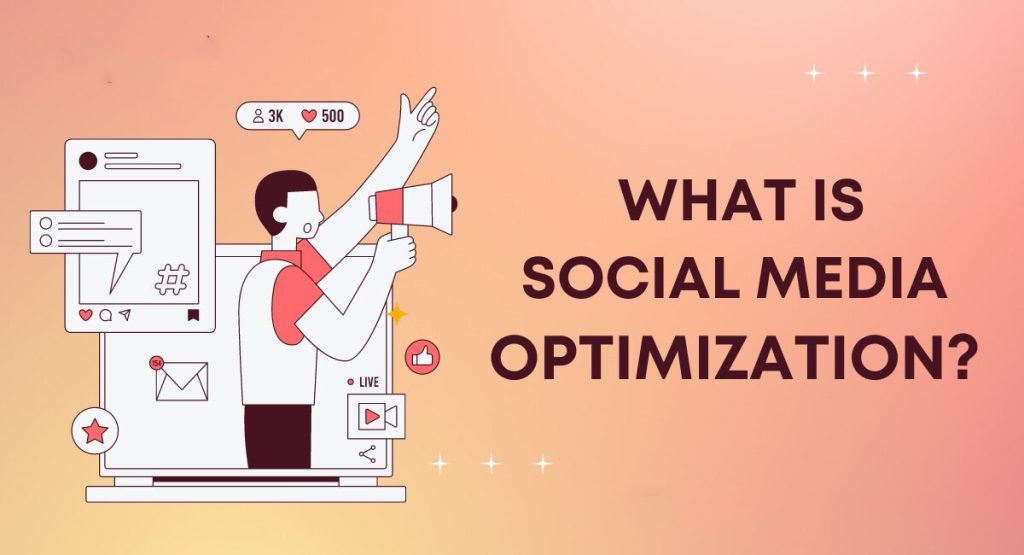
Social Media Optimization (SMO) is a strategy designed to increase visibility and engagement within the social media sphere. It aims to generate website traffic and increase brand awareness. Organizations can effectively market products or services by analyzing audience behavior and preferences through social interactions.
Key Elements of SMO
- Content Quality: High-quality, engaging, and shareable content is crucial. Content that attracts and inspires shares significantly raises reach.
- Social Engagement: Engaging with follower posts builds community loyalty and encourages brand sharing.
- Choosing the Right Social Media Platform: Selecting the correct platform based on the intended audience ensures the content’s effectiveness.
- Analytics: Performance measurement tools help marketers adjust strategies based on audience preferences.
- Brand Consistency: A uniform brand voice across platforms generates awareness and trust among target audiences.
By focusing on these elements, businesses can establish a strong SMO foundation that enhances audience engagement and loyalty.
Benefits of SMO
- Improved Decision Making: Analytics tools reveal what resonates with the audience, helping refine content.
- Cost Effectiveness: Organic reach reduces marketing expenses and customer acquisition costs.
- Effective Communication: SMO promotes two-way communication between brands and customers, fostering collaboration and community.
- Increased Brand Recognition: Quality content and engagement boost brand awareness across social media.
- Improved Website Traffic: Optimized social media channels drive more website traffic, enhancing conversion rates.
SMO can greatly impact a brand’s visibility and engagement, delivering real-world value.
The Basic Principles of SMO
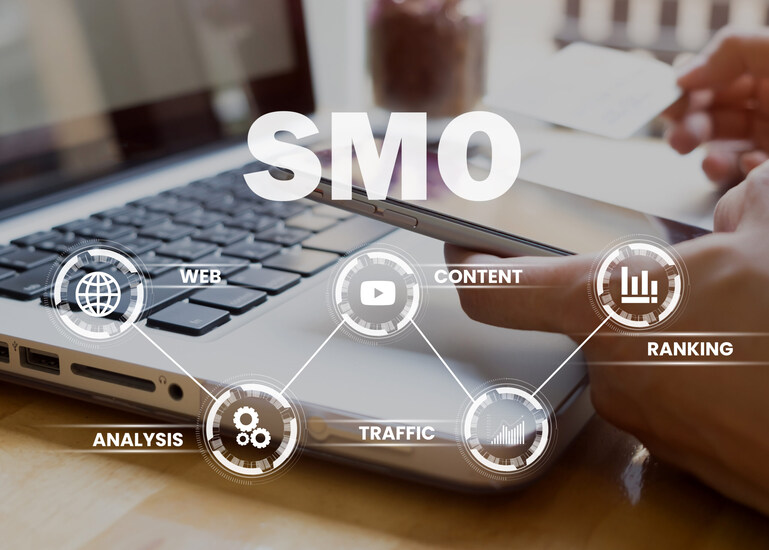
- Focus on Activities: Target specific social media activities, like posts and shares, to increase engagement.
- Link Activities to Metrics: Connect social media actions with metrics, such as engagement rates and conversions, to analyze effectiveness.
- Continuous Improvement: Regularly analyze trends and audience feedback to make strategic adjustments.
- Incorporate User-Generated Content: Encourage followers to create content, adding authenticity and fostering community participation.
- Use Paid Advertising: While organic reach is essential, paid ads help scale SMO and target demographics accurately.
Understanding these factors helps businesses build a robust SMO strategy that drives engagement and strengthens the brand.
How to Leverage SMO
- Review Current Activities: Assess your social media presence to identify strengths and weaknesses.
- Cost Drivers: Identify cost drivers, such as ad spends and content creation costs, to manage the social media budget effectively.
- Introduce Performance Metrics: Define metrics like click-through rates and engagement ratios to measure success.
- Empower Employees: Encourage employees to share company-related content and interact with customers, expanding brand reach and authenticity.
- Leverage Technology: Use social media management tools for automation, timely posting, and engagement data analysis.
These steps have proven useful for organizations in executing effective SMO campaigns that boost engagement and visibility.
Real-Life Examples of SMO
- Example 1: A retail brand launched a hashtag campaign encouraging customers to share their outfits on social media, increasing user-generated content and engagement by 150%.
- Example 2: A software company posted targeted content on LinkedIn, which boosted website traffic by 200% and increased lead generation.
- Example 3: A local restaurant shared daily specials on Instagram stories, which led to a 50% increase in footfall and bookings, demonstrating the effectiveness of real-time engagement.
These examples show how successful SMO can lead to positive business outcomes.
Final Thoughts
In a nutshell, SMO is an effective strategy for organizations aiming to increase their online presence, engagement, and brand recognition. By leveraging social media knowledge, allocating resources for content creation, and consistently improving, businesses can unlock immense potential in their operations and decision-making processes.
With SMO principles, organizations can achieve:
- Higher Brand Awareness: Expanding brand presence across social media channels.
- Greater Customer Interaction: Building meaningful relationships with customers fosters loyalty and community.
- More Traffic: Optimized social media channels drive more traffic to websites, potentially boosting conversion rates.
Now is the ideal time to adopt SMO for organizational growth. Start today to transform your digital platform into a driver of successful business results!
]]>Ready to talk with a marketing expert?

A Pragmatic and innovative way to enthrall your target group is just a click away!
Get in Touch
Rukmini Knowledge Park, Kattigenahalli, SH 104, Srinivasa Nagar, Bengaluru, Karnataka 560064
+91-990 247 8800
contact@gingermediagroup.com
Popular in Television Advertising
Udaya TV AdvertisingSun TV AdvertisingStar Plus AdvertisingTV 9 AdvertisingZee TV AdvertisingNDTV India AdvertisingColors TV AdvertisingPopular in Airport Advertising
Spice Jet AdvertisingMumbai Airport AdvertisingDelhi Airport AdvertisingEmirites AdvertisingIndiGo Airlines Domestic India AdvertisingPopular in Newspaper Advertising
Deccan Herald AdvertisingPrajavani AdvertisingThe Hindu AdvertisingEconomic Times AdvertisingDainik Jagran AdvertisingHindustan Times AdvertisingPopular in Magazine Advertising
Forbes AdvertisingCosmopolitan AdvertisingBusiness World AdvertisingVogue Magazine AdvertisingPopular in Sports Advertising
IPL AdvertisingPopular in Outdoor Advertising
Billboard AdvertisingBus Shelter AdvertisingMetro Pillar AdvertisingUnipole Advertising© Ginger Media Group 2025. All Rights Reserved.