Understanding the Foundations of Sports Marketing
Sports marketing is an important part of bringing fans closer to the teams, athletes, and events that are participating. The main objective is to create brand awareness among people who are interested in sports through various means, including digital platforms, sponsorships, and traditional advertising.
- Branding Importance: Building a brand that stands out from the crowd is vital. Organizations such as the New York Yankees and Manchester United partly show how a brand can be so powerful that it can even overpower the game and get the whole world to recognize the brand with which they associate themselves.
- Actual Stats: A 2022 Nielsen Sports report claims that 80% of sports fans who their beloved teams or athletes sponsor are more engaged in the brands, thus signifying the role of the right partnerships in a sports industry becoming a success.
- The theoretical foundation to make the best decision: The 4 P’s of marketing Product, Price, Place, and Promotion provide a powerful solution to developing successful marketing strategies for sports. Knowledge of these can help make the teams’ or events’ unique selling propositions easily understood.
Leveraging Digital Channels in Sports Marketing

Just like the technological revolution has affected the communication field, the same thing has happened with the sports marketing industry. Online channels such as social media, mobile apps, and content marketing have become important.
- Real-Life Scenarios: NBA teams use platforms like Instagram and TikTok to connect with fans through personal content, a successful way of connecting coach-players and fans. For example, the Golden State Warriors use storytelling to make people more attached to the team, thus maintaining a rigid wall with their fans.
- Challenges and Considerations: Although digital marketing offers a wide range of possibilities, it also faces the challenge of performing controversial tasks, such as managing online reputation and handling negative feedback. One way of taking control of such situations is to follow the crisis management model and thus minimize the risk of occurrence.
- Practical Strategies: Brands need to focus more on creating authentic and memorable content that their audience will read. Apart from other ways, telling good stories through videos, polls, and live interactions on social media will make one’s music and be the driving force protecting and promoting loyal fans.
Emerging Trends in Sports Marketing
Being dynamic while simultaneously keeping up with the currently ongoing sporting events in terms of marketing characterizes the marketing environment of sports. A good understanding of the trends that are due to arise is required for a company that wants to survive in the long run. The following areas are some of the ones that will be the most competitive:
- Sustainability Initiatives: To green a setting, several more businesses nowadays are turning to sustainability, as it improves the brand and customer experience. Moreover, the Seattle Seahawks realize the true potential of environmentally friendly activities; thus, they have designed a recycling program that has been appreciated by eco-friendly fans.
- Personalization and Data Analysis: The rise of big data has influenced the marketing world, as marketers have been capitalizing on the use of data to personalize consumers’ experiences. Developing personalized marketing that is both relevant and interesting to the target group can uplift the response rate and increase revenue.
- Implications for the Industry: Besides, as technology changes and fans’ expectations change, companies are supposed to adapt to innovation. Staying one step ahead of the new phenomena of music, like, for instance, those taking place in venues such as AR or improved mobile engagement, will be the best way to the end of the road, which is fan Tennessee.
The quintessence of effective sports marketing is to feel the base of the principles, use digital platforms well, and keep up with the latest trends. These strategies benefit organizations by enabling greater visibility and stronger connections with fans, ultimately resulting in growth and loyalty in the highly competitive sports industry.
Conclusion
The relevance of a good sports marketing strategy directly influences the growth and viability of sports organizations. At the same time, it offers practice for fan engagement and brand loyalty. In our Ultimate Sports Marketing Guide, we summarized the key parts of a solid marketing strategy that ensures a company is among those who can benefit from the enormous growth of the sector. By being familiar with sports marketing subtleties that include the use of social media and data analytics as well as developing community relationships and sponsorship partnerships, you can design campaigns that are tailored and that are the talk of the town that speak to the audience you want to serve and add the extra glam to your brand name.
Key Takeaways:
- Engagement is Crucial: Having good answers and relationships with the fans will boost loyalty and drive attendance.
- Data-Driven Strategies: Analytics can help align marketing efforts with audience tastes and trends.
- Social Media Presence: A lively and engaging social media strategy can significantly increase fans’ range and commitment.
- Sponsorship Opportunities: Strategic alliances can go a long way in boosting visibility and carrying extra revenues.
- Community Involvement: Interconnection with the local community produces goodwill, thus creating a better brand reputation.
By integrating these components into your sports marketing strategy, you can realize a holistic approach that will not only enable the business to meet its goals but also improve the sports culture to a whole new level.
]]>Understanding Sports Advertising: An Overview
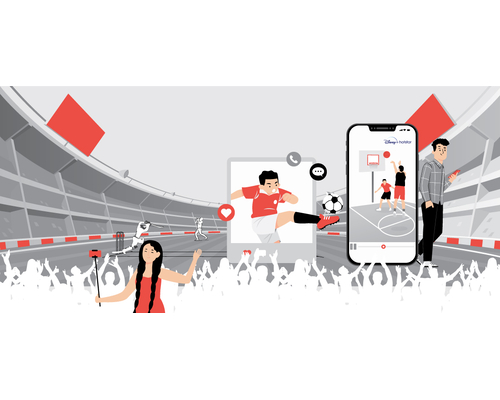
Sports advertising is a vital aspect of marketing. It uses the thrill of sports to enthuse people about products and services. It includes many promotional events, like sponsorship promises, advertising during broadcast events, social media campaigns, and event activations. Sports advertisement comprehension can display brand potential while offering the chance for the brand to be seen by, attract, and engage with new audiences.
The Impact of Sports Advertising on Brands
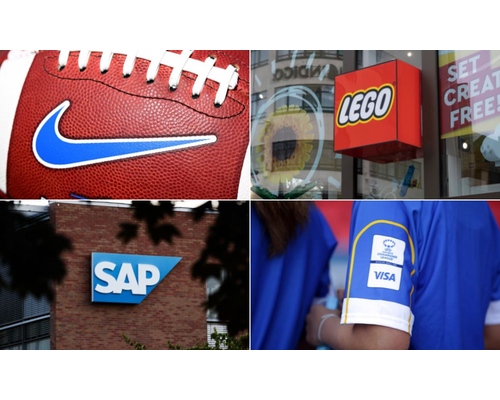
One significant benefit of sports advertising is its ability to create brand loyalty and recall through powerful emotional messages.
- Consumer Engagement: A Nielsen survey has shown that 70% of fans are more willing to purchase a product from a brand that sponsors their favourite team or athlete. The emotional attachment results in higher engagement, leading to a higher sales turnover.
- Case Studies: Nike and Adidas have effectively achieved this by creating fun and engaging content through athlete endorsements like Serena Williams and Lionel Messi. This has resulted in impactful advertising campaigns that appeal to consumers and merge sports culture with brand identity.
- Frameworks in Sports Marketing: The AIDA model, which consists of Attention, Interest, Desire, and Action, is generally required to define the type of sports that the brands desire to advertise. It hence serves as the introduction of the sports narratives that need to be used to capture the audience and have the audience follow through with the decision of the acquisition process.
Challenges and Benefits of Sports Advertising
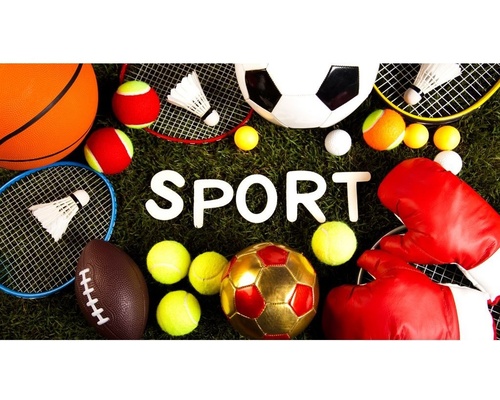
Sports advertising is an industry long known for its many benefits. Still, it highlights some tricky situations that should be well navigated for sustainable results.
- High Competition: Many other brands are also involved in sports advertisements; thus, the entire market is whole. To make an impact, brands must be creative and think beyond the ordinary, using the “human touch” to connect with viewers and transfer the desired message.
- Balancing Sponsorship with Brand Identity: In sports advertising, the major challenge faced by companies is ensuring that their sponsorships align with their mission and message. Companies must carefully choose partners who match their goals and the type of partners their audience seeks.
- Strategies for Success: Corporations can increase their sports advertising efficiency through data analytics that provide insights into fan demographics, preferences, etc. Customised advertisements, such as those aligned with unique events or sports teams, have proved more beneficial as companies can be sure of such campaigns’ increased participation and relevance.
Emerging Trends in Sports Advertising
As the changes happening in the sports advertising arena never stop, new trends are being born that signal opportunities and considerations for brands.
- Digital and Social Media Integration: In addition to the growing number of sports fans who are now using digital platforms, companies are adjusting and have been able to communicate with brands through social media. Campaigns that allow users to create content and interactive features successfully engage people.
- Diversity and Inclusion: Brands are the most focused on presenting diversity in their advertisements, thus shouldering social responsibility. This contribution becomes a societal and individual pull for talents and fans, building a near-perfect setting for sports and associated products and services.
- Impact of Technology: Both augmented reality (AR) and virtual reality (VR) have become popular, with creators of the ads involved. They have the same purpose, i.e., advertising brands are recognised through interactive customer experiences.
Thus, sports advertising will remain a dynamic and powerful tool for brands to get their name out to consumers through widespread sports. Companies could drive their sales, whereas customer base loyalty would increase with the help of the passion and loyalty that sports cause.
Conclusion
In the marketing world, sports advertising is prominent as it is the primary tool of brand communication with the audiences. By using the emotional connection and loyalty that sports give, businesses can express the effectiveness of the sales chart in the long run.
Key Takeaways:
- Engagement with Audiences: Including sports advertising in their marketing strategies encourages brands to build emotional links between themselves and vehement fan communities. Thus, it is a key aspect of creating loyalty to the brand among consumers.
- Diverse Platforms: Nowadays, marketers can use various platforms, from social media to video-on-demand services, to engage sports fans. According to international panellists of the WIN 4 FINAL CONFERENCE of the <>KUFORRA<>, the platforms are quickly transforming the media landscape.
- Emotional Storytelling: Thus, the main idea behind sports advertising is not to persuade the viewer but to present them with an interesting story that causes them to connect with the brand pictorially.
- Sponsorship Opportunities: The mentioned entities’ involvement in sports only increases brand visibility and strengthens the brand identity.
- Targeted Marketing: Sports as a segment are open to sending powerful messages that fit the audiences’ expectations(WO stands for the world) and arrive fast at the best moment. Targeting is a tool that enables an image/product provider to provide a time-period and segment-specific message.
As marketing, brands can capture the interest of consumers when they offer the chance to be entertained and informed. For many companies, sports advertising has become very important. Dependencies and interdependencies among the inner sections of the marketing world have changed, and events are increasing in the digital world.
]]>Ready to talk with a marketing expert?

A Pragmatic and innovative way to enthrall your target group is just a click away!
Get in Touch
Rukmini Knowledge Park, Kattigenahalli, SH 104, Srinivasa Nagar, Bengaluru, Karnataka 560064
+91-990 247 8800
contact@gingermediagroup.com
Popular in Television Advertising
Udaya TV AdvertisingSun TV AdvertisingStar Plus AdvertisingTV 9 AdvertisingZee TV AdvertisingNDTV India AdvertisingColors TV AdvertisingPopular in Airport Advertising
Spice Jet AdvertisingMumbai Airport AdvertisingDelhi Airport AdvertisingEmirites AdvertisingIndiGo Airlines Domestic India AdvertisingPopular in Newspaper Advertising
Deccan Herald AdvertisingPrajavani AdvertisingThe Hindu AdvertisingEconomic Times AdvertisingDainik Jagran AdvertisingHindustan Times AdvertisingPopular in Magazine Advertising
Forbes AdvertisingCosmopolitan AdvertisingBusiness World AdvertisingVogue Magazine AdvertisingPopular in Sports Advertising
IPL AdvertisingPopular in Outdoor Advertising
Billboard AdvertisingBus Shelter AdvertisingMetro Pillar AdvertisingUnipole Advertising© Ginger Media Group 2025. All Rights Reserved.