- Definition: Media vehicles are specific channels through which advertising messages are delivered.
- Diversity: Different media vehicles, such as television, radio, print, and social media, cater to varied demographics.
- Targeting: Choosing the right media vehicle ensures the intended audience receives the message.
- Cost-Effectiveness: Selecting appropriate media can optimize advertising budgets and enhance return on investment.
- Performance Measurement: Understanding media vehicles helps assess marketing strategies’ effectiveness.
Overview of Media Vehicle
A media vehicle refers to a specific channel or platform from which the advertising message is delivered to the audience. Examples of media vehicles include:
- Television shows
- Radio stations
- Newspapers
- Magazines
- Websites
- Social media platforms
The audience demographics and reach for each of these media vehicles differ, so selecting the right car is essential for advertisers to convey their intended message effectively.
Importance of Knowing Media Vehicles
Understanding media vehicles is essential for marketers and strategic decision-makers. Key areas of importance include:
- Target Audience Reach: Different media vehicles reach different audiences. Knowing which vehicles resonate with specific demographics enables brands to tailor their advertising efforts more effectively.
- Cost-Effectiveness: Choosing a suitable medium helps optimize budget spending. A well-chosen media vehicle can maximize reach with less expenditure, improving ROI.
- Message Compatibility: Each media vehicle has unique characteristics that affect how people perceive a message. Ensuring message compatibility with the chosen vehicle maximizes its effectiveness.
- Performance Measurement: Evaluating media-vehicle performance allows marketers to measure engagement rates, conversions, and other metrics, directly influencing future strategies.
- Strategic Decision Making: Staying informed about changes in media vehicles helps businesses make more innovative, adaptive decisions in the dynamic media space.
Understanding the Term
Media Vehicle Definition
A media vehicle is the medium or channel through which a message reaches its intended audience. Examples of media vehicles include:
- Television
- Radio
- Print (newspapers, magazines)
- Outdoor advertising
- Digital media (social media, websites, email)
Each of these media vehicles has unique characteristics, audience demographics, and levels of engagement, making it crucial for marketers to choose the right one for their objectives.
Purpose and Function
The primary purpose of a media vehicle is to act as a channel for delivering advertising messages to a target audience as effectively as possible. Key functions include:
- Audience Targeting: Different media vehicles target different population segments. For example, social media platforms like TikTok are ideal for reaching younger audiences, while older demographics may be more receptive to traditional TV or newspaper ads.
- Message Delivery: Media vehicles serve as the medium for delivering marketing messages. Advertising text, video, or audio, are adapted to fit the vehicle’s presentation.
- Brand Awareness: Repeated exposure through effective media vehicles enhances brand recognition and recall, reinforcing messages across multiple channels.
- Interactivity and Involvement: Many media vehicles, especially digital ones, allow for interaction. Brands can engage with their audience through comments, shares, or direct messages, building stronger relationships and gaining valuable feedback.
- Measurement and Analytics: Digital media vehicles offer advanced analytics, allowing businesses to track impressions, clicks, and conversions. This data helps shape future marketing strategies and define budget allocations.
Real-Life Examples of Media Vehicles

Media vehicles are applied across various industries and marketing campaigns:
- Product Launches: A new beverage brand may use TV commercials to create awareness while running social media ads targeting specific demographics. Outdoor advertising in high-traffic areas can further attract attention.
- Election Campaigns: Politicians often use a mix of television spots for broad reach, radio for local engagement, and social media to target specific voter groups.
- Event Promotion: For a music festival, organizers might use radio stations for ticket giveaways, social media for interactive promotions, and local entertainment magazines for detailed event coverage.
- Content Marketing: Brands use blogs as digital media to share valuable information. They then amplify this content through social media, email newsletters, and influencer partnerships to drive traffic to their website.
- E-commerce Promotions: Online retailers leverage media vehicles like email newsletters, social media ads, and influencer collaborations to drive website traffic and boost sales.
Importance of Understanding Media Vehicles: The Key to Success for Businesses

In today’s digitally driven marketplace, understanding media vehicles is vital for successful audience engagement. Key reasons include:
- Engagement with Target Audience: Selecting the right media vehicle ensures the message reaches the intended audience. Different demographics interact with media vehicles in unique ways. For example, younger consumers may prefer social media, while older demographics connect more with traditional media like TV or newspapers.
- Cost-Effectiveness: Knowing the most influential media vehicles helps businesses allocate their advertising budgets wisely, ensuring the highest ROI. Local businesses might find local radio ads more cost-effective, while national brands may benefit from digital strategies.
- Brand Awareness and Visibility: Strategically utilizing multiple media vehicles ensures a consistent message reaches the consumer across various touchpoints. A multi-channel approach increases brand visibility and recall.
- Market Trend Alignment: As the media landscape evolves, businesses must stay informed about emerging vehicles and their effectiveness. This adaptability allows businesses to remain competitive and take advantage of new opportunities.
- Measuring Effectiveness: Media vehicles allow businesses to measure campaign impact through metrics such as reach, engagement, and conversion rates. Analyzing this data helps refine marketing strategies for future campaigns, driving better overall performance.
Final Thoughts
Understanding media vehicles is a fundamental aspect of any successful marketing strategy. Selecting the right media vehicle ensures that messages reach the appropriate audience, maximize budget efficiency, and boost brand recognition. As the media landscape continues to evolve, businesses must stay informed and adaptable to leverage the full potential of media vehicles and ensure long-term success. By focusing on the strengths of each media channel, companies can enhance their marketing efforts and connect with their customers more effectively.
]]>
To Understand the Elements of Advertising
In this digital-first world where everything is fast-paced, advertising has become the best tool businesses—large or small—need to hook onto their target audience. In this world where much is distracting, in this marketplace where many brand names are battling for attention, these elements have perhaps never been more crucial. After all, effective advertising promotes a product or service, but it also has to be there to establish a brand identity and customer loyalty. What are some of these essential elements that carry the day for the
Key Components of Advertising
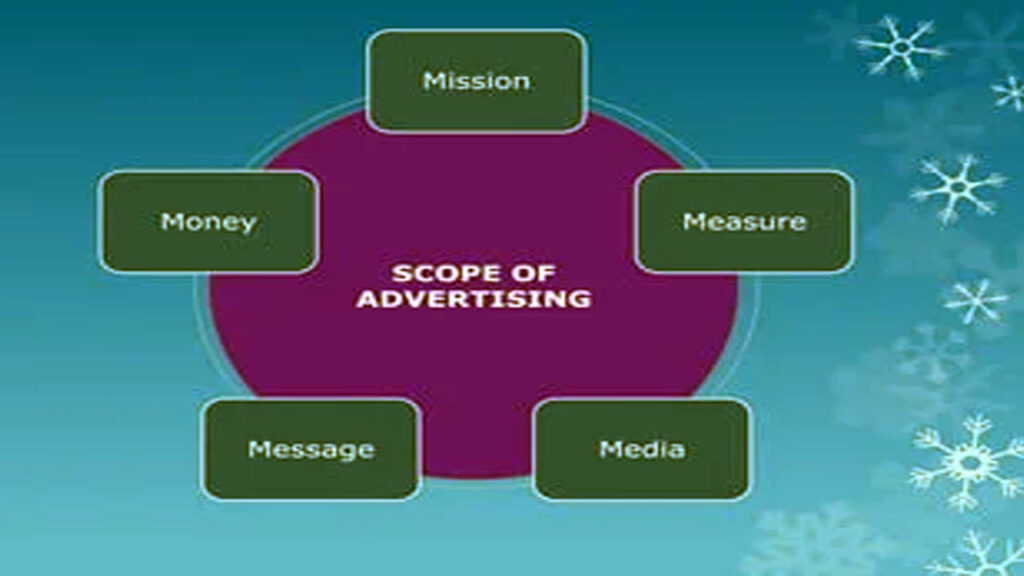
- Message: The advertisement should be exciting and, more importantly, directed toward fulfilling consumer wants or needs. A good, creative message forms the heart of the campaign because it will be the foundation of the whole process. Whether it’s extolling the unique virtues of the product or those of the brand itself, the message must reach your target customers and compel them to take action.
- Media: Choosing the most suitable medium is critical for effective access to the target market. With the existence of such numerous media, there is ample choice, from traditional media like broadcast television, radio, and print to digital media, social media, and search engines. Whatever the preferences of the target market and whatever the goals of the campaign are, the right media will depend on them. Taking a channel-optimized mix increases both reach and engagement.
- Planning: Timelines play a significant role in the success of an advertisement campaign. There is always a time for the audience to accept the message. Seasonal trends and events may also affect the performance of ads. For instance, the promotion of some products may run well during the holiday season due to the high interest of the consumers in those products.
- Audience Targeting: Advertising must target the correct people or target market. The advertiser requires demographic factors like age, gender, income level, and psychographics such as interests and lifestyle. Advertisers can message and choose media better suited for effective customer connections through audience segmentation and the development of detailed customer personas.
Knowing the Basic Components of Advertising: A Step-by-Step Analysis
- Message
- Core Message: The advertising message needs to be relevant, attention-grabbing, and communicating.
- Consumer Needs: A good ad message should speak directly to consumer needs, pains, or desires.
- Consistency: Consistency of the message across mediums ensures that the brand identity is consistently communicated.
- Emotional Appeal: Messages that are emotional—happiness, fear, excitement—often have a better impact and are more remembered.
- Medium

- Digital Channels: Websites, social media, email marketing, and other digital ads are significant in helping reach tech-savvy consumers.
- Traditional Media: Of course, print, television, and radio remain relevant for specific cohorts and add credibility to a campaign.
- Social Media Platforms: Every platform has different features, and marketers have to appeal to the specific characteristics of different audiences through various aspects.
- Choice of the Right Vehicle: The choice of a vehicle for communication efforts should focus on where the audience hangs out and what type of information delivery pleases them.
- Target Market
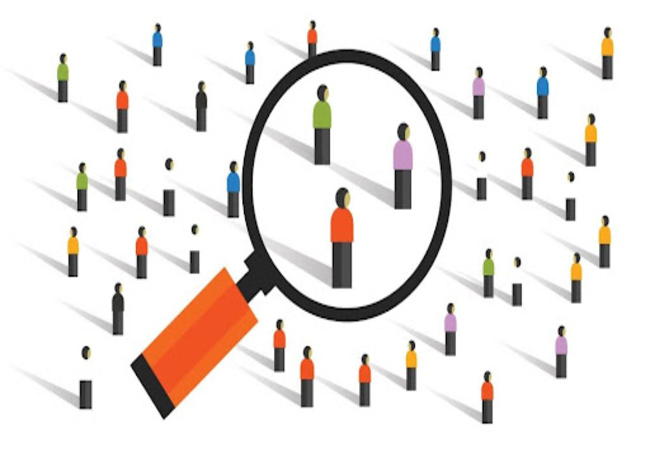
- Demographics: Knowing age, gender, and location can help tailor the ad to specific market groups.
- Psychographics: Information about lifestyle, interests, and values provides greater insight into how you might communicate with the target audience.
- Behavioural Data: All online behaviour says online behaviour (search history, purchasing habits) to more personalised and relevant ad campaigns.
- Segmentation: Segmentation of the audiences can lead to very targeted and message-effective ones.
- Creative Execution

- Visuals and Graphics: Catchy visuals can do much more to beautify an advertisement.
- Tone and Style: The tone should be matched with the personality that your brand owns and will stick out to the audience you have targeted.
- Storytelling: Story-telling messages elicit more richness in engagement than non-story-telling ones and are easier to consume, even with the most brutal messages.
- Creative Design: Unique creative designs give freshness to the advertisement in a very congested marketplace.
- Call-to-Action (CTA)

- Clarity: A clear CTA should not leave any scope for confusion over which action is expected as a result of exposure (e.g., “Buy Now,” “Sign Up Today”).
- Urgency: A call-to-action that creates urgency prompts faster action (e.g., “Limited Offer,” “Hurry, Don’t Miss Out!”).
- Visibility: The call to action should be evident and apparent in the ad.
- Relevance: This should align with the overall theme and campaign objective.
- Timing and Frequency

- Best Time: Timing is crucial to a campaign. Considering seasonality, holidays, and consumer behaviour will help in proper planning.
- Frequency: Repetition will strengthen a message, but too much of it may cause ad saturation.
- Seasonal Relevance: You need ads related to current events or something seasonal, which makes them more relevant and engaging.
- Ad Scheduling: Google Ads or Facebook Ads Manager can also determine when to present ads to a particular audience.
- Budget Allocation
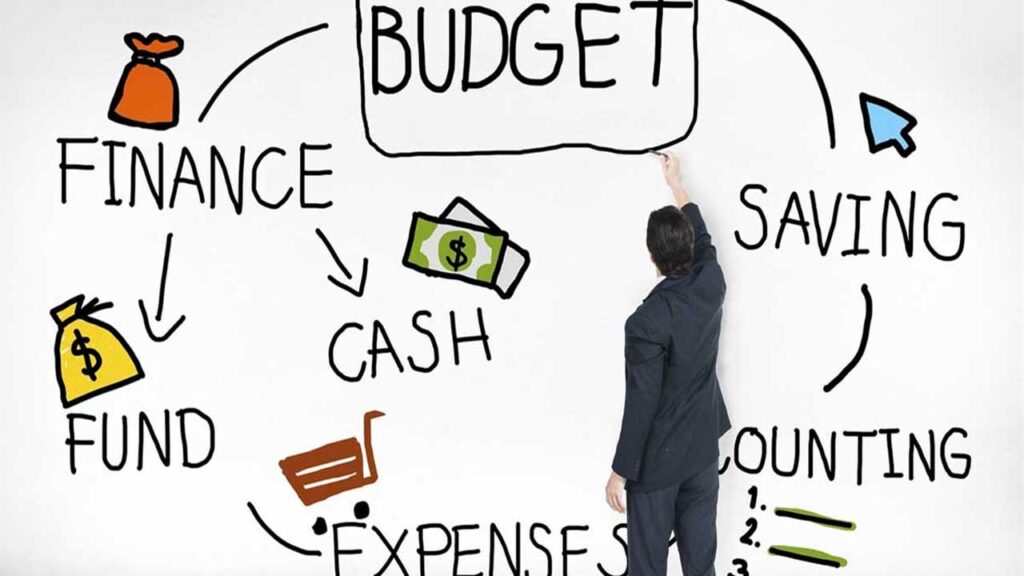
- Channel-Specific Budgets: Allocate budget to different channels based on the ROI of every channel.
- Testing and Optimization: Test different ad formats and messages with a smaller budget to better leverage the company while scaling up.
- Monitoring Performance: Monitor which ads perform well and adjust the budget accordingly.
- ROI: Any dollar invested should yield overall benefits for the campaign, whether brand or direct activity.
- Consumer Engagement

- Interactive Ads: Quizzes, polls, or AR experiences can get increased recall and participation.
- Personalisation: Using the customers’ names and previous conversations with customer service makes the ad more effective.
- Mechanism of Feedback: The freedom to let customers comment or give feedback on a link can eventually result in maintaining healthier connections with them.
- Social Media Interaction: Social media ads that ask questions or simply request an opinion could generally relate better to people.
- Emerging Trends

- AI and Automation: It is possible to create technology-enabled quick-and-dirty ads using AI.
- Sustainability and Social Responsibility: Consumers have become accustomed to deciding which brands can display corporate responsibility.
- Interactive Content: This includes content related to augmented reality (AR), virtual reality (VR), and, finally, the ‘buy-now’ posts.
- Short-Form Video: TikTok and Instagram Reels demonstrate consumers are more interested in short-form, engaging video content.
- Tracking and Optimizing Performance

- KPIs (Key Performance Indicators): Identify the key performance indicators, such as click-through rate, impressions, and conversions.
- A/B Testing: Having different versions of ads to see what works and what does not.
- Real-Time Analytics: Using tools like Google Analytics and social media insights to see how things are doing and adjust based on those insights leads to sustainable success.
Final Words: Mastery of the Elements of Advertising
Understanding the core elements of what this post speaks to, a successful ad campaign is built upon. Using the right message, suitable medium, and creative engagement with the target audience enables brands to gain more visibility, build lasting relationships with their customers, and tell a story. Selling is just part of it, for creating a relationship pays long after one ad campaign is over.
- Build into the Appropriate Message: A message should be clear and relevant to meeting consumer needs or desires.
- Use an Appropriate Medium: Choose among digital, print, broadcast, or social media to reach your audience.
- Use Creativity in Engaging with the Audience: Design and story narratives highly enhance the strength of your advertisement.
- Build Relationship Storytelling: Focus on relationship storytelling, allowing loyalty and advocacy among your audience.
Mastering these pieces will enable businesses to shift their advertising efforts into gear. Advertising is a powerful means of driving growth, enhancing brand perception through better positioning and improving the long-term outcomes that result from advertising.
Keep in mind the principles discussed when embarking on an advertising journey so that the campaigns are attention-grabbing, loyalty—and advocacy-producing, and endearingly close and appreciable.
]]>While copywriting is very overbearing, it likewise is one of those vocation choices that can be dominated by nearly anybody ready to learn. To begin your copywriting profession or upskill, we have the five extreme copywriting tips for novices that will set you off to the right beginning.
However, before we jump into that, let us initially get a reasonable and strong comprehension of what precisely copywriting is and how to turn into a copywriter.
What is Copywriting?
Copywriting is centred basically around an immediate, momentary objective with significant returns like producing deals. Copywriting is the focal point of promotions, direct mail advertisements, deals messages, and PPC presentation pages, and that’s only the tip of the iceberg.
A copywriter is a sort of scholar who can make convincing features and CTAs to incite shoppers to buy an item, buy into assistance, plan a visit, or submit imperative data for follow-up, for example, an email address. The most notable marketing efforts on the planet have come from the capable personalities of innovative copywriters.
Some examples of copywriting are –
- Social Media Ads
- Sales Email
- SMS Ads
- Product pages
- PPC landing pages
Here are some tips on becoming a better copywriter than you are now.
Start by making a layout

Making a layout before you start to compose will help you curate an all-around directed copy. Copywriting includes different configurations and sometimes no organization. However, every document has a similar comparative construction. It is frequently challenging to concoct pertinent and enticing content. Be that as it may, the writing system turns out to be more helpful when you have a structure.
Initially, write without the pressure to “convert.”

Since copywriting is intended to impact the crowd into pursuing a choice, new copywriters frequently end up excessively focused on organizing powerful and catchy copy. This is why many of the documents that a copywriter makes begin to look like one another. To avoid this, writing with a free psyche without the pressure to arrange the content of one kind is essential.
Try not to follow a specific style or tone; all things considered, write in the manner you want to. Write naturally and normally. Furthermore, whenever you are finished writing, proofread it. Please edit and alter what you have completed, remembering how your audience might want to understand it.
Know your client inside out

When you get a new copywriting gig, the primary thing you should do is research inside and out. Learning about your client will assist you with writing a powerful and very informed copy, considering that you will address the client. Please get to know their business, goals, vision, and mission. Do an exhaustive analysis of the administrations and items that they offer.
Additionally, you must be familiar with the item or administration you need to promote. Attempt to learn everything about them, their elements, advantages, and inadequacies. It will assist you with pitching the item more effectively.
Know your target audience

Now that you know about your client and their product or service, it is time to research your target audience. The copy you will make should be organized to draw the crowd into making a move. Each set of the group has unique attributes exceptional to them.
For example – if you have a product for young professionals or students freshly out of college, you might want to catch up with the latest trends and make good use of language, puns, and, if possible, inside jokes.
Don’t be scared to experiment.

Whenever you have composed a couple of copies, attempt to analyze them. Pay special attention to your work’s writing style, expressive words, and intermittent tones. It will fill in as the actual foundation of your writing abilities as a copywriter.
Try different things with dialects, words, and tones to additionally work on your abilities. To make the copy more appealing, utilize rhyming, similar sounding word usage, analogies, symbolism, imagery, and more.
You actually must foster the skill to compose fitting copies for various platforms. Various platforms will have different copy designs, lengths, tones, etc. A document posted on a social media page will vary from the advertisement on the website. Hence, realizing what style chips away at one select platform is essential.
Copywriting is a highly sought-after career today. A copywriter is expected to make words click together, draw in readers, and persuade them about the item. You will be organizing innovative content and testing your cutoff points.
From the start, the copywriting scene could appear overwhelming and overpowering. With the Internet spilling over with copywriting tips for amateurs, you could feel more lost than you were in the first place. To try not to suffocate in these tips, follow a few tips and not many to fabricate your base. Then, continue to add new abilities and formulae to this base.
]]>If you’re one of those businesses that are still keeping the sales light on, it’s time to rethink your strategy.
The marketing and sales funnel of Attention —> Interest —> Desire —> Action is obsolete now.
Today, it’s more about humanizing the experience by following an approach of Awareness —>Trust —> Affinity —> Action.
Nike is one such brand that has mastered the customer engagement love story. No doubt, they create the best products in the apparel and athletic footwear industry. But, it’s not just their products that have made the brand a roaring success. Over years, they have also motivated and engaged their customers in a personalized way to develop meaningful loyalty.
Did you know? Engaged customers purchase 90% more frequently.
In an age of microscopic attention spans, content overload and endless brands, here’s how you can engage with your customers in an authentic way, without being annoying or sounding pushy.
Fool-proof Customer Engagement Strategies
Personalised Recommendations
The first step to ensure customers develop a unique relationship with your brand is by personalising experiences. 75% of consumers are more likely to shop from you when you recognise them by their name or recommend options based on their past purchases. Amazon and Netflix are two brands that have been able to successfully engage with their customers by recommending relevant products or shows based on ‘past purchases’ or ‘recently watched’ respectively.
Relevant recommendations urge customers to stay on your site for longer thus increasing their average spend.

With every customer interaction, your brand can learn more about a user’s preferences and use this data to make smarter recommendations in the future.
Keep Customers in the Loop
When a user follows you on social media, they expect something from you to grace their feeds every little time. You can’t just achieve a steady followers list and let it gather cobwebs.
With a content overdose over the internet today, customers tend to forget you. For the sake of staying fresh in a customer’s mind, you should always have something to give them.
Whether it’s creating an effective social media strategy, sending out an email newsletter or a product update, in order to engage with customers better, you need to stay relevant and keep them in the loop.

They must have a constant pulse of what you’re up to (of course, without being annoying).
Make your Marketing more Human
Today, the word ‘engagement’ has a whole new meaning. The age of behind-the-curtain business is over. The purpose of an advertisement is not just about selling by engaging with customers on a more personal level. If you never present the human side of your business, customer engagement is bound to be an uphill battle.

To create authenticity between your brand and customers and involve them in what you do, make your marketing less product-centric. Focus on publishing behind-the-scenes content and positive feedback that will not just serve as social proof but also engage customers better.
Customer engagement is all about being authentic. When your marketing gives customers that feel that you truly care about them, they’re more likely to form an emotional connection with your business.
]]>No matter how many good or genius ideas for products and technologies you bring to the table, it’s never good enough if you have no idea how to go about attracting customers.
Are you a business owner who has spent months working on a great idea and put tons of energy into crafting a marketing plan only to realize your start-up isn’t going anywhere. If you’re a victim to such a scenario, you’re not alone.
In the initial stages, vast majority of start-ups struggle to find customers. However, instead of simply ignoring it, you have to do something about it.
Without customers, your business will cease to exist. Therefore, customer acquisition plays a crucial role if you want to survive, create an impact and touch the realm of success.
Best Customer Acquisition Strategies to Win New Customers
- Who are your customers and where are they: Depending on the nature of the products and services you are offering, you will have a certain target demographic that you will want to target. Once you find a target group that actively takes interest in your offerings, you can tailor your product to best suit their needs. The next on your list should be figuring out where your target market spends most of their time. This will help you develop marketing strategies whether online or offline.
- Create video content: To facilitate customer acquisition, you should be able to provide value to your customers. Consider creating informational videos that will interest them. Use this as an opportunity to educate them about your products or services. Post these videos on your website and social media channels. Make constant efforts to promote them so that it reaches maximum people from your target group.
- Give away freebies: Unfortunately, many people need more than the spoken word before they decide to pay for a product or service. In order to convert these set of people to loyal customers, you need to offer them free stuff or product samples. Once a potential customer tests your offerings, they will realise what value your brand has to offer. This move can significantly lead to future purchases.
- Search engine optimisation: After establishing an online presence, you need to work towards improving your rankings on search engines. You literally need to give your customers what they’re looking for, make sure you get found and get ahead of your competition. Focus on keyword optimization and back-linking to improve your visibility and chances of being discovered.
- Create optimized landing pages: Among the many customer acquisition techniques, optimizing landing pages is the most effective ones. It not just helps direct consumers to your products and services but also offers valuable information and facilitates a CTA. Thus, besides your website, if you don’t already have a landing page for your business, it’s high time you get one.
Though customer acquisition may sound simple, it is an on-going process that requires tremendous effort and dedication. Follow the above strategies and you’ll be well on your way to acquire new customers.
]]>When it comes to marketing, if you’re trying to talk to everybody, you’re not reaching anybody. If your messages are vague and generic, you are less likely to strike the right chords in the target audience. This is why targeting in marketing is extremely important.
While understanding your target group is a must, anticipating their needs and making them feel valued is a bonus. Maintaining consistency in your brand messages in turn boosts loyalty and strengthens relationships with your customers.
So, how do you make sure you are selling to the right people? For this, you need to define your target market. Always remember that no matter how popular or useful your product or service is, it will not be liked by everybody.
Also, it’s important to note that by defining your target market, you’re not stopping others outside of it from buying from you. Instead, you are channelizing your efforts into a group that represents your ‘ideal customer’.
Through market segmentation, you as a brand can get more specific about your target market:
- Demographic segmentation: Age, gender, race, religion, marital status and education.
- Psychographic segmentation: Lifestyle, personality, beliefs and interests.
- Geographic segmentation: Neighbourhood, area, city and region.
- Behavioural segmentation: Purchasing habits and brand interactions.
Benefits of Identifying your Target Market
Once you target the right individuals with your brand messages, you can achieve the following:
- Attract and convert high-quality leads: When you choose a marketing medium that speaks directly to the target market, you are more likely to attract the right people. For example, cup branding interacts with target groups in a way no other medium can. While it strikes the right chords, it also helps you secure qualified leads that will ultimately convert into paying customers.

- Helps you speak to a defined audience: A customer is able to resonate more deeply with a brand’s marketing message when they can relate directly to it. If you have a large, varied market, you’re going to struggle with creating marketing campaigns. There are certain stories or slogans only a particular group can understand. For example, brands today are getting extremely topical with their content. Whether it’s running a Game of Thrones or Face App-themed campaign, they’ve been swift to join the bandwagon and catch the wave. Creating such content is a great to capture the interests of the millennial market.

- Differentiates your brand from competitors: As a brand, when you do things differently, customers remember you for a while. When you speak to a targeted segment, they’re more likely to take interest in understanding the USPs of your brand. For example, if you choose run-of-the-mill marketing mediums, your target group is going to view you like any other brand on the block whereas if you get creative in your approach, you become memorable. Don’t we all remember the Volkswagen ‘talking newspaper’ that stood out for its creativity?
- Builds deeper customer loyalty: When you reach customers on a more personal, human level, you will be able to create long-lasting relationships. It helps you build a rapport with them and they are more likely to become loyal to your brand. Cup branding runs on the same concept wherein a target group is approached in a relaxed, clutter-free, and fun-filled environment.

Thus, targeting in marketing makes it easier for brands to reach out to their audience in a more authentic and meaningful way. While it builds brand awareness and loyalty, it also establishes a rapport between the two.
We at Ginger Cup follow relevant practices while ‘narrowing’ down the target market for your brand. Once we make the decision on how to limit the cup branding campaign geographically, we focus on other parameters such as location, gender, profession, lifestyle, age group and education. We want the paper cups to reach the right audience at the right time, and thus we leave no stone unturned.
]]>Ready to talk with a marketing expert?

A Pragmatic and innovative way to enthrall your target group is just a click away!
Get in Touch
Rukmini Knowledge Park, Kattigenahalli, SH 104, Srinivasa Nagar, Bengaluru, Karnataka 560064
+91-990 247 8800
contact@gingermediagroup.com
Popular in Television Advertising
Udaya TV AdvertisingSun TV AdvertisingStar Plus AdvertisingTV 9 AdvertisingZee TV AdvertisingNDTV India AdvertisingColors TV AdvertisingPopular in Airport Advertising
Spice Jet AdvertisingMumbai Airport AdvertisingDelhi Airport AdvertisingEmirites AdvertisingIndiGo Airlines Domestic India AdvertisingPopular in Newspaper Advertising
Deccan Herald AdvertisingPrajavani AdvertisingThe Hindu AdvertisingEconomic Times AdvertisingDainik Jagran AdvertisingHindustan Times AdvertisingPopular in Magazine Advertising
Forbes AdvertisingCosmopolitan AdvertisingBusiness World AdvertisingVogue Magazine AdvertisingPopular in Sports Advertising
IPL AdvertisingPopular in Outdoor Advertising
Billboard AdvertisingBus Shelter AdvertisingMetro Pillar AdvertisingUnipole Advertising© Ginger Media Group 2025. All Rights Reserved.