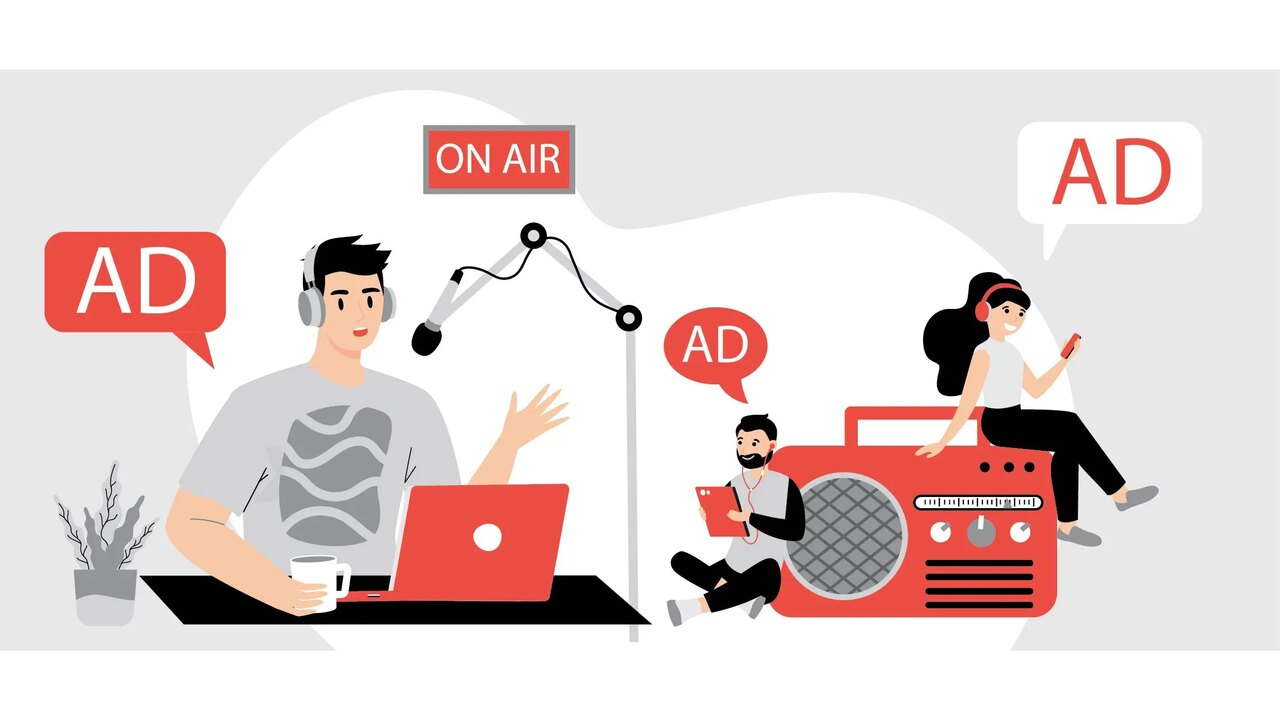
With digital marketing as the new normal, radio advertising remains a relevant tool that reaches a broad spectrum of businesses. Radio advertising is indispensable due to its audience range and the providers’ capacity to build rapport with the audience. Although the Internet is the fastest-growing media platform, hardly any competitors in the radio sector remain. This makes it still a modestly sized but very relevant and efficient marketing channel in today’s context.
This piece describes the value of radio commercials and the significant factors that make radio an attractive option for enterprises. Prospects should anticipate receiving in-depth knowledge about the core principles of radio advertising, the perks it offers, and the particular innovative strategies to boost its efficacy.
The significant points to be discussed comprise the radio targeting that positively impacted consumer behavior through sound and the fact that a radio ad is designed to work in completing campaigns for other media. Furthermore, we will focus on metrics that contribute to a better radio advertising evaluation and solutions for maximizing ROI.
As a result, you will get a detailed clarification of what radio advertising is, why it is an essential part of your marketing strategy, and how a traditional medium like radio can help you get a more significant presence in the fierce market.
The Fundamentals of Radio Advertising
Radio advertising is an efficient marketing strategy that has survived technological changes and synced with listener behaviors. It is simply the development of audio ads that can be aired from radio stations to a widespread audience without visual elements.
Subpoints:
- Targeted Reach: Radio allows advertisers to identify segments of audiences based on demographics and listening habits, thus reassuring them that their target groups will view their advertisements. One example is that morning shows usually entertain commuters, which makes them convenient for local businesses.
- Cost-Effective Options: As the Radio Advertising Bureau states, this form of advertising is the most budget-friendly mode of advertising other than traditional TV and internet ads. Therefore, it is a feasible option for businesses of various sizes.
- The AIDA Framework: The Attention, Interest, Desire, Action (AIDA) model is a prime mover in radio advertisement because it provides a perfect ad structure. Visibility is extremely important, and in a typical case, the first few seconds of the ad serve this purpose.
The Mechanics of Creating Effective Radio Ads

Writing a script is not enough to generate a radio ad; what is required most in this process is a compelling story that connects and engages the listener.
Subpoints:
- Engaging Content: Radio campaigns built on good stories are usually the ones that attract the audience better. For example, a local car dealer might share a customer’s testimonial that will lead him to the customer’s favorite car, making the dealer most likely close the deal. The beauty of this story lies fundamentally in the storytelling that develops empathy between B/W users and dealers.
- Issues with Time: Commercials typically run for 15 to 60 seconds, which makes it difficult. Advertisers must be clear, precise, and brief to get the right message across while, at the same time, grasping listeners’ attention.
- Strategies for Success: Advertisers can boost the advertisement’s efficiency through catchy jingles, persuasive commands, and a schedule of prime-time airing. Repeating catchy phrases can also help listeners remember the sponsor’s name.
Developing Trends and Future Outlook in Radio Advertising

Radio advertising, just like technology, is a battlefield where new styles and new techniques emerge every day.
Subpoints:
- Digital Radio Growth: The diversification of music listening through the expanded use of audio streaming apps and digital radio platforms such as Spotify and Pandora is affecting the approaches used in advertising. Companies are now developing tailor-made ads that are more captivating to the audience and are usually based on the audience’s music preferences.
- Podcasting as Complementary Media: With podcasts’ widespread acceptance, the industry is sticking to this avenue to reach the select masses. The sponsored parts implemented by podcasts with a large fan base can produce the most fan engagement and the most loyal fan base.
- Global Disruption from Businesses: Enterprises that manage to adjust will benefit from the new advertising chances that come on the scene. An enterprise should combine the old radio with the latest online platforms for a more comprehensive marketing strategy.
- Radio marketing remains a viable and efficient tool for communication if well executed. With the understanding of mechanics, challenges, and the trends in which things will evolve, companies can design strong ads that will be attractive to their target market and drive measurable results.
Conclusion: The Significance of Radio Advertising
In this fast-paced digital world, radio advertising still has a good way of being a medium medium medium for businesses to get to a large audience. Its peculiar features – instant access, cost-effectiveness, and the ability to interact with listeners – make it an essential tool for a successful marketing plan. Advertising on the radio allows brands to set the so-called ─ whole relaxation of the consumers. The first stage of this process takes the form of a brand built on customer satisfaction.
Knowledge of the basic building blocks of radio advertising, such as target audience identification, content creation, scheduling, and very efficient ad placement, are the factors that significantly affect the promotion time. When listeners are active and engaged in their day-to-day activities, such as commuting, working, and resting, as targeting points, brands can achieve the desired communicative function with their impressive messages.
Key Takeaways:
- Widespread Reach: The radio advertising business can involve millions of dollars, which means almost the whole world can get acquainted with a particular brand name.
- Cost-Effectiveness: When we talk about the medium that most influences the product’s buyers, we are talking about the radio.
- Targeted Messaging: As for the idea, the advertisements are aimed at select or specialized demographic groups, which are found in the e-sounds and music listeners that represent at the same time young millennials and older adults (the older, the more, the more).
- Flexibility and Creativity: The radio ads can be transformed in no time and quite effectively, which is one of the reasons why they allow us to convey the message exactly how we envision it.
- Enhanced Engagement: One of the auditory aspects of the radio is the listener’s activeness in the listening process, thus bridging the gap between the brand and its consumers.
In sum, radio advertising remains relevant, and businesses need to retain the ability to speak effectively to target customers and get them to gain new results.
]]>- Diverse Media: It includes differentiated media from television and radio to the digital media, including social media.
- Consumer Interaction: Not just about selling a product; it’s about forming some meaningful relationships between the consumer and the brand.
- Data-Driven: Analytics, along with data, play an essential role in targeting and personalizing advertisements.
- Constant Strategy Changes: Advertising strategies may evolve on a daily basis because of fast changes in technology.
- Business: Advertising would play a significant role in increasing the visibility trust from consumers, and growth of your business.
Changing Channels of Advertising

The use of advertising channels has instead changed positively with digital technologies. Old channels such as print, television, and radio are effective, but digital alternative media can coexist with them. This calls for agility in firms’ advertising strategies by changing old and new channels to reach their market.
- Traditional vs. Digital: Though an important tool, print media has been replaced by digital in terms of reach and effectiveness. Digital ads are set during the execution process in real time.
- Influence of Social Media: Today, Facebook, Instagram, and TikTok are more of the new frontier for advertising. Example: Influencer marketing with Facebook, Instagram, and TikTok tends to increase engagementa.
- Targeting in Digital: This is a boon, and the advertiser would target all three consumers according to their demographic, behavioral, or interest-wise preference, which makes the ad more personal and effective.
- Presence on Multiple Channels: Presence on multiple channels is currently a basic tool firms use to increase brand awareness. This will thereby help ensure that all their advertisements reach them wherever they are.
- Video Dominance: Video messages, particularly on social media applications, which include YouTube and TikTok, are currently at the top in advertising for it provides an immersive way for brands to communicate with their audience.
The Role of Consumer Psychology in Advertising

Given the importance of advertising effectiveness, consumer psychology would play a key role. How consumers think and feel would contribute to a better creation of some campaign that the business would engage in communication with their audience. Consumers’ emotions and motivations are what most advertisers use to attract attention and enforce action. Often, an advertisement will offer emotional appeal through happiness, fear, or even nostalgia.
- Behavioral Targeting: The data analytics process provides the facility for forecasting consumer behavior. This helps the advertiser decide on the right medium for advertising campaigns that will bring maximum impact for them.
- Brand Loyalty: By establishing campaigns that repeat without failure, advertising builds the loyalty feel among one-time buyers to become repeat customers.
- Molding Perception: Through strategic messaging, advertising can mold the perception of consumers toward the brand and its value.
- Call to Action: Good ads show a clear strong call to action that will take customers to wanted behaviors such as buying or signing up to use a service.
Role of Metrics and Measurement in Advertising

Measuring advertising is like flying blind without instruments. Metrics show us exactly where we stand in terms of how effectively our campaign is working and whether we are well within or out of reach in meeting the intended goals. Right now, many types of analytics tools exist to measure the effectiveness of advertising—from any engagements’ range of metrics to return on investments.
- Return on Investment (ROI): ROI measurement is absolutely necessary in determining the financial effectiveness of an advertising campaign.
- Engagement Metrics: These would include likes, shares, comments, and clicks to establish how many people are paying attention to an ad.
- Conversion Rates: By taking note of how many customers become after seeing an ad, the advertisers will be able to know the ROI generated by their campaigns.
- A/B Testing: In A/B testing, one can use more than one version of the ads to better understand what kind of content best appeals to the targeted audience.
- Attribution Models: These help advertising identify which touchpoints matter most in influencing consumer decisions.
Regulatory and Ethical Considerations in Advertising

As advertising progresses, so do its regulations and ethical practices. An advertiser needs on several laws and industry standards ensure that the campaigns are set or implemented legally and responsibly, especially now that consumers have increasingly become worried about data privacy and ethics in practice.
- Privacy Laws: These are laws, such as GDPR in Europe and CCPA in California, that offer protection for consumer data; thus, advertisers must be transparent about information collection and use.
- Truth in Advertising: This means that advertisers will not make misleading claims or claims which may be misrepresented in their communications. They will have to ensure that their advertisements are truthful and factual.
- Environmental Sustainability: Most consumers today expect the brand to contribute to social responsibility through advertisement. Greenwashing will violate a brand’s reputation.
- Cultural Sensitivity: Advertisers should remain sensitive to the differences between cultures and ensure they do not use campaigns that may passively offend or alienate them.
- Ethics of Targeted Advertising: While targeted adverts succeed in conversion, brands cannot leverage sensitive consumer information or exploit vulnerable groups.
Final Thoughts: The Expanding Scope of Advertising
The field of advertisement is on an ever-evolving plane. As time goes by, new technologies evolve, consumer tastes and preferences shift, and so do notions of what is proper or improper in ethical issues; advertisers must be more agile and innovative to be up to date. When companies want to connect with their audience meaningfully, it’s high time they embrace every means available in advertisement.
- Flexibility: Brands must be generally flexible and change their strategies to be relevant in a fast-moving marketplace.
- Data-Based Decision: Data is essential in creating targeted personal ads and speaking to customers.
- Consumer Centricity: The consumer must always remain in the advertising campaign’s center—their perception of trust and loyalty towards a brand matters.
- Innovation in Creativity: Effective advertising is nothing but creative and innovative methods that can punch holes in the noise and give way to achieving the desired effect.
- Long-Term Gains: Advertising can never be a silver bullet; it plays a critical role in long-run brand growth and sustenance.
Ready to talk with a marketing expert?

A Pragmatic and innovative way to enthrall your target group is just a click away!
Get in Touch
Rukmini Knowledge Park, Kattigenahalli, SH 104, Srinivasa Nagar, Bengaluru, Karnataka 560064
+91-990 247 8800
contact@gingermediagroup.com
Popular in Television Advertising
Udaya TV AdvertisingSun TV AdvertisingStar Plus AdvertisingTV 9 AdvertisingZee TV AdvertisingNDTV India AdvertisingColors TV AdvertisingPopular in Airport Advertising
Spice Jet AdvertisingMumbai Airport AdvertisingDelhi Airport AdvertisingEmirites AdvertisingIndiGo Airlines Domestic India AdvertisingPopular in Newspaper Advertising
Deccan Herald AdvertisingPrajavani AdvertisingThe Hindu AdvertisingEconomic Times AdvertisingDainik Jagran AdvertisingHindustan Times AdvertisingPopular in Magazine Advertising
Forbes AdvertisingCosmopolitan AdvertisingBusiness World AdvertisingVogue Magazine AdvertisingPopular in Sports Advertising
IPL AdvertisingPopular in Outdoor Advertising
Billboard AdvertisingBus Shelter AdvertisingMetro Pillar AdvertisingUnipole Advertising© Ginger Media Group 2025. All Rights Reserved.