Key Takeaways to Be Mentioned in the Introduction
- Deeper Insight in Making Decisions: RTB gives advertisers vital information regarding audience behavior and market dynamics, thus affording them a choice of where and when to invest their budget.
- Efficiency in Costs: RTB manages to identify areas of possible savings by allowing advertisers to place bids on ad spaces based on real-time data and keeps optimizing the human resources spent on dollar expenditures, thus leading to dollars being spent at their best impact.
- Better Customer Value: RTB aligns advertising activities with customer value by targeting relevant ads to the right people at the right time, improving the overall customer experience.
- Continuous Improvement: Since RTB happens in real time, regular analysis and alteration of the directions of the advertisements with some performance metrics will be done to promote continued optimization and improvement.
- Strategic Planning: RTB offers highly data-driven insights, which help corporations forecast better and make long-term decisions for directing their next moves in advertising campaigns.
In this blog, we will discuss the principles of Real-Time Bidding, why it is important today, and how an organization can take advantage of this process to improve advertising efficiency. Let’s share insights and practical ways to add RTB to your digital advertising campaign.
What is RTB Full Form?

RTB, or Real-Time Bidding, is a digital advertising concept based on an auction process for online ad space in real time. By utilizing user identification and behaviour patterns, organisations can target their ads more effectively to the right groups of people and with the right interests. This, therefore, results in more efficient usage of marketing budgets along with higher engagement from the target audiences.
Key Elements of RTB

- Demand-Side Platform (DSP):
A DSP platform enables users to manage multiple ad and data exchange accounts using a single interface. Its importance lies in the fact that it makes automated purchases, and users place advertisements on ad spaces in real-time by using user information to maximise relevance. - Supply-Side Platform:
SSPs help publishers optimise their ad space inventory to maximise revenue generation. Through them, the multiple ad exchanges allow publishers to reach the correct demand for their ad placements and, therefore, the potential for revenue maximisation. - Ad Exchanges:
An ad exchange is an entity where buyers and sellers interact on the price of ad space. Publishers are sellers, and advertisers are buyers, negotiating on price. Such exchanges also support the execution of RTB because the real-time auction process allows buyers and sellers to achieve optimal outcomes in terms of ad placements and prices.
Benefits of RTB
- Improved Decision Making:
RTB further aids decision-making by providing real-time user engagement and bid results statistics. For example, an e-commerce seller of attire can analyse which ads work best for demographics and rapidly switch campaigns to maximise returns on investment through RTB. - Cost Effectiveness:
RTB improves cost efficiency by automating the buying process and enabling advertisers to pay only for impressions that meet their targeted criteria. Organisations set budgets that optimise their spending and pay only for ads most likely to increase conversions. - Increased Communication and Coordination:
RTB enhances collaboration and openness between marketing and sales teams. Sharing real-time information and results helps these teams align strategies better to ensure cohesive campaigns that drive engagement and sales.
Core Principles of RTB
- Activity-based Approach:
Understanding user-specific activities is central to understanding RTB. If ads are targeted against users’ actions and interests, the campaigns tend to be more effective as advertising becomes more focused and successful. - Association of Activities with Costs:
Cost-related user activities associated with the advertiser allow the person to know the cost of running each advertisement. This is crucial in deciding on budget and campaign optimisation. - Constant Improvement:
The main feature of RTB is the assessment of performance metrics on continuous evaluation and feedback. This method adjusts campaigns according to performance metrics to make the advertising strategy work throughout the campaign period.
How to Put RTB Into Action
- Review current activities:
Observe traditional buying processes to identify where RTB can create more value. Analyse past campaign performances and user engagement behaviours. - Define Cost Drivers:
Determine your cost drivers, such as audience segments, the time of day bidders are likely to drive prices, and ad formats so there is an optimal bidding strategy and resource usage. - Leverage Performance Metrics:
Set up and monitor performance metrics to gauge the effectiveness of each ad campaign. Click-through rate and conversion rate are just two of the metrics that define effectiveness. - Engage Employees:
Get employees to collaborate with the RTB process to foster collaboration and innovation. The team should be encouraged to develop suggestions to improve strategies based on first-hand experiences and data insight. - Leverage Technology:
Utilise technology tools and platforms that facilitate the RTB process: machine learning algorithms and data analytics advance targeting and bidding.
Real-World Examples of RTB
- Case Study of an E-commerce Giant:
One e-commerce giant used RTB to promote specific products during the prime shopping seasons, resulting in a conversion rate that was 40% higher than that of similar traditional campaigns. - Automotive Industry Success:
For instance, one of the world’s biggest automobile manufacturers used RTB to target potential car buyers effectively effectively effectively. It supplemented the ads according to user behaviour’s search patterns, thus leading to a massive hike in leads and sales calls. - Travel Agency Application:
A travel agency used RTB to give dynamically priced travel deals to online users based on their behaviour. It yielded a 35% increase in bookings over a quarter.
Final Thoughts
RTB is an invaluable approach for organisations seeking to upgrade their digital advertising efficiency and reach. A good understanding of core concepts like audience targeting, bid management, and data analysis will allow businesses to run their activities resource-friendly while always being oriented towards improvement, thus unlocking much potential in operational processes and decision-making strategies.
Application of the principles of RTB in your business can lead to:
- Better Ad Targeting: You could hit the perfect target market by correctly identifying viewers to ensure that your advertising dollar is utilised to full effect.
- Better ROI: Maximize returns on your advertisements with real-time insights and data-driven strategies.
- Better Competitive Advantage: Automated bidding processes would allow you to stay ahead of market changes.
It is time for you to take advantage of RTB and its transformational impact on your business: start optimising your digital advertising approach now.
]]>The need to understand professional advertising arises from the ever-evolving landscape of consumer behaviour and technological advancements. As consumers become more discerning, businesses must adopt a strategic approach that leverages data analytics, audience segmentation, and creative storytelling to connect with potential customers. Implementing professional advertising allows companies to enhance brand awareness, generate leads, and foster customer loyalty.
Moreover, a professional advertising approach ensures consistency across various channels, reinforcing the brand message and improving overall recognition. By investing in high-quality advertising initiatives, businesses can differentiate themselves from competitors and establish credibility in their industry.
In conclusion, understanding and implementing professional advertising is not just beneficial—it’s essential for any business aiming to thrive in a dynamic marketplace. It is an investment that can lead to increased visibility, customer engagement, and business growth.
Overview of Professional Advertising
Professional Advertising refers to marketing strategies and promotional efforts designed to reach professionals in various industries. This includes targeted campaigns aimed at doctors, lawyers, engineers, and specialists who often make purchasing decisions based on specific expertise and knowledge. Professional advertising can take many forms, including trade publications, industry conferences, and online platforms tailored to professionals.
Importance of Knowing Professional Advertising
Understanding professional advertising is crucial for businesses that engage with niche markets effectively. Here are a few key reasons why knowledge of this term is impactful:
- Targeted Outreach: By recognising the nuances of professional advertising, companies can tailor their messages to resonate with their audience’s unique needs and preferences. This targeted approach increases the likelihood of conversion.
- Building Credibility: Effective professional advertising helps establish a brand’s credibility and thought leadership in its sector. By presenting information that addresses professionals’ specific challenges and interests, businesses can position themselves as trusted resources.
- Strategic Decision-Making: Knowing the implications of professional advertising allows organisations to make informed marketing decisions. Companies can allocate resources effectively by analysing industry trends and audience behaviours and creating campaigns that drive results.
- Enhanced ROI: Businesses that understand professional advertising techniques can create more efficient marketing strategies that deliver higher returns on investment. This is particularly relevant in competitive sectors where every dollar spent needs to be justified.
Professional Advertising: Definition, Purpose, Function, and Application
Definition
Professional advertising is the strategic use of promotional content to persuade a specific audience to utilise professional services. Unlike general advertising, which can target broader consumer demographics, professional advertising focuses on highly specialised fields such as medical, legal, financial, engineering, and other professional services. The advertising can take various forms, including digital marketing, print media, social media campaigns, and direct outreach, all geared toward enhancing the visibility and reputation of a professional service provider.
Purpose
Professional advertising primarily aims to communicate the value of a particular service or professional expertise to potential clients. Some key objectives include:
- Brand Awareness: To establish and increase brand recognition among target audiences.
- Lead Generation: To attract potential clients seeking specific professional services.
- Reputation Building: To enhance credibility and trust in the services offered, especially important in fields where clients rely on expertise.
- Encouraging Action: Prompt potential clients to make decisions, such as booking a consultation or availing themselves of the services.
- Market Differentiation: To highlight unique selling propositions (USPs) that differentiate a professional from competitors.
Function
Professional advertising functions through well-crafted strategies that align with business goals. Key functions include:
- Market Research: Understanding the target audience’s needs, preferences, and pain points effectively to tailor the advertising message.
- Message Development: Crafting compelling messages and narratives that resonate with the audience, emphasising outcomes and benefits.
- Multi-Channel Approach: Utilizing various platforms and media (like websites, social media, newsletters, and seminars) to reach professionals and clients effectively.
- Performance Analysis: Monitoring and evaluating the effectiveness of advertising campaigns through metrics such as engagement rates, conversion rates, and return on investment (ROI).
Application in Real-World Scenarios
Here are several examples showcasing the application of professional advertising in different industries:
- Healthcare Advertising
Scenario: A dental clinic wants to attract new patients.
Application: The clinic runs targeted social media campaigns showcasing patient testimonials, before-and-after photos, and special check-up promotions. It also uses search engine marketing (SEM) to appear in search results when potential patients look for dental services in its area. - Legal Services
Scenario: A law firm specialising in personal injury cases.
Application: The law firm invests in content marketing by publishing articles and case studies that educate potential clients about their rights. It also engages in community seminars where it offers free legal advice, advertising its services and expertise in the process. - Financial Consulting
Scenario: A financial advisor looking to reach high-net-worth individuals.
Application: The advisor uses targeted email marketing to share insightful financial tips, market updates, and invitations to exclusive seminars. Additionally, they leverage LinkedIn for networking and sharing expert insights, establishing themselves as a thought leader in the financial services sector. - Engineering Services
Scenario: An engineering consulting firm aiming to secure bids for large construction projects.
Application: The firm positions itself through professional presentations, industry publications, and attending relevant trade shows. It uses case studies to demonstrate past projects, emphasizing innovation and successful outcomes for prospective clients.
The Importance of Understanding Professional Advertising for Business Success
In today’s highly competitive business landscape, understanding professional advertising is crucial for organisations aiming to thrive and maintain their market presence. Effective advertising strategies can significantly impact brand awareness, customer engagement, and profitability. Here’s why mastering professional advertising is essential for any business:
- Building Brand Identity
Professional advertising helps businesses create a distinct brand identity that resonates with their target audience. By effectively communicating the brand’s values, mission, and unique selling propositions, companies can differentiate themselves from competitors and develop a strong emotional connection with consumers. A well-defined brand identity fosters trust and loyalty, vital for long-term success. - Expanding Reach and Exposure
In an era of abundant information, standing out is imperative. Understanding professional advertising allows businesses to craft campaigns that increase their visibility across various platforms, including social media, print, and digital channels. By utilising strategic advertising techniques, companies can reach a broader audience, engaging potential customers who may need to become more familiar with their products or services.
Final Thoughts
Professional advertising is integral to promoting specialised services and connecting businesses with a discerning clientele. It allows companies to thrive and achieve long-term success through strategic planning, understanding market trends, and creating compelling narratives. The examples and insights provided demonstrate that effective advertising is not just a tool but a powerful driver of brand recognition, customer engagement, and business growth.
]]>Key Aspects of PPC
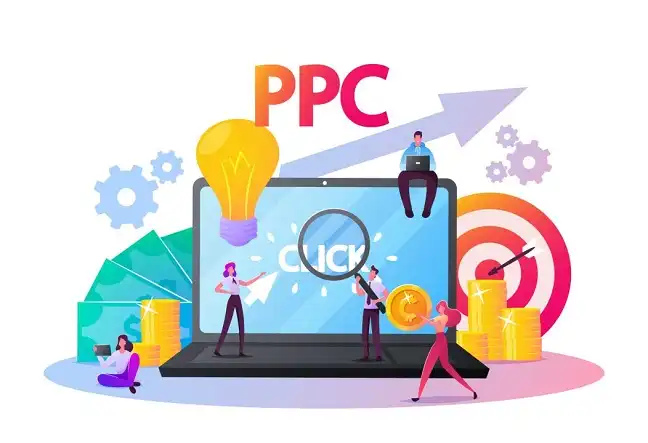
- Enhanced Decisions: PPC campaigns provide critical insights and data analytics, allowing businesses to make well-informed decisions about their marketing strategy and budget allocation.
- Cost Efficiency: PPC organisations can identify potential saving areas and spend smartly by fine-tuning bids and focusing on a high-value keyword.
- Improved Customer Focus: PPC ensures that marketing activities are aligned with customer value, prioritising ads that resonate with target audiences and drive conversions.
- Continuous Improvement: This model encourages ongoing review and adjustment of strategies so businesses can perfect their campaigns by assessing performance metrics against the flux in market dynamics.
- Strategic Planning: PPC maintains better prediction and long-range planning through real-time information related to the customer’s behaviour and market trends.
Uncover principles of PPC and their significance in modern business practice. Look for ways organisations can take full potential from leveraging an improved online presence and growth. Discover valuable information and practical steps to include PPC in your business strategy.
What is PPC?
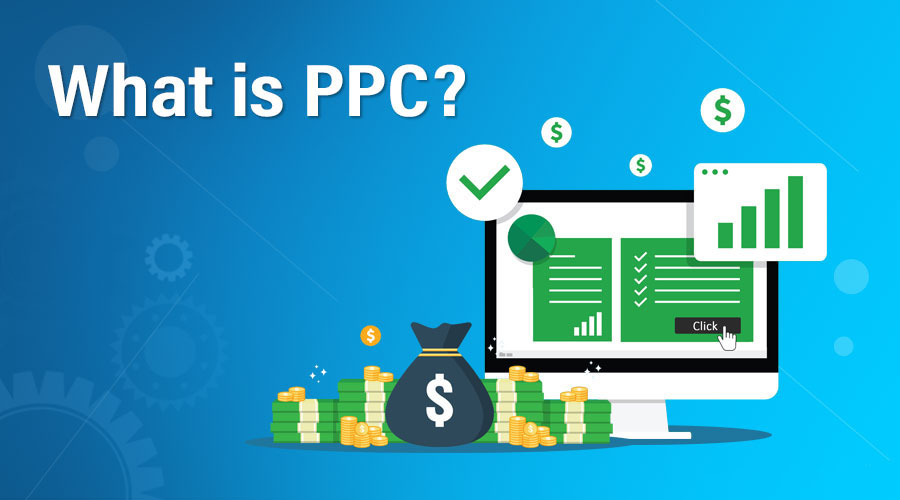
PPC, or Pay-Per-Click, is a web marketing strategy in which the advertiser pays a sum for every click of their ads. The central concept of the method revolves around buying visits to a website instead of earning through SEO. Organisations can immediately reach their target audience by identifying relevant keywords, driving traffic to their site, and eventually increasing conversions.
Critical Elements of PPC:
- Keywords:
Keywords are the backbone of any PPC campaign. They determine which searches trigger an ad to appear. Choosing the right keywords requires extreme care because they influence a campaign’s visibility and cost efficiency. - Ad Copy:
AAd copy consists of the message and creative elements shown in the ad. Good copywriting of attractive, relevant ad copy is essential to grab users’ attention and increase click-through rates. - Landing Pages:
It is to the landing page that the user goes through after clicking on the advert. A well-optimized landing page that aligns with the ad’s message and does not disrupt the user experience can maximize conversions.
Benefits of PPC:
- Better Decision-Making:
PPC campaigns provide instant insight into user behaviour and campaign performance. Such advertisers make relevant decisions based on metrics like click-through rates, conversion rates, or even return on ad spend. For example, if a keyword is not converting, changes can be made quickly to optimise the campaign. - Cost Effectiveness:
As an advertising strategy, PPC pays only when the intended user engages with the ad, making it relatively cost-effective. It allows for proper strategic budget distribution toward high-performance keywords and ads to ensure improved usage of marketing resources. - Improved Communication and Coordination:
PPC campaigns very often improve internal communication among marketing teams. Shared platforms and campaign dashboards that monitor performance result in information sharing and transparency, making the campaign cohesive.
Core Principles of PPC
- Focus on Activities:
Understanding specific activities that drive user engagement, such as keyword selection and ad placement, is vital for a successful PPC campaign. - Associating Activities with Costs:
The cost made by each activity is critical in PPC. It is determined by the cost per click that such organisations incur using various keywords, hence spending their resources effectively. - Continuous Improvement:
In PPC, ongoing assessment and optimisation are necessary. Regularly reviewing campaign performance and making data-driven adjustments can significantly improve results.
Steps to Implement PPC
- Discuss Current Activities:
Analyse existing digital marketing practices and indicate how PPC can complement these activities. - Create Cost Drivers:
Determine which factors contribute to click costs, including competition over specific keywords and ad quality scores. - Implement Performance Metrics:
All performance metrics like click-through rate, conversion rate, and cost per acquisition should be tracked in detail. - Engage Employees:
Involve the relevant team members in planning and implementing the campaign; that way, all aspects will be considered, and strategies will align. - Leverage Technology:
Utilise tools and platforms such as Google Ads and analytics software to optimise ad performance and targeting.
Real Examples of PPC
- Amazon:
It is doing the same today as Amazon. It also utilises PPC to its benefit, running targeted advertisements based on user searches to achieve higher visibility in the market and boost sales. - Zocdoc:
Zocdoc is an online medical appointment booking platform. It used PPC to attract users who wanted to find healthcare providers. Targeted keyword campaigns greatly increased its user base and appointment bookings. - Airbnb:
AirBnB was using PPC advertising to capture traveller leads searching for rental accommodations. With targeted campaigns, the travel company saw more bookings, thus showing that its strategic PPC efforts were practical.
By adopting these principles and strategies, organisations can maximise the value of their PPC campaigns, drive traffic, and achieve business goals efficiently.
Finding the Meaning of PPC Full Form and Importance

The general form of PPC and its importance for businesses working to enhance their marketing are pretty vital. PPC stands for Pay-Per-Click. This term embodies the nature of the cost structure of the ad model-it is only paid for when a person clicks on an ad. This strategy enables a direct measure of marketing effectiveness and allows people to manage their budgets.
The Why of PPC in Digital Marketing
- Cost Control:
One of the leading advantages of PPC is that advertising costs can be controlled. Businesses can set a daily budget, decide how much to bid on, and even set a spending allowance for whatever performance metrics they choose. Such flexibility means that marketing spending is optimised and better planned financially. - Immediate Results:
PPC campaigns can deliver results quickly, whereas natural search strategies take at least months to fully integrate. This would allow business owners to analyse and run their marketing fast. - Increased Brand Visibility:
This enables businesses to have more visibility on search engines and various social media platforms for their ad and targets them towards the end-user, thereby increasing brand awareness through recognition in the marketplace.
How PPC Works
- Auction System:
PPC operates on an auction system where advertisers bid on keywords relevant to their business; e bid am unt, and quality scores are determined by search engine results pages (SERPs). - Target Options:
PPC provides various targeting options, such as demographic, geographic, and behavioural. This ensures that advertisers can target specific audience groups and reach the right people with their messages. - Performance Monitoring:
PPC allows for good tracking capabilities so advertisers can track KPIs, such as CTR, conversion rates, and CPC. These numbers enable them to optimise their campaigns and improve their marketing strategy.
Common PPC Platforms

- Google Adwords:
However, the largest and most popular PPC network is Google Ads, which enables advertisers to post their ads on Google results pages and across its massive display network. - Bing Ads:
Bing Ads is almost identical to Google Ads but delivers its products to the Bing search engine. This offers an excellent opportunity to reach a different audience and perhaps at a lower cost. - Facebook Ads:
With Facebook Ads, businesses can create targeted advertising campaigns on one of the most popular social media platforms, targeting users based on their interests, behaviours, and demographics.
PPC Campaign Best Practices
- Keyword Research:
Simply spend a reasonable amount of time researching the keywords to uncover high-value keywords relevant to your business goals. - Ads Testing:
You should regularly test different ad copies, headlines, and formats to determine what appeals to your audience and improves performance. - Landing Page Optimization:
Your landing pages must be conversion-optimized, closely corresponding to your ad messages and offering a smooth user experience.
Understanding the complete form of PPC and its importance in digital marketing helps companies use this powerful tool to drive targeted traffic, develop brand visibility, and finally meet their marketing objectives.
Unlocking PPC Full Form for Your Marketing Strategy

PPC is not just a buzzword in digital marketing; it’s a fundamental strategy that can unlock new avenues of growth and engagement. In this age of centrality for online visibility, knowledge of when and how to implement PPC will make the difference between a business and its competitors.
Building a Successful PPC Strategy
- Define Goals:
Before launching a PPC campaign, clearly defining your goals is crucial. Whether you’re increasing website traffic, generating leads, or boosting sales, having specific objectives will guide your campaign strategy and measurement. - Target Audience Analysis:
Understanding the target audience is vital to a successful PPC campaign. Research demographics, interests, and online behaviours to create a message to achieve maximum outreach through ads. - Budget Distribution:
Effective budget allocation is essential for PPC success. Determine how much you’re willing to spend daily or monthly and allocate your budget based on campaign performance and return on investment (ROI). - Monitor and Calibrate Your Campaigns:
- Performance Analysis:
Use analytics tools to monitor your PPC campaign performance regularly. Track metrics like CTR, conversion rates, and CPC to understand what’s working and what’s not. - A/B Testing:
Use A/B testing to test variations in ad copies, formats, and targeting options. This is useful in identifying winning elements that help optimise overall campaign performance. a - Bid Management:
Adjust bids based on keyword performance and competition. Increase bids for high-performing keywords to maximise visibility and reduce bids for underperforming ones to control costs.
- Performance Analysis:
PPC Management Issues and Solutions
- High Competition:
Thus, due to the competitiveness of many industries, competitive bidding for keywords may raise a company’s cost, and long-tail keywords may fill in the gap. End. - Ad Fatigue:
Eventually, viewers become accustomed to advertisements, which reduces the potential interaction. To avoid ad fatigue, constantly replace your ad copy, image, and targeting strategies. - Complexity Tracking:
Tracking conversions and ROI takes a lot of work. Conversion tracking codes and tools will make it easier to obtain more detailed campaign performance information.
The Future of PPC
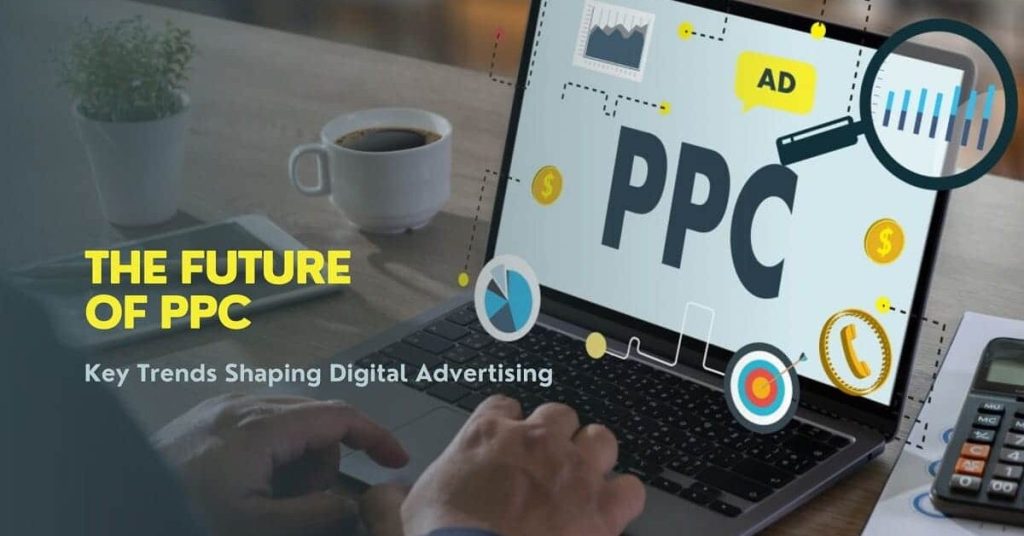
The digital landscape constantly evolves, and PPC strategies must keep pace. New technologies like AI and machine learning are changing how advertisers approach PPC, allowing for better-focused targeting and automated bid management. Moreover, with the constant changes in consumer behaviours, there will be a need to stay updated on trends to ensure that PPC campaigns are effective.
PPC has the potential to open up marketing strategies so that businesses can drive targeted traffic that is also measurable.
PPC is an Inalienable Approach for Organizations Which Are Keen on Improving Their Online Presence and Increasing Revenues
Acquiring an integral understanding of digital advertising strategies, proper marketing resource allocation, and continuous improvement may open tremendous potential within operational processes and decision-making strategies. Increasing market pressure and competition will probably become the nucleus of well-managed practices.
Final Thoughts
The incorporation of PPC principles in your organisation engenders many benefits:
- Increased Website Traffic:
PPC campaigns generate traffic to your website with incredible velocity, which increases your view among customers. - Target Audience Reach:
With the options you get through precise targeting, you can reach a possible audience while advertising. - Measurable ROI:
PPC can effectively track your marketing performance, allowing you to measure your return on investment for ad spending and adjust accordingly.
It’s the perfect time to take up PPC advertising and discover the holistic changes it can bring to your organisation. Optimise your digital strategy by taking the first step today!
]]>Data management platforms have transformed into an essential tool for organizations looking to leverage their digital marketing capabilities in today’s competitive playground. This innovative concept includes the following:
- Data collection: Collecting data from various sources.
- Data integration: Merging different kinds of data to analyze.
- Data analysis: Deriving insights into targeted campaigns.
Due to an increasing demand for customised marketing strategies, DMP would significantly impact the marketing output of the organization and its interaction with customers.
What DMP Can Do
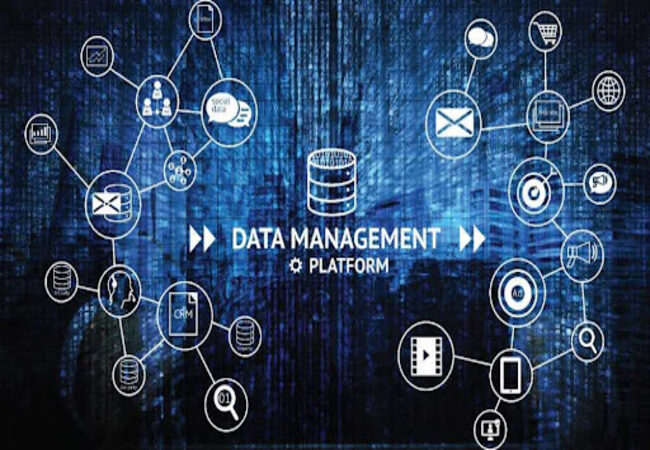
- Better Decision Making:
DMP provides precious insights into what makes marketing more feasible. That way, marketers will be able to support any informed decision they make. - Cost Effectiveness:
It allows an organization to manage resources efficiently by identifying areas that can bring about savings and minimize unnecessary spending on any marketing budget.
DMP supports the marketing activities to be aligned with customers’ preferences and behaviors, implying an insistence on doing things in a manner that gives the most returns. - Continuous Improvement:
The platform ensures continuous review and approach change to campaigns to ensure campaign relevance and effectiveness. - Strategic Planning:
DMP facilitates better forecasting and long-term decision-making such that marketers can provide a good answer to what is going to happen eventually and design accordingly.
In this blog, we’ll learn about the principles of DMP, the significance of data management platforms in contemporary business practices, and how organizations can tap into it for enhanced marketing effectiveness. Let’s join you in this revelation and discover all the insights and actionable steps to implement DMP into your marketing campaign.
What is a DMP (Data Management Platform)?
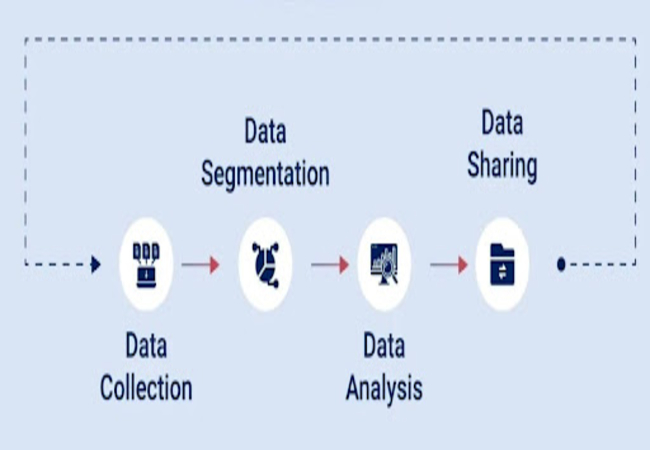
DMP, or Data Management Platform, is that technology and software platform which gathers data from disparate sources, manages it, and then analyzes them. Organizations can identify and organize the user’s data to benefit them through these engagements:
- Develop Targeted Advertising Strategies:
Benefit with greater user engagement through insights. - Enhance Marketing Effectiveness:
Use more personalized and result-oriented campaigns.
A DMP empowers marketers to connect with the insights of consumer behavior for more personalized and effective advertising campaigns.
Key Elements of DMP
- Data Collection:
The main aspect of a DMP is data aggregation on first-party, second-party, and third-party data. The rest of the analysis and targeting are based on this foundational element. - Data Segmentation:
Data segmentation refers to the process of classifying collected data according to defined characteristics, behaviors, and demographics to pinpoint specific audience groups.
Data segmentation enhances the overall efficiency of marketing campaigns. - Data Integration:
Data integration is the process of combining data from various disparate platforms and channels to ensure all available data is at one place. This ability has made the implementation of DMP more robust and has also simplified marketing processes while also ensuring campaigns are uniform.
Advantages of DMP
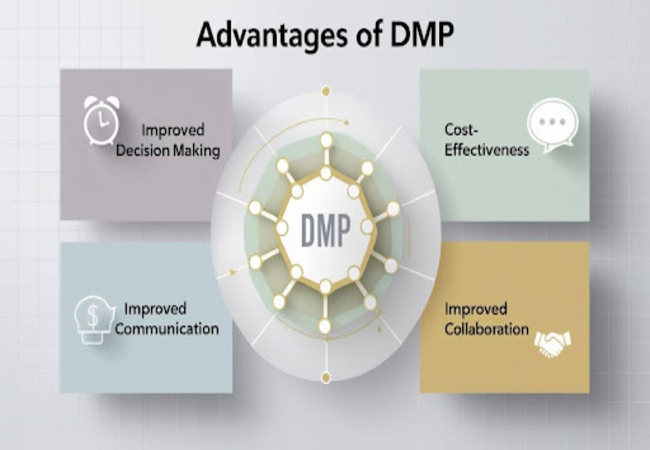
- Improved Decision Making:
DMP may assist in improved decision making since it offers a completely comprehensive view of consumer behavior and preference.
For example, a fashion retailer can adjust its inventory and marketing campaigns that are connected with the purchasing patterns of its customers if it deems after analysis through help of their DMP, that they require such adjustments. - Cost-Effectiveness:
Use of DMP helps in cost efficiency as it enables organizations to derive better returns on advertising spend.
By targeting effectively narrow audiences, businesses can reduce waste ad spend on unlikely to convert the audience. - Improved Communication and Collaboration:
DMP encourages better communication and collaboration with marketing teams.
Access to central data allows teamwork to effectively focus on ensuring each campaign is aligned as well as data-driven.
Principles of DMP
- Activity Focus:
A DMP also should have a clear understanding of what the objective of customer interaction is and what actually drives that activity.
Marketers can adjust their efforts to where they can most maximize interaction by analyzing interactions at every step of the customer journey. - Link Activities to Costs:
Providing a clear relationship between marketing activities and associated costs allows organizations to improve resource allocations.
This way, truly impactful strategies get all the budget they need. - Ongoing Improvement:
The market strategy demands a great extent of constant monitoring and evaluation that, over time, can improve.
DMP always promotes the culture of continuous improvement and is enabled by the realization of data insights into agile marketing tactics.
How to Implement DMP
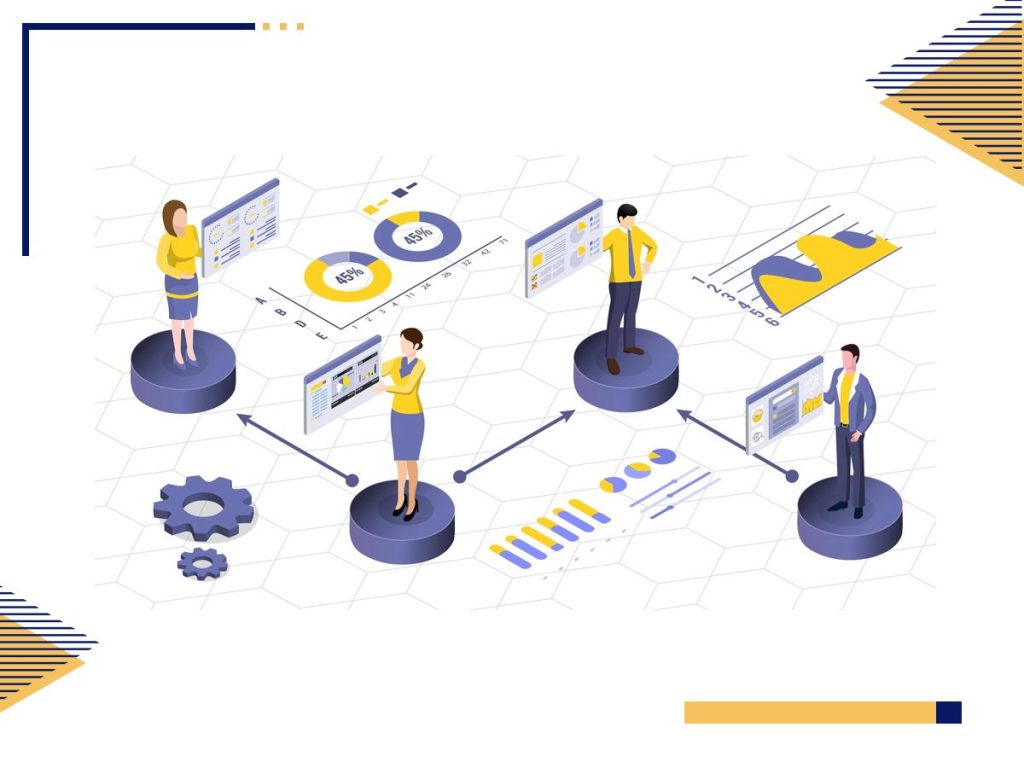
- Study Current Activities:
The companies have to understand what the marketing and data processes are through an assessment.
Having them functionably integrated, knowledge of current sources of data and interactions by the consumers is always important. - Determine Cost Drivers:
Determining the factors affecting the cost of advertisements helps the business in properly allocating its budget.
Account for engagement levels and channel performance. - Roll Out Performance Metrics:
Setting up as well as monitoring performance metrics helps in benchmarking campaigns’ effectiveness.
Conversion rates, customer acquisition cost, and return on ad spend are KPIs that clearly point out the campaign performance. - Involve Employees:
Involving employees of different departments in the DMP rollout process goes a long way in generating buy-ins and subsequently leading to better strategic alignment.
Training and collaboration are bound to ensure that all the members in the organization learn the value of insights from data. - Technology is Leverage:
State-of-the-art technology and a variety of tools can add huge value to the usage of a DMP.
There exist various platforms that can integrate, analyze, and segment data, thus speeding up the process.
Real-life Examples of DMP
Example 1: The Home Depot

Utilized a DMP in assessing customer behavior both online and at the stores. With their emphasis on data-driven targeted advertising, demographically based on user data and purchasing behaviors, they were able to increase their return on investment by 20%.
Example 2: Procter & Gamble
Embraced DMP to enhance its digital marketing. Data aggregation and analysis of consumer engagement enabled it to calibrate such campaigns that yielded higher retention rates among its customers.
Example 3: Audi

Took a DMP to understand its customers’ journey better. Using the insights they learned, they adjusted their ad strategies. They saw a substantial increase in test drive bookings and sales.
Conclusion: The Role of DMPs for Advertisement
In conclusion, understanding DMP is an approach that is very valuable for organizations that want to improve their advertising strategy and customer interaction. Through gaining a deep understanding of data integration, audience segmentation, and analytics, the company can learn to:
- Relevant Resource Utilization:
Channel resources towards ROI-generating activities. - Marketing Tune:
Fine-tune campaigns in line with information provided by the data and reports. - Continuous Improvement:
Periodically review and update the marketing strategy.
This will free tremendous potential in the workings of business operation processes and their decision-making approach. The more the business would experience market pressure and competition, the more imperative DMP investment would prove to be as a base of successful managerial practices.
- Improved Targeting:
Target the right audience with the right precision to enhance the conversion rates and ROI on campaigns. - Data-Driven Insights:
Make good marketing decisions through robust analytics and the customer behavior data that gives even more impactful campaigns. - Streamlined Resource Allocation:
Optimize the marketing budget with a clear understanding of which strategies work best, helping to identify where to focus efforts to achieve maximum results.
This is the perfect time to embrace Data Management Platforms and experience what it can do for your company. Take the first step today toward optimized advertising strategies and more engagement with customers.
Final Thoughts
In simple words, there is a necessity to understand the distinct forms of magazine adverts for a business to be able to utilize the print media to its ultimate potential. Once the appropriate advert type has been selected, then the marketing objectives will be achieved, their advantage will stand out in a highly competitive marketplace and growth will be ensured.
]]>The Main Theme: The Rise of Aston Band Advertising
- Aston Band Advertising is a marketing technique in which the ad is displayed as a small band at a particular location on the TV screen when it is shown during commercial breaks or live shots.
- Instead of traditional commercials running during the show, Aston Band Advertising gives brands a chance to shine among the audience without altering the viewing experience.
- Furthermore, the method is brilliant in today’s media world, where viewers are mostly multitaskers and seldom are stopped by ads. Hence, our investigation would zoom in on the inner workings of Aston Band Advertising, its benefits, and its increasing centrality in a world where the best user experience is the key.
What You’ll Gain from This Post
- As you go through this post, you will be able to clear up the whole problem of the television band Aston and tell the audience what it is, how it works, and why it is the main advertisement in the present era.
- Here, you will find an overview of key figures, examples of this approach’s success, and information on how brands can use this new method to drive more site traffic.
- Furthermore, we may discuss critical aspects such as the psychology of the viewer and ways of including the advertising they are doing in Aston Band Advertising in the promotion.
Key Concepts to Explore
- Definition and Mechanics: A detailed explanation of petty Aston Band Advertising that has branded this promotion on different TV channels.
- Viewer Engagement: This paper examines how Aston Band Advertising does not threaten overall viewer engagement when it is billboard-style.
- Comparative Effectiveness: Understanding how Aston Band Advertising compares to a standard advertisement in viewer retention and message recall.
- Implementation: The campaign signs campaign’s theme uses TheStrategies Thethe band, another strategy strategy themestrategiesthemestrategies’s.
Through the conclusion of this article, you will be fully armed with comprehensive knowledge about Aston Band Advertising and how it is a game-changer in the advertising industry today, thus giving you a competitive edge in your marketing decisions. Let us immerse ourselves in the Aston Band Advertising world and check out how it can take your brand to higher levels of television viewership.
What is Aston Band Advertising

- Aston band advertising is a type of television technique in which a company’s logos or messages are put on a specific banner, generally at the corner of the screen.
- This type of advertising provides companies with a new approach to promoting their products without disrupting the viewing experience. Consequently, it is becoming increasingly popular for brands that want to increase their visibility while keeping viewers engaged.
The Impact of Aston Band Advertising
- The efficiency of Aston Band advertising can be measured in various ways that show how viewers react and recall brands.
- Findings suggest that Aston bands, which are ads placed with lower intrusive, elicit higher audience duration than any typical ones, for example, a commercial for a car that may be the hero of intervention to designer interference.
- Bands such as these are purposefully less disturbing to the viewer, which makes people stick with and enjoy the content. When the brand is mentioned, the participant is asked to speculate, and the brand will provide a multiple-choice answer.
- The research even says that standard TV: The Power of the First Responder message breach induces a 65% decrease in new visitors.
- For example, promotions performed by middle-sized advertising analytics firms showed a 25% increase in the brand’s recall rate among viewers.
- Furthermore, some media companies use data analytics to ensure that marketing is targeted more for their target. The activity of brand message reinforcement during the shows in which the latter appears is not only done after brand and content creation parties cooperate, but viewers are also encouraged to continue enjoying the shows. It is a “win-w” n” situ” tion.
Advantages and Challenges of Aston Band Advertising
- Aston band advertisement, the trend of using a continuous and moving band of advertising logos (Aston) at sports events, offers several advantages, such as increased viewer engagement and more brand visibility, besides some of the hindrances that may come with it.
- One of the key issues is that the Aston band needs to be corrected as clutter or diverting the viewer’s attention if it is to be carefully thought out.
- Properly designed aston bands are essential; brands must ensure their logos or messages are still clear and readable even when made smaller. Moreover, the whole idea of aston band advertising can be biased by the kind of program sponsoring it.
- Ads placed during heated activities, such as sports tournaments, might get more attention than those incorporated into programs at a slower pace.
- The brands must include the planned placement of the advertising to maximise the effectiveness of their Aston band activities.
Aston Band Advertising

- New technologies have brought about new and exciting possibilities in aston band advertising. One trend is integrating interactive features, such as QR codes or texts within the aston band, enabling viewers to intermingle with brands easily.
- This interactivity drives engagement and allows brands to collect the interaction data shared with viewers.
- Moreover, consequent to the advent of streaming platforms and a change in the TV audience, Aston Band advertising will expand beyond the conventional linear TV mode. Now, brands can address the specific demographic through targeted aston band placements on various digital platforms.
- Thus, a multi-channel approach to the media will result in brand identification across multiple media. Companies that want to gain the maximum sales benefits from aston band advertising need to be knowledgeable about all these trends and change their plans to catch the attention of contemporary audiences.
- By adopting new models and reviewing audience tastes, companies can roll out effective campaigns that bolster these ties with clients and consequently bring these clients closer to the brand, thereby increasing loyalty and sales.
Conclusion
- Overall, a band advertising on TV stations is an intense and engaging marketing strategy that fruitfully attracts viewers.
- As TV viewers keep increasing the amount of stuff they watch, integrating commercials into the program provides a unique angle for the brands that wish to publicise their products effectively.
- Marketers must comprehend the importance of this approach and its main components, which in turn allows them to increase the efficiency of their advertising.
Key Takeaways:
- Enhanced Visibility: Aston band ads enhance notices to the highly occupied brands as they are part of the programming, so viewers get less engagement.
- Non-intrusive Format: These ads do not stand out and become like any other content, which lets the audience take the whole message without any break.
- Targeted Marketing: Companies can select the very show that their potential clients are enthusiastic about if they use this kind of marketing.
- Flexibility in the Messaging: This way, the content could be modified, or new ideas could be presented related to the different demographic segments.
- Performance Measurement: Advertisers can analyse viewership data and audience interaction to refine future campaigns. Having a deep knowledge of Aston Band advertising and utilising that knowledge to one’s onstage will produce TV marketing strategies more efficiently, introducing the brand to consumers and provoking their actions.
Advertising: Definition and Fundamental Concepts
- Advertising is a strategic communication process to promote products, services, or ideas to a specific audience.
- It combines various methods, from traditional media, including print and television, to digital channels, such as social media and search engines.
- Advertising is not only meant to inform customers about product specifications; its primary function is to encourage them to buy the product or contact the company.
The Role of Advertising in Modern Business
Advertising has many vital roles in the corporate world. First, it is a leading marketing technique for creating a brand that people recognize so that those who can show a product and get a feeling of simulation would buy it. For example, companies like Coca-Cola and Apple rely on advertising to maintain world recognition and customer patronage.
- Statistics & Insights: As per Statist, global advertising expenditures were estimated to be more than $700 billion in 2021, representing the high valuation that businesses give to advertising in their overall marketing strategies.
- Frameworks/Methodologies: One of the most well-known models is the AIDA model (Attention, Interest, Desire, Action), which describes a series of steps a buyer takes before buying a good. By being conversant with the model, advertisers can develop focused messages that are relevant at every stage.
Types of Advertising and Their Applications
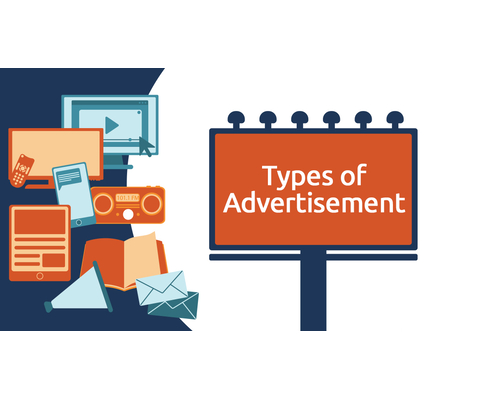
Advertising can take different forms and be designed to meet specific goals and target different groups of people. Traditional marketing encompasses print ads, TV commercials, and billboards, while digital marketing includes social media ads, search engine marketing, and email marketing campaigns.
- Real-World Applications: A good case is Nike, which employs digital advertising in conjunction with the influencers known on Instagram and TikTok to grab the younger generation’s attention. This illustrates how brands are adapting to digital trends.
- Challenges and Benefits: Advertising, on the one hand, is the best way to enhance a company’s visibility and revenue. Nonetheless, marketers have to be cautious because people could become tired of seeing the same ads all the time and might also be skeptical consumers. Advertisers primarily concentrate on personalization and targeted advertisements that use data analytics to ensure their effectiveness with consumers and minimize disturbances.
- Practical Strategies: To facilitate the creation of advertising, companies have to clear up the messages they want to send and pick the right mediums that best speak to their target groups. Another trick to using A/B testing that can dramatically improve ad performance is advertisers doing it to see which messages or formats work best.
Emerging Trends in Advertising
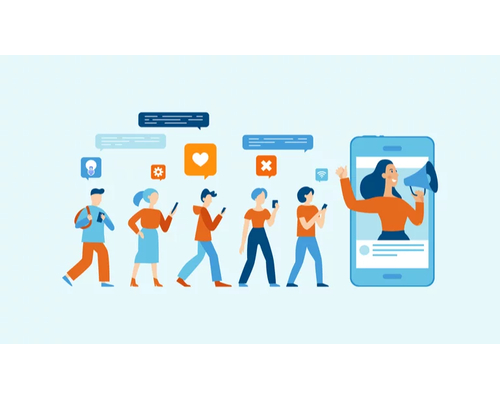
The advertising industry is developing mainly influenced by different trends that shape its future. One significant trend is the establishment of data-driven advertising, where companies use customer data in a very focused and tailored way to create ads.
- Insights and Trends: TikTok, a new platform, has introduced companies to video content, which is more interesting than a traditional picklist environment but needs user participation. In fact, the power of machine learning and AI can make real-time decisions and optimize complex targeting for any programmatic and automatic media buying, which is the most recent development in advertising space technology.
- Implications for the Industry: These shifts indicate that advertisers will have to be able to learn and evolve through listening to the clients and analyzing the market. On the other hand, companies that need to catch up on these issues may be refrained from the marketplace. For a business that aims to maximize the use of advertising, grasping its multiple characteristics is the first point. By reading the trendsetters and invigorating plans, firms can increase their visibility in all marketing channels, engage their audience, and push their businesses to grow.
Conclusion
Through the course of the conclusion, it is gradually mentioned that with the high pace of competition in the current marketplace, advertisers must become proficient in advertising. In the same way, they have to interact with their target audience closely. Advertising supplies the condition where creative ideas go hand in hand with strategy; this eventually drives how consumers react and allows brands to develop customer loyalty. By examining different aspects of advertising, such as types, business models, and psychological impacts, companies can develop creative campaigns that successfully meet customers and realize quantifiable outcomes.
Key Takeaways:
- Definition and Role: Advertising promotes products or services to sway a consumer’s perception and behavior.
- Components: It encompasses systematic planning, creative provision, messaging, and the proper media channels.
- Types of Advertising: Whether digital or traditional, all the types have their strength and are personalized for different audience segments.
- Targeting and Segmentation: Good commercial communication should include a clear understanding of the selected target group and then aim at catching the right people’s attention by just with the people who are being targeted to ensure their active participation.
- Impact on Consumer Behavior: Advertising influences customer choices and brand image, and thus, thinking about wording is very important.
- Cultural Relevance: Catchy advertising linked to the latest fashion fads and propriety values touches customers more personally. For businesses to integrate dynamic and fast-paced operations in the global marketplace, the essentials of advertising should be clear to them—business speak.
Businesses today have an imperative need to connect with the audience effectively. In such a fast-paced marketing world, the palette of techniques evolved significantly. Among these strategies, one that stands out and helps establish direct and personal communication with the consumer is Below the Line advertising. Unlike ATL, which is broad in approach and uses mass media like television, radio, and print to reach large audiences, BTL advertising is a form of direct communication that carries selected messages to the chosen audience. This leads to meaningful interaction with the brand as well as loyalty development.
- Definition: Below the Line (BTL) marketing efforts are directed by direct and personalized communication with a targeted group of audiences.
- Key Objective: BTL strategies strive to communicate an active relationship and trigger immediate consumer action.
- Comparison with ATL: The ATL processes use mass communication media as a channel. Unlike this, BTL includes more focused and trackable media, such as direct mailers, in-store promotion, and online marketing.
- Example: Digital campaigns, experiential marketing, direct mailers, and product sampling are some BTL advertisements.
BTL advertising in today’s value-oriented, consumer-driven market is of immense worth. Such a market enables companies to utilize these strategies best because they help understand audiences and tailor messages accordingly with a higher return on investment.
Critical Components of BTL Advertising
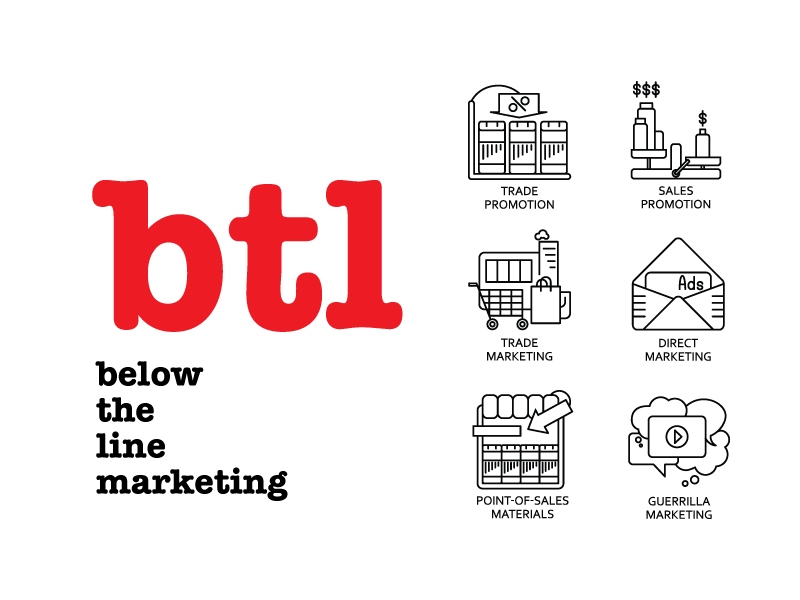
BTL advertising encompasses a variety of techniques, each tailored to interact directly with the audience. Here are some critical components of BTL strategies that help create a more personal and practical marketing approach:
- Direct Marketing
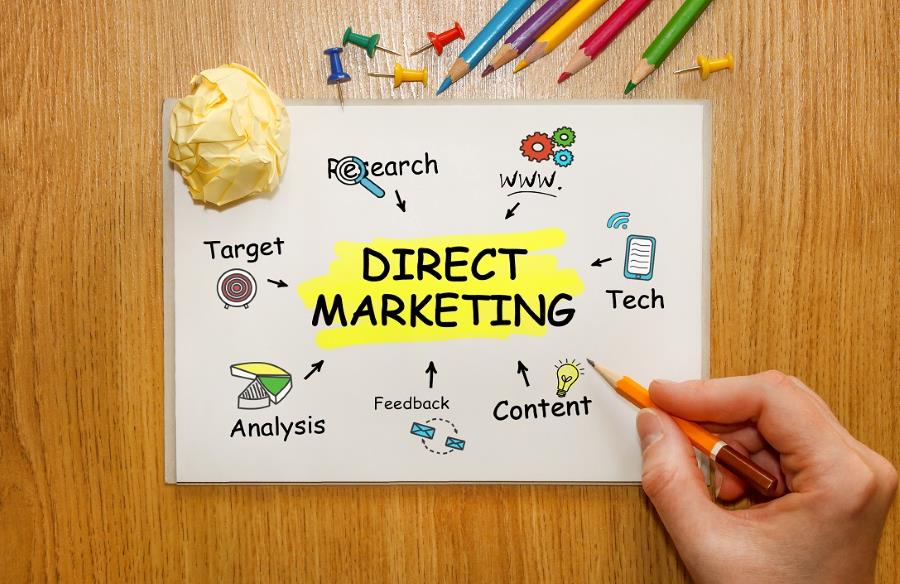
- Definition: Involves personalized communication through mail, telemarketing, or email.
- Targeted Messaging: Uses consumer data to create custom offers.
- Higher Conversion: Personalized coupons and offers boost engagement.
- Customer Loyalty: Tailored messages make consumers feel valued.
- Digital Integration: Combines physical and digital channels for a holistic strategy.
- Explanation: Direct marketing is a popular BTL method because it can reach specific customers with tailored messages. This results in higher engagement and conversion rates, making it an effective tool for generating sales and enhancing brand loyalty.
- Sponsorships and Events

- Brand Association: Aligns the brand with events, values, or specific audiences.
- Personal Interaction: Enables face-to-face engagement.
- Experience Creation: Events offer memorable, immersive experiences.
- Brand Visibility: Sponsorships increase brand recognition.
- Community Engagement: Builds stronger bonds through shared values.
- Explanation: Sponsorships and events allow brands to engage directly with their audience, creating positive associations and memorable experiences. Businesses can strengthen their brand presence by participating in community events or sponsoring relevant activities.
- Digital BTL Activities
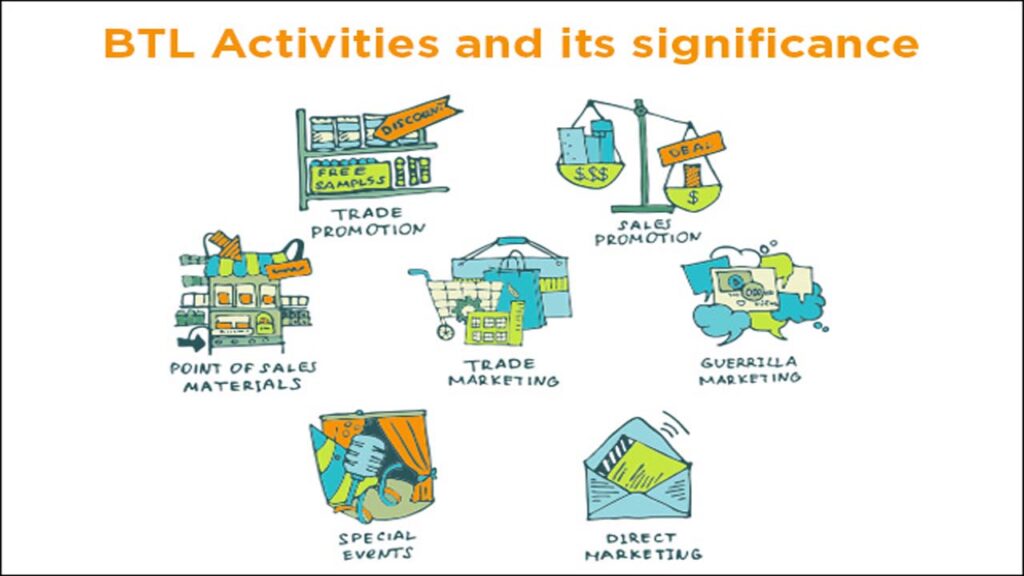
- Social Media: Platforms like Instagram and Facebook enable targeted advertising.
- Influencer Marketing: Collaborations add authenticity and reach.
- Email Campaigns: Allows personalized, one-on-one communication.
- Real-Time Data: Provides metrics to measure campaign success.
- Interactive Content: Polls, quizzes, and videos engage audiences deeply.
- Explanation: Digital BTL strategies leverage modern platforms to reach consumers directly where they spend their time. Companies can tailor messages to consumer preferences and get instant feedback using tools like social media and email.
- Experiential Marketing
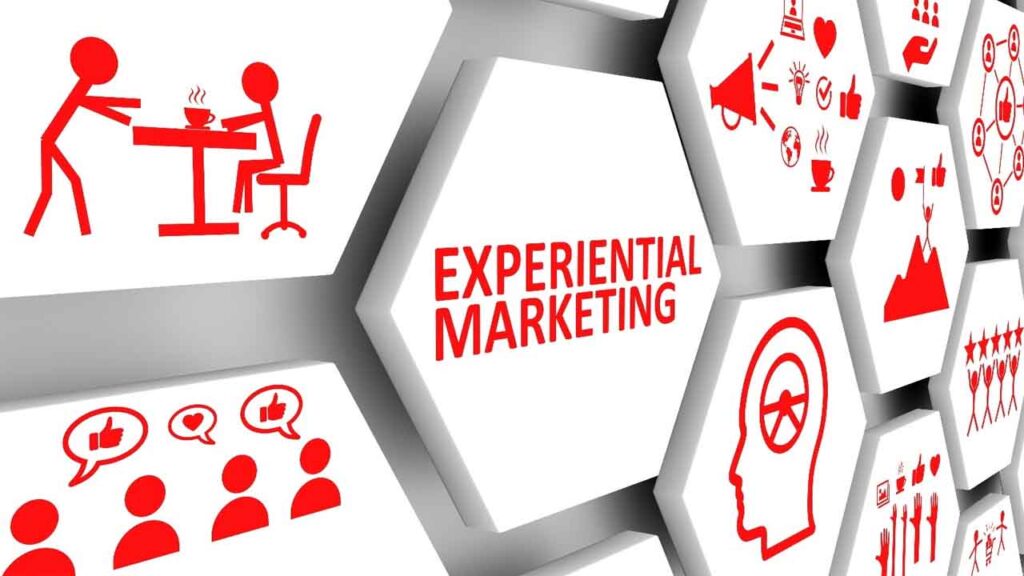
- Immersive Experiences: Interactive events encourage direct consumer participation.
- Emotional Connections: Create memorable moments that build loyalty.
- Word-of-Mouth Promotion: Satisfied participants spread positive experiences.
- Product Demonstrations: Consumers experience the product first-hand.
- Brand Differentiation: Unique experiences help brands stand out.
- Explanation: Experiential marketing engages consumers emotionally and creates a lasting impact by immersing them in unique brand experiences. This leads to stronger brand loyalty and increased consumer advocacy.
- Product Sampling and Trials

- Free Product Trials: Allows consumers to experience the product before purchase.
- In-Store Demonstrations: Showcases product features and benefits.
- Building Trust: Reduces consumer hesitation through hands-on experience.
- Immediate Feedback: Collects consumer opinions for improvement.
- Boosts Sales: Increases the likelihood of purchase through personal experience.
- Explanation: Product sampling and trials give potential customers a tangible experience of the product, increasing their confidence in making a purchase. This hands-on approach builds trust and enhances the likelihood of conversion.
Barriers to BTL Advertising

Despite the advantages BTL advertising can bring with it, it also poses several problems:
- Data Privacy Issues: Personalization has an intimate constituent as it is based on consolidating consumer data. Data privacy and transparency are the most significant.
- Budget Control: Small businesses will need a budget and, more importantly, the capability to use resources effectively when implementing a BTL campaign.
- Over-Saturation vs. Personalization: Too much messaging, too often, or too invasively can cause overexposure to a brand and lead to consumer fatigue.
Final Thoughts
- Meaningful Engagement: Personalized, direct messaging empowers enterprises to achieve meaningful engagements with their audience through BTL advertising.
- Data-Driven Approach: This approach keeps the BTL strategies aligned with the business objectives and is updated to meet changing customer needs.
- Future Relevance: Keep on doing BTL advertising as consumers’ preferences change, some sort of brand experience can be created, and continuing loyalty drives help.
Finally, BTL marketing goes beyond tactics, focusing on realistic relations with target consumers. By including BTL strategies in its marketing mix, an organization reinforces its brand presence and builds meaningful and lasting connections that deliver long-term success.
]]>There are no two thoughts about the fact that every individual is bombarded every single day with an array of graphical ads. Some ads are receptive to some while they are not to others. The reason behind this is that advertisers and marketers tailor their advertising messages in such a way that only the target group responds to them.
In this blog, we will discuss a few examples of how advertisers are successfully using different kinds of promotional media to advertise to different sections of society and situation marketing.
Advertising to the Visually Impaired
Many brands are striving to make their websites, brochures, infographics and other marketing collateral accessible to the visually impaired. When brands are planning for their campaigns, it is essential that they accommodate the needs of this important demographic.
A company in Indiana, USA, came up with the first and only ever Braille printed paper cup in the world, thus catering to the needs of the visually impaired or partially sighted. Braille-printed paper cups are definitely a breakthrough in the world of creative paper cup ads.
Advertising to the Bald-Headed
Today, there is a huge market for hair transplants. Millions of men and women who experience hair loss problems opt for hair restoration services. Being a targeted service, an ad based on hair transplant will only appeal to those who need to avail of such a service. To capture the attention of the target audience, advertisers are opting for powerful billboards. Dr Dhepe’s Skin City, a Pune-based institute of dermatology used a hard-hitting billboard that compared hair gain to plant growth to attract those who face frequent loss of hair.
Advertising to the Modern Indian Woman
In 2016, Shaadi.com launched a TVC called ‘My Conditions Apply’ to give the brand a fresh makeover. The new brand image is aimed at catering to the needs of modern, independent and career-oriented women. The ad shows various women laying down their conditions for marriage in a polite but firm way. They would like to keep their name after marriage, keep climbing the career ladder, and be able to hang out with friends and so on. Watch the video below:
Situation-based Advertising to a target audience
When demonetisation hit the country last year, many brands were seeing cashing-in on the situation in terms of advertising. Paytm made the most of the situation by promoting its cashless payment option. We at GingerCup also took the opportunity to promote FxKart, a company offering a hassle-free exchange of foreign currency. Our entire paper cup advertising campaign was based on the slogan ‘Chai Pe Kharcha’.

Today, advertising is changing at a steady pace. The goal of advertisers today is not just selling a product, but making a difference by capitalising on various touch points, using humour or emotion in advertising, and situation marketing to a segment that needs the product or service the most.
]]>Ready to talk with a marketing expert?

A Pragmatic and innovative way to enthrall your target group is just a click away!
Get in Touch
Rukmini Knowledge Park, Kattigenahalli, SH 104, Srinivasa Nagar, Bengaluru, Karnataka 560064
+91-990 247 8800
contact@gingermediagroup.com
Popular in Television Advertising
Udaya TV AdvertisingSun TV AdvertisingStar Plus AdvertisingTV 9 AdvertisingZee TV AdvertisingNDTV India AdvertisingColors TV AdvertisingPopular in Airport Advertising
Spice Jet AdvertisingMumbai Airport AdvertisingDelhi Airport AdvertisingEmirites AdvertisingIndiGo Airlines Domestic India AdvertisingPopular in Newspaper Advertising
Deccan Herald AdvertisingPrajavani AdvertisingThe Hindu AdvertisingEconomic Times AdvertisingDainik Jagran AdvertisingHindustan Times AdvertisingPopular in Magazine Advertising
Forbes AdvertisingCosmopolitan AdvertisingBusiness World AdvertisingVogue Magazine AdvertisingPopular in Sports Advertising
IPL AdvertisingPopular in Outdoor Advertising
Billboard AdvertisingBus Shelter AdvertisingMetro Pillar AdvertisingUnipole Advertising© Ginger Media Group 2025. All Rights Reserved.