Understanding Television Advertising
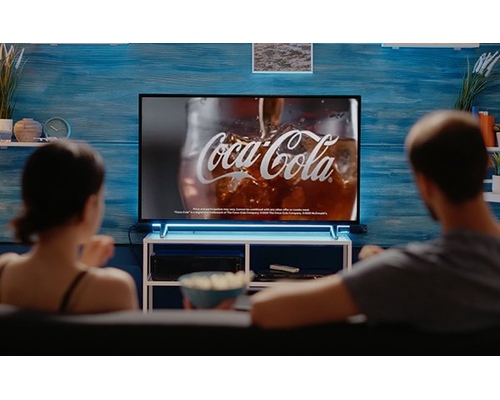
Television advertising, through the power of a visual medium, has been an impactful way of getting across the message over the years. As brands progress to permanently imprint themselves through the unique power this medium delivers, it is imperative to acknowledge and appreciate the subtleties of works.
The Mechanics of Television Advertising
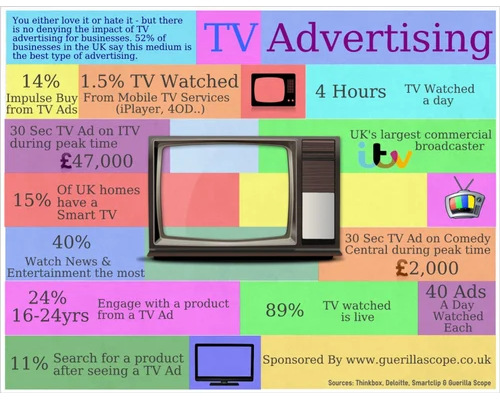
The art of television advertising hinges on several fundamental tenets: captivate the audience and effectively communicate the intended messages.
- Market Reach and Demographics: Despite a large number of U.S. households owning at least one TV, television remains a top media platform. However, the prevalence of TV in homes offers advertisers a broad market where specific demographic groups can be easily targeted, for instance, from toddlers to octogenarians, making them successful.
- Creative Storytelling: Many campaigns have made an impact through an engrossing, quite often d, dramatic story. For example, memorable examples such as the ads for the Super Bowl, which brands like Budweiser or Apple will make the audience think the sketch they did was epic.
- Time Slots and Scheduling: Advertisers should think carefully when picking the time slots as prime time is known to bring in more viewers, but at the same time, it costs them a fortune. Results of a survey show that the probability of top-rated commercial campaigns happening during prime time is twice that of off-peak periods. Therefore, commercials broadcasted during peak periods tend to engage viewers more.
Challenges and Benefits of Television Advertising
- Television advertising has proven to be a dynamic tool for bringing together the advertising world and consumers, although it is also facing setbacks. The variable nature of producing and airing advertising content on TV and its cost, which is usually very high, might also be a problem for most small businesses. On the other hand, such a commercial for 30 seconds at a significant event could cost around 1 million dollars, which may even lead to fear of a bad investment return.
- That said, it is hardly possible to record the success of a television spot through a direct mechanism, as in the case of digital ads. The success of television media mainly comes from market research and indirect measurement approaches, like questionnaires that enable the assessment of the effectiveness of an ad campaign. Also, as far as what the measurement of success encompasses, each platform has different terms of the partnership.
- However, the other side is the development of OTT platforms such as Netflix and Hulu, which have brought new technology to the audience and changed their habits. The declining traditional TV viewing patterns prompt advertisers to develop innovative strategies. The companies have now started looking into the possibilities of including products in the product placements and sponsorships they must create.
The Future of Television Advertising
Television advertising is a versatile, ever-changing medium that revolves around new technology and human behaviour preferences. The overlaps between the conventional and digital modes of advertising are vital for successful campaigns. To cover all bases, brands include omnichannel campaigns synchronising their TV promotions with the digital arm to ensure maximum touchpoint and engagement. Businesses harness the potential of data mining to provide customers with exclusive and personalised experiences tailored to them. Specifically, advertisers have access to consumer insights and are, therefore, equipped to modify their marketing messages to distinct isolated markets.
- Emerging Technologies: With the rise of augmented reality (AR) and virtual reality (VR), TV is no longer a limitation to marketing and has become more than what the potential of the old world could have been. Marketers nowadays are capable of creating real-life-like experiences through the usage of these technologies, which, therefore, results in more memorable and engaging advertisements.
In summary, understanding television advertising includes identifying its mechanics, resolving its difficulties, and seizing the opportunities of new trends. In this ever-changing environment, businesses should be up to date and always seek creativity, which is how they lure their target customers in.
Conclusion
However, television advertising is still helpful for brands that want to reach a broader audience via memorable and emotional branding messages. As the aspect of technology and how people interact and behave continue to change, it becomes more and more critical for businesses to grasp the key components and importance of television advertising if they want to become a force in their markets. Among other elements, three key areas are vital in the concept of television advertising such as:
- Broad Reach: In the ideal case, TVC is a way to advertise for brands across gender, age, and socio-economic groups of life to create visibility in the marketplace.
- Emotional Impact: The combination of the visuals and sound elements in television exposes the advertising world to creative convincing that intensifies the emotional bond with the viewers.
- Brand Recognition: By broadcasting on TV, you get regular exposure that builds equity, and thus, the name gets the required level of recognition to attract even more loyal consumers.
- Targeting Opportunities: Advances in data analysis enable advertisers to personalize messages and thus appeal to distinct customer segments, which ultimately results in higher penetration of the message and better campaign performance.
- Measurable Outcomes: Marketers can use television ad analysis to fine-tune their strategies depending on what analytics tells them about returns.
The advertising sector is undergoing a digital marketing revolution. It’s a trendy thing today, and despite the competition in the field, it remains a crucial strategic point encouraging engagement among companies using captivating brand messages generated for consumption, which leads to the establishment of customer relations, acceleration of sales and consumption, etc. Advertising not only remains an integral part of marketing but also is a media with a twist wherein that marketer who wants to court its offering, with its advancing yet traditional advertising means the most, must delve into the medium’s essence.
]]>Whether you are new to television or looking to enhance your campaigns, the following tips provide a quick and practical way to get the most out of TV advertising. Well, let us waste no time and help your company with the great things about television advertising…
Types of TV Advertising
Schedule A Closer Look At The Different Types of TV Advertising

Ever wonder just how many kinds of TV advertising there are? All of the various formats offer potential ways to interact with viewers and convey meaning that affective messages can be framed within — from compelling commercial breaks to infomercials of learning.
Overlay Ads
- Overlays are one of the newest types of television advertising. It serves as a nice way of getting in touch with other shows or events running on TV at that moment.
Overlay Ads: An overlay ad is a 30-second advertisement in the form of standard banners that are usually displayed above, below, or beside media content as part of video and games.
Television Commercials (TVCs)
- Because TVCs have to grab mind share and convey the message in the briefest possible time more quickly, they are short & crisp. From ads for new cars or packaged groceries to countless other offers and services.
This type of television advertising can also be hilarious and entertaining in some form, or it could be educational.
Brand Integration
- It is a complete type of advertisement that aids firms in developing deeper connections with customers.
When done well, brand integrations can actually be of value to both the brand and the TV show. Not just vehicles and travel, but all kinds of goods and services will be able to benefit from brand integration marketing about clothing and cuisine.
Native Advertising
- Native advertising takes branded content and ensures it blends effortlessly with a TV program by mirroring the overall tone of the show.
By using this method, you’re subtly trying to enhance audience engagement while whispering in their ears about your product or service.
Consumers appreciate a less invasive and more engaging form of advertising when it is part of the show storylines, says the IAB White Paper on native advertising. One of the important television advertisement examples is the native ads.
A Great Television Advertising

Learn what comprises effective customer engagement and connection. These are the foundations of HOW to create television advertising that is interesting and effective. Discover how to combine these factors and create commercials with TV advertising potential that resonates deeply.
Depicting Parts of a TV Ad
A Decent Script
- You have to tell a story in order for any TV spot that has an impression to be effective. The goal of any TV commercial is to speak directly to your target audience, and one of the easiest ways to do this is by getting an emotion involved. Keep reading!
Without it being high-octane, with a good quality storyline in them that people can find emotion in the force of stimulation, then your video will not be as engaging.
Know Your Target Person
- Television advertising is one of the best ways to target new demographics. You have to focus on who your target audience is because that TV viewing solution keeps you in front of the ideal audience, so everything else will be higher ROI, more qualified spending, and seriously increase your sales opportunity.
A Clear Call to Action
- It gives a call to action by telling the viewer what to do. In some cases, you could push for them to contact your business. It may also coax people into visiting your website or coming by your store. It was an essential ingredient I discovered when creating a television advertisement.
Customer Reviews
- You can, of course, make true brand advertising, but no one will distinguish you on the market better than a referral from a customer.
- Select one or two great clients to appear in your ad. Client testimonials are worth your time because audiences LOVE hearing from real customers.
Does Television Still Work for Advertising?
They don’t want to show weakness on TV, yet that is how they have come off the last twelve weeks with two early season losses, and both of those at home. They don’t want to be impatient in their system, but it has been them who have looked like one. Jim Schwartz was an integral part of forlorn defenses plaguing this same team merely a decade ago. Seven years into his tenure as defensive coordinator elsewhere, he still hasn’t found a solution to get consistent stops.
Television has been a giant in terms of the advertising medium since the beginning as it had such an enormous audience share. The TV is a staple in virtually every home for news, information, and entertainment. Viewers have a higher involvement and engagement when viewing an advertisement via television, as there are no ad blockers for TV advertising services.
Benefits of Television Advertising

All others see a sizable boost in their effectiveness from TV ads. Even now, however, more time at the TV than any other media also answers why advertising on television remains largely determines what consumers buy. It also has the highest CPM of any media, making it possible to speak to customers in every part of your sales funnel.
The multiple benefits of television advertising are:
The Capacity to Specialize
- Deliberate network and platform selection allow you to hone in on your ads. Using a network your ideal market already frequents allows you access to an interested audience as soon as possible.
Flexibility
- Because you can absorb multiple increments of airtime on many time slots, as few or as many as needed in accordance with your budget and what it is that you are looking to advertise, allowing you the ability to market affordably.
Even if you do not compete with a one-minute ad on a premium network, it could still be successful to make an even shorter promotion and show it in a way that is cheaper.
Make Your Brand Memorable
- In addition to the different creative ways with which you can produce messaging, there are also various creative messages that you can utilize for different platforms or demographic segments (or just different targeting)!
If you produce older TV commercials, customers will, as a general rule, remember them easier and that means recalling your business more frequently if done while in TV advertising campaigns where several ads use the same visual themes and attributes.
Challenges to TV Advertising

Marketers are facing issues, such as ad-skipping behavior and fragmented TV marketing in this section. In order to be successful in TV advertising, it is important to grasp these challenges.
Skipping of TV Ads
- It means that even with the best will in the world and your audience paying close attention and concentrating on TV viewing, they can still choose to turn off ads.
Technology like DVR and streaming on Netflix and Hulu now enables viewers to simply remove TV advertising entirely if they wish.
Television Ads Are Harder to Update
- So while you can change a banner ad, a Facebook post, or even get the printing done again for magazine ads, you cannot simply walk in there and re-edit your TVC’s unless — unless it’s an ongoing project at the network.
Should you wish to opt for any further changes, it will cost you extra.
Well, it’s expensive, like TV advertising.
- TV commercial ads are the costliest of all types of advertising work. Airtime is paid for based on the network you use, premium vs. non-premium slots, or even which type of channel you use.
Recruiting writers, talent, producers, and editors can also be a costly endeavor.
Do’s and Don’ts
Discover the key do’s and don’ts that will make or break your television advertising. Discover foundational strategies that attract consumers and get your message across while avoiding common mistakes that can sink your marketing efforts.
Do’s of TV Advertising
Plan a budget
- Choose your ad budget and figure out how you will get funded before you even sketch the concept.
Decide how much you are going to spend on making the commercial and purchasing the TV spot. What will inform your ad-running choice is getting prices from different stations. From here, you need to begin creating a more thorough production budget.
Test your Message
- Test multiple business ideas with focus groups to see them perform for the first time, then converge into one when production really kicks in.
Research how different themes and ideas might impact the impression buyers develop of your brand.
Concentrate on the Creative Part
- Television advertising is entirely dependent on creativity and how you present the offer in the right way.
It engages the viewer and creates an emotional connection between them and the brand or product being marketed. It brings the difference between spam advertisement and that which stays with people forever in their minds.
Choose your Visuals
- Choose if you are going to hire actors to act out a scene, animators to make cartoon images, or some other way of communicating your message visually.
Conclude with a visual exclamation point using the right perspective on the color system, set design, costume design, and special effects.
Dont’s of TV Advertising
Avoid Using Stills
- Instead of live-action, some companies choose to pan over a series of images, graphics, talking heads, or whatever they can.
However, static images are less memorable and visually appealing than the dynamic movement of the visual in a traditional video format.
Keep from being aggressive
- Ensure you know the type of audience you want to reach and tailor your advertisement with language and themes that will resonate with them.
Keep in mind how the market changes with time and how they may change their view of the brand due to global shifts.
Don’t Copy Ideas in Advertising
- Do not just leave the ad at the point where it is aired! Follow-up marketing is imperative.
Whether it’s new email lists or continuing with the work done in the TV ad campaign, be sure to keep your advertising going.
Final Thoughts
Television advertising is a powerful medium that offers immense potential for businesses looking to reach a wide audience. While it comes with its challenges, such as high costs and ad-skipping behavior, the benefits of brand awareness, credibility, and memorability far outweigh the negatives.
To maximize the effectiveness of your television advertising efforts, remember to:
- Invest in quality production
- Understand your target audience
- Test and refine your message
- Leverage different formats effectively
- Monitor results and adjust your strategy accordingly
With a strategic approach and a creative mindset, television advertising can be a cornerstone of your marketing strategy, driving brand recognition and customer engagement for years to come.
]]>- Broad Reach: Television advertising can reach millions of viewers simultaneously.
- Diverse Formats: It includes various formats such as commercials, infomercials, and sponsorship mentions.
- Audience Engagement: Television ads can engage audiences through storytelling and emotional appeal.
- Integration with Digital: TV advertising often complements digital marketing strategies for enhanced outreach.
- Real-Time Interaction: Live events provide real-time engagement and immediate consumer interaction opportunities.
Definition of Television Advertising
Television advertising is the presentation of promotional messages to viewers via television broadcasts. This encompasses a variety of formats, including commercials, overlays, infomercials, and sponsorship mentions.
- Commercials: Known as TVCs (Television Commercials), these brief promotional videos typically run during breaks in television programs. They range from 15 to 50 seconds and are designed to capture viewer attention in a limited timeframe.
- Infomercials: Long-format ads, lasting from ten minutes to several hours, are primarily used for teleshopping. Infomercials provide comprehensive information about products or services, making them suitable for items needing detailed explanations.
- Sponsorship Mentions: These ads integrate the sponsoring brand into a TV program, often accompanied by phrases like “brought to you by” or “Sponsored by,” enhancing brand visibility without being obtrusive.
- Overlays: Graphical advertisements displayed alongside TV programs, overlays can appear as tickers or banners at the bottom or sides of the screen, providing additional information without interrupting the viewer’s experience.
- Interactive TV Ads: These advertisements allow viewers to interact through mobile devices, engaging them in ways that traditional ads cannot.

Forms of Television Advertising
Television advertising is not one-size-fits-all; it encompasses various forms that cater to different advertising needs and goals. Each form has its unique characteristics and impacts on viewer engagement.
Television Commercials (TVCs)
- Brevity: TVCs are short, typically 15 to 60 seconds. This requires a focused and powerful message to capture the audience’s attention quickly.
- Emotional Appeal: Many successful TVCs leverage storytelling and emotional connections. For example, Nike’s “Just Do It” campaign inspires viewers by associating the brand with determination and success.
- Brand Identity: Effective TVCs reinforce brand identity. John Lewis’s Christmas advertisements, known for their heartwarming narratives, have become a staple in UK holiday marketing, generating significant viewer anticipation each year.
- Creativity: Creative concepts and execution are crucial for TVCs. Memorable campaigns, such as Old Spice’s “The Man Your Man Could Smell Like,” showcase humor and distinctive characters, leading to viral success.
- Call to Action: TVCs often include a clear call to action, prompting viewers to visit a website, call a number, or take other steps to engage with the brand further.
Infomercial Ads
- Long Format: Infomercials typically last ten minutes to an hour. This extended duration allows for in-depth product demonstrations.
- Detailed Information: Infomercials provide comprehensive information about products’ features and benefits, making them ideal for complex items that require explanations.
- Real-Life Examples: Brands like Proactiv Solutions use infomercials to showcase real users and their success stories, enhancing credibility and relatability.
- Direct Response: Infomercials often encourage viewers to make immediate purchases, providing phone numbers or websites for direct orders.
- Demonstrations: Demonstrative marketing is a crucial aspect of infomercials. For instance, the George Foreman Grill infomercial highlighted the product’s health benefits through cooking demonstrations, driving consumer interest.
Sponsorship Mentions
- Subtle Branding: Sponsorship mentions integrating brands into programming without overt advertising, fostering a positive association with the content.
- Enhancing Visibility: Brands can significantly enhance their visibility and connect with audiences who already engage with their content by sponsoring popular shows.
- Engagement Opportunities: Brands can leverage sponsorship mentions to engage viewers through integrated campaigns and promotions, creating a cohesive brand experience.
- Cross-Promotion: Sponsorships often lead to cross-promotion opportunities, allowing brands to reach new audiences through collaborations with shows and events.
- Long-Term Relationships: Successful sponsorships can lead to long-term relationships between brands and media outlets, establishing a consistent presence in viewers’ minds.
Overlays
- Real-Time Information: Overlays provide viewers with real-time updates and information without disrupting their viewing experience.
- Continuous Engagement: Overlays keep viewers engaged and informed about relevant content by displaying information continuously during programming.
- Versatile Usage: Overlays can be adapted for various purposes, including advertising, news updates, and sports scores, providing a multifaceted advertising tool.
- Attention-grabbing: Well-designed overlays can capture viewer attention while maintaining the integrity of the primary programming, increasing the likelihood of message retention.
- Complementing Content: Overlays work best when they complement the primary content, ensuring that the advertising does not overshadow the program itself.
Interactive TV Ads
- Engagement Through Technology: Interactive ads leverage technology to engage viewers, allowing them to participate through mobile devices or smart TVs.
- Personalisation: Interactive ads enhance the relevance and effectiveness of the advertising message by tailoring content to viewer preferences.
- Consumer Feedback: Interactive ads enable brands to gather real-time feedback from viewers, allowing for immediate adjustments to campaigns based on audience responses.
- Gamification: Incorporating game elements into ads can increase viewer engagement, making the advertising experience enjoyable and memorable.
- Extended Reach: Interactive ads can drive traffic to websites or social media platforms, expanding the reach of campaigns beyond traditional TV viewing.

Digital and Traditional Advertising Integration
In today’s marketing landscape, television advertising does not operate in isolation. It frequently integrates with digital marketing efforts to enhance the overall effectiveness of campaigns.
QR Codes and Hashtags
- Bridging Offline and Online: Advertisers increasingly incorporate QR codes and hashtags into TV commercials, encouraging viewers to engage with brands online for additional content and promotions.
- Enhanced Engagement: Viewers can access exclusive offers, participate in contests, or obtain more detailed information about products by scanning a QR code or using a hashtag.
- Trackable Metrics: Integration with digital platforms allows advertisers to track the effectiveness of their campaigns through analytics, providing valuable insights into viewer behavior.
- Increased Brand Recall: Incorporating digital elements into TV ads enhances brand recall by encouraging immediate action, making it easier for viewers to remember the brand later.
- Social Media Amplification: Hashtags promote social media engagement, allowing viewers to share their experiences and opinions, further amplifying the reach of the advertising campaign.
Interactive TV Ads
- Engagement Through Interaction: Interactive TV ads empower viewers to engage directly with the content, transforming passive viewing into an active experience.
- Customisable Content: Viewers can choose specific options or paths within interactive ads, personalizing their experience and increasing their emotional connection with the brand.
- Real-Time Feedback: Advertisers can receive immediate feedback from viewers through interactive elements, allowing for dynamic adjustments to campaigns based on audience responses.
- Cross-Platform Functionality: Interactive ads can function across multiple devices, enabling seamless viewer engagement from TV screens to smartphones and tablets.
- Enhanced User Experience: The interactivity enhances the overall viewing experience, making ads feel less intrusive and more integrated into the content.
Comprehensive Campaigns
- Holistic Marketing Strategy: Successful advertisers develop comprehensive marketing strategies that combine traditional TV advertising with digital components for maximum impact.
- Consistent Messaging: Integrating TV and digital campaigns ensures consistent messaging across platforms, reinforcing brand identity and increasing recall.
- Targeted Advertising: Utilizing data from both TV and digital channels allows for more precise targeting of specific audience segments, increasing the relevance of ads.
- Cross-Channel Engagement: Brands can create opportunities to encourage viewers to engage with content on multiple platforms for a richer experience.
- Innovative Promotions: Combining TV advertising with digital strategies allows for creative promotions, such as exclusive online content revealed during TV commercials, driving viewer interest.
Measurement and Analysis
- Data-Driven Decisions: Integrating digital analytics with traditional TV metrics enables advertisers to make data-driven decisions, optimizing campaigns for better performance.
- Real-Time Adjustments: Monitoring viewer engagement across both platforms allows for real-time campaign adjustments, ensuring they remain practical and relevant.
- Comprehensive Insights: Advertisers can gain comprehensive insights into viewer behavior, preferences, and engagement, which can inform future campaign strategies.
- Increased ROI: By effectively integrating digital and traditional advertising strategies, brands can maximize their return on investment through improved targeting and engagement.
- Long-Term Relationships: Engaging with audiences across multiple platforms fosters long-term relationships, turning viewers into loyal customers.

Television Advertising Targeting: Prime Time vs. Daypart
Television advertising targeting is crucial for maximizing reach and engagement. Advertisers strategically choose when to air their ads based on the time slots available, often categorized into prime time and dayparting.
Prime Time Advertising
- Definition: Primetime refers to the peak viewing hours, typically between 8 PM and 11 PM, when the largest audience is available.
- Cost-Effectiveness: While prime time slots are often more expensive, high viewer engagement can lead to better returns on investment.
- Audience Diversity: Advertisers can reach diverse demographics during prime time, making it ideal for brands with broad appeal.
- Compelling Content: Primetime showcases popular shows, increasing the likelihood that ads will be viewed and remembered.
- Emotional Connection: Ads aired during prime time often leverage emotional storytelling, connecting with viewers on a deeper level.
Daypart Advertising
- Definition: Dayparting involves scheduling ads during specific day segments, such as morning, afternoon, and late-night slots.
- Targeted Audiences: Advertisers can target specific demographics based on viewing habits during different dayparts. For instance, children’s programming in the morning may be ideal for toy ads.
- Cost-Effectiveness: Daypart slots are typically more affordable than prime time, allowing smaller brands to gain visibility without breaking the bank.
- Niche Marketing: Daypart advertising allows brands to tailor their messaging to specific audiences, such as health-related products during daytime talk shows.
- Flexible Campaigns: Advertisers can create flexible campaigns that adjust to audience behavior, maximizing engagement during less conventional hours.

Television Advertising and Live Events: Real-time Engagement
Television advertising thrives during live events, providing unique opportunities for real-time viewer engagement. Events like the Super Bowl or award shows draw massive audiences, presenting valuable advertising slots.
Live Event Advertising
- Heightened Engagement: Advertisers benefit from heightened viewer engagement during live events, as audiences are more focused and emotionally invested.
- Memorable Ads: Brands often produce memorable and shareable ads for live events, leveraging the excitement and energy of the occasion.
- Social Media Buzz: Live events create real-time social media engagement opportunities, with viewers sharing their thoughts and experiences during broadcasts.
- Collaborative Campaigns: Many brands partner with live events for cross-promotional opportunities, enhancing visibility and creating memorable associations.
- Influencer Involvement: Brands often collaborate with celebrities or influencers during live events to amplify reach and credibility, further engaging viewers.
Final Thoughts
Television advertising remains a potent tool for marketers, offering diverse formats and integration opportunities with digital channels. By leveraging various types of television advertising, brands can effectively engage viewers, create memorable experiences, and drive measurable results. Television adapts as the advertising landscape evolves, ensuring its relevance in an increasingly digital world.
- Enduring Impact: Television advertising has proven to endure, adapting to new trends while maintaining its core strength in reaching mass audiences.
- Versatile Applications: The diverse types and forms of television advertising provide advertisers many options for connecting with viewers.
- Integration Importance: Combining television with digital strategies can significantly enhance campaign effectiveness, reaching audiences across multiple touchpoints.
- Targeting Strategies: Utilizing prime time and daypart targeting allows brands to optimize their advertising efforts, increasing the potential for engagement.
- Live Events as Opportunities: Live events offer unique opportunities for real-time engagement, making them prime time for memorable advertising experiences.
Ready to talk with a marketing expert?

A Pragmatic and innovative way to enthrall your target group is just a click away!
Get in Touch
Rukmini Knowledge Park, Kattigenahalli, SH 104, Srinivasa Nagar, Bengaluru, Karnataka 560064
+91-990 247 8800
contact@gingermediagroup.com
Popular in Television Advertising
Udaya TV AdvertisingSun TV AdvertisingStar Plus AdvertisingTV 9 AdvertisingZee TV AdvertisingNDTV India AdvertisingColors TV AdvertisingPopular in Airport Advertising
Spice Jet AdvertisingMumbai Airport AdvertisingDelhi Airport AdvertisingEmirites AdvertisingIndiGo Airlines Domestic India AdvertisingPopular in Newspaper Advertising
Deccan Herald AdvertisingPrajavani AdvertisingThe Hindu AdvertisingEconomic Times AdvertisingDainik Jagran AdvertisingHindustan Times AdvertisingPopular in Magazine Advertising
Forbes AdvertisingCosmopolitan AdvertisingBusiness World AdvertisingVogue Magazine AdvertisingPopular in Sports Advertising
IPL AdvertisingPopular in Outdoor Advertising
Billboard AdvertisingBus Shelter AdvertisingMetro Pillar AdvertisingUnipole Advertising© Ginger Media Group 2025. All Rights Reserved.