Advertising Media:
- Television: AUDIOVISUAL content that provides reach to a large audience, usually during prime-time shows or events.
- Radio: Audio commercials that are likely to influence listeners when commuting or performing other tasks effectively.
- Print Media: Newspapers, magazines, and pamphlets focused on a particular subgroup and print.
- Digital Media: The Internet-working across websites, search engines, and other forms of social media to communicate to a digitally literate target group.
- Social media: Interacting with customers on Facebook, Instagram, and Twitter, among others, through targeted advertisements and interactive campaigns.
Sales Promotion:

A Sales Promotion is typically defined as an incentive for the customer to buy a product or service within a limited timeframe, such as:
- Discounts: A reduction in the price for some time or some period to attract more and more customers.
- Coupons: Coupons promising a reduction for subsequent purchases, prompting consumers to buy now or later.
- Loyalty Programs: Reward systems encourage repeat business by offering points or rewards for continued purchases.
Why you should know Advertising and Sales Promotion

- To Maximize Marketing Strategies:
Gaining awareness of the role of advertising and sales promotion can help one hone and adapt marketing strategies effectively.
- Correct Communication:
Knowing the target audience helps organizations create messages that resonate deeper within their intended population, thus making them more likely to be adopted by their targeted audience.
- Generation of Sales Revenue:
Knowledge of advertising and sales promotion is highly integrated with sales increases. A well-crafted campaign turns a probable customer into a repeat customer.
- Customer Loyalty:
The only way to achieve this is through practical and well-planned advertising and promotional strategies. Businesses can create good relationships with their customers, and they will want to buy from them repeatedly. These notions call for developing a competitive advantage in the marketplace.
Relevance in Strategic Decisions
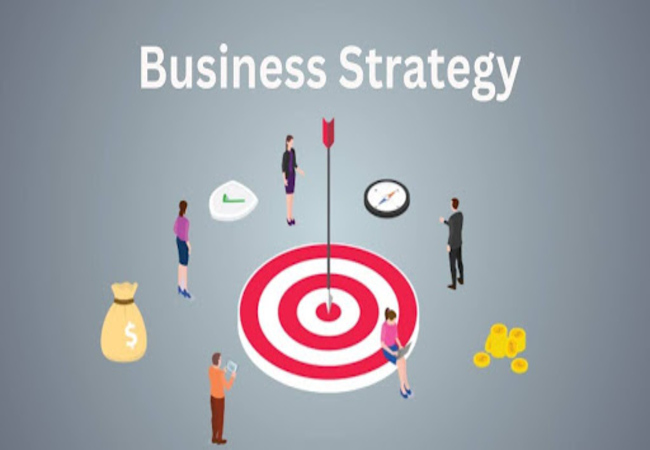
- Market Analysis: Understanding advertising and sales promotion tools can help businesses understand market trends and the patterns of consumers’ behaviors in the target market. Campaign strategies can then be planned accordingly.
- Budget Allocation: Companies are equipped to allot resources effectively since this information on how to use marketing tools effectively facilitates full returns on investment and minimization of waste.
- Competitive Advantage: This knowledge of advertisement and sales promotion details gives firms the advantage of moving ahead of saturated markets as firms develop unique selling propositions that attract and retain customers.
- Performance Measurement: Understanding advertising effectiveness metrics and metrics about sales promotion programs helps companies measure their effectiveness, thus constantly trying to improve themselves.
Understanding advertising and promotional sales is essential for making strategic decisions. It gives any business the tools to effectively communicate with its customers, stimulate demand, and drive sales while remaining competitive.
Advertising and Sales Promotion: Purpose, Function, and Applied Practice
Purpose: Advertising aims to generate consciousness in customers’ minds regarding a specific product or service. It tries to communicate the features or benefits of the product or service and how and where to get it-simply put a buy signal.
Sales promotion creates a sense of urgency for consumers to buy now and not later. In other words, it promotes consumption without requiring the consumer’s involvement in the planning process. Examples are discount offers, coupons, contests, and free samples. It aims to prompt short-term consumer activity, increase sales volume, and enhance product visibility.
Functions
- Building Brand Awareness Advertising aims to make potential consumers aware of brand identity and values.
- Consumer Involvement: Effective advertisement attracts intense consumer interest by tugging at the heartstrings, telling a story, and through multichannel approaches, social media, broadcast television, and print.
- Generating Demand: Promotions enhance the likelihood of buying. The sale of a commodity can be complemented with incentive ties such as buy-one-get-one-free or any other form that will heighten consumers’ interest and anxiety levels.
- Sales Volume Increase: Promotions increase quantity to peak sales for a short period and clear the stock in the shortest period. This aspect will help achieve the set period.
- Creating Customer Loyalty: Advertisements and promotions can help build brand loyalty. Long-term customer relationship building is possible through constant interaction with customers through advertising and rewarding buyers through promotions.
Day-to-Day Applications:
Retail Business:
- Advertising: Retailers use television commercials and social media advertisements to inform about new arrivals or season sales. As the back-to-school season arrives, stores publish ads regarding their product line and competitive prices.
- Sales Promotion: For example, “Buy One, Get One 50% Off” on clothes and “Flash Sales” that are good for a limited time encourage impulse buying and clear seasonal inventory.
Consumer Electronics:
- Marketing: Consumers typically go through a phase of pre-launch exposure for electronic products. For example, electronics such as Apple iPhones have big ad pushes through various media outlets once new iPhones are released.
- Sales Promotion: Hi-tech companies can offer trade-in offers or bundle two products together to induce sales in food and beverages, as Coca-Cola did during the Super Bowl of a particular year, or make emotionally resonant commercials to strengthen their identity and bond with consumers.
- Sales Promotion: Seasonal campaign in the form of holiday-line products, special discounts,, or loyalty schemes, which reward with points to further support sales generated and maintain customer interest.
Services Industry:
- Advertising: Airlines and hotel service industries use Internet advertising and focused marketing to ensure that customers are captured during a travel season or festival.
- Sales Promotion: Flash sales on airline tickets for limited times for a stay at the hotel lure customers into booking, thereby luring them into promotional pricing.
To conclude, advertising and sales promotion are complementary interrelations that grow business marketplace visibility and, therefore, advertise sales in various industries. Knowing their definitions, purposes, and functions would help the business plan ahead for the effective accomplishment of marketing goals and develop an enhanced relationship with its consumers.
The Importance of Understanding Advertising and Sales Promotion for Businesses

In today’s marketplace, where competition reaches peaks and attention spans are dropping every minute, it’s imperative to know about advertising and sales promotion for sustainable success. The two go at the heart of marketing strategies, impacting brand visibility, customer engagements, and revenue growth. We discuss why mastery over advertising and sales promotion must be crucial for business and its impact in the sections below:
- Boosting Brand Visibility: Advertising communication creates a level of awareness among consumers that makes potential customers aware of a company’s products or services. Awareness is the first step to making a customer loyal and trusted.
- Customer Experience: Sales promotions involve customer engagement through incentives that are, by nature, immediate, such as discounts and offers. At a certain level of analyzing consumer behavior, businesses can formulate tactics of promotions that make sales, deepening relationships between the brand and consumer.
- Increases Sales and Revenue—Effective advertising may significantly increase sales. Firms will know when to organize promotions in relation to the buying peak based on their knowledge of market trends, thus maximizing revenue.
- What Makes the Business Stand Out—Defines Unique Selling Propositions: A thorough understanding of advertising and sales promotion aids a business in creating a niche for itself in the marketplace. Businesses can target their intended audience using different USPs and promotional methods.
- Adapting to Changes in the Market: The business environment keeps changing, meaning that businesses need to prepare advertisements and conduct sales promotions to alter or adapt to them. This means there will be relevance as well as competitiveness.
- Performance Measurement: Measuring effectiveness and ROI is part of a good advertising and sales promotion strategy. Data analysis helps companies measure ROI by judging marketing efforts so that informed decisions are made.
- Advertising and Sales Promotions: A sharp understanding of advertising and sales promotion provides insight into consumer behavior, prompting business houses to formulate targeted campaigns that will drive purchasing decisions.
Examples of Effective Advertising and Sales Promotion Campaigns in Real Life
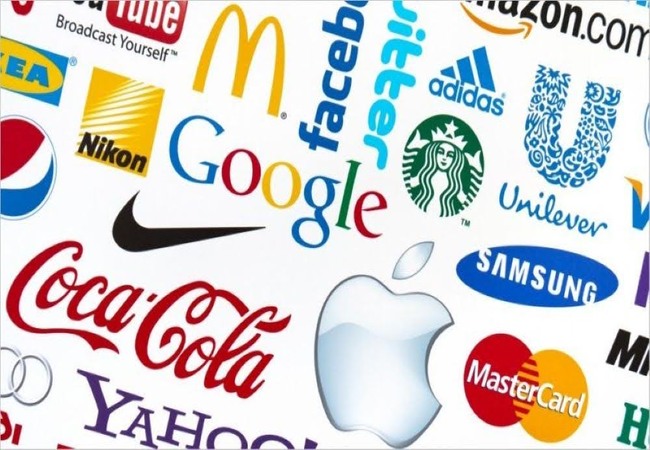
- Coca-Cola’s “Share a Coke” campaign provoked consumers to look for personalized bottles, leading to a 2% increase in sales.
- Nike’s “Just Do It” Promotion: This encourages participation and has sustained sales volumes, particularly during significant events.
- Old Spice’s “The Man Your Man Could Smell Like”: This hilarious campaign revitalized the brand and had sales increase by as much as 125%
- McDonald’s Monopoly Promotion: The thrill of winning has repeatedly kept customers coming in for these prizes.
- Amazon’s Prime Day: This is the biggest shopping day of the year, and it is unique to Amazon.
- Apple Product Launch Events: Expectation and excitement over the product leads to tremendous sales on the launch day
- Dove’s Real Beauty: Dove is an advertisement campaign that helped raise its sales and reputation.
- Starbucks Loyalty Program: The reward program encourages repeat business and retention as well as sales
- Guinness’ “Made of More”: Using compelling stories for advertising emotionally helped raise brand loyalty and market share.
- Target’s Seasonal Sales: Seasonal offers contribute significantly to the sales volume of peak shopping seasons.
These are a few examples of how good advertisement and sales promotion can increase brand awareness, customer retention, and sales in each field.
Final Thoughts
Advertising and promotion are not additional to a company’s marketing arsenal but an integral part of a comprehensive business plan. Mastering these essential components can help organizations increase brand recognition, encourage engagement, increase sales, differentiate themselves from the competition, adapt to market changes, and measure their effectiveness, ultimately manipulating the consumer’s behavior. Those who decide to prioritize their advertisement and sales promotion strategies will thrive since the marketplace continues to grow ahead.
]]>This article will explore what television advertising is, the several types of television advertisements, and examples of how it has been used significantly in real-life cases. Let’s discuss television advertising examples, advantages, types, and new trends in television advertising.
What is Television Advertising?

Television advertisement, popular as TV advertisement, is one of the most prominent marketing mediums coined to create and broadcast advertisements on television channels for promoting products, services, and brands. It uses the appeal of television images and sounds to communicate emotionally appealing messages to consumers from various segments.
Key elements involved in television advertisement are:
- Pictorial Exposure: Television advertisement uses visual elements to catch the attention of the potential audiences and effectively communicate the brand’s message.
- Audio Support: Short audio effects and pulsating jingles go well with the picture and ensure that the brand stays in one’s mind.
- Narrative Capability: The advertisement can evoke emotions toward the brand; thus, making it more relatable or memorable.
- Mass Market Exposure: Since most people spend nearly four hours on television daily, there is an excellent chance to reach a significant percentage of the masses.
- Call to Action: TV ads have a well-defined call to action that prompts action from the viewers during the ad time.
Television advertisements may be from 15-second short commercials to extended stories requiring more than a minute to be completed. Such diversity enables marketers to produce messages that suit their audience and maximize consumer response.
Benefits of Television Advertising

Television advertising has many positive features that make it so popular for brands. Some of them include:
- Extensive reach and involvement with adverts among the audience: There is no better way to match the audience reach that TV advertisements create in one region than in another. A brand can use the efficacy of TV advertising with age groups, socio-economic backgrounds, and market interests in products and services to reach a broad demographic.
- Emotional Impact: Television commercials can generate emotional involvement through compelling narrations, visuals, and sound. Such emotional involvement makes the consumers remain loyal to such brands.
- Credibility and Trust: When a brand advertises through some well-established television channel, its credibility is enhanced. People tend to perceive such brands as trustworthy due to their association with authoritative media.
- Happening Opportunities for Effective Storytelling: TV adverts encourage storytelling, enabling the subjects in the stories told to be more personal to the audiences’ desires.
- Good Stories by Brands to Which Audiences Can Relate: Stories by brands can assist in creating memorable experiences that linger for a long time.
- Visual Demonstration of Products: Televisions present an opportunity to demonstrate various products and services since they offer a platform where demonstrations of features and benefits can best be made. That appeal makes it easier for the customer to understand the value proposition.
These benefits explain why television advertising is still essential to a holistic marketing approach.
Types of Television Advertising

Television advertising comes in many flavors to match the aims of different marketing campaigns. Here are some common forms of TV advertisement:
- Television Commercials (TVCs): Typical television commercials usually range between 15 and 60 seconds. Such ads usually are aired when a program is on a break; they send out a short but memorable message to the viewers.
- Product Placement: This involves placing products or services in a movie setting or even within a television show such that they market it subtly within the plot. Product placement enhances brand awareness and conveys to a viewer that it is not an advertisement.
- Brand Integration: This is developed from product placement, an aspect that puts the product into the heart of a movie or television show storyline. This boosts interaction between the audience and the brand.
- Infomercials: Extended-length commercials of information about a product or service, in-depth information that would be on the air at odd hours and would allow for full explanations, demonstrations, and calls to action.
- Overlay Ads: These are very short commercials—there’s a ten-second version. They work as small windows that come over the live programming. It’s almost an overlay, and they’re typically used for future events or products without interrupting the viewer’s experience.
All of these different formats of television commercials provide opportunities for brands to focus their strategy toward particular marketing goals while effectively reaching the target audience.
Television Commercial Examples
Effective TV advertisements demonstrate the creativity and the results that different advertising formats can achieve. The following are a few examples that epitomize the impact of TV advertising:
Old Spice: The Man Your Man Could Smell Like
Due to its funny approach, it became more of a classic and also gave an interesting narrative; it had a very charming hero, a brand message well communicated, and the product made to be an emotional product for the audience.
Nike: Just Do It

The “Just Do It” Nike campaign has motivational advertisements that make the cut for viewers. One such memorable advertisement is where an 80-year-old man speaks about his achievements, focusing on the brand’s message, which is about crossing limits and striving to succeed.
McDonald’s: Rick and Morty

The animated television series “Rick and Morty” managed to incorporate product placements for McDonald’s in a creative fashion, resulting in some memorable scenes that brought them to the minds of viewers. This is one example of influence in pop culture as it increases the feeling of connection with mass audiences.
Chevrolet: Transformers

Cars in the movie franchise “Transformers” are featured dominantly by Chevrolet. By making such utility vehicles part of a most action-packed movie plot, the brand furthered its excitement and adventure core.
Apple: Get a Mac
Apple utilized the “Get a Mac” campaign to entertain and portray realistic scenarios that differentiate between Macs and PCs. As engaging as ever, storytelling and lovable characters won over the ground for the Apple brand identity.
These are just a few examples illustrating the varied ways brands utilize television advertisements to converse with their target audience and win over people.
New Trends in Television Advertising

The scientific trends and shifting patterns of viewer behavior continue to evolve the landscape of television advertising. Here are a few emerging trends that will mold the future of TV advertising:
- Mobile and Multiscreen Engagement: 94% of TV viewers use mobile devices during their viewing time, meaning there is an opportunity for marketers to create cross-screen experiences that would amplify the campaigns. This synergy between TV and mobile would enhance audiences’ engagement and personalization.
- Advanced Television on the Rise: Advanced TV, such as OTT and streaming, provides a platform for targeted exposure and interaction. While viewers are increasingly going to these platforms, brands can target specific audience segments with customized messages.
- Programmatic TV Advertising: This uses automation in the ad-buying process to streamline the decision on whether ads should be displayed and when. It is designed to increase the efficiency at which marketers make decisions about campaign choices so marketers can see more real-time data on overall performance improvements.
- Interactive Advertising: Interactive ads allow brands to engage with the target audience actively. The company such as Hulu and Amazon can present a platform allowing the user to select an ad or tap a website which it eventually boosts engagement and traffic.
- Sustainability and Social Responsibility: Brands begin designing sustainability practices while engaging in advertising strategies with increased awareness of social causes. Social responsibility is used as a basis for communication since it appeals to and strengthens loyalty to their brand in audiences.
With the adoption of these trends, brands can re-imagine television advertising strategies to enhance engagement and effectiveness.
Tactics for Powerful Television Advertising

To create powerful television advertising campaigns, the brands need to employ strategic tactics. Here are four effective strategies to maximize effectiveness:
- Set a Clearly Defined Budget: Budgeting is an essential guide in the planning process. Other costs that are relevant include production costs, airtime fees, and other costs from the campaign. A budget builds on how to spend and manage resources effectively.
- Powerful Key Messages: Developing the right message that is inspiring to the target audience is key. The knowledge of demographics and other preferences will assist the advertisers in developing messages that appeal to viewers and result in action.
- Channel and Programming Selection: It is through selecting relevant channels and programming appealing to the viewers’ interests that winning the advertisements can happen. The pattern of viewership can guide a brand as to where it should place its advertisements.
- Emphasis on Emotional Storytelling and Creativity: Engaging stories are what create interest for viewers and bring loyalty among viewers towards the brand. With respect to characters, humor, or inspiring visuals, brands can cut through the clutter and develop an experience, memorable in the minds of consumers.
Final Thoughts
Today, television advertising is still among the most effective and elastic marketing tools in changing times. Hence, by using innovative approaches, different formats, and powerful storytelling, the brand can connect audiences at a deeper level through television.
In short:
- TV advertising continues to evolve according to new technologies as well as viewer preferences.
- Emotional appeal and storytelling potential enhance brand loyalty.
- There are various forms of TV commercials, which allow reaching diverse target audiences.
- Programmatic television and interactive advertising introduce new trends, enabling a completely different approach toward contacting viewers.
- Through strategic planning and creativity, one can come up with strategies for successful advertisement of television.
Applying the new wave of innovation in advertising that television presents provides unique solutions for brands to captivate and retain their consumers.
]]>Critical Points That This Blog Discusses:
- Understand Key Digital Advertising Elements
- Explore the Advantages of Digital Advertising
- Analyzing a Successful Digital Advertising Campaign
- Learn About the Winning Digital Ad Strategy
- Highlighting Evolving Digital Landscape
3 Key Elements Of Advertising
Audience-Centric Approach
Audience-centricity in digital advertising gets to the core of their target audiences’ needs, wants, and behaviors. Brands can find a way to deeply resonate with an audience for specific aspirational desires that are valued or considered painful challenges. This leads to stronger relationships, increased engagement, and a higher conversion rate.
- Pain Point Identification
Knowing what pain point your audience has helped craft messaging that is personalized to that audience. - Behavior Analysis
Understanding how a user behaves through data can lead to the execution of a campaign strategy. - Segmented Messaging
Pre-crafted messages for targeted audience segments can be prepared to make the messages relevant. - Feedback Loop
Engage your target audience to gain insight into which tactics to refine in the future. - Long-Term Relationships
Establishing trust leads to customer loyalty and repeat engagement.
An audience-centric approach leads to campaigns that feel personal and relevant, increasing the chances of successful engagement.
Marketing Through Storytelling
Storytelling is probably one of the best tools used in digital advertising, as it helps to achieve emotional connections with the audience. The bridge translates values and messages into something consumers can relate to, thus making engagement with consumers and building brand loyalty possible.
- Emotional Engagement
Storytelling appeals to the feelings that cause people to reminisce about and connect with their experiences and dreams. - Relatability
Stories that reflect a consumer’s experiences and aspirations help a consumer connect with the story. - Memorability
Stories are more memorable than facts and statistics, which help build brand recall. - Brand Identity
A strong narrative delivery conveys the heart of the brand’s values and personality. - Advocacy
When a customer forms an emotional bond with a brand’s story, it is more likely the customer will relate this to another customer.
In short, through their ability to tell stories well, brands create a memorable connection and emotionally interact with their audiences.
Authenticity and Transparency
Authenticity and transparency are the hallmarks of today’s digital landscape. Consumers demand authentic connections with brands that actually relate to their values and practices. Brands that embrace transparency will be able to establish trust and an emotional bond with the public.
- Open Communication
The successes and failures are honest and authentic. - Consumer Trust
Such types of transparent brands tend to earn the trust of consumers as well as loyalty. - Community Building
Authentic brands express honesty that fosters a sense of community among customers. - Differentiation
Authenticity allows the brand to stand out in a crowded market. - Long-Term Relationships
Transparency fosters long-term customer relationships, which amounts to loyalty toward the brand.
Authentic brands approaching transparency with respect can foster their loyal customer base and establish long-term relationships.
Benefits of Digital Advertising
Digital advertisements bring with them several advantages over the traditional methods of marketing. This benefit is also visible and alluring in attracting business organizations, whether big or small, to make it their marketing medium. The benefits of digital advertising that can be pointed out are as follows:
Cost-Effective
One of the most significant advantages of digital advertising is its inexpensive. It is much cheaper compared to other traditional channels to advertise products. TV and print ads can be expensive, but digital platforms offer many options at budget-friendly prices so that any business can create an effective campaign.
- Lower Starting Investment
Digital advertising generally has a lower starting investment than the old-fashioned methods. - Wide Accessibility
Digital advertising is accessible to all big companies as well as startups. - Competitive Edge
Small businesses can compete with giant brands without amassing huge debts. - Performance-Driven Spending
Advertisers can allocate budgets to ads according to the campaign performance, maximizing ROI.
This revolutionizes marketing, giving other businesses of all sizes opportunities to embrace perfect advertisement strategies.

Reach the Targeted Audience
Digital advertising can efficiently reach the target audience. Platforms such as Facebook, Google Ads, and LinkedIn provide age, gender, geographic, and behavioural targeting features that help advertisers maximise their campaigns and reach the most targeted audience.
- Precision Targeting
It is possible for an advertiser to tighten down on a defined target segment and increase its relevance. - Behavioral Insight
People behave differently. Hence, it’s possible to take proper ad placement by studying behavior. - Geographic Targeting
Brands can narrow their campaign to select a region and focus on reaching local customers. - Customization of Ad Format
The variety of ad formats will appeal to the varied preferences of the target audience. Thus, increasing engagement. - Higher Conversion
The targeted ads increase the likelihood of conversion as users interested in the content have been reached.
Effective targeting increases the prospects of meaningful engagement and maximizes the efficiency with which ad spends are utilized.
Measurable Performance
Easy Measurability The performance of digital advertising can easily be measured. So, there is always scope to know what can be improved in future campaigns. Brands can track such metrics with the help of analytical tools and, therefore, plan adjustments in their strategies to optimize return on investment.
- Real-Time Analysis
Immediate feedback enables brands to understand their campaign performance in real time. - Key Metrics Tracking
Monitoring key metrics like the click-through rate and conversion rate allows informed decision-making. - Campaign Optimization
Developing campaigns based on the data regarding performance drives better results. - Cost Management
Through performance analysis, one can optimize ad spending for greater returns. - Creating Future Marketing Strategies
Data-driven analysis helps in creating future marketing strategies.
Measuring performance allows a company to refine their advertising efforts and improve the effectiveness of campaigns in general.
Flexibility and Customization
Digital advertising affords advertisers flexibility and unprecedented opportunities for customisation. With access to performance insights, one can change the campaign quickly to maximise its effectiveness.
- Dynamic Content
The ads can be altered in real-time to keep up with the audience more effectively. - Multiple Formats
There are various ad formats so that the brands may pick the most effective presentation style. - A/B Testing
In digital advertising, the best ads are evaluated by comparing different types of ads. - Adaptive Strategies
Campaigns can be adapted as consumer behavior or market trends change. - Creative Freedom
In digital platforms, the brands have the freedom to test innovative approaches, leading to higher engagement.
The flexibility of digital advertising guarantees the campaigns will change over time in relation to the audience and market dynamics.
Global Reach
Digital advertising and internet intervention present an opportunity for brands to transcend geographical barriers. Digital advertising has made it possible for brands to tap into international markets—an accomplishment previously considered impossible.
- Cross-Border Marketing
Businesses can reach multiple countries simultaneously. - Cultural Adaptation
Brands can tailor their messages to resonate with varied cultural audiences. - Increased Access to New Markets
Internet technologies present easier, relatively less invasive ways of accessing a new market. - Always Available
Online advertising positions the brand as always available to the consumer. - Brand Awareness
International campaigns make the brand and the customer more prominent in other markets.
The global reach of digital advertisement opens the avenues for brands to have direct access to new markets and increase their clientele bases dramatically.
Examples of Digital Advertising
Now, let’s look at some exemplary digital advertising campaigns and how they innovatively leveraged innovative strategies to come up with unexpectedly great results.
Digital Advertising Examples
Campaign: Airbnb — Live Anywhere on Airbnb
- Airbnb offered a year of living anywhere, turning wanderlust into reality.
- The campaign was built on the idea of aspiration, attracting people drawn to a nomadic lifestyle.
- It utilized a combination of high-quality videos, strong visuals, and user-generated content.
- The campaign highlighted Airbnb’s core values of community and adventure.

Nike’s “You Can’t Stop Us”
- Nike’s ad featured split-screen visuals seamlessly linking athletes together.
- The ad showcased diversity, emphasizing that sports unite people of all backgrounds.
- The emotional impact and powerful imagery portrayed courage and resilience.
- It reinforced Nike’s brand message of motivation and the pursuit of greatness.

Burger King’s “Moldy Whopper”
- The campaign featured an image of a moldy Whopper to showcase the absence of artificial preservatives.
- It aimed to highlight the brand’s commitment to using real, natural ingredients.
- The ad was revolutionary for its transparency, debunking fast-food myths.
- It appealed to health-conscious consumers by showcasing Burger King’s shift towards clean ingredients.
Apple’s “Shot on iPhone”
- An ongoing campaign that features user-generated content shot on iPhones.
- The campaign celebrates the iPhone’s camera quality and its ability to capture stunning visuals.
- It encourages users to showcase their photography, making the campaign interactive and engaging.
- The real-life imagery provides authentic proof of the product’s capabilities.

Old Spice’s “The Man Your Man Could Smell Like”
- Old Spice used a humorous and charismatic spokesperson in this campaign.
- The ad featured witty and nonsensical scenarios, capturing the audience’s attention.
- It successfully reinvented the brand image, appealing to a younger demographic.
- The campaign went viral, creating significant buzz and brand recognition.
Coca-Cola’s “Share a Coke”
- The campaign personalized Coca-Cola bottles with popular names.
- It encouraged customers to find bottles with their names or those of their friends and share them.
- The campaign promoted social sharing, increasing engagement on social media platforms.
- It fostered a sense of community, making the brand experience personal and memorable.
Dove’s “Real Beauty Sketches”
- The campaign explored how women view themselves versus how others see them.
- It featured a forensic artist drawing women based on their own descriptions and then based on others’ descriptions.
- The powerful visual message highlighted the gap between self-perception and reality.
- It aimed to boost women’s self-esteem and align with Dove’s message of celebrating real beauty.
Always’ “Like a Girl”
- The campaign challenged gender stereotypes associated with the phrase “like a girl.”
- It aimed to redefine “like a girl” as a positive and empowering expression.
- The ad was part of a broader effort to promote gender equality and empowerment.
- It resonated strongly with viewers, sparking important conversations about gender biases.
Google’s “Year in Search”
- Google’s annual video highlights the top searches of the year, capturing global trends.
- The campaign features significant events, personal victories, and moments of unity.
- It creates an emotional and genuine narrative, showcasing real-life moments.
- The campaign reinforces Google’s role as a tool for connecting people and providing information.
Red Bull’s “Stratos”
- Red Bull sponsored a live-stream event featuring Felix Baumgartner’s record-breaking skydive from the stratosphere.
- The campaign embodied Red Bull’s brand image of pushing the limits and taking risks.
- The live-stream attracted millions of viewers globally, creating a viral sensation.
- It showcased Red Bull’s commitment to extreme sports and adventure, solidifying its brand identity.
Conclusion
In conclusion, as evident, digital advertising continues to evolve and grow in significance. The right digital strategy, combined with effective storytelling, audience-centric approaches, and embracing authenticity, creates impactful campaigns. These notable examples of innovative campaigns show that brands are successfully connecting with their audiences while driving significant business results.
Final Thoughts
The landscape of digital advertising is ever-changing, with continuous advancements in technology. Staying updated with trends, embracing creativity, and being aware of audience expectations is key for brands to thrive in this space. By taking inspiration from successful campaigns, advertisers can develop innovative strategies to engage audiences effectively and elevate their brand presence.
- Digital advertising is more effective than traditional methods.
- Successful campaigns leverage emotional connections with audiences.
- Personalisation and authenticity are crucial for brand loyalty.
- Innovative storytelling enhances audience engagement.
- Staying relevant in digital advertising requires adaptation to trends.
Ready to talk with a marketing expert?

A Pragmatic and innovative way to enthrall your target group is just a click away!
Get in Touch
Rukmini Knowledge Park, Kattigenahalli, SH 104, Srinivasa Nagar, Bengaluru, Karnataka 560064
+91-990 247 8800
contact@gingermediagroup.com
Popular in Television Advertising
Udaya TV AdvertisingSun TV AdvertisingStar Plus AdvertisingTV 9 AdvertisingZee TV AdvertisingNDTV India AdvertisingColors TV AdvertisingPopular in Airport Advertising
Spice Jet AdvertisingMumbai Airport AdvertisingDelhi Airport AdvertisingEmirites AdvertisingIndiGo Airlines Domestic India AdvertisingPopular in Newspaper Advertising
Deccan Herald AdvertisingPrajavani AdvertisingThe Hindu AdvertisingEconomic Times AdvertisingDainik Jagran AdvertisingHindustan Times AdvertisingPopular in Magazine Advertising
Forbes AdvertisingCosmopolitan AdvertisingBusiness World AdvertisingVogue Magazine AdvertisingPopular in Sports Advertising
IPL AdvertisingPopular in Outdoor Advertising
Billboard AdvertisingBus Shelter AdvertisingMetro Pillar AdvertisingUnipole Advertising© Ginger Media Group 2025. All Rights Reserved.