- “Discover the Wonders of Tourism: Your Ultimate Guide to Memorable Adventures”
- “Unveil Hidden Gems: The Thriving World of Tourism Awaits You”
- “Tourism at Its Best: Explore, Experience, and Embrace New Cultures”
- “Embark on a Journey: Elevate Your Wanderlust with Unforgettable Tourism Experiences”
- “Sustainable Tourism: Travel Responsibly and Make a Positive Impact on the World”
Overview of Tourism Advertisement
Tourism advertisement refers to the marketing efforts to promote travel destinations, experiences, and services to potential travelers. This can include various forms of media such as print ads, digital marketing, social media campaigns, video content, and public relations initiatives. The primary goal of tourism advertisement is to attract visitors by highlighting the unique features, attractions, and cultural experiences that a destination has to offer.
Importance of Knowing Tourism Advertisement

Understanding tourism advertisement is crucial for stakeholders in the travel and hospitality industry, including destination marketers, hotel owners, travel agencies, and government tourism boards. Knowledge of effective tourism advertising strategies can lead to enhanced visibility and competitiveness in the market.
Relevance in Strategic Decision-Making

- Target Audience Identification: Having a good understanding of tourism advertising makes the stakeholders capable of finding and segmenting their target audience more exactly. This, again, is a license for the creation of personal marketing messages, which can touch a varied number of people, the upshot of this, should be engagement and conversion of the newly introduced product.
- Resource Allocation: Being well-versed in tourism advertising can be one of the worthwhile moves for selecting the right marketing channels or the best allocation of your marketing budget. With digital media growth and the right paradigm, a consistent strategy can both minimize costs and maximize reach.
- Brand Development: Tourism advertising, if done properly, is viewed as one of the most important aspects of brand development. Through the construction of the brand story and the design of the brand image, the companies can become a distinct brand that draws attention in a crowded market. Awareness among customers about a firm’s brand determines its future.
- Monitoring Trends: The tourism industry is highly dependent on the changing preferences of consumers, the economic instability faced by various countries, or the dire events happening around the globe. Learning about tourism advertising trends is a very shrewd investment in education that allows companies to be ahead of the game and to move their strategies with the trends.
- Measuring Impact: The comprehension of the various layers of tourism advertising would provide the companies with the opportunity to measure the success of their campaigns through analytics and performance metrics that are specifically introduced for projects. This knowledge-based method has turned into a norm for sound decisions in real-time future business.
In conclusion, the tourism ad experience can either doom or lift one on his decisions towards one’s success as well as – financial and environmental – continuity in the travel market.
Tourism Advertisement: Definition, Purpose, Functions, and Real-World Applications
Definition:
An advertisement of tourism is a skilled method of stimulating destinations, travel experiences, and related services by purposefully urging likely travelers to visit certain locations. It is the combination of different ways through which the communication is made with the means of signing up for print and digital media to go outside the sign and publish the news and the social campaigns on the internet which are made to answer the questions about the objective of the tourist destination, and of conveying the culture, as well as the amenity that a tourist destination can provide.
Purpose:
Tourism advertisement’s main goal in attracting visitors is to increase economic and social development, job creation, and local culture propagation in the area. Advertisements are intended to bring out the best of a place, be it through the natural aesthetics, its historical significance, or the variety of adventure and food options. Tourism advertisement plays an essential role in the travel decision-making process of consumers when communication is done well, and experiences are communicated effectively. By combining addresses of drawbacks and proposals, tourism advertisements can influence the customer’s decision to travel.
Functions:
- Awareness Creation: Travel ads are responsible for bringing announcements about new scenery or Life to thousands of people who have never heard of them. It was a leap that can be a cornerstone of their customer’s business.
- Influencing Perception: Ads participate in the construction of the image-like entity of this place, affecting the way the tourists view it. It is fundamental for the destinations that want to establish their names or show a better image of themselves.
- Highlighting Unique Selling Points (USPs): Perfect advertisements demonstrate the outstanding features of a destination like unveils of different types and colors, heritage sites, food, or landscapes of rare beauty.
- Promoting Events and Packages: They organize events, tours, and packages, offering travelers one option over another through one-time price cuts and exclusive experiences.
- Encouraging Engagement: Utilizing calls to action, these tourism ads make us eager to click on the links, stay tuned by liking, sharing, or befriending, and especially, to make a reservation or two.
Real-World Applications:
- Social Media Campaigns: In fact, dozens of tourist boards and travel companies use Instagram, Facebook, and TikTok to circulate pictures of scenic places and provide visitors with information about their destinations. Campaigning, such as presenting a campaign with astonishing images of New Zealand, might turn out to be so interesting that it will make thousands of tourists think about going there.
- Influencer Partnerships: Through the agency of travel influencer collaborations, destinations accomplish the task of finding influential parties who then create real content. Thus, a first-class lodge can get a top travel influencer to undertake a trip to their resort and tell visually attractive stories to attract a wider demographic.
- Television Commercials: Theme parks, such as Disneyland, usually inject a certain level of realistic and engaging content into the ads. For instance, a brief commercial displaying the vibrancy and beauty of Italian culture could affect the audience in a way that makes them desire a trip.
- Print Media: And that’s something that generally works. I mean even travel agencies give travelers brochures that include excitingly mentioned itineraries and the right photos.
- Email Marketing: In buying/selling products travelers’ and bookers’ bargaining is one way travel agencies and tour operators implement email marketing success. Manufacturers email directly to potential customers with discounts and deals, which then results in increased bookings and repeat visits.
- Public Relations: Journalists and bloggers who hosted the press trips were able to spread information about the destination and by awarding publications with articles and features that spotlight places of interest, the idea of tourist attractions being a magnet is being techie. Thus, it is helping to bring brand awareness to the places.
In final, as the marketing tool in the domain of tourism, the advertisement is the main driver. However, this is done by making innovative marketing strategies effective through different platforms, making the tourists feel important and thereby, the whole area will make the economy grow.
Understanding Tourism Advertisement: A Crucial Element for Business Success
In the current competitive environment, tourism advertisement has become a vital tool in building up the strength of the tourism and hospitality industry. Not only is the understanding of this concept crucial, but it is a means to drive growth, appeal to customers, and be readily available to the public. This is the reason why, in the current situation, the subtle aspects of tourism advertising are central for these enterprises, and they can, therefore, come to dominate the market.
- Attracting Target Audiences

An effective tourism advertisement mediated the business association to be able to spot and relate to their niche market. Businesses should gain insight into the preferences, behaviors, and travel motivations of potential clients, and then they should make their marketing strategies align with these audiences to capture their minds. This method of being direct not only enhances both engagements but is a part of better conversion rates and eventually increased orders and sales.
2. Enhancing Brand Awareness
In a time when consumers suffer from information overload, it is harder than ever to be distinguished from competitors. Clever tourism advertising is the tool, which businesses use to stand aside among the producers. Using powerful images, catching stories, and certain techniques to capture their attention, companies can build a relationship between these activities and their brands, which is likely to result in increased connections and, in turn, in loyalty and trust.
3. Driving Economic Impact

Tourism is a major contributor to global economic infiltration. Such tourism getaway spots which are made identifiable and appealing through tourist advertising can, however, grant corporate and government contributions that comprise part of economic activities. Thus, local inhabitants, get benefit from the growth in the number of tourists which pays for various infrastructure and service necessities.
4. Leveraging Digital Platforms

In an ever-increasing digital era, familiarity with tourism advertisement is critical with the growth of online travel agencies (OTAs), social media, and influencer marketing. Companies that know how to utilize these platforms can reach a much broader audience as well as interact with potential customers in real time and make their strategies based on data-driven information. Adaptation is a necessity for companies to be competitive and be seen as modern by consumers.
5. Encouraging Sustainable Practices

The rise of eco-friendly consciousness among travelers makes understanding tourism advertising a step closer to promoting sustainable practices as well. Companies that give evidence of their dedication to sustainability through advertising their efforts not only draw in eco-conscious travelers but also ensure that such segment consistently grows. By introducing this method, businesses will not only enhance their brand reputation but also increase the number of loyal customers wishing to travel responsibly.
6. Building Relationships and Community Engagement

Besides informing potential clients, tourism advertisement also performs an important function in the course of building relations with the local population. Businesses that inform the community of the benefits of their presence can establish healthy partnerships with the local community. This cooperative way can result in well-coordinated actions that would make tourists feel more comfortable and satisfied, while at the same time, local needs are duly taken care of as well.
Conclusion
In synthesis, an extensive awareness of tourism marketing is the key to students who have in situational and sociocultural changes knowledge and are looking forward to starting businesses in the evolving travel (traveling) and tourism sector. The ability to gather core groups, take identifiers and brand (company) developers, companions to green who curb climate change, and change the urban environment, through digital means, thrilling events, and sustainable projects, are some of the points that need to be tackled first. Thus, both corporates and the whole tourism environment were flying high.
Successful Real-World Examples of Tourism Advertisement
Tourism advertisements are an essential factor in the process of luring tourists to different parts of the world. Here are some notable tourism campaigns from different countries that showcase talent and include visually compelling, strategic, and successful examples:
- Incredible India Campaign (India) In the year 2002, the Indian government officially introduced a historic and unique program named “Incredible India:” an image of autonomy, hegemony, and Prowess above all, by importing some of the best products from India. With such mesmerizing videos, stories of India’s rich civilization, as well as, biodiversity are displayed to the rest of the world. The campaign was often characterized by great emotional content and fun storytelling while, at the same time, it effectively challenged some of the stereotypes and used the arrivals of more resting tourists.
- I Need Spain Campaign (Spain) This tourism promotion campaign was put into practice to ensure that the economy does not collapse by raising the demand for the tourism industry as one of the rescue drivers after the financial crisis. It showcased key areas like gastronomy, cultural heritage, nature, wildlife, and adventure tourism in Spain. The factors of success of the campaign such as the most engaging use of social media, the ability to publish brands, and reliance on content generated by users made the campaign highly appealing which resulted in great achievements such as attracting more guests from largely held markets like the UK and, Germany.
- Visit Norway Campaign A campaign launched by the Norway tourism board, called “Visit Norway”, was designed to illustrate the beautiful natural sites and unique experiences the nation offers. The application of photographing the beach and exciting videos was a way of putting the light on the most sought-after and lesser-known places, eco-tourism promotion being an additional incentive for the visitors. As tourists were attracted to destinations focusing on nature and adventure, the new strategy generations international visits to the destination.
- The Great Land Campaign (Alaska, USA) The “Great Land” campaign was a very successful campaign that was designed by the Alaskan Travel Agency and presented the most beautiful and thrilling natural wonders of the place. Among various media like the internet and outdoor ads, the use of camping, hiking, and cruising as the groups to be targeted can be considered as their success. The gain was noticed with more significant extensive tour reservations and hotel accommodations in the region.
- OMG! I’m in (Singapore) The Singapore Tourism Board decided to launch the “OMG! I’m in” campaign, to influence the traveling habits of young people. Being a part of the campaign also means that one gets to eat nice food while experiencing nightlife. The plan was to attract the social media habits of young people alongside the strategic use of influencers and digital content. As a result, the number of tourists that chose to engage in the island state increased impressively, especially amongst the younger demographic.
- Wonders of Colombia Campaign Colombia’s tourism advertising was designed to promote the image of a country that is under the perception as being a secure and vibrant travel destination. The campaign which was focused on Colombian destinations, along the Caribbean beaches and the Andean mountains was realized with amazing visual storytelling and cultural narratives. So the actual number of tourists included was a big difference which was a critical factor for the transformation of a global view of Colombia and it would not been possible without the massive tourism sector development.
- Travel South Carolina” Campaign The public would become aware of the excessive attractions in South Carolina as such the historical sites, beaches, and hospitality would be involved. With its timely launch of a social media advertising campaign across web devices, it swiftly caught the attention of the whole members of families around the world who wanted to schedule their vacation trips. This, in turn, popcorns both domestic and international visitors which enhances the local economies highly dependent on tourism.
Conclusively, the efficient way is to stand out in the tourism advertisement through creativity, emotion, and technology to attract the masses of tourists. These are real cases that explain how the adopted plans can renew a place’s reputation and further tourism growth in a great way.
Understanding and Implementing Tourism Advertisement
Travel advertisement is a major tool in marketing destination places and visitor attractions, as well as in influencing the choices and experiences of travelers. In the context of an extremely competitive travel sector, precise advertising is a must for the promotion of places and their attraction to tourists.
The Need for Tourism Advertisement:
- Attracting Visitors: Effective tourism advertisement, which involves promoting different destinations, and offers unique experiences, cultural events, and natural scenery, is the one that is best received. It is performed to excite the tourist and arouse the tourist’s curiosity about the destination.
- Building Brand Identity: Tourism advertisement explains the way destinations create their online footprints, make a coherent report for the visitors, and provide them with a good experience as well as being the project that can distribute destinations. A strong brand presence can enhance recognition and influence perceptions, making a destination more appealing.
- Economic Impact: Increased tourism results in economic growth and job creation as well as aids in the provision of resources to keep businesses environmentally friendly. Effectively advertising the areas can result in more people coming to visit the area, owners of businesses obtaining more income, and local government receiving more tax money.
- Crisis Recovery: In a period of crisis such as the COVID-19 pandemic, the establishment of tourism advertisements, which is one of the most urgent steps, is necessary. Marketing techniques can reassure visitors about the use of safety measures and encourage travelers to think about traveling.
- Utilizing Digital Platforms: One of the types of tourism advertisement that has to be highlighted is the one referring to digital forms of advertising. There is no other field of modern technology that covers so many different types of travel advertisement, like social media, search engines, and sites designed especially for those who want to experience travel. The effective use of these platforms will ensure that the advertisement can address a wide audience, as well as travelers interactively.
- Consumer Behavior Awareness: Knowing the changing behavior patterns among customers is crucial to the development of tourist advertisements. To convey targeted messages, marketing firms must be updated on new travel trends, interests, and shifts in the demographic composition.
Implementation Strategies:
- Target Audience Identification: Identify the target demographic and learn as much about the potential tourists as possible to create counter-advertisements that entice them.
- Innovative Storytelling: Employ narrative and visual techniques that deliver on the promise of real experiences, culture, and natural scenic beauty, besides, prompting the audience’s emotional attachment to the whole narrative.
- Cross-Channel Marketing: Make print, online, and social media outlets fit in with one another while developing a coherent idea across them all generating both a more visible message and a larger public to view it.
- Utilizing Influencers: Work with popular travel bloggers and influencers to boost followers and improve credibility through truly honest advertisements and other like activities.
- Feedback Incorporation: Use visitor data and feedback as information sources continually to improve promotional methods by accommodating customer demands.
Conclusion
The importance of fully recognizing and putting in place tourism advertisements is indeed crucial. Apart from its role of attracting tourists, it is also a tool for building up economic sustainability and developing cultural exchanges. It is the advertising methods that are congruent with the audience that set the spots on the road to the sustainable development of the travel industry and its vitality.
]]>Moreover, personalised campaigns tailored to specific demographics leverage data analytics for effective targeting. Virtual reality and immersive technologies provide a sneak peek into India’s tourist hotspots, enhancing engagement. Sustainable and responsible tourism is a key theme, emphasising eco-friendly practices and community involvement.
Inclusivity is another trend, promoting lesser-known destinations and highlighting the warmth of Indian hospitality. Compelling narratives focus on experiential journeys, creating emotional connections. With these trends, tourism advertisements in India are evolving to attract visitors and foster a sense of exploration and cultural appreciation.
Importance of Tourism Advertisements in India
Tourism advertisement India play a crucial role in showcasing the country’s rich cultural heritage, diverse landscapes, and vibrant traditions. These ads are powerful tools to attract visitors and boost the tourism industry, significantly contributing to the country’s economy. By highlighting iconic landmarks like the Taj Mahal, serene beaches, and bustling markets, these advertisements create an allure that captivates potential travellers.
Tourism ads promote popular destinations and shed light on lesser-known gems, encouraging exploration beyond the mainstream. Moreover, they contribute to fostering a positive image of India globally, dispelling misconceptions and attracting diverse tourists. This trend highlights India’s diverse and rich culinary heritage, enticing travellers with a flavorful journey.
These ads evoke a sense of wanderlust through enticing visuals and compelling narratives, prompting people to embark on memorable journeys. Tourism advertisements in India serve as ambassadors, inviting the world to experience the country’s beauty, hospitality, and cultural richness, fostering economic growth and cross-cultural exchanges.
Impact of Advertisement on Tourists

Tourism advertisement India plays a crucial role in shaping the experiences of tourists. These vibrant promotions showcase the country’s rich cultural heritage, diverse landscapes, and unique attractions. Advertisements Create awareness, enticing travellers with glimpses of breathtaking destinations like the Taj Mahal, vibrant markets, and scenic landscapes.
The impact is significant as it influences tourists’ decision-making processes. Compelling visuals and captivating narratives spark curiosity, encouraging people to explore India. Effective advertisements contribute to economic growth by attracting a steady influx of tourists, increasing local businesses’ revenue.
Moreover, advertisements serve as cultural ambassadors, fostering a positive image of India globally. Tourists often arrive with expectations shaped by these ads, contributing to the overall experience. However, it’s essential to maintain authenticity in advertising to ensure visitors encounter the true essence of India. Tourism advertisements in India are powerful tools that boost the economy and shape tourists’ perceptions, impacting their travel choices and experiences.
Top 8 Trends for 2023 Tourism Advertisements in India
Discover the latest trends in 2023 Indian tourism ads:
Hyper-Personalisation
In the dynamic world of tourism advertisement India, hyper-personalisation emerges as a key player. Understanding your audience becomes paramount — it’s like knowing your friend’s favourite flavour of ice cream. Imagine this: you’re planning a family holiday, and recently, you searched for “family holidays in Goa.” Now, picture scrolling through your feed and voila! An ad pops up, showcasing a cheerful family building sandcastles on a Goan beach. It’s not magic; it’s hyper-personalisation at its finest.
This strategy tailors ads based on what people like you are interested in and have done before. It’s like a personalised tour guide whispering, “Hey, I know you love family vacations, so check out this beautiful beach in Goa!”
In the tourism, where every click counts, hyper-personalisation is the secret sauce. It transforms advertisements from random pitches to tailored experiences, making potential travellers feel like the ad was made just for them. So, in the bustling world of tourism advertisement in India, remember the mantra: Know your audience, and let hyper-personalisation be your guide.
Micro-Influencers
In the vibrant tourism advertisement India, a new trend is taking the spotlight – micro-influencers. Forget the big celebrities; think local! These are social media rockstars from your favourite destinations. They’re like the cool kids next door who know all the hidden gems. Why?
Because when it comes to travel, we trust the advice of someone who feels like a friend. Micro-influencers are just that – your friendly neighbourhood guides. They’ve got engaged followers who hang onto their every recommendation.
Picture this: Instead of a big movie star promoting a fancy hotel, imagine a local Instagram guru sharing their favourite cosy homestay in the hills. It feels real, like getting tips from a friend who knows the place inside out.
So, in the world of tourism advertisement in India, it’s time to ditch the flashy celebs and tap into the authenticity of micro-influencers. They bring the charm, the realness, and the relatability that travellers crave.
Experiential Marketing

In the colourful area of tourism advertisement India, a captivating strategy is stealing the show: experiential marketing. It’s not just about showcasing places; it’s about selling the feeling, the thrill, and the joy of a destination.
Imagine this: Instead of a static image of a serene beach, picture an immersive video. Feel the rush of bungee jumping in Rishikesh, smell the aromatic spices in cooking classes in Kerala, or hear the roar of a tiger during a wildlife safari in Rajasthan. It’s like taking a sneak peek into the adventure that awaits.
Experiential marketing is all about stirring emotions and creating a connection. It’s not just saying, “Visit Rishikesh,” but showing the sheer excitement of taking that daring leap. It’s not just suggesting a trip to Kerala but letting you savour the flavours of a culture through a cooking class. So, in the tourism advertisement in India, remember: It’s not about the destination; it’s about the experience. Let the videos do the talking, the feeling, and the inviting. It’s not just a place; it’s a vibrant, immersive adventure waiting to be explored.
Sustainable Tourism

In the heart of tourism advertisement India, a rising star is taking the spotlight – sustainable tourism. Imagine a world where your vacation not only brings joy but also cares for the planet. That’s the magic of highlighting eco-friendly practices and responsible travel options.
Picture this: Ads not just showcase beautiful areas but also boast about how they are being preserved for generations to come.
It’s like inviting travellers to be Earth’s allies. From solar-powered hotels to wildlife conservation efforts, the focus is on experiences that don’t harm our planet. Sustainable tourism isn’t just a trend; it’s a movement. It’s about attracting travellers who care about the environment.
It’s saying, “Come, explore the beauty of India, and let’s ensure it stays beautiful.” These ads are a call to action, a promise that your adventure won’t leave a trail of harm but a footprint of care. So, in the world of tourism advertisement in India, let’s embrace the green wave. It’s not just a trip; it’s a journey that leaves the Earth smiling.
Short-Form Video Dominance
In the dynamic tourism advertisement India, short-form videos are stealing the spotlight. Think TikTok, Reels, and Shorts – these bite-sized wonders are the new rulers of the game, capturing attention in under 60 seconds to make an advertisement to promote tourism in India.
Imagine scrolling through your phone and stumbling upon a mini escape to India’s wonders – a burst of vibrant culture, breathtaking areas, and exciting activities all packed into a short video. It’s like a quick magic carpet ride into the heart of the destination.
Short-form video dominance is not just a trend; it’s a revolution. It’s about engaging viewers swiftly, leaving them in awe, and making them crave more. Whether it’s the majestic Taj Mahal, the bustling markets, or the serene backwaters, these videos are like postcards that come to life.
So, in the world of tourism advertisement in India, it’s time to embrace the short and snappy. These videos are the modern storytellers, weaving tales of beauty and adventure in just a few seconds. Let the reels roll, the TikToks dance, and the Shorts charm – India’s wonders await in a quick, delightful package.
Authenticity and Transparency

In the vibrant world of tourism advertisement in India, authenticity and transparency are the true stars. Forget the filters; it’s time to showcase the real, unfiltered beauty of India. Picture this: instead of polished perfection, ads that embrace imperfections tell the genuine stories that make India special.
Imagine flipping through a travel brochure and seeing not just glossy images but real moments captured by travellers like you. It’s about featuring user-generated content, snapshots of laughter, awe, and discovery. These are the stories that build trust and relatability.
Authenticity isn’t about hiding flaws; it’s about celebrating the uniqueness of each experience. It’s the bustling markets, the unexpected encounters, and the imperfect yet charming corners that make India unforgettable.
So, in the tourism advertisement in India, let’s wear our hearts on our sleeves. Let’s create ads that don’t just sell a destination but share the genuine emotions of those who’ve explored it. It’s time to connect on a real level because in authenticity, we find the true magic of India.
AI-powered Chatbots

In the exciting world of tourism advertisement in India, there’s a game-changer on the scene – AI-powered chatbots. Imagine having a friendly virtual assistant available 24/7 to make your travel dreams come true.
These chatbots are like travel wizards, ready to answer your questions, suggest amazing places, and even help you book your dream trip. No more stressing over time zones or waiting for office hours – the chatbots have your back.
Picture this: You’re curious about the best spots in India, and boom, a chatbot pops up, guiding you through the wonders of the country. It’s like having a travel buddy who never sleeps, always ready to share the best tips and tricks.
In tourism advertisement in India, AI-powered chatbots are the heroes of seamless travel planning. They bring the magic of instant assistance, turning the journey from stressful to stress-free. So, pack your bags and let the chatbots handle the rest – your Indian adventure awaits hassle-free!
Focus on Local Experiences

In the diverse area of tourism advertisement in India, there’s a call to go beyond the iconic Taj Mahal and explore the rich tapestry of local experiences. Imagine ads that are like treasure maps, leading you to hidden gems in every corner.
Think about cosy homestays in the Northeast, where you don’t just visit a place but become part of it. Picture yourself savouring the flavours of Tamil Nadu through culinary adventures that go beyond the ordinary. Feel the vibrancy of traditional festivals in West Bengal, where every dance and celebration tells a story.
It’s time to discover India beyond the postcard images. These ads are like invitations to a journey where each step unveils a new, authentic experience. From the misty mountains of the Northeast to the spicy trails of Tamil Nadu and the lively festivals in West Bengal, let the local experiences be the stars of your Indian adventure. It’s not just a trip; it’s a tapestry of memories waiting to be woven.
Final Thoughts
In 2023, tourism advertisement in India will change how they promote travel by focusing on personalised adventures, immersive experiences, and eco-friendly practices. These trends will captivate people and make them want to discover India’s rich cultural tapestry and varied areas. Advertisements now focus on showcasing customisable itineraries. So, prepare an advertisement to promote tourism in india!
]]>The ability to create travel advertisements that genuinely fascinate and arouse wanderlust is a priceless talent. The objective is always the same, whether you’re marketing the breathtaking scenery of a mountainous area, the lively culture of a busy metropolis, or the tranquil beauty of a remote island: to incite, fascinate, and inspire visitors to go off on an incredible adventure.
It’s important to provide a compelling tale rather than just showcasing sights. It all comes down to sharing the essence of your place with visitors and allowing them to get fully immersed in the diverse history, cuisine, customs, and experiences that lie around every corner.
It takes a combination of imagination, perception, and knowledge of what inspires travelers to make an advertisement which promotes tourism. By combining eye-catching imagery, gripping storytelling, and a true representation of the spirit of your place, you can create an advertising that not only encourages but also begs visitors to experience the enchantment for themselves.
Elements of an Enticing Tour Ad

Creating a captivating travel advertising requires a delicate craft that brings together a variety of components to create an enticing picture of a place. An attractive tourist advertisement can have many different elements, such as intriguing narration that inspires wanderlust or visually stunning imagery that instantly transports viewers to gorgeous locations.
These advertisements, which embrace the attraction of one-of-a-kind encounters, genuineness, customization, and the impact of influencers, are meant to pique interest and encourage investigation.
1. Captivating Visuals
Captivating images are essential to drawing viewers in. Attention is quickly drawn to spectacular monuments, lively cultures, bucolic landscapes, and immersive experiences captured in high-quality photos and films. The advertisement must visually appealingly convey the destination’s beauty, inspiring curiosity and wanderlust via the use of quality photography and cinematography.
Images that arouse feelings and pique interest are essential to a successful tourist advertisement. Through the use of striking photography and films that highlight the gorgeous landscape, culturally rich activities, and dynamic local life, the commercial offers a visual feast that invites viewers to picture themselves in that alluring atmosphere.
2. Compelling Storyline
Telling a story that is compelling creates an emotional bond with the audience. An immersive and relevant voyage is created by telling tales of adventure, historical importance, personal experiences of travelers, or local customs.
The plot should strike a chord with the audience, making them want to participate in the narrative. Storytelling effectively in travel advertisements entails developing a compelling narrative arc that captivates viewers and piques their interest in the trip.
The marketing enhances depth and authenticity by using visitor transformation stories, historical legends, or personal anecdotes. This makes the campaign more relatable and captivating.
3. Experiences That Are Unique
Promoting unique or off-the-beaten-path experiences makes a place stand out. Travelers looking for something unique are drawn in by unique experiences, whether it’s a cooking lesson with a local chef, a cultural event, wildlife encounters, or adventure activities.
Presenting unique experiences that visitors won’t readily obtain elsewhere is the foundation of any compelling tourist advertising. The advertisement entices viewers with the promise of unique and unforgettable experiences by highlighting activities, events, or opportunities that are exceptional or special to the area.
4. Testimonials And Reviews

Sincere endorsements and gratifying comments from prior guests give the advertisement more authority and reliability. By sharing real-life experiences and comments, you establish credibility and help prospective visitors picture themselves having a great trip.
Including firsthand accounts and endorsements from visitors who have visited the location promotes authenticity and trust. These first-hand reports encourage others to think about taking a similar trip by providing insights into the destination’s appeal, attraction, and the transformational effect it had on visitors.
5. Cultural Immersion
Highlighting regional customs, artwork, music, food, and historical landmarks highlights the depth of a place’s culture. Emphasizing chances for visitors to fully engage with the culture of the place encourages a sense of exploration and community.
The main attraction for tourists looking for real experiences is cultural immersion. People who are curious in different cultures and want to learn more about them are drawn to the commercial because it highlights the customs, traditions, handcrafted crafts, food, and relationships with locals.
6. Customization & Personalization
Adapting events to specific interests and preferences enhances the advertisement’s worth. Promoting individualized experiences, customizable itineraries, and tailored services enables prospective tourists to picture a vacation that suits their unique needs.
Travelers may customize their trip with a variety of alternatives provided by an alluring tourist advertisement. Showing that a place can accommodate a wide range of likes and preferences, whether it be in terms of lodging, activities, or custom itineraries, makes the location more appealing.
7. Call To Action (CTA)
An engaging call to action elicits instant participation. A succinct and compelling CTA persuades users to take the next action in order to experience the place, whether that action is making travel arrangements, subscribing to a newsletter, or obtaining additional information.
Potential passengers must be directed toward the intended activity with the help of a well-written call to action. Whether it’s urging people to ‘Book Now,’ ‘Explore Further,’ ‘Subscribe for Updates,’ or ‘Plan Your Adventure,’ an effective call to action (CTA) inspires viewers to go beyond simple curiosity and take proactive measures toward actually experiencing the place.
8. Influencer Partnerships
Having a relationship with personalities or influencers that have a strong following within the target audience may greatly increase engagement. Influencers that have been to the location may increase their reach and credibility with their followers by providing genuine endorsements and interesting material.
The advertisement can reach a wider audience by working with influencers who are really connected to the target or destination. By utilizing their power, narrative skills, and captivating content production, they can draw in more visitors and foster a sense of trust among prospective tourists.
9. Interactive And Entertaining Content
Including immersive or interactive features in your content keeps people interested and involved. Engaging audiences with interactive maps, quizzes, virtual tours, and 360-degree movies increases their desire to visit the location.
Adding interactive components to the advertisement, like gamified experiences or virtual tours, improves viewer engagement. In addition to offering an immersive sneak peek at the location, these characteristics also make for an engaging and memorable experience, which raises the possibility of more research and eventual trip.
10. Light On Safety And Sustainability
Stressing eco-friendliness, safety precautions, and a dedication to sustainable tourism demonstrates good stewardship. Conscious tourists are drawn to destinations that support their efforts to protect the environment and ensure the safety of their visitors.
An alluring tourist advertisement should highlight the destination’s commitment to both safety and environmental effect, as these issues are becoming increasingly pressing. Emphasizing eco-friendly programs, sustainable practices, and safety procedures shows a dedication to responsible tourism and draws tourists who value these things while planning their trips.
How To Use Offline Advertising To Reach The Target Audience
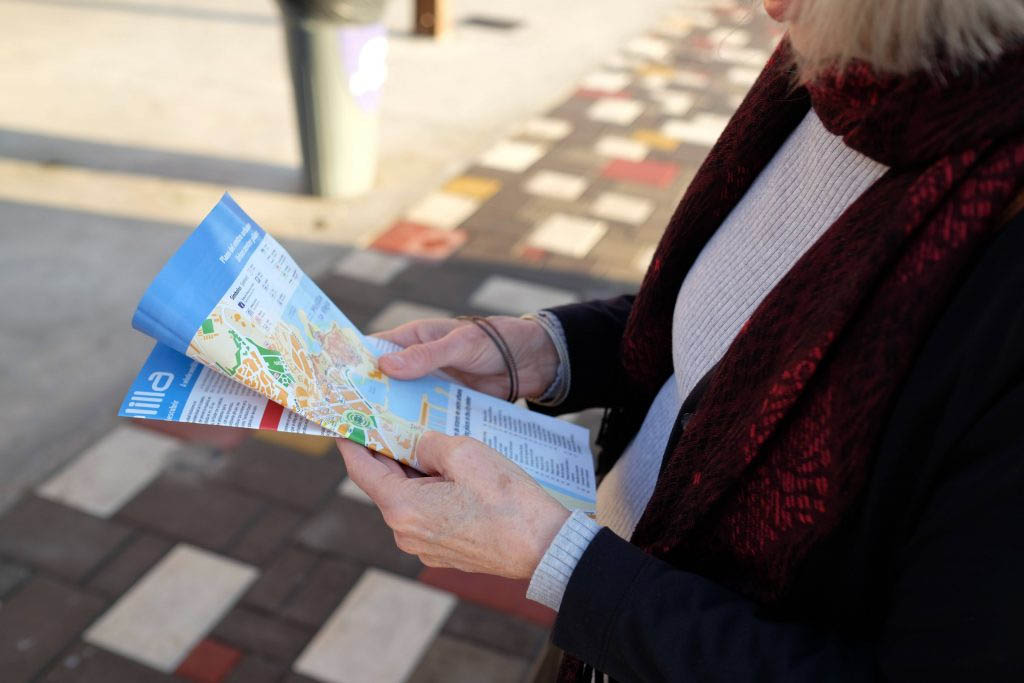
In the tourist industry, offline advertising is still a powerful means of connecting with potential customers and creating a true, immersive experience. Here’s a detailed look at using offline advertising techniques:
1. Print Media
Newspapers, travel magazines, and brochures are examples of traditional print media that are still relevant in the travel and tourist sector. By strategically placing eye-catching ads in these magazines, marketers may target readers who are already keen travelers. Maximizing participation within these media involves tailoring the material to certain demographics and specialty interests.
2. Billboards and Signage
By placing billboards and signage strategically in high-traffic locations like bus terminals, airports, and well-known tourist destinations, you can guarantee exposure to both residents and tourists. These spectacular images leave a lasting impact and encourage prospective tourists to check out the promoted location.
3. Travel Trade Exhibitions and Events
Attending travel exhibitions, fairs, and events enables one to communicate directly with a specific audience. These platforms provide chances to highlight the attractions of the location, interact with travelers, and develop alliances with travel companies, creating a network that increases the advertisement’s reach.
4. Brochures and Visitor Centers
Giving out well-designed pamphlets and educational materials at tourist centers, lodging establishments, and travel agencies gives tourists looking for information concrete tools. These resources serve as guides, outlining the main attractions and activities of the place and enticing visitors to continue their exploration.
Summing Up
A skillful fusion of storytelling, visual appeal, authenticity, and interaction goes into creating a tourist commercial that is captivating enough to pique viewers’ interest and encourage travel. An advertising has the power to arouse feelings, pique curiosity, and kindle a desire to explore by displaying the destination’s singular experiences, cultural diversity, and scenic beauty through arresting imagery and engaging tales.
Ads that incorporate aspects such as customization, social proof, and a compelling call to action are more likely to strike a chord with viewers and inspire them to take the next step toward visiting the featured location.
In the end, a great tourism campaign isn’t just about promoting a destination; it’s also about inspiring tourists to go off on their own life-changing adventure by painting a picture of their ideal trip and promising them wonderful moments and experiences.
]]>What Is a Tourism Advertisement?
Tourism advertisements are creative visual and storytelling tools which show the beauty, culture, and unique offerings of a destination. They work as windows into the splendor of a place, appealing to potential travelers by fueling their imagination and stirring up their desire to visit that place.
- Strategic Communication Tool: Tourism ads are created strategically to highlight all the attractions that a destination may boast. Images and stories create wonder and spark curiosity in the mind of an audience.
- Visual Storytelling: Most of the advertisements will have colorful imaginations of beautiful landscapes, historic landmarks, and cultural treasures inspiring wanderlust.
- Appeal to Adventure: The campaigns tell the travelers about experiencing adventures and the thrill that their destination possesses from the swift buzz of city life to the peaceful tranquility in the countryside.
- Cultural Insights: These advertisements educate travelers regarding all aspects of the culture, traditions, and lifestyle offered in a place, thus fueling cultural understanding.
- Building Desire: Tourism advertisements are supposed to create a given urgency and desire to travel. Emotionally charged appeals and catchphrases are used in order to help the ad connect to people’s hearts.
A good tourism advertisement not only advertises a destination but narrates a story. It calls upon prospective travelers to delve into and discover a different world, motivating them to take a journey, which exceeds sightseeing.
Importance of Tourism Advertisement

These advertisements are crucial in revitalizing the economy of a region, as well as cultural exchange and reputation worldwide. These advertisements become the most effective tool to attract tourists and accelerate economic activity.
- Booster of the Economy: Tourism advertisements bring people who spend money at hotels, restaurants, local attractions, as well as on some artisan products.
- Global Awareness: Effective ads for tourist places make destinations known and attractive to the whole world.
- Cultural Promotion: The ads promote cultural exchange as travelers get exposed to different cultures, traditions, and ways of life, thus enabling more global understanding.
- Tourism as a Means of Economic Growth: Tourism advertisement contributes to prosperity in the travel and hospitality industry and the local communities, which depend on visitor expenditure.
- Destination Branding: The tourism advertisement supports destination branding, which will continue to create an image for the destination, eventually making it appealing for future visits.
Compelling tourism advertising encourages the consumer to move toward a destination. It communicates the worth of a destination but at the same time hones in on features that make it unique by establishing an emotional bond that attracts tourists.
Top 9 Tourism Advertisement Examples
Emotion, humor, and innovation form the backbone of the tourism campaigns often employed to strike a chord with audiences and inspire tourism. Here are nine standouts:
“Incredible India” Campaign
The “Incredible India” campaign is one of the most feted tourism promotions that focus on the beauty, culture, and diverseness of India.
- Cultural Tapestry: This campaign encompasses the rich cultural heritage of India, which includes historical monuments, grand festivals, and vibrant markets.
- Visual Beauty: The beauty of the Taj Mahal, pristine beaches, and the chaos of cities all stand as a strong argument for India.
- Global Recognition: It has been of significant use in making India one of the most visited destinations for someone seeking rare cultural experiences.
- Economic Importance: Since it triggers tourist inflow in a country, it also promotes economies at the grassroots level and puts money into the pockets of hoteliers and craftspersons.
- Emotional Connection: Adverts create an emotional association between the culture and history of India with the tourist to visit.
“Pure New Zealand” Campaign

“Pure New Zealand” Campaign speaks about the natural beauty and adventure spirit of New Zealand. It becomes a fantasy destination for nature lovers.
- Adventure and Nature: Campaign focuses on varied landscapes of New Zealand, including mountains, fjords, and beaches for outdoor enthusiasts.
- Authentic Experiences: The New Zealanders and culture in New Zealand are authentic, which means that the tourist has a sense of belonging.
- Emotional Appeal: The campaign creates the feelings of excitement and serenity since it is based on adventure and natural purity.
- Tourism Growth: This campaign promoted International tourism towards New Zealand; the growth of the economy of New Zealand is evidently developed.
- Global Branding: This campaign has turned New Zealand into a brand that provides an authentic experience along with adventure.
“Australia – There’s No Place Like Australia”

This advertisement is focused on the uniqueness of diversity in the landscapes and experiences of Australia, which motivates tourists to make it a place like no other.
- Extensive and Diverse: From the Outback to the Great Barrier Reef, this advertisement encompasses the vast and diverse expanse of Australia’s land and geography.
- Adventure at Peace: According to the ads, Australia is the destination that provides great adventure in peace, thus making it a place for everything.
- Emotional Involvement: The message of the campaign sends a traveler into something that they have never faced and encountered before; thus, there is mystery and curiosity.
- Tourism Development: By making Australia an experience, the campaign has gained tourists from all corners of the world.
- Cultural Attractions: Further, the advertisements are about the indigenous culture, wildlife, as well as the city life, providing a panoramic view of what Australia has in store for everyone.
“Best Job in the World” – Tourism Queensland

The “Best Job in the World” campaign was an innovative approach to how creativity can propel tourism and attention of the world.
- Job as a Tourism Tool: The job was offered as a caretaker of the Great Barrier Reef, which created mammoth interest.
- Social Media Power: With social media, the campaign touched the global level and remained a phenomenon.
- Impact on Tourism: The campaign advertised Queensland as an adventure and beauty destination, which further fueled tourism.
- International Connectivity: People from all walks of life around the world migrated to apply for a job but eventually advertised Queensland as a travel destination.
- Appeal to the Emotions: The campaign justified the urge of people to go on adventures and to change their lives, making it highly successful.
“Visit California-Dream Big” Campaign

“Visit California” focuses on the multiplicity of experiences available in the state-from being centers of tech to natural wonders.
- Tapestry of Experiences: The campaign targets different attractions that California has on display-from Silicon Valley to Yosemite National Park.
- Dream Big: The commercials are encouraging travelers to dream big and embrace all that California offers, be it adventure or relaxation.
- Emotional Connection: California appears as a lazy place to be culturally affluent, which creates an emotional connection in a viewer’s mind with California.
- Tourism Growth: The state’s diverse experiences provide an attraction to the tourists who have an interest in them.
- Cultural Highlights: From Hollywood to beaches, the campaign portrays the place where dreams come true.
“Japan – Endless Discovery”
Japan – Endless Discovery is just a fabulous tourism advertisement that touches one’s heart by depicting this country as a place, which is harmoniously balanced between both the traditional sites and innovation. The campaign helps viewers imagine the beauty available in Japan, primarily due to its old temples, nice gardens, and the impressive cherry blossoms that characterize its landscape.
- The point of the campaign is in its promise of endless exploration:
- To dig deeper into the depth of old tea ceremonies, historic castles, and romantic geisha traditions.
- At the same time, it beckons towards the cutting-edge advancements in robotics, immersing them in the dynamic energy of contemporary Japan.
“Japan – Endless Discovery” is not an advertisement, but an invitation to travel, where a tapestry of contrasts comes alive as the past and future melt together seamlessly. And with such an invitation, the well-known “woolly-minded” will definitely get caught up in the quest for a travel experience that transcends time and tradition.
“I Amsterdam” City Advertising

“I Amsterdam” City advertisement can be taken as an excellent tourism advertisement from the state. It involves an extremely simple, powerful message to attract visitors to the Dutch capital. The campaign actually resonates with the core essence of Amsterdam which focuses on its open-minded culture and rich history, as well as all the things it has to offer.
- The red and white letters themselves have become a synonym for the city and have become a symbol for this particular urbanized city while making its visual identity recognized and spread around the world.
- The campaign very effectively promotes not only Amsterdam’s iconic landmarks such as the Anne Frank House and Van Gogh Museum, but also the everyday experience that makes Amsterdam special:
- Cycling along picturesque canals
- Exploring vibrant neighborhoods
This approach successfully attracted a broad audience: Amsterdam is not just a place to visit but a city to experience. Simplicity and authenticity characterize this campaign, making it a high-profile example of how very effective tourism advertising can capture the spirit of a destination and inspire travelers to explore the unique charm of this destination.
“Malaysia, Truly Asia”

“Truly Asia” – Malaysia stands out as the most persuasive advertising slogan for inviting travelers to explore the incredible wealth of this Southeast Asian gem. The campaign forges a unique character that exudes Malaysia’s richness in culture, breathtaking landscapes, and warm hospitality with a touch of being an authentic Asian experience.
- Through the colorful presentation, the advertisement shows you a visual tour of the country and its multifaceted identity:
- From the swelling street markets of Kuala Lumpur
- To the serene beaches of Langkawi
- To historic sites of Penang
The very colors will give its viewers vivid images of Malaysia’s rich tapestry in culture. A tagline, yes, but more importantly an invitation to a nation where modernity meets tradition and every step is a journey to something new, something enriching. It makes the hearts of global travelers melt for Malaysia, making it a must-visit destination in this campaign that lives up to its promise of being truly Asia.
“South Africa – It’s Possible”

“South Africa – It’s Possible” is an apt tourism advertisement that appeals to travelers to discover the beauty of this diverse country. The campaign presents South Africa with a very colorful and vibrant paint job—from breathtaking landscapes to a rich cultural tapestry. This advertisement focuses on the majesty of wildlife in their natural habitats, particularly the Big Five, which attract animal lovers and adventure seekers.
- It captures the essence of South Africa, full of wealth in its history and culture, inviting its visitors to discover its multicultural communities and connect with the warmth of its people.
- The phrase “It’s Possible” means both an invitation and a promise where whatever one dreams of experiencing, South Africa can make it a reality.
From Table Mountain, which everybody will recognize, to the golden beaches and crowded cities, the advertisement sums up the range of experiences lying in store for travelers. That is how effectively the combination of beautiful views with a positive message of inclusion through “South Africa – It’s Possible” works: from tourism advertisement to hope and enthusiasm over unlimited possibilities.
Final Thoughts
Tourism advertising may inspire travellers to look for new places to visit and experience different cultures. It does not only sell a destination but plays a major role in keeping cash flow in local economies, breeds cultural exchange, and sparks emotions that stir the desire to experience this magic firsthand.
- Cultural Exchange: Ads attract people to seek an understanding and appreciation of other cultures.
- Economic Impact: They stimulate local economies by encouraging tourism and using local resources.
- Innovative Campaigns: Creativity and innovation capture their imagination, compelling them to travel.
- Emotional Connection: The effectiveness of an ad is increased as the audience resonates well with ads that create an emotional impact.
- Global Reach: The successful ones give a global consciousness to an attractive destination on a global level.
Tourism advertising is not merely tools of promotions but windows for people to experience the marvel of this world by inviting travelers to come and experience them.
]]>Ready to talk with a marketing expert?

A Pragmatic and innovative way to enthrall your target group is just a click away!
Get in Touch
Rukmini Knowledge Park, Kattigenahalli, SH 104, Srinivasa Nagar, Bengaluru, Karnataka 560064
+91-990 247 8800
contact@gingermediagroup.com
Popular in Television Advertising
Udaya TV AdvertisingSun TV AdvertisingStar Plus AdvertisingTV 9 AdvertisingZee TV AdvertisingNDTV India AdvertisingColors TV AdvertisingPopular in Airport Advertising
Spice Jet AdvertisingMumbai Airport AdvertisingDelhi Airport AdvertisingEmirites AdvertisingIndiGo Airlines Domestic India AdvertisingPopular in Newspaper Advertising
Deccan Herald AdvertisingPrajavani AdvertisingThe Hindu AdvertisingEconomic Times AdvertisingDainik Jagran AdvertisingHindustan Times AdvertisingPopular in Magazine Advertising
Forbes AdvertisingCosmopolitan AdvertisingBusiness World AdvertisingVogue Magazine AdvertisingPopular in Sports Advertising
IPL AdvertisingPopular in Outdoor Advertising
Billboard AdvertisingBus Shelter AdvertisingMetro Pillar AdvertisingUnipole Advertising© Ginger Media Group 2025. All Rights Reserved.