Traditional marketing was the name given to the channels and methods through which products and services were advertised before the digital age seized the central position in the marketing universe. It’s a mix of campaigns that use material things and methods of the business to approach the consumers. The main examples are in the print media such as newspapers and magazines, the people getting in their mailboxes through direct mail campaigns, telemarketing, advertising on radio and television, and billboards outdoor advertising. Traditional marketing is still an effective tool for marketing, although the use of digital marketing has been increasing.
Importance of Knowing Traditional Marketing

Understanding traditional marketing is vital for several reasons:
- Holistic Marketing Strategy: To explore Generally, the acquaintance of the classical marketing methods helps businesses in providing a full control to designs dual marketing strategy, i.e., uses traditional and new digital to come up with the audience.
- Target Audience Engagement: The enrollment of the smaller customer base in traditional marketing is currently normal. Even for older customers, who are incomprehensible to the current digital technology, utilize traditional media in their day to day life. What we can witness here is that traditional marketing is still relevant to the people of this age.
- Credibility and Trust: Traditional marketing still remains one of the most trustful means of promotion. The misunderstanding applicants hold for their method of filling the online application form is partly a result of their inexperience with the completion process. Meanwhile, traditional advertising methods such as print ads and television commercials which are perceived as being more trustful to the opposite influence can show the customer’s loyalty to the caring brand if used selectively.
- Measurable Impact: Marketing through traditional means enables businesses to keep track of what their clients are doing at a place of business and adjust their marketing strategies accordingly. A common example of this would be tracking the effectiveness of direct mail as a method of finding out the desires of the customers and their shopping behavior that might in the future help the company in identifying its client segment and creating more targeted marketing strategies.
Relevance in Strategic Decision-Making

Today’s technology-based society has strayed away from the traditional strategies of marketing, and the digital medium must be included in the company’s approach to the market because it is with that new environment that all marketing must cope. The paragraph should specify the relevance of traditional marketing within the scope and type of financial data to the given scenario. You should assign applicable terms to the last two examples accordingly.
- The company has to know the type of marketing that is bringing about the most profits and expenses. Therefore, the information they have gathered allows them to elaborate on the most effective way to spend their limited resources on the different media used in the marketing plan.
- Visual communication is also present in traditional marketing, which gives the thought that the burrowing or the pilfering is a legitimate one. A company can also carry out a market study to determine if its product is better than that of a competitor.
- The brand must be solidified and the community must be engaged through earned and social media platforms. The client’s satisfaction and engagement with the company via the web will be possible only by consistent efforts from the traditional and new team members. In addition, the company could prepare a customer satisfaction survey and send it to the clients to evaluate how well they can maintain consistency in the brand online. Everything that is a part of traditional marketing puts the customer and the target audience at the heart of things.
In conclusion, understanding the traditional marketing principles is an important element for any organization to be able to make sound strategic decisions and keep a competitive advantage in the multifaceted advertising environment of today. Despite the sweeping trend of digital marketing, traditional marketing still is a very powerful tool that, if managed properly, can significantly improve the marketing campaign.
Traditional Marketing: Definition, Types, and Examples
Definition
Traditional marketing is the type of marketing practice and the type of marketing tactics that were used before the digital revolution in promoting products or services. It includes different offline methods that are used to engage with potential customers through direct interaction, print media, broadcast, and outdoor advertising. Mainly, traditional marketing is to set up the brand in the minds of the target customers, to bring in customers through communication means and to persuade them to buy the product.
Purpose of Traditional Marketing

Traditional marketing main purposes are the following:
- Brand Awareness: During the preliminary stage, traditional marketing not only is responsible for establishing a new product in the market but also for informing consumers of the product.
- Target Audience Engagement: Using traditional marketing, companies can interact directly with their audience, which helps not only in forming but also in building trust together.
- Sales Generation: The main objective is to motivate consumers to make a purchase to convert prospects into sales.
- Market Segmentation: Businesses can use marketing strategies to divide consumers geographically and demographically with particular messages.
- Building Reputation: Regular repetition of brands in usual publicity can raise their credit and position as a leader in the business world.
Types of Traditional Marketing

- Print Advertising:
- Newspapers: Companies can select specific newspapers for their promotions based on previous sales in specific locations.
- Magazines: Specialist journals go to the smaller niche markets making them indispensable in contexts such as brand segmentation.
- Brochures and Flyers: Mailing printed information to the public or both existing and prospecting clients to event sites can get the audience involved and attentive.
2. Television Commercials:
- Television is a powerful medium because there are so many people that can be reached, and a large segment of the population can be communicated to in the specific timeframe allotted.
3. Radio Advertising
- Local stations can attract businesses through time slots or programs’ preferences so as to target their desired audience. Thus they can interact with the audience through audio.
4. Outdoor Advertising:
- Billboards: Large billboards are strategically located in the most crowded places to maximize exposure.
- Transit Ads: Displaying advertisements in buses, taxis, railway stations, and the like is an excellent way to bring in the attention of corporate people.
5. Direct Mail:
- Maximin says got postcards, catalogs or promotional letters sent directly to the mailbox, and these trick came on the stage which pretend to be a way to form a perfect bond.
6. Events and Sponsorships:
- Unfortunately, fostering brand engagement and friendship through organizing sponsorships and staging one-of-a-kind events are strategically more effective.
7. Trade Shows and Exhibitions:
- Businesses are taking part in trade shows and exhibitions to publicize their products and services and thus, they are also getting in contact with the right people to do the job.
Real-World Applications

- Retail Stores:
- People do printing marketing, specifically flyers to send it out by mail and place coupons for shoppers to scrap on community newspapers to alert them weekly sales and coupon offers in a grocery store located in the area.
- Automotive Sales:
- The usual behavior of car dealerships is directing TV commercials in sport events or prime-time shows to capture the attention of the people followed by radio ads that talk about the monthly deals.
- Healthcare Marketing:
- Doctor offices might opt for direct mail advertising to distribute information on health services and tips to specific neighborhoods and hence, try to run ads in magazines for specialized doctors.
- Restaurant Promotions:
- Restaurants can use billboards and transit ads to attract new customers outside as well as direct mail campaigns with discount offers.
- Non-Profit Organizations:
- As for now, NGOs practice traditional marketing methods such as public events and the local paper to advertise their causes for raising money.
Conclusion
Traditional marketing is often forgotten among the digital marketing mix, it still constitutes a significant and effective method that spurs sales and interacts with the public in many sectors. Through matching mastery of the different kinds of traditional advertising and the right application, businesses can build a versatile marketing approach that will introduce more potential customers, create brand awareness and increase the market share of the brands.
The traditional mode of advertising is a fundamental practice for companies among other advantages, as it is the basis upon which contemporary advertising approaches are built. Here’s a thorough exposition of how understanding the definition, types, and examples of traditional marketing can bring a real value to a business.
]]>It’s easier to imagine success by identifying all the types of advertising media in this fast-paced marketing world. All the advertising campaigns aim to speak to the target audiences to whom it is addressed and then achieve the results; they choose appropriate combinations of the most suitable media channels to:
- Heighten visibility
- Boost engagement
- Kick the product conversions into high gear
While the dominance of digital media is undeniable, traditional and offline advertising channels such as:
- Outdoor advertising (e.g., billboards, transit ads)
- Print media (e.g., newspapers, magazines)
- Other offline methods (e.g., flyers, direct mail)
These methods remain highly effective, especially for local markets and specific audience segments. Balancing conventional means with digital media for effective reach is crucial and may be the most critical factor in:
- Impacting audiences in the most receptive manner
- Ensuring a holistic advertising approach
Why You Need to Understand Advertising Media Types
Understanding the different types of advertising media is not simply a matter of media placement, but rather understanding strengths and weaknesses, against which are aligned business goals, and then choosing those that best fit the message for the brand and target audience.
- Targeted Reach: Different media types help in reaching specific audience demographics. For instance, traditional media like television may have a broad reach, outdoor advertising targets audiences in particular locations, and social media offers tailored engagement options for niche audiences.
- Cost Management: Awareness of media costs allows businesses to allocate budgets wisely, focusing on channels that offer the best ROI. For example, while digital ads can be cost-effective for startups, large billboards might be more beneficial for local businesses.
- Message Customization: Understanding each media type enables marketers to adapt their message style—short and catchy for billboards, detailed and informative for blogs, or visual and engaging for social media.
- Campaign Measurement: Each medium provides unique metrics, making measuring performance and refining strategies based on real-time data easier. For example, while digital channels offer detailed analytics, outdoor campaigns can be tracked through foot traffic or coupon redemptions.
Traditional Advertising Media
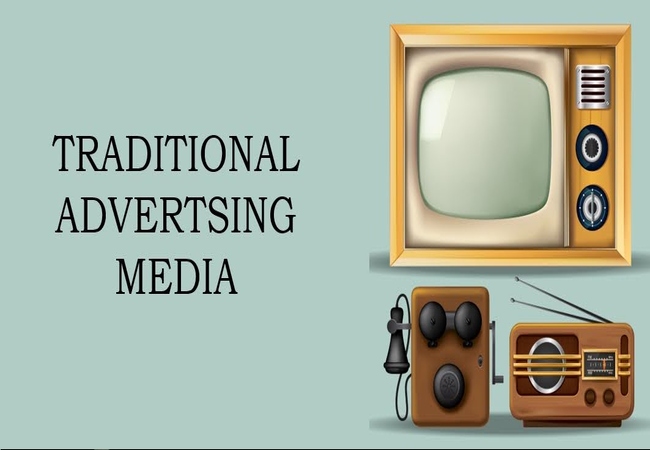
Traditional media include print, broadcasting, and out-of-home media. Even though digital channels are mushrooming around the corner, traditional media still contributes significantly to market reach, especially for newly established brands and local markets.
- Print Advertising includes newspapers, magazines, brochures, and flyers. It effectively targets specific age groups, such as older audiences who still prefer reading newspapers. It is helpful for industries where detailed information is crucial, such as real estate or automotive. It is best for building credibility and reinforcing brand image through high-quality visuals and long-form content.
- Broadcast Advertising encompasses television and radio ads. Television ads are ideal for reaching a mass audience quickly and are often used for product launches or branding campaigns. Radio ads are more localized and effective for small businesses targeting local audiences. They are ideal for creating memorable visual or auditory experiences that leave a lasting impact.
- Out-of-home advertising (OOH) includes billboards, transit ads, and posters. It captures attention in high-traffic areas like highways, city centers, and public transportation. Effective for brand awareness and reinforcing campaign messages through repeated exposure, OOH works well for promoting local businesses or time-sensitive offers.
Outdoor Advertising: Offline Visibility Creates Noise
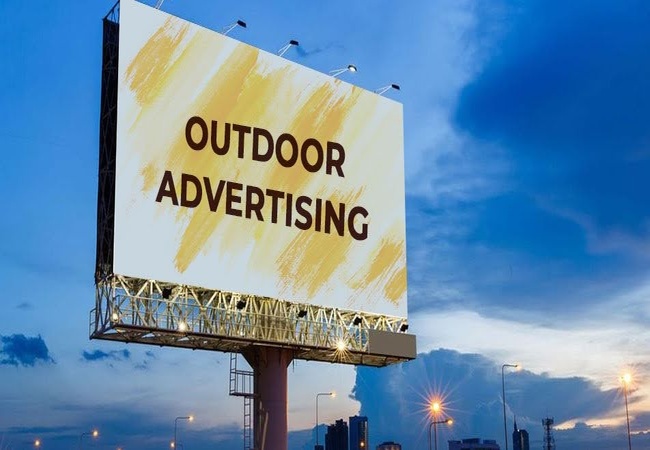
Outdoor marketing grabs people’s attention by placing them in areas where they can be seen in public. It is excellent for building brand awareness, event promotion, and driving foot traffic into individual businesses. There are several different types of outdoor advertisements, each with strengths that make a particular campaign stand out.
- Billboards: One of the most recognizable forms of outdoor advertising.
- Best suited for high-impact visual messages, ideal for brand recognition.
- Works well for both national brands and local businesses due to its high visibility.
- Effective when placed in high-traffic areas, such as highways or busy city intersections.
- Transit Advertising: Found on buses, trains, taxis, and subways.
- It is ideal for reaching commuters and urban audiences who spend significant time in transit.
- Offers a mobile way of reaching audiences, ensuring the message is seen in multiple locations.
- Effective for time-bound campaigns, such as sales promotions or event announcements.
- Street Furniture: Includes bus shelters, kiosks, benches, and telephone booths.
- Allows advertisers to engage with pedestrians and vehicular traffic in urban environments.
- Useful for hyper-local targeting and reinforcing brand messages in specific neighborhoods.
- Ideal for interactive ads, such as digital screens or QR codes, that encourage user engagement.
- Event and Venue Advertising: Includes signage at sports stadiums, concert halls, and conventions.
- It best captures audiences’ attention in a more relaxed and receptive environment.
- It is ideal for highly engagingly targeting niche markets, such as sports enthusiasts or music lovers.
- Works well for building a brand association with popular events or cultural gatherings.
Other Offline Methods of Advertising: As a means aside from Traditional and Digital

While broadcast forms such as print and outdoor advertising billboards are well-known, many other offline advertising media are lesser known and offer entirely different ways of reaching audiences. Strategic use of these can complement more extensive campaigns and leave a memorable brand experience.
- Direct Mail Advertising: This involves sending promotional materials such as brochures, catalogs, postcards, or letters to the target audience.
- Highly personalized and effective for targeting specific geographic or demographic groups.
- Works well for detailed product information, seasonal promotions, and exclusive discounts.
- Best for nurturing customer relationships and generating leads in a tangible format.
- Experiential Marketing: Involves creating immersive brand experiences that engage consumers directly.
- It is ideal for launching new products, building brand loyalty, and generating social media buzz.
- Effective for creating emotional connections with the audience through live events, pop-up stores, or interactive installations.
- Best for encouraging word-of-mouth marketing and enhancing brand recall.
- Point-of-sale (POS) and In-Store Advertising include promotional displays, banners, and digital screens in retail environments.
- Effective for influencing purchase decisions at the point of sale.
- Best for highlighting new arrivals, special offers, or product demonstrations.
- Works well for encouraging impulse buys and reinforcing brand messages in-store.
Digital Advertising Media Types
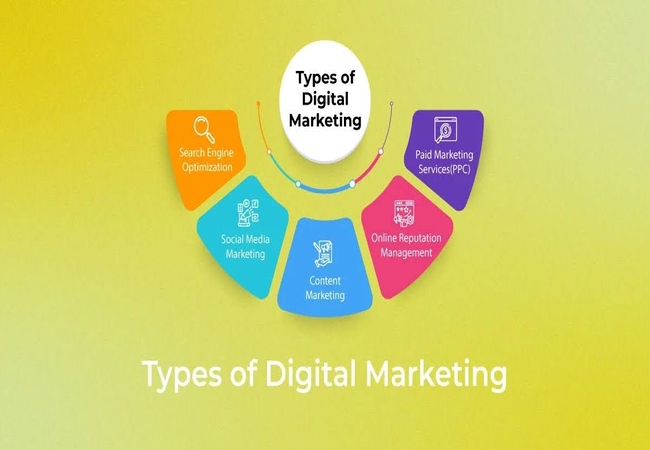
Digital advertising media have become essential marketing tools due to the internet and technology. Interactive and highly targeted avenues of engagement with audiences can ensure easier tracking and measurement of campaign success.
- Social Media Advertising: Platforms include Facebook, Instagram, LinkedIn, Twitter, and TikTok.
- Highly targeted, allowing businesses to reach specific demographics based on location, interests, and behavior.
- It is ideal for building communities, engaging in two-way communication, and promoting user-generated content.
- Best for running both organic and paid campaigns that can go viral and reach millions.
- Search Engine Marketing (SEM): Includes Google Ads, Bing Ads, and other PPC campaigns.
- Target users search for related products or services, making it highly conversion-focused.
- It allows for precise budget control, as advertisers only pay when users click their ads.
- Best for driving website traffic, generating leads, and increasing sales.
Final Thoughts
To create impactful and memorable campaigns, it’s essential to understand and strategically combine various advertising media types. Each type—whether traditional, digital, outdoor, or other offline channels—brings unique advantages that can help brands achieve diverse marketing objectives. By carefully analyzing the strengths of each medium, marketers can craft campaigns that resonate deeply with their target audiences, ensuring high engagement and optimal results.
- Utilize a Balanced Approach:
- Combine traditional and digital media to maximize reach and engagement.
- Use outdoor and offline ads to boost local visibility and brand recognition.
- Leverage experiential marketing for memorable brand interactions and in-store displays to influence purchasing decisions.
- Understand the Strengths of Each Media Type:
- Traditional Media: Best for building credibility and reaching broader audiences.
- Digital Media: Ideal for precise targeting, real-time engagement, and performance tracking.
- Outdoor Advertising: Perfect for high-impact visuals and reinforcing brand messages in strategic locations.
- Other Offline Methods: Excellent for personalization and creating immersive brand experiences.
- Create a Cohesive Multi-Channel Strategy:
- Develop unified messages that can be adapted for different media.
- Use cross-promotional strategies, such as integrating social media with experiential marketing events.
- Monitor performance across all media channels to refine and optimize campaigns based on data insights.
Frequently Asked Questions About Media Advertising
How do you select advertising media?
Selecting advertising media involves determining the target audience’s preferences and, depending on the campaign’s overall objectives, the channels to use. Other factors considered when making choices are reach, engagement potential, and budget.
What are forms of advertising media?
Advertising media refers to different forms, such as television, radio, print (newspapers and magazines), outdoor (billboards), and digital platforms like social media, websites, and email marketing. Each one has its strengths and is recommended to be used toward specific types of marketing objectives.
Why is advertising media important?
Advertising media is essential to a business because it will enable them to reach their audiences, increase the brand’s presence, and encourage and effectively drive sales. An effective advertising media strategy will undoubtedly support a brand’s growth and success more profoundly in markets.
Ad media tracks its ads’ effectiveness through key performance indicators, including reach, engagement, conversion rates, and return on investment. The businesses can then monitor their advertising activities through analytics tools and metrics.
What are some of the current advertising media trends?
Other contemporary trends involving advertising media include influencer marketing, personalization of content, using artificial intelligence in targeting, and social media becoming an increasingly critical platform. Therefore, keeping abreast of these trends would help a business understand which content to personalize, use its targeting facilities, and change market strategies to achieve better performance.
]]>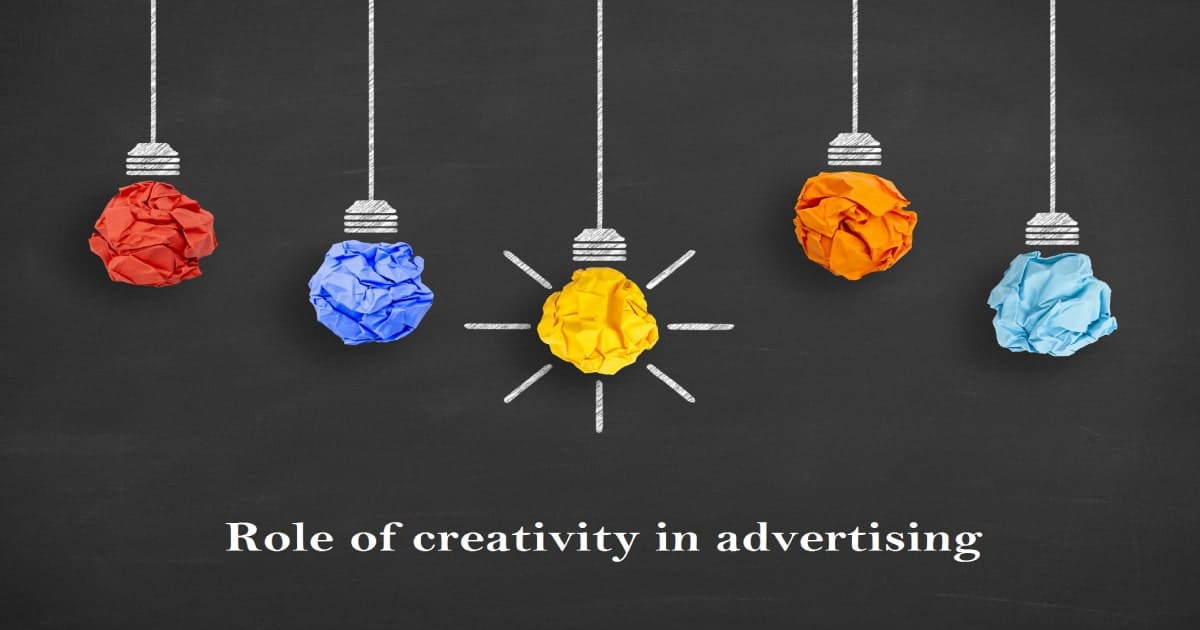
Consumers are bombarded with ads every day, from billboards to TV commercials, and very few of them manage to get the attention of the audience. So if businesses want to make an impact, they need to get creative. Creativity is one of the pivotal components of fruitful offline advertising activities. It is crucial for grabbing audiences’ attention, establishing brand recognition, and generating sales.
So are you tired of creating boring, uninspiring ads that fail to grab any attention? Well, fear not! In this article, we’re going to talk about the role of creativity in traditional advertising and how it can make all the difference between a forgettable ad and a viral sensation. So let us explore how creativity can make traditional advertising exciting, memorable, and even downright funny!
What is Traditional Advertising?


Traditional advertising describes the time-tested strategies for marketing and promotion that were in use long before the advent of digital media. It involves marketing a good or service by conventional media outlets like print, radio, television, billboards, and direct mail. Reaching a large audience is the main objective of traditional advertising, which also aims to increase sales, lead generation, and brand awareness.
Television advertising, which involves developing and airing commercials during TV shows, movies, and other programs, is one of the most well-liked forms of offline advertising activities. Another common kind of advertising is radio, where companies produce audio adverts that are broadcast on various radio stations. An additional conventional form of advertising is print media, which includes advertisements in newspapers and magazines.
Billboard advertising is yet another traditional mode of advertising, where ads are placed on large outdoor displays, often in high-traffic areas. Finally, direct mail includes delivering marketing materials like flyers, pamphlets, and catalogues right to the mailboxes of potential buyers.
Need for Traditional Advertising
In today’s digital age, the importance of offline advertising cannot be overlooked. Although digital marketing platforms have become more common, traditional advertising is still quite important for expanding audience reach and increasing brand recognition.
Traditional marketing has the significant benefit of being able to reach consumers who may not be using social media or are not online. For older generations, who are less inclined to use digital media sources, this is particularly true. Also, through printed materials or actual billboards, conventional advertising can provide potential buyers with a more tangible and engaging experience.
Offline marketing activities also play a critical role in industries where physical products are involved, such as real estate, automotive, and home furnishings. In these sectors, billboards, print advertisements, and brochures give consumers a more holistic experience that helps them picture the product in a manner that digital channels might not be able to.
The Role of Creativity in Traditional Advertising
This article will examine the numerous functions that creativity plays in offline advertising and how firms can use creativity to develop traditional marketing strategies that are effective.
Grabbing attention

Getting the audience’s attention is the primary function of creativity in traditional advertising. It is crucial to produce advertisements that stand out in a world where many adverts compete for people’s attention. A creative advertisement can help a company grab a customer’s attention and stimulate their interest in the products being promoted.
Let us take the case of Flipkart, the company launched a series of ads in 2015, featuring quirky and lovable kid characters as adults who embodied the joy and innocence of childhood. The campaign was a massive hit, with millions of people sharing the ads on social media and talking about them for weeks after they were released.
For curating an effective marketing strategy


An effective marketing plan can be developed by incorporating creativity into an advertising campaign. A creative campaign can improve customer engagement and revenue. A creative approach to advertising can also assist companies in reaching new markets and establishing emotional connections with customers.
For example, Tata Motors used creativity to create a highly effective marketing campaign for its compact car, the Tata Nano, in 2009. The campaign showcased the car as an affordable, yet stylish and safe option for consumers. Tata Motors’ creative approach to advertising not only helped the company stand out from its competitors but also effectively communicated the car’s value proposition to consumers.
Building brand recognition


Building brand identification is a crucial function of creativity in traditional advertising. A business can create its brand identity and set itself apart from competitors with the use of a creative advertisement. Businesses can encourage buyers to identify the brand’s language, colours, and visuals with their product by developing a memorable advertisement that uses those components.
In the Indian advertising industry, the Fevicol adhesive brand is a typical example of developing brand recognition through creative marketing. The ad campaigns depicting the adhesive’s hilarious and unexpected applications have left a lasting impact on viewers, positioning Fevicol as the go-to brand for bonding needs.
Creating emotional connections with the audience


Businesses can forge emotional ties with their audiences by using creativity in traditional advertising. Businesses can engage emotionally with customers and foster brand loyalty by utilising storytelling, humour, or other creative components.
For instance, Coca-“Share Cola’s a Coke” campaign employed personalised bottles with consumers’ names to build an emotional bond with the audience. The advertising campaign promoted sharing a Coke with friends and family to foster a feeling of belonging and nostalgia.
Boosting sales and revenues


Traditional advertising’s ultimate objective is to increase sales. By developing commercials that are both memorable and persuasive, creativity plays a significant part in attaining this goal. To entice customers to buy a product, a creative advertisement can showcase its special qualities, advantages, or value proposition.
For example, Nestle India’s “KitKat break” campaign showcased the brand’s proposition of taking a break and having a KitKat which ultimately helped in boosting sales. The campaign featured various fun and quirky situations where people would take a break and have a KitKat to refresh themselves. The memorable tagline “Have a break, have a KitKat” has now become synonymous with the brand.
Differentiating from competitors


Traditional advertising that is creative can help organisations stand out from their rivals. Businesses can differentiate themselves from competitors in the same industry by producing distinctive and one-of-a-kind advertisements.
One great example is the “Daag Ache Hain” campaign by Surf Excel. This campaign featured heartwarming stories of children getting into messy situations while having fun. The message of the ad was that Surf Excel can effectively remove tough stains and encouraged children to explore and have fun. Using this marketing strategy, Surf Excel was able to differentiate itself from other detergent brands.
Creating fresh ideas and trends


The development of original ideas for campaigns or promotions can be stimulated by incorporating creativity into your team’s marketing strategy. The marketing division can use innovative concepts as a catalyst to boost success, engagement, and product sales. You can discover that your team’s ideas grow more inventive and potent as you create techniques for coming up with original ideas.
For example, Indian FMCG giant, Hindustan Unilever Limited (HUL), launched a campaign in 2013 for its detergent brand, Surf Excel, that challenged gender stereotypes in Indian society. The campaign was a massive hit and won several awards. HUL’s approach to using creativity to challenge societal norms not only garnered engagement but also helped promote positive social change.
Conserving precious resources


Using innovation in your marketing plan can help you save money on essential resources, such as your advertising expenses. Much promotion is not necessary with a properly executed creative campaign because it can produce tremendous interaction. When engagement rises, creative marketing becomes more affordable for your department or team.
For example, the Indian mobile network operator, Jio, used creativity to revolutionize the Indian telecom industry. The company created a well-executed creative campaign targeting India’s youth by offering low-cost data and free voice calls. The campaign was so engaging that it became viral, and soon millions of Indians began to sign up for Jio’s services.
Key Takeaways
Even though digital advertising has grown in popularity recently, traditional advertising still has a crucial role in the marketing mix. Moreover, creativity is essential to traditional advertising because it enables companies to boost sales and establish emotional connections with consumers. Companies may develop a more comprehensive marketing strategy that successfully targets their desired audience by combining both digital and conventional channels.
]]>What Is Traditional Advertising?
Traditional Advertising
Traditional or old advertising is the traditional marketing tool that uses print media, television, radio, billboards, and event marketing to reach consumers. These methods transmit direct messages about products and services to the target market, thereby being extremely effective for a mass market. This technique can be called ATL, Above The Line marketing.
Salient Features of Traditional Advertising
- Direct Message: Traditional advertising delivers clear, direct messages to consumers, thus allowing direct receptivity.
- Physical Presence: Ads in newspapers, magazines, or hoardings provide an experience that digital ads cannot offer.
- Establish Trust: Most customers feel that conventional ways of advertising are reliable because they have such a rich history associated with them.
- Reachability: Users who need to learn the basic details of technology or proper internet connectivity would very quickly understand the feel and know-how of traditional ads.
- Brand Consistency: Repeated exposure through traditional media will establish familiarity and trust for the brand.
Old advertising is a good base for brand promotion and lead generation by influencing markets through known channels.
Forms of Traditional Advertising

While digital marketing may rise, traditional marketing is still a mighty tool for companies. Following are some conventional marketing tactics that are delivering a good ROI for any business:
Print Ads
Print Advertising is still a signature product when it comes to old marketing. In this form, the advertising uses magazines, newspapers, pamphlets, and direct mail to address a large cross-section of people.
- Targeted Reach: Print ads can be placed in specific publications that target specific audiences.
- Tactile Material: With print ads, consumers can interact with the material at their own pace.
- High Interactions: Readers tend to spend more time with print media than clicking a button for online media, thus making the ad’s message stay longer in their minds.
- Credibility: Print ads are considered highly credible as opposed to online ones and thus can enhance trust in a brand.
- Long Term: Print advertisements are read more times so that the message can be read multiple times.
Print media can also facilitate the delivery of a message and build relationships with customers over a long time.
Billboards
Billboards are outdoor advertising hoardings that are put up on highways, traffic signals, and even main roads.
- Gross Exposures: The billboard size is large, and its design is eye-catching, so people tend to observe it and pay attention to what’s written on it.
- Geographic Targeting: The target audience can be reached by choosing specific locations.
- Brand Recall: The repetition of billboards ensures brand remembrance among the masses.
- Cost-Effective: Generally, billboards are less expensive in terms of impressions than digital media.
- Creative Expression: Billboards provide an opportunity for creative expression that attracts and engages the audience.
Through billboards, brands reach massive audiences, making it one of the essential components of their traditional media plan.
Television Advertisements
Television is still an effective way to advertise. The television commercial reaches almost every house, thus reaching homogeneous and heterogeneous populations very effectively.
- Widely Accessible: TV commercials can reach millions of viewers at one time. Such attributes make it an excellent mass marketing tool.
- Emotional Storytelling: The medium of television allows brands to connect with the target audiences through interesting emotional stories emotionally.
- Multisensory Interaction: The combination of video and audio naturally increases engagement and better message recall than audio or audio-visual.
- Live Event Tie-In: Commercials can be tied to important events, like sports finals.
- Established Brand Identity: Systematic advert placement on television is the best way to develop a brand’s existence and increase recognition.
Television advertising is still alive and kicking in 2024. For this aspect, television adverts will help a brand deeply relate its story to its audience.
Why Traditional Advertising Continues to Be Relevant in 2024
Digital marketing rapidly transforms the industry due to its numerous features and widespread access. There are many reasons why traditional advertising is still in use today:
Here are 5 reasons why traditional Advertising is still used over Digital Advertising
Prefer Traditional Ways

Many consumers still have an affinity for old-style advertising due to perceived authenticity and reliability.
- Brand Association: Repeated exposure to print advertisements and TV commercials develops brand association.
- Ease of Understanding: Consumers think old-style advertising is more understandable than the chaos of difficult digital ads.
- Fewer Distractions: It reduces the distraction found in a digital environment.
- Building Community: Local paper advertising and regional billboards develop community connections.
- Nostalgia: Some consumers have nostalgia about media, which increases response.
This trend indicates the necessity of merging the conventional with the new marketing strategies.
The Rise in Cross-Functional Marketing

Combining digital and traditional marketing genres ensures better reach in the targeted sector.
- Cross-Promotion: It increases potential exposure through multiple channels by integrating both forms of media.
- Integrated Campaign: A single message that flows between one form and another is continuing for the audience.
- Increased Engagement: Different format designs for more significant engagement or participation on the part of the audience.
- More Inclusive Audience: A hybrid marketing approach tastes different among the generations.
- Knowledge-Based Innovation: Insights attained from each strategy will aid future marketing decisions.
Hybrid marketing allows a brand to reach audiences in various ways, creating more effective outcomes.

The Long Life of Traditional Advertising

Although the digital platform grows, traditional advertising has lived longer than expected.
- Traditional methods are secure because of their long-standing methods, thus ensuring reliability.
- Continuous Engagement: People consume more media products through traditional media, so a captive audience is always available.
- Easy: The ease of traditional advertising is a source of solace for the consumer who likes things that are not confusing.
- Broader Reach: Traditional advertisements can penetrate audiences who do not use digital.
- Longer Haul: Traditional media means that advertisements will be forgotten immediately when a consumer deletes the internet.
Traditional advertising is gold for brands looking to have meaningful engagements with consumers.
5 Reasons Why Traditional Advertising is Used More Than Digital Advertising

As we progress, let’s discuss the robust reasons why traditional advertising thrives in the digital age:
Dealing with Digital Overload
Individuals spend hours online and quickly get tired of too many digital ads.
- Ad Fatigue: Excessive exposure to digital ads elicits a response that is not engagement but disengagement with irritation.
- Greater Engagement: Traditional advertising offers greater engagement levels than many digital formats.
- Authenticity: Traditional advertising has a better chance of being found authentic by the consumer than digital options.
- Less Intrusiveness: Traditional advertisements are less intrusive, paving the way for more natural interaction.
- Cost-Effective: Most traditional advertising methods are inexpensive compared to the expenditure on digital fraud.
Cutting through the Noise of Digital: Traditional advertisements can cut through the noise in digital media and attract consumers’ attention effectively.
More Transparency and Trust
Generally, people believe the traditional marketing processes more than their digital version.
- Authentic Interactions: One-to-one engagements can attain credibility and transparency.
- Less Fraud: Traditional advertising is known to have lesser fraud means, so people trust more.
- Safe Source: The power and credibility of the brand can be assured through strong media sources.
- Physical Evidence: When the advertisements are visible to the public, it becomes tangible proof that the brand exists in the market.
- Proven Outcome: Advertisement through traditional means has a proven track record for creating an outcome where a return on investment is noticed.
This establishes trust; hence, brands are more inclined to opt for traditional advertising to develop customer relationships.
Cheap to Pocket
The majority of advertisement traditions happen to be cheap, hence accessible to every kind of business.
- Less Upfront Investment: Generally, most traditional marketing mediums require lower up-front investments than digital ones.
- Longer Run Time: Ads in print media or billboards exist longer; hence, there is a more significant ROI.
- Cheap Options: Many forms of traditional advertising can fit businesses with almost every budget.
- Less Competition: Traditional advertising may give extensive exposure for lesser prices in less saturated markets.
- Local Focus: Small business owners who want to advertise locally have more accessible options at affordable prices.
These financial benefits make traditional advertising relevant even in the present times.
Digital and Traditional Marketing
A balanced approach combines digital and traditional marketing, making the campaign all the more effective.
- All-Inclusive Strategies: The two can be amalgamated to create an all-encompassing brand marketing strategy.
- Channel Assortment: Channels can be coupled to multiply the distribution of marketing messages and amplify the campaigns.
- Behavioral Targeting: Traditional methods can also be targeted according to behavioral analytics.
- Broader Audience Reach: The ability to create cross-channel marketing strategies broadens the audience reach.
- Leveraging: Utilizing traditional advertisement’s reliability allows for better reception in digital contexts.
Hence, brands can optimize marketing efforts through integration and leverage cross-promotional marketing strategies.
Local Markets Matter
In the business field, personal connections will always be critical to the success of local companies. Traditional advertisements tend to have a more substantial local impact than digital ones.
- Community Engagement: Customers like to engage with local businesses; traditional advertising can create a personal touch.
- Local Preferences: Traditional methods address the needs and preferences of the local audience.
- Building Relationships: Old-style ads help establish deeper relationships with the local market.
- Immediate Availability: Local businesses can drive traffic through advertisement via the local audience.
- Sense of Belonging: People relate to brands they can see in their community and understand their relevance.
So, the engagement from the local audience will promote local businesses, keeping traditional advertising relevant.
Final Thoughts
As the business landscape evolves with emerging technologies and changing consumer behaviors, traditional advertising remains a relevant and effective marketing strategy. Integrating traditional and digital methods ensures broader reach and engagement, while the trusted nature of conventional advertising fosters credibility and brand loyalty.
- Traditional advertising connects with consumers on a personal level.
- The longevity and credibility of traditional ads help build trust.
- The local impact of traditional ads can drive business success.
- An integrated marketing approach can amplify brand visibility.
- Traditional advertising continues to offer cost-effective solutions.
In a world dominated by digital media, it’s essential to recognize the value and effectiveness of traditional advertising. It remains a critical tool in a marketer’s toolkit, ensuring brands connect with their audiences meaningfully.
]]>Ready to talk with a marketing expert?

A Pragmatic and innovative way to enthrall your target group is just a click away!
Get in Touch
Rukmini Knowledge Park, Kattigenahalli, SH 104, Srinivasa Nagar, Bengaluru, Karnataka 560064
+91-990 247 8800
contact@gingermediagroup.com
Popular in Television Advertising
Udaya TV AdvertisingSun TV AdvertisingStar Plus AdvertisingTV 9 AdvertisingZee TV AdvertisingNDTV India AdvertisingColors TV AdvertisingPopular in Airport Advertising
Spice Jet AdvertisingMumbai Airport AdvertisingDelhi Airport AdvertisingEmirites AdvertisingIndiGo Airlines Domestic India AdvertisingPopular in Newspaper Advertising
Deccan Herald AdvertisingPrajavani AdvertisingThe Hindu AdvertisingEconomic Times AdvertisingDainik Jagran AdvertisingHindustan Times AdvertisingPopular in Magazine Advertising
Forbes AdvertisingCosmopolitan AdvertisingBusiness World AdvertisingVogue Magazine AdvertisingPopular in Sports Advertising
IPL AdvertisingPopular in Outdoor Advertising
Billboard AdvertisingBus Shelter AdvertisingMetro Pillar AdvertisingUnipole Advertising© Ginger Media Group 2025. All Rights Reserved.