In the forthcoming article, we will discuss the very basics of newspaper advertising and its spurring importance in the modern marketing mix. We will also discuss the many perks that companies can gain from newspaper advertising, including local audience loyalty and a physical option that can be used as a credibility factor.
Readers can expect to learn the main ideas of targeting the right Audience, finding the right location for ads, and the conceptual strengths of print over digital channels. We will also cover core ideologies like the Integrated Marketing Communications (IMC) formula, which signifies how newspaper advertising works best in partnership with digital endeavors to develop a congruous marketing program.
In analyzing the shifting marketing paradigm, this conversation will equip you with the knowledge to understand the ongoing significance of newspaper advertising, giving you the tools to harness its potential in your marketing ventures. People who are left to go for short and poignant ways of introducing themselves are, for example, small business owners, marketing professionals, or students of advertising who need it. Understanding the interplay of this medium with other contemporary trends is essential because the multifarious environment in the current marketing field demands this kind of expertise.
The Resurgence of Print Media in the Digital Age

Newspaper ads have recently seen a significant facelift, and traditional print is being digitally propped up. However, physical print media still satisfies the minimal needs of targeted users and is a profitable advertising method for verticals that show the best efficiency.
- Targeting and Audience Reach: Newspapers’ years of service have worked both ways with readers; that is, they have earned credibility and the trust of the local community readers sitting in the Audience. With no new online prospects, the paper problems look magnified in light of 2023 survey data, which shows that 45% of consumers still use newspapers for news. Meanwhile, local companies can improve their sales by releasing ads in these local newspapers to help them reach their target customers to the extent possible.
- Case Study: A local automotive dealer advertised the purchase of their vehicle through the launch of the quarterly set of color ads in regional newspapers. They insisted that increased foot traffic by 30% and sales by 20% after only three months were the results of using this strategy; thus, they got back their money through focused local ads. Induced by these methods, posed value, and a catchy call-to-action, the customer was led to decide on a peak.
- Frameworks and Techniques: Advertisement companies follow AIDA, where Cher’s song “Attention, Interest, Desire, Action (Name)” is perfectly sung for the newspaper ad. Catchy headlines are written as click baits, while informative content still holds attention, deals with feelings, and is written as such. A motivating offer leads to emotional interactions.
Integrating Newspaper Advertising with Digital Strategies
As marketing trends shift, the fusion and the use of print and digital advertising have become increasingly important. Digital marketing is becoming more advanced with the advent of new technologies, while print media is still a powerful and viable source of advertising. Newspaper advertising could be used as a support strategy to create a unified approach to brand messaging.
- Real-World Application: A health brand with national coverage released a print ad campaign in the newspapers to take over a broader market and create a successful new line of products. In print, the brand designed QR codes linked to offer video players and discounts exclusively on the website. With such an integrated approach, their targeted web traffic increased by 15% only because of print ads.
- Challenges and Considerations: A combination of marketing activities can lead to better results, but challenges remain. Advertisers must consistently communicate messages through different media and relate to consumer behaviors while reaching the right audiences. Furthermore, the cost of print advertising could be a stumbling block for small businesses, hence their need for a thorough budget plan.
- Practical Advice: According to a study from the Institute of Customer Experience Research, a company can reach its goal and increase its sales by using audience research and finding out where potential customers consume media. Similarly, programmatic advertising tools could indicate the opportune moment and location for campaigns.
Future Trends in Newspaper Advertising
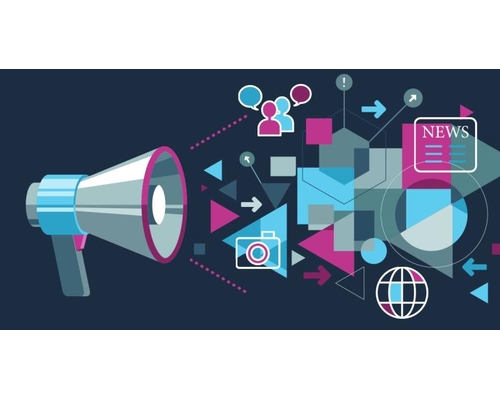
Looking ahead, we realize that newspaper advertising is still changing. It is important for businesses to regularly monitor new trends and their progress.
- Emerging Trends: According to the new eco-friendly advertising strategies, newspapers are about to introduce new methods of using sustainable materials and green technology, as related to the consumer preference for eco-friendly alternatives. Newspapers are now green-oriented, and conventional means are cheaper or even of a better quality.
- Issues and Developments: It is efficient to utilize augmented reality in displaying messages in magazines as a novelty use case. Advertisers can create immersive experiences that resonate with readers and fuse the real with the virtual, easily eliciting the user’s reaction and interaction with the ad.
- Implications for the Industry: Newspaper advertising incorporating these trends can be used as a tool for businesses positioned to attract consumers of modern-style consumerism. Companies can easily make their brand stand out by focusing on ecological issues in their marketing campaigns, or should they have the know-how, they can creatively utilize technology to form a bond with the consumers on a deeper level.
In conclusion, even with the growth of digital systems, the traditional method of newspaper advertising can still be adopted and could be part of a well-defined marketing strategy when combined with present-day marketing tactics. By comprehending its complexity and desirably merging it with digital strategies, a company can take advantage of the advantages of both platforms.
Conclusion: The Significance of Newspaper Advertising
Newspaper advertising, the most powerful marketing tool in this dynamic digital networking era, is the most pivotal factor in marketing strategies. The unique ability of the media to localize their communication, the reliability they offer, and the detailed data they provide earmark their longevity. As an individual company trying to influence society or a considerable organization trying to affirm its position, newspaper advertising is a great way to achieve your goals.
Key Takeaways:
- Targeted Reach: The press practically determines a specific niche so that advertisers can advertise to a precisely figured audience with great precision.
- Local Engagement: Newspapers are not only information outlets but also socialization spots that can ultimately promote the linking of local businesses and communities.
- Credibility and Trust: These messages are printed in the newspaper; hence, people’s trust in traditional media as a guide to information sources makes newspapers the ideal platform for authentic brand building.
- Diverse Formats: For example, ad placements can be a part of publications, or the business can pay extra for a big, decorated ad or publish a classified ad.
- Long Shelf Life: In the past, the chances were good that people would read them well after they were printed, while online content would become stale remarkably quickly.
To sum up, although digital marketing methods have become widespread, newspaper advertising is still different with its exclusive advantages. Its traditional and localization features give businesses a strong reason to insert it into their promotional strategies, which would make it very effective in addressing their needs.
]]>Advertising: Definition and Fundamental Concepts
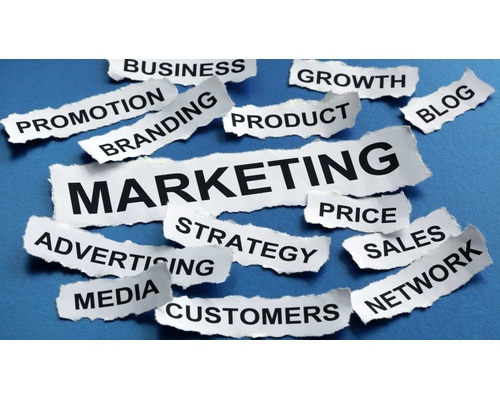
- Advertising is a strategic communication process to promote products, services, or ideas to a specific audience.
- It combines various methods, from traditional media, including print and television, to digital channels, such as social media and search engines.
- Advertising is not only meant to inform customers about product specifications; its primary function is to encourage them to buy the product or contact the company.
The Role of Advertising in Modern Business
Advertising has many vital roles in the corporate world. First, it is a leading marketing technique for creating a brand that people recognize so that those who can show a product and get a feeling of simulation would buy it. For example, companies like Coca-Cola and Apple rely on advertising to maintain world recognition and customer patronage.
- Statistics & Insights: As per Statist, global advertising expenditures were estimated to be more than $700 billion in 2021, representing the high valuation that businesses give to advertising in their overall marketing strategies.
- Frameworks/Methodologies: One of the most well-known models is the AIDA model (Attention, Interest, Desire, Action), which describes a series of steps a buyer takes before buying a good. By being conversant with the model, advertisers can develop focused messages that are relevant at every stage.
Types of Advertising and Their Applications
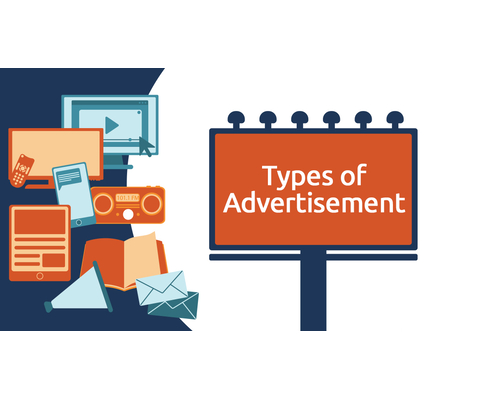
Advertising can take different forms and be designed to meet specific goals and target different groups of people. Traditional marketing encompasses print ads, TV commercials, and billboards, while digital marketing includes social media ads, search engine marketing, and email marketing campaigns.
- Real-World Applications: A good case is Nike, which employs digital advertising in conjunction with the influencers known on Instagram and TikTok to grab the younger generation’s attention. This illustrates how brands are adapting to digital trends.
- Challenges and Benefits: Advertising, on the one hand, is the best way to enhance a company’s visibility and revenue. Nonetheless, marketers have to be cautious because people could become tired of seeing the same ads all the time and might also be skeptical consumers. Advertisers primarily concentrate on personalization and targeted advertisements that use data analytics to ensure their effectiveness with consumers and minimize disturbances.
- Practical Strategies: To facilitate the creation of advertising, companies have to clear up the messages they want to send and pick the right mediums that best speak to their target groups. Another trick to using A/B testing that can dramatically improve ad performance is advertisers doing it to see which messages or formats work best.
Emerging Trends in Advertising
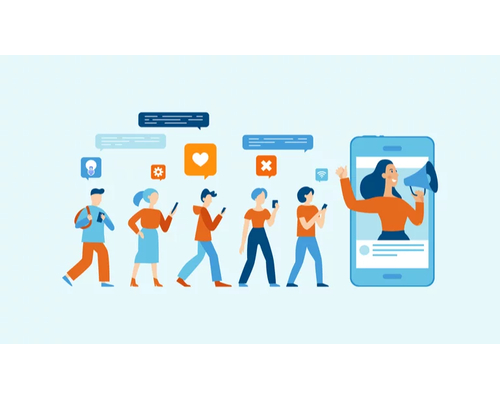
The advertising industry is developing mainly influenced by different trends that shape its future. One significant trend is the establishment of data-driven advertising, where companies use customer data in a very focused and tailored way to create ads.
- Insights and Trends: TikTok, a new platform, has introduced companies to video content, which is more interesting than a traditional picklist environment but needs user participation. In fact, the power of machine learning and AI can make real-time decisions and optimize complex targeting for any programmatic and automatic media buying, which is the most recent development in advertising space technology.
- Implications for the Industry: These shifts indicate that advertisers will have to be able to learn and evolve through listening to the clients and analyzing the market. On the other hand, companies that need to catch up on these issues may be refrained from the marketplace. For a business that aims to maximize the use of advertising, grasping its multiple characteristics is the first point. By reading the trendsetters and invigorating plans, firms can increase their visibility in all marketing channels, engage their audience, and push their businesses to grow.
Conclusion
Through the course of the conclusion, it is gradually mentioned that with the high pace of competition in the current marketplace, advertisers must become proficient in advertising. In the same way, they have to interact with their target audience closely. Advertising supplies the condition where creative ideas go hand in hand with strategy; this eventually drives how consumers react and allows brands to develop customer loyalty. By examining different aspects of advertising, such as types, business models, and psychological impacts, companies can develop creative campaigns that successfully meet customers and realize quantifiable outcomes.
Key Takeaways:
- Definition and Role: Advertising promotes products or services to sway a consumer’s perception and behavior.
- Components: It encompasses systematic planning, creative provision, messaging, and the proper media channels.
- Types of Advertising: Whether digital or traditional, all the types have their strength and are personalized for different audience segments.
- Targeting and Segmentation: Good commercial communication should include a clear understanding of the selected target group and then aim at catching the right people’s attention by just with the people who are being targeted to ensure their active participation.
- Impact on Consumer Behavior: Advertising influences customer choices and brand image, and thus, thinking about wording is very important.
- Cultural Relevance: Catchy advertising linked to the latest fashion fads and propriety values touches customers more personally. For businesses to integrate dynamic and fast-paced operations in the global marketplace, the essentials of advertising should be clear to them—business speak.
Traditional marketing was the name given to the channels and methods through which products and services were advertised before the digital age seized the central position in the marketing universe. It’s a mix of campaigns that use material things and methods of the business to approach the consumers. The main examples are in the print media such as newspapers and magazines, the people getting in their mailboxes through direct mail campaigns, telemarketing, advertising on radio and television, and billboards outdoor advertising. Traditional marketing is still an effective tool for marketing, although the use of digital marketing has been increasing.
Importance of Knowing Traditional Marketing

Understanding traditional marketing is vital for several reasons:
- Holistic Marketing Strategy: To explore Generally, the acquaintance of the classical marketing methods helps businesses in providing a full control to designs dual marketing strategy, i.e., uses traditional and new digital to come up with the audience.
- Target Audience Engagement: The enrollment of the smaller customer base in traditional marketing is currently normal. Even for older customers, who are incomprehensible to the current digital technology, utilize traditional media in their day to day life. What we can witness here is that traditional marketing is still relevant to the people of this age.
- Credibility and Trust: Traditional marketing still remains one of the most trustful means of promotion. The misunderstanding applicants hold for their method of filling the online application form is partly a result of their inexperience with the completion process. Meanwhile, traditional advertising methods such as print ads and television commercials which are perceived as being more trustful to the opposite influence can show the customer’s loyalty to the caring brand if used selectively.
- Measurable Impact: Marketing through traditional means enables businesses to keep track of what their clients are doing at a place of business and adjust their marketing strategies accordingly. A common example of this would be tracking the effectiveness of direct mail as a method of finding out the desires of the customers and their shopping behavior that might in the future help the company in identifying its client segment and creating more targeted marketing strategies.
Relevance in Strategic Decision-Making

Today’s technology-based society has strayed away from the traditional strategies of marketing, and the digital medium must be included in the company’s approach to the market because it is with that new environment that all marketing must cope. The paragraph should specify the relevance of traditional marketing within the scope and type of financial data to the given scenario. You should assign applicable terms to the last two examples accordingly.
- The company has to know the type of marketing that is bringing about the most profits and expenses. Therefore, the information they have gathered allows them to elaborate on the most effective way to spend their limited resources on the different media used in the marketing plan.
- Visual communication is also present in traditional marketing, which gives the thought that the burrowing or the pilfering is a legitimate one. A company can also carry out a market study to determine if its product is better than that of a competitor.
- The brand must be solidified and the community must be engaged through earned and social media platforms. The client’s satisfaction and engagement with the company via the web will be possible only by consistent efforts from the traditional and new team members. In addition, the company could prepare a customer satisfaction survey and send it to the clients to evaluate how well they can maintain consistency in the brand online. Everything that is a part of traditional marketing puts the customer and the target audience at the heart of things.
In conclusion, understanding the traditional marketing principles is an important element for any organization to be able to make sound strategic decisions and keep a competitive advantage in the multifaceted advertising environment of today. Despite the sweeping trend of digital marketing, traditional marketing still is a very powerful tool that, if managed properly, can significantly improve the marketing campaign.
Traditional Marketing: Definition, Types, and Examples
Definition
Traditional marketing is the type of marketing practice and the type of marketing tactics that were used before the digital revolution in promoting products or services. It includes different offline methods that are used to engage with potential customers through direct interaction, print media, broadcast, and outdoor advertising. Mainly, traditional marketing is to set up the brand in the minds of the target customers, to bring in customers through communication means and to persuade them to buy the product.
Purpose of Traditional Marketing

Traditional marketing main purposes are the following:
- Brand Awareness: During the preliminary stage, traditional marketing not only is responsible for establishing a new product in the market but also for informing consumers of the product.
- Target Audience Engagement: Using traditional marketing, companies can interact directly with their audience, which helps not only in forming but also in building trust together.
- Sales Generation: The main objective is to motivate consumers to make a purchase to convert prospects into sales.
- Market Segmentation: Businesses can use marketing strategies to divide consumers geographically and demographically with particular messages.
- Building Reputation: Regular repetition of brands in usual publicity can raise their credit and position as a leader in the business world.
Types of Traditional Marketing

- Print Advertising:
- Newspapers: Companies can select specific newspapers for their promotions based on previous sales in specific locations.
- Magazines: Specialist journals go to the smaller niche markets making them indispensable in contexts such as brand segmentation.
- Brochures and Flyers: Mailing printed information to the public or both existing and prospecting clients to event sites can get the audience involved and attentive.
2. Television Commercials:
- Television is a powerful medium because there are so many people that can be reached, and a large segment of the population can be communicated to in the specific timeframe allotted.
3. Radio Advertising
- Local stations can attract businesses through time slots or programs’ preferences so as to target their desired audience. Thus they can interact with the audience through audio.
4. Outdoor Advertising:
- Billboards: Large billboards are strategically located in the most crowded places to maximize exposure.
- Transit Ads: Displaying advertisements in buses, taxis, railway stations, and the like is an excellent way to bring in the attention of corporate people.
5. Direct Mail:
- Maximin says got postcards, catalogs or promotional letters sent directly to the mailbox, and these trick came on the stage which pretend to be a way to form a perfect bond.
6. Events and Sponsorships:
- Unfortunately, fostering brand engagement and friendship through organizing sponsorships and staging one-of-a-kind events are strategically more effective.
7. Trade Shows and Exhibitions:
- Businesses are taking part in trade shows and exhibitions to publicize their products and services and thus, they are also getting in contact with the right people to do the job.
Real-World Applications

- Retail Stores:
- People do printing marketing, specifically flyers to send it out by mail and place coupons for shoppers to scrap on community newspapers to alert them weekly sales and coupon offers in a grocery store located in the area.
- Automotive Sales:
- The usual behavior of car dealerships is directing TV commercials in sport events or prime-time shows to capture the attention of the people followed by radio ads that talk about the monthly deals.
- Healthcare Marketing:
- Doctor offices might opt for direct mail advertising to distribute information on health services and tips to specific neighborhoods and hence, try to run ads in magazines for specialized doctors.
- Restaurant Promotions:
- Restaurants can use billboards and transit ads to attract new customers outside as well as direct mail campaigns with discount offers.
- Non-Profit Organizations:
- As for now, NGOs practice traditional marketing methods such as public events and the local paper to advertise their causes for raising money.
Conclusion
Traditional marketing is often forgotten among the digital marketing mix, it still constitutes a significant and effective method that spurs sales and interacts with the public in many sectors. Through matching mastery of the different kinds of traditional advertising and the right application, businesses can build a versatile marketing approach that will introduce more potential customers, create brand awareness and increase the market share of the brands.
The traditional mode of advertising is a fundamental practice for companies among other advantages, as it is the basis upon which contemporary advertising approaches are built. Here’s a thorough exposition of how understanding the definition, types, and examples of traditional marketing can bring a real value to a business.
]]>By leveraging the power of augmented reality, businesses can create interactive experiences that are both fun and informative for their customers. Standing out from the competition and building long-term relationships with their customers are the benefits of using augmented reality in offline marketing activities.
Marketers increase the recall and engagement of their communications for their target consumers by incorporating augmented reality into their offline marketing activities. Additionally, compared to, it enables businesses to more precisely measure the efficacy of their efforts.
What is Augmented Reality?

Augmented reality marketing entails incorporating AR technology into the traditional marketing content. Combining it with potent offline marketing activities enables firms to provide the much-needed human touch to client interactions.
Augmented reality is a strong tool that helps organizations build brand value and engagement in the most relevant way possible by utilizing mobile devices. Brands get a competitive edge due to experiential marketing, which appeals to all the senses and fosters stronger emotional connections than offline advertising activities.
This kind of marketing successfully creates enduring memories that promote brand knowledge, loyalty, and value by enabling customers to connect with goods and services in a more personalized way. Therefore, the benefits of using augmented reality in offline advertising activities are infinite, especially for innovative firms that utilize it to draw in and engage their target markets.
Relation between Augmented Reality and Offline Advertising

The use of augmented reality (AR) has the potential to completely transform offline and traditional marketing. Customers may connect with businesses more interestingly by participating in immersive experiences that are created for them using this technology.
Companies may develop strong campaigns that are memorable and efficient by fusing the potential benefits of using augmented reality with offline advertising activities. For instance, they may employ AR to develop interactive digital billboards that advertise their goods or services. Moreover, they may utilize it to build online storefronts or even 3D product displays in actual stores.
AR can transform the way businesses sell their products and services in the offline world. Businesses may use augmented reality technology to develop compelling experiences that will set them apart from the competition and boost sales.
The Benefits of Using Augmented Reality in Offline Advertising
Augmented reality is becoming an essential part of offline marketing activities as it helps companies reach out to their target audience more efficiently and effectively.
Here are some potential benefits of using augmented reality in offline advertising activities:
Increasing Product Desirability

The combination of product information and augmented reality technology makes shopping enjoyable for customers. The benefits of using augmented reality in offline advertising activities help customers by providing a more thorough explanation or by making it simpler to compare items and product search.
Pop-up cards, try-before-you-buy, and product displays demonstrate the potential of augmented reality (AR) in catalogues. Customer happiness is greatly impacted by the use of AR technology in offline stores since they make shopping simpler and more pleasurable for consumers.
Accessibility

Web-based AR technology is more widely used than ever before. This is mostly because more people are familiar with QR codes like the rise of digital menus. Businesses of all sizes may now add AR extensions to their existing advertisements more affordably and easily to improve brand awareness and enthusiasm.
The benefits of using augmented reality in offline advertising activities include enhancing brand reach. Digital signage is taking the place of outdated billboards and enabling advertisers to fully utilize AR technology. Each location in a city may turn into a billboard with the use of spatial computing technology and an AR advertising opportunity.
Boost Sales

AR enables organizations to demonstrate how their products or services stand out rather than merely bombarding consumers with marketing content, creating a greater connection and interaction that leads to conversions and sales. For instance, Amazon’s makeup try feature helps customers to test the makeup first promoting sales.
The goal of marketing and advertising campaigns is often to increase awareness of the brand and its goods and services. This makes augmented reality a potent tool for boosting sales and raising income since it makes these advertisements more imaginative, engaging, and successful.
Personalized Experiences through Augmented Reality

With the aid of personalized applications and other offered materials, augmented reality marketing enables users to add a personal touch to delivered content. For example, going shopping in a supermarket.
Customers may check out potential discounts, available coupons, and logical combinations of purchases using augmented reality (AR) software on their smartphones. Also, by developing specialized, individualized content that meets the particular demands of each customer, AR marketing may assist marketers in generating value.
Increase Brand Awareness

Today’s augmented reality in traditional marketing techniques boosts brand identity and awareness. The benefits of augmented reality in offline advertising stimulate solutions that can be used to quickly demonstrate how to utilize a particular product or service to customers without the need to spend many hours reading comprehensive instruction manuals.
A well-designed AR experience may generate visibility that produces long-lasting effects since consumers like companies that keep them happy and amused. Companies may use AR to build well-thought-out, enjoyable experiences to generate much-needed buzz in this competitive market.
Linking the Digital and Real World

The ability to creatively connect the digital marketing approach to the customers’ physical experience is perhaps the largest advantage AR offers. AR advertising can reach a broader audience because of its simple application and great attractiveness.
The benefits of using augmented reality in offline advertising and integrating offline marketing activities with digital marketing channels make it possible to transform a static physical brochure into an interactive digital 3D experience that is directly related to a marketing campaign.
Enhances Customer Engagement through Augmented Reality

As customers have more information at their disposal and can make better decisions and complete transactions more quickly, using AR in marketing efforts may enhance the customer experience.
Brands that leverage new technologies to surprise and impress customers are usually their first choice. Marketers may gauge engagement using immersive, interactive AR. Businesses may utilize augmented reality (AR) applications to make shopping more engaging for customers and increase sales.
Competitive Advantage

Businesses may grow their customer base and increase customer retention by utilizing cutting-edge technology like augmented reality (AR) in sales. Augmented reality (AR) technology may provide businesses with a competitive edge over their rivals.
It develops original digital experiences that combine the greatest aspects of the physical and digital worlds. With the use of AR-enabled marketing campaigns, they can better promote their products while also differentiating them from competing goods on the market.
Enhances Effectiveness and Efficiency

The application and benefits of using augmented reality in offline advertising can lower the costs of design, production, and maintenance.
Customers may view goods and services from various perspectives and examine their qualities in more depth by using 3D visuals created in real-time using augmented reality (AR). As a result, there may be a rise in customer involvement and sales.
Try-and-Buy Experience

Businesses may utilize this feature to provide customers with the opportunity to try before they purchase because the technology integrates virtual things with the actual environment. For instance, Lenskart AR app.
With the use of augmented reality technology, remote support is possible, allowing for “see-what-I-see” cooperation and access to knowledge at any time and place. By fusing video and audio communication and overlaying digital information over real-world objects, augmented reality (AR) links specialists with field workers in real time.
Conclusion
In general, augmented reality is turning into a crucial component of offline advertising as it enables businesses to more effectively and efficiently contact their target audience.
The benefits of using augmented reality in offline advertising activities also give businesses the chance to monitor customer engagement and their interactions with the advertised product or service in real-time. The consumer experience may then be enhanced by using this data to better marketing efforts.
]]>Offline advertising can take many forms, from traditional advertising in print or TV to guerrilla campaigns and experiential marketing. It allows startups to build relationships with their customers more personally and can effectively differentiate themselves from the competition.
What is offline marketing?

Conventional advertising methods, such as offline marketing, predate the widespread use of computers and other digital media for promotional purposes. Media such as newspapers, magazines, radio, television, billboards, and other forms of outdoor advertising are all part of this broader category.
Many organizations still rely on offline marketing ideas since they can reach a larger demographic this way. TV and radio, for instance, provide a fast and easy way for businesses to communicate with wide audiences. In the same way, print ads can be tailored to a specific age range or geographic region. Companies can monitor the efficacy of their offline marketing activities by keeping tabs on client feedback and responses.
Why are offline marketing ideas important for startups?

Now you know what offline modes are of marketing, let us discuss why offline marketing is important for startups. The success of a new business relies heavily on offline advertising. Startups may reach more people and establish themselves in the community with the help of offline marketing. The offline marketing of a startup can reach a broader and more varied audience than the online marketing of the same startup. People who are not as tech-savvy or who do not have access to digital media may be reached through offline marketing.
That means new businesses have a better chance of connecting with like-minded individuals and spreading the word about what they’re doing. Startups may improve their visibility in the community, attract new consumers, and solidify existing connections with the appropriate marketing approach.
Top 8 offline marketing ideas for startups in 2023
If you’re a startup in 2023, you’re likely looking for ways to get your business off the ground and make a profit. While online marketing tactics are important for any business, offline branding strategies are still essential for success in 2023. Here are the top 8 offline marketing ideas for startups in 2023:
1. Develop a strong brand identity

Establishing a unique brand identity is crucial for any startup in 2023, as it will be the basis for all future advertising campaigns. Start by creating a logo and slogan summarizing your organization’s ethos and goals.
You may then use those elements to develop a consistent brand voice and visual identity throughout your traditional marketing collateral, including business cards, brochures, posters, and more. In addition, you should develop a brand style guide that details the visual components of your brand, such as the colors, typefaces, and other graphic components.
2. Utilize print advertising for offline marketing

As a more cost-effective alternative to other types of marketing communication, print ads can effectively reach a large audience. You can reach your ideal clientele by placing ads in periodicals read by that audience. Another option is to produce flyers and posters to place around town and hand out at events.

So that consumers can quickly recognize your company, it is important to incorporate your logo and other identifying features in all printed advertisements. One last piece of advice is to monitor your ads’ success rates to determine which ones are worth continuing and which ones aren’t. Using this information, you may better plan your future actions.
3. Focus on word-of-mouth marketing

Word-of-mouth marketing encourages existing customers to share their positive experiences with your business with friends and family. This can be done through existing customers sending referrals to your business or through a referral program. You can also encourage word-of-mouth marketing by creating content encouraging customers to share it.

For example, you can create a blog post or video that shares a customer’s experience with your product or service. Or, you can create a case study that highlights the success of one of your clients. This content can be shared on social media or emailed to existing customers.
4. Participate in events

Inviting potential clients to an event is a wonderful way to network and establish rapport with them. Conventions, festivals, and trade exhibits are all examples of possible events. Events allow you to meet potential clients face-to-face and exhibit your goods and services.

One more way to raise your company’s profile and get the word out is to be a sponsor at community events. You can use these occasions to hold promotional activities, like giveaways and contests, and to advertise sales and other specials. Local event sponsorship can help you connect with the community and gain credibility in the eyes of potential clients.
5. Leverage direct mail

Marketing with direct mail is mailing real mailers or postcards to prospective buyers in the immediate area. You can advertise your company’s services, prices, and discounts by sending mailers. You may further inspire them to act by offering special offers and vouchers.
Additionally, include a call-to-action that encourages visitors to take the next step, such as visiting your website or calling for additional information. Last but not least, remember to keep tabs on the responses to your direct mailers to determine which ones were successful and which were not.
6. Brand Ambassadors

Startups can benefit from brand ambassadors since they increase awareness of the company and its offerings. Influencers or well-known public figures can serve as brand ambassadors to help get the word out about a product or service.
Hire them to network with possible clients, attend conferences, and produce content. As a result, new businesses can connect with more people. Relationship building with customers is crucial for the success of any new business, and brand ambassadors can help.
7. Networking

Networking is a fantastic strategy for new businesses to spread their brand and get new clients. Meeting potential clients and business associates at networking events is invaluable for young companies. Startups can learn by networking with established businesses and perspectives on improving their operations.
A startup must be present at industry events and conferences if it wants to connect with other businesses and get its name out there. In addition, firms can find new clients and business associates through online networking sites like LinkedIn.
8. Street teams

In 2023, startup companies can benefit greatly from street teams as an offline branding technique. The strategy entails employing a group of people to promote your goods and services interestingly. Teams working the streets can engage potential customers in conversation while distributing promotional items such as fliers, product samples, coupons, etc.
They can also organize events that generate interest in your business and spread positive word of mouth about your brand. Having a team of community members talking positively about your product or service can do wonders for your brand’s visibility and popularity.
Conclusion
Offline marketing is essential to any startup’s marketing strategy in 2023. It is a cost-effective way to create a presence in the local area, increase brand awareness, build relationships with potential customers, and generate sales.
By creating a comprehensive offline branding strategy, startups can ensure they reach their target audience and increase their profits.
]]>Ready to talk with a marketing expert?

A Pragmatic and innovative way to enthrall your target group is just a click away!
Get in Touch
Rukmini Knowledge Park, Kattigenahalli, SH 104, Srinivasa Nagar, Bengaluru, Karnataka 560064
+91-990 247 8800
contact@gingermediagroup.com
Popular in Television Advertising
Udaya TV AdvertisingSun TV AdvertisingStar Plus AdvertisingTV 9 AdvertisingZee TV AdvertisingNDTV India AdvertisingColors TV AdvertisingPopular in Airport Advertising
Spice Jet AdvertisingMumbai Airport AdvertisingDelhi Airport AdvertisingEmirites AdvertisingIndiGo Airlines Domestic India AdvertisingPopular in Newspaper Advertising
Deccan Herald AdvertisingPrajavani AdvertisingThe Hindu AdvertisingEconomic Times AdvertisingDainik Jagran AdvertisingHindustan Times AdvertisingPopular in Magazine Advertising
Forbes AdvertisingCosmopolitan AdvertisingBusiness World AdvertisingVogue Magazine AdvertisingPopular in Sports Advertising
IPL AdvertisingPopular in Outdoor Advertising
Billboard AdvertisingBus Shelter AdvertisingMetro Pillar AdvertisingUnipole Advertising© Ginger Media Group 2025. All Rights Reserved.