Have you ever gotten stuck in traffic and seen an eye-catcher plastered on a bus, subway, or taxi? You probably have already encountered transit media advertising. Such ads catch your attention in high-traffic areas and brand the product in front of commuters daily.
This article will go into detailed coverage of transit media advertising, examine why it is among the top choices for many brands, and give you ten thrilling reasons to consider it for your business in 2024.
What Do You Mean By Transit Media Advertising?
On transit media, advertisements are attached to public transport vehicles, within buses and subways, and even at transportation terminals. Such types of outdoor media are based on the mass appeal and accessibility of public transport, hence reaching broader audiences. Whether it is a side-plastered bus or a subway car advertisement, these ads capture people’s attention while commuting, sightseeing, or walking.
Key Features of Transit Media Advertising
- Visibility: Transit advertisements can quickly reach a broad audience of commuters and pedestrians.
- Mass Exposure: These ads reach people from all walks of life who travel or cross by public transport.
- Frequency: Commuters view these ads several times during the day, thus reinforcing the brand message.
- Cost-effective: Transit advertisements provide high exposure with minimal price tags in comparison with other modes of advertising.
Transit media advertising is quite effective in bustling cities. So many people pass through public transportation – like bus stations and routes – daily. Thus, besides other advantages, it’s easy to contact enormous crowds of commuters with transit media advertising.
Key Benefits:
- Captive Audience: Unlike other media, captive audiences look at all the advertisements on transit media. People in the waiting category are also more likely to view these ads.
- Strategic Placement: Under transit advertising, the placement can be very flexible to the brands. Brands can target specific neighborhoods and routes and even a particular demographic segment.
- Creative Options: Large formats and dramatic large designs can be used across buses and trains and even on the platforms of stations.
Leading Brands Opting for Transit Media Advertising
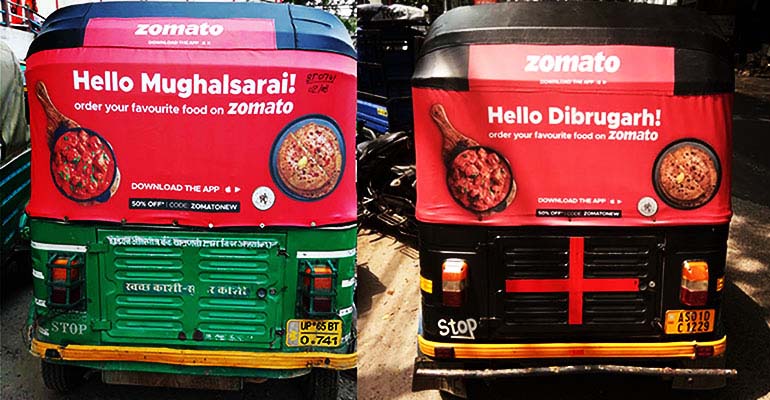
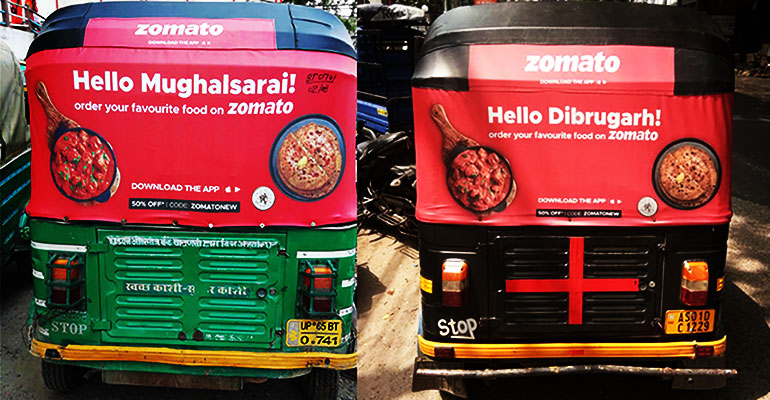
Many top brands have discovered the power of transit media advertising. Whether a small business is looking to expand its local wing or an international brand making a powerful statement, sticking to transit media usually brings about consequential results. Amongst others are always Coca-Cola, McDonald’s, and Apple, but not only big players; many local businesses, startups, and nonprofits are also tapping into transit media.
Why Brands Prefer Transit Media:
- Reach Multi-Billion-Dollar Audiences: People traveling through public transport belong to all classes of society, making this a great way to reach out to many different groups.
- Increase Brand Awareness: Passengers traveling by public transport often are exposed to the ads several times, thus giving a greater chance of a customer recalling the brand name.
- Cost-Effective: Transit advertising is a marketing move that allows significant income generation even with minimum expenditure. Transit media is cost-friendly for a business, be it large or small.
Some of the great campaigns are as follows:
- McDonald’s Bus Wraps: McDonald’s uses bus wraps to promote its new menu items. Bright colors and strong graphics ensured the ad was noticed in traffic, making the brand immediately visible.
- Apple’s iPhone Ad: Apple used subway ads to communicate its newest camera features with the iPhone. The perfect target crowd for this ad is the technologically astute commuter who uses public transportation frequently.
- Starbucks’ Transit Ads: Starbucks has used transit ads to promote seasonal drinks. The image of hot coffee during cold winter mornings is the perfect fit for morning commuters who desire a hot drink.
10 Top Reasons for Transit Media Advertising 2024
Now that you know what transit media advertising is, let’s dive into the 10 top reasons why it’s a must-try strategy in 2024.
More Time Exposure


One spends their fair share of time commuting on public transport. Research suggests that the average commuter travels on public transport for about 45 minutes daily. The higher the exposure, the higher the chances of an ad being seen multiple times in a commute cycle, thereby making the ad memorable.
Why It Matters:
- The more time a person is exposed to the ad, the greater the possibility of their remembering it.
- The same advertisement a commuter sees every day reflects that there will be a repetition of brand recall.
- As time progresses with further exposure, more people will eventually interact because of familiarizing themselves with the brand.
Effective Geographical Coverage


One of the key advantages of using transit media advertising is that it encompasses a large geographic area. Unlike a static billboard, which stands in one place for a long time, transit ads move across various neighborhoods and districts, thus exposing your brand to many people.
Benefits of Geographical Coverage:
- Reach a Large Number of People: You can reach people spread all over the city by taking up transit advertisements.
- Localized Advertising: You can target specific routes to suit your desired audience based on their daily commute pattern.
- Many Points of Impressions: The same billboard is seen by the same consumer in different city locations, creating top-of-the-mind brand awareness.
Cost-Effectiveness


Transit advertising is highly cost-efficient compared to other OOH ad forms, such as hoardings or television commercials. This factor makes it economical for business entities with small budgets.
Why Transit Ads Are Cost-Effective:
- Value for Money: Transit ads offer the highest exposure at a fraction of what other media charges.
- Extreme ROI for the level of exposure: For small businesses, it is very ROI-friendly.
- Scalable: Start with a small campaign on a few buses and scale up as you need more.
Targeted Marketing

Transit media advertising is perfect if your goal is to reach a particular audience. You can advertise specific routes targeting commuters based on which part of town they live, how much money they make, or their specific interests.
Benefits of Targeted Marketing:
- Demographic Targeting: You can target the ad to students, professionals, or families.
- Route-Based Advertisement: Target the ad specifically on routes, especially along which the transit passes through residential areas of targeted customers or by working places.
- Localized Message: Create messages that talk to and respond to the needs of people in a given location.
Flexibility in Advertising
Transit media marketing offers a much more significant scope for the advertising campaign’s size, location, and time frame. You can execute a whole bus wrap, put posters in stations, advertise in digital form inside the vehicles, or small ads on taxi rooftops.
Why Transit Ads Are Flexible:
- Format Options: They come in all shapes and sizes – from big bus wraps to small posters inside subway cars.
- Creative Freedom: The canvas for creative experiments with graphics, Text, and colours.
- Flexible Campaigns: Transit ads can turn quickly or be changed to suit the changing nature of the market or new product launches.
Inescapable for Commuters

Transit ads must be noticed. Unlike other media where users might skip or fast-forward an ad, the transit ad cannot be evaded. Commuters tend to look for something to concentrate on, thus engaging with the ad.
Critical Points of Captive Audience:
- Captive Audience: The commuters with very little distraction will likely notice the ad.
- High Attention Rates: Studies show that the attention rates in transit ads are higher than recorded for digital ads.
- Repeated Exposure: Commuters are exposed to the same ads daily through their daily routines.
Creative Freedom


Transit ads give complete creative freedom to brands. Brands can opt for innovative designs, bright colors, and attractive content to attract the attention of commuters. The more an ad is appealing, the more it will remind commuters.
Why Creative Freedom Matters:
- Creative Pliability: Transit ads allow brands and marketers to imagine out of the box and create visually scintillating campaigns.
- Movement, Color, and Innovative Layouts: Execute movement, colorful, and innovative layouts to attract attention.
- Memorable Messages: Creative transit ads can remain engraved in commuters’ minds long after reaching their destination.
Lasting Impressions


Transit ads take time to be seen, which allows businesses to make a long-lasting impression. Since commuters travel a lot, transit ads can build better brand recall.
Lasting Impressions Benefits:
- Constant Brand Presence: Ads stay long enough to build lasting impressions among travelers.
- Higher Recall Rates: Due to the repetition of exposure, there is always higher brand recall from transit ads.
- Saturation with Regularity: The more a person views the same ad on a daily commute, the higher the rate at which they will ultimately act on the advert.
Social Proof for Branding
When people see ads on public transportation, there’s a specific validation that comes from it. For example, ads on taxis, buses, and train stations make the product appear legitimate and reliable.
Social Proof Branding Benefits:
- Trust Factor: If a brand is visible at multiple points in the city, it strengthens trust in commuters’ minds.
- Create Popularity: Seeing the product displayed in multiple spots reflects that the brand is well-known and widely appreciated.
- Strengthen Branding: It provides recognition and strengthens the company’s overall image.
Versatile Audience
Transit ads can target multiple groups of people at the same time, reaching every demographic through comprehensive commuter coverage.
Benefits of Targeting Versatile Audiences:
- Broad Audience Reach: Reaches every segment of society regardless of age, profession, or lifestyle.
- From Youngsters to Elders: Transit media appeals to everyone, including children, adults, students, professionals, and retirees.
- Multi-Demographic Campaigns: This allows the brand to create campaigns targeting various demographics.
Final Thoughts
Transit media marketing is a major tool for ensuring brand visibility in 2024. As a marketer, utilizing such a vast spectrum can make your brand stand out while providing a cost-effective solution to grow your business. Try transit media marketing today if you’re considering expanding your advertising reach.
Key Takeaways:
- High Exposure: Transit ads get a lot of eyes due to their positioning in public spaces.
- Cost-Effective: With low costs compared to other mediums, transit media offers value.
- Targeted Campaigns: Advertisers can reach specific demographics through route targeting.
- Lasting Impressions: These ads leave a strong recall due to repetition and audience engagement.
- Versatile Reach: Transit ads appeal to a wide variety of people, making them ideal for broad campaigns.
What is Transit Media Advertising?
Transit media advertising refers to placing advertisements on vehicles, transit hubs, and related spaces to reach an on-the-go audience. It involves:
- Vehicle Ads: Ads displayed on buses, taxis, and trains.
- Station Ads: Signage in places like bus stations, metro stations, and airports.
- In-Vehicle Screens: Digital screens within vehicles and transit hubs displaying advertisements.
- Commuter-Based Ads: Placements on infrastructure such as benches, kiosks, and digital billboards in transit zones.
Transit media allows brands to embed their messages into commuters’ daily routines, capturing their attention in a setting where they’re often more receptive to engaging with visuals. This type of advertising is powerful because it’s highly visible, offers frequent exposure, and creates memorable brand interactions for millions of people every day.

Why Transit Media Works in India
India’s vast public transport network and bustling city life make transit media advertising an exceptionally effective channel. Here’s why transit advertising is well-suited to the Indian market:
- Massive Daily Commuter Base: India’s population relies heavily on public transportation, from local trains and metros to buses and rickshaws. With millions commuting daily, brands can engage a significant portion of the population.
- Reach Across Social Demographics: Transit advertising reaches a broad audience spectrum—students, working professionals, families, and senior citizens—allowing brands to tap into various demographics.
- Repetitive Exposure: Regular commuters see transit ads daily, reinforcing brand recall and recognition over time.
- Urban Focus: With rapid urbanization, transit media is strategically located in high-traffic urban areas where the potential audience is large and diverse.
- Cost-Efficiency for High Visibility: Transit media advertising maximizes visibility at lower costs than other OOH media, making it a cost-effective method to reach large audiences consistently.
Critical Types of Transit Media Advertising
Transit media encompasses various advertising types, each tailored to different commuter environments and audience segments:
Indoor Transit Advertising
- This includes ads placed within transit hubs such as metro stations, train interiors, and bus terminals.
- Captive Audience: Commuters in transit hubs are typically in a stationary environment where they are more likely to engage with the ads around them.
- Extended Messaging: The indoor setting allows brands to deliver longer or more detailed messages, as audiences tend to have more time to absorb content.
Outdoor Transit Advertising
- This includes advertisements placed on the exteriors of vehicles, such as buses, autos, and taxis.
- Mobile Exposure: These ads move around cities, ensuring brands have exposure across multiple neighborhoods and locations.
- Creative Freedom: From full-vehicle wraps to simple stickers, outdoor transit ads can be visually striking and attention-grabbing.
Station-Based Advertising
- These ads are strategically placed in high-traffic areas like buses, metro, and airports.
- High Impressions: Station ads capitalize on foot traffic in transit hubs, reaching commuters and travelers.
- Digital and Static Options: Station advertising can include traditional billboards, digital screens, and interactive installations, depending on the location and audience.
The Rise of Digital Innovations in Transit Media
With advancements in digital technology, transit media has undergone a major transformation, leading to increased engagement and interactivity. Digital innovations have made transit advertising more dynamic, responsive, and data-driven, allowing brands to connect with audiences in exciting new ways.
Digital Screens and Video Displays
- Digital screens in transit zones display vibrant, animated ads that capture attention more effectively than static ads.
- Video displays allow brands to use storytelling, introductions, and engaging content to create a memorable experience for audiences.
- Case Study: Brands using animated screens in metro stations often see higher engagement rates, as commuters are more likely to recall moving visuals.
Interactive Touch-Screens
- Interactive screens encourage user engagement, allowing commuters to touch, explore, and learn more about the brand.
- They create a two-way interaction, allowing users to find more information about promotions, participate in surveys, or even play games.
- Example: A retail brand may use a touchscreen ad in a metro station where users can browse products, find nearby stores, or sign up for newsletters.
Augmented Reality (AR) Experiences
- AR technology is now used in transit ads to create immersive experiences. Commuters can scan an ad on their mobile phones to unlock a digital experience related to the brand.
- This can include anything from virtual try-ons for fashion brands to interactive storytelling for entertainment companies.
- Example: A food brand could create an AR experience that lets users see recipes or product details, enhancing interaction with the ad.
Beacon and Bluetooth Integration
- Bluetooth-enabled ads send push notifications to nearby devices, allowing brands to offer deals, promotions, or information to commuters within proximity.
- Case Study: A transit ad for a coffee shop might use Bluetooth to send discount codes to commuters as they approach a transit station where the shop is located, encouraging foot traffic.
Programmatic Digital Advertising
- Programmatic technology allows brands to display specific ads based on time of day, weather, or demographic data.
- This type of data-driven advertising ensures that ads are relevant to the audience at that moment, making them more impactful.
- Example: A transit screen might display sunscreen ads during the day and evening skincare products at night, maximizing relevance based on time.
Social Media Integration
- Many digital transit ads incorporate social media elements, encouraging users to interact and share their experiences.
- QR codes and hashtags can direct users to brand pages, contests, or loyalty programs, extending reach beyond the transit environment.
- Example: A travel company advertising on digital screens in airports might use a hashtag challenge to encourage users to share travel photos on social media.
Benefits of Transit Media Advertising
Transit media advertising is increasingly popular because it delivers several benefits that make it a powerful tool for brand awareness and engagement:
High Engagement with Commuters
- Transit ads captivate commuters in spaces where they’re receptive, whether waiting at a station or traveling on a bus.
- Ads in transit hubs capture attention effectively because commuters often have time to engage with the content around them.
Increased Brand Recall
- Due to frequent exposure, commuters are likely to remember transit ads, especially when they encounter them daily or weekly.
- The repetition and visibility of these ads contribute to solid brand recall, as audiences regularly interact with them.
Wide Geographic Reach
- Transit media spans regions, allowing brands to reach a broad audience, including urban and suburban areas.
- It also allows geographic targeting; for instance, brands can focus ads in sure transit hubs popular with specific demographics.
Cost-Effectiveness
- Compared to other forms of outdoor advertising, transit ads offer high visibility for a lower investment, especially for campaigns targeting mass exposure.
- Brands with limited budgets can still gain substantial visibility through localized transit advertising, such as auto-rickshaw wraps or station posters.
Creative Flexibility
- From digital screens to vehicle wraps, transit media provides creative flexibility, allowing brands to convey messages in visually compelling ways.
- Brands can use interactive displays, 3D installations, and other creative options to make ads memorable and impactful.
Best Practices for Transit Media Advertising
For brands considering transit media advertising, here are some best practices to ensure successful campaigns:
Clear Objectives
- Define your campaign objectives. Are you aiming to raise awareness, drive foot traffic, or increase website visits? Your objective will determine the type of transit media to use and the messaging style.
Understand Your Audience
- Analyzing audience demographics is essential. For example, if your target audience is youth, digital screens in metro stations may be more effective than bus ads. Adjust your messaging based on the type of commuter.
Creative, Concise Messaging
- Commuters have limited time to absorb information, so keep messages concise, clear, and visually striking. Focus on memorable visuals and short, impactful copy.
- Example: A transit ad for a fast-food chain might use simple imagery of food, the logo, and a brief call-to-action.
Blend Digital and Static Formats
- Combine digital and traditional formats to maximize reach and engagement. For example, a mix of video ads in metro stations and static posters on buses can create a cohesive campaign across different commuter touchpoints.
Leverage Technology
- Use technology like QR codes, AR, and beacon-based notifications to engage users beyond the initial ad. This creates a multi-channel experience that boosts brand engagement.
Final Thoughts
Transit media advertising in India is evolving rapidly, with digital innovations transforming how brands reach and engage with audiences. From interactive screens to programmatic displays, transit media now offers rich opportunities for brands to connect with consumers during their daily commute. By understanding the landscape and incorporating best practices, brands can leverage transit media effectively to boost awareness, drive engagement, and foster lasting brand connections.
]]>The potential of transit media is vast, but it is also essential to understand its advantages. They include-
- Geographical advantage: With the advertisement covering a large geographical area, your product is bound to reach far and wide and create a mark.
- Cost-effective: This means of advertising is very cost-effective in terms of its benefits. It gives a good return on investment.
- Better Exposure: With your product reaching many people repeatedly, it provides good exposure to your brand and ensures that the consumers know all about your products.
Having put forth these advantages, it is also essential to understand how your product will land up in transit and what steps you can take to ensure that it is well exposed to the public eye. The following article will concentrate on just that and make your life simpler in various ways!
Choosing the Right Medium

It’s critical to pick the appropriate medium to ensure adequate exposure for your brand. Deciding between billboards, digital media, or mobile service targeting can be tedious. If you are placing your advertisement on a train or an aeroplane, it will have lesser time to catch the public eye, and hence it should be very catchy and have less than 160 words so that the customer can at least read the complete advertisement.
Similarly, if you are placing your advertisement inside a means of transit, it will have ample time to catch the public eye and hence can be a bit long. Choose the suitable medium of advertisement once you figure out who your target audience is.
Choosing the Right Location

All transit ads cover a specific geographical region. However, we must understand that it is more likely to get customers from areas nearby to your business than from parts that are far away. Hence, spreading money on transit ads that ply routes far from your company is pointless. It also is essential to know your target audience and plan campaigns accordingly.
For Example: if you are a healthcare provider, it is good to ensure that you place advertisements on transport plying near the gyms, dental clinics, etc. since those people are bound to be more health-oriented and will definitely remember the ad and will more likely help the practice to grow.
Choosing the Right Target Audience

Depending on who your business aims at, it becomes pretty easy to choose the target audience. If you desire to cater to the needs of the middle class, placing advertisements in high-end stores is pointless, and spending useless money. Similarly, if your product caters to upper-class people, placing ads in autos and buses is pointless since those people are doubtful about travelling by these methods.
Once you are clear about who your product caters to, the decisions about the marketing of the product will become radically easier.
Choose a Format

Depending upon your chosen means of transport for advertising, the next task is selecting the correct format. There are various formats available for advertising nowadays. For Example, The potential designs on the buses’ exterior include “kings,” “queens,” “tails,” and larger sizes, including full wraps. The formats used inside the buses are Michelangelo and inside car cards.
Deciding the correct format for advertising your product will be determined by the exposure needed and the length of your ad. Longer ads with more words will require a longer exposure time to register themselves. At the same time, the ads that are catchy and short require radically lesser exposure time to leave a mark. It is essential to decide on the advertisement accordingly.
Calculate your Budget and Duration

Before launching an advertisement, it is essential to calculate your budget to ensure that the expenditure can be covered by the revenue generated. It is also necessary to calculate the amount of time you would like to advertise your product. The ideal duration is 12 weeks to ensure that your product registers a mark in the customers’ minds and does not become too repetitive for the audience.
Conclusion
While transit media offers an excellent way of advertising your product, it is essential to know the process well and to ensure that you get a good return on investment. Transit media helps your product reach millions and leave a mark on people’s minds. Transit media has revolutionized the advertising market and is currently the most popular way of advertising products.
We hope that the article above did help clarify the simple steps to follow to make your advertising campaign a huge success. Transit media advertising is the way for small and large business owners. It ensures that your audience cannot ignore your product as they would when flipping quickly through a magazine or fast-forwarding advertisements on their television sets.
We at Ginger Media Group understand that not everyone has the time to brainstorm ideas and work on their implementation. We would love to assist and make the task radically simpler for you!
Please feel free to drop us a comment to suggest what you would like to see more of. 
Suppose you are a medium or a large-sized business in India, looking to do sustainable, profitable, effective offline marketing, OOH advertising, BTL activation, auto branding, bus branding, RWA, or anything that has to do with traditional media and offline marketing. In that case, branding calls us at +91-8884442846 or email us at contact@gingermediagroup.com.
We would be happy to assist you.
We at Ginger Media Group understand that not everyone has the time to brainstorm ideas and work on their implementation. We would love to assist and make the task radically simpler for you!
Please feel free to drop us a comment to suggest what would you like to see more of.
If you are a medium or a large-sized business in India, looking to do sustainable, profitable, effective offline marketing, OOH advertising, BTL activation, auto branding, bus branding, RWA, or anything that has to do with traditional media and offline marketing, branding gives us a call at +91-8884442846 or drop us an email at contact@gingermediagroup.com.
We would be happy to assist you.
]]>Ready to talk with a marketing expert?

A Pragmatic and innovative way to enthrall your target group is just a click away!
Get in Touch
Rukmini Knowledge Park, Kattigenahalli, SH 104, Srinivasa Nagar, Bengaluru, Karnataka 560064
+91-990 247 8800
contact@gingermediagroup.com
Popular in Television Advertising
Udaya TV AdvertisingSun TV AdvertisingStar Plus AdvertisingTV 9 AdvertisingZee TV AdvertisingNDTV India AdvertisingColors TV AdvertisingPopular in Airport Advertising
Spice Jet AdvertisingMumbai Airport AdvertisingDelhi Airport AdvertisingEmirites AdvertisingIndiGo Airlines Domestic India AdvertisingPopular in Newspaper Advertising
Deccan Herald AdvertisingPrajavani AdvertisingThe Hindu AdvertisingEconomic Times AdvertisingDainik Jagran AdvertisingHindustan Times AdvertisingPopular in Magazine Advertising
Forbes AdvertisingCosmopolitan AdvertisingBusiness World AdvertisingVogue Magazine AdvertisingPopular in Sports Advertising
IPL AdvertisingPopular in Outdoor Advertising
Billboard AdvertisingBus Shelter AdvertisingMetro Pillar AdvertisingUnipole Advertising© Ginger Media Group 2025. All Rights Reserved.