Understanding Television Advertising
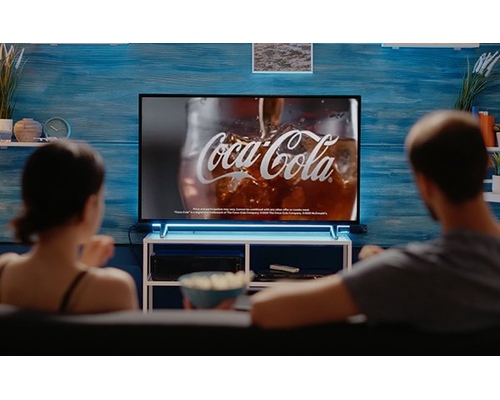
Television advertising, through the power of a visual medium, has been an impactful way of getting across the message over the years. As brands progress to permanently imprint themselves through the unique power this medium delivers, it is imperative to acknowledge and appreciate the subtleties of works.
The Mechanics of Television Advertising
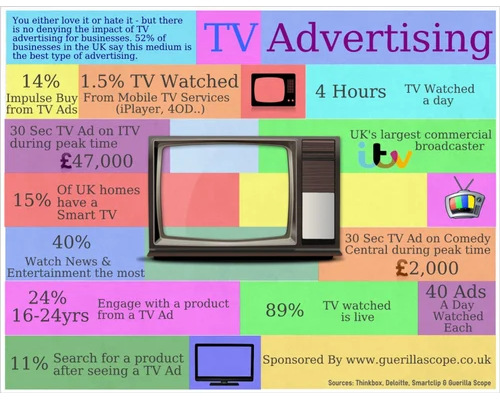
The art of television advertising hinges on several fundamental tenets: captivate the audience and effectively communicate the intended messages.
- Market Reach and Demographics: Despite a large number of U.S. households owning at least one TV, television remains a top media platform. However, the prevalence of TV in homes offers advertisers a broad market where specific demographic groups can be easily targeted, for instance, from toddlers to octogenarians, making them successful.
- Creative Storytelling: Many campaigns have made an impact through an engrossing, quite often d, dramatic story. For example, memorable examples such as the ads for the Super Bowl, which brands like Budweiser or Apple will make the audience think the sketch they did was epic.
- Time Slots and Scheduling: Advertisers should think carefully when picking the time slots as prime time is known to bring in more viewers, but at the same time, it costs them a fortune. Results of a survey show that the probability of top-rated commercial campaigns happening during prime time is twice that of off-peak periods. Therefore, commercials broadcasted during peak periods tend to engage viewers more.
Challenges and Benefits of Television Advertising
- Television advertising has proven to be a dynamic tool for bringing together the advertising world and consumers, although it is also facing setbacks. The variable nature of producing and airing advertising content on TV and its cost, which is usually very high, might also be a problem for most small businesses. On the other hand, such a commercial for 30 seconds at a significant event could cost around 1 million dollars, which may even lead to fear of a bad investment return.
- That said, it is hardly possible to record the success of a television spot through a direct mechanism, as in the case of digital ads. The success of television media mainly comes from market research and indirect measurement approaches, like questionnaires that enable the assessment of the effectiveness of an ad campaign. Also, as far as what the measurement of success encompasses, each platform has different terms of the partnership.
- However, the other side is the development of OTT platforms such as Netflix and Hulu, which have brought new technology to the audience and changed their habits. The declining traditional TV viewing patterns prompt advertisers to develop innovative strategies. The companies have now started looking into the possibilities of including products in the product placements and sponsorships they must create.
The Future of Television Advertising
Television advertising is a versatile, ever-changing medium that revolves around new technology and human behaviour preferences. The overlaps between the conventional and digital modes of advertising are vital for successful campaigns. To cover all bases, brands include omnichannel campaigns synchronising their TV promotions with the digital arm to ensure maximum touchpoint and engagement. Businesses harness the potential of data mining to provide customers with exclusive and personalised experiences tailored to them. Specifically, advertisers have access to consumer insights and are, therefore, equipped to modify their marketing messages to distinct isolated markets.
- Emerging Technologies: With the rise of augmented reality (AR) and virtual reality (VR), TV is no longer a limitation to marketing and has become more than what the potential of the old world could have been. Marketers nowadays are capable of creating real-life-like experiences through the usage of these technologies, which, therefore, results in more memorable and engaging advertisements.
In summary, understanding television advertising includes identifying its mechanics, resolving its difficulties, and seizing the opportunities of new trends. In this ever-changing environment, businesses should be up to date and always seek creativity, which is how they lure their target customers in.
Conclusion
However, television advertising is still helpful for brands that want to reach a broader audience via memorable and emotional branding messages. As the aspect of technology and how people interact and behave continue to change, it becomes more and more critical for businesses to grasp the key components and importance of television advertising if they want to become a force in their markets. Among other elements, three key areas are vital in the concept of television advertising such as:
- Broad Reach: In the ideal case, TVC is a way to advertise for brands across gender, age, and socio-economic groups of life to create visibility in the marketplace.
- Emotional Impact: The combination of the visuals and sound elements in television exposes the advertising world to creative convincing that intensifies the emotional bond with the viewers.
- Brand Recognition: By broadcasting on TV, you get regular exposure that builds equity, and thus, the name gets the required level of recognition to attract even more loyal consumers.
- Targeting Opportunities: Advances in data analysis enable advertisers to personalize messages and thus appeal to distinct customer segments, which ultimately results in higher penetration of the message and better campaign performance.
- Measurable Outcomes: Marketers can use television ad analysis to fine-tune their strategies depending on what analytics tells them about returns.
The advertising sector is undergoing a digital marketing revolution. It’s a trendy thing today, and despite the competition in the field, it remains a crucial strategic point encouraging engagement among companies using captivating brand messages generated for consumption, which leads to the establishment of customer relations, acceleration of sales and consumption, etc. Advertising not only remains an integral part of marketing but also is a media with a twist wherein that marketer who wants to court its offering, with its advancing yet traditional advertising means the most, must delve into the medium’s essence.
]]>It is a known fact that high-net worth individuals (HNIs) are a highly attractive and lucrative audience for any brand. While the uber-wealthy are an important segment, targeting them is definitely not a one-size-fits-all deal. They have their own needs and desires and thus marketers have to go an extra mile to attract their attention.
Also, most of the time, they hide behind their advisors, live on gated estates and make purchasing decisions based on totally different parameters than the masses.
Two mistakes brands make when it comes to advertising to HNIs is building relationships with their gatekeepers and treating them like everyone else.
Marketing to the elite definitely requires a most finessed approach. While mastery of online marketing is a must, providing an engaging offline experience is becoming increasingly important, particularly for those in the luxury space.
Only when both offline and online marketing strategies are blended seamlessly can brands build deeper relationships with high-net worth individuals.
Tips to Market to the Elite
Here’s how to do it right:
- Market Research: It’s a common misconception that HNIs are a unified entity. However, the truth is that wealth isn’t defined by salary but by net worth. Wealthy people come from all walks of life and may be business owners, professionals, lottery winners or people who’ve inherited money. Thus, you’ll have to determine the specific people with high-net worth you want to target. May be you’re trying to reach a business owner who is looking for a luxury office or an elite woman interested in high-end apparel. Once you’ve narrowed down on your target market, you need to research on this segment to see what attracts them. Targeting in marketing is vitally important.

- Targeted Marketing: Once you’ve delved deeper into the nature of your target market, you need to place your ads in publications they read or places they frequently visit. While high-end shopping publications and business magazines are a great idea, leverage on in-flight advertising (Cup Branding) as well. As a brand, you can also perfect your online outreach by approaching them on niche social media platforms dedicated to luxury lifestyle or any other specific channels that have a captive and elite audience or where you know they are active.
- Lifestyle Marketing: Being a highly discerning segment, HNIs seek unique experiences that money cannot buy such as exclusive access to event or previews. Thus, marketers should focus on designing experiences that contribute to a feeling of luxury. Although the elite have access to larger financial resources, they too value money as an important aspect of their buying decision-making process. Thus, while brands should make their ads eye-catching, they shouldn’t be too flashy or directly state that the product is too expensive. This can appear sleazy and be off-putting.

Example: Luxury vehicle makers like Harley Davidson and Mercedes Benz have adopted an innovative ‘Go to Market’ strategy in tier-two cities as 44% of HNIs are coming from smaller towns. While the former has brought its global ‘Legend on Tour’ concept which is like a showroom on wheels, the latter has set up luxury pop-up stores which will be temporary showrooms set up in the interiors of the country through Hangars.

- Personalised Service: In the high wealth space, strong after sales follow-up is important. You could assign a salesperson to an individual customer or make follow-up calls to ask them about their experiences. Dedicated customer service will result in them referring you to their high-income friends. With a high net worth audience, less is generally more and thus sending them sales oriented mails is a complete no-no.
- Privacy is Key: Consumers that are a main target for luxury products don’t want to be found by marketers. They desire a greater level of privacy than other segments. Thus, it is essential for brands to curate relevant offline experiences and find innovative ways to entice them.
Although high-net worth individuals represent less than 1% of the world’s total population, they account for more than 40% of the world’s total wealth. Therefore, advertising to them requires a well-thought-out approach.

In-flight paper cup advertising is a fool-proof way to win over these curious but inaccessible prospects at 35,000 feet as GingerCup has tied-up with quite a few reputed national and international airlines.
]]>From consumer activation to brand imagery, Indian Premier League offers this all and more to brands who put their money on it.
IPL brand association for Promotion
Today, IPL not only triggers smiles to players, administrators and fans, but is also a property of brands that are looking to seek out. Brands tend to invest heavily in IPL because they are aware that there is no viewer fatigue when it comes to watching IPL matches.
IPL 2017 is expected to bring more this summer.
60 matches, 47 days in multiple venues across India and every brand is geared up to leverage this golden opportunity in every possible way.
With IPL taking over 45 days of Indian television, the question is not whether a brand should or should not be associated with IPL, but rather – How can a brand leverage this IPL 2017 with key markets and a target audience?
Jersey
For brands, IPL players are nothing but walking billboards. In a world where brands are constantly seeking consumer attention, jersey sponsorship has to be a masterstroke. Whether it’s Hero Cycles, Gionee, Quikr, Videocon or Huawei, they don’t mind investing two to ten crores on the jersey depending on the placement. The interesting part of the whole game is that even a player’s helmet is adorned with brand names. Advertising on a player’s helmet is worth 5 crores because brand owners know that their brand becomes a part of ‘the action’. Logos on jerseys are constantly viewed thereby becoming a part of the subconscious mind of the viewer/consumer, thus leading to higher brand recall.
For instance, Nokia was the principal sponsor for Kolkata Knight Riders in 2008, but in 2015 Gionee clinched KKR sponsorship for 54 crores. Gionee has been smart because they want to give viewers the impression that their mobile phones are at par with Nokia and they wanted to be associated with a winning team and its superstar owner, Shahrukh Khan.
TV Ads
The TV ad spots during IPL are usually taken up by big brands with big bucks. Brands like VIVO, Housing.com and LYF used TV ads as a platform to launch their maiden television commercials last year. However, even smartphone brands like Gionee and Micromax have revealed their new identity through new TVCs. The FMCG sector too is not hesitant about spending in TV ad spots despite the hike in the ad rates.
Radio
Radio’s biggest strength is the localisation it offers to brands. It has the power to tweak the content to match the mood and expectation of the listeners of a particular place. Vodafone’s Hakke Bakke anthem became a rage during IPL 9. Radio companies also work closely with brands during IPL. They make content for them, change the name of the station during the promo period or even get RJs to endorse the brands. Not as a commercial message, but as a conversation, radio has the power to engage with the listeners.
Hoardings/Billboards
Brands get tremendous attention inside the stadium during IPL matches. However, they are still looking for attention outside the ground as well. They use hoardings to tell a city story to commuters. The IPL spend on hoardings for each brand varies between 25-50 lakhs for 15-30 properties. This year, watch out for Maruti Suzuki and VIVO.
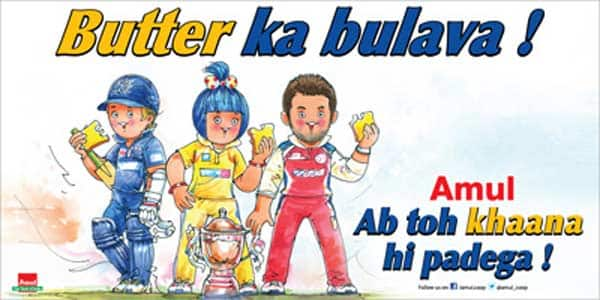
Paper Cups inside colleges and companies
Brands are increasingly looking for ways to get more value for their money with IPL brand associations. Every marketer has just one dream, which is to target the age-group of 19-35 year olds. People belonging to these age-groups spend most of their time either at college or office. Paper cup marketing has emerged as an effective medium to reach out to a particular target group. The investment associated with such type of advertising is limited, but the ROI is ascertained.
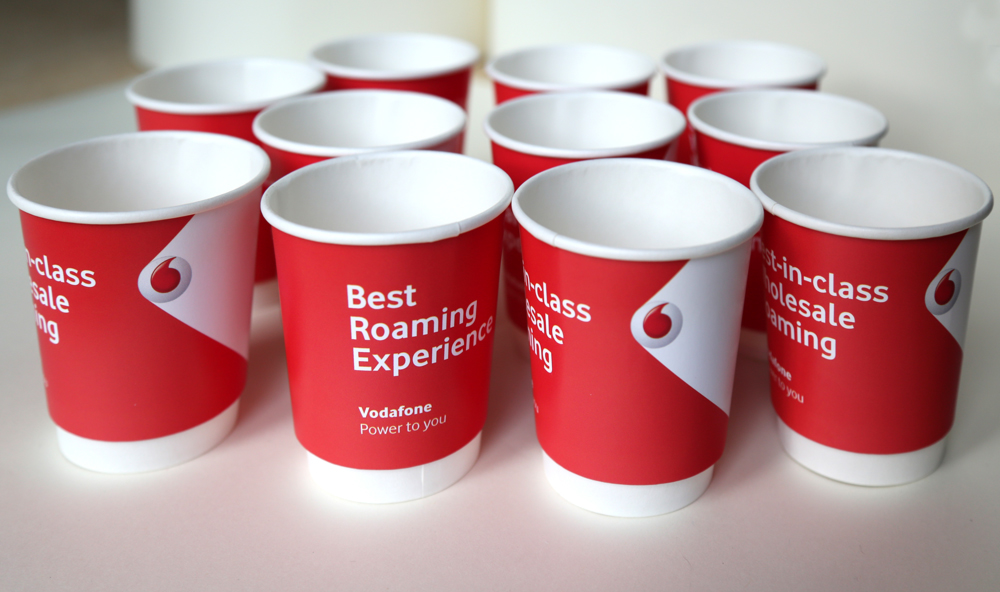
To quote an example, www.gingercup.com, a marketing agency executed one such marketing campaign for Hotstar. The same agency worked for Delhi Dynamos team in ISL 2016 for massive football fan reach out in Delhi NCR region inside colleges and corporates.
Social Media
Television and radio are still efficient mediums to reach out maximum people, but with the increasing social media usage and digital exposure, brands have started taking leverage of the digital audience. They have started using IPL as a content mix for their advertising channels. A lot of content is shared these days on social media platforms such as Facebook and Twitter. Brands interact with their target audience via contests, posts, videos, live images, and many more things. Several brands such as Vodafone, YesBank, Kent RO Systems and Tata Docomo have leveraged on IPL as a significant element of their social media strategy.
Blogs
Brands are using digital media’s story telling abilities to advertise themselves during IPL. They are trying to create and image of a more personal and reachable entity. FMCG brands particularly are resorting to blogging to advertise their association with IPL. To cash in on a viral factor, brands are addressing consumers directly by using bloggers and influencers.
Brands that sponsor IPL teams make use of a perfect mix of various mediums/channels to market their brand association with IPL.
]]>Ready to talk with a marketing expert?

A Pragmatic and innovative way to enthrall your target group is just a click away!
Get in Touch
Rukmini Knowledge Park, Kattigenahalli, SH 104, Srinivasa Nagar, Bengaluru, Karnataka 560064
+91-990 247 8800
contact@gingermediagroup.com
Popular in Television Advertising
Udaya TV AdvertisingSun TV AdvertisingStar Plus AdvertisingTV 9 AdvertisingZee TV AdvertisingNDTV India AdvertisingColors TV AdvertisingPopular in Airport Advertising
Spice Jet AdvertisingMumbai Airport AdvertisingDelhi Airport AdvertisingEmirites AdvertisingIndiGo Airlines Domestic India AdvertisingPopular in Newspaper Advertising
Deccan Herald AdvertisingPrajavani AdvertisingThe Hindu AdvertisingEconomic Times AdvertisingDainik Jagran AdvertisingHindustan Times AdvertisingPopular in Magazine Advertising
Forbes AdvertisingCosmopolitan AdvertisingBusiness World AdvertisingVogue Magazine AdvertisingPopular in Sports Advertising
IPL AdvertisingPopular in Outdoor Advertising
Billboard AdvertisingBus Shelter AdvertisingMetro Pillar AdvertisingUnipole Advertising© Ginger Media Group 2025. All Rights Reserved.