Key Aspects of VR:
- Enhanced Decision-Making: VR facilitates the presentation of detailed statistics, allowing individuals to see trends and outcomes. This visualization improves the quality of the final decisions.
- Affordability: Using virtual Reality (VR) techniques in training and simulations will allow businesses to see where they can free up resources and direct them to more productive goals, thereby minimizing the cost of physical resources.
- Uplifted Client Concentration: The immersive nature of VR ensures that customers are provided with the most incredible benefits, such as the ability to create event-personalized experiences. In turn, this will lead to higher satisfaction rates. Continuous improvement technology is suitable for developing a work environment of innovation and companies’ capabilities to meet the market’s needs rapidly. Virtual Reality is an easily applicable tool that can simulate possible future events and poses many more issues we may proactively deal with. This blog will be a source of knowledge about VR, its application in modern business, and how organisations can use this technology to offer users the best experience that will engage them. Let’s resolve the issue and provide denotative measures to adopt VR in your business strategy.
What is VR (Virtual Reality)?
Virtual Reality (VR) is state-of-the-art technology that enables users to enter an immersive computer-generated environment and interact with 3D worlds and experiences as if they were present. Whether in gaming, education, healthcare, or entertainment, businesses using VR must continue to enhance training, increase engagement, and improve customer experiences in their different sectors.
The Central Components of VR
- VR Motion Equipment: One of the best things about VR headsets and motion controllers is/are the best hardware gadgets individuals use when doing something in the VR environment. The future of hardware is one of the most critical factors in enhancing the quality and Reality of users’ interactions.
- 3D Content Creation: The creation of realistic 3D content is the core of VR technology’s success. This part includes detailed graphics, sound design, and interactive elements, which ensure that users feel the presence and Reality of the virtual world.
- User Interaction: User interaction is how individuals connect with the VR environment using gestures, movements, or voice commands. This element is of the utmost importance because it affects how much the various techs are used and how well the users interact with and control them. Thus, it indirectly affects the outcome of the use case scenario.
Benefits of VR
- Improved Decision-Making: VR decision-making is facilitated through real-world scenarios like analysis and run. For illustration, a company may use VR as a simulation to demonstrate the logistics process, allowing the teams to apply the techniques before implementation at the site.
- Cost Efficiency: By switching from VR treatment in place of standard methods, companies can save money on both travel and training material costs. For example, a manufacturing company could emulate machine operations and avoid actual equipment costs- which may also be associated with unavailability.
- Enhanced Communication and Collaboration: VR encourages bonding and transparency among team members through virtual meetings, where people can meet up and work alongside each other “real-time by person” although scattered throughout different physical locations. This can be a ladder to which they climb to achieve goals as well as foster their relationship with each other.
Core Principles of VR
- Focus on Activities: All companies should prioritize understanding precisely what users will do in VR. But this approach, focused on activities, is the conduct of the competition, which operates through a strategy of customizing users’ experiences to the exact audience needs.
- Link Activities to Costs: Drawing a solid connection between the activities that are performed through VR and the specific money spent on each of them is a way by which organizations assess the short and long-term merits and demerits of VR investments.
- Continuous Improvement: Tech changesTech changes constantly; thus, a feedback loop is necessary for any VR program. Continual change in practices through the VR method to show the universe a point of that other software universe, which is user-centric and applicable.
Steps to Implement VR
- Analyze Current Activities: It is a key step to go through the current process, regardless of its convenience and virtues, and then understand where VR can be utilized optimally. This is the basis for proper implementation.
- Establish Cost Drivers: Organizations should establish the components contributing to costs in their VR projects to manage their resources adequately.
- Implement Performance Metrics: The most essential tools for this kind of exploration are setting up proper benchmarks that can be tracked. Such metrics can also include user engagement, training effectiveness, and feedback scores.
- Engage Employees: In-depth participative collaboration with workers in the development and application process guarantees they make their choice ahead of schedule, eventually resulting in more user-friendly designs; the user’s preferences will be the primary deciding factor.
- Leverage Technology: Using the most recent VR technologies and software platforms will result in the most vivid and furthest VR experiences, ensuring that organizations are always the first in this rapidly changing sector.
Real-World Examples of VR
- Example 1: Walmart has used VR to train employees in store management and implement practical solutions. In gaming situations, in contrast to real-world scenarios, employees learn all the practical matters apart from failure and mistakes, resulting in a significant improvement in service delivery and a more satisfied customer base.
- Example 2: Medical Training: The VR approach that the Medical University of South Carolina has incorporated for surgeons’ learning is a good example. By letting students practice in a controlled environment, students can be more prepared and confident before facing accurate procedures.
- Example 3: Travel and Tourism: Thomas Cook employed VR to allow tourists to tour their destinations virtually. This remarkable interaction aids the customer in decision-making, making them purchase more tours and be more satisfied. In short, virtual Reality is the latest developmental mechanism that has changed how organizations connect their workers and customers. At the same time, their understanding of fundamental elements, principles, and practical applications enables them to utilize VR technology efficiently to produce better outputs through training, collaboration, and other operational activities.
To summarize, VR is an excellent strategy for companies to improve employee training, customer engagement, and product development through innovative experiences. Properly distributed resources are gained when organizations take the time to understand how to use these technologies to their advantage. Company-wide continuous improvement programs should be linked closely with developing technology. Immersive simulation space, the correct certification of the facilities and adherence to the change program are the key components of the company’s sustainability in the VR technology adaptation process. As the pressures of the markets rise and the competition gets stronger, investing in VR will likely be one of the significant factors of effective management practices.
Using the fundamentals of VR in business management can bring these benefits:
- Improved Learning Experience: The immersive environment depicts real-life scenarios that improve the participants’ memory of knowledge and enhance their skill development.
- Better Customer Engagement: Introduce new and enjoyable digital experiences that will keep your customers engaged and guarantee cohesion with your brand.
- Developing High-Quality Products: Digital imaging technology will help with quicker prototyping and more demanding reviews, ensuring the project’s success later on.
Now is the time to introduce VR and closely monitor the changes it can bring to your organization. The first step to changing your training and customer communication practices today is now at your command!
]]>What is 3D Advertising?
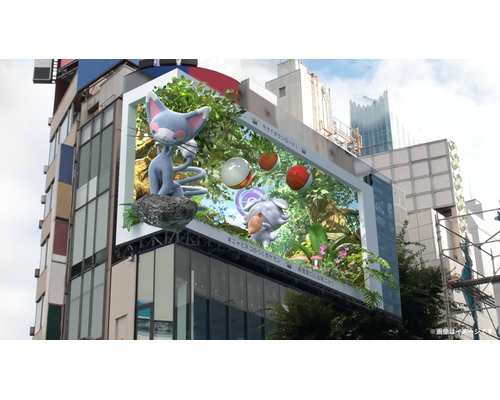
The concept of 3D advertising is a fresh hit in marketing. It uses three-dimensional visuals to establish a connection with potential customers and thus strengthen their engagement with the brand. This kind of advertising involves the impression of depth and perspective and sometimes incorporates interactive elements. Only such a setup can hold their feelings while ensuring creativity. With the numerous entities feeding the market, businesses must be keen to use 3D advertising to connect with the audience and invite their participation through memorability, among other factors.
The Power of Immersive Experiences
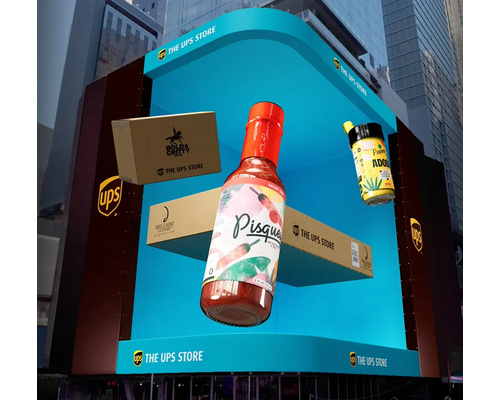
One of the most critical aspects of 3D advertising is its ability to be a fascinating and interactive product that engages the user. A recent study reveals that ads with 3D can have a higher engagement rate of up to 80%. Viewing such a product that is not two-dimensional but instead has depth and dimension causes people to be drawn to it and not just view the advertisement without interacting with it.
- Case Study: AR took off when IKEA employed it in their advertising campaign to customers, offering them the facilities for visualizing a 3D model of a particular piece of furniture in their homes, which led to an increase of 30% in the store’s conversion rates.
- Frameworks: The employment of the “Immersive Framework” in 3D advertising enumerates that the goal of the approach is to create user-centric contact that is highly personalized, emotionally striking, and interactive to the audiences. In doing so, a brand can excel in setting itself apart from its competitors by developing products and services that are not replaceable.
Challenges and Considerations in Implementation
Although the AR benefits of using 3D advertising are innumerable, some businesses are facing several implementation hurdles. The technical challenges are colossal, be it in 3D modelling or incorporating it in advertising, but innovation is reducing the obstacles for smaller companies to combat.
- Challenges: Production costs and the need for specialist-skilled personnel could sometimes lead to a fall-off. Further, the inclusion of technology trends should be equally emphasized.
- Practical Advice: Brand owners should consult agencies with expertise in 3D technology or explore new 3D software tools that make saving for tech self-taught programs. Along with SEO, it is important to include digital marketing elements in the DOM for the campaign to reach far and wide.
Emerging Trends in 3D Advertising
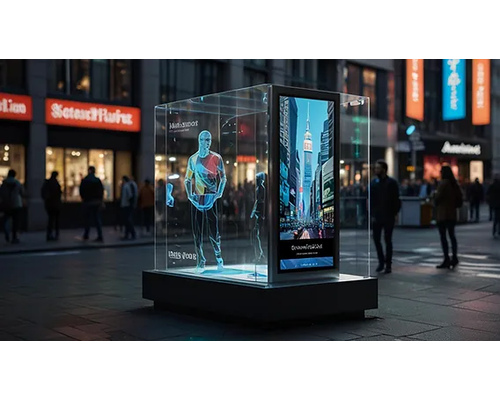
Moreover, advancements in 3D technologies encourage a variety of new AR applications. These trends strongly suggest a shift towards completely digital worlds and a rise in the usage of VR and AR to introduce more engaging, creative, and interactive advertising.
- Trends: Metaverse platforms’ popularity continues to grow, which means brands can now come up with 3D advertising solutions not only in reality but within virtual environments as well. Companies are experimenting with integrating brand experiences in these digital spaces, creating opportunities for customer interaction at another level.
- Implications: For marketers, keeping up with these changes is mandatory to cope with the new realities. As consumers get used to more complex advertising forms, 3D ad formats will likely be brands leading the market. Going along with such modifications entails investment in innovative technologies and a quest to learn more about captivating audiences in a 3D digital world. Consequently, 3D advertising is now more than just the latest fashion; it is a different way for brands to connect with their audience. By offering immersive experiences, finding solutions to technological issues, and predicting future trends, corporations can harness the full potential of 3D advertising to drive engagement and develop brand loyalty.
Conclusion:
The Significance of 3D Advertising
In the ever-dynamic data space, one-off shots of 3D ads are now spawning as the sole force leading the realm of ads captivating and sending messages to men and women. By turning classic advertising into a more visual and emotional experience, 3D advertising not only achieves a high level of perception but also touches the minds of potential customers at an emotional level. As technology advances, the importance of 3D elements in the marketing mix becomes manifest, and thus, brands have more freedom to create differentiation in otherwise competitive market scenarios.
Key Components of 3D Advertising:
- Enhanced Engagement: 3D visuals lead to interactive experiences that keep viewers engaged longer than traditional ads do.
- Realism and Detail: Using lifelike designs and motion, 3D ads offer a more detailed view of products through motion that enables the consumers to see them in their own lives.
- Brand Differentiation: Using 3D advertising technology, brands can set themselves apart from the competition and create a unique image in consumers’ minds.
- Cross-Platform Versatility: 3D content can be easily adapted to work well on various platforms such as social media, websites, and even virtual reality environments, thus reaching a broad audience.
- Improved Conversion Rates: The revolutionary nature of 3D advertising is usually the reason for the increase in conversion rates, as customers are more likely to engage with and recall visually appealing content.
Focusing on these elements, companies can use 3D advertising to empower their marketing strategies and increase their awareness and loyalty toward their target audience. Being open to this novel approach is the key to competitiveness in today’s rapidly changing advertising industry.
]]>Ready to talk with a marketing expert?

A Pragmatic and innovative way to enthrall your target group is just a click away!
Get in Touch
Rukmini Knowledge Park, Kattigenahalli, SH 104, Srinivasa Nagar, Bengaluru, Karnataka 560064
+91-990 247 8800
contact@gingermediagroup.com
Popular in Television Advertising
Udaya TV AdvertisingSun TV AdvertisingStar Plus AdvertisingTV 9 AdvertisingZee TV AdvertisingNDTV India AdvertisingColors TV AdvertisingPopular in Airport Advertising
Spice Jet AdvertisingMumbai Airport AdvertisingDelhi Airport AdvertisingEmirites AdvertisingIndiGo Airlines Domestic India AdvertisingPopular in Newspaper Advertising
Deccan Herald AdvertisingPrajavani AdvertisingThe Hindu AdvertisingEconomic Times AdvertisingDainik Jagran AdvertisingHindustan Times AdvertisingPopular in Magazine Advertising
Forbes AdvertisingCosmopolitan AdvertisingBusiness World AdvertisingVogue Magazine AdvertisingPopular in Sports Advertising
IPL AdvertisingPopular in Outdoor Advertising
Billboard AdvertisingBus Shelter AdvertisingMetro Pillar AdvertisingUnipole Advertising© Ginger Media Group 2025. All Rights Reserved.