Offline advertising doesn’t fail because it’s outdated.It fails because most startups copy formats without understanding context, location, and intent. When offline campaigns are planned with clarity, they quietly outperform many digital ads especially in early growth stages. Some of today’s strongest brands didn’t scale despite offline advertising, they scaled because of it.
Below are the top 10 affordable offline advertising options for startups, explained with real life brand references so you can see how these channels are actually used on the ground.
1. Flyers & Pamphlet Distribution
Flyers are often dismissed as “cheap marketing,” yet several startups used them deliberately to create early traction.
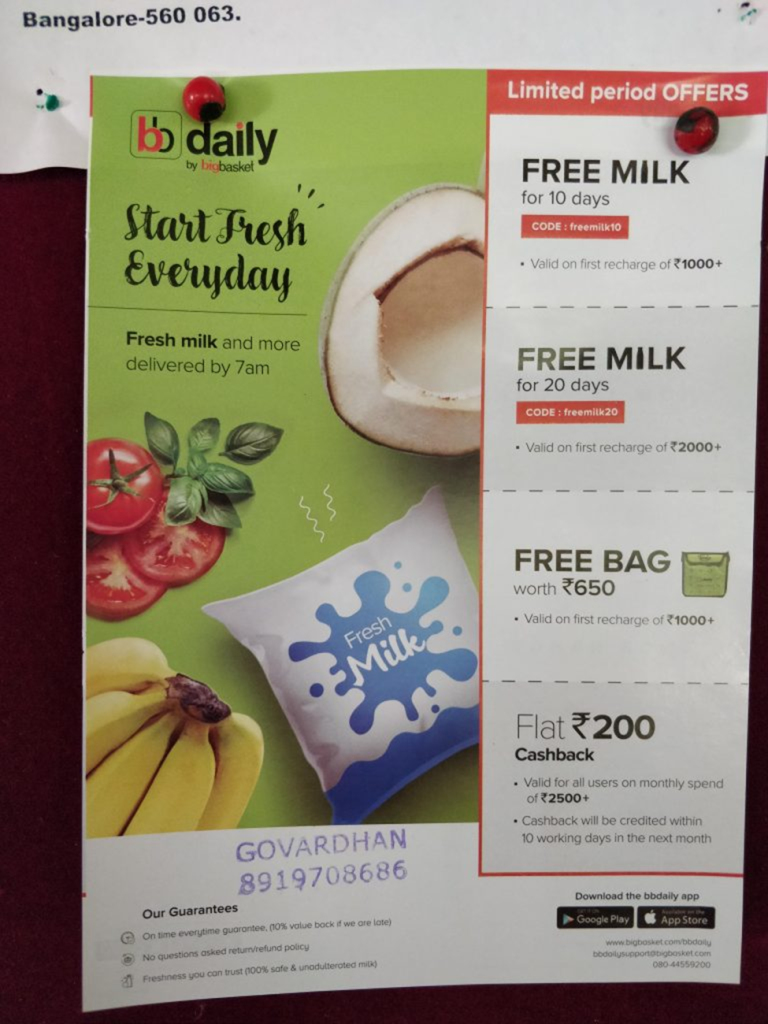
BigBasket used hyperlocal flyer distribution in gated societies, apartment complexes, and residential clusters to introduce the idea of online grocery shopping at a time when the habit was still new. The flyers were practical, not flashy. They focused on everyday problems long queues, carrying heavy grocery bags, and lack of time and positioned BigBasket as a simple solution.
For startups today, flyers work best when distribution is intentionally narrow, message driven, and paired with a simple next step like a call or QR scan.
2. Local Newspaper Advertisements
Local newspapers continue to play a quiet but powerful role in categories where trust matters.
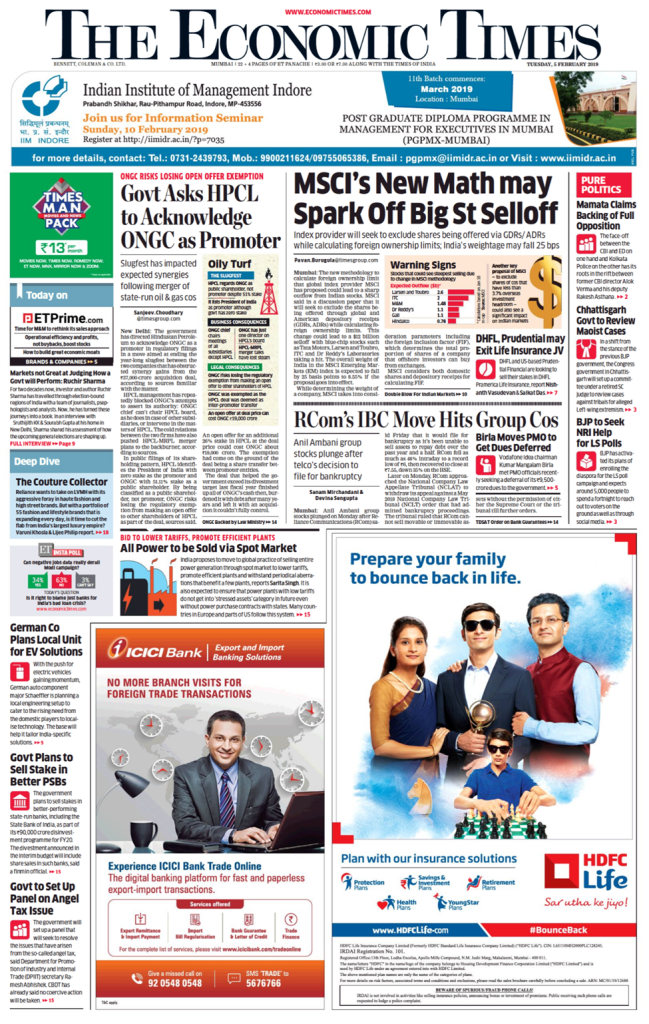
A reliable example is HDFC Life, which has consistently used regional and vernacular newspapers to build credibility in Tier-2 and Tier-3 markets.
The ads didn’t push complex products. Instead, they addressed life protection, family security, and long term planning in simple language.
For industries like finance, healthcare, education, or real estate, print isn’t about immediate conversion, it’s about legitimacy.
3. Metro Jingle Style Audio Ads
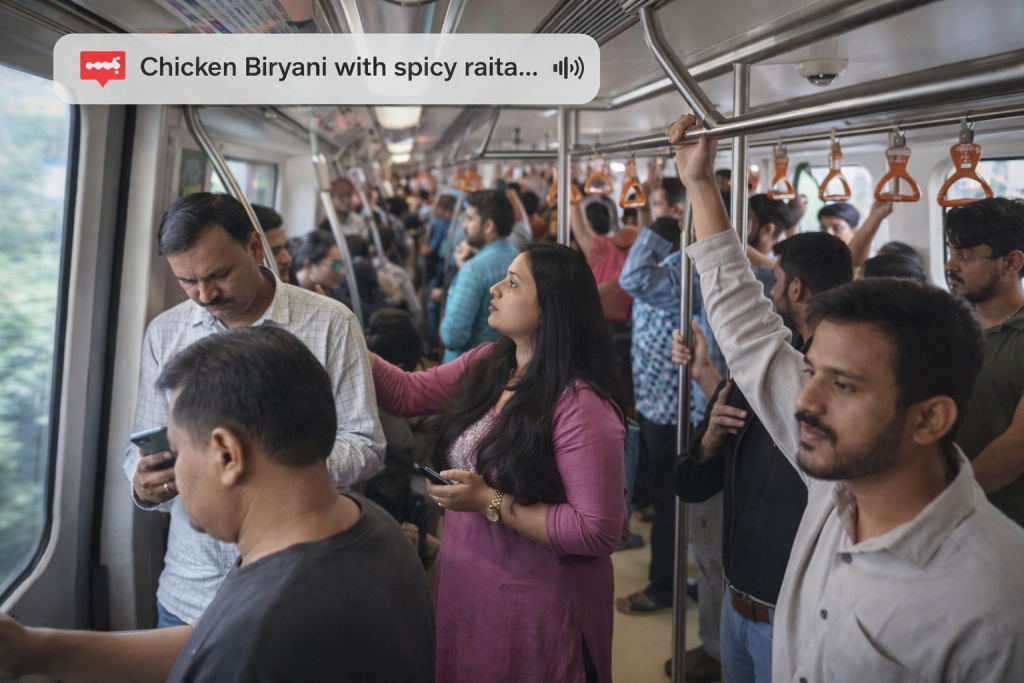
Most ads demand attention. Metro jingle ads don’t. They simply exist in the background of everyday life.
You’re standing on the platform. Trains are delayed. You’re tired. Hungry. Mentally planning what to eat once you get home. And in between the usual announcements, a short, playful jingle plays. It doesn’t sell. It doesn’t shout. It just lands.
That’s the power of metro jingle ads.
Brands like Zomato used this format to slip into a moment people already live through daily. The jingles sounded familiar, almost like the metro’s own voice, light, witty, and relatable. No features. No offers. Just a gentle reminder that food is one decision away.
4. Auto, Cab & Bus Branding
Transit advertising is one of the most underutilized offline channels for startups with local or city wide audiences.
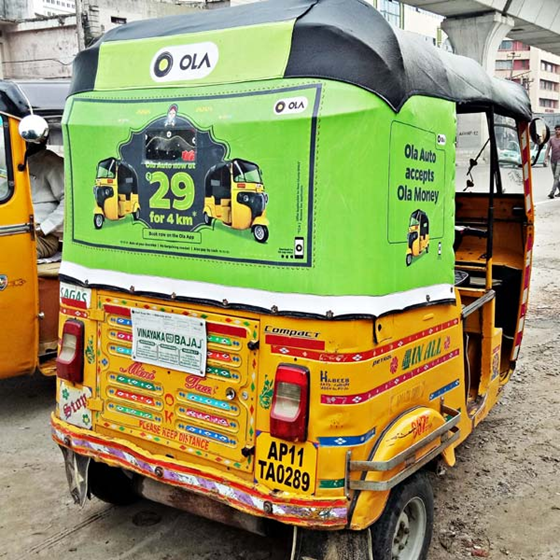
Ola extensively used auto rickshaw and cab branding in its early expansion days. Instead of high cost hoardings, Ola focused on moving visibility, ensuring its brand was seen across neighborhoods daily.
Even for non mobility startups, auto back panels and cab stickers offer consistent impressions at a fraction of traditional outdoor costs.
The power here lies in repetition seeing the same brand across streets builds subconscious familiarity.
5. Event Sponsorships
You don’t need to sponsor mega events to make an impact.
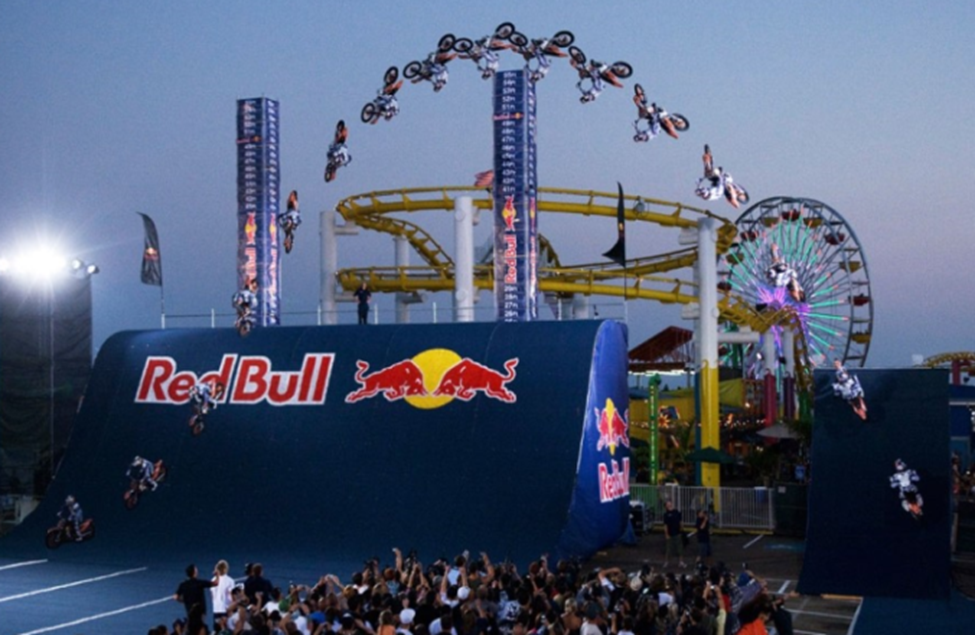
Red Bull is globally known for event marketing, but its strategy started small. Local college festivals, niche sports events, and community gatherings were the foundation before global scale.
Indian startups have followed similar paths sponsoring hackathons, startup meetups, and college fests where their exact audience already exists.
Event sponsorships work when the brand integrates naturally into the experience, not when it simply puts up banners.
6. Posters & Wall Branding in High Footfall Areas
Posters still matter when placed where attention naturally pauses.
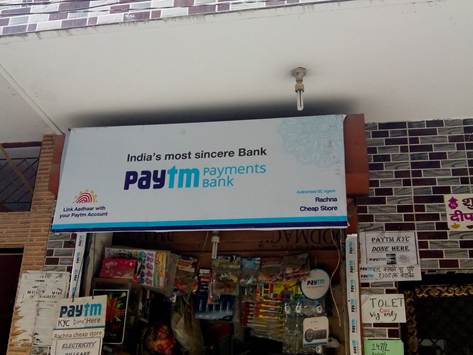
Paytm used wall posters and shop front branding aggressively during its early merchant onboarding phase. Small kirana stores, mobile shops, and cafes became brand touchpoints long before QR payments were mainstream.
The messaging was simple, visual-heavy, and repetitive. Over time, Paytm became a familiar name even among users who hadn’t adopted digital payments yet.
For startups, posters work best when they dominate specific micro locations instead of trying to cover an entire city.
7. In Store Branding & Retail Tie Ups
Retail partnerships allow startups to borrow trust and footfall.
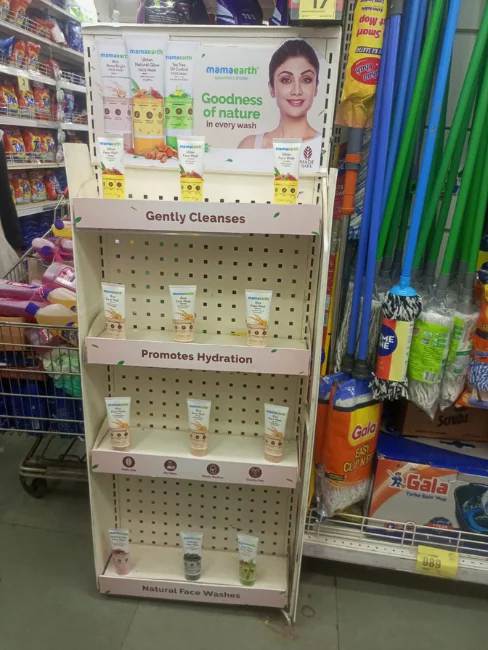
Mamaearth used in store standees, shelf branding, and counter displays across pharmacy and cosmetic stores during its early offline push. Instead of opening exclusive stores immediately, the brand focused on visibility where purchase decisions already happened.
Customers discovered the brand physically first and later transitioned to online purchases.
This approach is especially effective for D2C startups looking to bridge offline discovery with online scale.
8. Cinema Advertising
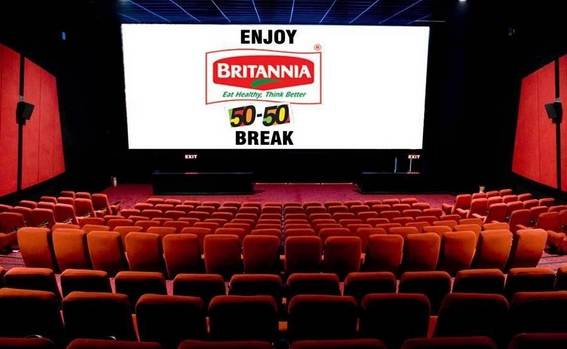
Cinema advertising is often perceived as expensive, but regional theaters offer affordable entry points.
Britannia has consistently used cinema screen advertising, especially in regional and single screen theatres, to strengthen mass market brand recall. The ads were short, emotionally familiar, and centered around everyday family moments not product features.The captive environment of cinema halls made even short ads memorable.
For startups, cinema ads work best when focused on brand presence, not feature explanations.
9. Newspaper Inserts & Door Drops
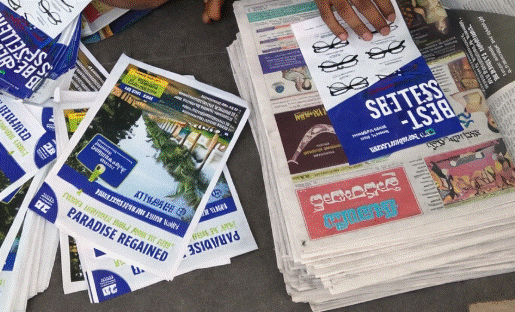
Newspaper inserts allow startups to enter households directly.
Lenskart used newspaper inserts during local store launches to drive footfall. These inserts often included limited time offers or free eye check up announcements.
Rather than blanket distribution, inserts were limited to neighborhoods near physical stores, ensuring relevance.
This tactic works particularly well for startups with local outlets or service areas.
10. Small Outdoor Hoardings & Directional Boards
Not all outdoor advertising requires massive budgets.
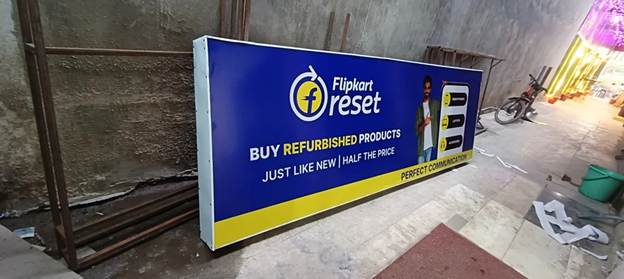
Flipkart used small format hoardings and directional signage during sale seasons, especially near residential clusters and arterial roads. These weren’t brand building creatives, they were location based reminders.
For startups, small hoardings near stores, offices, or service zones can quietly outperform large, expensive billboards.
The key is clarity and placement, not size.
Final Thoughts: Offline Advertising Rewards Discipline, Not Spend
Affordable offline advertising options remain powerful not because they’re cheap, but because they’re human, tangible, and persistent.
When you embed your brand into the physical spaces your audience occupies, something interesting happens: your brand stops being just another face on a screen and becomes a presence people recognize and recall instantly.
Modern brands like Slice, BigBasket, Zepto, Mamaearth, Unacademy, Amazon Prime Video, Lenskart, Urban Company, and Fastrack prove that offline advertising continues to deliver value especially when executed with purpose, measurement, and integration.
If you’re ready to build a campaign that bridges offline strength with online precision, I can help you design a channel wise playbook, draft campaign creatives, and set tracking frameworks. Just let me know.
Why startup’s should choose GINGER MEDIA GROUP for Affordable Offline Advertising
Startups should choose GINGER MEDIA GROUP because they genuinely understand how tight budgets and fast decisions work in early stage companies. They help startups get noticed in the real world through affordable, well planned offline campaigns that actually reach people where they live, travel and shop. With clear pricing, quick execution, and a strong focus on real impact not just promises GINGERMEDIAGROUP makes offline advertising simple, practical and effective for growing brands.
Ready to amplify your brand with Ginger Media?
Stop guessing and start growing. Our marketing experts are ready to help you craft a campaign that delivers real results.
Contact Now