Outdoor advertising remains one of the most effective offline marketing channels, helping brands achieve strong visibility and audience engagement in a crowded market. Studies show that over 70% of consumers notice outdoor ads and nearly half have made a purchase influenced by them. From billboards to transit displays and digital out-of-home (DOOH), these campaigns deliver real-world exposure that drives campaign performance and enhances overall brand impact.
However, measuring the ROI of outdoor advertising is often a challenge for marketers. Without clear performance tracking and data-driven insights, it’s difficult to justify budgets or optimize campaigns. This guide outlines 8 practical steps to evaluate advertising impact, improve budget allocation and make smarter marketing decisions with measurable results.
Why Measuring ROI in Outdoor Advertising Is Important?
Measuring ROI in outdoor advertising is essential for brands to understand the real business value of their campaigns. Outdoor ads operate in physical environments, so tracking audience engagement, exposure and brand visibility requires clear, practical methods. Studies show that brands monitoring outdoor campaign performance experience up to 20% higher consumer recall and stronger awareness.
Effective ROI measurement provides actionable insights into audience reach and overall advertising impact, enabling smarter budget allocation and improved campaign strategies. By linking performance to measurable outcomes, brands can optimize future campaigns, enhance marketing effectiveness and ensure outdoor advertising contributes meaningfully to data-driven business decisions.
8 Steps to Measure ROI of Outdoor Advertising
Step 1: Define Clear Campaign Objectives
The first step in measuring ROI is setting clear and measurable campaign objectives. These objectives may include increasing brand awareness, driving store visits, generating leads or improving sales performance.
Research shows that campaigns with clearly defined goals are over 50% more likely to achieve measurable results compared to those without. Having specific, quantifiable targets ensures that success metrics are aligned with business outcomes and provides a strong foundation for evaluation, enabling marketers to track performance, optimize strategies and demonstrate the tangible impact of outdoor advertising investments.
Step 2: Identify Target Audience and Locations
Understanding the target audience and selecting the right locations is key to outdoor advertising success. Ads placed in high-traffic areas aligned with audience behavior can increase engagement by up to 30%, according to industry studies. Strategic location planning ensures campaigns reach the right people at the right time, maximizing visibility and interaction.
This step not only boosts campaign performance but also makes ROI measurement more precise, allowing marketers to link exposure directly to outcomes like brand recall, store visits or lead generation and ultimately demonstrate the real value of outdoor advertising investments.
Step 3: Track Reach and Impressions
Reach and impressions show how many people actually saw an outdoor ad. Using traffic data, footfall and location analytics, brands can target high-visibility spots, reaching up to 60% of daily commuters in prime areas.
Tracking these metrics helps marketers gauge campaign exposure and directly link it to ROI, whether through store visits, inquiries or sales, making every outdoor campaign more measurable and effective.
Step 4: Use Location Based Data and Footfall Analysis
Footfall analysis shows how outdoor advertising drives people to physical locations like stores or event venues. Using GPS data and mobile location insights, brands can identify high-traffic areas that boost visits, with studies indicating targeted ads can increase store footfall by up to 25%.
This step is especially valuable for campaigns focused on offline engagement, helping marketers connect exposure to actual visits and measure ROI more effectively.
Step 5: Monitor Brand Recall and Awareness
Brand recall studies and surveys measure how well audiences remember an outdoor campaign. Post-campaign surveys reveal insights into message retention and brand recognition, with research showing that memorable outdoor ads can increase recall by up to 70%.
Monitoring brand awareness is crucial for evaluating the long-term impact of campaigns and linking audience perception to overall ROI.
Step 6: Track Lead Generation and Sales Impact
Curious how outdoor ads actually turn heads into action? For performance-focused campaigns, brands track leads, inquiries and sales generated from outdoor advertising. By leveraging unique phone numbers, QR codes, and custom landing pages, marketers can accurately attribute responses, with studies showing tracked campaigns can increase conversions by up to 35%.
This approach connects outdoor exposure to tangible business results, making ROI measurement precise and helping brands understand the true impact of their campaigns.
Step 7: Compare Campaign Costs with Outcomes
To know if your outdoor campaign really paid off, brands calculate ROI by comparing total campaign costs with measurable results. Costs usually cover media placement, production and execution and studies show that campaigns with detailed ROI tracking can improve marketing efficiency by up to 25%.
This comparison helps marketers understand how effectively their budget was used, identify high-performing strategies and determine whether investments delivered the expected business returns, making every outdoor advertising decision more data-driven and impactful.
Step 8: Analyse Results and Optimize Future Campaigns
The final step is analysing campaign data to see what worked and what didn’t. Insights from past outdoor campaigns can improve targeting, messaging and placement strategies, with studies showing that brands who optimize based on data achieve up to 30% higher ROI in future campaigns.
Continuous review and refinement ensure that every subsequent outdoor ad delivers stronger results, better engagement, and measurable business impact.
Common Challenges in Measuring Outdoor Advertising ROI
Outdoor advertising measurement comes with challenges like limited real-time data, tricky attribution and no universal measurement standard. But brands that combine multiple tracking methods gain clearer, more accurate insights, with studies showing up to 40% better performance accuracy.
Following a structured measurement approach not only helps evaluate campaigns effectively but also empowers marketers to make smarter, data-driven decisions, optimize strategies and ensure every outdoor ad investment delivers maximum ROI and business impact.
Measuring ROI in outdoor advertising takes a clear strategy, the right tools and consistent tracking. By following these 8 steps, brands can accurately assess ROI, gain deeper insights into campaign performance and confidently justify their marketing investments. As outdoor advertising evolves, adopting data-driven measurement practices ensures every campaign delivers maximum impact, stronger engagement and long-term marketing success for the brand.
Frequently Asked Questions (FAQs)
1. How is ROI calculated in outdoor advertising?
ROI in outdoor advertising is calculated by comparing the total campaign cost with the measurable outcomes it generates. These outcomes may include increased store visits, leads, website traffic, or sales attributed to the campaign. Marketers typically use the formula:
ROI = (Revenue generated – Campaign cost) ÷ Campaign cost × 100.
This calculation helps brands determine whether the campaign delivered a profitable return.
2. What metrics are commonly used to measure outdoor advertising performance?
The most common metrics include reach, impressions, footfall data, brand recall, engagement levels, leads generated, and sales impact. Additional tools such as QR codes, custom URLs, location analytics, and surveys help marketers track how audiences interact with outdoor advertisements and connect exposure to measurable outcomes.
3. Can outdoor advertising ROI be tracked accurately without digital tools?
While digital tools make tracking easier, outdoor advertising ROI can still be measured using traditional methods such as customer surveys, coupon codes, unique phone numbers, and in-store feedback. However, combining these methods with digital tracking technologies like GPS-based footfall analysis and QR code tracking significantly improves measurement accuracy.
4. How long does it take to measure the results of an outdoor advertising campaign?
The timeframe depends on the campaign objective. Campaigns focused on brand awareness may take several weeks or months to reflect results through recall studies and surveys. Performance-driven campaigns, such as those aimed at generating leads or store visits, can often show measurable results within a few days or weeks after launch.
5. What tools help improve ROI tracking for outdoor advertising campaigns?
Several tools can enhance measurement accuracy, including mobile location analytics, QR codes, unique landing pages, call tracking numbers, brand recall surveys, and campaign management platforms. These tools allow marketers to link audience exposure to real actions such as store visits, inquiries, and purchases, enabling more precise ROI evaluation.
Why Choose Ginger Media Group for Affordable Offline Marketing
Ginger Media helps startups run affordable offline marketing campaigns with full clarity, transparency and measurable impact. With expertise across outdoor, transit, print and on-ground activations, the team delivers cost-effective solutions that maximize visibility without unnecessary spending. From planning and execution to monitoring and reporting, Ginger Media ensures every campaign generates real results. By combining strategic media selection with strong on-ground execution, Ginger Media empowers startups to scale offline marketing efficiently, make data-driven decisions and confidently achieve meaningful brand growth.
]]>Airport advertising is a powerful offline marketing channel for brands targeting premium audiences, including high‑income consumers and business travellers. In 2024, India recorded around 376 million air passengers, including both domestic and international flyers, reflecting a strong recovery and growth in aviation traffic. Passenger numbers continued to expand in 2025, with airports like Chhatrapati Shivaji Maharaj International Airport in Mumbai handling a record 55.5 million passengers that year. As of early 2026, industry data indicates continued demand with sustained passenger movement and airport traffic milestones being recorded. The number of operational airports in India has grown to over 160, supporting the country’s expanding air travel network.
This growth enables effective business travelers marketing and repeated exposure to key audiences. Compared with other offline marketing channels, airport media offers sustained passenger engagement , making it a top choice for impactful campaigns in India’s booming aviation market.
Airport Advertising in India: Market Overview
Airport advertising in India has grown significantly over the last decade, fueled by rising passenger traffic and major upgrades in airport infrastructure. Today, India operates over 140 airports, including domestic, international and regional hubs, making it one of the fastest-growing aviation markets globally.
For brands, airports provide access to business travelers, corporate decision-makers, high-income consumers and international audiences. With formats such as digital screens, airport advertising, hoardings, baggage trolley advertising and lounge branding.
Airport media offers premium exposure that few other offline marketing channels can match, ensuring high brand visibility and engagement.
How Many Commercial Airports Are There in India?
India currently has more than 30 commercial international airports and over 100 domestic airports handling scheduled passenger traffic. These airports are spread across major metros, tier-1 cities and fast growing regional hubs.
Ongoing airport development initiatives have increased advertising opportunities across the country. This wide network allows brands to plan large scale national campaigns as well as targeted regional airport advertising strategies.
Which Is the Biggest Airport in India?
The biggest airport in India, based on passenger capacity and overall scale is Indira Gandhi International Airport in New Delhi. It handles the highest passenger traffic in the country and functions as a major international aviation hub.
Due to its size and footfall, this airport offers unmatched advertising visibility and access to premium audiences. It is one of the top choices for both national and global brands.
Top 10 Airport Advertising Locations in India
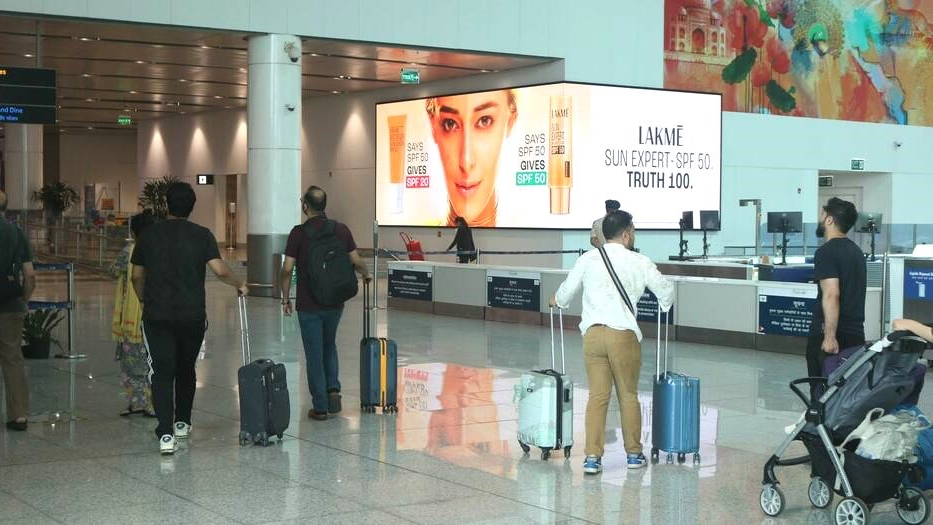
1. Indira Gandhi International Airport – New Delhi
Indira Gandhi International Airport is India’s busiest airport and a primary gateway for both International and domestic travel. With multiple terminals and consistently high footfall, it offers extensive advertising opportunities across arrival, departure and transit zones.
Brands advertising gain exposure to diplomats, corporate leaders, International travellers, and high spending consumers.
2. Chhatrapati Shivaji Maharaj International Airport – Mumbai
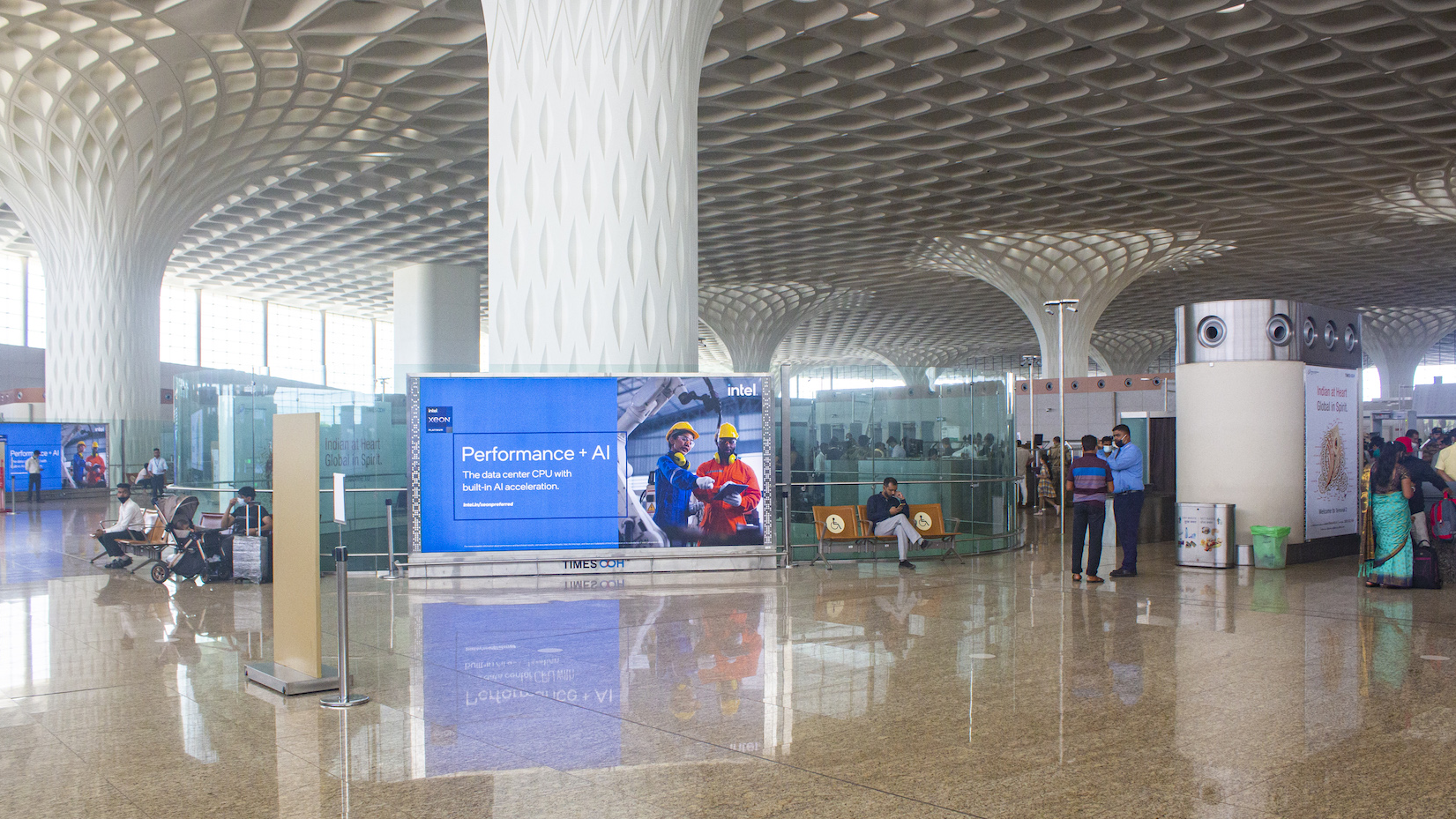
Mumbai’s international airport is one of the most premium airport advertising locations in India. Chhatrapati Shivaji Maharaj International Airport handled around 55.5 million passengers in 2025, including over 16 million international flyers, reinforcing its status as India’s busiest global gateway. As the financial capital of the country, it attracts business leaders, investors and global travelers, making it an ideal spot for brands aiming for premium audience advertising.
Advertising at this airport helps brands associate themselves with luxury, finance and corporate influence, while delivering sustained brand visibility to both domestic and International audiences in one of the highest‑footfall media environments in the country.
3. Kempegowda International Airport – Bengaluru
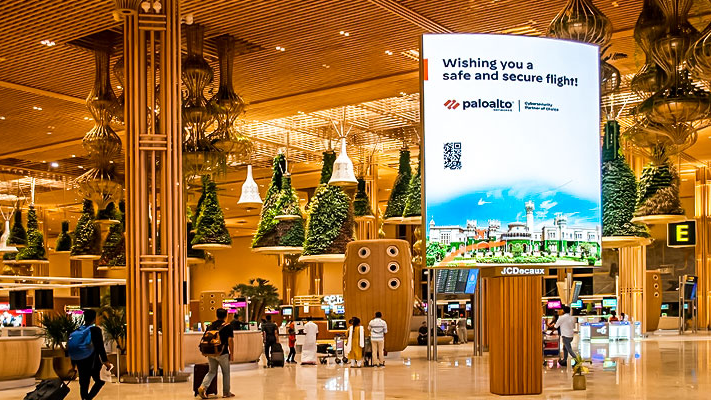
Kempegowda International Airport in Bengaluru, India’s technology and startup hub, handled over 41.8 million passengers in 2024‑25, including domestic and international travelers.
The airport attracts IT professionals, entrepreneurs, and business travelers, making it ideal for premium audience advertising. Brands can leverage digital screens, lounge branding and other formats to reach a digitally aware, innovation-driven audience and maximize brand visibility in one of India’s busiest aviation hubs.
4. Rajiv Gandhi International Airport – Hyderabad
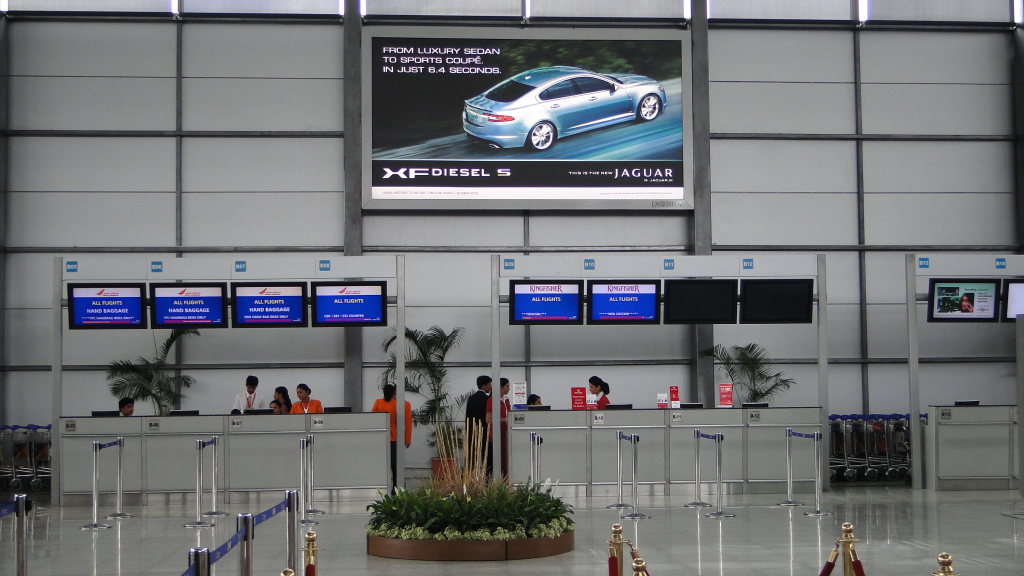
Rajiv Gandhi International Airport in Hyderabad handled over 24 million passengers in 2024‑25, serving both domestic and International travelers.
The airport attracts IT, pharmaceutical and corporate professionals, making it ideal for premium audience advertising. Brands can use digital screens, lounge branding and baggage trolley advertising to reach educated, high-income travellers and maximize brand visibility in one of South India’s fastest-growing aviation hubs.
5. Chennai International Airport – Chennai
Chennai International Airport handled over 22 million passengers in 2024‑25, serving domestic and International travelers.
The airport attracts both business and leisure travelers, making it ideal for premium audience advertising. Brands can leverage digital screens, lounge branding and baggage trolley advertising to reach South Indian consumers and international passengers, ensuring strong brand visibility in one of the region’s key aviation hubs.
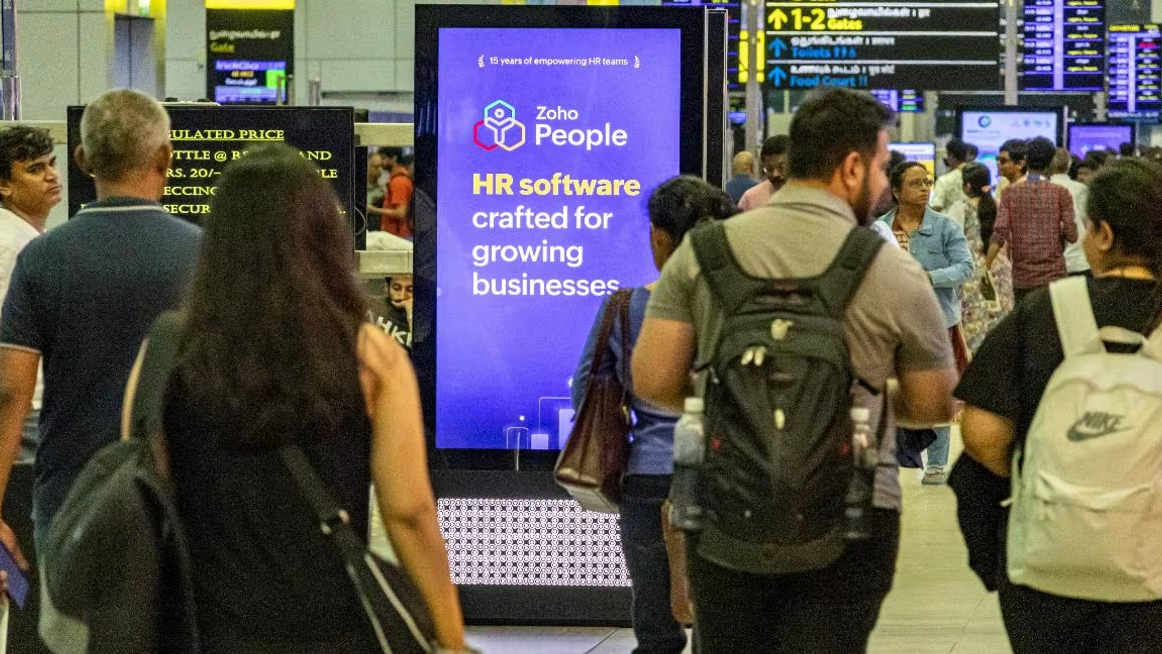
6. Netaji Subhas Chandra Bose International Airport – Kolkata
Netaji Subhas Chandra Bose International Airport in Kolkata handled over 24 million passengers in 2024‑25, covering domestic and international routes.
The airport attracts business travelers, cultural tourists and International flyers, making it ideal for premium audience advertising. Brands can use digital screens, lounge branding and baggage trolley advertising to strengthen brand visibility and establish a presence in Eastern India’s key aviation gateway.
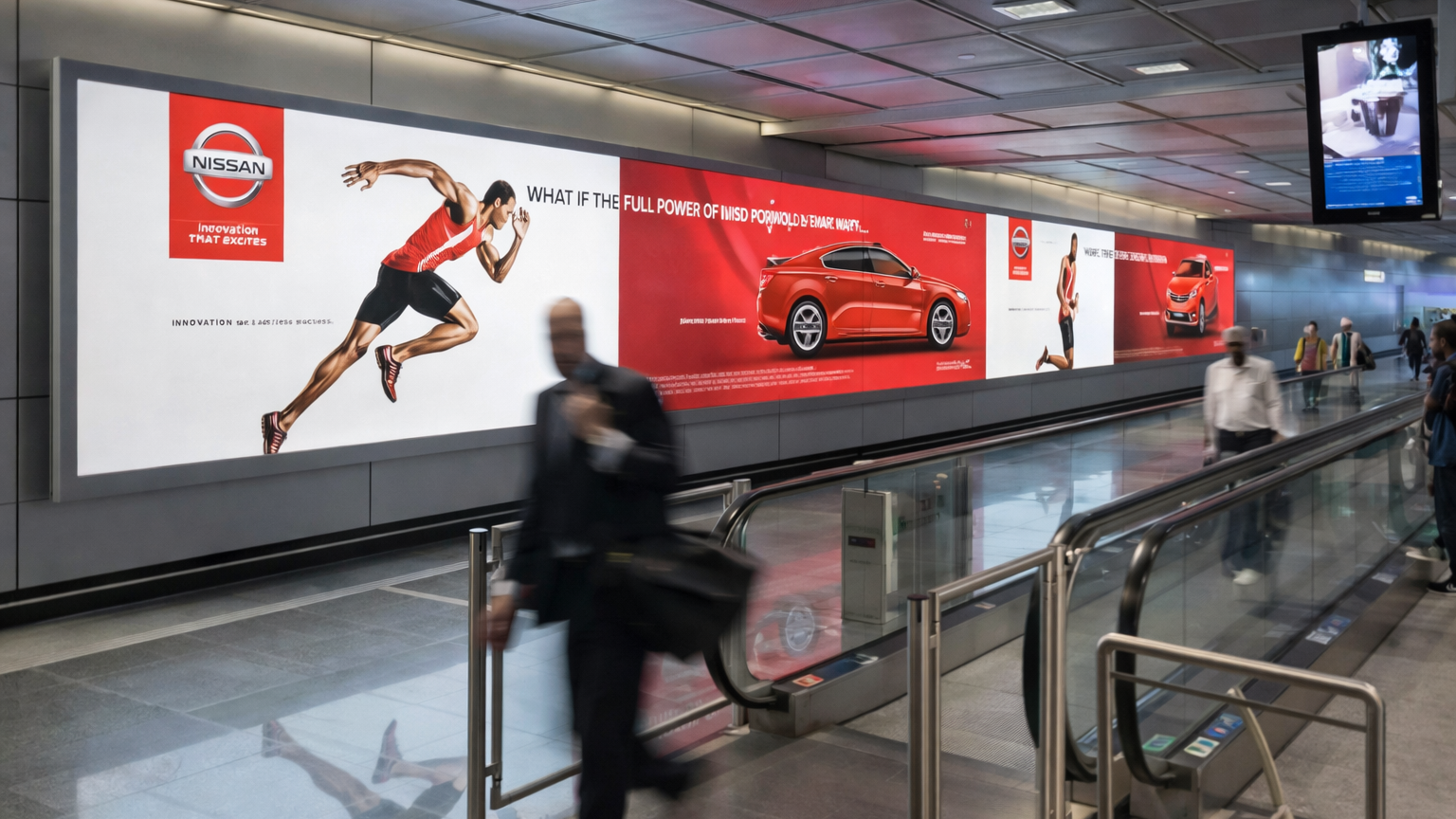
7. Cochin International Airport – Kochi
Cochin International Airport in Kerala handled over 10 million passengers in 2024‑25, with a significant portion of international travellers from the Middle East.
The airport attracts NRIs, international flyers and premium leisure travelers, making it ideal for premium audience advertising. Brands can leverage digital screens, lounge branding and baggage trolley advertising to maximize brand visibility in one of Kerala’s busiest aviation hubs.
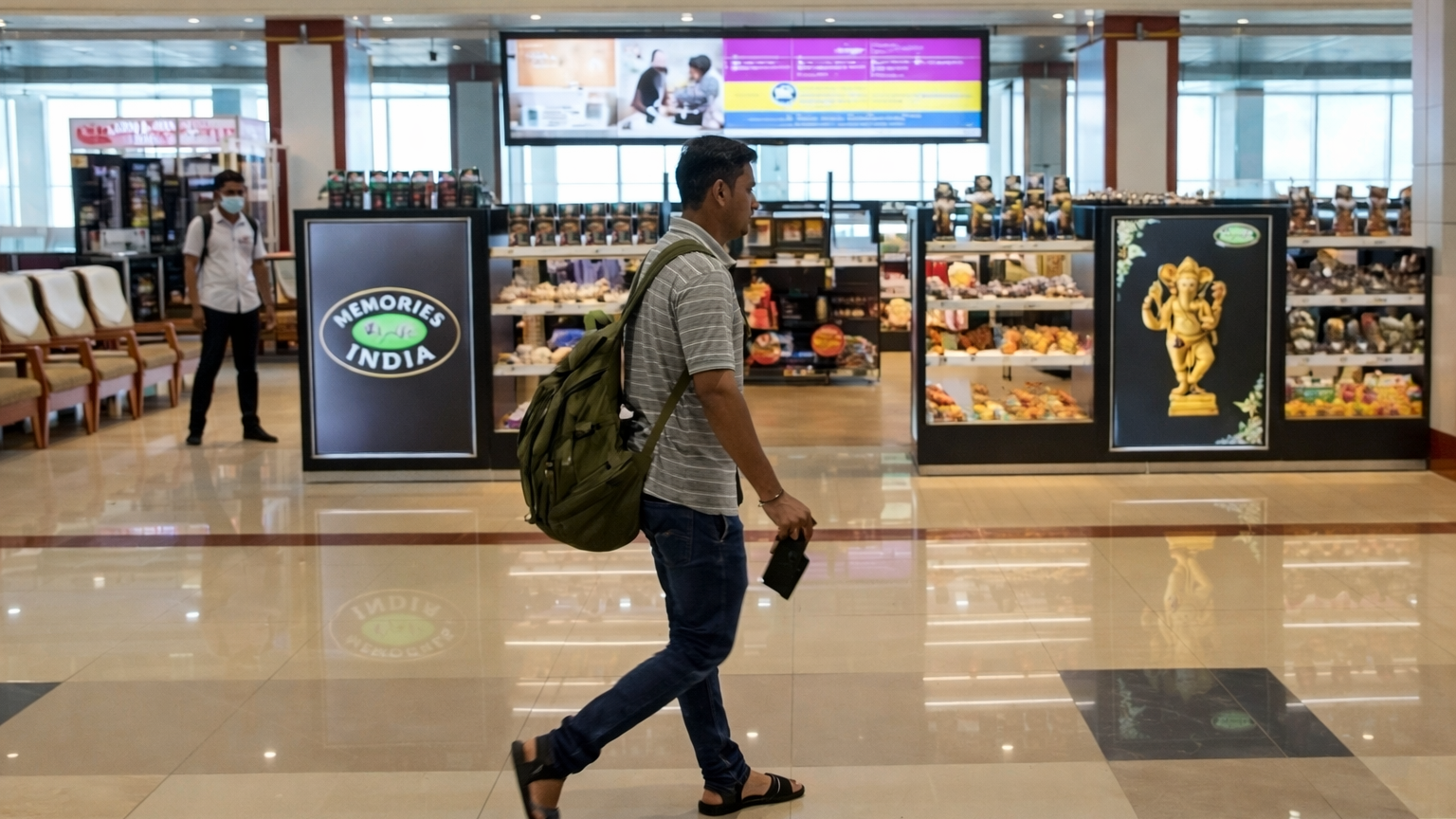
8. Sardar Vallabhbhai Patel International Airport – Ahmedabad
Sardar Vallabhbhai Patel International Airport in Ahmedabad handled over 9 million passengers in 2024‑25, serving domestic and International travelers.
The airport attracts business travelers from manufacturing, textiles, trade and industrial sectors, making it ideal for premium audience advertising. Brands can use digital screens, lounge branding and baggage trolley advertising to reach business-oriented and industrial audiences, ensuring strong brand visibility in western India’s key commercial hub.
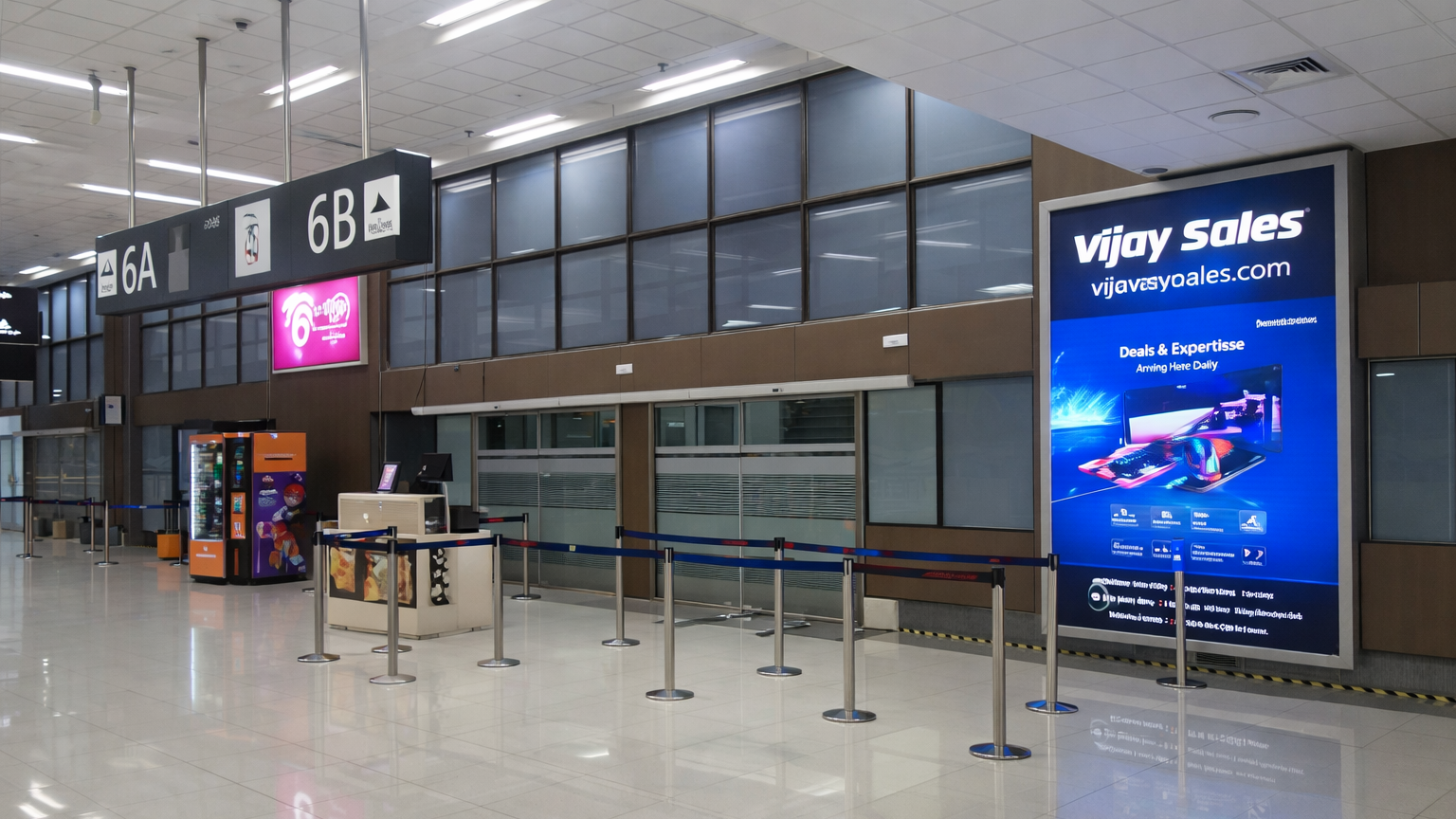
9. Goa International Airport – Goa
Dabolim Airport in Goa handled over 7 million passengers in 2024‑25, including domestic and international travelers.
The airport attracts leisure travellers and tourists year-round, making it ideal for premium audience advertising. Brands in travel, hospitality, lifestyle and consumer sectors can leverage digital screens, lounge branding and baggage trolley advertising to engage relaxed, highly attentive audiences and maximize brand visibility in one of India’s top tourist destinations.
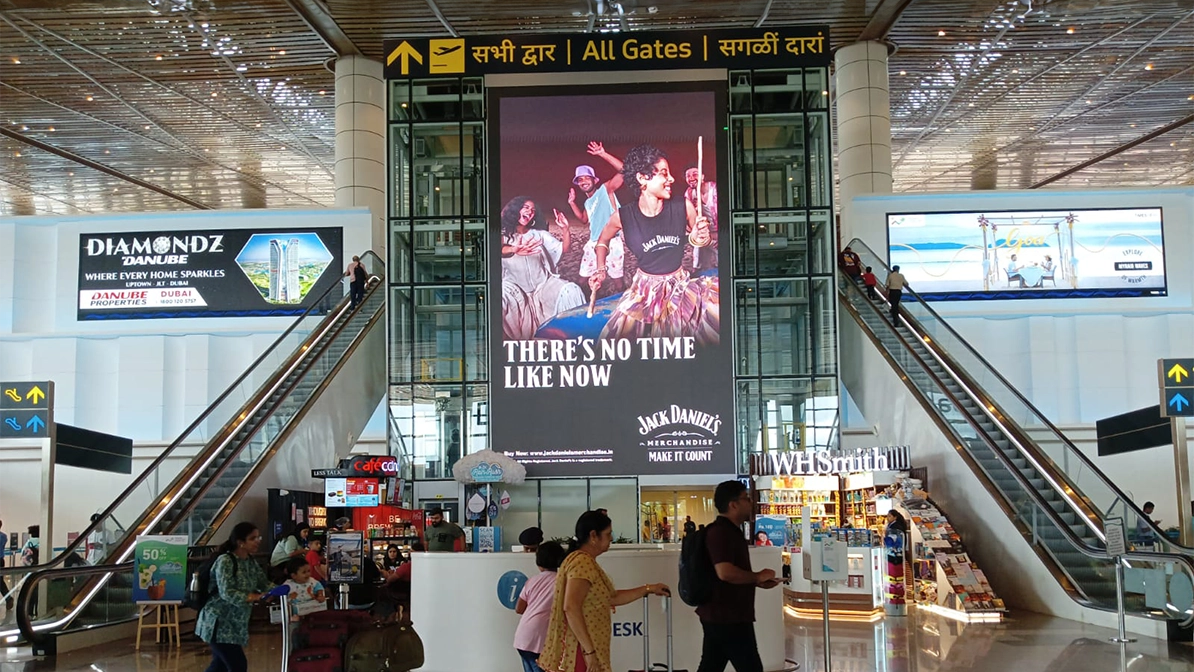
10. Pune International Airport – Pune
Pune International Airport handled over 5 million passengers in 2024‑25, serving domestic and international travelers.
The airport attracts professionals, students and business travellers, making it ideal for premium audience advertising. Brands targeting young professionals, IT employees and urban consumers can leverage digital screens, lounge branding and baggage trolley advertising to maximize brand visibility in one of Maharashtra’s fastest-growing aviation hubs.
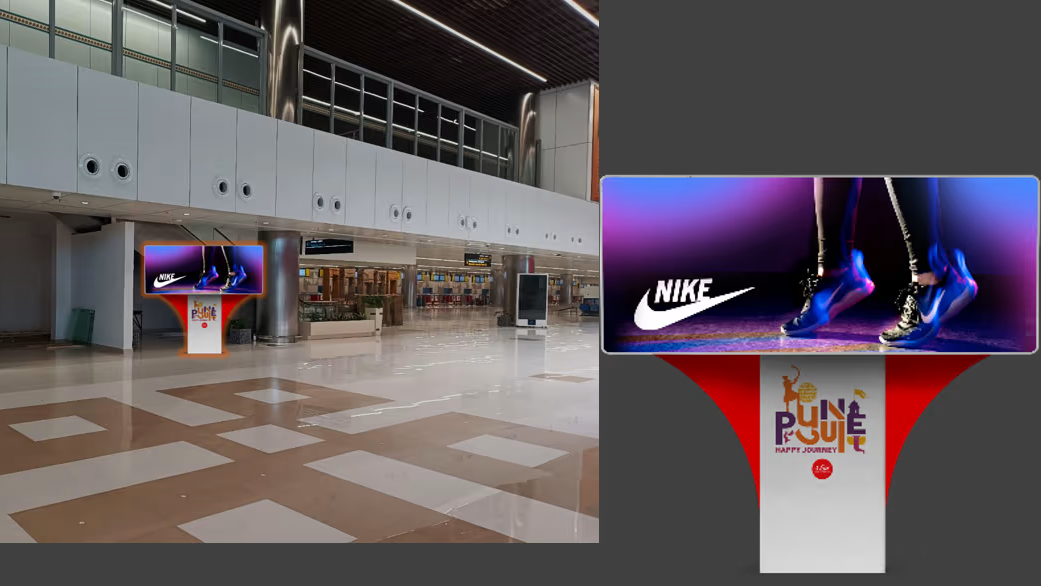
Role of an Airport Advertising Agency in India
Partnering with an airport advertising agency in India allows brands to plan and execute campaigns efficiently. These agencies handle airport selection, media planning, permissions, creative placement and on-ground execution.
An experienced agency ensures brands choose the right airports, advertising formats such as digital screens, lounge branding, baggage trolley advertising and optimal campaign durations. This maximizes brand visibility, engages premium audiences and maintains consistency across multiple locations, making airport advertising a highly effective offline marketing channel in India’s growing aviation market.
Airport advertising is one of the most premium and impactful offline marketing channels in India. With over 140 commercial airports and growing passenger traffic, brands have multiple high-visibility locations to showcase their campaigns.
By choosing the right airport advertising locations and partnering with a professional airport advertising agency in India, brands can reach influential, high-income audiences, maximize brand visibility and build long-term brand value across the country’s expanding aviation market.
Frequently Asked Questions (FAQs)
Q1. How much does airport advertising cost in India?
Airport advertising costs vary depending on airport location, format, and campaign duration. Premium metros like Delhi and Mumbai are priced higher than regional hubs.
Q2. Which airport is best for advertising in India?
Indira Gandhi International Airport and Mumbai International Airport offer the highest passenger footfall and premium audience exposure.
Q3. Is airport advertising effective for luxury brands?
Yes. Airports attract high-income travelers, corporate decision-makers and international audiences, making them ideal for luxury and premium brands.
Q4. What formats are available for airport advertising?
Digital screens, lounge branding, baggage trolley ads, wall wraps, escalator branding and experiential activations.
Why Choose Ginger Media Group for Affordable Offline Marketing
Ginger Media helps start-ups execute affordable offline marketing campaigns with clarity, transparency and measurable results. With expertise across outdoor, transit, print and on-ground activations, Ginger Media focuses on cost-effective solutions that deliver real brand visibility without unnecessary spending.
From planning and execution to monitoring and reporting, the team ensures startups get the best value from every campaign. By combining strategic media selection with strong on-ground execution, Ginger Media enables brands to scale offline marketing efficiently, reach their target audiences, and achieve measurable impact with confidence.
]]>Restaurants and QSRs operate in competitive, fast-moving markets where decisions are impulsive and visibility matters. Nearly 78% of QSR customers say marketing influences their order decisions and 70% of diners are more likely to visit a restaurant with a strong social media presence showing how strategic media shapes choice. Effective advertising strategies, backed by media planning for restaurants and QSR brands, use a mix of location-based and outdoor advertising to boost visibility.
By integrating digital, offline and omnichannel advertising, brands strengthen recall and drive footfall. These approaches help shape food choices, build strong media touchpoints and support growth.
What Is 8 Best Advertising Media for Restaurants & QSRs
Advertising media are the channels through which restaurants reach potential customers. For food brands, timing and repetition are critical making the right exposure at the right moment essential to influence spontaneous choices. Effective formats focus on three outcomes: visibility near the outlet, recall during hunger moments and reinforcement across touchpoints. Backed by strong media planning for QSR brands and point of sale advertising for QSRs, the following 8 quick service restaurant marketing channels deliver consistent recall and sustainable growth:
1. Outdoor Hoardings Near Catchment Areas
Hoardings placed near residential clusters, office zones, or high traffic junctions are a strong advertising medium for restaurants.

They are most effective when situated within a short walk or drive from the outlet. Frequent exposure enhances brand recall, keeping the brand top of mind during dining choices.
Local advertising boards help QSRs create buzz and establish a strong presence in new areas.
2. Transit Advertising Around Commute Routes
Transit advertising leverages high-traffic areas like metro stations, bus routes and key junctions. With over 60% of urban commuters passing these spots daily, even brief glances add up and repeated exposure boosts brand recall by up to 70%.
For restaurants and QSRs, transit ads create consistent visibility, keeping the brand top of mind during meal decisions.
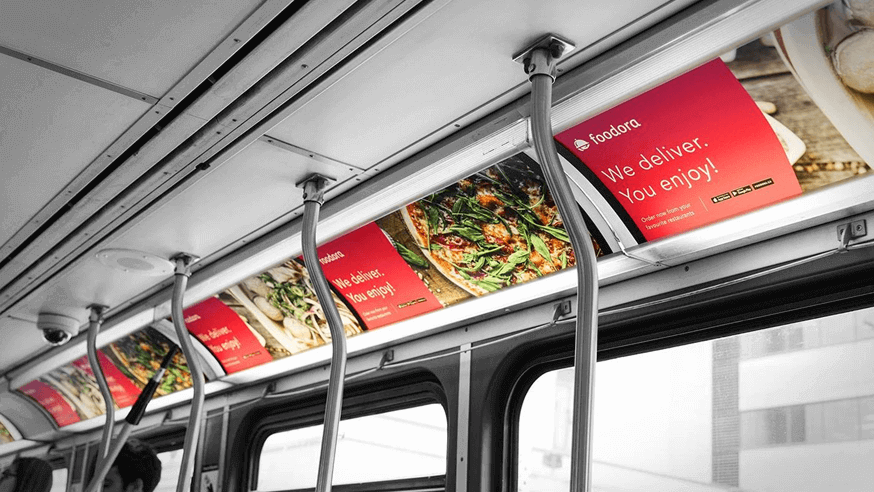
QSRs targeting office goers and students benefit significantly from this medium.
3. Food Delivery App Visibility & In App Media
Food delivery platforms are a key discovery and conversion channel for restaurants and QSRs. With in-app banners, sponsored listings, and featured placements, these platforms influence users actively searching for meals. Sponsored listings can boost visibility by over 50%, while restaurants using ads often see order increases of 30% within a month.
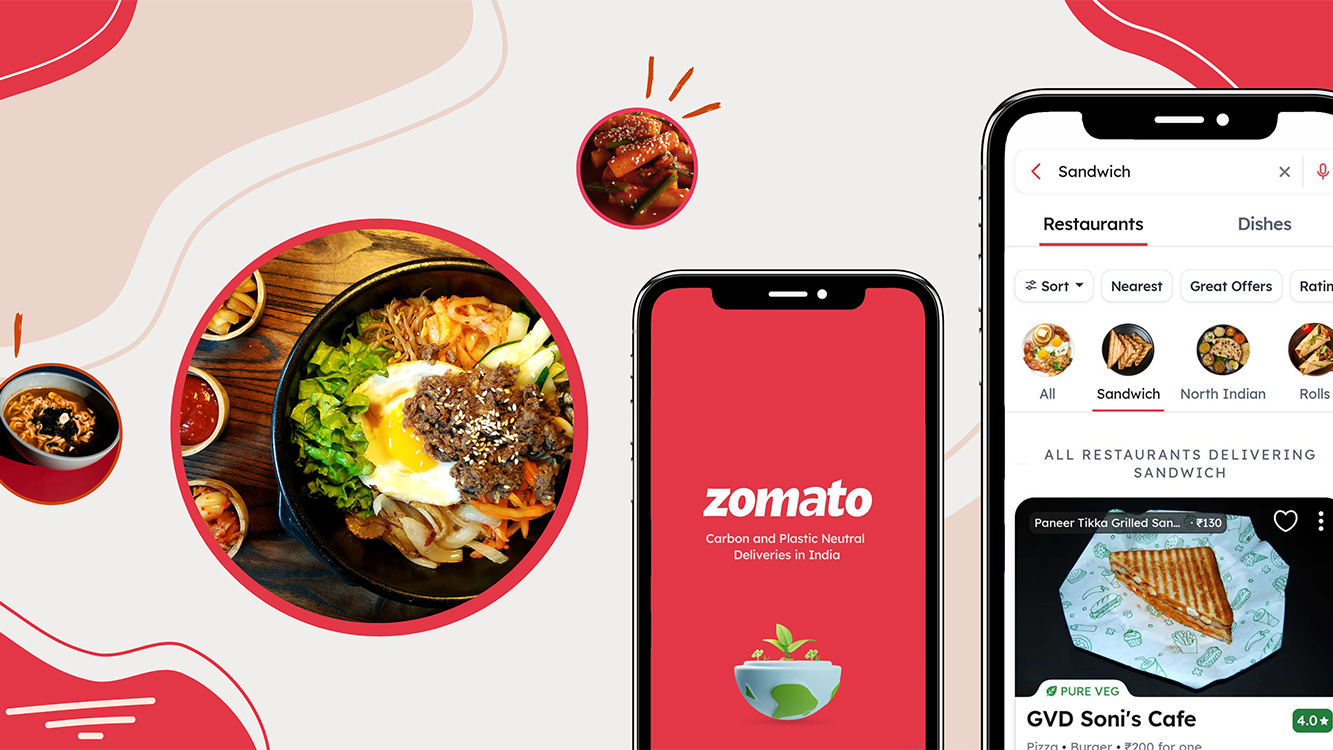
It is supported by offline visibility, ensuring Brand recognition when seen on the app.
4. Micro Influencers & Hyperlocal Content Collaborations
Micro influencers and food reviewers help restaurants reach local audiences effectively. Studies show that 35% of diners make restaurant choices based on online reviews, and 83% of consumers trust recommendations from bloggers and local content creators more than traditional ads, making these voices highly credible.
Restaurants collaborating with micro-influencers often see up to 40% higher local footfall and significantly increased engagement on social media. With 74% of consumers using social media to decide where to eat, authentic content from trusted local voices helps build trust quickly and drives both orders and visits.

For new or local restaurants, this approach drives awareness and trust in targeted neighbourhoods.
5. In Store and Point of Sale Advertising Media
In-restaurant advertising like standees, menus, table tent and digital screens.
Influences add-ons, combos, and repeat purchases. Around 70% of diners notice in store promotions and menu-based upselling can increase average order value by 15–20%.
These formats work best when customers are ready to order, with digital screens and table tents driving up to 30% higher engagement and boosting immediate sales.
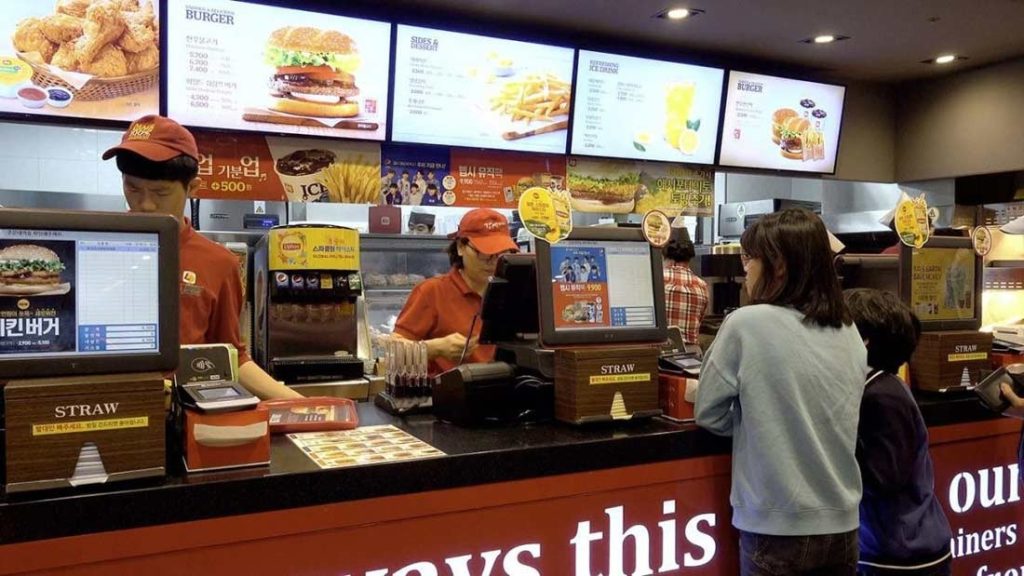
QSRs use in store media to increase average order value without additional customer acquisition costs.
6. Geo Targeted Mobile Advertising
Mobile advertising is highly effective when paired with location targeting. Ads triggered within a defined radius around restaurants can double engagement and conversion rates compared to generic campaigns. Studies show location-based ads drive 80% more store visits, and consumers exposed to nearby ads are 30% more likely to visit the outlet.

Restaurants using geo targeted media have walk-ins when campaigns are aligned with lunch, evening, or late night hours.
7. Cinema & Mall Advertising Media
Malls and cinema complexes draw audiences already ready to eat or socialize. Placing ads in food courts, mall corridors and cinema lobbies captures attention at the perfect moment, reaching consumers in a receptive mindset. This strategic exposure not only builds brand recall but also drives footfall directly, making these high-traffic locations ideal for restaurants and QSRs looking to turn intent into action.

QSRs and casual dining brands use this medium during weekends and festive periods.
8. Local Radio & Audio Advertising
Radio is a relevant advertising medium for restaurants operating at the city or regional levels.
Short, repetitive audio spots recall brand names and locations and are provided during commute hours. Radio works for promotions and limited time deals.

Why Advertising Media Choice is Critical for Restaurants & QSRs
Restaurants and QSRs operate in highly competitive markets with thin margins; every marketing rupee counts. Choosing the wrong advertising channel can waste up to 30% of your spend and deliver low returns, while the right media drives visibility, engagement, and sales.
The most effective channels are contextually relevant, targeting hunger moments, commute routes, and nearby locations. Outdoor media builds awareness, mobile and app ads capture intent, and in store displays increase order value, creating a seamless customer journey that drives footfall and repeat visits.
Frequently Asked Questions (FAQs)
Q1. What is the best advertising medium for restaurants?
Outdoor hoardings, transit advertising, and geo targeted mobile ads are among the most effective channels for driving local footfall.
Q2. How do QSRs increase footfall through advertising?
By combining location-based outdoor media, food delivery app promotions, and in store advertising, QSRs create multiple brand touchpoints.
Q3. Is digital advertising better than outdoor advertising for restaurants?
Both work best together. Outdoor builds awareness while digital captures intent and drives immediate orders.
Choosing the right advertising media is crucial for restaurants and QSRs to boost visibility and drive footfall. In a category fueled by impulse and proximity, the right media can influence decisions within minutes.
For restaurants, success comes from being visible where customers already are. Carefully selected advertising channels help build recall, trust, and encourage repeat visits. Start by understanding customer movement and meal-time behavior. This ensures your brand stays relevant, competitive, and top of mind in a crowded and fast-moving food market.
Why Choose Ginger Media Group for Affordable Marketing
Ginger Media helps startups execute affordable marketing campaigns with clarity, transparency, and measurable impact. With strong expertise across outdoor, transit, print, and on ground activations, Ginger Media focuses on cost effective solutions that deliver real visibility without unnecessary spending. From planning and execution to monitoring and reporting, the team ensures startups get the best value from every offline campaign. By combining strategic media selection with on ground execution strength, Ginger Media enables brands to scale offline marketing efficiently and confidently.
]]>Indian cities are moving faster, smarter, and more connected than ever and brands are looking beyond personal screens to reach consumers in the real world. The city itself has become a powerful canvas for communication, where every street, transit hub, and lifestyle space offers an opportunity to connect.
Digital Out-of-Home (DOOH) advertising is transforming these urban spaces, turning commutes, shopping trips and daily routines into meaningful brand moments. With inventory expanding rapidly across transit hubs, residential zones, retail environments and lifestyle destinations, DOOH offers visibility that is both dynamic and contextually relevant.
The top 10 DOOH advertising formats in India, explained clearly for practical planning.
1. Metro Station Digital Screens
Metro stations are among the most effective DOOH advertising formats in India. Commuters walk, wait and pause multiple times within station premises, providing high dwell time for ads.
Digital screens placed near entry gates, ticketing areas, staircases and platforms benefit from repeated daily exposure, with over 500,000 commuter impressions per day at busy stations like Delhi Metro’s Rajiv Chowk, Mumbai Metro’s Andheri, and Bengaluru Metro’s Majestic. This frequency helps brands build strong recall and reinforce messaging over time.
Metro DOOH advertising works in cities such as Delhi, Mumbai, Bengaluru and Hyderabad, where commuter volumes remain consistently high, making these formats ideal for mass visibility and engagement.
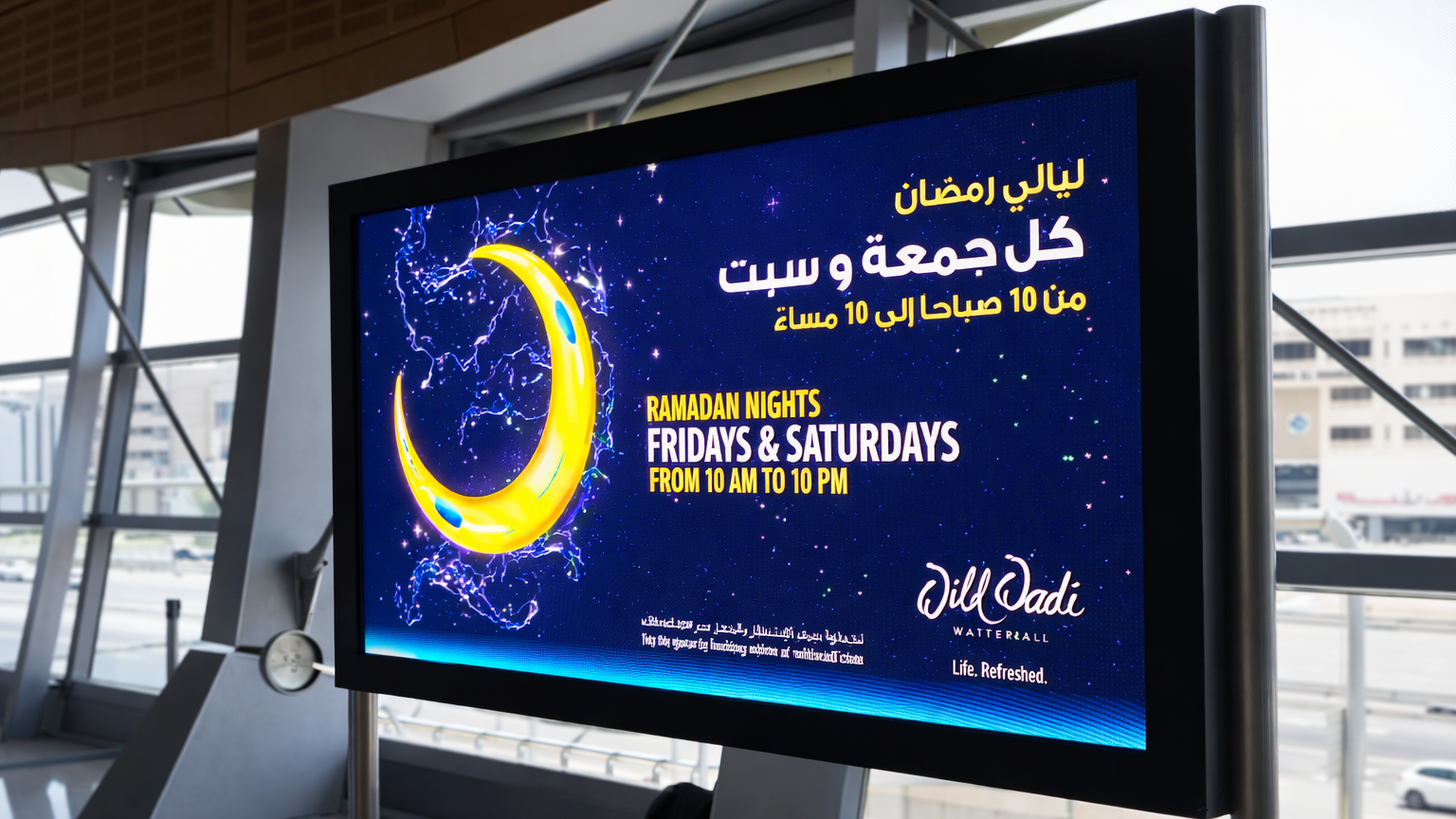
2. Fuel Station (Petrol Pump) Digital Screens
Fuel stations are a unique DOOH advertising environment with guaranteed attention windows. Drivers and passengers spend time refuelling, making payments or waiting briefly.
Digital screens near fuel pumps, billing counters and convenience stores capture attention in a controlled, uncluttered environment, making every second of exposure highly effective.
Although viewing time is short, these screens deliver focused impressions, reaching 10,000 to 50,000 consumers daily at busy urban locations.
This DOOH format works best for FMCG, automotive, fintech and consumer service brands targeting urban audiences, providing high-frequency, contextually relevant visibility.
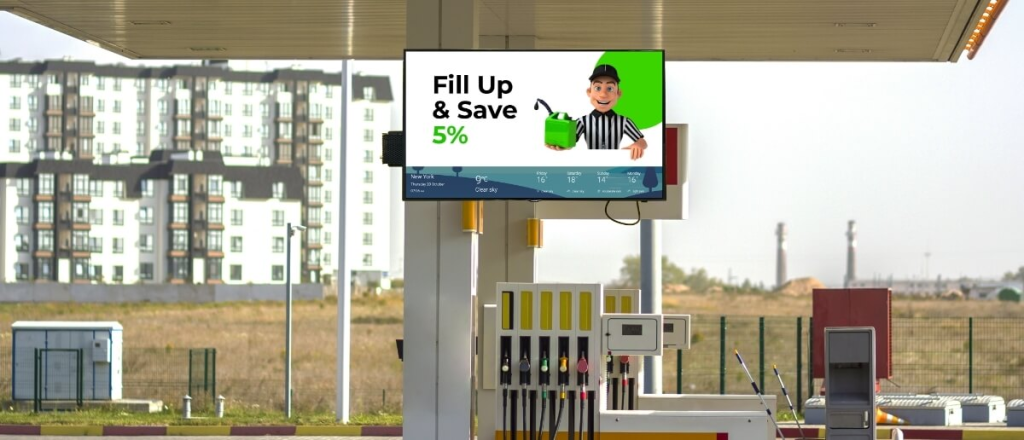
3. Mall Digital Screens
Malls are high-impact DOOH advertising locations with footfall often exceeding 50,000 visitors per day and longer dwell times.
Screens placed at entrances, corridors, escalators, food courts and multiplex lobbies reach shoppers in a browsing or buying mindset, with exposure happening across multiple visits, helping brands build strong recall.
For retail, lifestyle and entertainment brands, mall DOOH advertising formats support discovery and brand reinforcement effectively.
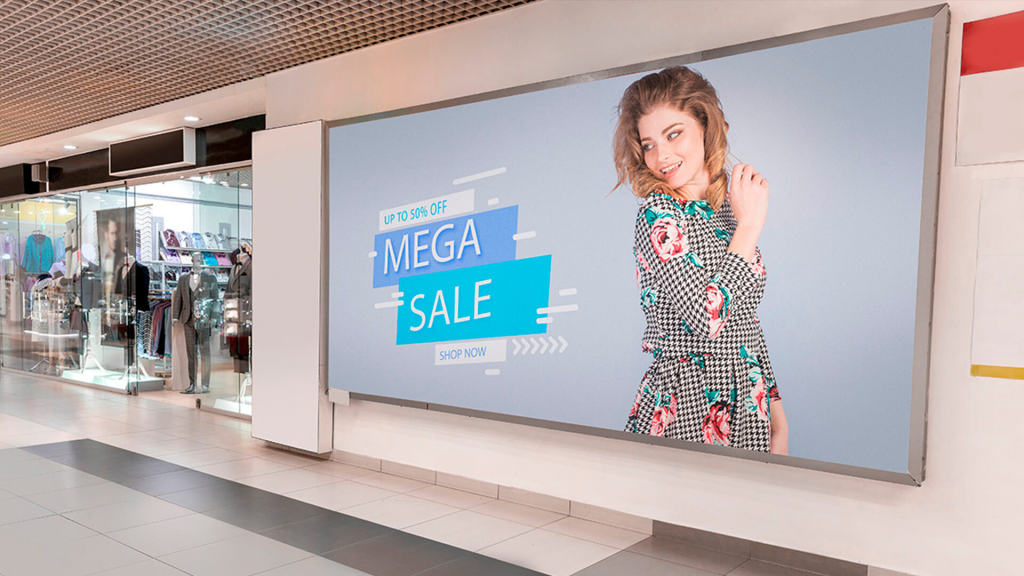
4. Residential Society & Gated Community Digital Screens
Residential societies and gated communities are emerging as powerful DOOH advertising formats in India.
Screens placed at society entrances, lift lobbies, clubhouses, and parking areas reach over 5,000 to 20,000 residents daily, including families, working professionals and decision makers in a trusted, captive environment.
This format works for brands giving daily use products, local services, education, healthcare and real estate solutions.

5. Airport Terminal Digital Displays
Airport terminals are premium DOOH advertising environments with extended dwell time.
Travellers spend significant time at check-in, security, boarding gates and baggage claim areas, providing 10,000 to 50,000 daily impressions at busy airports like Delhi, Mumbai and Bengaluru. Digital screens in these zones allow brands to communicate effectively without distractions, building high recall and premium brand perception.
Airports such as Delhi, Mumbai, and Bengaluru are key hubs for DOOH advertising formats in India, for brands targeting business travellers and affluent audiences.

6. Digital Billboards on Roads and Flyovers
Large-format digital billboards on highways, arterial roads and flyovers deliver city-wide visibility, reaching 50,000 to 150,000 vehicles daily in busy corridors.
DOOH formats allow time-based or event-led creative updates without reprinting costs and messaging can be simplified for fast-moving traffic, ensuring maximum impact in short exposure windows.
Digital billboards work for brand awareness and recall, for launches, festive campaigns and mass market communication.

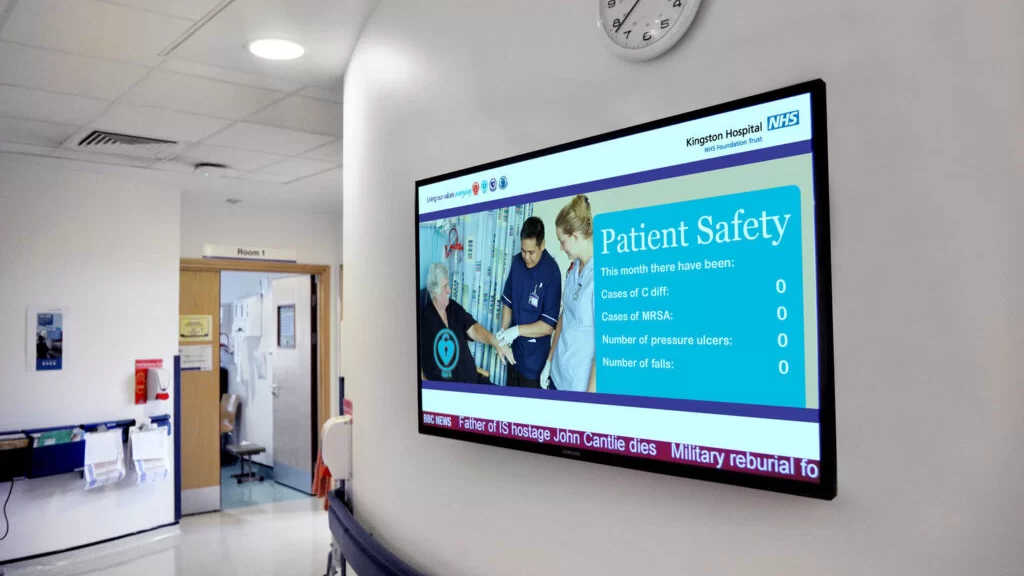
7. Digital Screens in Hospitals & Healthcare Facilities
Hospitals and healthcare facilities offer high dwell time and focused attention, with patients and attendants spending 20 to 60 minutes on average in waiting areas.
Screens placed in waiting lounges, OPDs, pharmacies and diagnostic centres reach 3,000 to 15,000 viewers per day at busy urban facilities, making this DOOH format highly effective for clear, trust-led brand messaging.
DOOH advertising format works well for healthcare brands, insurance, wellness products, and services targeting families.
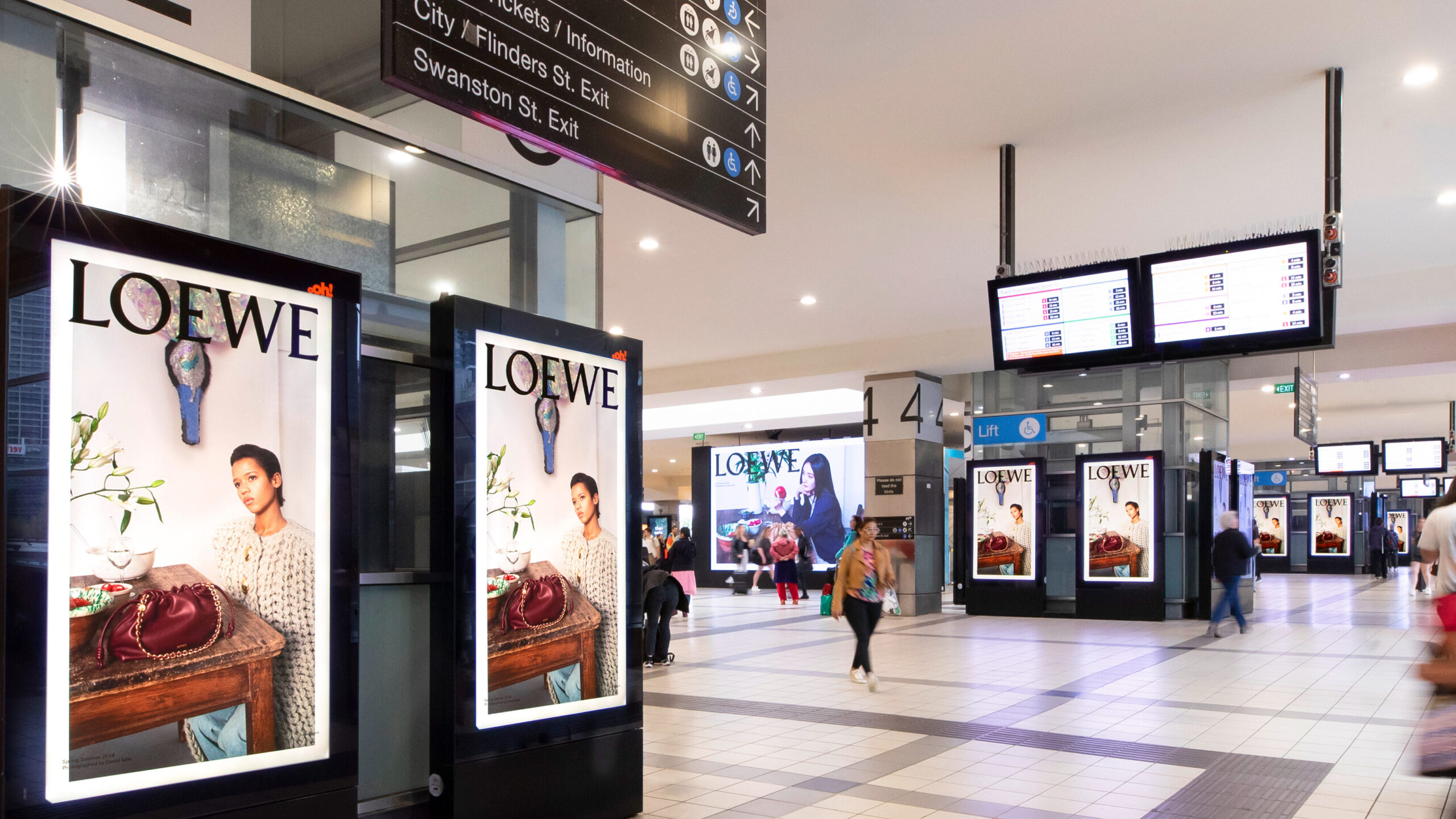
8. Railway Station Digital Screens
Railway stations are among the busiest public spaces in India, with the Indian Railways network handling over 20 million passengers every day across major and mid-sized cities.
Digital screens at station entrances, platforms, foot overbridges and waiting areas deliver 20,000 to 60,000 daily impressions at high-traffic stations.They reach daily commuters and long-distance travellers, with 10 to 40 seconds of viewing time per pass, helping build strong and consistent brand recall.
The format builds mass awareness and is a strong pillar of DOOH advertising in India.
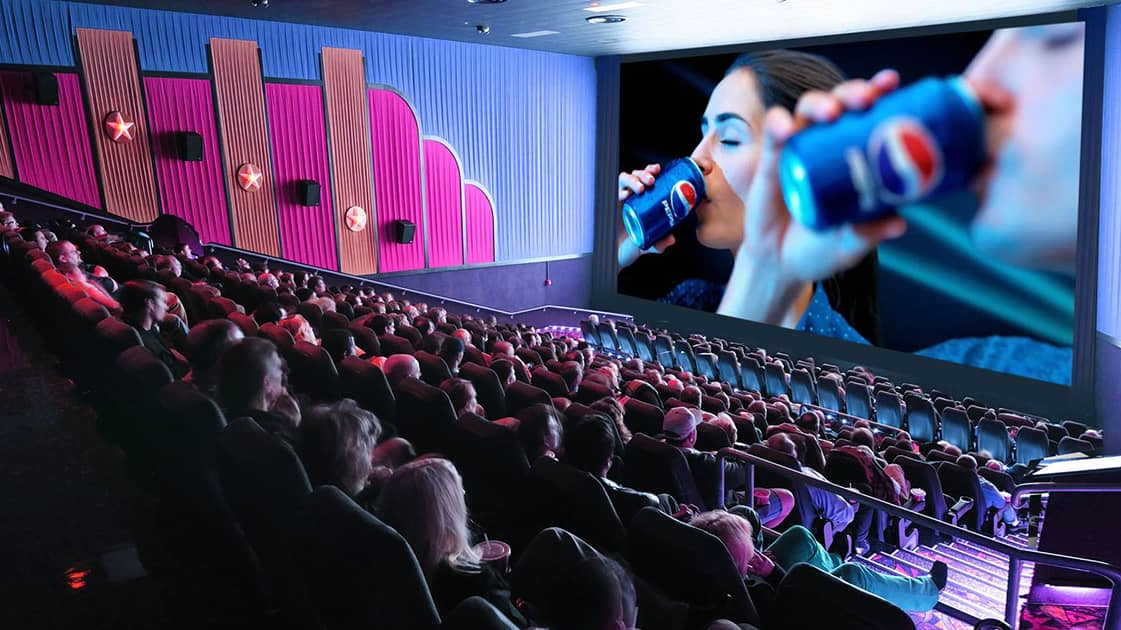
9. Cinema & Multiplex Digital Screens
Cinema and multiplex environments offer highly captive audiences before screenings, with viewers spending 10 to 25 minutes on average in pre-show and waiting zones.
Digital screens in ticketing areas, lounge zones and food courts capture attention with limited distractions, delivering high message absorption and stronger brand recall.
DOOH advertising format works for entertainment, FMCG, mobile apps, and lifestyle brands seeking strong recall.
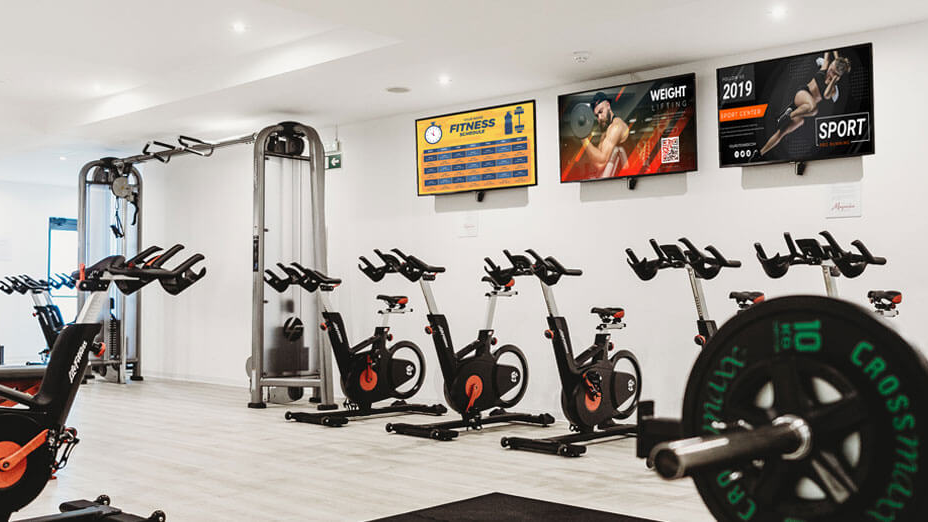
10. Hospitality & Leisure Space Screens
Hospitality and leisure spaces such as hotels, gyms, cafes, co-working spaces and entertainment venues offer high-attention environments, with visitors spending 30 to 90 minutes on average per visit.
Digital screens in these venues can deliver 2,000 to 8,000 daily impressions per location, making them effective for focused brand visibility and contextual messaging.
Screens in these environments reach audiences during relaxed or downtime moments. Brands use this DOOH advertising format to build contextual relevance.
Why Choosing the Right DOOH Advertising Format Matters
Many brands view DOOH advertising as a single category. The DOOH advertising format serves a different objective.
Transit heavy formats drive frequency and scale. Residential, healthcare and hospitality formats build trust and familiarity. Retail and cinema formats influence consideration.
Effective DOOH advertising strategies focus on format alignment. This delivers stronger outcomes.
DOOH advertising is a strategic media that blends physical presence with digital flexibility. The effectiveness of DOOH advertising lies in choosing the right formats for specific audience moments.
For DOOH advertising formats in India, understanding how people move, wait and engage in real world environments. Well chosen formats deliver consistent visibility, contextual relevance and long term recall.
Exploring DOOH advertising as part of your media, start by mapping customer journeys across the city. Identifying the right DOOH advertising formats helps your brand stay visible, credible, and relevant.
Why Choose Ginger Media Group for Affordable Marketing
Ginger Media helps startups execute affordable marketing campaigns with clarity, transparency and measurable impact. With strong expertise across outdoor, transit, print and on ground activations. Ginger Media focuses on cost effective solutions that deliver real visibility without unnecessary spending. From planning and execution to monitoring and reporting, the team ensures startups get the best value from every offline campaign. By combining strategic media selection with on ground execution strength, Ginger Media enables brands to scale offline marketing efficiently and confidently.
]]>Outdoor advertising is still one of the most powerful ways to build mass awareness in Mumbai. Every day, over 12 million commuters navigate the city’s roads, highways and transit hubs but many brands miss the mark by picking hoardings based on availability rather than strategy. In a fast-moving city, the right placement means your ad isn’t just seen but it’s noticed, remembered and acted upon, increasing brand recall by up to 30%.
In the world of outdoor media, location isn’t just a spot on a map, it’s the difference between a passive billboard and a high-impact marketing tool. The right hoarding can:
- Grab visibility: Prime locations reach 50,000+ impressions daily.
- Capture attention: Busy commuter routes make messages hard to ignore.
- Boost impact: Top spots can increase audience engagement by 20–25%.
In this guide, we’ll uncover why location makes or breaks your outdoor campaign, how it directly affects visibility and attention and reveal the top 10 hoarding locations in Mumbai that brands swear by to maximize reach and create lasting impressions.
What Is Top 10 Hoarding Locations in Mumbai for Maximum Brand Visibility
Hoarding locations are specific outdoor sites where large format billboards are installed to capture public attention. These locations are chosen based on traffic flow, sightlines, dwell time and the type of audience passing through.
In Mumbai, hoarding locations perform differently based on traffic flow. Ads on fast-moving flyovers reach over 50,000 commuters daily, delivering quick impressions, while hoardings at traffic signals enjoy longer viewing times of 30–60 seconds, allowing messages to sink in. The true effectiveness of a hoarding depends on how naturally it fits into daily travel patterns, ensuring repeated exposure and increasing brand recall by up to 30%.
The top 10 hoarding locations in Mumbai consistently deliver high visibility, reaching 100,000+ people daily across both residential and commercial zones, making them prime choices for brands seeking maximum awareness and engagement.
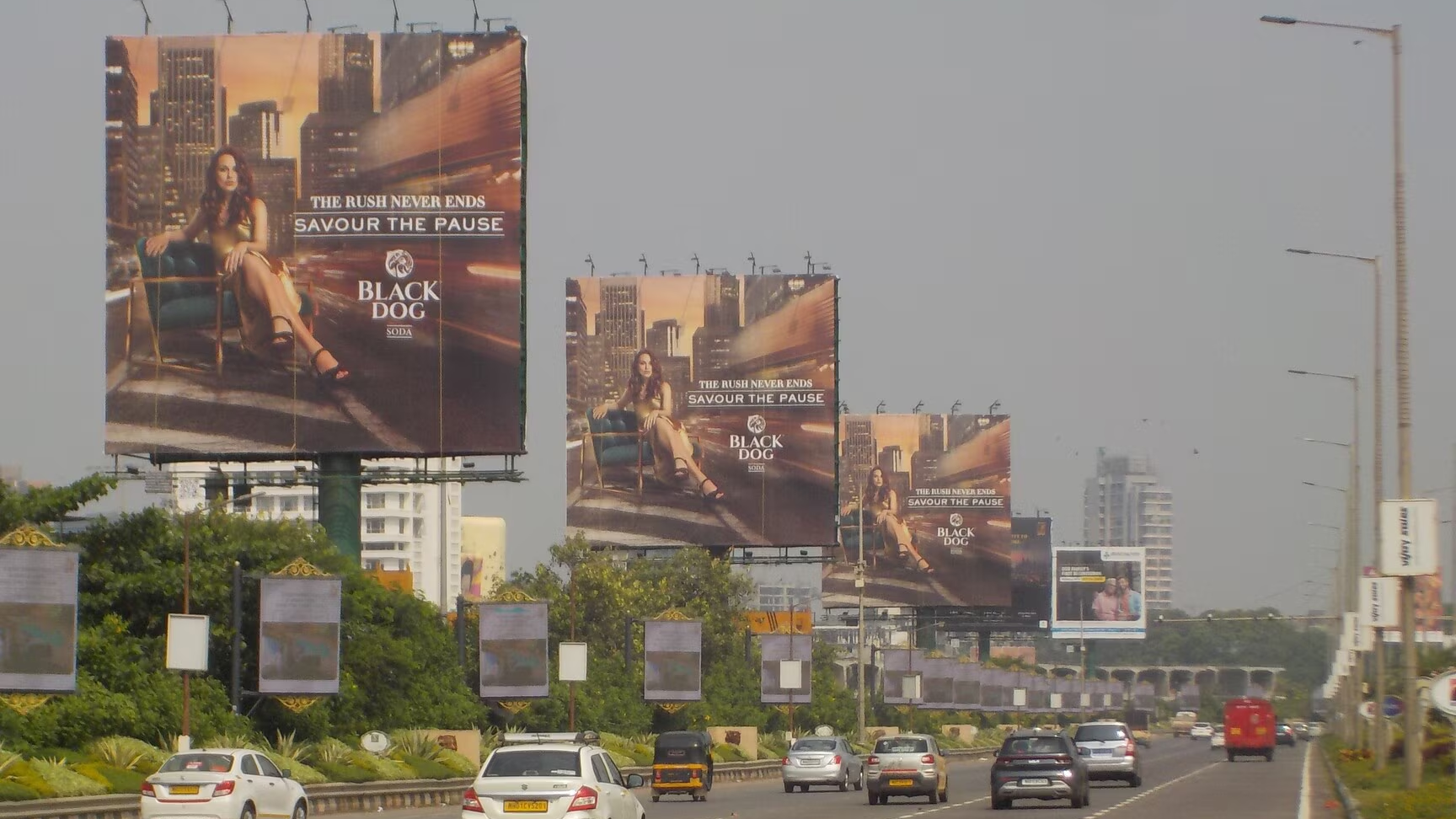
1. Bandra Kurla Complex (BKC)
BKC is the hoarding location in Mumbai. It attracts corporate professionals, business leaders, and high income audiences.
Hoardings on BKC roads benefit from slow-moving traffic and long signal stops, giving commuters 20–60 seconds of dwell time which is enough for messages to sink in and boost brand recall. This makes BKC a hotspot for brands in finance, real estate, luxury and technology, as these hoarding locations offer credibility-driven visibility and connect with a premium, professional audience.
2. Western Express Highway
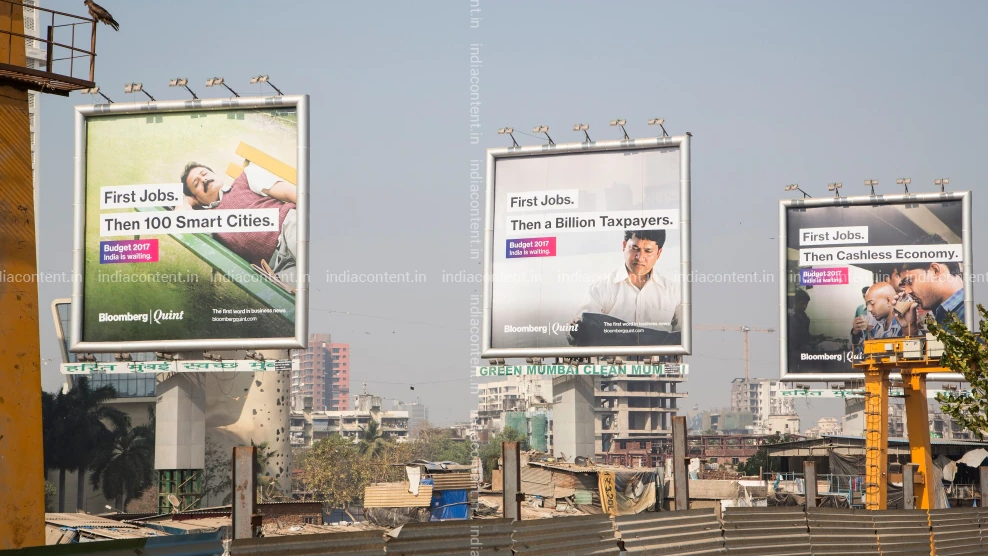
The Western Express Highway is one of the best hoarding locations in Mumbai for city wide exposure. It connects the residential areas to South Mumbai and carries heavy daily traffic
Hoardings in high-traffic areas deliver thousands of impressions every peak commute hour and while viewing time may be short, repeated exposure throughout the day strengthens message recall by up to 30 percent. These locations are ideal for mass-market brands, new product launches and city-level campaigns, helping messages reach a wide audience quickly and effectively.
3. Andheri East West Link Road
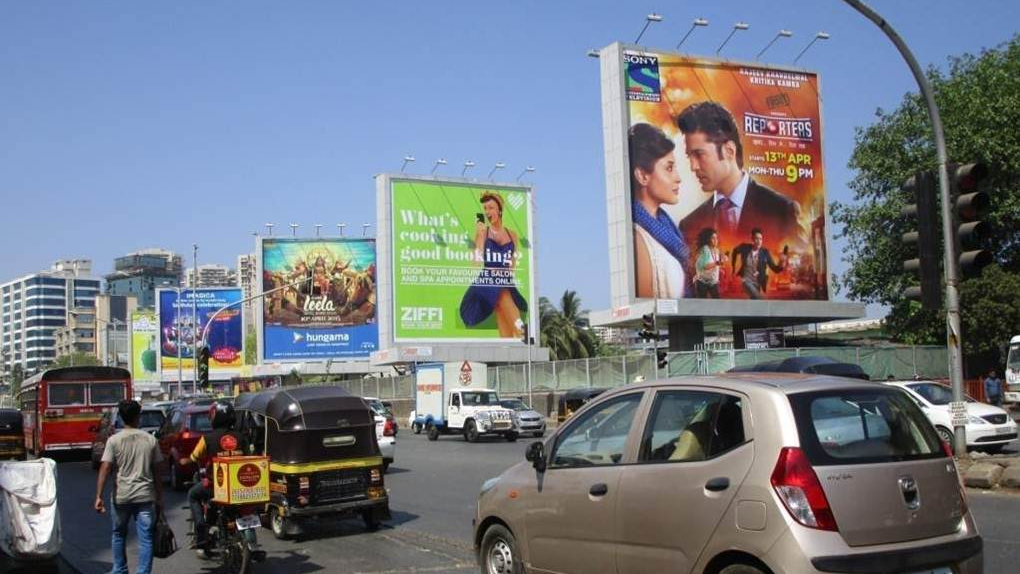
This corridor links residential areas with commercial hubs and offices. Traffic congestion during peak hours makes it a high-impact hoarding location with over 40,000 vehicles passing daily.
Hoardings near junctions and signal-heavy stretches gain extended visibility, giving commuters 20 to 60 seconds to notice the message. The audience includes working professionals and daily commuters, making it ideal for brands targeting city professionals.
For brands seeking balanced reach across income segments, this is a reliable option for Mumbai hoarding sites.
4. Lower Parel and Worli Stretch
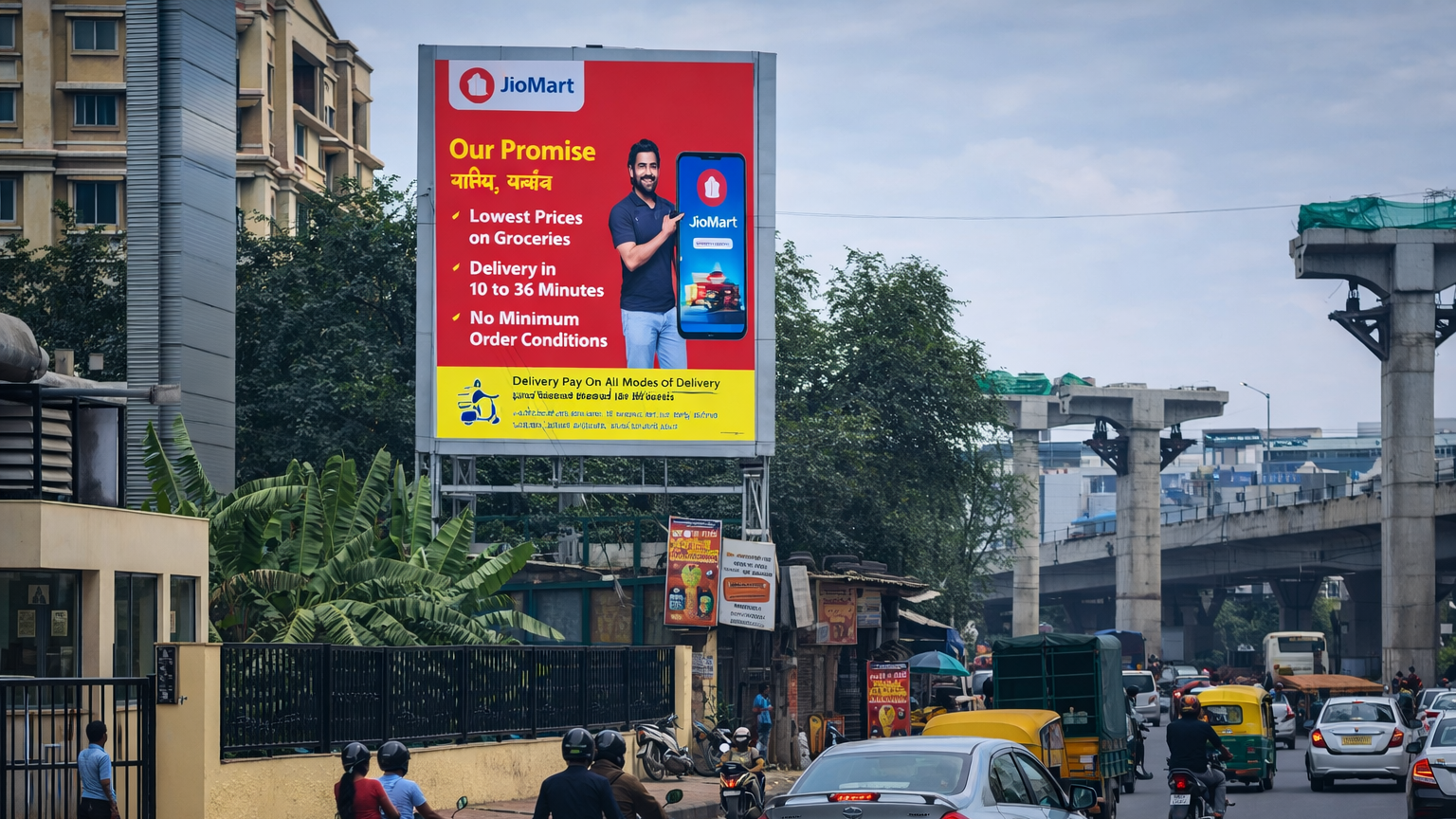
Lower Parel and Worli represent the Mumbai commercial and lifestyle zones. These areas attract office goers, shoppers, and nightlife crowds.
Hoarding locations near malls, offices and arterial roads in this stretch deliver strong visibility on weekdays and weekends.
These locations are preferred by brands targeting urban consumers, helping to build aspirational brand recall.
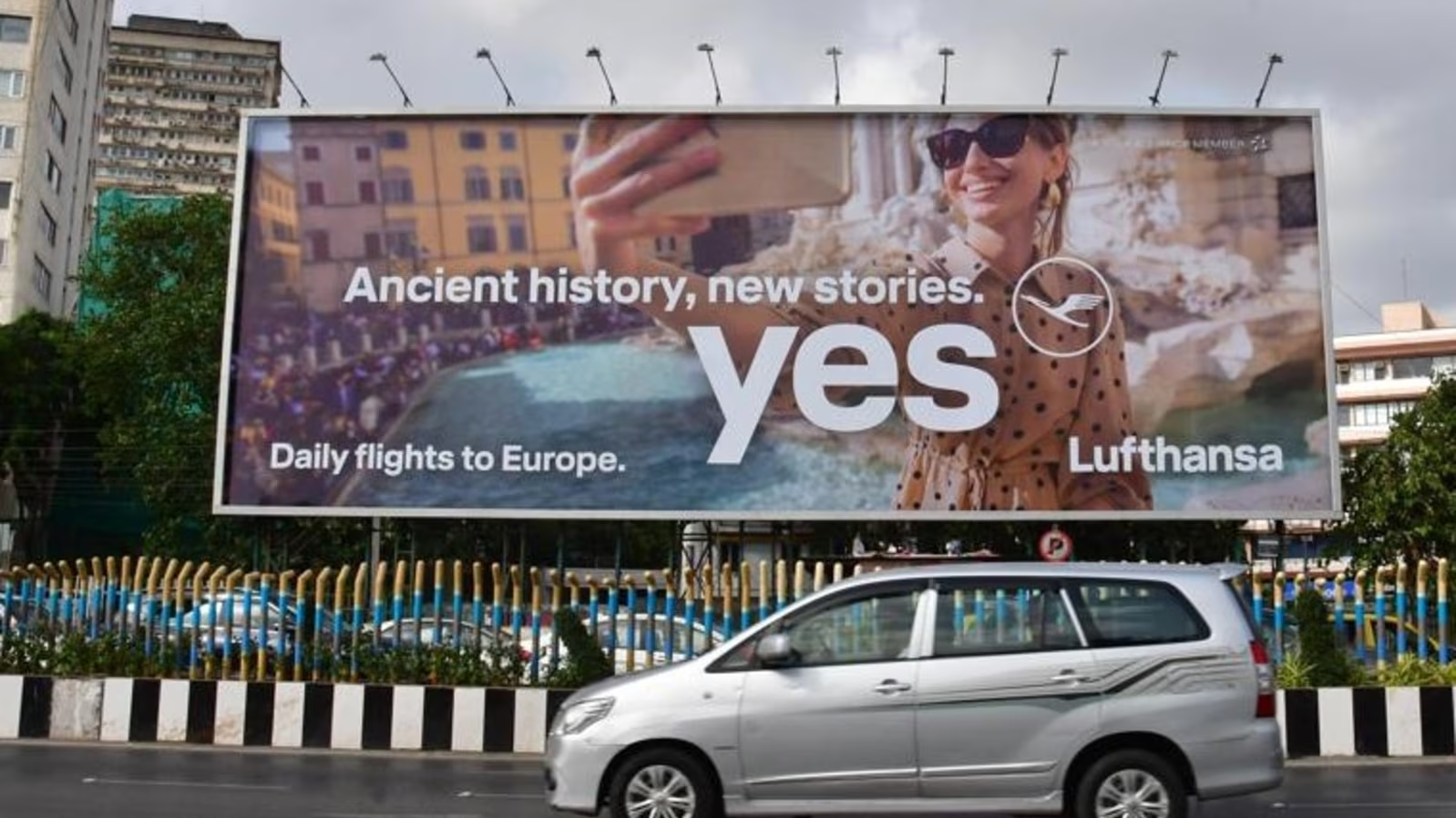
5. South Mumbai (Marine Drive, Churchgate, CST)
Hoarding locations in South Mumbai deliver long-term brand value. Areas like Marine Drive, Churchgate and CST see consistent pedestrian and vehicular movement, with over 30,000 daily footfall and 50,000+ vehicles passing by.
Hoardings benefit from iconic surroundings and longer attention spans during non peak hours.
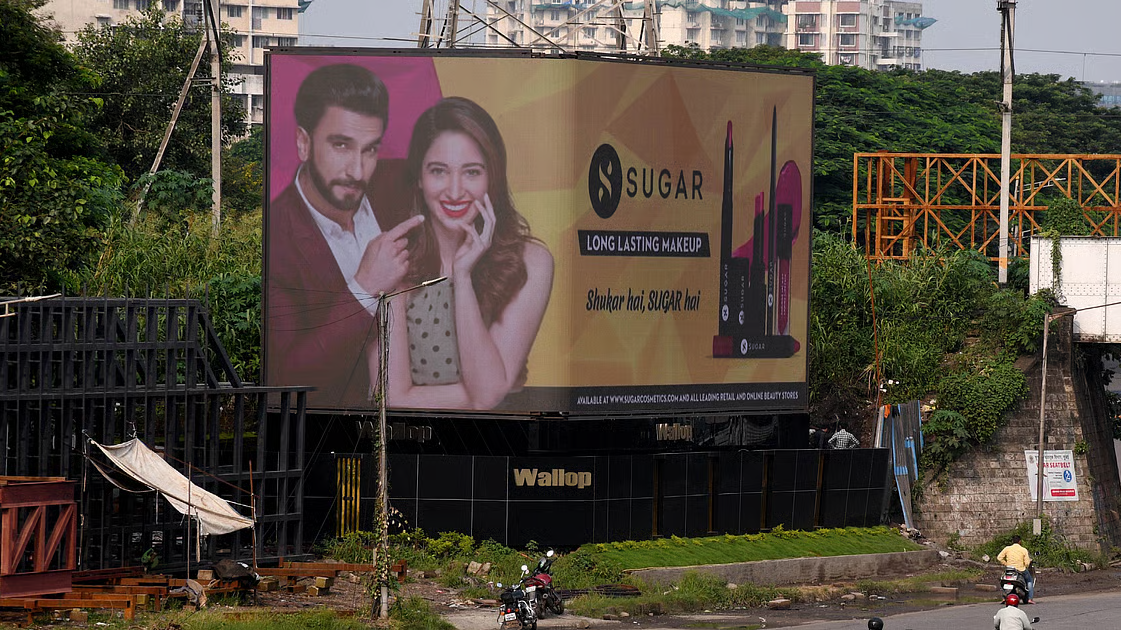
6. Jogeshwari Vikhroli Link Road (JVLR)
JVLR connects the western and eastern areas and handles over 60,000 vehicles daily with heavy cross-city traffic throughout the day.
Hoardings here benefit from slow-moving traffic during office hours, giving commuters 20 to 45 seconds of viewing time and boosting brand recall.
Brands for deep daily impressions across diverse audiences, JVLR is a strong hoarding location.
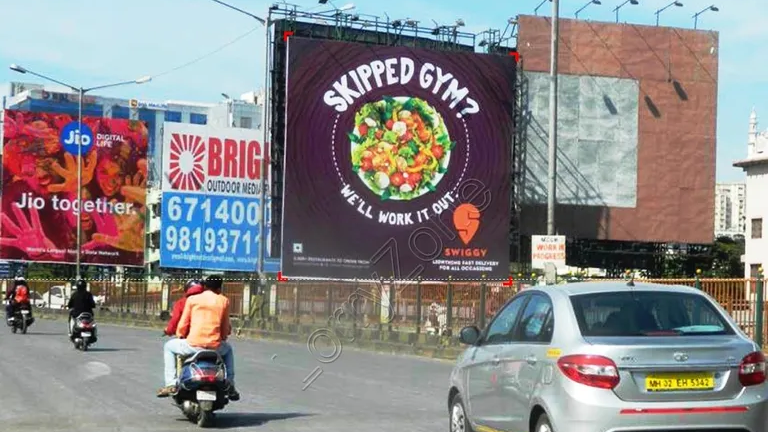
7. Goregaon and Malad Link Road
This area is surrounded by residential societies, IT parks, malls, and studios. It combines workday and weekend traffic effectively.
Hoarding locations in South Mumbai deliver long-term brand value. Areas like Marine Drive, Churchgate and CST see over 30,000 pedestrians and 50,000+ vehicles daily, ensuring constant exposure.
These hoardings are ideal for brands targeting urban professionals and premium audiences, helping build strong and lasting brand recall.
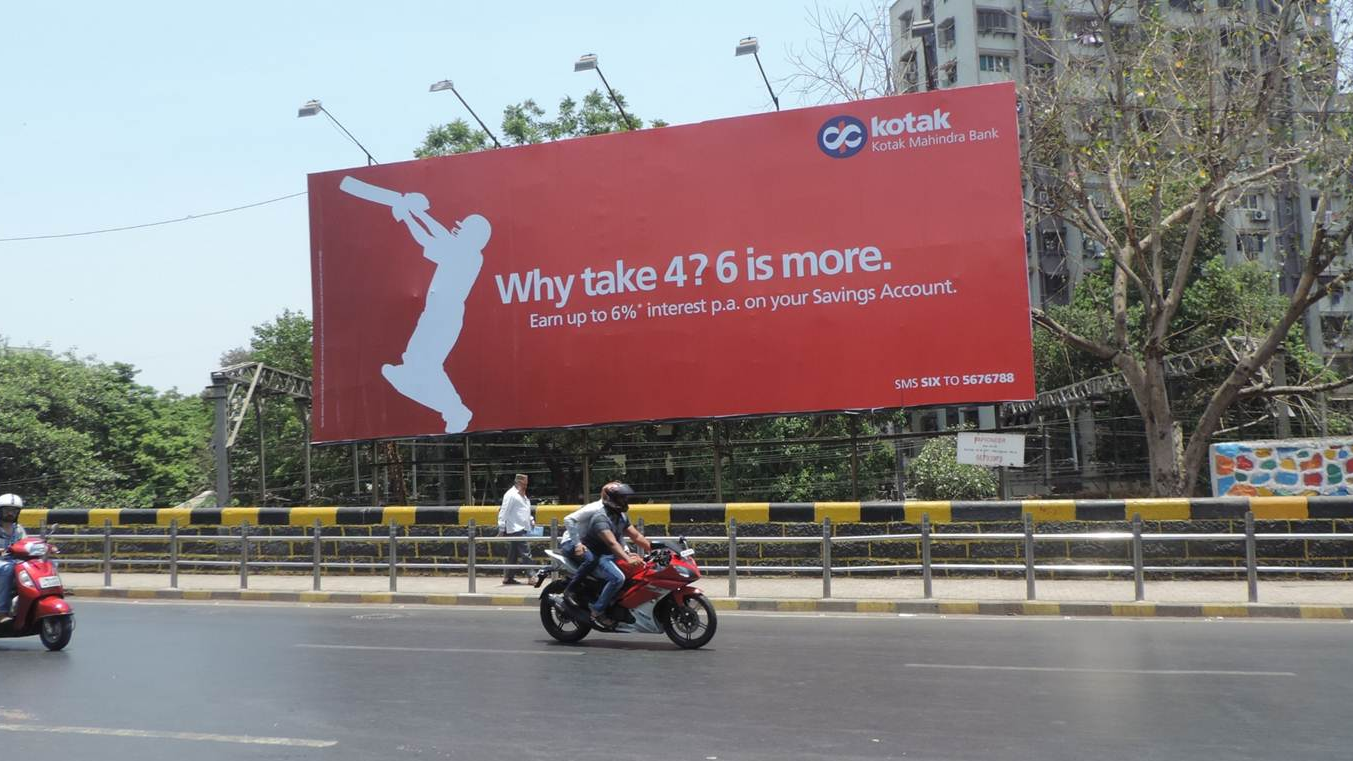
8. Eastern Express Highway
The Eastern Express Highway is a key transit corridor connecting central areas to South Mumbai, handling over 80,000 vehicles daily.
Hoardings near exits, flyovers and traffic junctions benefit from slower traffic movement, improving message clarity and recall for commuters.
For brands with western areas exposure, this is the top advertising location in Mumbai.
9. Near Railway Stations (Dadar, Andheri, Kurla)
Railway stations are daily convergence points for millions of commuters. Hoarding locations near station exits and approach roads see repeated exposure.
These locations benefit from pedestrian traffic, auto queues and signal stops, reaching over 25,000 people daily.
The audience is broad and diverse, making station-adjacent hoardings ideal for brands aiming for mass awareness in Mumbai.
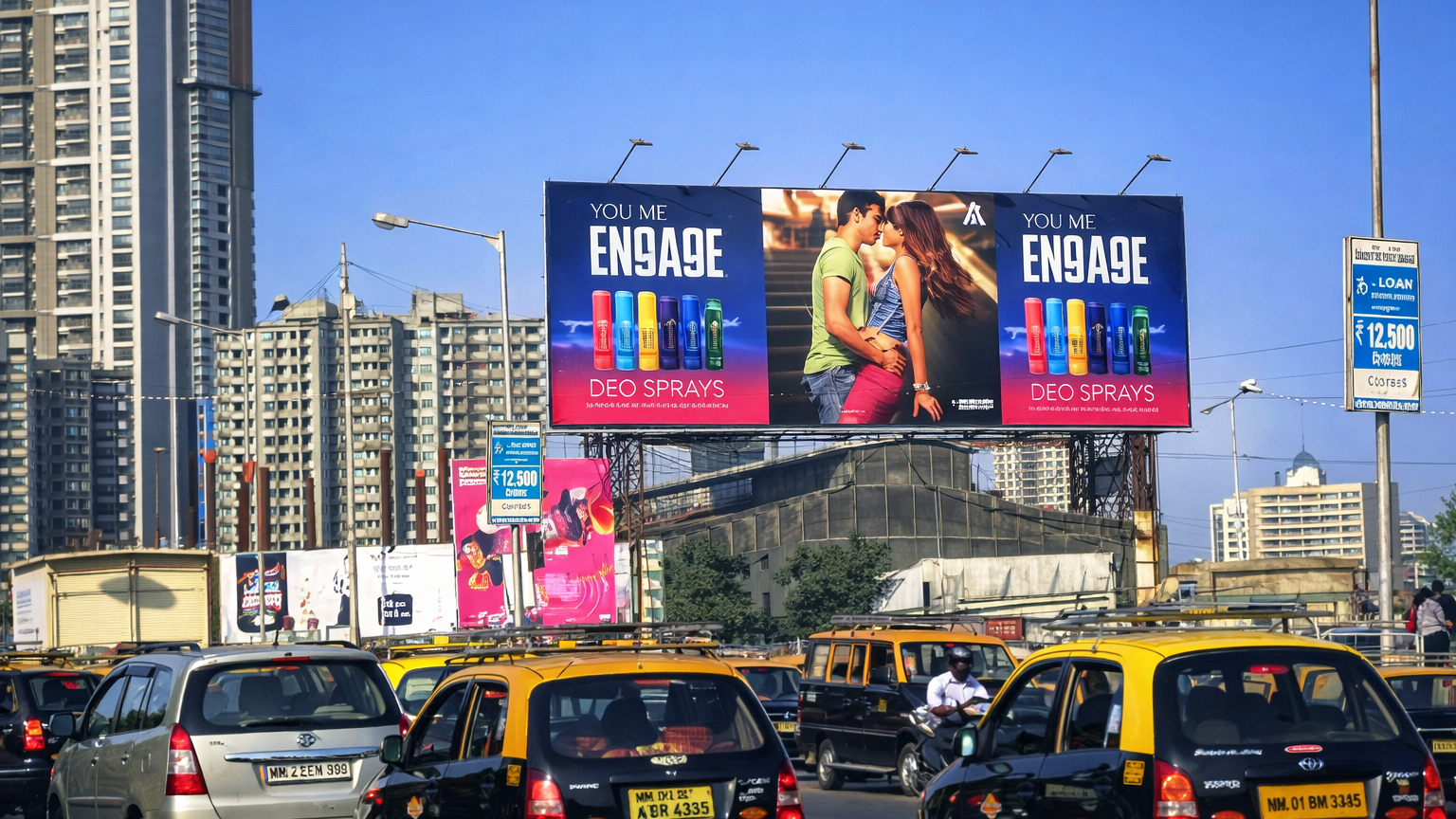
10. Major Flyover Junctions and Signal Intersections
Signal heavy intersections and flyover entry points create natural pauses in movement. This makes them effective hoarding locations.
Drivers and passengers have 10 to 45 seconds to notice, read and process messages at these locations. Effectiveness depends on clear design and strong visual contrast, which boosts attention and recall by up to 30 percent.
These hoardings are ideal for simple, bold brand messaging focused on high recall and quick recognition among commuters.
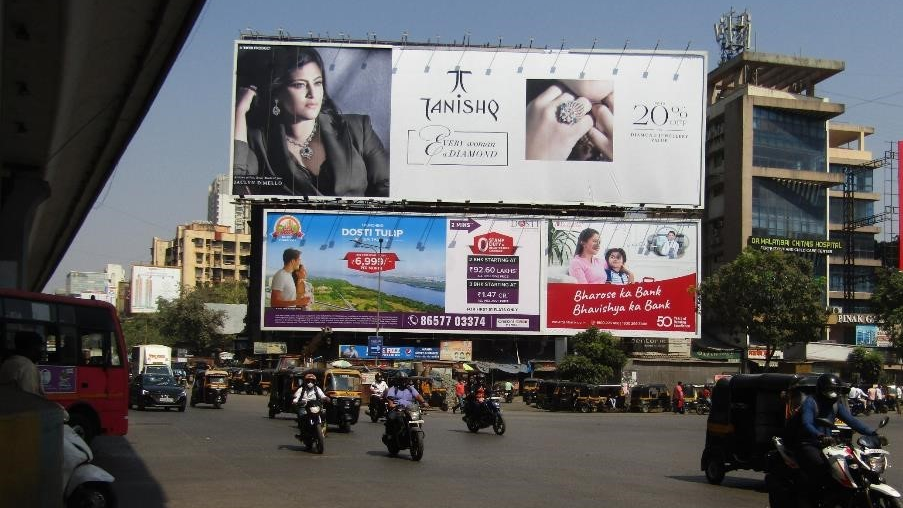
Why Hoarding Locations Matter More Than Hoarding Size
Many brands assume bigger hoardings mean better results, but location matters more than size. A well-placed hoarding at a traffic signal can outperform a larger one on a fast-moving road. Factors like visibility, angle, lighting and repetition play a key role in effectiveness.
Smart brands evaluate hoarding locations based on how people move, stop and wait to ensure their message reaches the right audience at the right time, boosting recall and engagement by up to 30%.
Outdoor advertising success in Mumbai depends on choosing the right hoarding locations. Effective placements consider traffic flow, audience behavior and viewing conditions to ensure maximum impact.
For brands planning outdoor campaigns, understanding Mumbai hoarding dynamics and selecting the right location delivers consistent daily impressions, helping messages stick.
Hoarding strategy starts by mapping where your audience travels and pauses, then identifying high-frequency locations that keep your brand visible, memorable and relevant in a highly competitive advertising market.
Why Choose Ginger Media Group for Affordable Marketing
Ginger Media helps startups execute affordable marketing campaigns with clarity, transparency and measurable results. With expertise across outdoor, transit, print and on-ground activations, the team delivers cost-effective solutions that generate real visibility without unnecessary spending.
From planning and execution to monitoring and reporting, Ginger Media ensures startups get maximum value from every offline campaign. By combining strategic media selection with strong on-ground execution, the agency enables brands to scale offline marketing efficiently and confidently.
]]>- Budget-friendly visibility: Even with a modest investment, brands can gain consistent exposure in high-traffic areas.
- Targeted reach: Smart placement ensures ads reach the right audience at the right time, whether in neighborhoods, markets or busy commercial zones.
- Strong brand recall: Studies show that even small offline campaigns can create lasting impressions, helping audiences remember your brand.
- Strategic execution: Choosing the right medium, timing and format ensures maximum engagement and measurable results.
- Practical effectiveness: Repeated exposure and well-planned campaigns increase impact and deliver higher ROI.
In this blog, we’ll explore the top 10 advertising media under ₹5 lakhs and share practical strategies that help startups and small businesses achieve maximum visibility, brand recall and engagement while staying budget-friendly.
What Is Advertising Media Under ₹5 Lakhs
Advertising media under ₹5 lakhs refers to brand communication channels that can be planned, executed and maintained within a total budget of ₹5 lakh, covering production, placement and essential execution costs.
These are not “cheap” or low-quality options. They are cost-efficient media formats that use strategic location, repetition and captive attention instead of expensive reach. Many work well because they connect with people’s daily routines commuting, waiting, working or shopping where audience attention can be 30–40% higher than regular roadside ads.
Unlike large digital or TV campaigns, affordable media focus on frequency, context and relevance, aiming to repeatedly engage the right audience.
Below, we highlight the top advertising media under ₹5 lakhs and explain why each format works best.
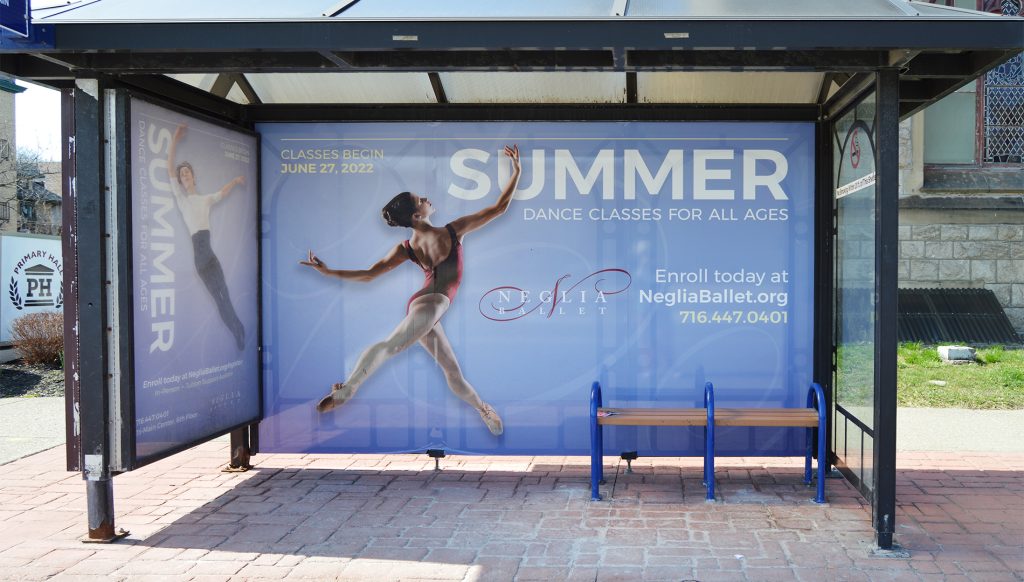
1. Bus Shelter Advertising
Bus shelters offer high dwell time, as people wait for 5–15 minutes, giving them time to notice and absorb ads. This makes them more effective than typical roadside billboards for capturing attention.
Even with a budget under ₹5 lakhs, brands can run multi-week campaigns across high-footfall shelters in a city or zone. Studies show that over 80% of commuters recall bus shelter ads, making them a strong medium for local visibility and brand recall.
Ideal for:
- Retail brands – Drive local foot traffic and boost in-store awareness
- Educational institutes – Reach students and parents in targeted areas
- Fintech and app-based services – Connect with daily commuters and tech-savvy audiences
- Other local businesses – Gain high visibility in specific locations and neighbourhoods
2. Metro Station Advertising
Full station domination is expensive, but selective metro station panels are highly achievable within budget.
Panels near entry gates, staircases or ticketing zones get repeated exposure from the same commuters every day. This repetition builds recall faster than one time digital impressions.
For urban audiences, this is the best advertising media under 5 lakhs for consistent brand presence.

3. In Office Park Branding
Corporate parks and tech hubs provide concentrated access to working professionals, with many campuses hosting thousands of employees daily. Average dwell times of 30–60 minutes during breaks and transit make these locations ideal for repeated audience exposure.
Affordable executions such as standee placements, lift branding, lobby screens, and entry‑gate posters within these business environments deliver continuous visibility throughout the workday. These strategies offer an efficient medium for targeting professional audiences without high spending.

4. Auto Rickshaw Branding
Auto branding is a mobile, hyperlocal medium that travels through dense traffic zones all day.
With a controlled fleet size, brands achieve high street level visibility in ₹5 lakhs. The movement ensures impressions across residential and commercial areas.
This is the affordable advertising media options for regional brands looking to reach beyond a single location.

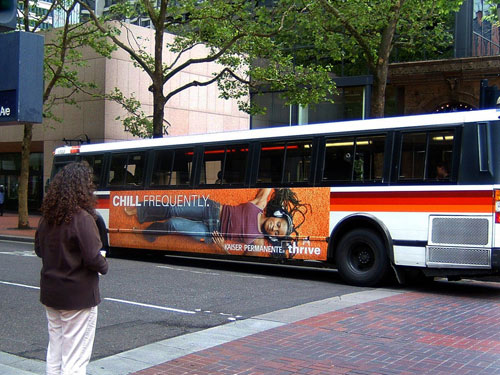
5. Bus Exterior Advertising
City buses act as moving billboards.
Even a short-term bus campaign can deliver thousands of daily impressions. Exterior formats are especially effective for bold, easy-to-read messages.
Because buses cover multiple routes, this medium maximizes reach without increasing spend, making it a practical advertising medium under ₹5 lakhs for mass visibility.
6. Mall Common Area Advertising
Smaller ad spaces in malls, near escalators or washrooms, cost less and get noticed. Visitors spend 60–120 minutes per visit, giving ads repeated exposure and improving brand recall.
Malls offer leisure-time attention, studies show up to 80% of shoppers recall mall ads and influence to make a purchase decisions.
The lifestyle and consumer brands are advertising in a budget of 5 lakhs for reaching city audiences.

7. Local Radio Advertising
Radio remains powerful for local reach.
Short bursts on city specific FM stations are executed within budget and during non peak slots. Radio works with simple and repetitive messaging.
Best suited for:
- Events and experiential campaigns
- Retail promotions and in-store activations
- Service-based businesses seeking local visibility
Radio is an affordable advertising media option for recall led campaigns.

8. Cinema Slide Advertising
Movie screenings, static or short video slides, receive full attention.
Regional theatres provide lower rates and loyal audiences. Under ₹5 lakhs, brands cover multiple screens over several weeks.
Cinema advertising benefits a captive environment, making it a high impact advertising medium under ₹5 lakhs, targeting families and young adults.
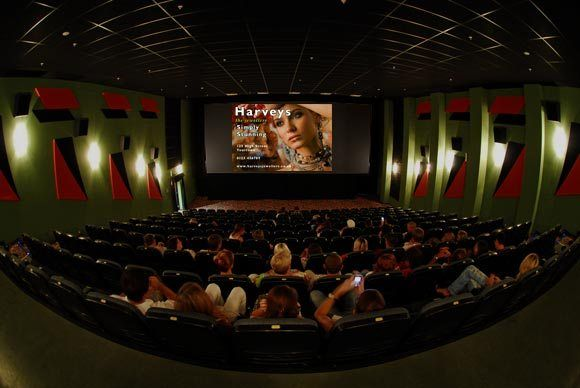
9. Hyperlocal Digital and Offline Combination
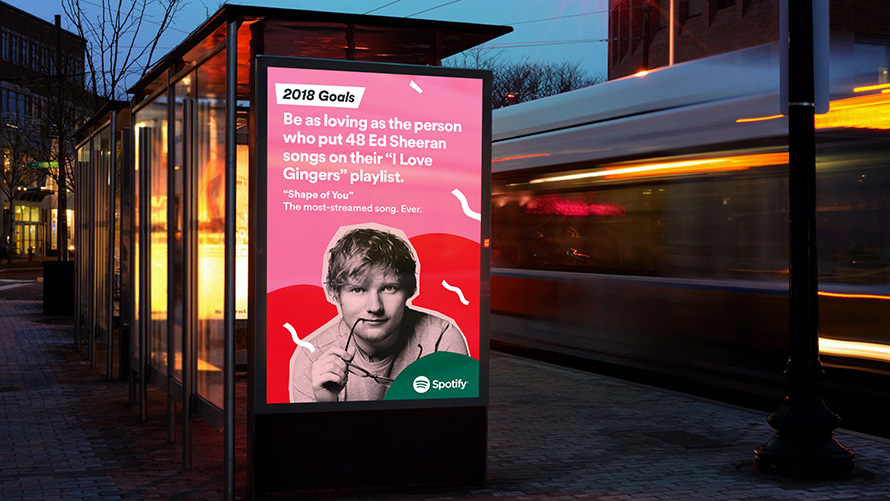
A smart strategy combines geo-targeted mobile ads with bus shelter or auto branding. Integrated campaigns see up to 89% higher brand recall, with mobile CTRs over 12% and 86% of passengers remembering outdoor ads.
This combination reinforces recall across online and offline touchpoints, improving effectiveness without inflating budgets. It’s a strategic use of top advertising media for small budgets.
10. Event & Community Sponsorships
Local events, exhibitions and community programs offer low-cost branding opportunities. About 72% of attendees recall brands from logos on booths, banners or stage backdrops, making these placements highly effective for visibility.
These environments also provide direct interaction with engaged audiences, boosting brand perception 74% of attendees view sponsoring brands more positively and helping generate leads and stronger connections.
For regional brands, this is an effective advertising medium under 5 lakhs.

Why These Media Work on Small Budgets
All these options share three key traits:
- High repetition
- Contextual relevance
- Audience concentration
They focus on consistent presence, allowing audiences to see a brand repeatedly in familiar spaces, which naturally builds trust and recall. By using simple, affordable ads supported with posters or newspaper placements, brands ensure their messages are noticed and remembered.
Advertising success comes from smart budget use. Even under ₹5 lakhs, the right media can deliver strong visibility, recall and credibility. 70% of consumers remember brands from outdoor ads.
For founders, CMOs and ops leaders, the key is consistent, location‑based media. Posters, hoardings and offline ads fix brand names in minds. Meeting your audience where they spend time turns small spends into long-term brand value.
Why Choose Ginger Media Group for Affordable Marketing
Ginger Media helps startups run affordable marketing campaigns with clarity, transparency, and measurable impact. With deep expertise in outdoor, transit, print and on-ground activations, the team focuses on cost-effective solutions that deliver real visibility without unnecessary spend.
From planning and execution to monitoring and reporting, Ginger Media ensures startups get maximum value from every offline campaign. By combining strategic media selection with strong on-ground execution, the agency enables brands to scale offline marketing efficiently and confidently.
]]>Planning outdoor visibility? How much does outdoor advertising cost in India? Big hoardings are a strong way to reach many people in urban and high-traffic zones. Costs are based on location, size, visibility, and duration, so brands need to choose carefully.
Brands check hoarding and billboard costs in India before planning campaigns. Premium placements command higher investments due to unmatched exposure, recall, and daily impressions. Knowing location based pricing helps brands plan their budgets smartly.
Prime Locations for Hoarding Advertising in India
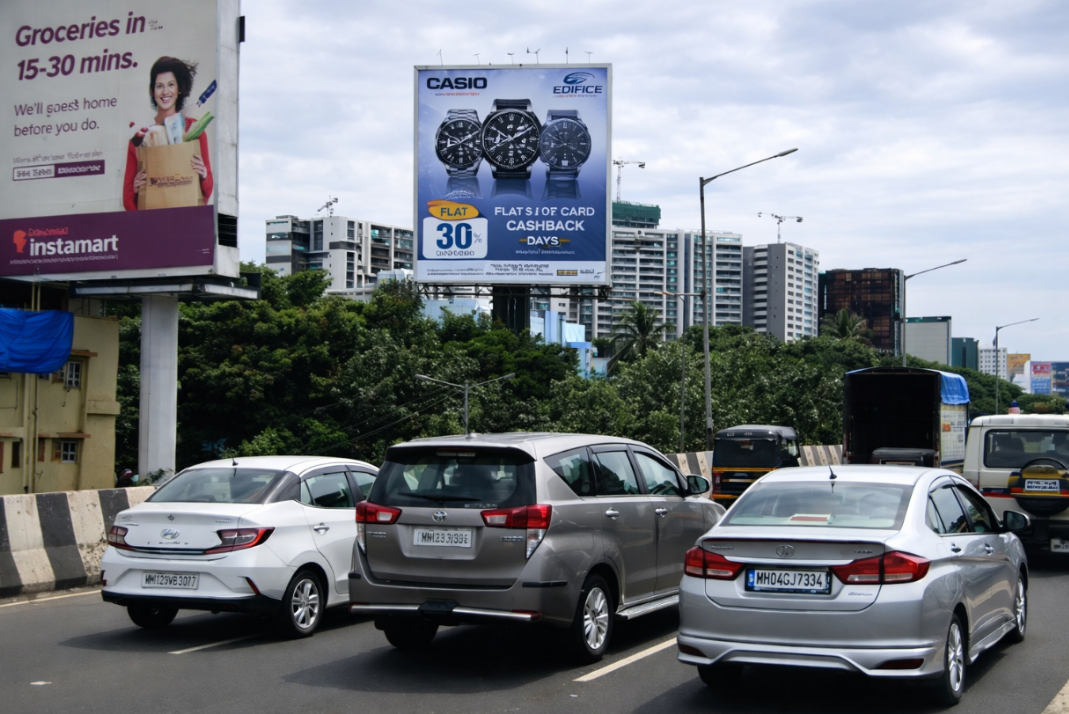
1. Mumbai – Major Arterial Roads & Flyovers
Mumbai’s arterial roads connect business districts, residential hubs, and airports. High commuter density, corporate presence, and long dwell times make these locations ideal for brand recall and premium positioning.
Establishment costs typically range between ₹6–12 lakh per month, depending on size and exact junction.Production, permissions, and maintenance help deliver high visibility in India’s business hubs.
2. Delhi – Central Business Districts
CBD areas attract policymakers, corporates, tourists, and daily office commuters. These zones are chosen for their elite audience profile, consistent footfall, and proximity to government and commercial landmarks.
Hoarding costs here generally fall between ₹4–10 lakh monthly. Pricing is designed around high-traffic locations that bring strong audience reach and repeated brand visibility throughout the day. This helps brands plan their budgets smartly.

3. Bengaluru IT Corridors
IT areas are chosen as they have many young working people passing through daily. Office travel, busy roads, and long signal stops help brands get noticed and remembered.
Monthly hoarding establishment costs range from ₹3–8 lakh. Include road width, viewing distance, and lighting, making them ideal for digital, fintech, and lifestyle brands.

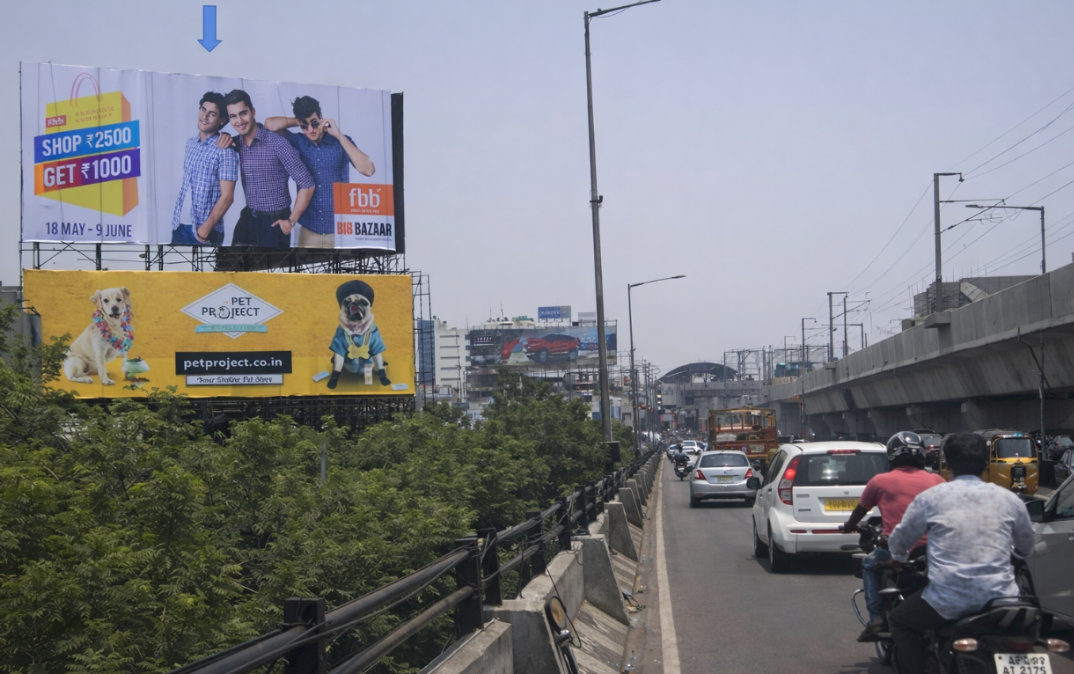
4. Hyderabad – Commercial & Tech Zones
Hyderabad’s commercial zones combine rapid urban growth with increasing corporate movement. The locations are chosen for expanding infrastructure, rising consumer spending, and balanced traffic.
Hoarding costs usually range from ₹2.5–6 lakh per month. Competitive pricing, combined with strong audience reach, makes the city attractive for both national and regional advertisers.
5. Chennai – High Traffic Urban Junctions
Urban junctions in Chennai experience steady traffic from office commuters, industrial workers, and shoppers. These spots are preferred for consistent exposure and long term brand visibility.
Costs typically range from ₹2–5 lakh monthly. Pricing depends on how important the junction is, how busy the traffic signals are, and the size of the hoarding, helping brands get good visibility at the right cost in a southern market.

6. Pune – Entry Points & Expressways
Pune’s entry roads and expressways are chosen for captive audiences during peak travel hours. These locations serve professionals, students, and weekend travellers, making them ideal for high-frequency exposure.
Monthly costs range between ₹2–4.5 lakh. Bigger and lighted hoardings involve a slightly higher cost and deliver strong brand recall in clean, open spaces.

7. Kolkata – Transit & Commercial Zones
Transit corridors and commercial hubs in Kolkata offer a diverse audience reach, combining office goers, shoppers, and daily commuters. The locations are chosen for cultural relevance and steady movement.
Hoarding advertising costs generally range from ₹1.5–4 lakh per month. Lower entry costs make it an effective option for brands seeking reach with controlled budgets.
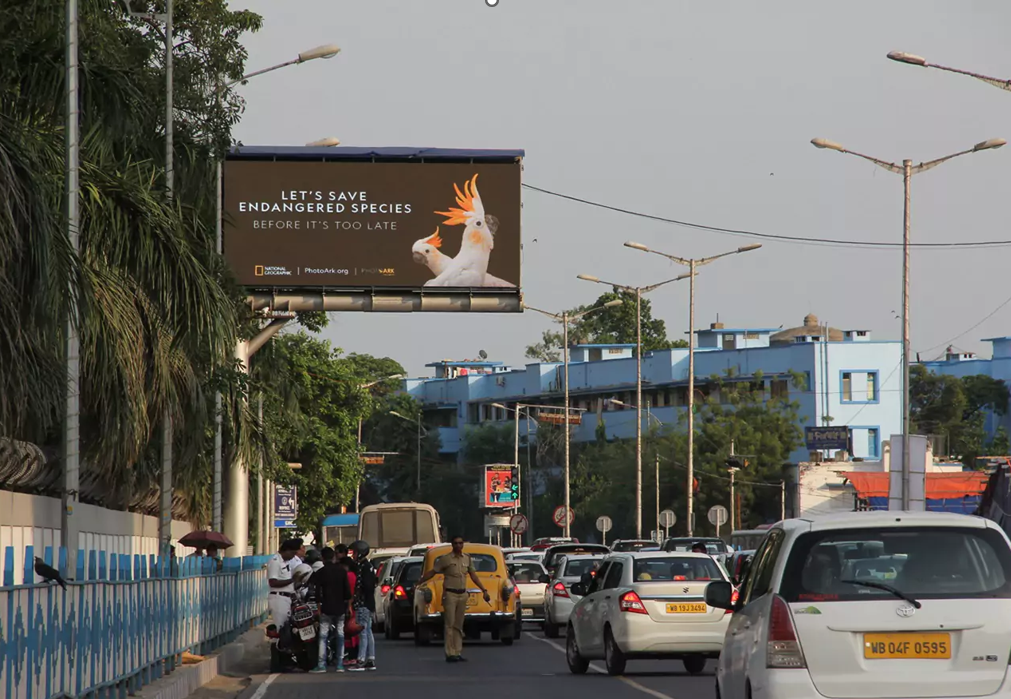
Conclusion
How much billboard advertising costs helps brands plan smarter outdoor campaigns. Hoarding costs in India vary by city, location quality, size, and visibility, and the impact remains consistently high. With a smart strategy, outdoor advertising helps many people remember the brand and see it over a long time. Choosing the right locations and understanding how people move helps brands get the best value from hoardings.
Why Brands Can Reach Out to Ginger Media
Ginger Media simplifies outdoor advertising by combining data driven location planning, transparent pricing, and end to end execution. From identifying high impact hoardings to handling permissions and creatives, Ginger Media ensures brands get maximum visibility, better ROI, and hassle free outdoor advertising campaigns across India.
]]>High footfall metro stations are no longer just transit points they are daily touchpoints where commuters meet brands. From office goers to students and shoppers, millions pass through metro stations with eyes up, phones down, and minds open to messaging.
That’s why high footfall metro station advertising has become one of the smartest ways for brands to stay visible and remembered. Let’s explore the best metro stations for advertising, where your brand meets real people every single day.
1. Rajiv Chowk Metro Station, Delhi
Rajiv Chowk is India’s busiest metro station, connecting major business districts with nonstop passenger movement throughout the day.
A retail brand can become well known in a busy place by showing its ads again and again on pillars and screens, so office workers, shoppers, and visitors remember it.
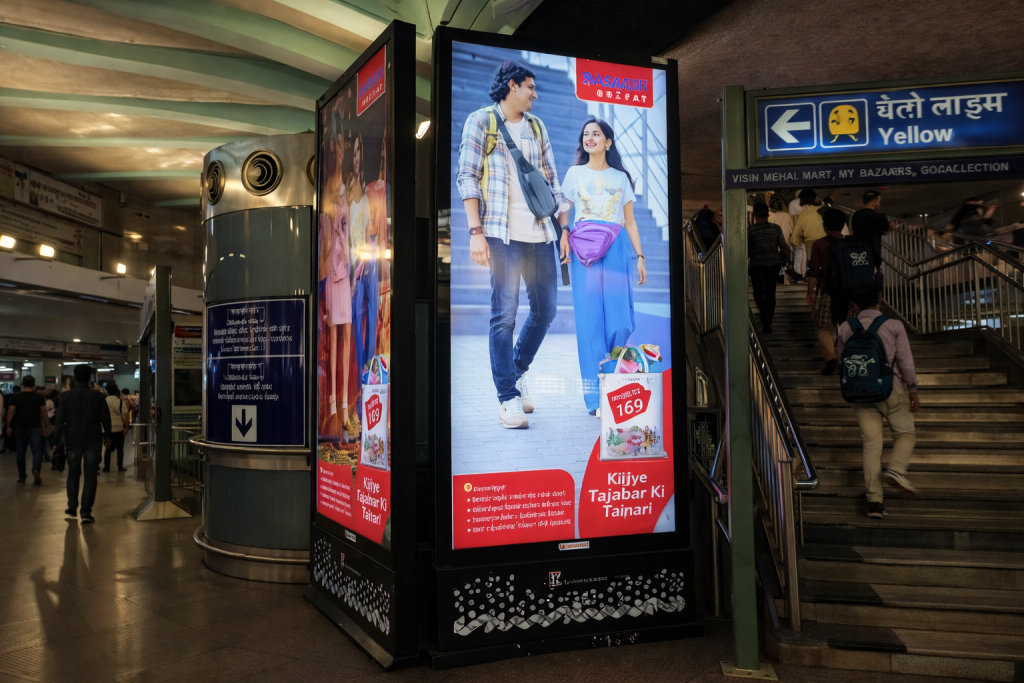
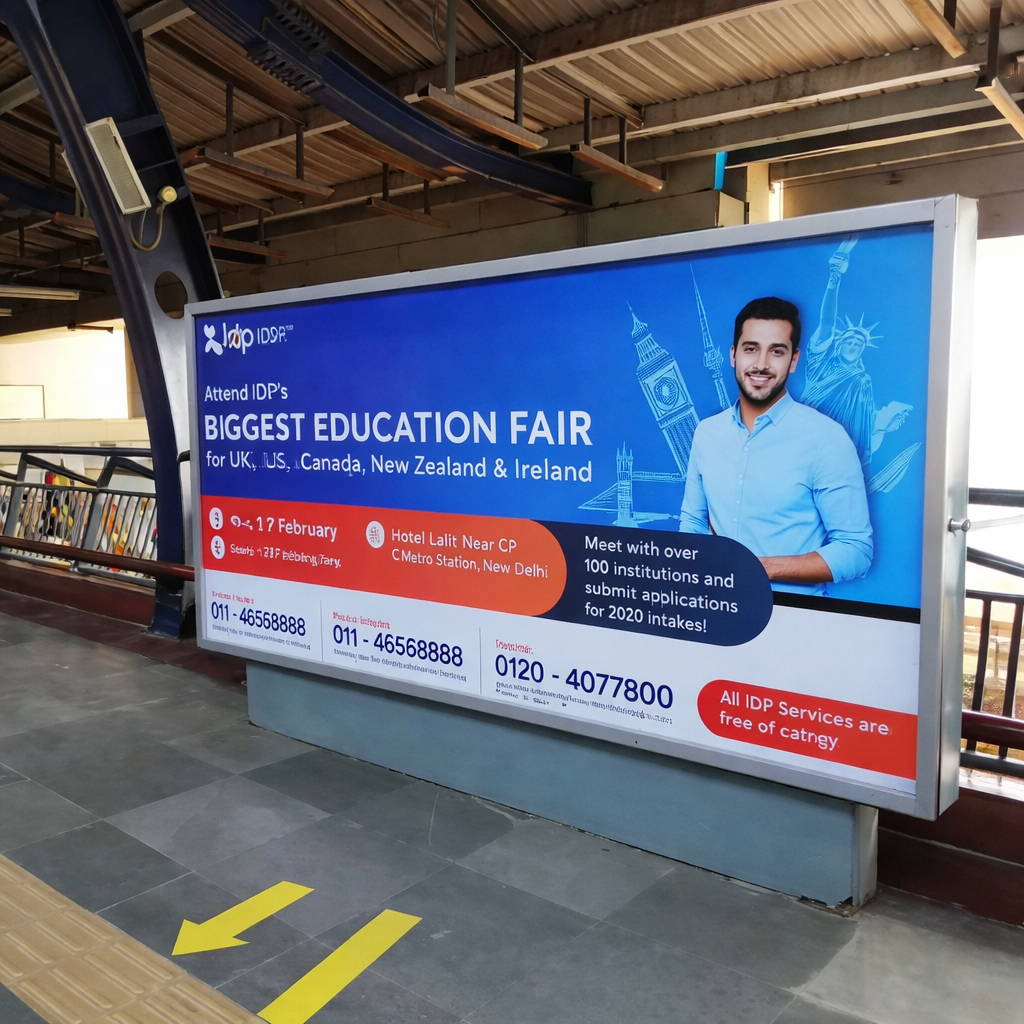
2. Kashmere Gate Metro Station, Delhi
Kashmere Gate is a big travel hub where people from Delhi, NCR, and other states come together to change buses or routes.
Education platforms and mobility apps perform well by using platform level branding that captures students and daily travellers waiting during frequent train interchanges.
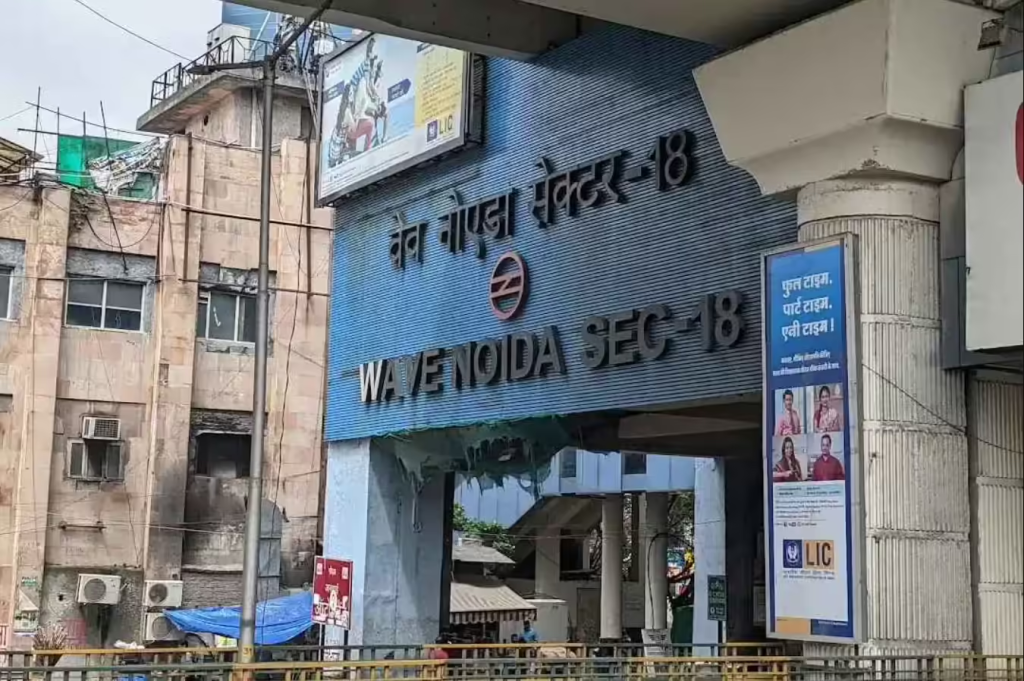
3. Noida Sector 18 Metro Station, Noida
Surrounded by malls and offices, the station represents modern high footfall metro stations advertising potential.
When a fashion brand shows sale ads in busy shopping areas, many shoppers see them and buy during their visit.
4. MG Road Metro Station, Bengaluru
MG Road sits at the center of Bengaluru’s commercial and lifestyle activity, making it a prime high footfall metro destination.
A fintech brand using digital screens and staircase branding, which connects with tech-savvy professionals, perfectly aligns with the best metro stations for advertising in IT-driven cities.
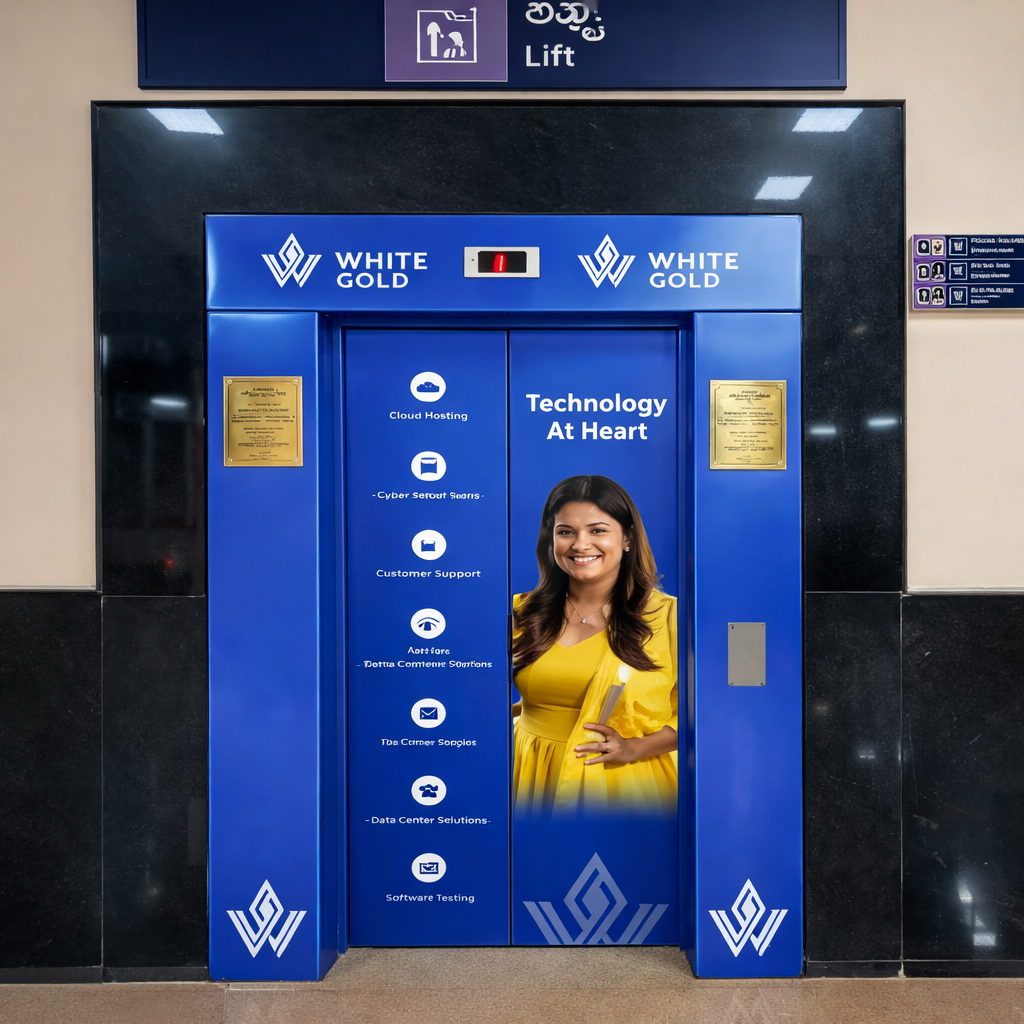
5. Hauz Khas Metro Station, Delhi
Hauz Khas blends students, professionals, and airport travelers, creating a diverse audience within a single high footfall metro station.
When an edtech brand advertises new courses in busy metro stations, many different people see it, showing how useful these places are for advertising.
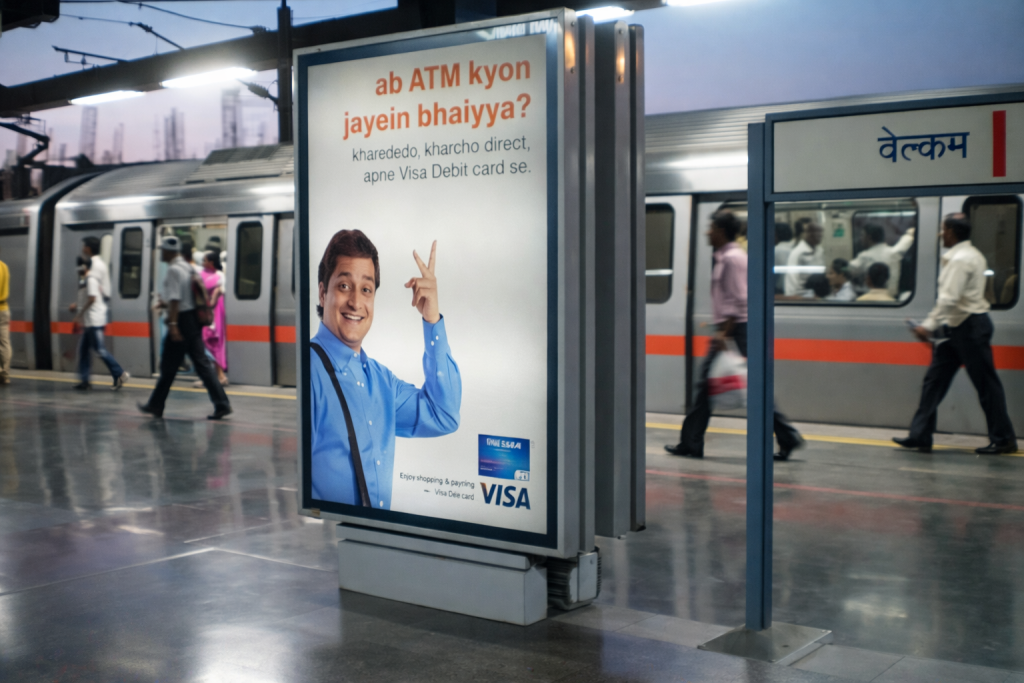
6. Esplanade Metro Station, Kolkata
The Esplanade connects business districts and cultural zones, ranking high with high traffic metro stations in the city.
A tourism brand promoting weekend getaways through wall panels, these benefit from dwell time, proving why advertising in metro stations works best where people pause.

7. Churchgate Metro Station, Mumbai
Churchgate attracts daily office crowds and premium audiences, making it a strategic high footfall metro station for upscale brands.
A premium retail brand can place neat ads in station corridors to build interest among office workers during busy hours.

8. Ameerpet Metro Station, Hyderabad
Ameerpet connects many metro lines and coaching centers, and a large number of people travel through it every day.
An institute promotes skill courses on trains, it reaches many students, showing why metro stations are good places for advertising.
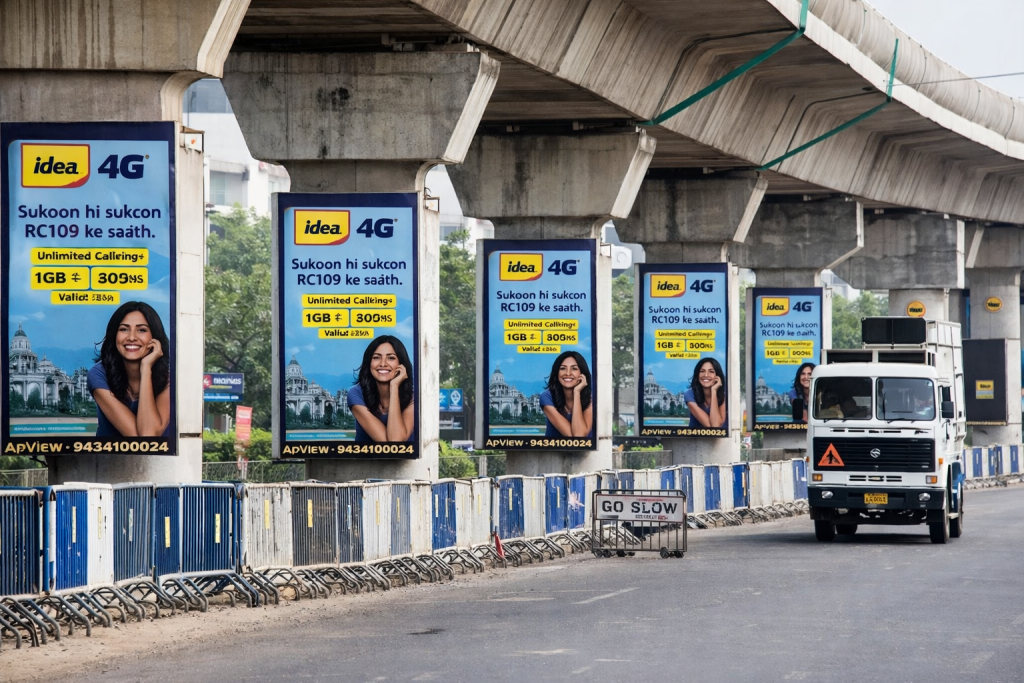
9. Andheri West Metro Station, Mumbai
Andheri West connects Mumbai’s corporate hubs with residential zones, making it one of the reliable high traffic metro stations for consistent brand exposure.
A real estate brand shows ads for premium homes at metro entry gates. Many working people see them every day, making metro station advertising both targeted and impactful.
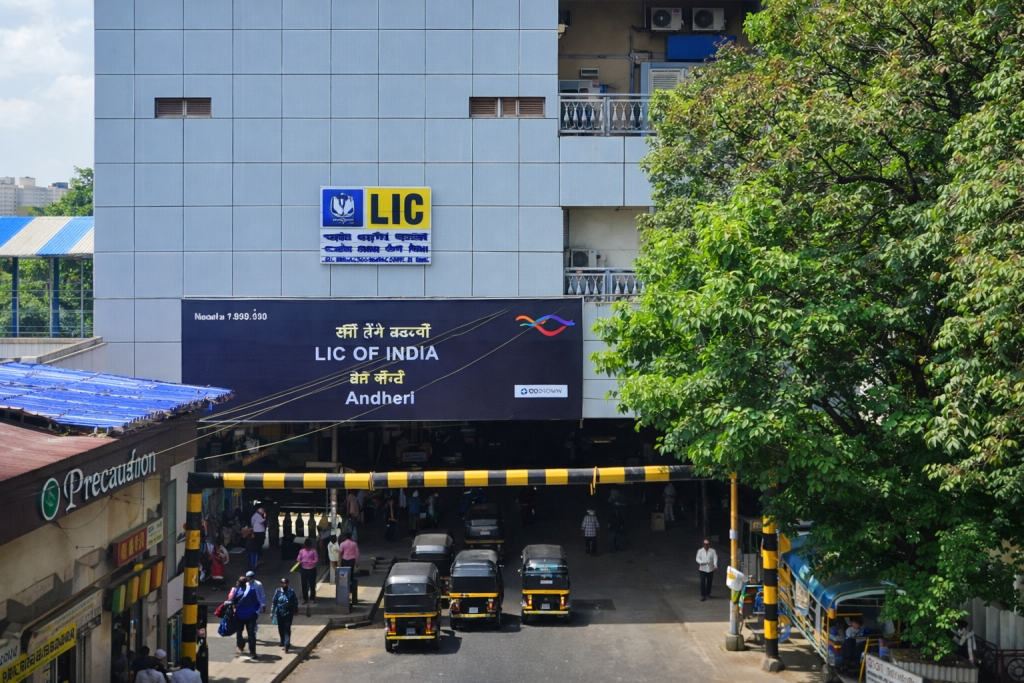
10. Howrah Metro Station, Kolkata
Howrah serves massive daily crowds, blending long distance travelers with local commuters, positioning it among the top high footfall metro stations in eastern India.
An FMCG brand can show ads for daily products on platform boards, so passengers waiting or changing trains notice them and transition to them.

Conclusion
High footfall metro stations offer brands unmatched visibility, repetition, and real-world engagement. When your audience passes by your message every single day, brand recall becomes inevitable.
Choosing the right station and format with a storytelling approach turns transit spaces into powerful brand building assets.
Why Brands Should Choose Ginger Media
Ginger Media understands how people move, pause, and notice inside metro environments. We don’t just place ads, we design visibility.
From station selection to creative execution, Ginger Media ensures your brand shows up where attention already exists, recall, and measurable results.
]]>Outdoor advertising contributes to high recall, strong local presence, and lasting brand impressions. Reaching audiences in their daily routines, outdoor media cannot be skipped or blocked. Digital screens, creative installations, and QR enabled displays connect offline attention with online engagement making modern outdoor advertising techniques for real estate both measurable and action driven.
1. Billboard Advertising in Strategic Location
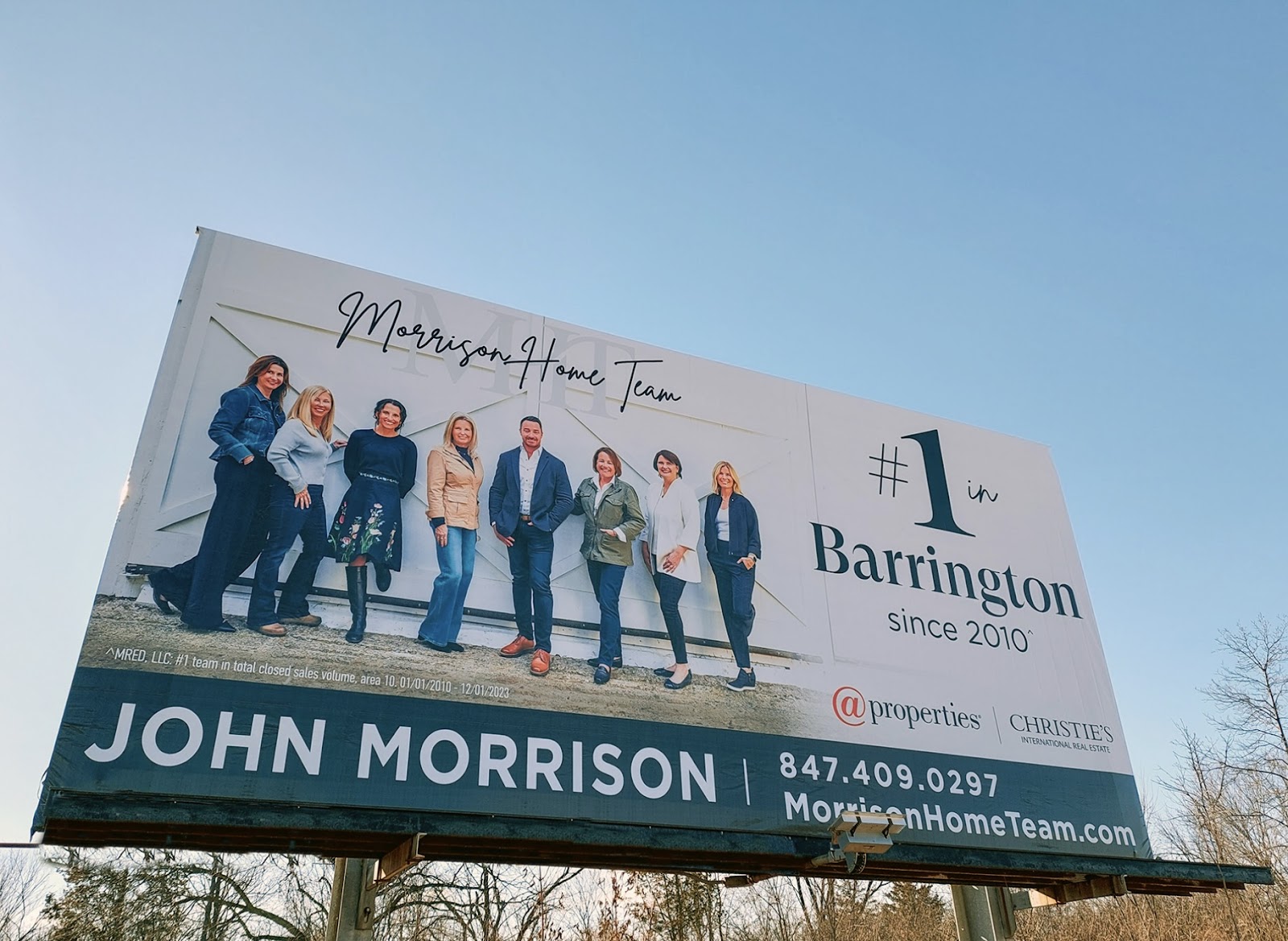
Billboard advertising remains one of the most effective outdoor advertising formats for real estate brands. Placed on highways and high traffic intersections, billboards capture daily attention with bold visuals and clear messaging.
When real estate advertising rises right beside the project, it stops being just an ad and starts feeling like a preview of life ahead. Such outdoor advertising campaigns for real estate build trust, spark aspiration, and keep the brand top of mind when the moment to invest finally arrives.
2. Transit Advertising on Buses and Trains
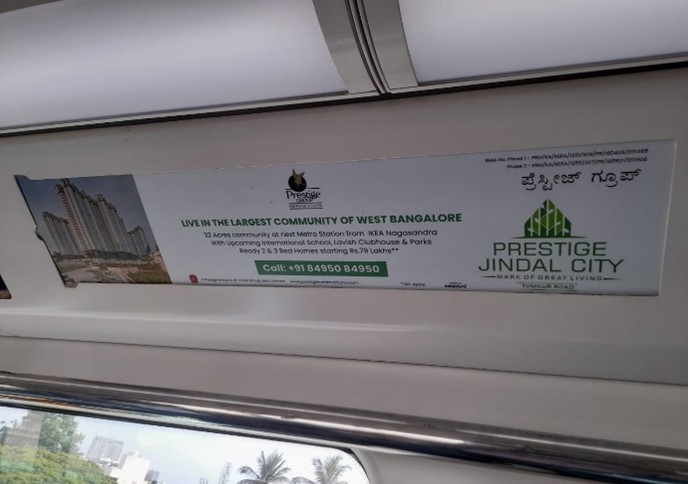
Transit advertising transforms buses and trains into moving billboards, reaching urban audiences during daily commutes. Bus wraps, station posters, and train panels deliver repeated exposure, making this one of the most scalable outdoor advertising strategies for real estate.
Route-based transit advertising turns everyday travel into discovery. Crisp visuals, sharp messaging, and scannable QR codes encourage commuters to explore properties, blending mobility with creative outdoor advertising ideas for real estate.
3. Bench and Bus Shelter Advertising
Bus shelter and bench advertising deliver eye level, street smart visibility within residential neighbourhoods. With potential audiences and space for detailed message, these formats create strong local relevance near parks, markets, and growing areas, playing an important part of effective outdoor advertising for real estate.
Bench and bus shelter advertising thrives on the power of repetition in everyday life. Placed along busy roads and waiting zones, the real estate message becomes a familiar sight seen once in passing, while waiting, and reminding on the next commute. In these unhurried moments, the ad quietly sinks in, reinforcing the project’s promise day by day, until routine travel turns into genuine brand recall and consideration.

4. Digital Outdoor Displays with Real-Time Updates
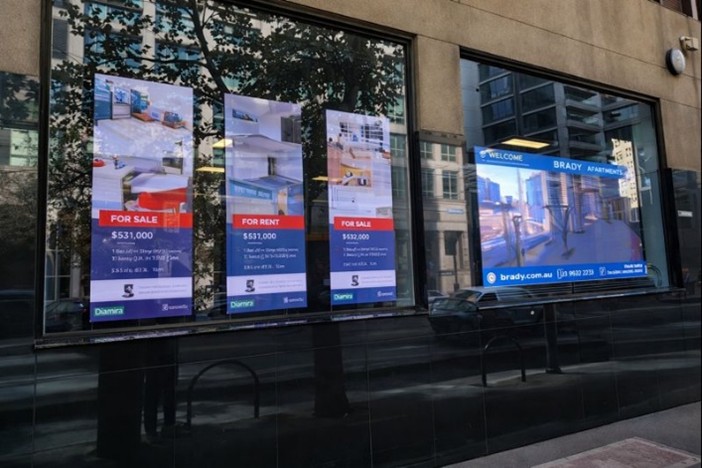
Digital outdoor displays energise real estate advertising with dynamic visuals, video walkthroughs, and real time updates. Positioned in premium shopping, business, and downtown zones, these screens represent advanced outdoor advertising techniques for real estate.
The ability to update content instantly keeps campaigns aligned with market demand whether promoting homes for sale, rentals, or limited time offers appealing strongly to tech savvy audiences. Digital displays bring real estate messaging to life in motion. With the ability to update instantly, screens stay as dynamic as the market itself shifting seamlessly from homes for sale to rental opportunities in real time. The visuals catch the eye, signal freshness, and speak directly to younger yet tech savvy audiences who value up to date information, interactivity, and brands that move at their pace.
5. Yard Signs and Directional Signage
Yard signs and directional signage deliver powerful hyperlocal visibility at minimal cost. Placed near listings and key intersections, they operate 24×7, guide buyers, and reinforce branding consistency.
These simple yet effective outdoor advertising strategies for real estate act as social proof, showing success right where transactions happen and building trust through visibility. A simple “Open House” sign planted on the lawn becomes a badge of success, showing the agent’s face, name, and number right where the transaction happened.

6. Building Wraps and Construction Site Advertising
Large-scale building wraps and construction site advertising create bold, unmissable presence for upcoming developments. Covering buildings and fencing drives massive visibility among commuters and passersby.
Temporary hoardings turn construction zones into impactful outdoor advertising campaigns for real estate, maintaining brand momentum throughout the development phase. A large construction-site building wrap turns scaffolding into prime advertising, promoting a smart office concept while maintaining brand visibility and visual appeal throughout the development phase.

6. Vehicle Wraps and Mobile Advertising
Vehicle wraps turn company cars and vans into moving advertisements. As agents travel across neighbourhoods, branded vehicles signal activity, professionalism, and trust.
This always on format is one of the most cost effective outdoor advertising techniques for real estate, delivering continuous exposure without media breaks. A mobile van carrying the Chennai Property Fest message weaves through busy streets day after day, turning movement into momentum.

7. Light Pole Advertising
Light pole advertising uses lamp posts along roads and junctions to create repetitive visual exposure. Double sided banners turn everyday routes into brand corridors, reinforcing familiarity through daily routines.
This format strengthens recall and supports long term effective outdoor advertising for real estate in high density urban zones.

Conclusion
Outdoor advertising empowers real estate brands to build local authority, generate consistent leads, and achieve long term brand recall. By integrating billboards, transit media, digital screens, and hyperlocal formats, brands create always on visibility across high impact locations.
When aligned with digital and social media, well executed outdoor advertising strategies for real estate increase ROI and position brands as trusted leaders in competitive markets.
Why to choose Ginger Media Group for Outdoor Advertising Strategies for Real Estate Brands?
Ginger Media Group offers a powerful combination of industry expertise, nationwide access, and seamless execution. With a pan India presence and deep understanding of regional buyer psychology, Ginger Media Group delivers integrated and creative outdoor advertising ideas for real estate. By managing end to end outdoor advertising campaigns for real estate, Ginger Media Group ensures your brand dominates the outdoor landscape, builds local authority, and stays top of mind with active property buyers.
]]>Below are the top 10 affordable offline advertising options for startups, explained with real life brand references so you can see how these channels are actually used on the ground.
1. Flyers & Pamphlet Distribution
Flyers are often dismissed as “cheap marketing,” yet several startups used them deliberately to create early traction.
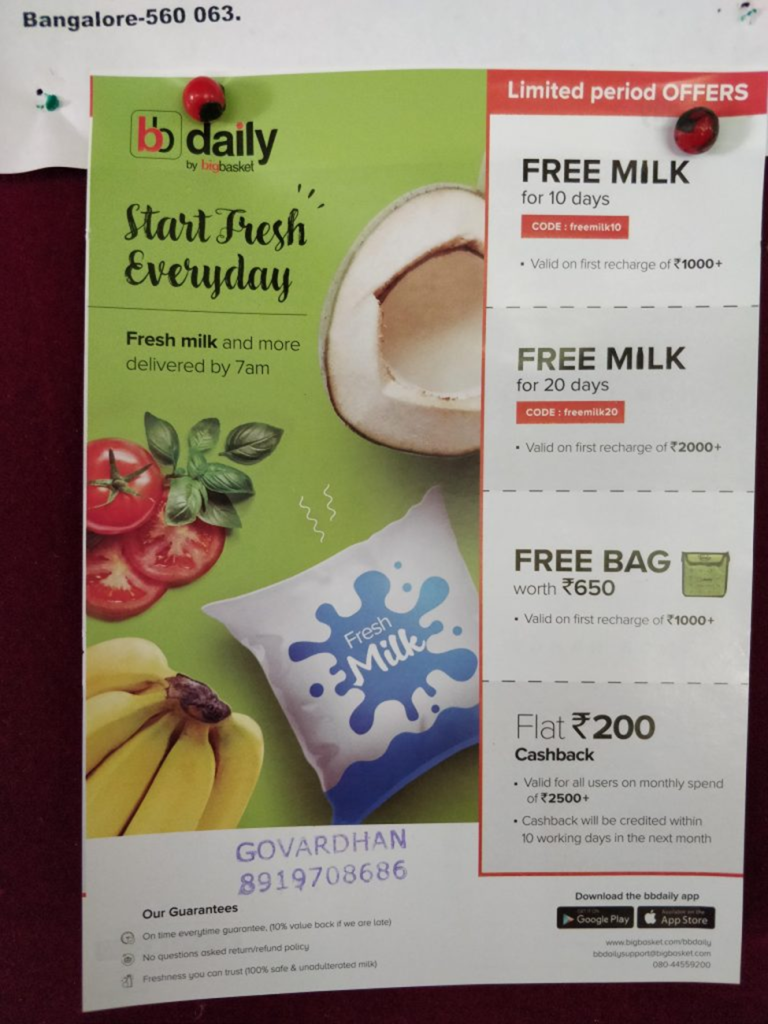
BigBasket used hyperlocal flyer distribution in gated societies, apartment complexes, and residential clusters to introduce the idea of online grocery shopping at a time when the habit was still new. The flyers were practical, not flashy. They focused on everyday problems long queues, carrying heavy grocery bags, and lack of time and positioned BigBasket as a simple solution.
For startups today, flyers work best when distribution is intentionally narrow, message driven, and paired with a simple next step like a call or QR scan.
2. Local Newspaper Advertisements
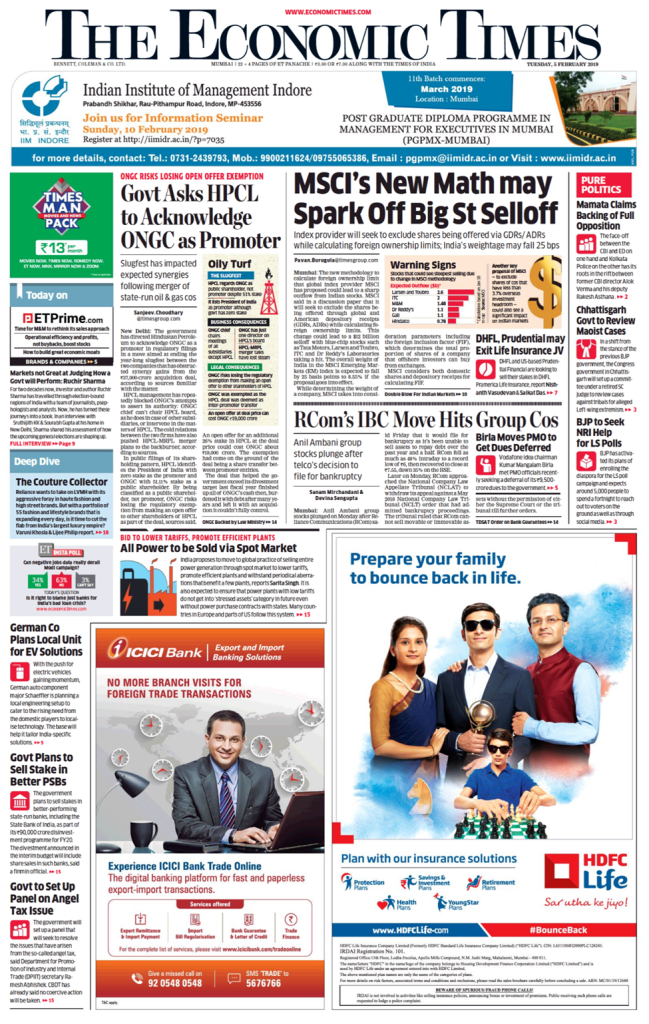
Local newspapers continue to play a quiet but powerful role in categories where trust matters.
A reliable example is HDFC Life, which has consistently used regional and vernacular newspapers to build credibility in Tier-2 and Tier-3 markets.
The ads didn’t push complex products. Instead, they addressed life protection, family security, and long term planning in simple language.
For industries like finance, healthcare, education, or real estate, print isn’t about immediate conversion, it’s about legitimacy.
3. Metro Jingle Style Audio Ads
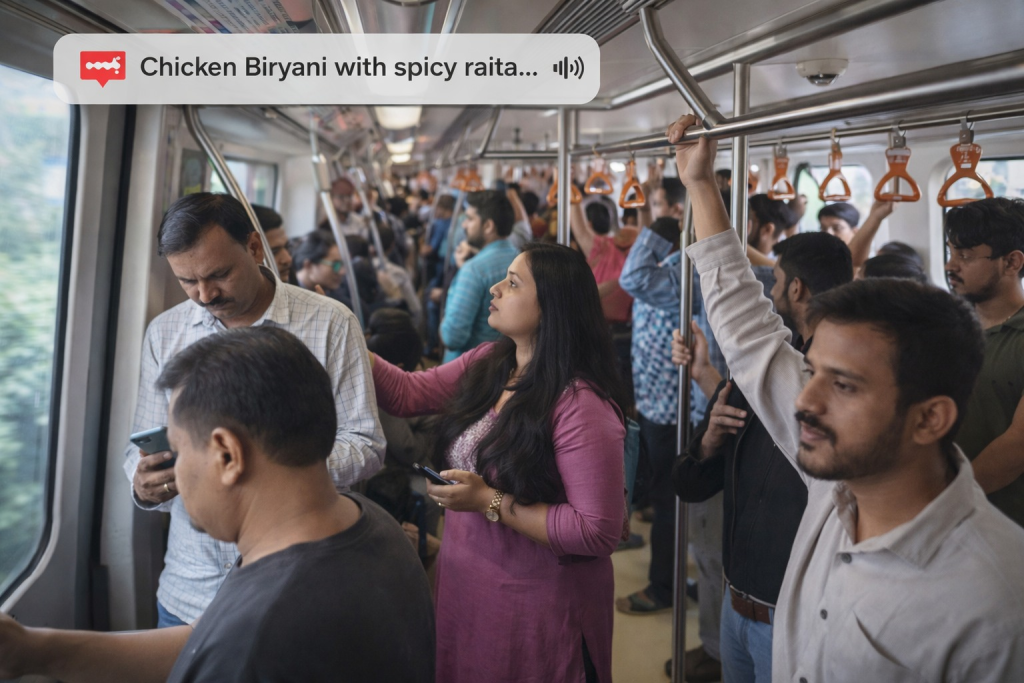
Most ads demand attention. Metro jingle ads don’t. They simply exist in the background of everyday life.
You’re standing on the platform. Trains are delayed. You’re tired. Hungry. Mentally planning what to eat once you get home. And in between the usual announcements, a short, playful jingle plays. It doesn’t sell. It doesn’t shout. It just lands.
That’s the power of metro jingle ads.
Brands like Zomato used this format to slip into a moment people already live through daily. The jingles sounded familiar, almost like the metro’s own voice, light, witty, and relatable. No features. No offers. Just a gentle reminder that food is one decision away.
4. Auto, Cab & Bus Branding
Transit advertising is one of the most underutilized offline channels for startups with local or city wide audiences.
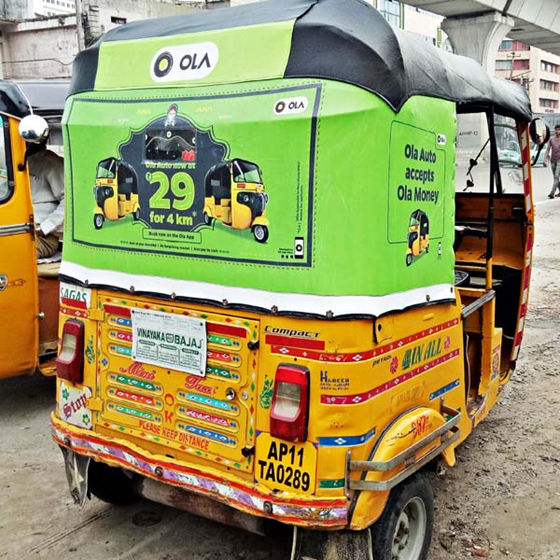
Ola extensively used auto rickshaw and cab branding in its early expansion days. Instead of high cost hoardings, Ola focused on moving visibility, ensuring its brand was seen across neighborhoods daily.
Even for non mobility startups, auto back panels and cab stickers offer consistent impressions at a fraction of traditional outdoor costs.
The power here lies in repetition seeing the same brand across streets builds subconscious familiarity.
5. Event Sponsorships
You don’t need to sponsor mega events to make an impact.
Red Bull is globally known for event marketing, but its strategy started small. Local college festivals, niche sports events, and community gatherings were the foundation before global scale.
Indian startups have followed similar paths sponsoring hackathons, startup meetups, and college fests where their exact audience already exists.
Event sponsorships work when the brand integrates naturally into the experience, not when it simply puts up banners.

6. Posters & Wall Branding in High Footfall Areas
Posters still matter when placed where attention naturally pauses.
Paytm used wall posters and shop front branding aggressively during its early merchant onboarding phase. Small kirana stores, mobile shops, and cafes became brand touchpoints long before QR payments were mainstream.
The messaging was simple, visual-heavy, and repetitive. Over time, Paytm became a familiar name even among users who hadn’t adopted digital payments yet.
For startups, posters work best when they dominate specific micro locations instead of trying to cover an entire city.

7. In Store Branding & Retail Tie Ups
Retail partnerships allow startups to borrow trust and footfall.
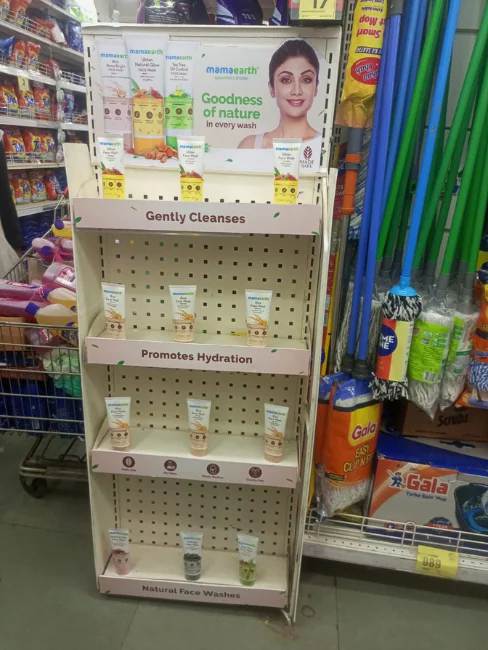
Mamaearth used in store standees, shelf branding, and counter displays across pharmacy and cosmetic stores during its early offline push. Instead of opening exclusive stores immediately, the brand focused on visibility where purchase decisions already happened.
Customers discovered the brand physically first and later transitioned to online purchases.
This approach is especially effective for D2C startups looking to bridge offline discovery with online scale.
8. Cinema Advertising
Cinema advertising is often perceived as expensive, but regional theaters offer affordable entry points.
Britannia has consistently used cinema screen advertising, especially in regional and single screen theatres, to strengthen mass market brand recall. The ads were short, emotionally familiar, and centered around everyday family moments not product features.The captive environment of cinema halls made even short ads memorable.
For startups, cinema ads work best when focused on brand presence, not feature explanations.

9. Newspaper Inserts & Door Drops
Newspaper inserts allow startups to enter households directly.
Lenskart used newspaper inserts during local store launches to drive footfall. These inserts often included limited time offers or free eye check up announcements.
Rather than blanket distribution, inserts were limited to neighborhoods near physical stores, ensuring relevance.
This tactic works particularly well for startups with local outlets or service areas.

10. Small Outdoor Hoardings & Directional Boards
Not all outdoor advertising requires massive budgets.
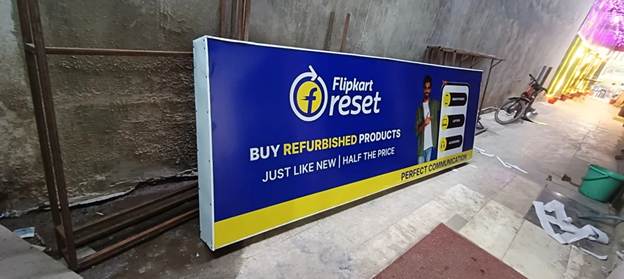
Flipkart used small format hoardings and directional signage during sale seasons, especially near residential clusters and arterial roads. These weren’t brand building creatives, they were location based reminders.
For startups, small hoardings near stores, offices, or service zones can quietly outperform large, expensive billboards.
The key is clarity and placement, not size.
Final Thoughts: Offline Advertising Rewards Discipline, Not Spend
Affordable offline advertising options remain powerful not because they’re cheap, but because they’re human, tangible, and persistent.
When you embed your brand into the physical spaces your audience occupies, something interesting happens: your brand stops being just another face on a screen and becomes a presence people recognize and recall instantly.
Modern brands like Slice, BigBasket, Zepto, Mamaearth, Unacademy, Amazon Prime Video, Lenskart, Urban Company, and Fastrack prove that offline advertising continues to deliver value especially when executed with purpose, measurement, and integration.
If you’re ready to build a campaign that bridges offline strength with online precision, I can help you design a channel wise playbook, draft campaign creatives, and set tracking frameworks. Just let me know.
Why startup’s should choose GINGER MEDIA GROUP for Affordable Offline Advertising
Startups should choose GINGER MEDIA GROUP because they genuinely understand how tight budgets and fast decisions work in early stage companies. They help startups get noticed in the real world through affordable, well planned offline campaigns that actually reach people where they live, travel and shop. With clear pricing, quick execution, and a strong focus on real impact not just promises GINGERMEDIAGROUP makes offline advertising simple, practical and effective for growing brands.
]]>Ready to talk with a marketing expert?

A Pragmatic and innovative way to enthrall your target group is just a click away!
Get in Touch
Rukmini Knowledge Park, Kattigenahalli, SH 104, Srinivasa Nagar, Bengaluru, Karnataka 560064
+91-990 247 8800
contact@gingermediagroup.com
Popular in Television Advertising
Udaya TV AdvertisingSun TV AdvertisingStar Plus AdvertisingTV 9 AdvertisingZee TV AdvertisingNDTV India AdvertisingColors TV AdvertisingPopular in Airport Advertising
Spice Jet AdvertisingMumbai Airport AdvertisingDelhi Airport AdvertisingEmirites AdvertisingIndiGo Airlines Domestic India AdvertisingPopular in Newspaper Advertising
Deccan Herald AdvertisingPrajavani AdvertisingThe Hindu AdvertisingEconomic Times AdvertisingDainik Jagran AdvertisingHindustan Times AdvertisingPopular in Magazine Advertising
Forbes AdvertisingCosmopolitan AdvertisingBusiness World AdvertisingVogue Magazine AdvertisingPopular in Sports Advertising
IPL AdvertisingPopular in Outdoor Advertising
Billboard AdvertisingBus Shelter AdvertisingMetro Pillar AdvertisingUnipole Advertising© Ginger Media Group 2025. All Rights Reserved.